

Amélie (2001)
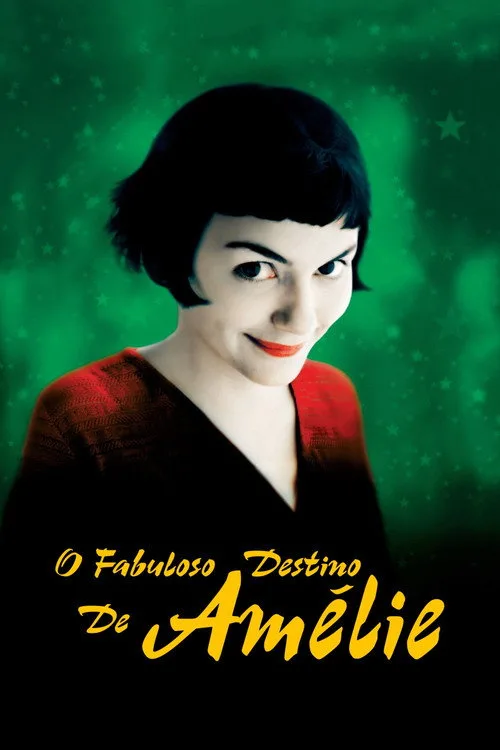
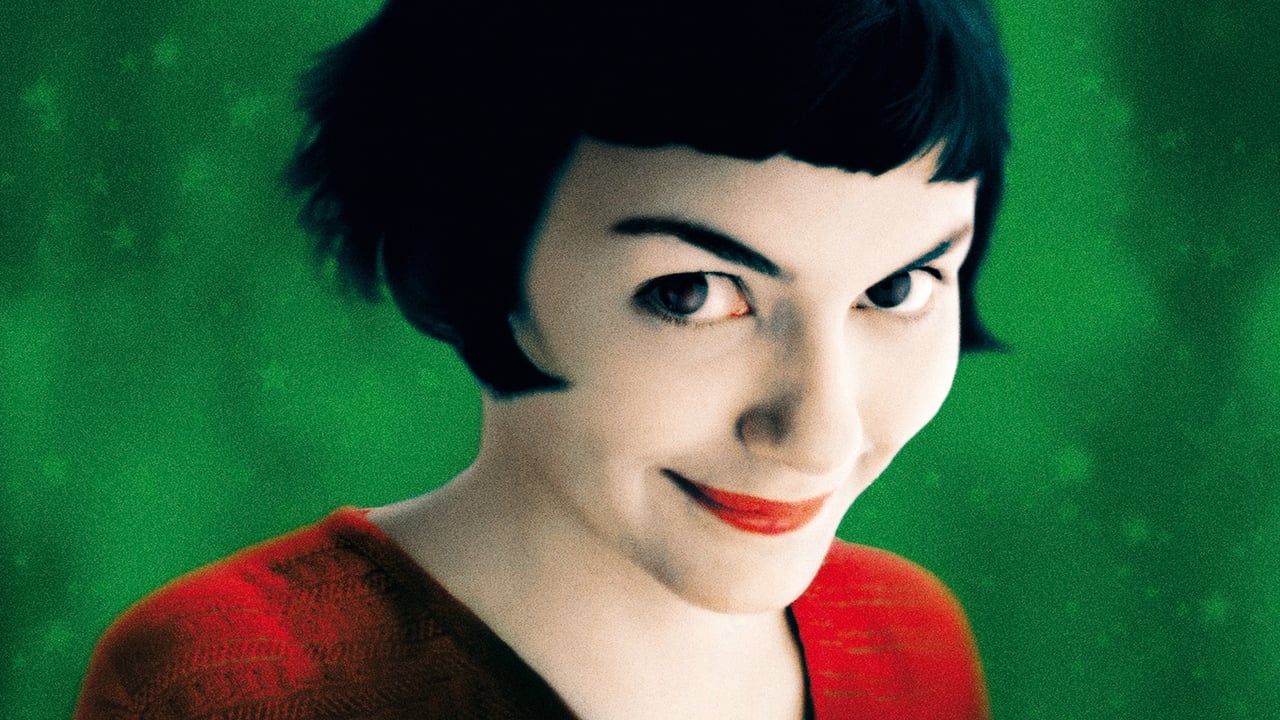
Amélie (2001), directed by Jean-Pierre Jeunet, starring Audrey Tautou and Mathieu Kassovitz.
score
She’ll change your life.
Synopsis
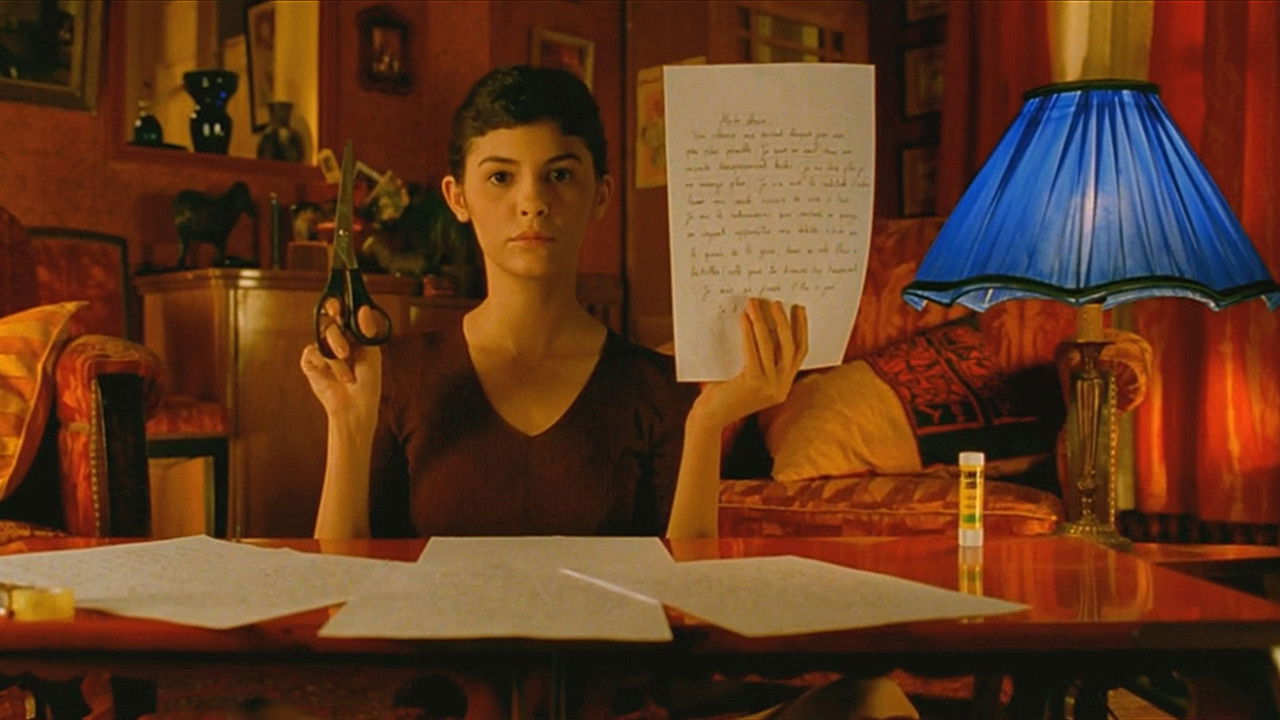
At a tiny Parisian café, the adorable yet painfully shy Amélie accidentally discovers a gift for helping others. Soon Amelie is spending her days as a matchmaker, guardian angel, and all-around do-gooder. But when she bumps into a handsome stranger, will she find the courage to become the star of her very own love story?
What the catalogue says about this film
- Jean-Pierre Jeunet and Audrey Tautou have worked together on 4 films in the catalogue
- The highest rated of Jean-Pierre Jeunet's 9 films here, at 7.9
- Made back 17.4 times its budget
- Film 6 of 16 by Jean-Pierre Jeunet in the catalogue
Every comparison is within the CineQuiz catalogue, not cinema as a whole.
- Bruno DelbonnelCinematography
- Jean-Pierre JeunetDirector, Screenplay
- Hervé SchneidEditing
- Arne Meerkamp van EmbdenProducer
About the film
Amélie is a 2001 French-language romantic comedy film directed by Jean-Pierre Jeunet. Written by Jeunet with Guillaume Laurant, the film is a whimsical depiction of contemporary Parisian life, set in Montmartre. It tells the story of Amélie Poulain, played by Audrey Tautou, a shy and quirky waitress who decides to change the lives of those around her for the better while dealing with her own isolation. The film features an ensemble cast of supporting roles, including Mathieu Kassovitz, Rufus, Lorella Cravotta, Serge Merlin, Jamel Debbouze, Claire Maurier, Clotilde Mollet, Isabelle Nanty, Dominique Pinon, Artus de Penguern, Yolande Moreau, Urbain Cancelier, and Maurice Bénichou.
Amélie was released theatrically in France on 25 April 2001 by UGC-Fox Distribution and in Germany on 16 August 2001 by Prokino Filmverleih. The film received widespread critical acclaim, with praise for Tautou's performance, the cinematography, visuals, production design, sound design, editing, musical score, writing and Jeunet's direction. Amélie won Best Film at the European Film Awards, four César Awards, including Best Film and Best Director, and two British Academy Film Awards, including Best Original Screenplay. It was nominated for five Academy Awards, including Best Foreign Language Film and Best Original Screenplay. The film was a major commercial success, grossing $174.2 million worldwide against a budget of $10 million, and is one of the biggest international successes for a French film.
Read the full article (17k characters)
Amélie is a 2001 French-language romantic comedy film directed by Jean-Pierre Jeunet. Written by Jeunet with Guillaume Laurant, the film is a whimsical depiction of contemporary Parisian life, set in Montmartre. It tells the story of Amélie Poulain, played by Audrey Tautou, a shy and quirky waitress who decides to change the lives of those around her for the better while dealing with her own isolation. The film features an ensemble cast of supporting roles, including Mathieu Kassovitz, Rufus, Lorella Cravotta, Serge Merlin, Jamel Debbouze, Claire Maurier, Clotilde Mollet, Isabelle Nanty, Dominique Pinon, Artus de Penguern, Yolande Moreau, Urbain Cancelier, and Maurice Bénichou.
Amélie was released theatrically in France on 25 April 2001 by UGC-Fox Distribution and in Germany on 16 August 2001 by Prokino Filmverleih. The film received widespread critical acclaim, with praise for Tautou's performance, the cinematography, visuals, production design, sound design, editing, musical score, writing and Jeunet's direction. Amélie won Best Film at the European Film Awards, four César Awards, including Best Film and Best Director, and two British Academy Film Awards, including Best Original Screenplay. It was nominated for five Academy Awards, including Best Foreign Language Film and Best Original Screenplay. The film was a major commercial success, grossing $174.2 million worldwide against a budget of $10 million, and is one of the biggest international successes for a French film.
Plot
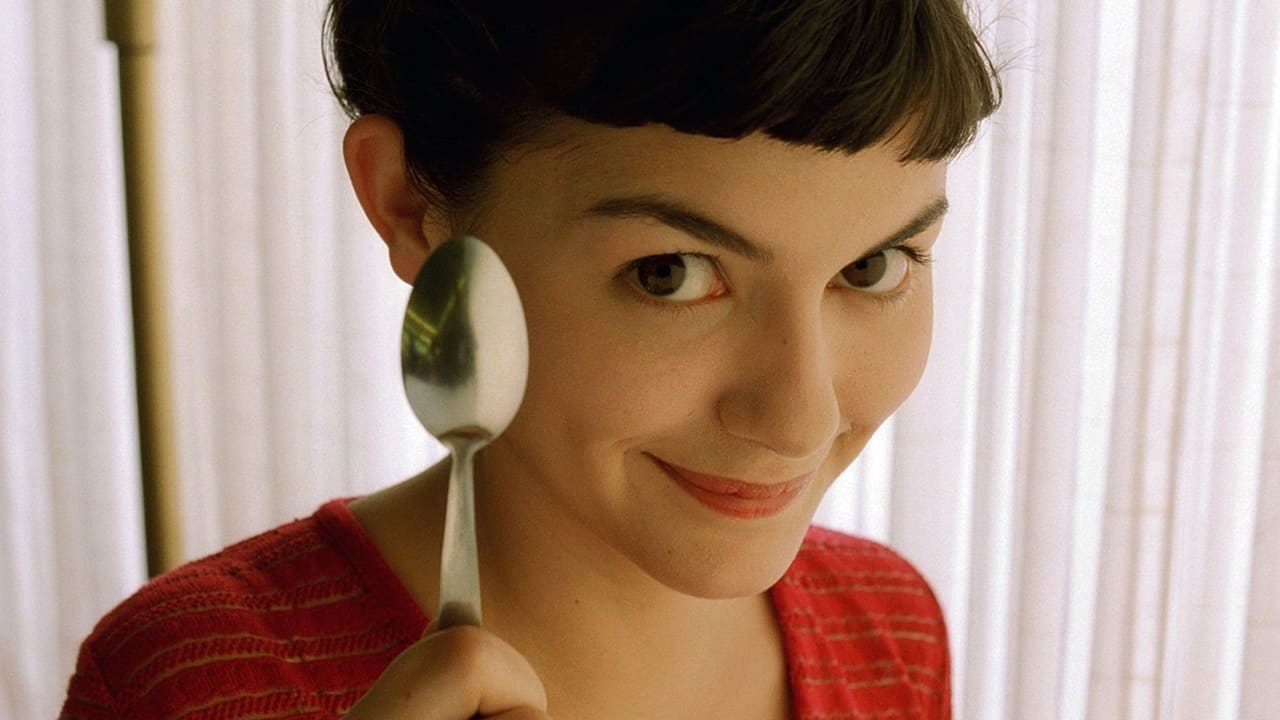
Amélie Poulain is born in 1974 and brought up by eccentric parents who – incorrectly believing that she has a heart defect – decide to homeschool her. To cope with her loneliness, Amélie develops an active imagination and a mischievous personality. When Amélie is six, her mother, Amandine, is killed when a suicidal Canadian tourist jumps from the roof of Notre-Dame de Paris and lands on her. As a result, her father, Raphaël, withdraws more and more from society. Amélie leaves home at the age of 18 and becomes a waitress at the Café des 2 Moulins in Montmartre, which is staffed and frequented by a collection of eccentrics. She is single and lets her imagination roam freely, finding contentment in simple pleasures like dipping her hand into grain sacks, cracking crème brûlée with a spoon, and skipping stones along the Canal Saint-Martin.
On 31 August 1997, startled by the news of the death of Diana, Princess of Wales, Amélie drops a plastic perfume-stopper, which dislodges a wall tile and accidentally reveals an old metal box which contains childhood memorabilia hidden by a boy who lived in her apartment decades earlier. Amélie resolves to track down the boy and return the box to him. She promises herself that if it makes him happy, she will devote her life to bringing happiness to others.
After asking the apartment's concierge and several old tenants about the boy's identity, Amélie meets her reclusive neighbour, Raymond Dufayel, an artist with brittle bone disease who replicates Pierre-Auguste Renoir's 1881 painting Luncheon of the Boating Party every year. He recalls the boy's name as "Bretodeau". Amélie finds the man, Dominique Bretodeau, and surreptitiously gives him the box. Moved to tears by the discovery and the memories it holds, Bretodeau resolves to reconcile with his estranged daughter and the grandson he has never met. Amélie happily embarks on her new mission.
Amélie secretly executes complex schemes that positively affect the lives of those around her. She escorts a blind man to the Métro station while giving him a rich description of the street scenes he passes. She persuades her father to follow his dream of touring the world by stealing his garden gnome and having a flight attendant friend mail pictures of it posing with landmarks from all over the world. She starts a romance between her hypochondriacal co-worker Georgette and Joseph, a patron of the café. She convinces Madeleine Wallace, the concierge of her block of flats, that the husband who abandoned her had sent her a final conciliatory love letter just before his accidental death years before. She plays practical jokes on Collignon, the nasty greengrocer. Mentally exhausted, Collignon no longer abuses his meek, good-natured assistant Lucien. A delighted Lucien subsequently takes charge at the grocery stand.
Dufayel, having observed Amélie, begins a conversation with her about his painting. Although he has copied the same Renoir painting 20 times, he has never quite captured the look of the girl drinking a glass of water. They discuss the meaning of this character, and over several conversations, Amélie begins projecting her loneliness onto the image. Dufayel recognizes this and uses the girl in the painting to push Amélie to examine her attraction to a quirky young man, Nino Quincampoix, who collects the discarded photographs of strangers from passport photo booths. When Amélie bumps into Nino a second time, she realizes she is falling in love with him. He accidentally drops a photo album in the street. Amélie retrieves it.
Amélie plays a cat-and-mouse game with Nino around Paris before returning his treasured album anonymously. After arranging a meeting at the 2 Moulins, Amélie panics and tries to deny her identity. Her co-worker, Gina, concerned for Amélie's well-being, screens Nino for her; Joseph's comment about this misleads Amélie to believe she has lost Nino to Gina. It takes Dufayel's insight to give her the courage to pursue Nino, resulting in a romantic night together and the beginning of a relationship. The film ends as Amélie experiences a moment of happiness she has found for herself.
Cast
Production
In his DVD commentary, Jeunet explained that he originally wrote the role of Amélie for the English actress Emily Watson. In that first draft, Amélie's father was an Englishman living in London. However, Watson's French was not strong, and when she became unavailable to shoot the film, owing to a conflict with the filming of Gosford Park (2001), Jeunet rewrote the screenplay for a French actress. Audrey Tautou was the first actress he auditioned having seen her on the poster for the 1999 film Venus Beauty Institute.
Filming took place mainly in Paris. The Café des 2 Moulins (15 Rue Lepic, Montmartre, Paris) where Amélie works is a real café. Principal photography took place from 2 March 2000 to 7 July 2000.
The filmmakers made use of computer-generated imagery (including computer animation) and a digital intermediate. The studio scenes were filmed in the MMC Studios Coloneum in Cologne (Germany). The film shares many of the themes in its plot with the second half of the 1994 film Chungking Express.
Release
The film was released in France, Belgium, and French-speaking western Switzerland in April 2001, with subsequent screenings at various film festivals followed by releases around the world. It received limited releases in North America, the United Kingdom, and Australasia later in 2001.
Cannes Film Festival selector Gilles Jacob described Amélie as "uninteresting", and therefore it was not screened at the festival, although the version he viewed was an early cut without music. The absence of Amélie at the festival caused something of a controversy because of the warm welcome by the French media and audience in contrast with the reaction of the selector. David Martin-Jones, in an article in Senses of Cinema, stated that the film "[wears] its national [French] identity on its sleeve" and that this attracted both audiences of mainstream films and those of arthouse ones.
Subsequent re-releases
In 2021, Newen Connect's TF1 Studio signed a deal with UGC for international distribution and sales rights to its films, including Amélie. The film was then re-released in multiple countries for its 20th anniversary, including on 11 May 2021 in Italy, by BIM Distribuzione.
The film's U.S. distributor Miramax was sold to Qatari company beIN Media Group in 2016. Then in 2020, beIN sold a 49% stake in Miramax to ViacomCBS (now known as Paramount Skydance), with this deal giving them the rights to Miramax's film catalog. In 2021, Paramount went on to reissue Amélie on home media, along with many other Miramax titles they had acquired.
In February 2022, while discussing the legacy of Amélie in an interview with The New York Times, Jeunet stated that U.S. distribution rights to the film, held by Miramax (and later Paramount), had been acquired by Sony Pictures Classics, with the company planning a re-release in the future. While the distributor did confirm this news, no further developments were reported until late December 2023, when Sony announced their acquisition of distribution rights to the film for North America excluding French Canada and scheduled the film for a theatrical re-release in 250 theatres in the United States on 14 February 2024. Some sources report Miramax/Paramount as still controlling certain international rights to Amélie, and Miramax continues to list the film in its library on its official website.
To mark the film's 25th anniversary, Curzon Film re-released it in UK and Irish cinemas on 3 April 2026.
Reception
Critical response
On the review aggregator website Rotten Tomatoes, the film holds a 90% approval rating based on 234 reviews, with an average rating of 8.2/10. The website's critics consensus reads, "The feel-good Amélie is a lively, fanciful charmer, showcasing Audrey Tautou as its delightful heroine." Metacritic, which uses a weighted average, assigned the film a score of 69 out of 100, based on 31 critics, indicating "generally favorable" reviews.
Alan Morrison from Empire magazine gave Amélie five stars and called it "one of the year's best, with crossover potential along the lines of Cyrano de Bergerac (1990) and Il Postino (1994). Given its quirky heart, it might well surpass them all". Paul Tatara of CNN praised Amélie's playful nature. In his review, he wrote, "Its whimsical, free-ranging nature is often enchanting; the first hour, in particular, is brimming with amiable, sardonic laughs."
The film was criticised by critic Serge Kaganski of Les Inrockuptibles for an unrealistic and picturesque vision of a bygone French society with few ethnic minorities. Jeunet dismissed the criticism by pointing out that the photo collection contains pictures of people from numerous ethnic backgrounds, and that Jamel Debbouze, who plays Lucien, is of Moroccan descent.
Box office
The film opened on 432 screens in France and grossed 43.2 million French Franc ($6.2 million) in its opening week, placing it at number one. It stayed in the top 10 for 22 weeks. It was the highest-grossing film in France for the year with a gross of $41 million. The film also grossed $33 million in the United States and Canada theatrically, making it the highest-grossing French-language film of all time in North America.
Accolades
Amélie was selected by The New York Times as one of "The Best 1,000 Movies Ever Made". The film placed No. 2 in Empire magazine's "The 100 Best Films of World Cinema". Paste magazine ranked it second on its list of the 50 Best Movies of the Decade (2000–2009). In August 2016, BBC Magazine conducted a poll on the 21st century's 100 greatest films so far, with Amélie ranking at number 87.
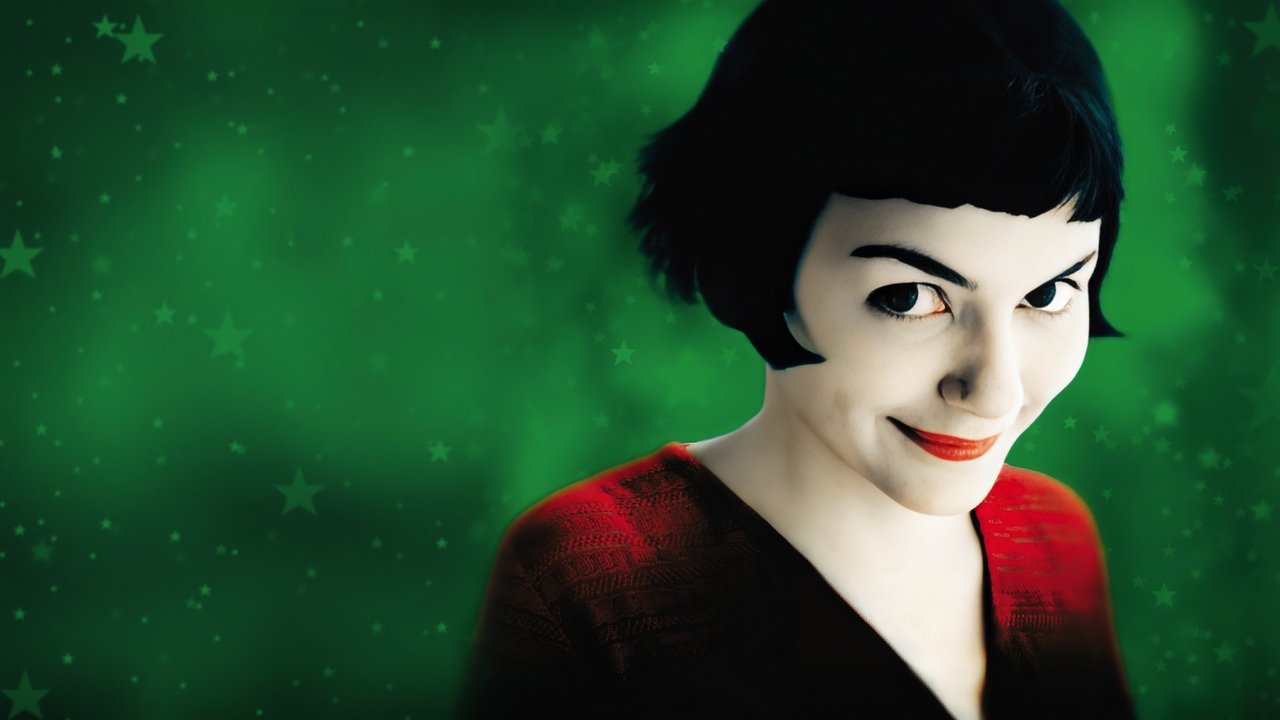
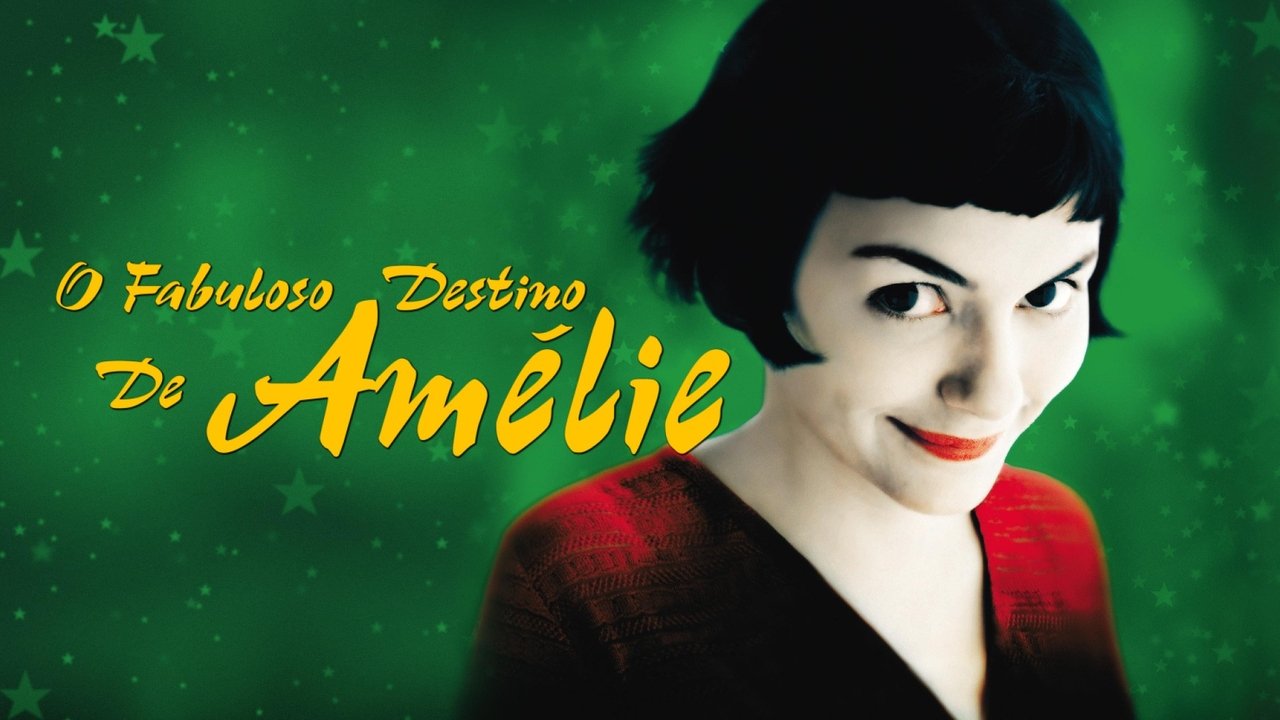
Entertainment Weekly named the film poster one of the best on its list of the top 25 film posters in the past 25 years. It also named Amélie setting up a wild goose chase for her beloved Nino all through Paris as No. 9 on its list of top 25 Romantic Gestures. In 2010, an online public poll by the American Cinematographer – the house journal of the American Society of Cinematographers – named Amélie the best shot film of the decade.
Amélie is rated 37 among the 50 Greatest Romantic Comedies of All Time by Rolling Stone magazine. In 2021, members of Writers Guild of America West (WGAW) and Writers Guild of America, East (WGAE) voted its screenplay 43th in WGA’s 101 Greatest Screenplays of the 21st Century (So Far).
In 2025, the film ranked number 41 on The New York Times' list of "The 100 Best Movies of the 21st Century" and number 46 on the "Readers' Choice" edition of the list.
Soundtrack
The soundtrack to Amélie was composed by Yann Tiersen.
Musical adaptation
On 23 August 2013, composer Dan Messe, one of the founders and members of the band Hem, confirmed speculation that he would be writing the score for a musical adaptation of Amélie, collaborating with Craig Lucas and Nathan Tysen. Messe also confirmed he would be composing all original music for the show and not using the Yann Tiersen score. The musical adaptation premiered at the Berkeley Repertory Theater in August 2015. It opened on Broadway in March 2017 and closed in May 2017. The production started its pre-Broadway engagement at the Ahmanson Theatre in Los Angeles in December 2016, with Phillipa Soo in the title role. A London production opened in 2020, with Australian, German, Dutch, and Finnish productions set to open or resume pending the cessation of restrictions due to the COVID-19 pandemic.
Jeunet has distanced himself from the musical due to his distaste for the art form, saying he only sold the rights to raise funds for children's charity "Mécénat Chirurgie Cardiaque".
Home media
The film has no overall worldwide distributor, but Blu-ray Discs have been released in Canada and Australia. The first release occurred in Canada in September 2008 by TVA Films. This version did not contain any English subtitles and received criticisms regarding picture quality. In November 2009, an Australian release occurred. This time the version contained English subtitles and features no region coding. Momentum Pictures released a Blu-ray in the UK on 17 October 2011. Lionsgate released a U.S. Blu-ray edition in 2011, after entering a temporary agreement to distribute Miramax's library on home video. Sony Pictures issued a U.S. Blu-ray in a steelbook in 2024. The film is also available in HD on iTunes and other digital download services.
In the United Kingdom, it was 2013's tenth best-selling foreign-language film on physical home video formats, and the year's third best-selling French film (below The Intouchables and Rust and Bone).
Trivia
Another film starring Audrey Tautou, Laurent Firode's Happenstance (Le Battement d'ailes du papillon), which had been released the previous year, was marketed in South Korea and Russia under the title Amélie 2. The film had no connection to the original, serving purely as a marketing strategy by local distributors.
In front of the Gare du Nord facade, narrator André Dussollier says, "Amélie arrives at the Gare de l'Est photo booth." The word "NORD" on the building's facade was digitally altered to "EST" to match the narration.
The accidental death of Amélie's mother, Amandine Poulain, was inspired by a real-life event, though the nationalities were reversed. In 1983, a Canadian tourist was killed at Notre-Dame de Paris after a French woman jumping from the cathedral landed on her.
Jeunet initially considered actor Jacques Thébault, the former French voice of Steve McQueen, to serve as the film's narrator. However, as Thébault's voice had aged significantly over the years, Jeunet ultimately chose André Dussollier.
The chairs at the Café des 2 Moulins, the actual Paris café where Amélie works in the film were frequently stolen by fans following the movie's release.
Legacy
For the 2007 television show Pushing Daisies, a "quirky fairy tale", American Broadcasting Company (ABC) sought an Amélie feel, with the same chords of "whimsy and spirit and magic". Pushing Daisies creator Bryan Fuller said Amélie is his favorite film. "All the things I love are represented in that movie", he said. "It's a movie that will make me cry based on kindness as opposed to sadness". The New York Times' review of Pushing Daisies reported "the Amélie influence on Pushing Daisies is everywhere".
A species of frog was named Cochranella amelie. The scientist who named it said: "This new species of glass frog is for Amélie, protagonist of the extraordinary movie Le Fabuleux Destin d'Amélie Poulain; a film where little details play an important role in the achievement of joie de vivre; like the important role that glass frogs and all amphibians and reptiles play in the health of our planet". The species was described in the scientific journal Zootaxa in an article entitled "An enigmatic new species of Glassfrog (Amphibia: Anura: Centrolenidae) from the Amazonian Andean slopes of Ecuador". The film is also the inspiration behind a painting game called Été where players can paint Montreal into life.
See also
Cinema of France
List of films set in Paris
List of French language films
List of French submissions for the Academy Award for Best Foreign Language Film
List of submissions to the 74th Academy Awards for Best Foreign Language Film
References
External links
Official website
Amélie at IMDb
Amélie at Box Office Mojo
Text from Amélie on Wikipedia, licensed CC BY-SA 4.0. https://en.wikipedia.org/wiki/Amélie
Trivia
- It cost US$ 10 million and grossed US$ 174 million in theaters — 17.4 times its budget.
- It premiered on April 25, 2001, a Wednesday.
- It runs 2h02 — a typical feature length.
- Its original title is "Le Fabuleux Destin d'Amélie Poulain".
- It won 11 award(s) and received 14 nomination(s) on record at Wikidata — Lumière Award for Best Actress among them.
- As of September 20, 2026, it is on no subscription service in Brazil — only to rent or buy on Apple TV Store, Amazon Video.
- This film's quiz has 14 questions — enough to play more than once without repeats.
Production
- StudiosVictoires Productions, Tapioca Films, France 3 Cinéma, MMC Independent, UGC
- CountriesFrance, Germany
- LanguagesFrench, Russian
- BudgetUS$ 10,000,000
- Box officeUS$ 173,921,954
- StatusReleased
More about this film
Awards
- Lumière Award for Best Actress 2002
- Lumière Awards 2002
- Lumière Award for Best Film 2002
- Lumière Award for Best Screenplay 2002
- Amanda Award for Best Foreign Feature Film 2002
- Silver nugget for the best foreign film 2002
- European Film Award for Best Film 2001
- European Film Award for Best Cinematographer 2001
- European Film Award for Best Director 2001
- European Film Award - People's Choice Award for Best Director 2001
- Crystal Globe 2001
Nominations
- Academy Award for Best International Feature Film 2002
- Academy Award for Best Cinematography 2002
- Academy Award for Best Production Design 2002
- Academy Award for Best Sound 2002
- International Submission to the Academy Awards 2002
- César Award for Best Actress 2002
- Academy Award for Best Writing, Original Screenplay 2002
- European Film Award for Best Film 2001
- European Film Award for Best Cinematographer 2001
- European Film Award for Best Actress 2001
- European Film Award for Best Director 2001
- European Film Award - People's Choice Award for Best Director 2001
- Jameson People's Choice Award for Best Actress 2001
- Jameson People's Choice Award for Best Actor 2001
Filming locations
- Montmartre
- Gare d'Ermont - Eaubonne
- Porte des Lilas - Cinéma
- Cologne
- Paris
Set in
- Montmartre
- Paris
Where to watch
Videos
Photos


Cast
-
 Audrey Tautou
Amélie Poulain
Audrey Tautou
Amélie Poulain -
 Mathieu Kassovitz
Nino Quincampoix
Mathieu Kassovitz
Nino Quincampoix -
 Rufus
Raphaël Poulain
Rufus
Raphaël Poulain -
 Serge Merlin
Raymond Dufayel
Serge Merlin
Raymond Dufayel -
 Jamel Debbouze
Lucien
Jamel Debbouze
Lucien -
 Clotilde Mollet
Gina
Clotilde Mollet
Gina -
 Claire Maurier
Suzanne
Claire Maurier
Suzanne -
 Isabelle Nanty
Georgette
Isabelle Nanty
Georgette -
 Dominique Pinon
Joseph
Dominique Pinon
Joseph -
 Artus de Penguern
Hipolito
Artus de Penguern
Hipolito -
 Yolande Moreau
Madeleine Wallace
Yolande Moreau
Madeleine Wallace -
 Urbain Cancelier
Collignon
Urbain Cancelier
Collignon -
 Lorella Cravotta
Amandine Poulain
Lorella Cravotta
Amandine Poulain -
 Maurice Bénichou
Dominique Bretodeau
Maurice Bénichou
Dominique Bretodeau -
 Michel Robin
Mr. Collignon
Michel Robin
Mr. Collignon -
 Andrée Damant
Mrs. Collignon
Andrée Damant
Mrs. Collignon -
 Claude Perron
Eva
Claude Perron
Eva -
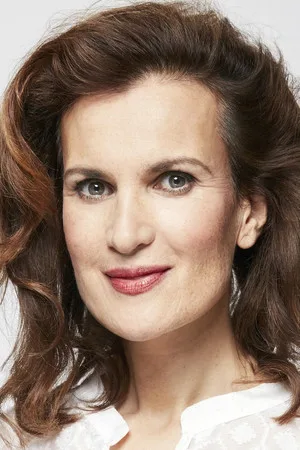 Armelle
Philomène
Armelle
Philomène -
 Ticky Holgado
Man in Photo
Ticky Holgado
Man in Photo -
 André Dussollier
Narrator (voice)
André Dussollier
Narrator (voice)
Quiz about this movie
Questions from the whole catalogue.
Play nowIf you liked this one
-
Que Mal Fizemos Todos a Deus?
 6.3
6.3
-
A Paris Errada
 6.7
6.7
-
Cinderela em Paris
 7.0
7.0
-
Um Pequeno Romance
 6.9
6.9
-
De Repente 30 Comedy from the 2000s
 6.8
6.8
-
Perdidos em Paris
 6.0
6.0
-
Para Todos os Garotos que Já Amei
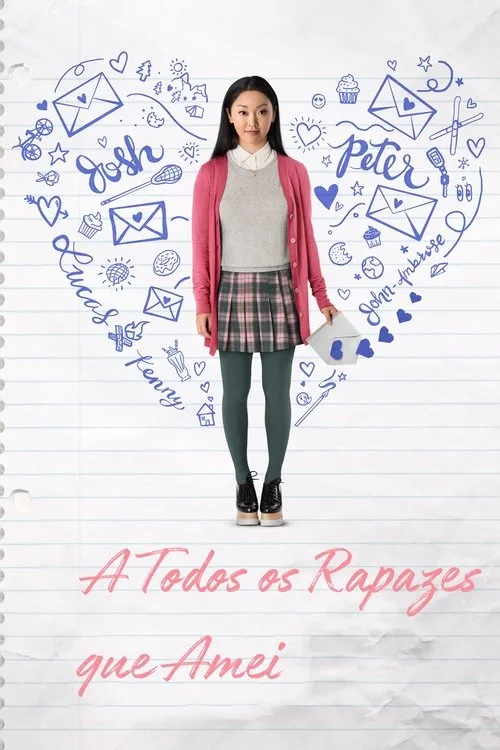 7.6
7.6
-
Mens@gem para Você
 6.7
6.7
-
Para Todos os Garotos: P.S. Ainda Amo Você
 6.8
6.8
-
Charada
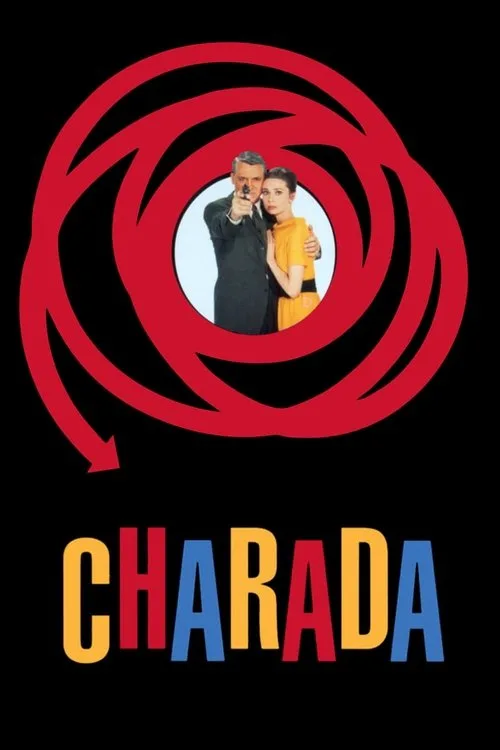 7.7
7.7
-
O Selvagem
 6.6
6.6
-
Tenha Fé Comedy from the 2000s
 6.1
6.1
Tags
Crew
- Bruno Delbonnel Cinematography
- Jean-Pierre Jeunet Director
- Hervé Schneid Editing
- Arne Meerkamp van Embden Producer
- Claudie Ossard Producer
- Yann Tiersen Original music
- Guillaume Laurant Screenplay
- Jean-Pierre Jeunet Screenplay
Questions about this film
What is Amélie about?
Amélie: At a tiny Parisian café, the adorable yet painfully shy Amélie accidentally discovers a gift for helping others. Soon Amelie is spending her days as a matchmaker, guardian angel, and all-around do-gooder. But when she bumps into a handsome stranger, will she find the courage to become the star of her very own love sto…
Who directed Amélie?
Amélie was directed by Jean-Pierre Jeunet in 2001.
Who stars in Amélie?
The cast of Amélie includes Audrey Tautou, Mathieu Kassovitz, Rufus, Serge Merlin and Jamel Debbouze.
How long is Amélie?
Amélie runs for 122 minutes, or 2h02.
How much did Amélie cost and how much did it make?
Amélie had a budget of US$ 10,000,000 and took US$ 173,921,954 at the box office — 17.4 times its cost.
Where can I watch Amélie?
Amélie is available on Apple TV Store and Amazon Video. Availability changes often: the list on this page is the most recent we received.
What awards did Amélie win?
Amélie has 11 recorded awards, among them Lumière Award for Best Actress, Lumière Awards, Lumière Award for Best Film, Lumière Award for Best Screenplay and Amanda Award for Best Foreign Feature Film.
Similar films
 8.5
8.5
 7.9
7.9
 7.3
7.3
 7.0
7.0
 7.2
7.2
 7.3
7.3
 7.6
7.6
 7.3
7.3
 6.6
6.6
 7.6
7.6
 7.2
7.2
 7.4
7.4
Page updated on 09/08/2026.
Back to the catalogue