



An American in Paris (1951)
An American in Paris (1951), directed by Vincente Minnelli, starring Gene Kelly and Leslie Caron.
score
What a joy! It's M-G-M's Technicolor musical!
Synopsis
Jerry Mulligan is an exuberant American expatriate in Paris trying to make a reputation as a painter. His friend Adam is a struggling concert pianist who's a long time associate of a famous French singer, Henri Baurel. A lonely society woman, Milo Roberts, takes Jerry under her wing and supports him, but is interested in more than his art.
- Alfred GilksCinematography
- Vincente MinnelliDirector
- Adrienne FazanEditing
- Arthur FreedProducer
About the film
An American in Paris is a 1951 American musical romantic comedy film inspired by the 1928 jazz-influenced symphonic poem (or tone poem) An American in Paris by George Gershwin. Starring Gene Kelly, Leslie Caron (her film debut), Oscar Levant, Georges Guétary, and Nina Foch, the film is set in Paris and was directed by Vincente Minnelli from a script by Alan Jay Lerner. The music is by George Gershwin with lyrics by his brother Ira, with additional music by Johnny Green and Saul Chaplin, the music directors.
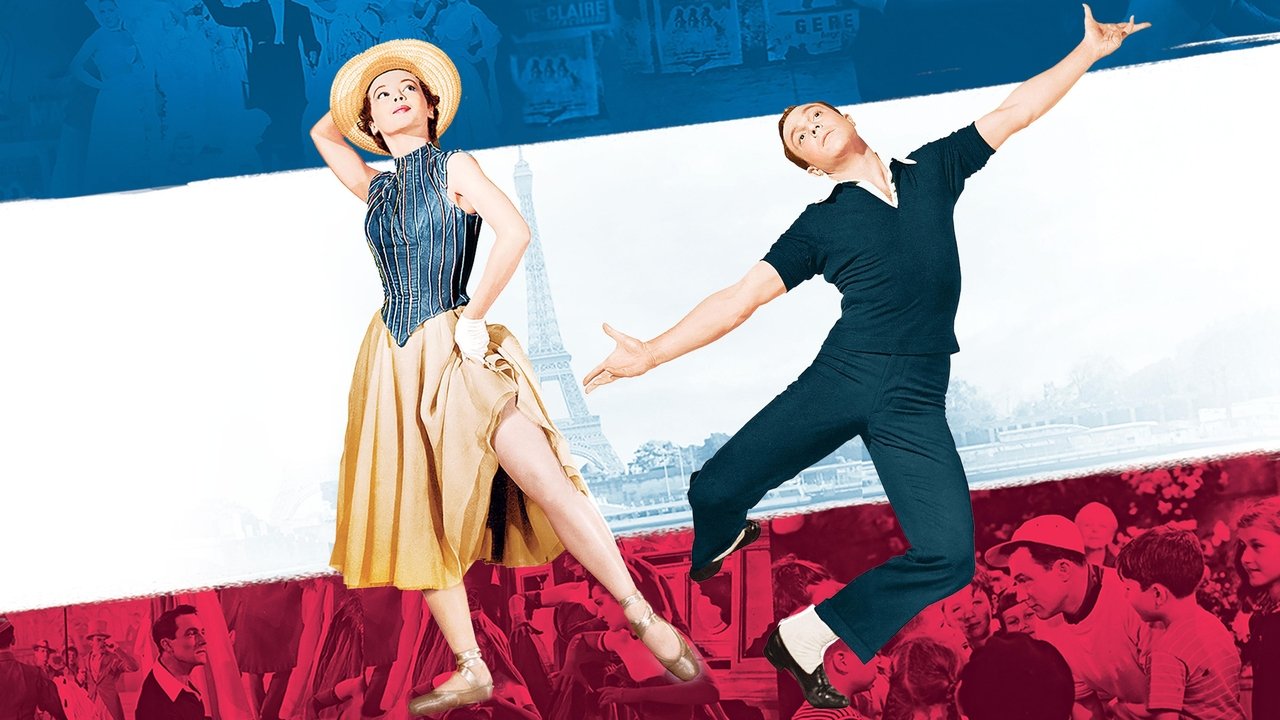
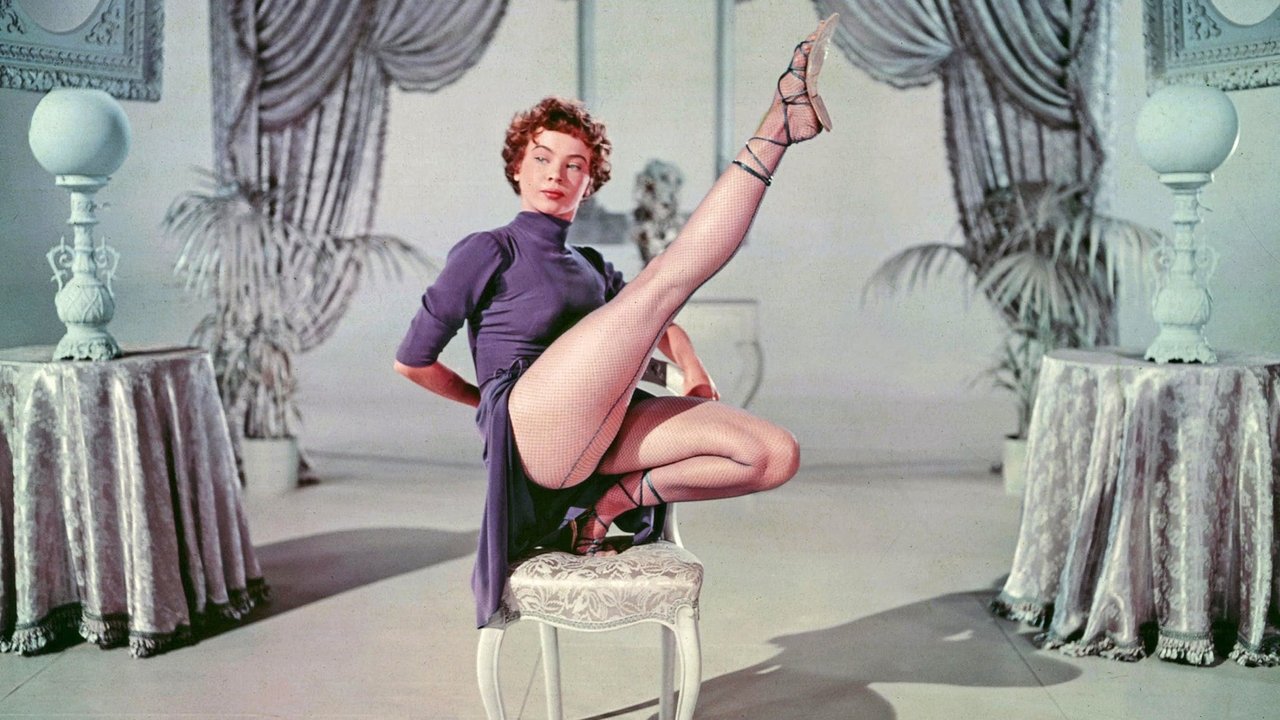
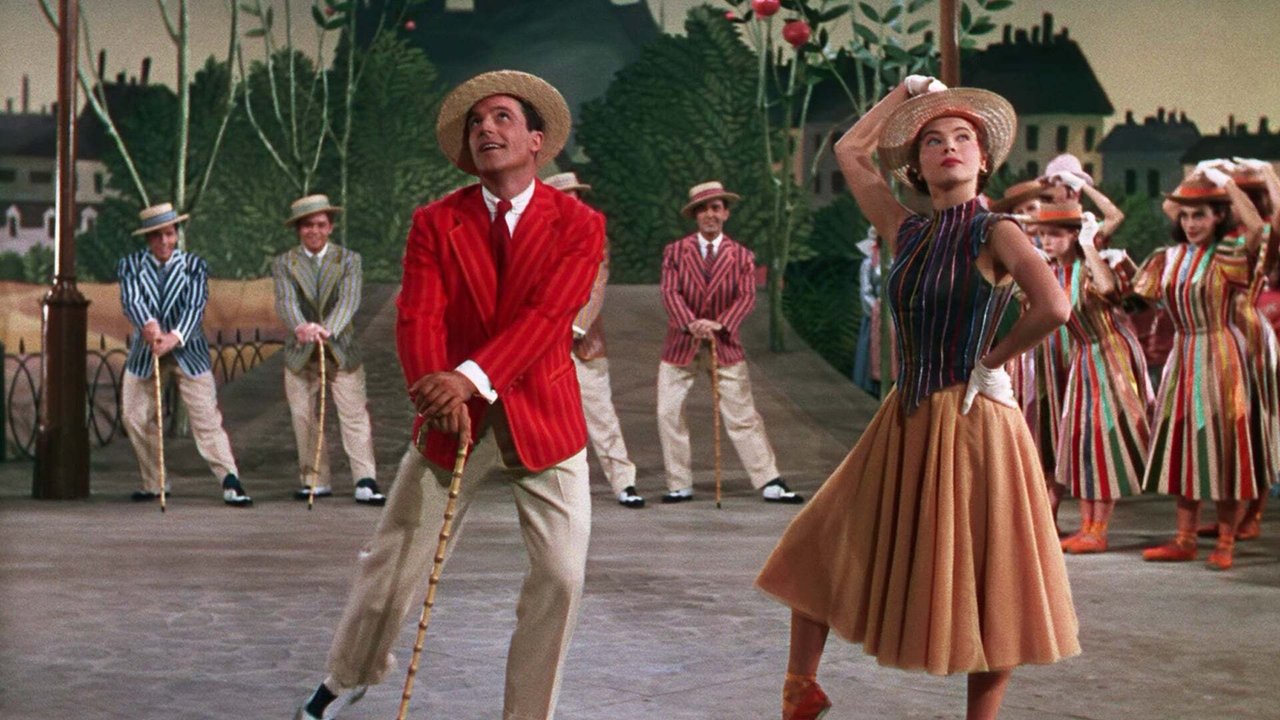
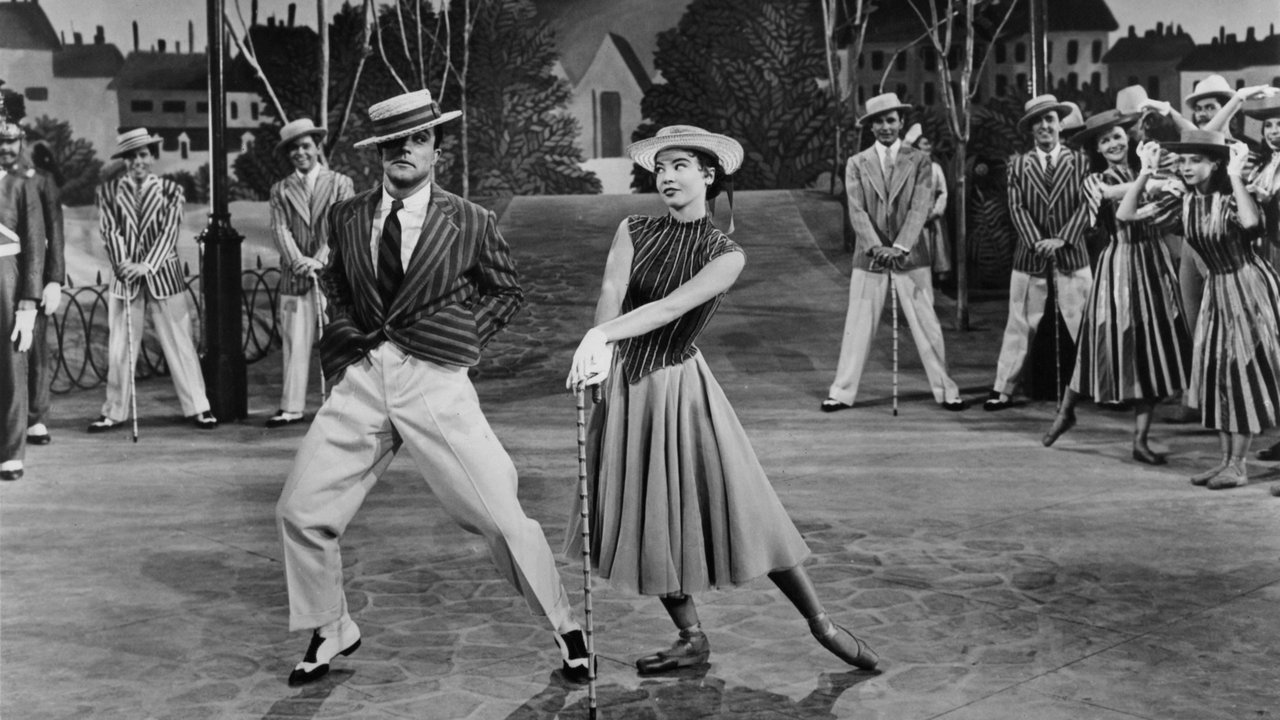
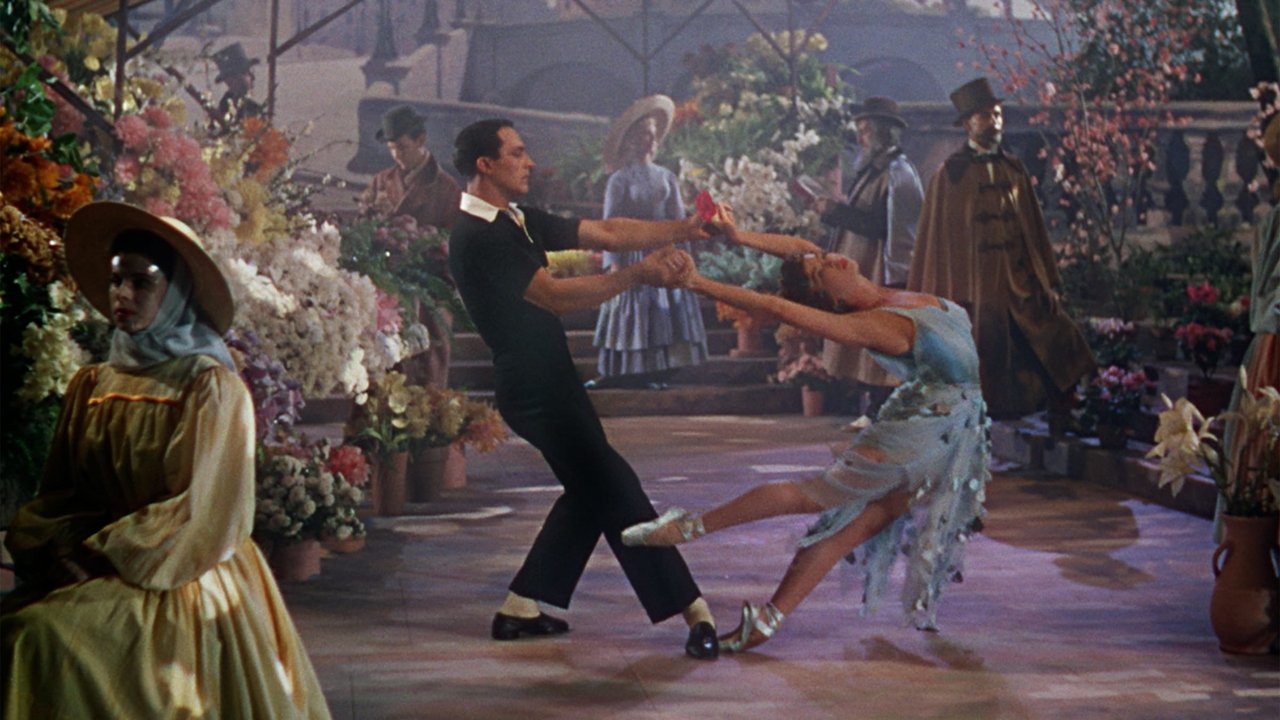
The story of the film is interspersed with dance numbers choreographed by Gene Kelly and set to Gershwin's music. Following the death of George Gershwin in 1937, George's brother Ira sold the Gershwin musical catalog to MGM executive Arthur Freed in the late 1940s. Some of the tunes in this catalog were included in the film, such as "I Got Rhythm" and "Love Is Here to Stay". Other songs in the movie include "I'll Build A Stairway to Paradise" and "'S Wonderful". The climax of the film is "The American in Paris" ballet, a 17-minute dialogue-free sequence featuring Kelly and Caron set to Gershwin's An American in Paris, with sets designed in the styles of various French artists. The ballet sequence cost nearly half a million dollars and was filmed on 44 sets on MGM's back lot. In an interview from 2009 with Paul O'Grady, Leslie Caron said the film ran into controversy with the Hays Office over part of her dance sequence with a chair; the censor reviewing the scene called it "sexually provocative", which surprised Caron, who asked "What can you do with a chair?"
An American in Paris was an enormous critical and financial success, garnering eight Academy Award nominations and winning six (including Best Picture), as well as earning other industry honors such as the inaugural Golden Globe Award for Best Motion Picture – Musical or Comedy. In 1993, the film was selected for preservation by the United States Library of Congress in the National Film Registry for being "culturally, historically, or aesthetically significant". It is ranked number nine among AFI's Greatest Movie Musicals.
Read the full article (13k characters)
An American in Paris is a 1951 American musical romantic comedy film inspired by the 1928 jazz-influenced symphonic poem (or tone poem) An American in Paris by George Gershwin. Starring Gene Kelly, Leslie Caron (her film debut), Oscar Levant, Georges Guétary, and Nina Foch, the film is set in Paris and was directed by Vincente Minnelli from a script by Alan Jay Lerner. The music is by George Gershwin with lyrics by his brother Ira, with additional music by Johnny Green and Saul Chaplin, the music directors.
The story of the film is interspersed with dance numbers choreographed by Gene Kelly and set to Gershwin's music. Following the death of George Gershwin in 1937, George's brother Ira sold the Gershwin musical catalog to MGM executive Arthur Freed in the late 1940s. Some of the tunes in this catalog were included in the film, such as "I Got Rhythm" and "Love Is Here to Stay". Other songs in the movie include "I'll Build A Stairway to Paradise" and "'S Wonderful". The climax of the film is "The American in Paris" ballet, a 17-minute dialogue-free sequence featuring Kelly and Caron set to Gershwin's An American in Paris, with sets designed in the styles of various French artists. The ballet sequence cost nearly half a million dollars and was filmed on 44 sets on MGM's back lot. In an interview from 2009 with Paul O'Grady, Leslie Caron said the film ran into controversy with the Hays Office over part of her dance sequence with a chair; the censor reviewing the scene called it "sexually provocative", which surprised Caron, who asked "What can you do with a chair?"
An American in Paris was an enormous critical and financial success, garnering eight Academy Award nominations and winning six (including Best Picture), as well as earning other industry honors such as the inaugural Golden Globe Award for Best Motion Picture – Musical or Comedy. In 1993, the film was selected for preservation by the United States Library of Congress in the National Film Registry for being "culturally, historically, or aesthetically significant". It is ranked number nine among AFI's Greatest Movie Musicals.
Plot
American World War II veteran Jerry Mulligan lives in Paris trying to succeed as an artist. His friend and neighbor Adam Cook is a struggling concert pianist and longtime associate of French singer Henri Baurel. At the ground-floor bar in their building, Henri tells Adam about his girlfriend, Lise Bouvier. Jerry then joins them before going out to try and sell his art.
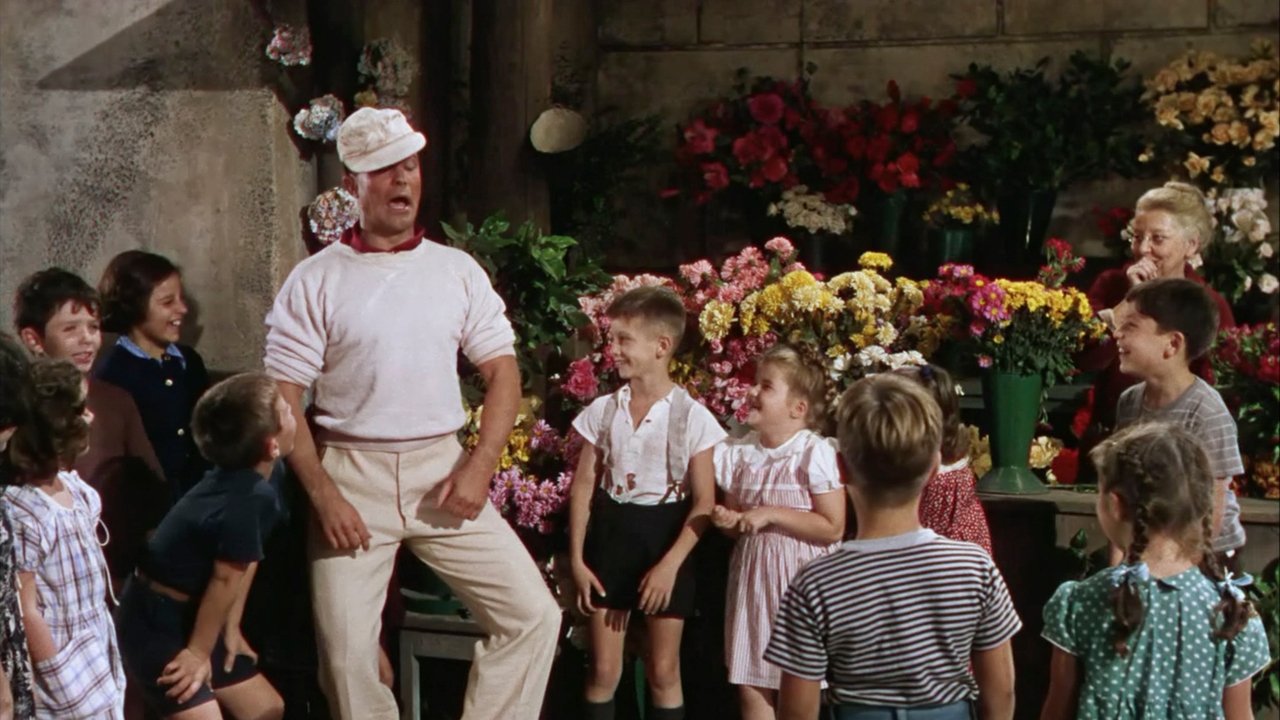
Lonely heiress Milo Roberts notices Jerry displaying his work in Montmartre. She buys two paintings, then brings Jerry to her apartment to pay him. Jerry accepts an invitation to her dinner party for that evening, and on the way home, he sings "I Got Rhythm" with some local children. Upon discovering he is Milo's sole dinner guest, an offended Jerry says he is uninterested in being a paid escort. Milo insists she only wants to support his career.
At a crowded bar, Milo offers to sponsor an art show for Jerry. Milo's friends show up and while everyone is talking, Jerry notices a beautiful younger woman at the next table. He pretends they know each other and asks her to dance, unaware it is Lise, the girl Henri loves. Lise, uninterested in Jerry, rebuffs him, but Jerry persists. Milo is upset that Jerry flirted with another girl in her presence and abruptly leaves. In the car, she tearfully criticizes Jerry for being rude and inconsiderate.
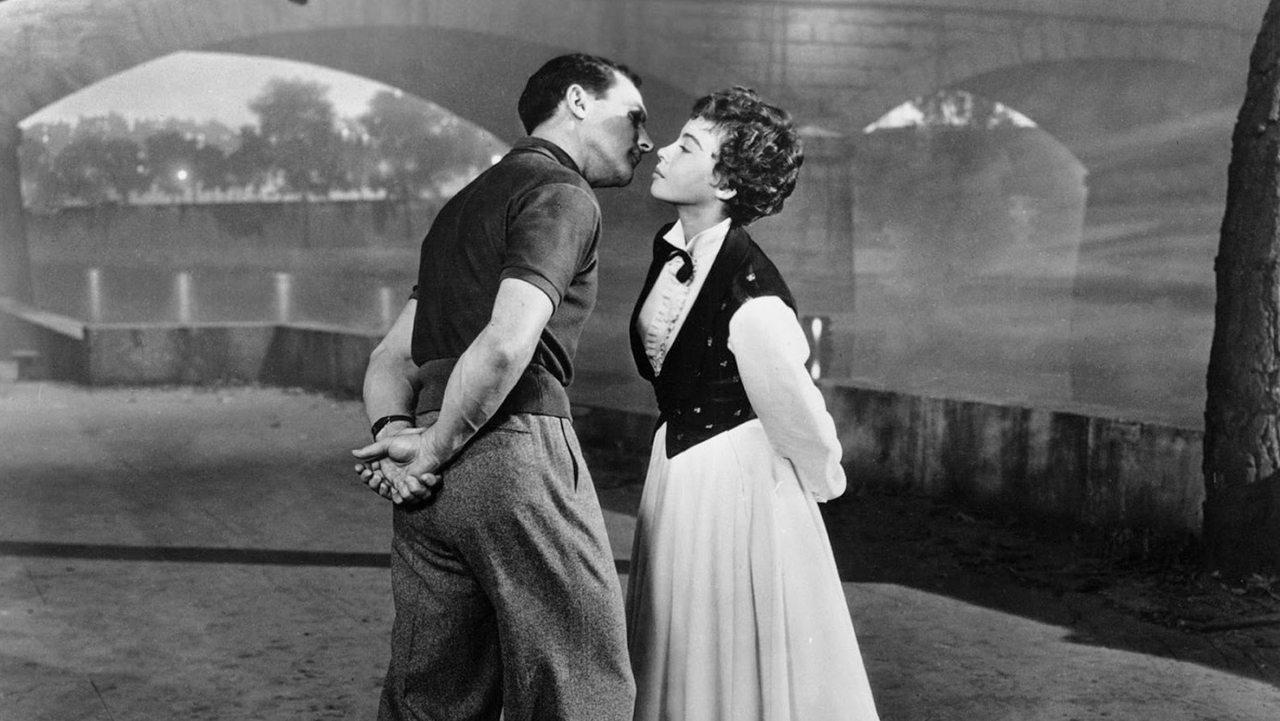
The next day, Jerry calls Lise, but she tells him to leave her alone. Meanwhile, Milo has arranged a showing with a collector interested in Jerry's work. Before the meeting, Jerry goes to the parfumerie where Lise works, and his persistence finally wins her over. She agrees to meet him that evening but wants to avoid public places; they share a romantic song and dance along the banks of the Seine River ("Love Is Here to Stay"). Lise then rushes off to meet Henri after his performance ("I'll Build a Stairway to Paradise"). Henri tells Lise he is going on tour in America and proposes marriage to her.
Later Adam humorously daydreams he is performing Gershwin's Concerto in F for Piano and Orchestra in a concert hall. As the scene progresses, Adam is also the conductor, other musicians, and even an audience member enthusiastically applauding at the end.
Milo rents Jerry a lavish art studio and tells him she is planning an exhibition of his work in three months' time. Jerry initially refuses the studio but accepts on condition he will repay Milo when his work sells. After a month of courting, Jerry brings Lise to his apartment building. When Lise suddenly rushes off in a waiting taxi, Jerry is confused and complains to Adam, who realizes that Henri and Jerry are in love with the same girl. Henri and Jerry later discuss the girl they each love ("'S Wonderful") without realizing it is Lise.
That night, Jerry and Lise meet by the Seine. Lise informs him that she and Henri are to be married and will be going to America. Though Lise feels duty-bound to Henri for protecting her during the war, Jerry and Lise proclaim their love for each other before parting.
Dejected, Jerry invites Milo to the art students' masked ball, where they run into Henri and Lise. Jerry admits to Milo that he loves Lise. When Henri overhears Jerry and Lise saying goodbye, he realizes the truth. As Henri and Lise drive away, Jerry fantasizes through a diverse and extended dance scene with Lise all over Paris and set to Gershwin's An American in Paris. A car horn breaks Jerry's reverie as Henri releases Lise from their relationship and returns her to the ball. Jerry and Lise run into each other’s arms.
Cast
Credits from the AFI Catalog of Feature Films:
Music and dance
"Embraceable You" (from Girl Crazy) – Lise
"Nice Work If You Can Get It" (from A Damsel in Distress) – Hank
"By Strauss" (from The Show Is On) – Jerry, Hank, Adam
"I Got Rhythm" (from Girl Crazy)– Jerry
"Tra-la-la (This Time It's Really Love)" used in tryouts of For Goodness Sake – Jerry, Adam
"Love Is Here to Stay" (from The Goldwyn Follies) – Jerry, Lise
"I'll Build a Stairway to Paradise" (from George White's Scandals of 1922) – Hank
Concerto in F for Piano and Orchestra – Adam, The MGM Symphony Orchestra
"'S Wonderful" (from Funny Face) – Jerry, Hank
An American in Paris Ballet – Jerry, Lise, Ensemble
The 17-minute ballet sequence, with sets and costumes referencing French painters including Raoul Dufy, Pierre-Auguste Renoir, Maurice Utrillo, Henri Rousseau, and Toulouse-Lautrec, is the climax of the film, and it cost the studio approximately $450,000 to produce. Some of the backdrops for this sequence measured 300 feet (90 m) wide and 40 feet (12 m) high. Production on the film was halted on September 15, 1950. Minnelli left to direct another film, Father's Little Dividend. Upon completion of that film in late October, he returned to film the ballet sequence.
Reception
Box office
According to MGM records, An American in Paris earned $3,750,000 in the United States and Canada and $3,231,000 in other countries during its initial theatrical release. This resulted in the studio making a $1,346,000 profit.
Critical reaction
Bosley Crowther of The New York Times gave a mostly positive review largely on the strength of the closing dance number which he called "one of the finest ever put upon the screen", as well as Leslie Caron's performance, writing that the film "takes on its own glow of magic when Miss Caron is on the screen. When she isn't, it bumps along slowly as a patched-up, conventional music show." Variety called the film "one of the most imaginative musical confections turned out by Hollywood in years ... Kelly is the picture's top star and rates every inch of his billing. His diversified dancing is great as ever and his thesping is standout." Harrison's Reports deemed it "an excellent entertainment, a delight to the eye and ear, presented in a way that will give all types of audiences extreme pleasure".
Richard L. Coe of The Washington Post called it "the best musical movie I've ever seen", praising its "spirit of crisp originality and sophistication rarely found in a screen musical". John McCarten of The New Yorker called it "a thoroughly pleasant musical film ... Never too tightly confined by its slender story, An American in Paris skips from love in the moonlight to handsome ballets with the greatest of ease, and Mr. Kelly is always ready, willing, and able to execute a tap dance." The Monthly Film Bulletin called it "merely a good musical, far more attractive than most, but considerably less than the material seemed to promise. This is due in part to unimaginative use of the Paris settings—a very obvious tourist's view—and to the rather curious way in which the story, after building up interest in Jerry's painting and in his one-man show, simply shelves the whole issue."
During the film's 1992 re-release, Roger Ebert gave the film three-and-a-half stars out of four and wrote: "The real reasons to see An American in Paris are for the Kelly dance sequences, the closing ballet, the Gershwin songs, the bright locations, and a few moments of the ineffable, always curiously sad charm of Oscar Levant." Howard Reich for the Chicago Tribune gave the film four complete stars and wrote it "remains one of the supreme romantic musicals." In 2011, James Berardinelli wrote that it "falls into the category of a weak Oscar winner. The movie is enjoyable enough to watch, but it represents a poor choice as the standard-bearer of the 1951 roster ... It's a fine, fun film with a lot of great songs and dancing but there's nothing about this production that causes it to stand out when compared to one of dozens of musicals from the era."
On review aggregator Rotten Tomatoes, An American in Paris holds a score of 95% based on 101 reviews, with an average rating of 8.1/10. The website's critics consensus reads, "The plot may be problematic, but such concerns are rendered superfluous by Gene Kelly and Leslie Caron's star power, the Gershwins' classic songs, and Vincente Minnelli's colorful, sympathetic direction." On Metacritic, it holds a weighted average score of 83 out of 100 based on 18 critics, indicating "universal acclaim".
Awards and honors
Gene Kelly received an Academy Honorary Award that year for "his versatility as an actor, singer, director, and dancer, and specifically for his brilliant achievements in the art of choreography on film". It was his only Oscar.
In 1993 An American in Paris was selected for preservation in the United States National Film Registry as being "culturally, historically, or aesthetically significant".
American Film Institute recognition
1998: AFI's 100 Years...100 Movies – #68
2002: AFI's 100 Years...100 Passions – #39
2004: AFI's 100 Years...100 Songs – #32
"I Got Rhythm"
2006: AFI's Greatest Movie Musicals – #9
AFI also honored star Kelly as #15 of the top 25 American male screen legends.
Digital restoration
In 2011 the film was digitally restored by Warner Bros. for its 60th anniversary; so far this version is only available via DCP (Digital Cinema Package).
Stage adaptations
2008 adaptation
A stage version of the musical was adapted by Ken Ludwig and began previews at the Alley Theatre in Houston on April 29, 2008, officially opening on May 18 and running through June 22. The production, directed by Alley artistic director Gregory Boyd with choreography by Randy Skinner, starred Harry Groener and Kerry O'Malley. The musical had many of the film's original songs and also incorporated other Gershwin songs, such as "They All Laughed", "Let's Call the Whole Thing Off", and "Love Walked In".
2014 adaptation
In 2014 a stage adaptation premiered in Paris at the Théâtre du Châtelet with Robert Fairchild as Jerry Mulligan and Leanne Cope as Lise Bouvier (here renamed Lise Dassin and turned into an aspiring ballet dancer). The production, which ran from November 2014 to January 2015, was directed and choreographed by Christopher Wheeldon, written by Craig Lucas, and designed by Bob Crowley. The musical then transferred to Broadway with previews at Palace Theatre beginning on March 13, 2015, before officially opening there on April 12.
In popular culture
The epilogue of the 2016 musical film La La Land references the set design and costuming of An American in Paris, which director Damien Chazelle called "a movie that we just pillaged".
In The Boys season 3 finale, Soldier Boy (Jensen Ackles) reminisces about starring in his own biopic, which lost the Oscar for Best Picture to An American in Paris.
Notes
References
External links
An American in Paris at IMDb
An American in Paris at the TCM Movie Database (archived)
An American in Paris at the AFI Catalog of Feature Films
An American in Paris at Rotten Tomatoes
Filmsite.org's Greatest Films An American in Paris
Combustible Celluloid's review of An American in Paris
Production art from An American in Paris, Margaret Herrick Library, Academy of Motion Picture Arts and Sciences
An American in Paris essay by Daniel Eagan in America's Film Legacy: The Authoritative Guide to the Landmark Movies in the National Film Registry A&C Black, 2010 ISBN 0826429777, pages 450–451
Text from An American in Paris (film) on Wikipedia, licensed CC BY-SA 4.0. https://en.wikipedia.org/wiki/An_American_in_Paris_(film)
Trivia
- It cost US$ 5.6 million and grossed US$ 7.0 million in theaters — 1.2 times its budget.
- It premiered on September 26, 1951, a Wednesday.
- It runs 1h54 — a typical feature length.
- It won 7 award(s) and received 8 nomination(s) on record at Wikidata — Academy Award for Best Picture among them.
- As of September 20, 2026, it is available in Brazil by subscription on Belas Artes à La Carte.
- This film's quiz has 14 questions — enough to play more than once without repeats.
Production
- StudiosMetro-Goldwyn-Mayer
- CountriesUnited States
- LanguagesEnglish, French, German
- BudgetUS$ 5,635,000
- Box officeUS$ 6,981,000
- StatusReleased
More about this film
Awards
- Academy Award for Best Picture 1952
- Academy Award for Best Original Musical Score 1952
- Academy Award for Best Cinematography, Color 1952
- Academy Award for Best Costume Design, Color 1952
- Academy Award for Best Art Direction, Color 1952
- Academy Award for Best Writing, Original Screenplay 1952
- National Board of Review: Top Ten Films
Nominations
- Academy Award for Best Picture 1952
- Academy Award for Best Director 1952
- Academy Award for Best Film Editing 1952
- Academy Award for Best Original Musical Score 1952
- Academy Award for Best Cinematography, Color 1952
- Academy Award for Best Costume Design, Color 1952
- Academy Award for Best Art Direction, Color 1952
- Academy Award for Best Writing, Original Screenplay 1952
Based on
- An American in Paris
Set in
- Paris
Where to watch
-
Belas Artes à La Carte
Streaming
-
Apple TV Store
Rent
Buy
-
Amazon Video
Rent
Buy
-
Google Play Movies
Rent
Buy
Videos
Photos



Cast
-
 Gene Kelly
Jerry Mulligan
Gene Kelly
Jerry Mulligan -
 Leslie Caron
Lise Bouvier
Leslie Caron
Lise Bouvier -
 Oscar Levant
Adam Cook
Oscar Levant
Adam Cook -
 Georges Guétary
Henri Baurel
Georges Guétary
Henri Baurel -
 Nina Foch
Milo Roberts
Nina Foch
Milo Roberts - Robert Ames Ballet Dancer (uncredited)
- Joan Anderson Child in Ballet (uncredited)
- Larry Arnold Frenchman (uncredited)
- Martha Bamattre Mathilde Mattieu (uncredited)
- Charles Bastin Smiling Young Man (uncredited)
- Joan Bayley Ballet Dancer (uncredited)
- Rodney Bieber Ballet Dancer (uncredited)
-
 Madge Blake
Edna Mae Bestram (uncredited)
Madge Blake
Edna Mae Bestram (uncredited) - Ralph Blum Patron at Flodair Café (uncredited)
-
 Nan Boardman
Maid (uncredited)
Nan Boardman
Maid (uncredited) - Dino Bolognese Bartender (uncredited)
-
 Eugene Borden
Georges Matthieu (uncredited)
Eugene Borden
Georges Matthieu (uncredited) - Ann Brendon Dancer (uncredited)
- Peter Camlin Artist (uncredited)
-
 Benny Carter
Saxophonist in Cafe (uncredited)
Benny Carter
Saxophonist in Cafe (uncredited)
Quiz about this movie
Questions from the whole catalogue.
Play nowIf you liked this one
-
Cinderela em Paris Comedy from the 1950s
 7.0
7.0
-
Gigi Same director: Vincente Minnelli
 6.2
6.2
-
Mergulhando no Amor
 6.6
6.6
-
Borbulhas de Amor
 6.1
6.1
-
A Nova Cinderela: Milagre de Natal
 6.4
6.4
-
Guava Island
 6.7
6.7
-
A Paris Errada
 6.7
6.7
-
Outro Conto da Nova Cinderela
 7.3
7.3
-
A Extraordinária Garota Chamada Estrela em Hollywood
 6.6
6.6
-
Os Homens Preferem as Loiras Comedy from the 1950s
 7.3
7.3
-
Letra e Música
 6.4
6.4
-
Yesterday
 6.7
6.7
Tags
Crew
- Alfred Gilks Cinematography
- Vincente Minnelli Director
- Adrienne Fazan Editing
- Arthur Freed Producer
- Conrad Salinger Original music
- George Gershwin Original music
- Alan Jay Lerner Screenplay
- Alan Jay Lerner Story
Questions about this film
What is An American in Paris about?
An American in Paris: Jerry Mulligan is an exuberant American expatriate in Paris trying to make a reputation as a painter. His friend Adam is a struggling concert pianist who's a long time associate of a famous French singer, Henri Baurel. A lonely society woman, Milo Roberts, takes Jerry under her wing and supports him, but is interested…
Who directed An American in Paris?
An American in Paris was directed by Vincente Minnelli in 1951.
Who stars in An American in Paris?
The cast of An American in Paris includes Gene Kelly, Leslie Caron, Oscar Levant, Georges Guétary and Nina Foch.
How long is An American in Paris?
An American in Paris runs for 114 minutes, or 1h54.
How much did An American in Paris cost and how much did it make?
An American in Paris had a budget of US$ 5,635,000 and took US$ 6,981,000 at the box office — 1.2 times its cost.
Where can I watch An American in Paris?
An American in Paris is available on Belas Artes à La Carte, Apple TV Store, Amazon Video and Google Play Movies. Availability changes often: the list on this page is the most recent we received.
What is An American in Paris based on?
An American in Paris is based on An American in Paris.
What awards did An American in Paris win?
An American in Paris has 7 recorded awards, among them Academy Award for Best Picture, Academy Award for Best Original Musical Score, Academy Award for Best Cinematography, Color, Academy Award for Best Costume Design, Color and Academy Award for Best Art Direction, Color.
Similar films
-
 7.3
7.3
Pitch Perfect
2012
-
 6.5
6.5
High School Musical
2006
-
6.7
Yesterday
2019
-
 7.2
7.2
Begin Again
2014
-
 6.3
6.3
Coyote Ugly
2000
-
 7.2
7.2
The Idea of You
2024
-
 7.9
7.9
Sing Street
2016
-
 6.8
6.8
We Are Your Friends
2015
-
 7.1
7.1
High Fidelity
2000
-
 6.6
6.6
Hannah Montana: The Movie
2009
-
7.3
Another Cinderella Story
2008
-
6.4
Music and Lyrics
2007
Page updated on 09/11/2026.
Back to the catalogue