An Autumn Afternoon (1962)
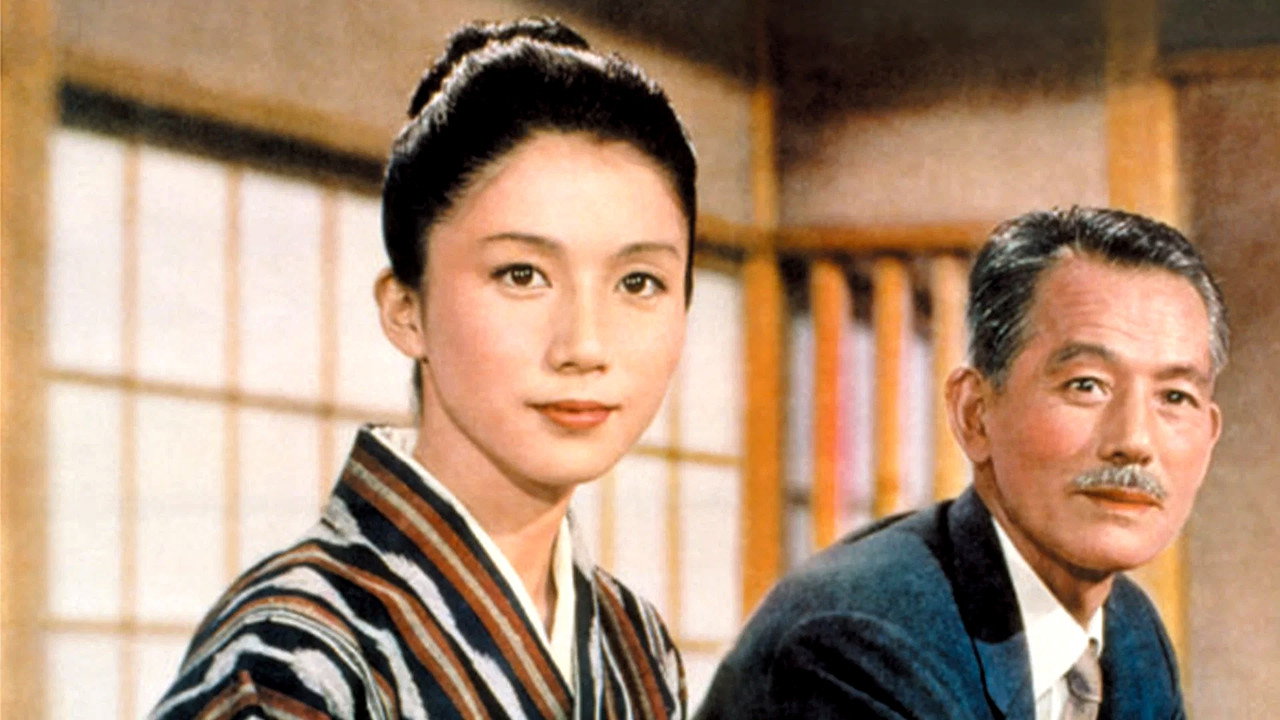
An Autumn Afternoon (1962), directed by Yasujiro Ozu, starring Chishu Ryu and Shima Iwashita.
score
Synopsis
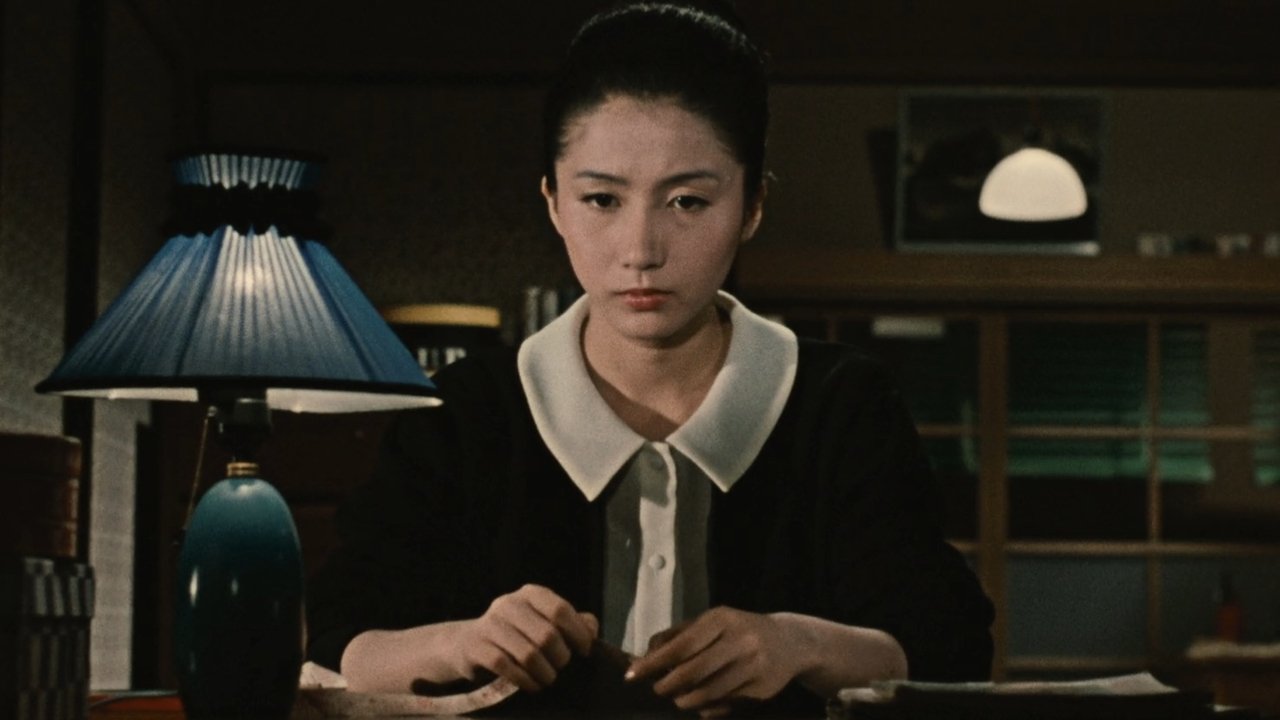
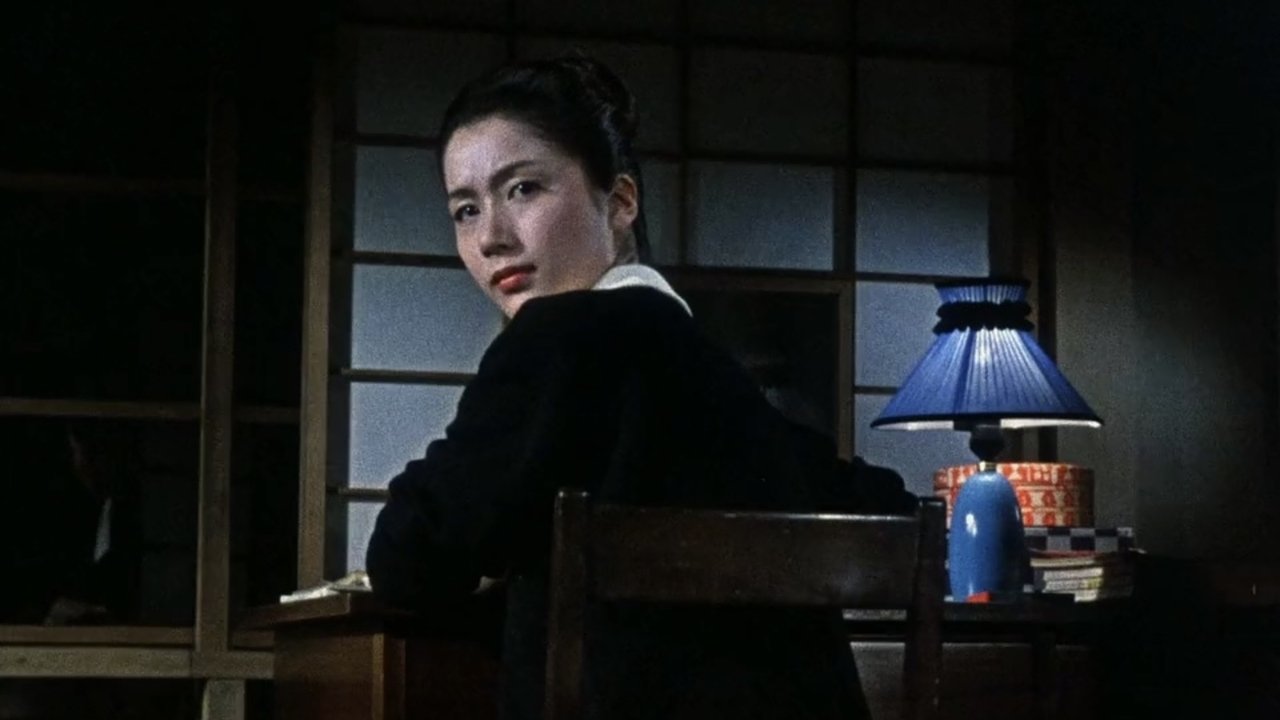
Widower Shuhei Hirayama's caretaker is his 24-year-old daughter, Michiko. Gradually, he comes to realize that Michiko should not be obliged to look after him for the rest of his life, so he arranges a marriage for her.
- Yûharu AtsutaCinematography
- Yasujiro OzuDirector, Screenplay
- 浜村義康Editing
- Shizuo YamanouchiProducer
About the film
An Autumn Afternoon (Japanese: 秋刀魚の味, Hepburn: Sanma no Aji; "The Taste of Sanma") is a 1962 Japanese drama film directed by Yasujirō Ozu for Shochiku Films. It stars Ozu regular Chishū Ryū as the patriarch of the Hirayama family who eventually realises that he has a duty to arrange a marriage for his daughter Michiko (Shima Iwashita). It was Ozu's last film; he died the following year on the day he turned 60.
Today, An Autumn Afternoon is considered by many to be one of Ozu's finest works.
Read the full article (7k characters)
An Autumn Afternoon (Japanese: 秋刀魚の味, Hepburn: Sanma no Aji; "The Taste of Sanma") is a 1962 Japanese drama film directed by Yasujirō Ozu for Shochiku Films. It stars Ozu regular Chishū Ryū as the patriarch of the Hirayama family who eventually realises that he has a duty to arrange a marriage for his daughter Michiko (Shima Iwashita). It was Ozu's last film; he died the following year on the day he turned 60.
Today, An Autumn Afternoon is considered by many to be one of Ozu's finest works.
Plot
In 1962 Tokyo, Shūhei Hirayama (Chishū Ryū) is an aging widower with a 32-year-old married son, Kōichi (Keiji Sada), and two unmarried children, 24-year-old daughter Michiko (Shima Iwashita) and 21-year-old son Kazuo (Shin'ichirō Mikami). The ages of the children and what they respectively remember about their mother suggests that she died just before the end of the war, perhaps in the bombing of Tokyo in 1944–45. Since his marriage, Kōichi has moved out to live with his wife in a small flat, leaving Hirayama and Kazuo to be looked after by Michiko.
Hirayama and five of his classmates from middle-school, Kawai (Nobuo Nakamura), Horie (Ryūji Kita), Sugai (Tsūzai Sugawara), Watanabe (Masao Oda) and Nakanishi, hold regular reunions at a restaurant called Wakamatsu ("Young Pine"), which is owned by Sugai. They reminisce about old times and banter with each other. For example, Horie is teased about having a new young wife and asked whether he is taking pills to maintain his virility.
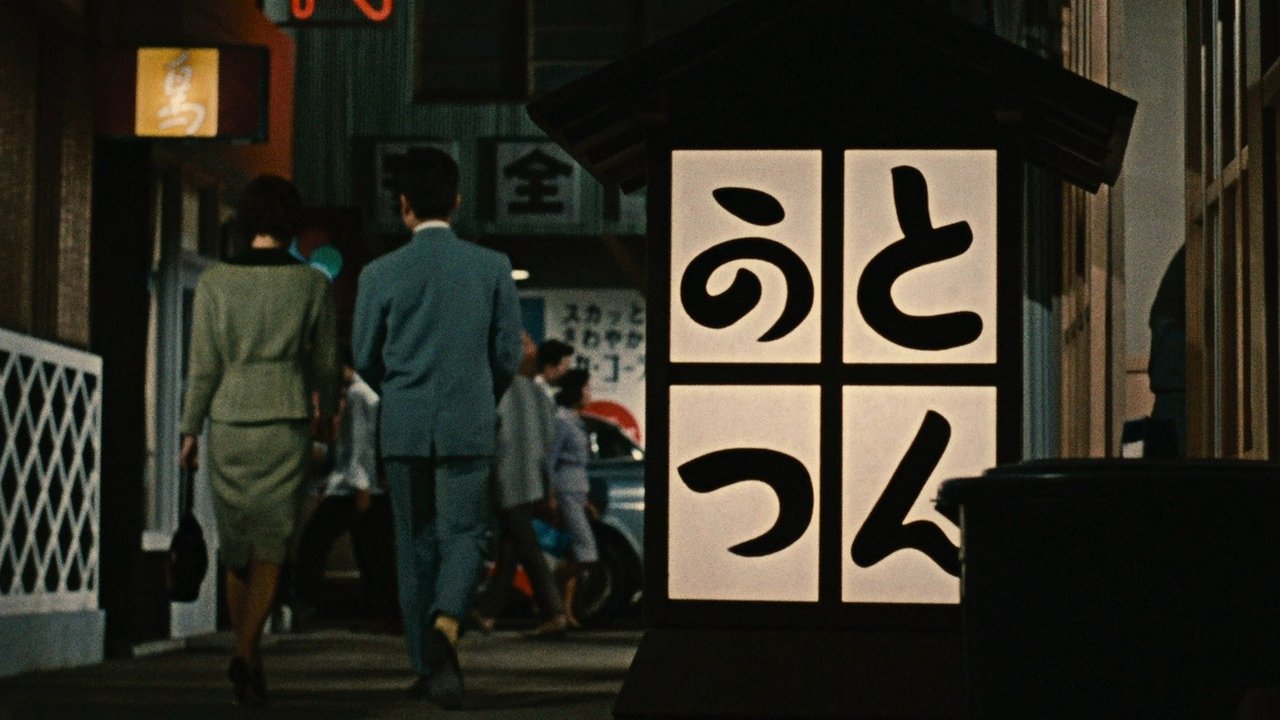
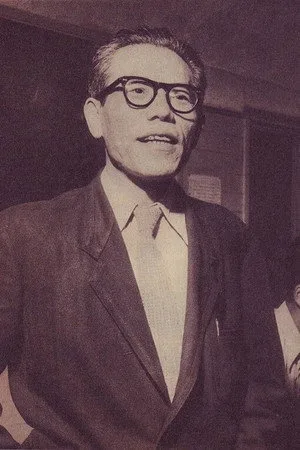
Their old teacher of Chinese classics, Sakuma (Eijirō Tōno), nicknamed Hyōtan ("the Gourd"), attends one of the reunions. We learn from a remark of his that Hirayama went from school to the Imperial Japanese Naval Academy, so would have been a career naval officer up to 1945. Sakuma has too much to drink, and when Kawai and Hirayama take him home, they find that he has fallen on hard times and is running a cheap noodle restaurant in a working-class area. They meet his middle-aged daughter Tamako (Haruko Sugimura), who missed the chance to marry when young and is now too old.
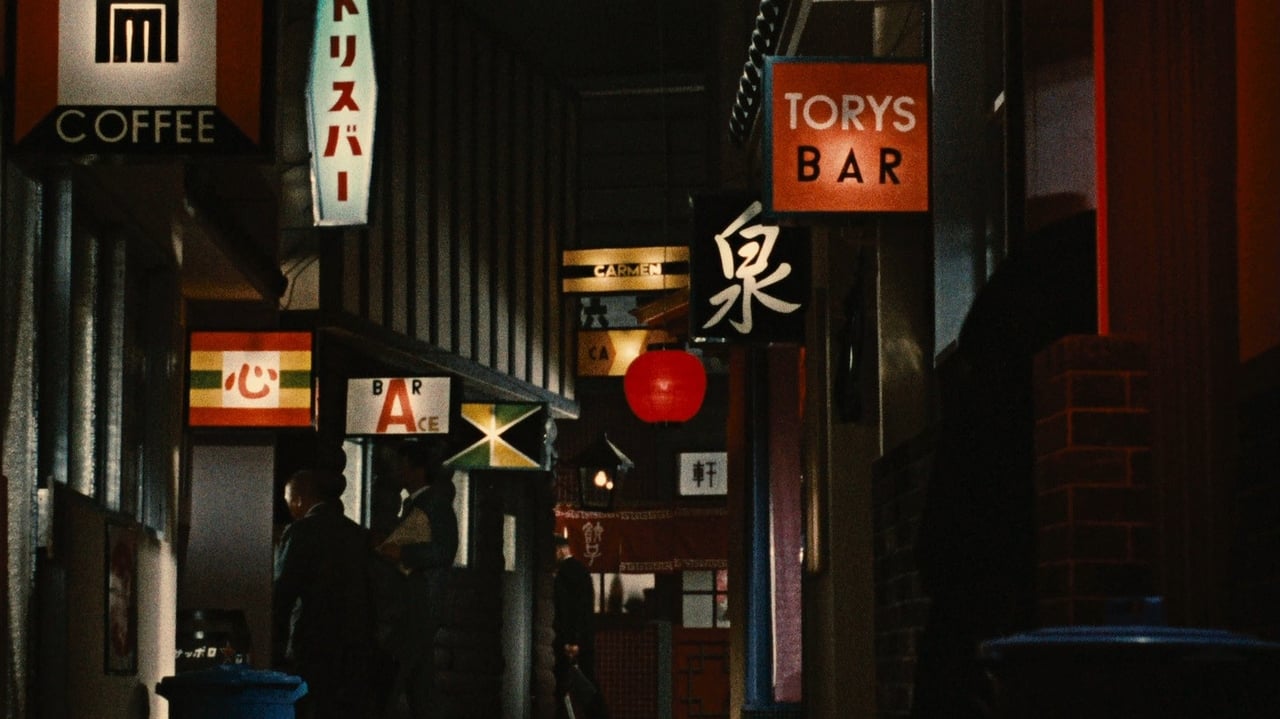
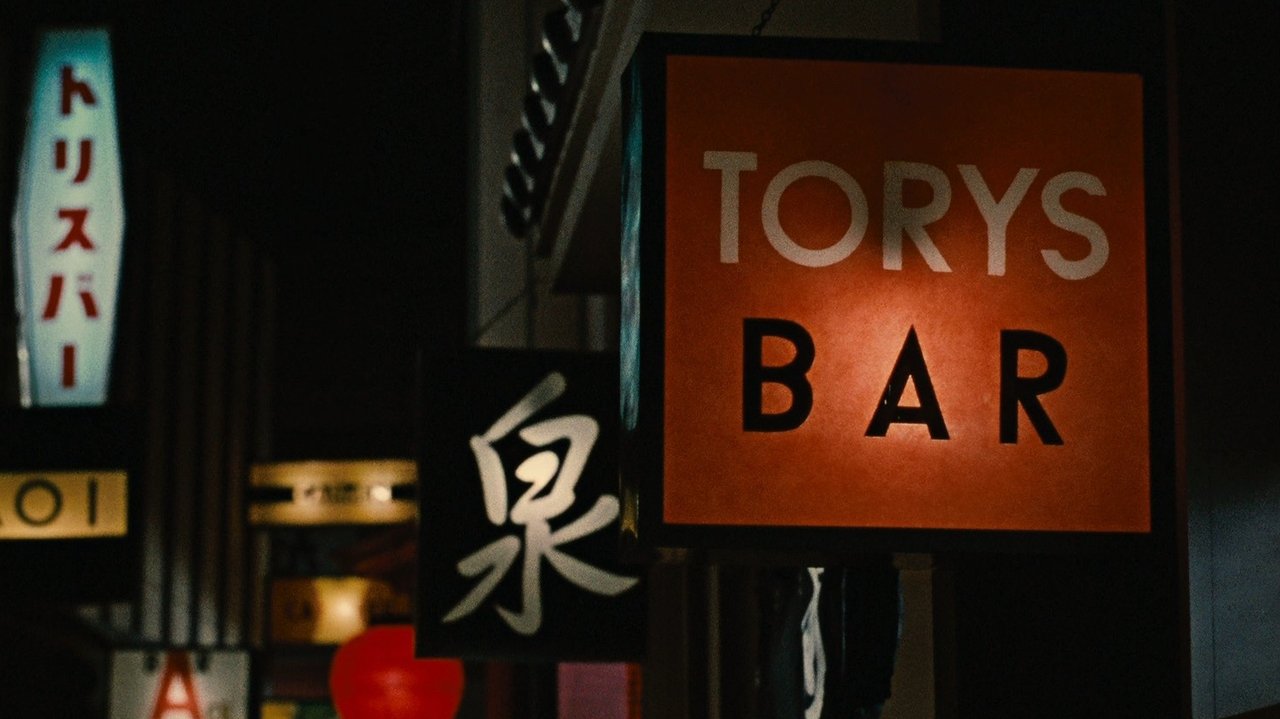
Sakuma's former pupils decide to help him out with a gift of money, and Hirayama goes back to the restaurant to hand it over. While he is there, Yoshitarō Sakamoto (Daisuke Katō), the owner of a small local car-repair shop, comes in for a bowl of noodles and recognises Hirayama as the captain of the ship in which he served as a Petty Officer during the war. He takes Hirayama to his favourite bar. Hirayama notices that the bar-owner Kaoru (Kyōko Kishida) resembles his dead wife. Kaoru puts on a recording of the patriotic song Warship March and Sakamoto marches up and down, holding a salute and singing meaningless syllables in time to the music, in a mocking version of military drill. Later, Hirayama visits the bar alone and Kaoru puts the record on again. Two tipsy customers begin to parody the kind of morale-boosting radio propaganda announcements that would have been introduced by this tune during the war.
Kōichi borrows 50,000 yen from his father, ostensibly to buy a refrigerator, but this is more than the refrigerator will cost. He plans to use the extra money to buy a set of second-hand golf clubs from his colleague Miura (Teruo Yoshida). His wife Akiko (Mariko Okada) does not want him to do so, and says that if he is going to indulge himself like this, she will spend money on an expensive white leather handbag. Eventually, having made her point, she relents.
The "Gourd" tells his former pupils that it is because he selfishly kept her at home to look after him that his daughter is now condemned to a lonely life as a spinster. Troubled by this, Hirayama recognises his own selfishness in keeping Michiko at home to look after him, and decides to arrange a marriage for her. He asks Kōichi to find out if Miura, whom Michiko is fond of, is interested. Unfortunately, Miura is already engaged. Kōichi and Hirayama break the news to Michiko. Michiko does not react but retires to her room. Hirayama and Kōichi conclude that she is not upset, but a little later Kazuo comes in and asks why Michiko is crying. Hirayama later asks Michiko if she is willing to go for a matchmaking session with a candidate Kawai has selected. Michiko agrees.
In one of the ellipses Ozu is famous for, the film next shows us Michiko being dressed in a traditional wedding kimono and head-dress. She has clearly agreed to marry, but the bridegroom, and the wedding ceremony, are never shown. After the wedding, Hirayama goes to a bar with friends while Kōichi, Akiko and Kazuo wait for him at home. When he returns, drunk, Kōichi and Akiko leave. Kazuo goes to bed, leaving Hirayama by himself.
In the final scene, a melancholy Hirayama drunkenly sings snatches of the Warship March. His last words in the film are "Alone, eh?".
Cast
Production
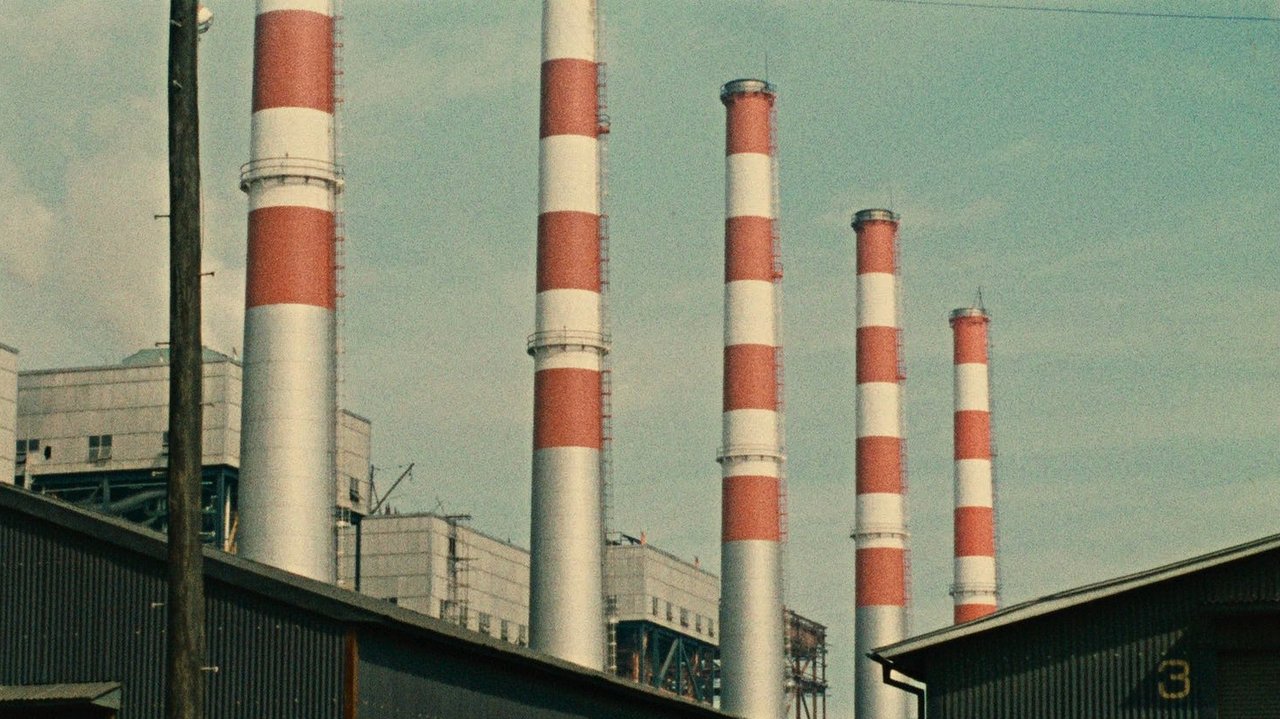
It was shot using Agfacolor, and the credits of the film are placed before a backdrop of painted fronds instead of the sackcloth used in all of Ozu's films since A Story of Floating Weeds in 1934.
The Japanese title, The Taste of Sanma, refers to the sanma or Pacific saury fish. As a seasonal food, sanma is used in Japanese culture to represent autumn. The French title of the film translates to The Taste of Sake. Both these titles were found in a poem by Ozu in his diaries written after the death of his mother:
Release
Reception
An Autumn Afternoon is widely regarded as a masterpiece. Film critic Roger Ebert placed the film in his "Great Movies" collection, writing, "From time to time I return to Ozu feeling a need to be calmed and restored. He is a man with a profound understanding of human nature, about which he makes no dramatic statements. We are here, we hope to be happy, we want to do well, we are locked within our aloneness, life goes on." Leonard Maltin gave it three of four stars: "Contemplative study of loneliness and the fleeting nature of life ... "
On Rotten Tomatoes, the film has a 95% rating based on 21 reviews, with an average rating of 9.2/10.
Home media
The Criterion Collection released the film in the US on DVD in 2008, and Blu-ray in 2014.
In 2011, the BFI released a Region 2 Dual Format Edition (Blu-ray + DVD). Included with this release is a standard definition presentation of A Hen in the Wind.
It was shown as part of the Cannes Classics section of the 2013 Cannes Film Festival.
References
External links
An Autumn Afternoon at IMDb
An Autumn Afternoon at the TCM Movie Database (archived)
An Autumn Afternoon: A Fond Farewell an essay by Geoff Andrew at the Criterion Collection
An Autumn Afternoon: Ozu's Diaries an essay by Donald Richie at the Criterion Collection
Text from An Autumn Afternoon on Wikipedia, licensed CC BY-SA 4.0. https://en.wikipedia.org/wiki/An_Autumn_Afternoon
Trivia
- It premiered on November 18, 1962, a Sunday.
- It runs 1h54 — a typical feature length.
- Its original title is "秋刀魚の味".
- This film's quiz has 10 questions — enough to play more than once without repeats.
Production
- StudiosShochiku, Shochiku Ofuna Film Studio
- CountriesJapan
- LanguagesJapanese
- StatusReleased
More about this film
Set in
- Tokyo
Photos





Cast
-
 Chishu Ryu
Shuhei Hirayama
Chishu Ryu
Shuhei Hirayama -
 Shima Iwashita
Michiko Hirayama
Shima Iwashita
Michiko Hirayama -
 Keiji Sada
Koichi
Keiji Sada
Koichi -
 Mariko Okada
Akiko
Mariko Okada
Akiko -
 Teruo Yoshida
Yutaka Miura
Teruo Yoshida
Yutaka Miura -
 Noriko Maki
Fusako Taguchi
Noriko Maki
Fusako Taguchi -
 Shin'ichirô Mikami
Kazuo
Shin'ichirô Mikami
Kazuo -
 Nobuo Nakamura
Shuzo Kawai
Nobuo Nakamura
Shuzo Kawai -
 Eijirō Tōno
Sakuma, The 'Gourd'
Eijirō Tōno
Sakuma, The 'Gourd' -
 Kuniko Miyake
Nobuko
Kuniko Miyake
Nobuko -
 Kyôko Kishida
Madame Kaoru
Kyôko Kishida
Madame Kaoru - Ryuji Kita Tamako
-
 Toyo Takahashi
Wakamatsu's Owner
Toyo Takahashi
Wakamatsu's Owner -
 Shinobu Asaji
Youko Sasaki
Shinobu Asaji
Youko Sasaki -
 Masao Oda
Watanabe
Masao Oda
Watanabe -
 Fujio Suga
Bar Customer
Fujio Suga
Bar Customer - Zenichi Inagawa Bar Customer
-
 Daisuke Katō
Yoshitaro Sakamoto
Daisuke Katō
Yoshitaro Sakamoto -
 Haruko Sugimura
Tomoko Sakuma
Haruko Sugimura
Tomoko Sakuma -
 Michiyo Tamaki
Tamako Horie
Michiyo Tamaki
Tamako Horie
Quiz about this movie
Questions from the whole catalogue.
Play nowIf you liked this one
-
O Sabor do Chá Verde Sobre o Arroz Same director: Yasujiro Ozu
 7.5
7.5
-
Pai e Filha Same director: Yasujiro Ozu
 8.0
8.0
-
Também Fomos Felizes Same director: Yasujiro Ozu
 7.8
7.8
-
Era Uma Vez em Tóquio Same director: Yasujiro Ozu
 8.1
8.1
-
Depois da Tempestade
 7.2
7.2
-
O Mar de Árvores
 6.2
6.2
-
Da Colina Kokuriko
 7.5
7.5
-
Neste Canto do Mundo
 7.9
7.9
-
Seu Amor Faz a Água do Banho Ferver
 7.4
7.4
-
Ninguém Pode Saber
 8.0
8.0
-
A Man
 7.1
7.1
-
Laço Materno
 6.9
6.9
Tags
Crew
- Yûharu Atsuta Cinematography
- Yasujiro Ozu Director
- 浜村義康 Editing
- Shizuo Yamanouchi Producer
- 斎藤高順 Original music
- Yasujiro Ozu Screenplay
- Kōgo Noda Screenplay
Questions about this film
What is An Autumn Afternoon about?
An Autumn Afternoon: Widower Shuhei Hirayama's caretaker is his 24-year-old daughter, Michiko. Gradually, he comes to realize that Michiko should not be obliged to look after him for the rest of his life, so he arranges a marriage for her.
Who directed An Autumn Afternoon?
An Autumn Afternoon was directed by Yasujiro Ozu in 1962.
Who stars in An Autumn Afternoon?
The cast of An Autumn Afternoon includes Chishu Ryu, Shima Iwashita, Keiji Sada, Mariko Okada and Teruo Yoshida.
How long is An Autumn Afternoon?
An Autumn Afternoon runs for 114 minutes, or 1h54.
Similar films
 8.7
8.7
 8.5
8.5
 8.7
8.7
 7.9
7.9
 8.4
8.4
 8.5
8.5
 8.1
8.1
 8.2
8.2
 8.0
8.0
 8.2
8.2
 8.5
8.5
 8.5
8.5
Page updated on 09/09/2026.
Back to the catalogue