

Arabian Nights (1942)
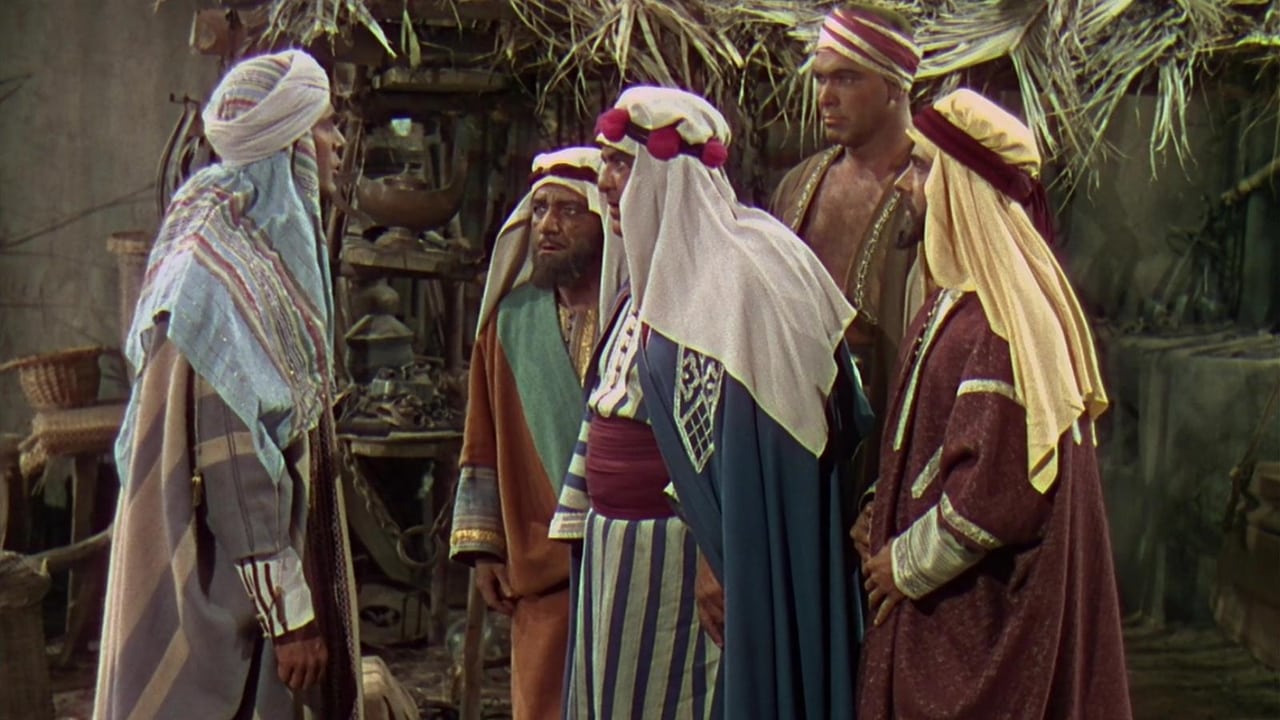
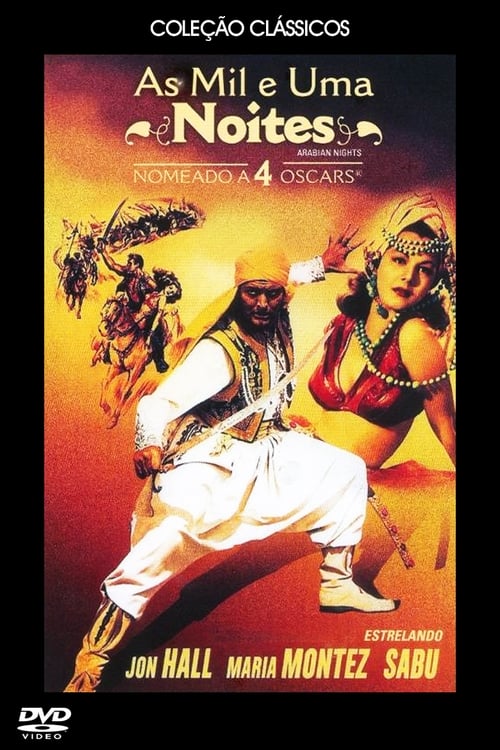
Arabian Nights (1942), directed by John Rawlins, starring Jon Hall and Maria Montez.
score
Dashing Thieves of Baghdad...riding out of the magic and splendor of Arabian Nights
Synopsis
Two half brothers battle each other for the power of the throne and the love of sensual, gorgeous dancing girl Scheherazade.
- Milton KrasnerCinematography
- John RawlinsDirector
- Philip CahnEditing
- Walter WangerProducer
As Mil e Uma Noites
The other films in the franchise, in release order. 3 films — TMDb has not added this title to the collection yet.
-
As Mil e Uma Noites: Volume 1, O Inquieto 2015

-
As Mil e Uma Noites: Volume 2, O Desolado 2015

-
As Mil e Uma Noites: Volume 3, O Encantado 2015

About the film
Arabian Nights is a 1942 American adventure film in Technicolor, directed by John Rawlins and starring Jon Hall, Maria Montez and Sabu. The film is derived from The Book of One Thousand and One Nights but owes more to the imagination of Universal Pictures than the original Arabian stories. Unlike The Thief of Bagdad (1940) and other films in the genre, it features no monsters or supernatural elements.
The film is one of series of "exotic" tales released by Universal Pictures during World War II. Others include Cobra Woman, Ali Baba and the Forty Thieves and White Savage. This is the first feature film that Universal made using the three-strip Technicolor film process, although producer Walter Wanger had worked on two earlier Technicolor films for other studios: The Trail of the Lonesome Pine (1936) at Paramount and the 1937 Walter Wanger's Vogues of 1938 for United Artists.
Read the full article (6k characters)
Arabian Nights is a 1942 American adventure film in Technicolor, directed by John Rawlins and starring Jon Hall, Maria Montez and Sabu. The film is derived from The Book of One Thousand and One Nights but owes more to the imagination of Universal Pictures than the original Arabian stories. Unlike The Thief of Bagdad (1940) and other films in the genre, it features no monsters or supernatural elements.
The film is one of series of "exotic" tales released by Universal Pictures during World War II. Others include Cobra Woman, Ali Baba and the Forty Thieves and White Savage. This is the first feature film that Universal made using the three-strip Technicolor film process, although producer Walter Wanger had worked on two earlier Technicolor films for other studios: The Trail of the Lonesome Pine (1936) at Paramount and the 1937 Walter Wanger's Vogues of 1938 for United Artists.
Plot
In ancient Persia, the young women of a royal harem read the story of Sherazade, unfolding the film's story. Sherazade, a dancer in a wandering circus, captures the attention of Kamar, the brother of the caliph, Haroun al-Rashid. Kamar's infatuation influences his attempts to seize the throne from Haroun and make Sherazade his queen. His revolt fails, and he is sentenced to slow death by exposure, but Kamar's men storm the palace and free their leader. Wounded and forced to flee, Haroun chances upon Sherazade's circus and is spotted by the young acrobat Ali Ben Ali. Aware of Haroun's identity, Ali hides him in the circus. Later, upon awakening from his injuries, Haroun beholds Sherazade and falls in love with her.
Meanwhile, Kamar assumes the throne, but Sherazade is not to be found. He orders the captain of his guard to find her, but a scheming grand vizier, Nadan, approaches the captain with the order to make Sherazade 'disappear.' After finding them, the captain sells the troupe into slavery. When the captain is found out, Nadan murders him in order to conceal his treachery. Haroun, Sherazade, and the acrobats escape the slave pens, but are found by Kamar's army and taken to a tent city in the desert. Kamar reunites with Sherazade and proposes, but she has fallen in love with Haroun instead. Nadan, recognizing the caliph, uses this knowledge to blackmail Sherazade into helping him remove Kamar from the throne, in return for safe conduct for Haroun out of the caliphate. In secret, however, he plans to have Haroun killed once he has crossed the border.
Upon learning of this insidious scheme, Ali and his fellow performers rescue Haroun, who then decides to free Sherazade with the help of the acrobats. But Haroun and the others are quickly captured, and Sherazade finally learns his true identity. Kamar engages Haroun in a sword fight, while the acrobats set fire to the tents; and the arrival of the caliph's loyal troops, summoned by Ali, triggers a massive battle. In the end, as Kamar prepares to deliver the deathstroke to Haroun, Nadan assassinates Kamar. But as he prepares to do in Haroun, Ahmad and Ali interfere, forcing him to flee. Nadan is stopped by a thrown spear and dies inside a burning tent, leaving Haroun, Sherazade, and their loyal friends to celebrate victory.
Cast
Production
Walter Wanger had just joined Universal for whom he had made Eagle Squadron. Looking for a follow-up he noted the box office success of The Thief of Bagdad which starred Sabu, who was under contract to Universal. The studio announced they would make the film on 24 March 1942. Montez, Hall and Sabu were always meant to star.
John Rawlins was assigned to direct and filming started in June. Even before filming began Universal announced the trio of leads would appear in a follow-up Cobra Woman. Shortly after that the studio said they would appear in another film White Savage.
The movie was the first shot in color on the Universal lot in 12 years.
Parts of the film were shot in the Coral Pink Sand Dunes State Park in Utah.
Reception
Bosley Crowther of The New York Times panned Arabian Nights, complaining that it "bears just about as much resemblance to the body of stories generally known by that name as a pulpwood fiction resembles Hans Christian Andersen's fairy tales ... It is not the story of Sinbad, the fabulous sailor, nor of Aladdin and his lamp, nor does it contain a Magic Carpet nor even a Flying Horse. It is just a conventional fiction, dressed up in flashy costumes..." Variety liked the film better, calling it "a colorful and actionful entertainment in tune with present audience requirements ... script and direction keep things moving at consistently fast clip, with dialog crisp throughout." Harrison's Reports called it "an exciting, fast-moving extravaganza" though "hampered by a weak story." Film Daily wrote: "The film captures with tremendous success all the riotous color and excitement of Araby of the story books ... [Wanger] must have spent a fortune in costumes and sets and has dressed the whole production in a show of color that has never been equalled on the screen." David Lardner of The New Yorker called the film "muddled" and suggested that Hollywood had been experiencing difficulty finding new roles for Sabu ever since Elephant Boy.
Box office
The film was a commercial success and earned a profit of $1,851,921. It earned rentals of $1.7 million in 1943. In the UK it earned £164,198.
It was one of the most popular films in France in 1946 with admissions of 4,498,985.
Awards
Arabian Nights was nominated for four Academy Awards: Best Score, Best Cinematography, Best Sound Recording (Bernard B. Brown) and Best Art Direction (Alexander Golitzen, Jack Otterson, Russell A. Gausman and Ira S. Webb).
References
External links
Arabian Nights at IMDb
Arabian Nights at the TCM Movie Database (archived)
Arabian Nights at Maria Montez Fan Page
Review of film at Variety
Text from Arabian Nights (1942 film) on Wikipedia, licensed CC BY-SA 4.0. https://en.wikipedia.org/wiki/Arabian_Nights_(1942_film)
Trivia
- It cost US$ 904.765 and grossed US$ 3.5 million in theaters — 3.8 times its budget.
- It premiered on December 25, 1942, a Friday.
- It runs 1h27 — a typical feature length.
- It won 0 award(s) and received 4 nomination(s) on record at Wikidata — Academy Award for Best Sound among them.
- As of September 20, 2026, it is available in Brazil by subscription on Looke.
- This film's quiz has 12 questions — enough to play more than once without repeats.
Production
- StudiosWalter Wanger Productions, Universal Pictures
- CountriesUnited States
- LanguagesEnglish
- BudgetUS$ 904,765
- Box officeUS$ 3,453,416
- StatusReleased
More about this film
Nominations
- Academy Award for Best Sound 1943
- Academy Award for Best Cinematography, Color 1943
- Academy Award for Best Art Direction, Color 1943
- Academy Award for Best Original Dramatic or Comedy Score 1943
Based on
- One Thousand and One Nights
Set in
- Iraq
Where to watch
Videos
Cast
-
 Jon Hall
Haroun-Al-Raschid
Jon Hall
Haroun-Al-Raschid -
 Maria Montez
Sherazade
Maria Montez
Sherazade -
 Sabu
Ali Ben Ali
Sabu
Ali Ben Ali -
 Leif Erickson
Kamar (as Leif Erikson)
Leif Erickson
Kamar (as Leif Erikson) -
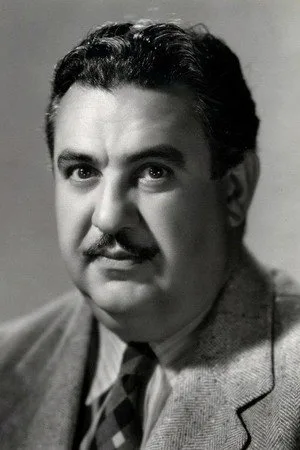 Billy Gilbert
Ahmad
Billy Gilbert
Ahmad -
 Edgar Barrier
Nadan
Edgar Barrier
Nadan -
 Richard Lane
Corporal
Richard Lane
Corporal -
 Turhan Bey
Captain of the Guard
Turhan Bey
Captain of the Guard -
 John Qualen
Aladdin
John Qualen
Aladdin -
 Shemp Howard
Sinbad
Shemp Howard
Sinbad -
 William 'Wee Willie' Davis
Valda
William 'Wee Willie' Davis
Valda -
 Thomas Gomez
Hakim
Thomas Gomez
Hakim -
 Jeni Le Gon
Dresser
Jeni Le Gon
Dresser -
 Robert Greig
Eunuch
Robert Greig
Eunuch -
 Charles Coleman
Eunuch
Charles Coleman
Eunuch -
 Adia Kuznetzoff
Slaver
Adia Kuznetzoff
Slaver -
 Emory Parnell
Harem Sentry
Emory Parnell
Harem Sentry -
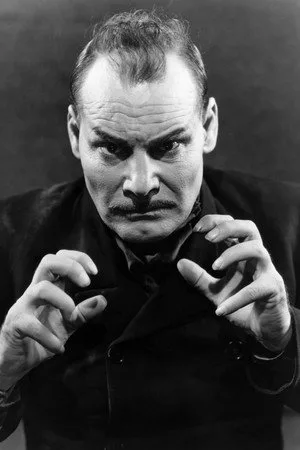 Harry Cording
Blacksmith
Harry Cording
Blacksmith -
 Robin Raymond
Slave Girl
Robin Raymond
Slave Girl - Carmen D'Antonio Harem Girl
Quiz about this movie
Questions from the whole catalogue.
Play nowIf you liked this one
-
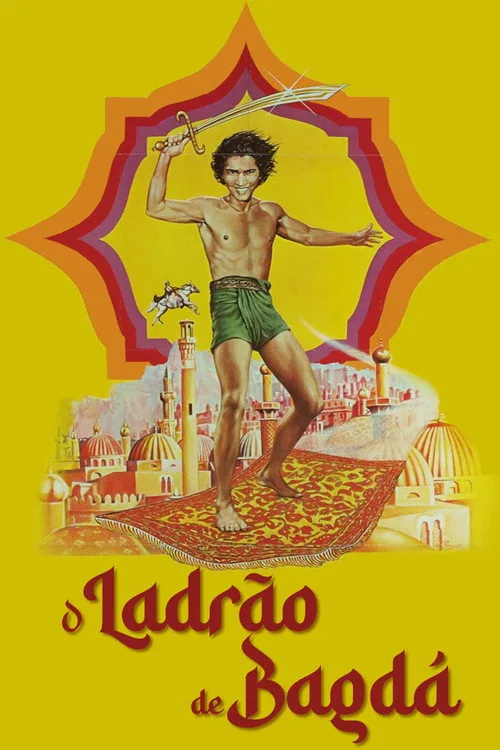
O Ladrão de Bagdá 2 actors in common
 7.1
7.1
-
Aladdin e os 40 Ladrões
 6.3
6.3
-
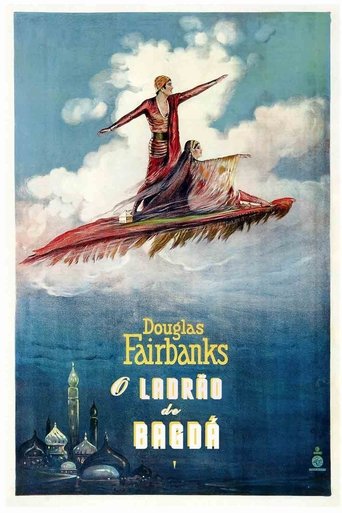
O Ladrão de Bagdá
 7.3
7.3
-
Sinbad - A Lenda dos Sete Mares
 7.1
7.1
-
A Princesa Perdida
 6.3
6.3
-
Aladdin
 7.1
7.1
-
Mythica: Busca Por Heróis
 5.9
5.9
-
Aladdin
 7.7
7.7
-
Aladdin - O Retorno de Jafar
 6.2
6.2
-
Simbad e o Olho do Tigre
 6.6
6.6
-
O Cristal Encantado
 7.2
7.2
-
A Joia do Nilo
 6.2
6.2
Tags
Crew
- Milton Krasner Cinematography
- John Rawlins Director
- Philip Cahn Editing
- Walter Wanger Producer
- Frank Skinner Original music
- Michael Hogan Screenplay
- Michael Hogan Story
Questions about this film
What is Arabian Nights about?
Arabian Nights: Two half brothers battle each other for the power of the throne and the love of sensual, gorgeous dancing girl Scheherazade.
Who directed Arabian Nights?
Arabian Nights was directed by John Rawlins in 1942.
Who stars in Arabian Nights?
The cast of Arabian Nights includes Jon Hall, Maria Montez, Sabu, Leif Erickson and Billy Gilbert.
How long is Arabian Nights?
Arabian Nights runs for 87 minutes, or 1h27.
How much did Arabian Nights cost and how much did it make?
Arabian Nights had a budget of US$ 904,765 and took US$ 3,453,416 at the box office — 3.8 times its cost.
Where can I watch Arabian Nights?
Arabian Nights is available on Looke and Looke Amazon Channel. Availability changes often: the list on this page is the most recent we received.
What is Arabian Nights based on?
Arabian Nights is based on One Thousand and One Nights.
What is the correct order of the As Mil e Uma Noites films?
The As Mil e Uma Noites franchise has 3 films in the catalogue. In release order: As Mil e Uma Noites: Volume 1, O Inquieto; As Mil e Uma Noites: Volume 2, O Desolado; As Mil e Uma Noites: Volume 3, O Encantado.
Similar films
-
 8.0
8.0
The Odyssey
2026
-
 7.9
7.9
Spider-Man: Brand New Day
2026
-
 8.1
8.1
The Avengers
2012
-
 7.9
7.9
Spider-Man: No Way Home
2021
-
 8.2
8.2
Avengers: Infinity War
2018
-
 8.4
8.4
Inception
2010
-
 8.2
8.2
Avengers: Endgame
2019
-
 7.7
7.7
Iron Man
2008
-
 7.6
7.6
Avatar
2009
-
 7.3
7.3
Spider-Man: Homecoming
2017
-
 8.5
8.5
The Lord of the Rings: The Return of the King
2003
-
 8.4
8.4
The Lord of the Rings: The Fellowship of the Ring
2001
Page updated on 09/14/2026.
Back to the catalogue