


Bad Education (2004)
Bad Education (2004), directed by Pedro Almodóvar, starring Gael García Bernal and Fele Martínez.
score
Synopsis
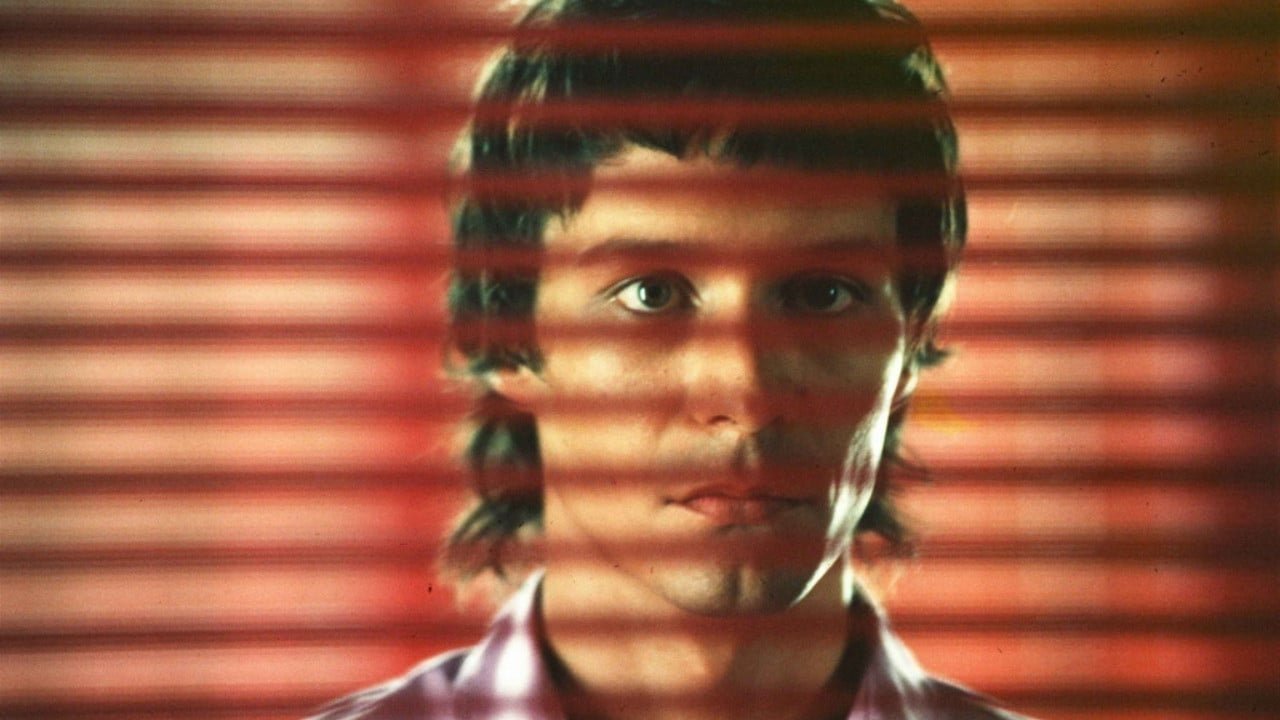
When an old friend brings filmmaker Enrique Goded a semi-autobiographical script chronicling their adolescence, Enrique is forced to relive his youth spent at a Catholic boarding school. Weaving through past and present, the script follows a transvestite performer who reconnects with a grade school sweetheart. Spurred on by this chance encounter, the character reflects on her childhood sexual victimization and the trauma of closeting her sexual orientation.
- José Luis AlcaineCinematography
- Pedro AlmodóvarDirector, Producer, Screenplay
- José SalcedoEditing
- Agustín AlmodóvarProducer
About the film
Bad Education (Spanish: La mala educación, also meaning 'bad manners') is a 2004 Spanish neo-noir psychological melodrama film written and directed by Pedro Almodóvar. Starring Gael García Bernal, Fele Martínez, Daniel Giménez Cacho, Lluís Homar and Francisco Boira, the film focuses on two reunited childhood friends and lovers caught up in a stylized murder mystery. The metafictional film uses a deeply-nested narrative plot structure to explore themes of transsexuality, drug use, rape, and sexual abuse by Catholic priests.
The film was released on 19 March 2004 in Spain by Warner Sogefilms. Its subsequent festival run included screenings at Cannes, New York, Moscow, and Toronto. The film received critical acclaim, and was seen as a return to Almodovar's dark stage, placing it alongside films such as Matador (1986) and Law of Desire (1987).
Read the full article (8k characters)
Bad Education (Spanish: La mala educación, also meaning 'bad manners') is a 2004 Spanish neo-noir psychological melodrama film written and directed by Pedro Almodóvar. Starring Gael García Bernal, Fele Martínez, Daniel Giménez Cacho, Lluís Homar and Francisco Boira, the film focuses on two reunited childhood friends and lovers caught up in a stylized murder mystery. The metafictional film uses a deeply-nested narrative plot structure to explore themes of transsexuality, drug use, rape, and sexual abuse by Catholic priests.
The film was released on 19 March 2004 in Spain by Warner Sogefilms. Its subsequent festival run included screenings at Cannes, New York, Moscow, and Toronto. The film received critical acclaim, and was seen as a return to Almodovar's dark stage, placing it alongside films such as Matador (1986) and Law of Desire (1987).
Plot
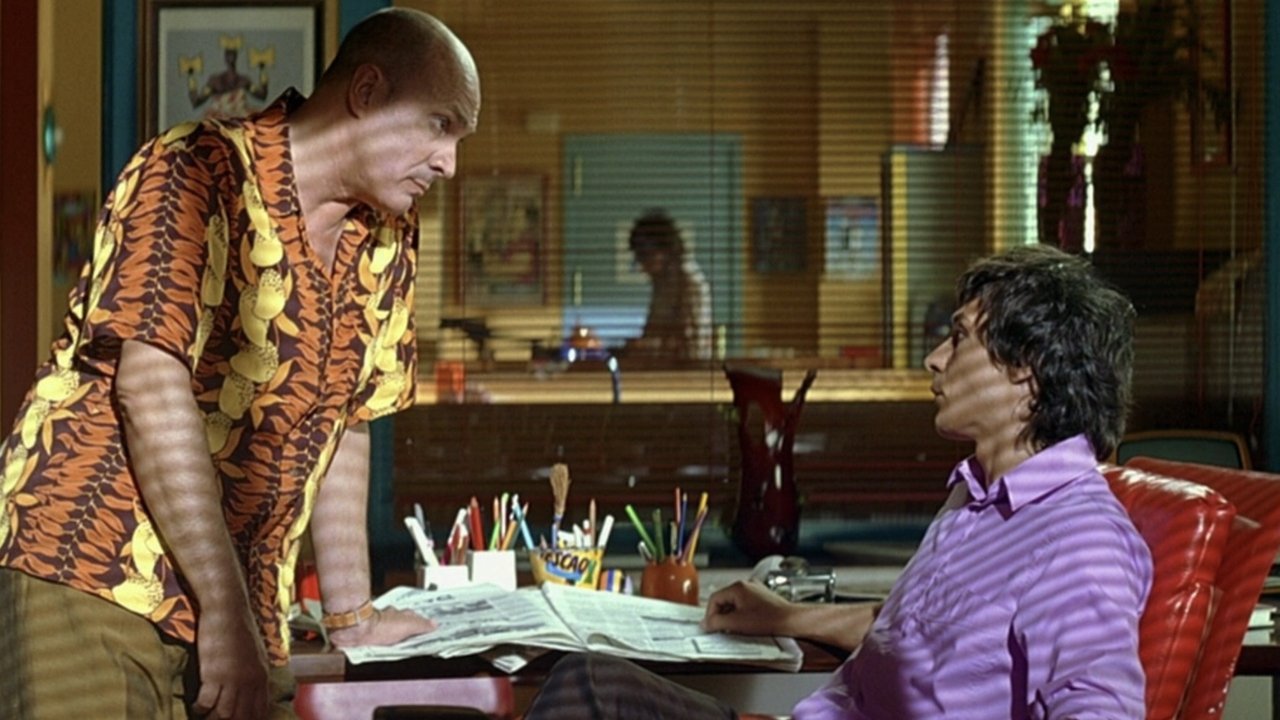
In 1980 Madrid, struggling film director Enrique Goded is looking for his next project when he receives an unexpected visit from an actor looking for work. The actor claims to be Enrique's boarding school friend and first love, Ignacio Rodriguez. Ignacio, who is now using the name Ángel Andrade, has brought along a short story titled "The Visit", hoping that Enrique would be interested in filming it—and giving him the starring role. Enrique is intrigued since "The Visit" describes their time together at the Catholic boarding school, while also including a fictional account of their reunion years later as adults.
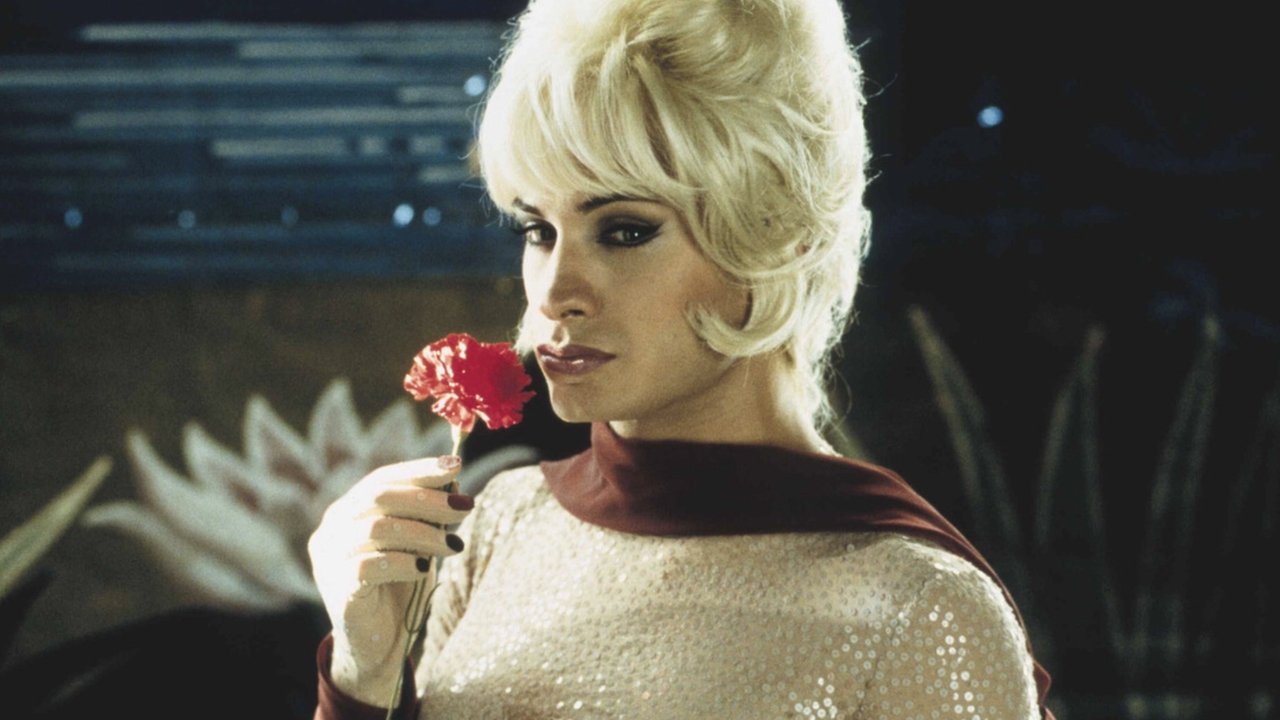
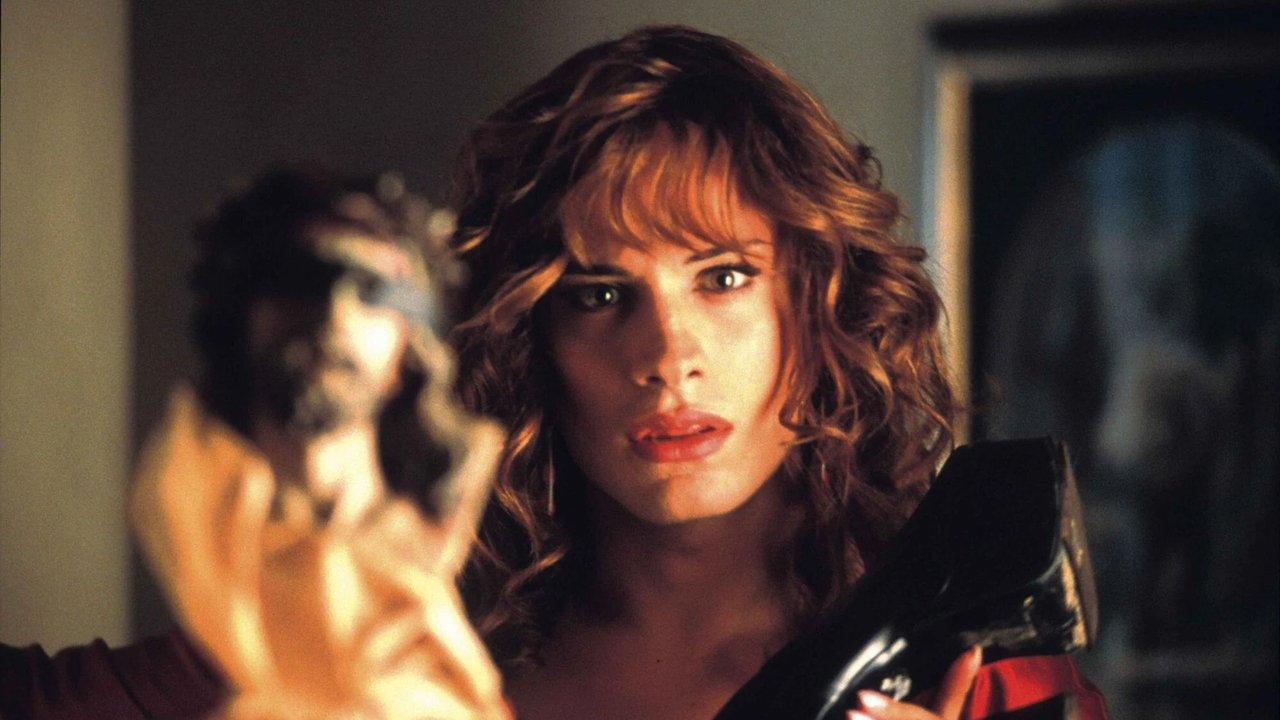
"The Visit" is set in 1977. It tells the story of a transgender drag queen with the stage name Zahara, whose birth name is Ignacio. Zahara plans to rob a drunken admirer but discovers that the man is her boyhood lover Enrique Serrano, so she defiles him in his sleep instead. The encounter stirs angry memories, and Zahara visits her old school to confront Father Manolo, who abused her there when she was a boy. She demands one million pesetas from Manolo in exchange for halting publication of her manuscript, also called "The Visit".
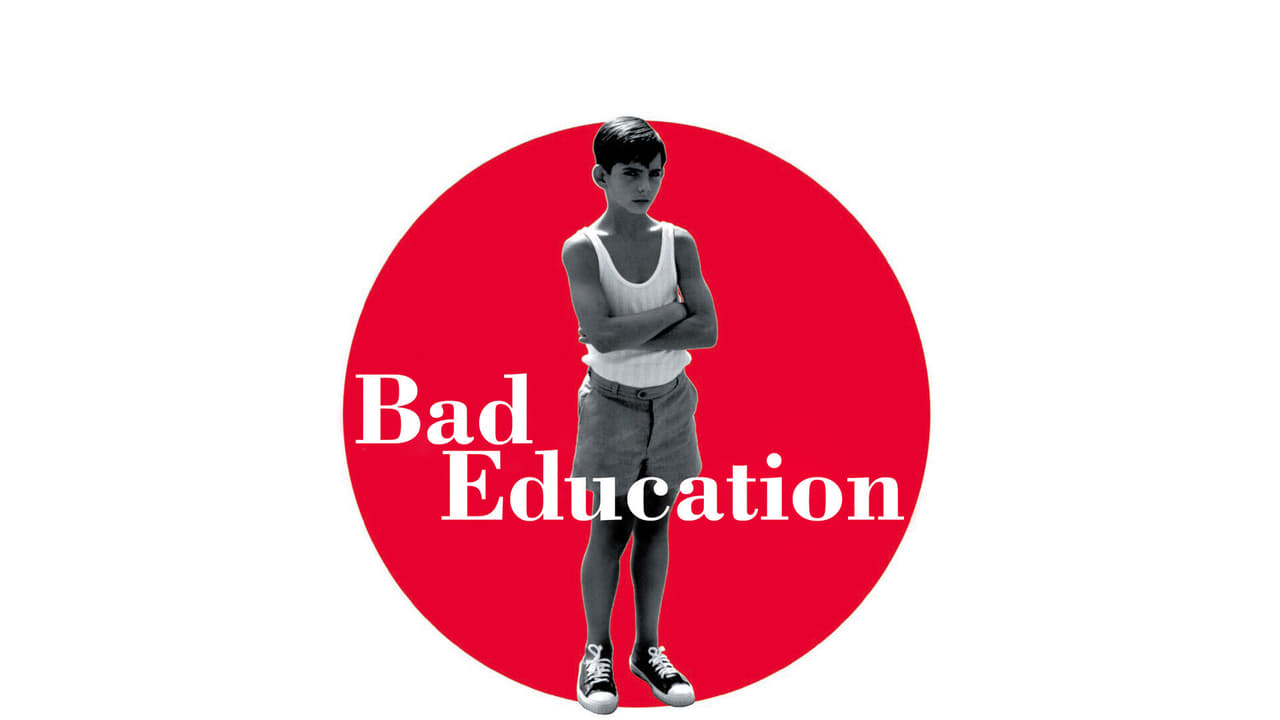
That story is set in a Catholic boarding school for boys in 1964. At the school, Ignacio, a 10-year-old student with a beautiful boy soprano voice, is the object of lust of Father Manolo, the school principal and literature teacher. Ignacio falls in love with his classmate Enrique, and the two go to the local cinema and grope each other. Manolo discovers them together that night and becomes enraged. Ignacio offers to submit to the priest's molestation in exchange for having his friend not punished, but Manolo still expels Enrique anyway.
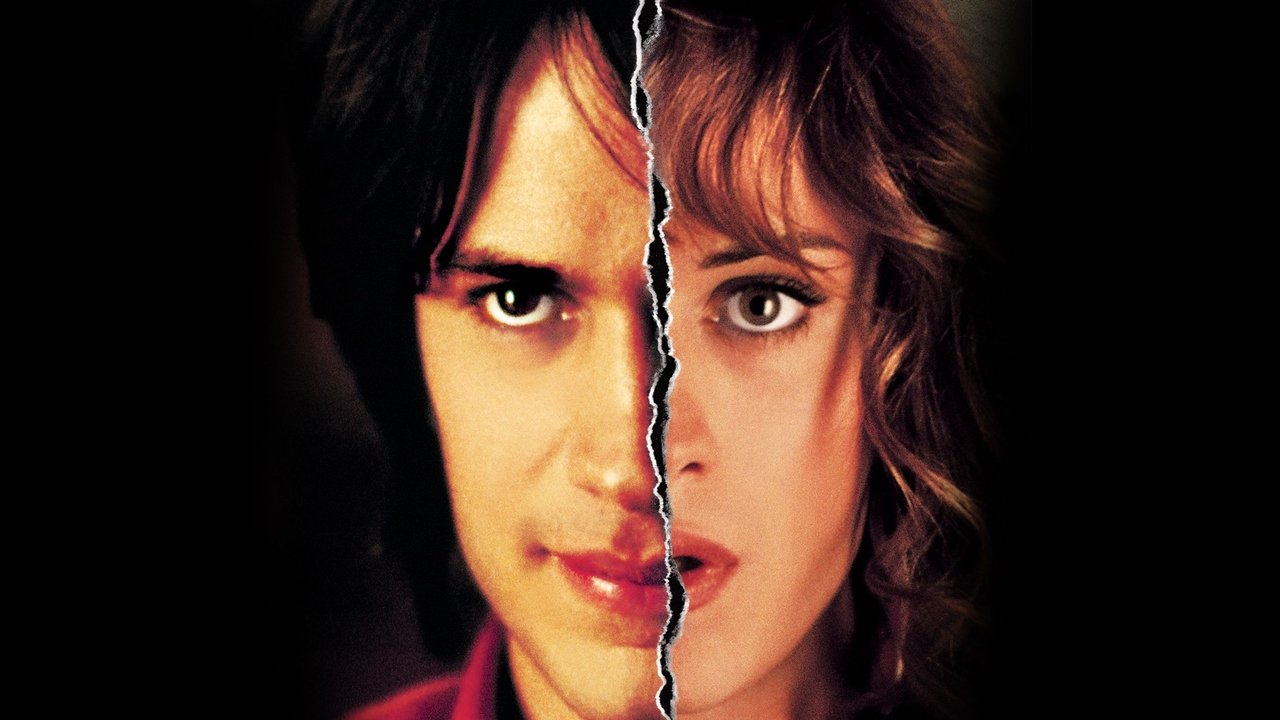
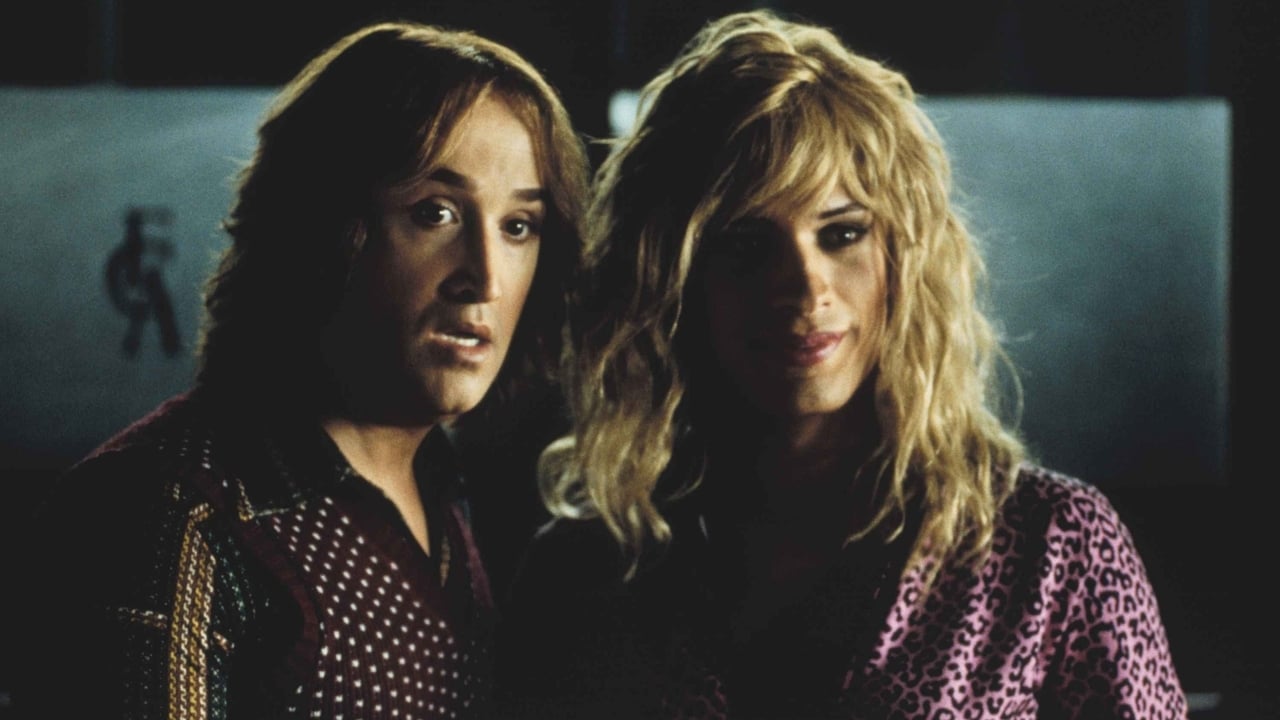
The director, Enrique Goded, wants to adapt the story but balks at Ángel's condition that he be cast as Zahara, feeling that the Ignacio he loved and the Ángel of today are totally different people. Suspicious, he drives to see Ignacio's mother in Ortigueira, Galicia and learns that in fact Ignacio has been dead for four years and that the man who came to his office is actually Ignacio's younger brother, Juan. Enrique's curiosity is piqued, so to "see how far [Juan] would go"—and without letting on what he knows—he casts Ángel/Juan in the role of Zahara. Ángel becomes Enrique's sexual partner, and Enrique revises the script so that it ends with Father Manolo, whom Zahara was trying to blackmail to get money for sex reassignment surgery, having Zahara murdered. After the scene is shot, Ángel breaks out in tears unexpectedly.
The film set is visited by Manuel Berenguer, formerly Father Manolo, who has resigned from the clergy. Berenguer confesses to Enrique that the new ending of the film is not far from the truth: Ignacio, a transsexual junkie, did blackmail him, but Berenguer managed to string her along—while mostly falling hard for Ignacio's younger brother, Juan. Juan and Berenguer, over twice as old, became sexual partners and after a while realized they both wanted Ignacio dead. Juan obtained some pure heroin which Berenguer gave to Ignacio, causing her to die from overdose after shooting up. After the crime, the relationship disintegrated, with Berenguer wanting to continue, but Juan breaking off all contact.
Now years later, meeting once again on the film set, Ángel/Juan threatens to kill Berenguer if he continues to pursue him, but Berenguer replies that he will never let him go. Now aware that his pretense is revealed, Juan visits Enrique to apologize, but Enrique is uninterested in Juan's weak excuses for murdering Ignacio. Before being turned away, Juan gives Enrique the letter addressed to him that Ignacio was in the middle of typing when he overdosed, reading "I think I have succeeded..."
An epilogue recounts that after the release of the film, Ángel and Enrique both achieved great success, although Ángel was relegated to television acting after "his career suffered ups and downs" in the 1990s. With Ángel now famous, Berenguer became the blackmailer, eventually leading Ángel to kill him in a hit-and-run.
Cast
Production
García Bernal was required to display a convincing Castilian Spanish accent before being cast. Bernal stated that the performance he most sought to emulate was Alain Delon’s interpretation of Ripley in Purple Noon.
The New York Times reporter Lynn Hirschberg stated that Garcia Bernal had a falling out with Almodovar over the film's content, but Garcia Bernal denies this assertion. Garcia Bernal and Almodóvar had different ideas on the type of 'inner transvestite' in terms of Bernal's performance.
Almodóvar states that he worked on the screenplay for over 10 years.
Release
The film was theatrically released in Spain on 19 March 2004.
It opened in the 57th Cannes Film Festival on 12 May 2004, the first Spanish film to do so, debuting in French theatres on the same day. The film was released in Mexico on 10 September 2004. It opened theatrically in the United States on 19 November 2004. In the United States, the film was given an NC-17 for "A Scene Of Explicit Sexual Content" for a depiction of homosexual fellatio in the beginning of the film. An appeal was filed for a more marketable R, but the NC-17 rating was upheld and the film was released theatrically with the NC-17 rating. The scene was later blurred for the R-rated home media release.
Reception
Box office
Bad Education grossed $7,356,224 at the Spanish domestic box office. At the North-American box office, it earned $147,370 in its opening weekend, ranking number 30. At the end of its North American theatrical run (its widest release being in 106 venues), the film had grossed $5,211,842. The film made $40,273,930 worldwide.
Critical response
The film received critical acclaim. Rotten Tomatoes reports that 88% of 148 reviews were positive, with an average rating of 7.6/10. The site's consensus states: "A layered, wonderfully-acted, and passionate drama." On Metacritic, the film has an 81 out of 100 rating, based on 34 critics, indicating "universal acclaim".
Ann Hornaday from The Washington Post wrote, "To watch Bad Education is to revel, along with Almodóvar, in the power of cinema to take us on journeys of breathtaking mystery and dimension and beauty." Marjorie Baumgarten from the Austin Chronicle wrote "With Bad Education, the great Almodóvar delivers the finest movie of his career." Peter Travers from Rolling Stone wrote "A rapturous masterwork." Roger Ebert gave the film three and a half stars out of four writing "Pedro Almodovar's new movie is like an ingenious toy that is a joy to behold, until you take it apart to see what makes it work, and then it never works again. While you're watching it, you don't realize how confused you are, because it either makes sense from moment to moment or, when it doesn't, you're distracted by the sex. Life is like that."
Accolades
See also
List of Spanish films of 2004
Further reading
Edelman, Lee (May 2017). "Learning Nothing: Bad Education". Differences: A Journal of Feminist Cultural Studies. 28 (1). Duke University Press: 124–173. doi:10.1215/10407391-3821724.
References
External links
Official website
Bad Education at IMDb
Bad Education at Box Office Mojo
Bad Education at Rotten Tomatoes
Bad Education at Metacritic
Text from Bad Education (2004 film) on Wikipedia, licensed CC BY-SA 4.0. https://en.wikipedia.org/wiki/Bad_Education_(2004_film)
Trivia
- It cost US$ 5.0 million and grossed US$ 40 million in theaters — 8.1 times its budget.
- It premiered on March 19, 2004, a Friday.
- It runs 1h46 — a typical feature length.
- Its original title is "La mala educación".
- It won 0 award(s) and received 7 nomination(s) on record at Wikidata — European Film Award for Best Film among them.
- As of September 20, 2026, it is available in Brazil by subscription on Filmelier Plus Amazon Channel.
- This film's quiz has 14 questions — enough to play more than once without repeats.
Production
- StudiosEl Deseo
- CountriesSpain
- LanguagesLatin, Spanish
- BudgetUS$ 5,000,000
- Box officeUS$ 40,266,982
- StatusReleased
More about this film
Nominations
- European Film Award for Best Film 2004
- European Film Award for Best Cinematographer 2004
- European Film Award for Best Composer 2004
- European Film Award for Best Director 2004
- European Film Award - People's Choice Award for Best Director 2004
- European Film Award for Best Screenwriter 2004
- Jameson People's Choice Award for Best Actor 2004
Filming locations
- Madrid
Set in
- Catalonia
Where to watch
-
Filmelier Plus Amazon Channel
Streaming
-
Google Play Movies
Rent
Buy
-
Apple TV Store
Buy
-
Amazon Video
Buy
Videos
Photos



Cast
-
 Gael García Bernal
Ángel / Juan / Zahara
Gael García Bernal
Ángel / Juan / Zahara -
 Fele Martínez
Enrique Goded
Fele Martínez
Enrique Goded -
 Daniel Giménez Cacho
Padre Manolo
Daniel Giménez Cacho
Padre Manolo -
 Lluís Homar
Sr. Berenguer
Lluís Homar
Sr. Berenguer -
 Francisco Maestre
Padre José
Francisco Maestre
Padre José -
 Francisco Boira
Ignacio
Francisco Boira
Ignacio -
 Juan Fernández
Martín
Juan Fernández
Martín -
 Nacho Pérez
Young Ignacio
Nacho Pérez
Young Ignacio - Raúl García Forneiro Young Enrique
-
 Javier Cámara
Paca / Paquito
Javier Cámara
Paca / Paquito -
 Alberto Ferreiro
Enrique Serrano
Alberto Ferreiro
Enrique Serrano -
 Petra Martínez
Madre
Petra Martínez
Madre - Sandra Transformista
-
 Roberto Hoyas
Camarero
Roberto Hoyas
Camarero -
 Agustín Almodóvar
Limpiador Piscina (uncredited)
Agustín Almodóvar
Limpiador Piscina (uncredited) -
 Robert Forcadell
Man in Public (uncredited)
Robert Forcadell
Man in Public (uncredited) - Luis Lobos Negros Motero Ochentero (uncredited)
-
 Pol Monen
Niño (uncredited)
Pol Monen
Niño (uncredited) -
 Sara Montiel
Soledad (archive footage) (uncredited)
Sara Montiel
Soledad (archive footage) (uncredited) -
 Pau Poch
Niño (uncredited)
Pau Poch
Niño (uncredited)
Quiz about this movie
Questions from the whole catalogue.
Play nowIf you liked this one
-
Dor e Glória Same director: Pedro Almodóvar
 7.4
7.4
-
As Idades de Lulu
 6.4
6.4
-
XXY Drama from the 2000s
 6.8
6.8
-
O Anjo
 7.4
7.4
-
Memories of a Teenager
 7.9
7.9
-
7 Virgins Drama from the 2000s
 6.1
6.1
-
O Aprendiz
 6.5
6.5
-
Até o Céu
 6.1
6.1
-
Que Deus Nos Perdoe
 6.8
6.8
-
Um Diretor Contra Todos
 6.5
6.5
-
O Beijo da Mulher-Aranha
 7.0
7.0
-
Mammal
 6.3
6.3
Tags
Crew
- José Luis Alcaine Cinematography
- Pedro Almodóvar Director
- José Salcedo Editing
- Agustín Almodóvar Producer
- Pedro Almodóvar Producer
- Alberto Iglesias Original music
- Pedro Almodóvar Screenplay
Questions about this film
What is Bad Education about?
Bad Education: When an old friend brings filmmaker Enrique Goded a semi-autobiographical script chronicling their adolescence, Enrique is forced to relive his youth spent at a Catholic boarding school. Weaving through past and present, the script follows a transvestite performer who reconnects with a grade school sweetheart. Spurred…
Who directed Bad Education?
Bad Education was directed by Pedro Almodóvar in 2004.
Who stars in Bad Education?
The cast of Bad Education includes Gael García Bernal, Fele Martínez, Daniel Giménez Cacho, Lluís Homar and Francisco Maestre.
How long is Bad Education?
Bad Education runs for 106 minutes, or 1h46.
How much did Bad Education cost and how much did it make?
Bad Education had a budget of US$ 5,000,000 and took US$ 40,266,982 at the box office — 8.1 times its cost.
Where can I watch Bad Education?
Bad Education is available on Filmelier Plus Amazon Channel, Google Play Movies, Apple TV Store and Amazon Video. Availability changes often: the list on this page is the most recent we received.
Similar films
-
 8.7
8.7
The Shawshank Redemption
1994
-
 8.7
8.7
The Godfather
1972
-
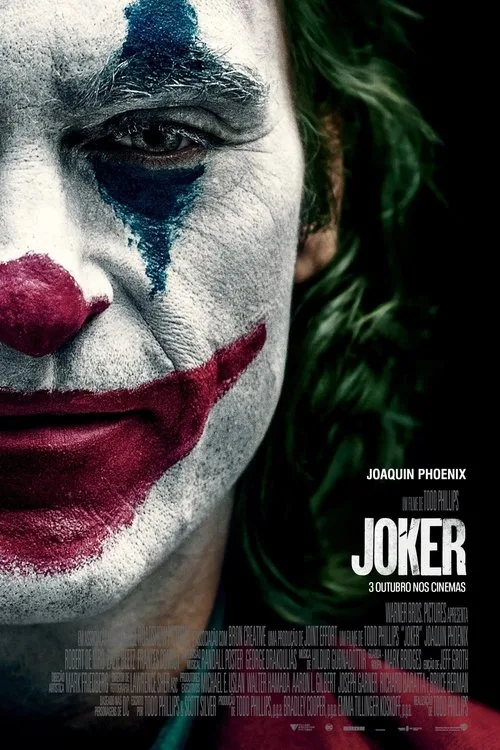 8.1
8.1
Joker
2019
-
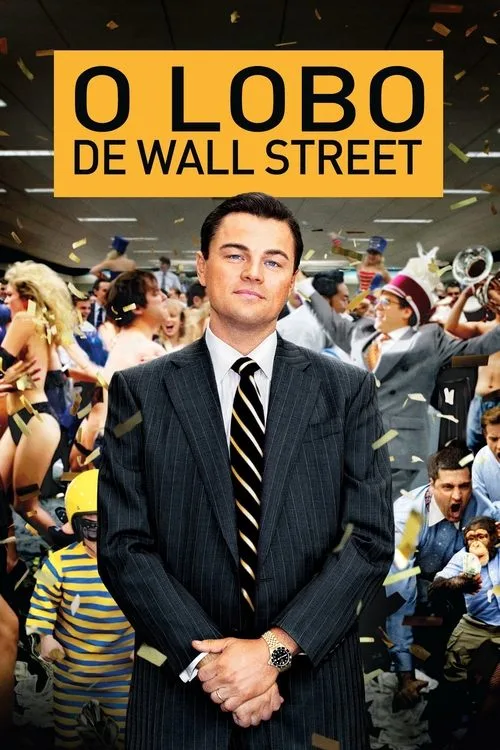 8.0
8.0
The Wolf of Wall Street
2013
-
 8.5
8.5
The Green Mile
1999
-
 7.8
7.8
The Dark Knight Rises
2012
-
 7.7
7.7
Batman Begins
2005
-
 8.2
8.2
The Departed
2006
-
 8.3
8.3
Léon: The Professional
1994
-
 8.6
8.6
The Godfather Part II
1974
-
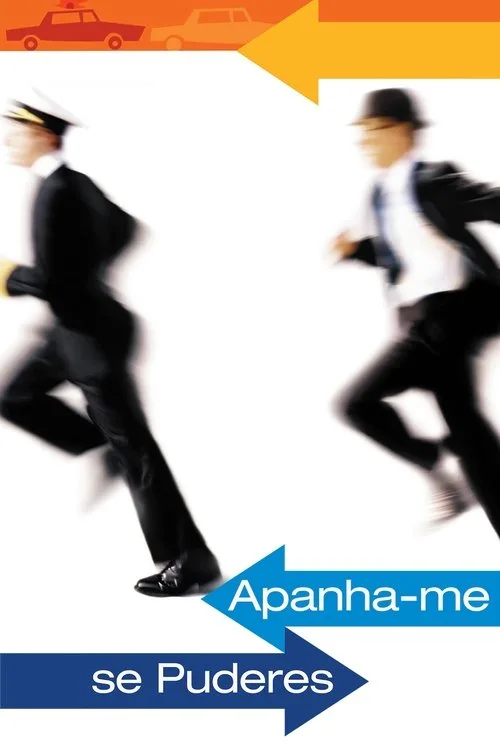 8.0
8.0
Catch Me If You Can
2002
-
 8.5
8.5
GoodFellas
1990
Page updated on 09/09/2026.
Back to the catalogue