
Barabbas (1961)
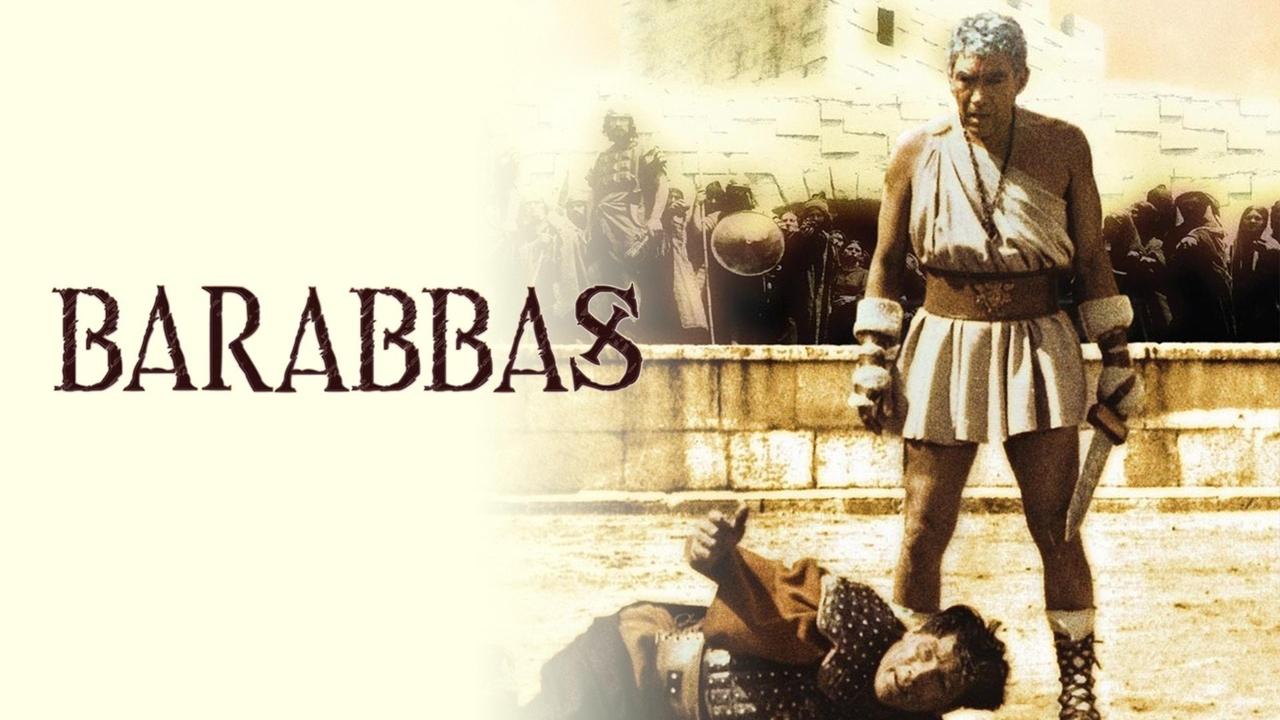
Barabbas (1961), directed by Richard Fleischer, starring Anthony Quinn and Silvana Mangano.
score
The man of violence in whose place Christ died
Synopsis
Epic account of the thief Barabbas, who was pardoned for his crimes and spared crucifixion when Pilate offered the Israelites a choice to pardon Barabbas or Jesus. Struggling with his spirituality, Barabbas goes through many ordeals leading him to the gladiatorial arena, where he tries to win his freedom and confront his inner demons, ultimately becoming a follower of the man who was crucified in his place.
- Aldo TontiCinematography
- Richard FleischerDirector
- Alberto GallittiEditing
- Raymond PoultonEditing
About the film
Barabbas (Italian: Barabba) is a 1961 religious epic film directed by Richard Fleischer and produced by Dino De Laurentiis, expanding on the life of Barabbas, from the Christian Passion narrative in the Gospel of Mark and other gospels. It stars Anthony Quinn, Silvana Mangano, Katy Jurado, Arthur Kennedy, Harry Andrews, Ernest Borgnine, Vittorio Gassman, and Jack Palance. The screenplay is based on Swedish author Pär Lagerkvist's 1950 novel.
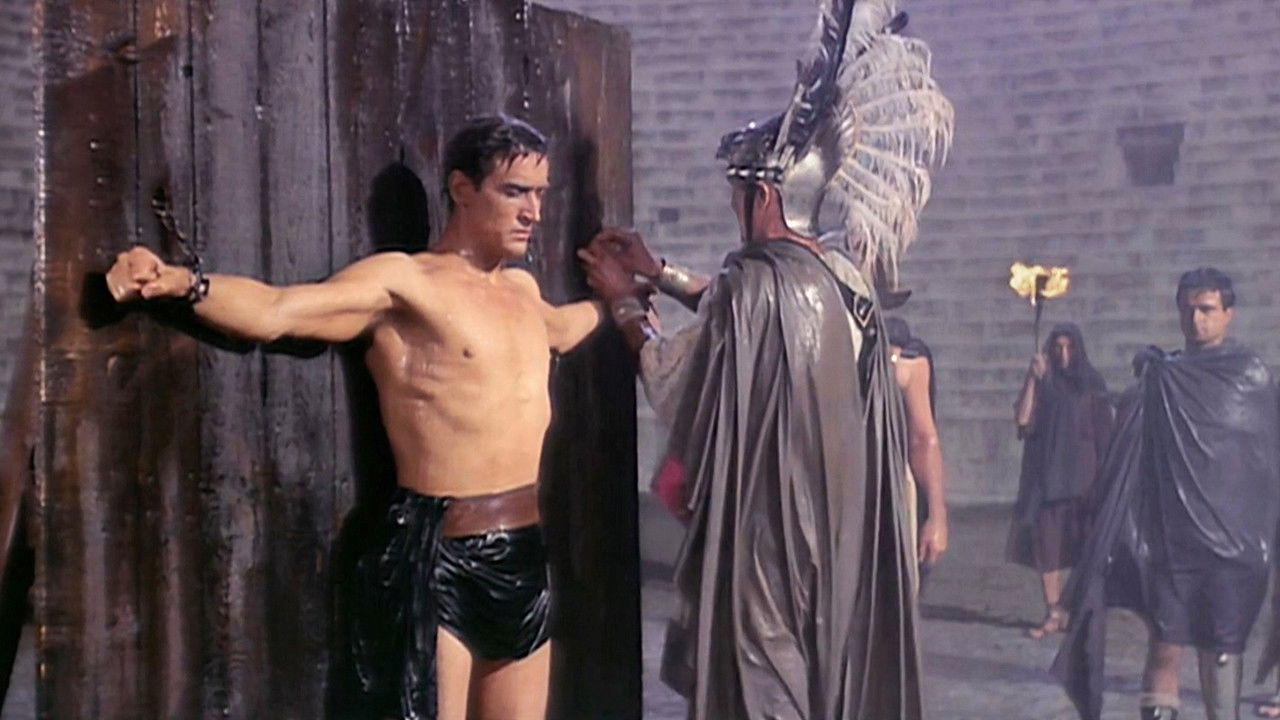
The film was shot in Verona and Rome. It included many highly acclaimed scenes, including a battle of gladiators in a Cinecittà film studio mock-up of the Colosseum, and a crucifixion shot during an actual total solar eclipse. It was released in Italy on December 23, 1961, and in the United States by Columbia Pictures on October 10, 1962. In Italy, the film was nominated for three Nastro d'Argento Awards (Best Cinematography, Best Production Design, and Best Costume Design).
A previous film version of the novel, in Swedish, had been made in 1953.
Read the full article (7k characters)
Barabbas (Italian: Barabba) is a 1961 religious epic film directed by Richard Fleischer and produced by Dino De Laurentiis, expanding on the life of Barabbas, from the Christian Passion narrative in the Gospel of Mark and other gospels. It stars Anthony Quinn, Silvana Mangano, Katy Jurado, Arthur Kennedy, Harry Andrews, Ernest Borgnine, Vittorio Gassman, and Jack Palance. The screenplay is based on Swedish author Pär Lagerkvist's 1950 novel.
The film was shot in Verona and Rome. It included many highly acclaimed scenes, including a battle of gladiators in a Cinecittà film studio mock-up of the Colosseum, and a crucifixion shot during an actual total solar eclipse. It was released in Italy on December 23, 1961, and in the United States by Columbia Pictures on October 10, 1962. In Italy, the film was nominated for three Nastro d'Argento Awards (Best Cinematography, Best Production Design, and Best Costume Design).
A previous film version of the novel, in Swedish, had been made in 1953.
Plot
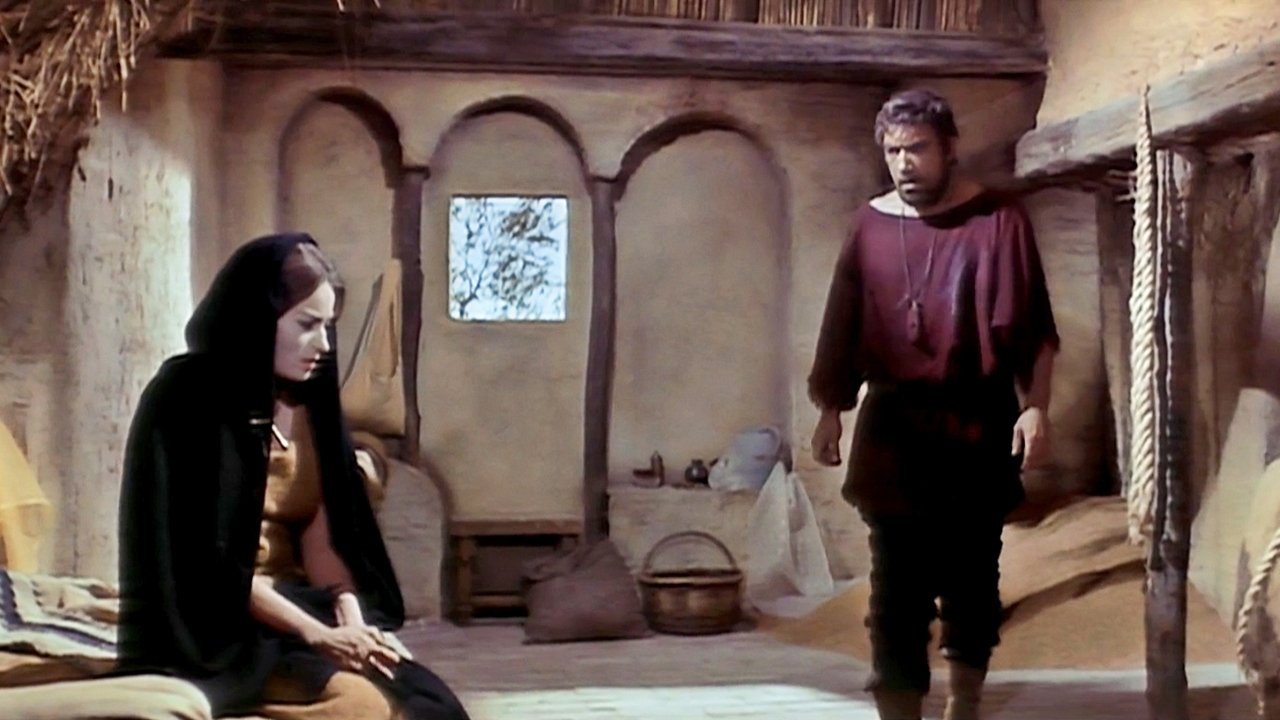
Pontius Pilate offers to release either Jesus of Nazareth or Barabbas, in keeping with the Passover custom. The crowd gathered for the pardoning chooses Barabbas, and Jesus is condemned to crucifixion, while Barabbas is set free. Returning to his friends, Barabbas asks for his lover, Rachel. His friends inform him that Rachel has become a follower of Christ. Rachel soon returns, but she is not happy to see Barabbas, and they tussle physically.
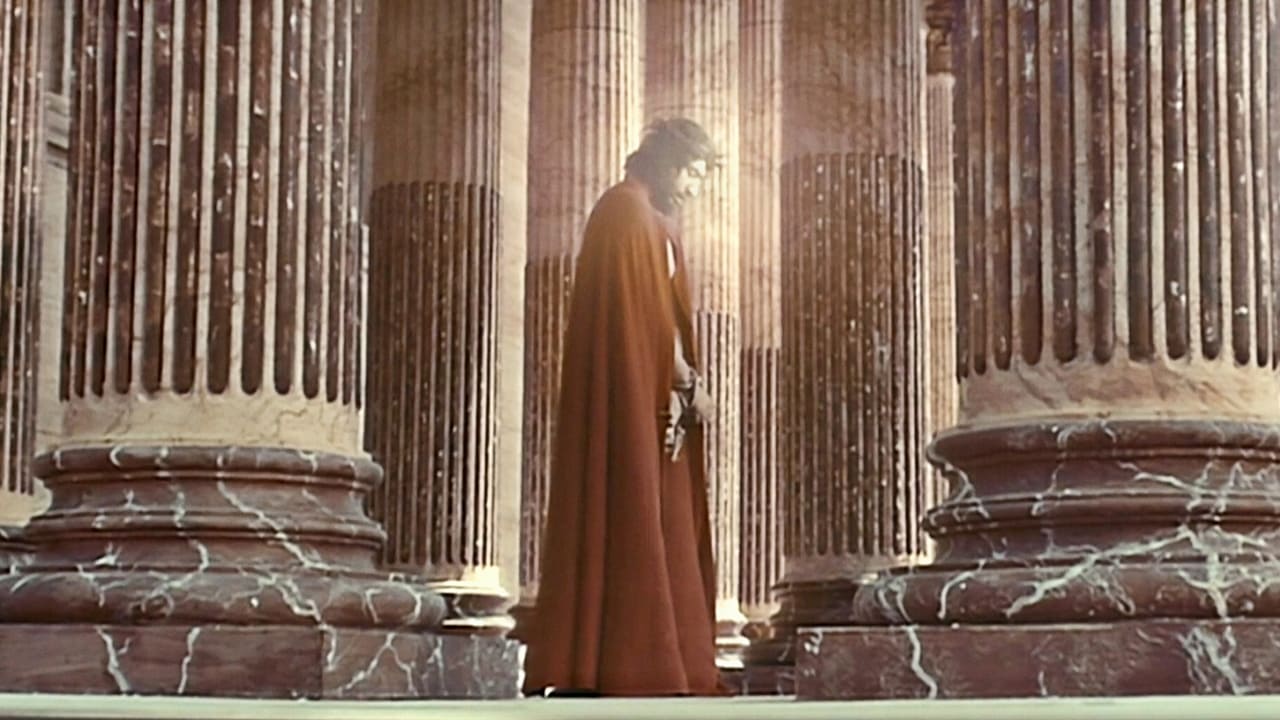
Barabbas witnesses the crucifixion of Jesus. As Jesus dies, the sky turns black, and Barabbas is shaken. He watches Christ's body sealed in the tomb. On the third morning, Barabbas finds the tomb open. Rachel tells him that Christ has risen, but Barabbas says it is an illusion or his followers have stolen the body. He visits the apostles; they do not know where he is, but also believe he is risen.
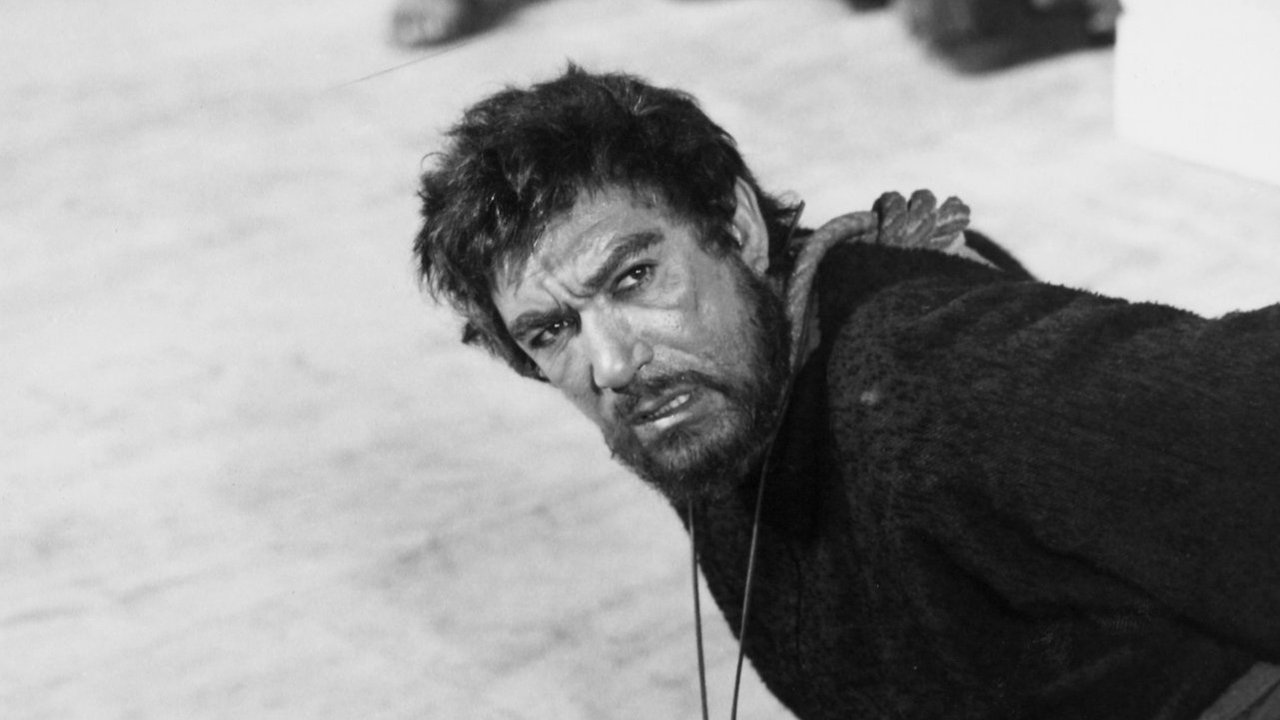
Rachel preaches in Jerusalem about Jesus Christ himself and is stoned to death at the insistence of the priests. Barabbas, guilt-ridden, returns to his criminal ways and tries to rob a caravan transporting several of the priests. When the robbery goes bad, Barabbas does not try to flee, and he is captured by Roman soldiers. The law forbids Pilate from executing someone who has previously been pardoned, so he sentences Barabbas to lifelong slavery in the sulfur mines of Sicily.
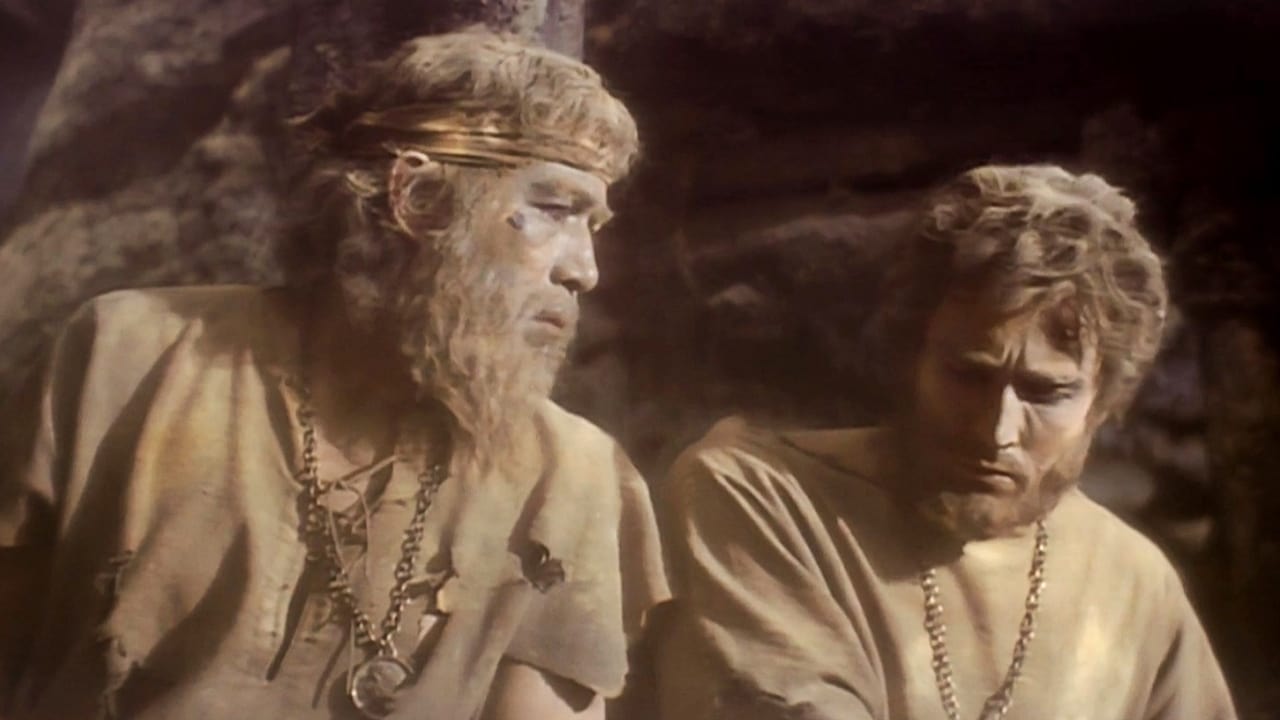
Barabbas survives this hellish existence for the next twenty years. He is chained to Sahak, a Christian sailor who was sent to the mines for allowing slaves to escape. Sahak at first hates Barabbas for being pardoned instead of "the Master", but the two men eventually become friends. Over time, Sahak becomes too weak to work. As the guards are about to kill him, the mine is destroyed in an earthquake, with Sahak and Barabbas the only survivors. Julia, the superstitious wife of the local prefect, considers them blessed. The prefect is due to leave for Rome, having been appointed to the Senate. Julia insists that Barabbas and Sahak accompany him for good luck.
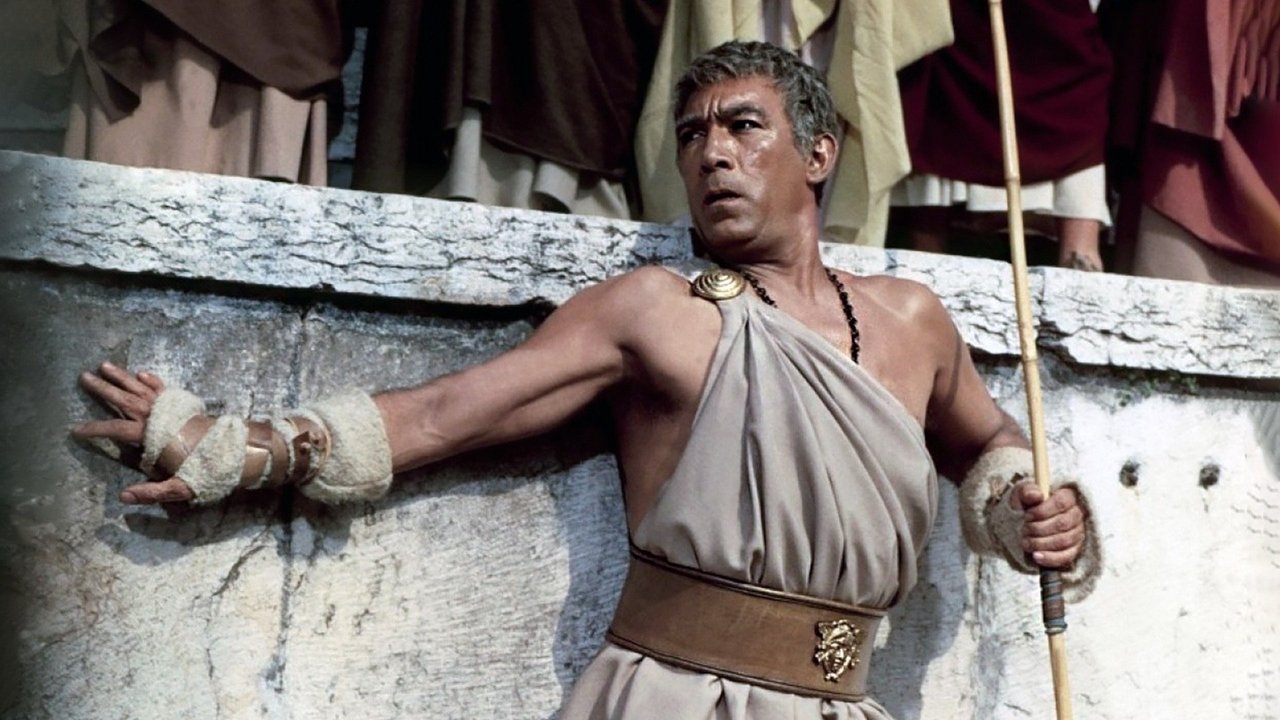
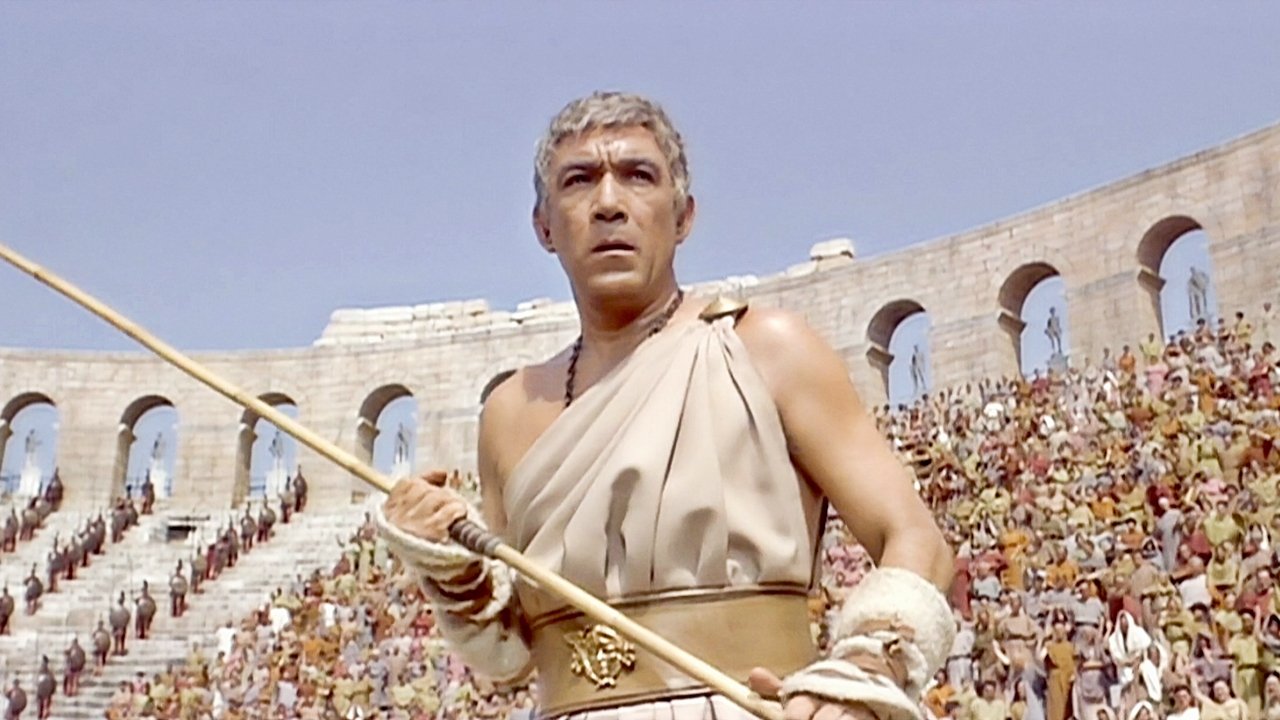
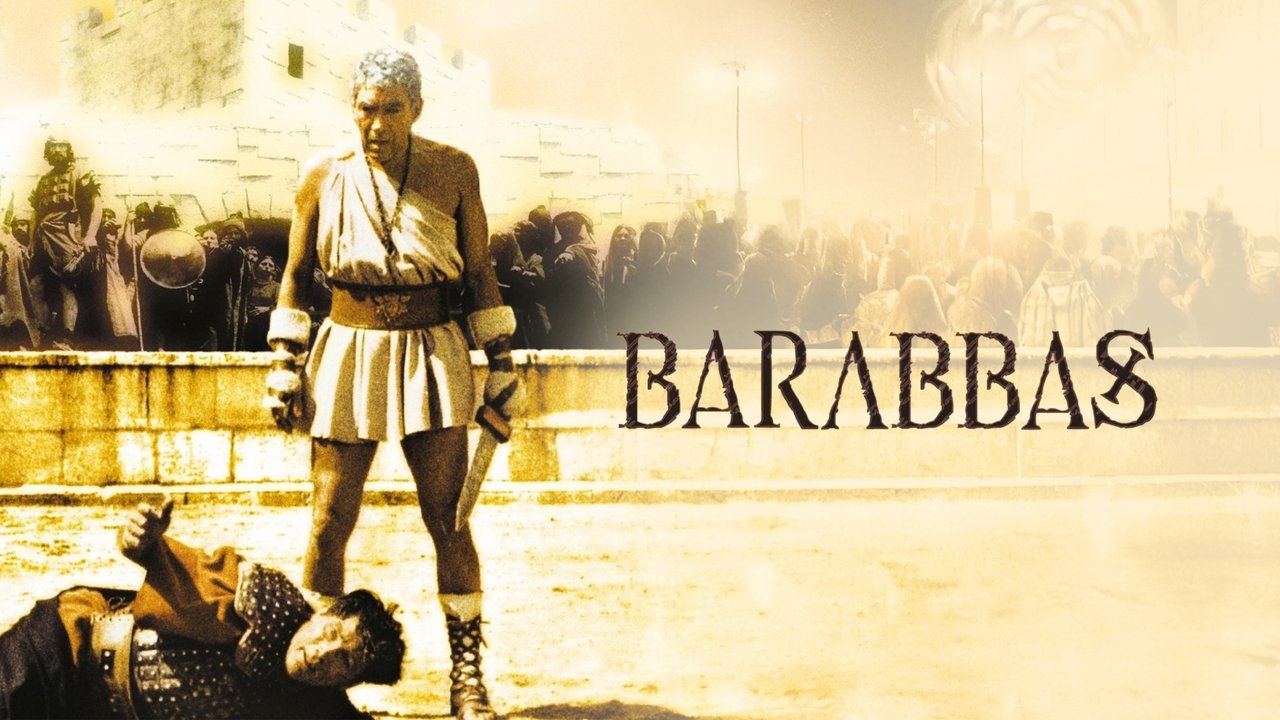
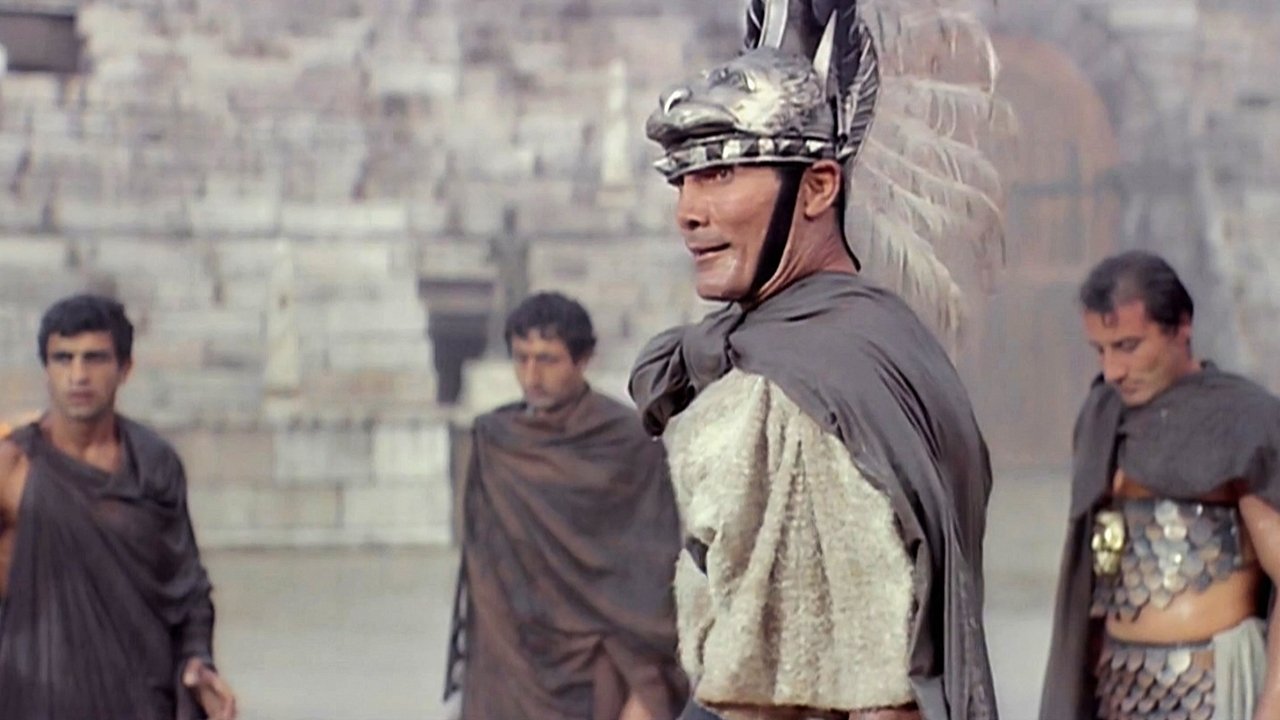
Once in Rome, the men are trained to become gladiators by Torvald, the top gladiator in Rome. After a gladiatorial event, Sahak is overheard sharing his faith with other gladiators, and is condemned to death for treason, in this case practicing a non state sanctioned religion. When a squad deliberately miss throwing their spears, Torvald executes Sahak. The next day, Torvald and Barabbas battle in the arena. Barabbas wins, killing Torvald and impressing Emperor Nero, who sets him free. Barabbas takes Sahak's corpse to the catacombs, where the local Christians are worshiping. They give him a proper burial.
Barabbas becomes lost in the catacombs. When he eventually emerges, Rome is on fire. Barabbas is told that the Christians started the fire. Believing that the end of the world has come (as Rachel and Sahak had taught), Barabbas sets fire to more buildings. He is confronted by Roman soldiers and tells them that he is a follower of Christ. He is imprisoned with several other Christians, among them the apostle Peter. Peter admonishes Barabbas for committing arson, informing him that Christians would not do such a thing. Afterwards, the Christians are executed by mass crucifixion in the persecutions that follow the fire. Having finally placed his faith in Christ, Barabbas is crucified with the others, though his last words are, "Darkness... I give myself up into your keeping... It is Barabbas".
Cast
Production
Before major casting began, Yul Brynner was actively considered for the title role of Barabbas, yet never got the part. His previous Biblical film roles were Rameses II in The Ten Commandments and Solomon in Solomon and Sheba.
The music score by Mario Nascimbene, which was conducted by Franco Ferrara, the noted conductor and lecturer on conducting at several famous international academies, was noted for its unusual, stark experimental component – the composer referred to his work, which included the introduction of electronic sounds achieved by the manipulation of tape speeds, as "new sounds". The main theme was based on the "Kyrie" from "Orbis Factor: Missa XI" which is a part of the Roman Catholic Ordinary. The depiction of the crucifixion was filmed on 15 February 1961 during an actual total eclipse of the sun.
Differences from the book
In Pär Lagerkvist's original novel, Barabbas' later crime that sends him into slavery is left vague. He is sent to the copper mines of Cyprus, rather than Sicily as in the film. Sahak (Vittorio Gassman) and Barabbas (Anthony Quinn) are freed from the mines by an overseer friendly to Christians, rather than it being destroyed by an earthquake. There are no gladiatorial scenes anywhere in the book, as Barabbas is made a field slave and then a house slave to his Roman owner.
Reception
Barabbas received positive reviews; it currently holds an 89% approval rating on Rotten Tomatoes, based on 9 reviews with an average rating of 6.8/10.
Awards and nominations
Nominee Best Color Cinematography - Italian National Syndicate of Film Journalists (Aldo Tonti)
Nominee Best Costume Design - Italian National Syndicate of Film Journalists (Maria De Matteis)
Nominee Best Production Design - Italian National Syndicate of Film Journalists (Mario Chiari)
Selected Top Foreign Films of the Year - National Board of Review
See also
1961 in film
List of Italian films of 1961
List of Easter films
List of films featuring eclipses
References
Notes
External links
Barabbas at IMDb
Barabbas at the TCM Movie Database (archived)
Barabbas at Rotten Tomatoes
Text from Barabbas (1961 film) on Wikipedia, licensed CC BY-SA 4.0. https://en.wikipedia.org/wiki/Barabbas_(1961_film)
Trivia
- It grossed US$ 5.8 million worldwide.
- It premiered on December 23, 1961, a Saturday.
- It runs 2h17 — a typical feature length.
- As of September 20, 2026, it is available in Brazil by subscription on Oldflix, Sony One Amazon Channel.
- This film's quiz has 11 questions — enough to play more than once without repeats.
Production
- StudiosDDL Cinematografica, Columbia Pictures
- CountriesUnited States, Italy
- LanguagesEnglish
- Box officeUS$ 5,800,000
- StatusReleased
More about this film
Based on
- Barabbas
Filming locations
- Catania
Set in
- Italy
Where to watch
Videos
Photos


Cast
-
 Anthony Quinn
Barabbas
Anthony Quinn
Barabbas -
 Silvana Mangano
Rachel
Silvana Mangano
Rachel -
 Arthur Kennedy
Pontius Pilate
Arthur Kennedy
Pontius Pilate -
 Katy Jurado
Sara
Katy Jurado
Sara -
 Harry Andrews
Peter
Harry Andrews
Peter -
 Vittorio Gassman
Sahak
Vittorio Gassman
Sahak -
 Norman Wooland
Rufio
Norman Wooland
Rufio -
 Valentina Cortese
Julia
Valentina Cortese
Julia -
 Jack Palance
Torvald
Jack Palance
Torvald -
 Ernest Borgnine
Lucius
Ernest Borgnine
Lucius -
 Arnoldo Foà
Joseph of Arimathea
Arnoldo Foà
Joseph of Arimathea -
 Michael Gwynn
Lazarus
Michael Gwynn
Lazarus -
 Laurence Payne
Disciple
Laurence Payne
Disciple -
 Douglas Fowley
Vasasio
Douglas Fowley
Vasasio -
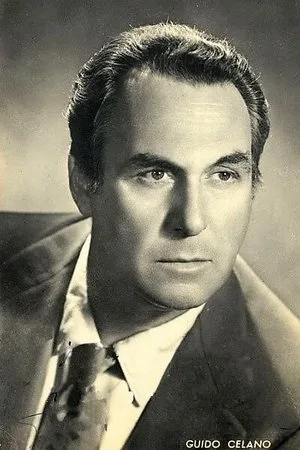 Guido Celano
Scorpio
Guido Celano
Scorpio -
 Enrico Glori
Man Pleading for Release of Prisoner
Enrico Glori
Man Pleading for Release of Prisoner -
 Carlo Giustini
Officer (as Carlo Giutini)
Carlo Giustini
Officer (as Carlo Giutini) -
 Giovanni Di Benedetto
Officer (as Gianni Di Benedetto)
Giovanni Di Benedetto
Officer (as Gianni Di Benedetto) - Robert Hall Commander of Gladiators
-
 Rina Braido
Tavern Reveler
Rina Braido
Tavern Reveler
Quiz about this movie
Questions from the whole catalogue.
Play nowIf you liked this one
-
Ressurreição
 6.3
6.3
-
Paulo, Apóstolo de Cristo
 7.6
7.6
-
Virgem Maria
 6.3
6.3
-
Alexandria
 7.0
7.0
-
Intolerância
 7.1
7.1
-
O Caso Richard Jewell
 7.4
7.4
-
Cruzada
 7.1
7.1
-
As Espiãs de Churchill
 6.7
6.7
-
Redenção – A História Real de Bonhoeffer
 6.7
6.7
-
Júlio César
 7.1
7.1
-
Rei dos Reis
 6.4
6.4
-
O Conde de Monte Cristo
 7.7
7.7
Tags
Crew
- Aldo Tonti Cinematography
- Richard Fleischer Director
- Alberto Gallitti Editing
- Raymond Poulton Editing
- Dino De Laurentiis Producer
- Mario Nascimbene Original music
- Christopher Fry Writer
- Diego Fabbri Writer
- Ivo Perilli Writer
- Nigel Balchin Writer
- Salvatore Quasimodo Writer
Questions about this film
What is Barabbas about?
Barabbas: Epic account of the thief Barabbas, who was pardoned for his crimes and spared crucifixion when Pilate offered the Israelites a choice to pardon Barabbas or Jesus. Struggling with his spirituality, Barabbas goes through many ordeals leading him to the gladiatorial arena, where he tries to win his freedom and confront …
Who directed Barabbas?
Barabbas was directed by Richard Fleischer in 1961.
Who stars in Barabbas?
The cast of Barabbas includes Anthony Quinn, Silvana Mangano, Arthur Kennedy, Katy Jurado and Harry Andrews.
How long is Barabbas?
Barabbas runs for 137 minutes, or 2h17.
Where can I watch Barabbas?
Barabbas is available on Oldflix and Sony One Amazon Channel. Availability changes often: the list on this page is the most recent we received.
What is Barabbas based on?
Barabbas is based on Barabbas.
Similar films
 6.4
6.4
 6.8
6.8
 6.8
6.8
 6.0
6.0
 5.5
5.5
 7.9
7.9
 7.0
7.0
 6.4
6.4
 7.2
7.2
 6.3
6.3
 7.5
7.5
Page updated on 09/10/2026.
Back to the catalogue