
Baraka (1992)
Baraka (1992), directed by Ron Fricke, starring Patrick Disanto.
score
A world beyond words.
Synopsis
A paralysingly beautiful documentary with a global vision—an odyssey through landscape and time—that attempts to capture the essence of life.
- Ron FrickeCinematography, Director, Editing, Writer
- David AubreyEditing
- Mark MagidsonEditing, Producer, Writer
- Alton WalpoleProducer
About the film
Baraka is a 1992 American non-narrative documentary film directed by Ron Fricke. It was photographed in the 65 mm Todd-AO format, and is the first film ever to be restored and scanned at 8K resolution.
Read the full article (7k characters)
Baraka is a 1992 American non-narrative documentary film directed by Ron Fricke. It was photographed in the 65 mm Todd-AO format, and is the first film ever to be restored and scanned at 8K resolution.
Content
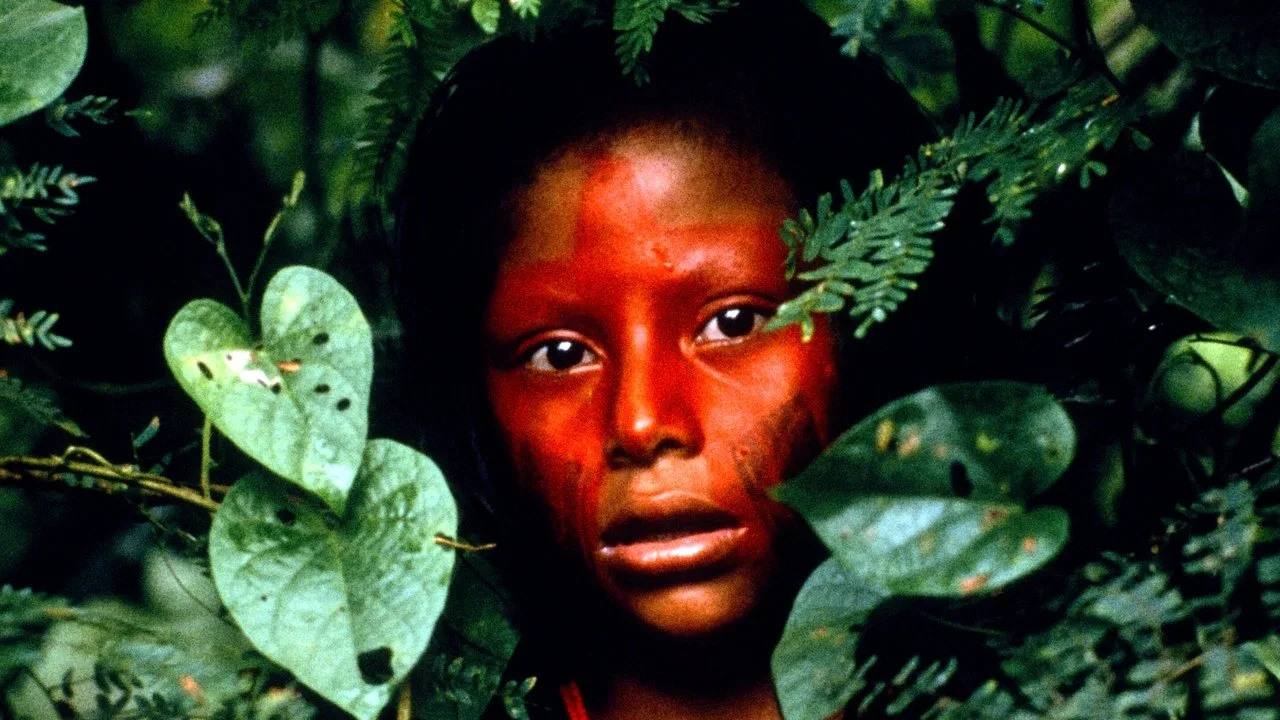
Baraka is a documentary film with no narrative or voice-over. It explores themes via a compilation of natural events, life, human activities and technological phenomena shot in 24 countries on six continents over a 14-month period.
The film is named after the Islamic concept of baraka (بَرَكَة), meaning blessing.
The film is Ron Fricke's follow-up to Godfrey Reggio's similar non-verbal documentary film Koyaanisqatsi. Fricke was a cinematographer and collaborator on Reggio's film, and for Baraka he struck out on his own to polish and expand the photographic techniques used on Koyaanisqatsi. Shot in 65 mm, it includes a mixture of photographic styles including slow motion and time-lapse. Two camera systems were used to achieve this. A Todd-AO system was used to shoot conventional frame rates, but to execute the film's time-lapse sequences Fricke camera built a special camera that combined time-lapse photography with perfectly controlled movements.
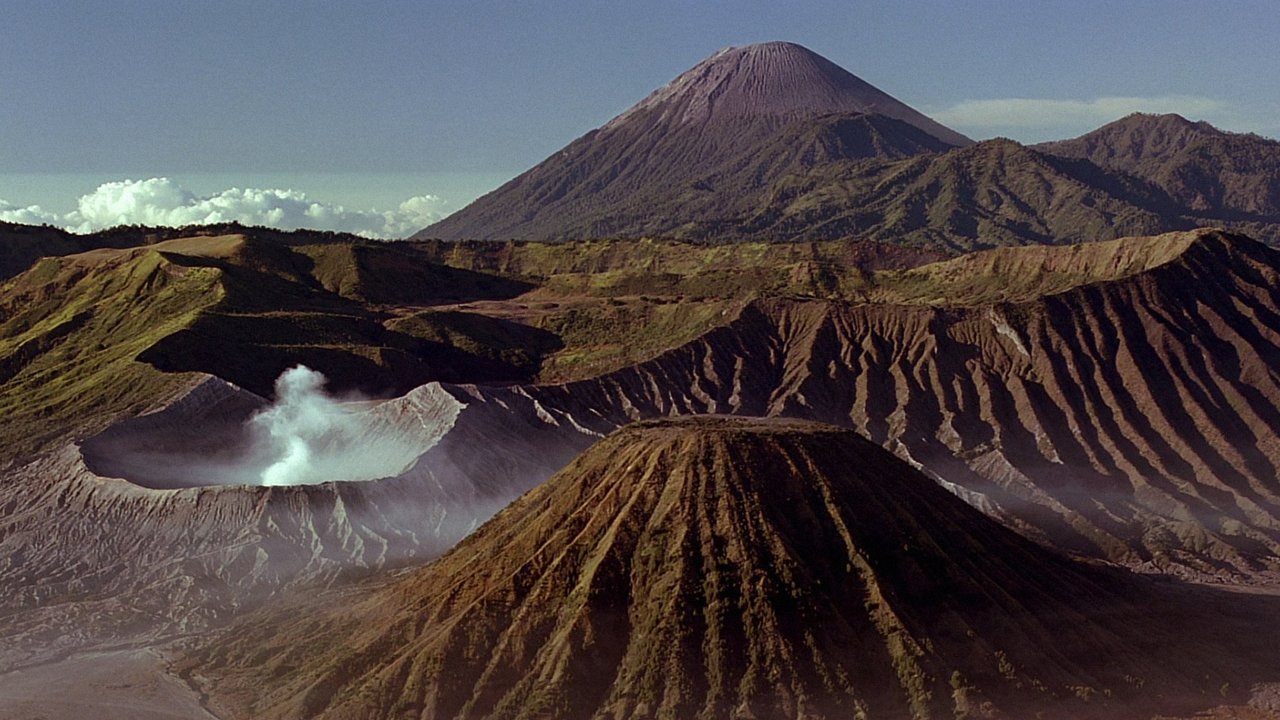
Locations featured include the Church of the Holy Sepulchre in Jerusalem, the Ryōan temple in Kyoto, Lake Natron in Tanzania, burning oil fields in Kuwait, the smouldering precipice of an active volcano, a busy subway terminal, the aircraft boneyard of Davis–Monthan Air Force Base, tribal celebrations of the Maasai in Kenya, and chanting monks in the Dip Tse Chok Ling monastery.
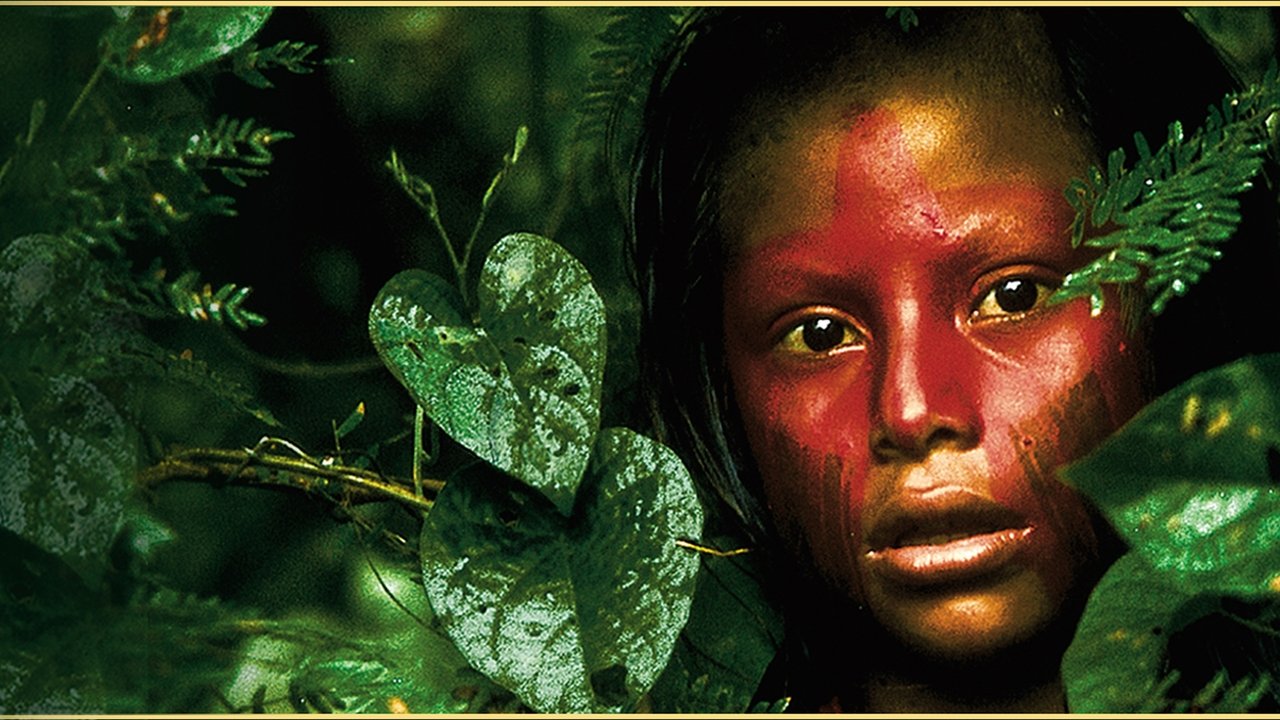
The film features a number of long tracking shots through various settings, including Auschwitz and Tuol Sleng, over photos of the people involved, past skulls stacked in a room, to a spread of bones. It suggests a universal cultural perspective: a shot of an elaborate tattoo on a bathing Japanese yakuza precedes a view of tribal paint.
Reissue
Following previous DVD releases, in 2007 the original 65 mm negative was rescanned at 8K resolution with equipment designed specifically for Baraka at FotoKem Laboratories. The automated 8K film scanner, operating continuously, took more than three weeks to finish scanning more than 150,000 frames (taking approximately twelve to thirteen seconds to scan each frame), producing over thirty terabytes of image data in total.
After a 16-month digital intermediate process, including a 96 kHz/24-bit audio remaster by Stearns for the DTS-HD Master Audio soundtrack, the result was re-released on DVD and Blu-ray in October 2008. At the time, project supervisor Andrew Oran described the reissue of Baraka as "arguably the highest-quality DVD that's ever been made". Chicago Sun-Times critic Roger Ebert described the Blu-ray release as "the finest video disc I have ever viewed or ever imagined."
Reception
Baraka holds a score of 85% on Rotten Tomatoes out of twenty-six reviews. Roger Ebert included the film in his "Great Movies" list, writing: "If man sends another Voyager to the distant stars and it can carry only one film on board, that film might be Baraka."
Production
Music
The score is by Michael Stearns and features music by, among others, Dead Can Dance, L. Subramaniam, Ciro Hurtado, Inkuyo, Brother, Anugama & Sebastiano and David Hykes.
In 2019, German composer Mathias Rehfeldt released the concept album Baraka, inspired by the film.
Filming
The project was shot in 152 locations in 24 countries.
Africa
Egypt: Cairo; City of the Dead; Giza pyramid complex; Karnak temple, Luxor; Ramesseum
Kenya: Lake Magadi; Mara Kichwan Tembo Manyatta; Mara Rianta Manyatta; Maasai Mara
Tanzania: Lake Natron
United States
Arizona: American Express, Phoenix; Canyon de Chelly National Monument, Chinle; Davis–Monthan Air Force Base, Tucson; Peabody coal mine, Black Mesa; Phoenix
California: Big Sur; Los Angeles; Santa Cruz (chicken farm scenes)
Colorado: Mesa Verde National Park
Hawaii: Haleakalā National Park, Maui; Kona; Puʻu ʻŌʻō, Hawaiʻi Volcanoes National Park
New York: Empire State Building, Manhattan, New York City; Grand Central Terminal, Manhattan, New York City; Helmsley Building, Manhattan, New York City; McGraw-Hill Building, Manhattan, New York City; World Trade Center, Manhattan, New York City; Green Haven Correctional Facility, Beekman, New York; Stormville, New York
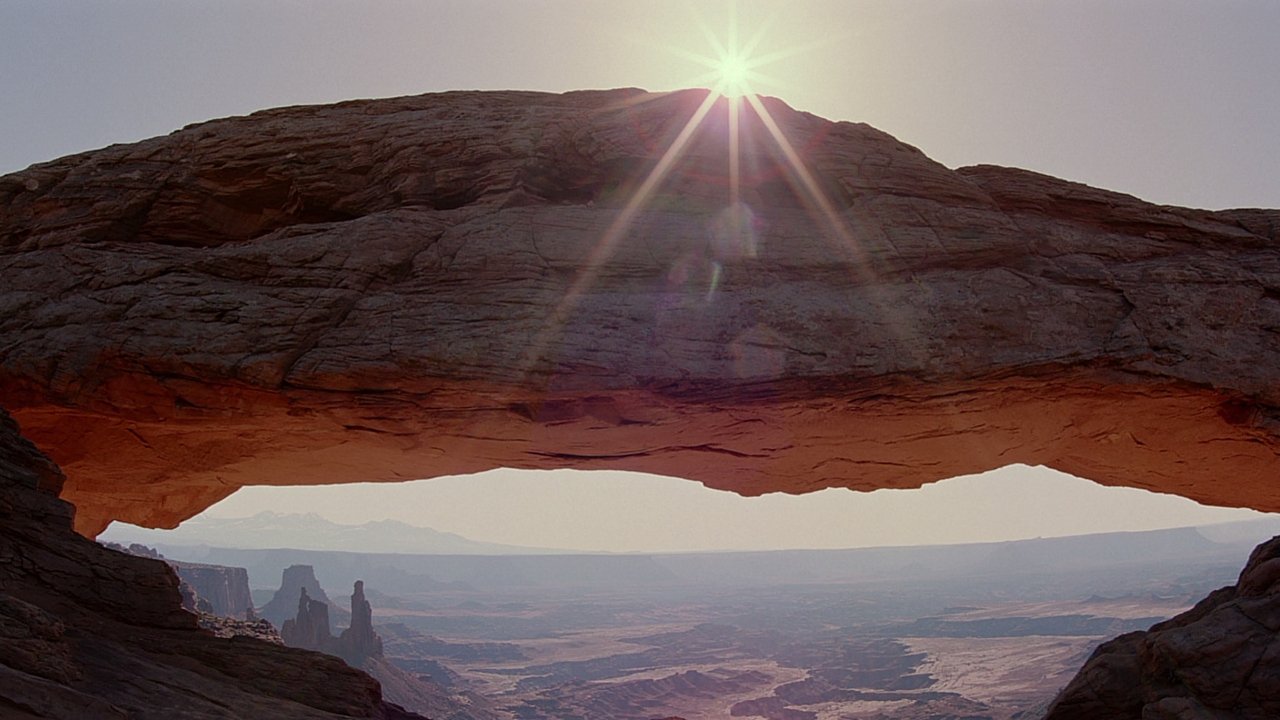
Utah: Arches National Park, Moab; Canyonlands National Park, Moab
Others: Shiprock, New Mexico; White House, Washington, D.C.
South America
Argentina: Iguazu Falls, Misiones
Brazil: Carajás Animal Reserve, Pará; Iguazu Falls, Paraná; Ipanema, Favela da Rocinha, Rio de Janeiro; Caiapó Village, Pará; Porto Velho, Rondônia; Represa Samuel, Rondônia; Rio Preto, Minas Gerais; São Paulo City, São Paulo state
Ecuador: Barrio Mapasingue, Guayaquil; Cementerio Ciudad Blanca; Galápagos Islands; Guayaquil
Asia
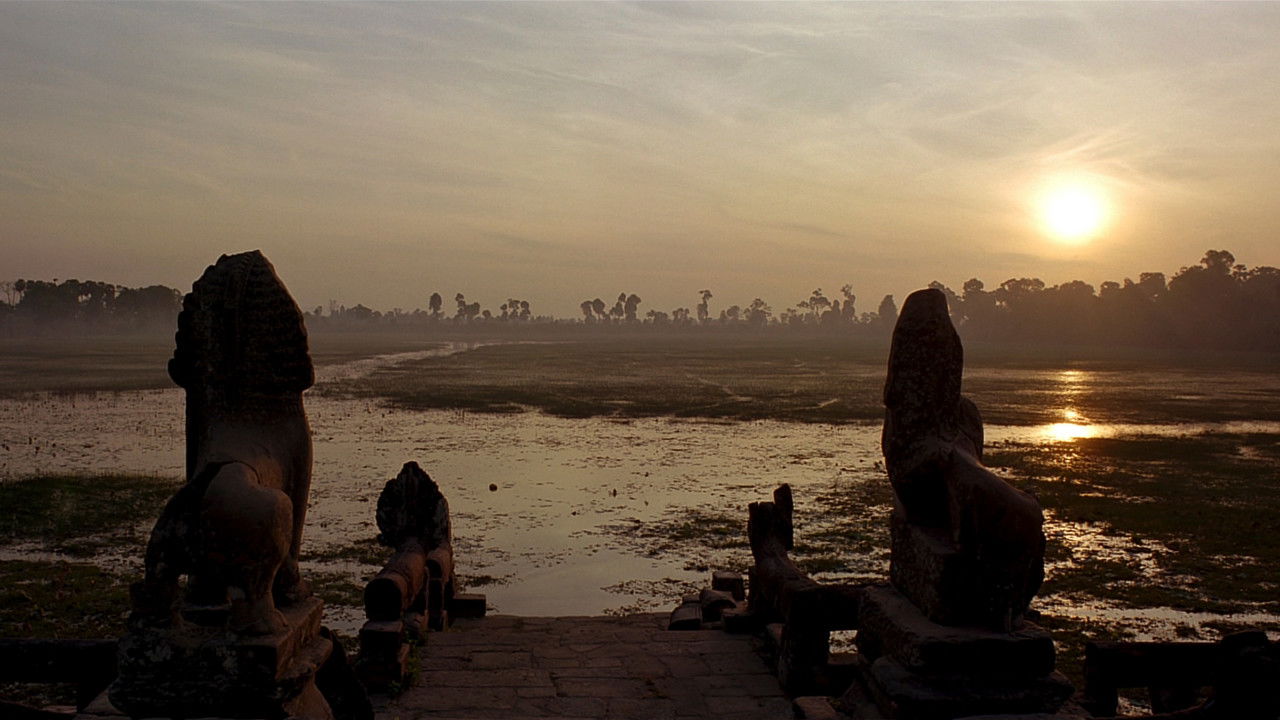
Cambodia: Angkor Thom; Angkor Wat; Angkor; Bayon; Phnom Penh; Preah Khan; Siem Reap; Ta Prohm; Tonle Omm Gate; Tuol Sleng Museum; Sonsam Kosal Killing Fields
China: Beijing; Great Hall of the People; Tiananmen Square; Guilin; Li River, Qin Shi Huang; Xi'an
Hong Kong: Kowloon Walled City, Kowloon
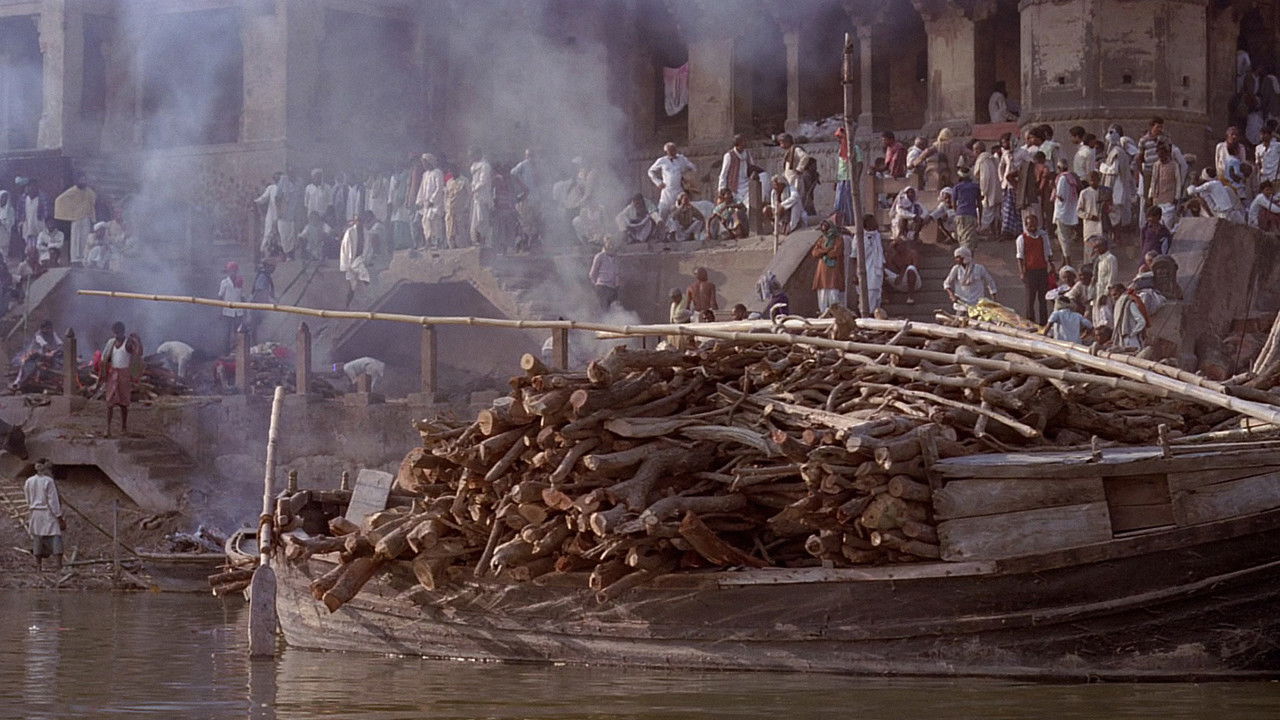
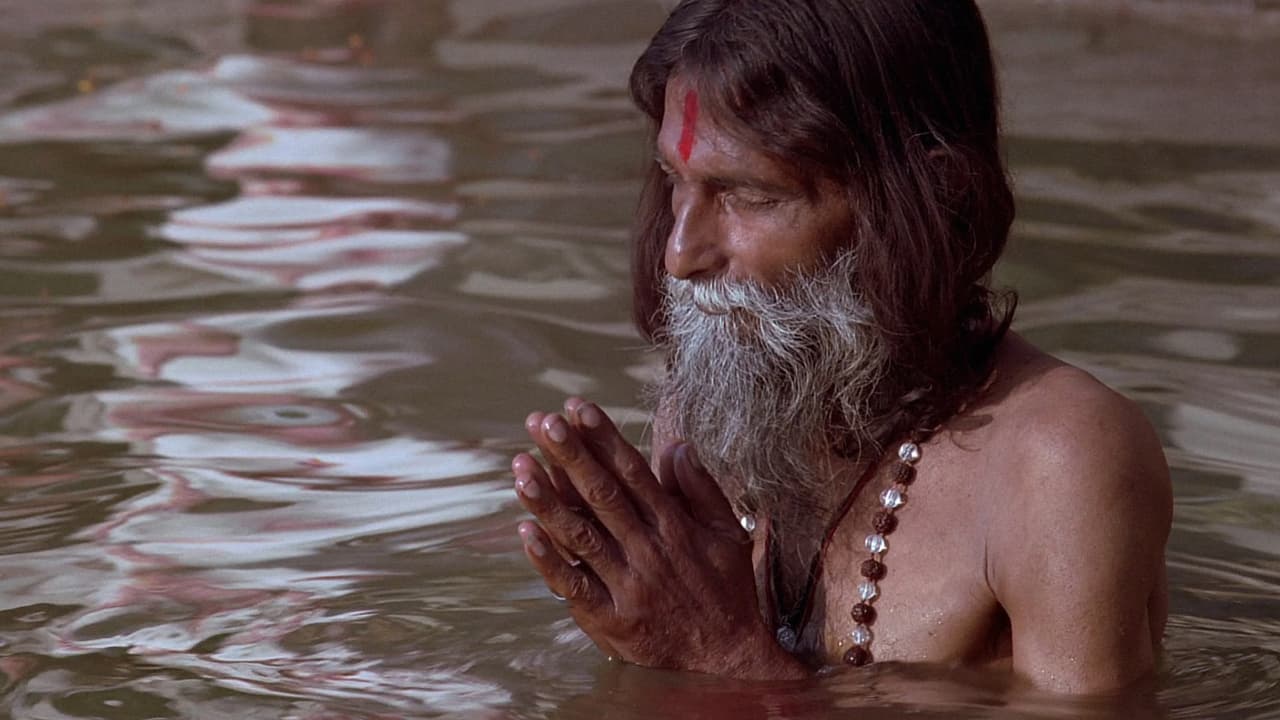
India: Calcutta, West Bengal; Chennai, Tamil Nadu; Ganges River; Ghats; Kailashnath Temple, Varanasi; National Museum of India, New Delhi; Varadharaja Temple, Varanasi
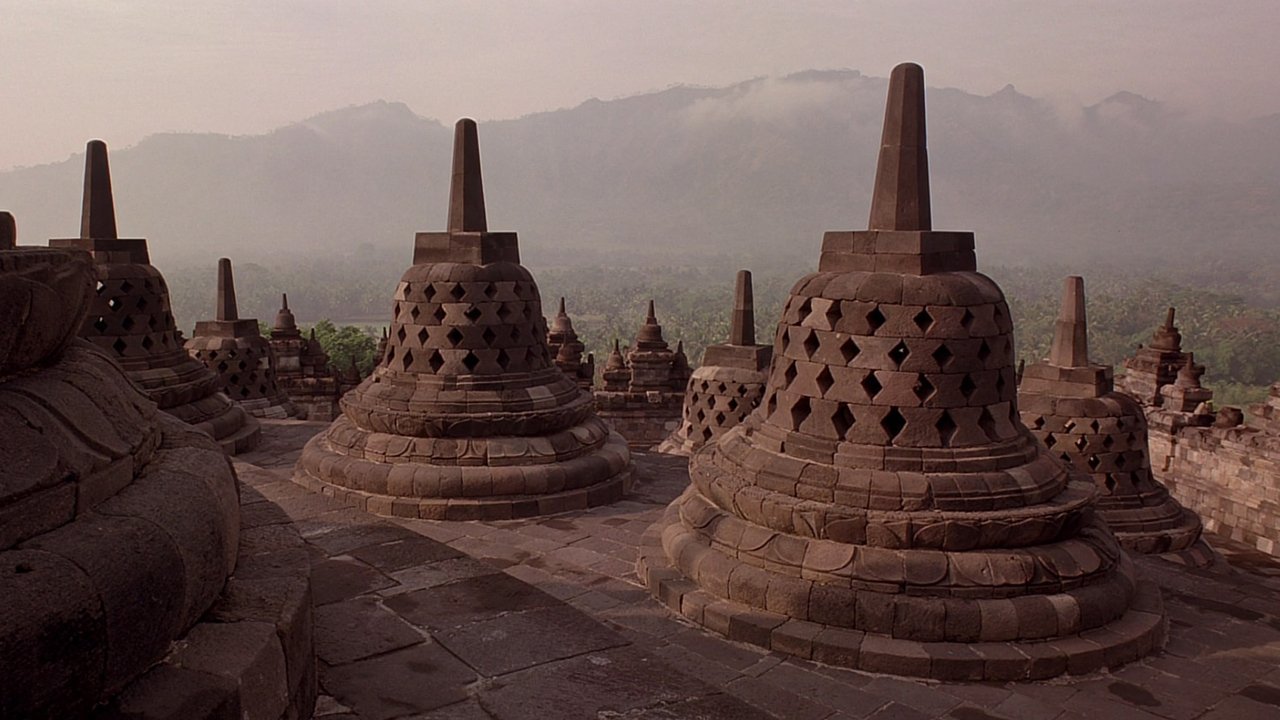
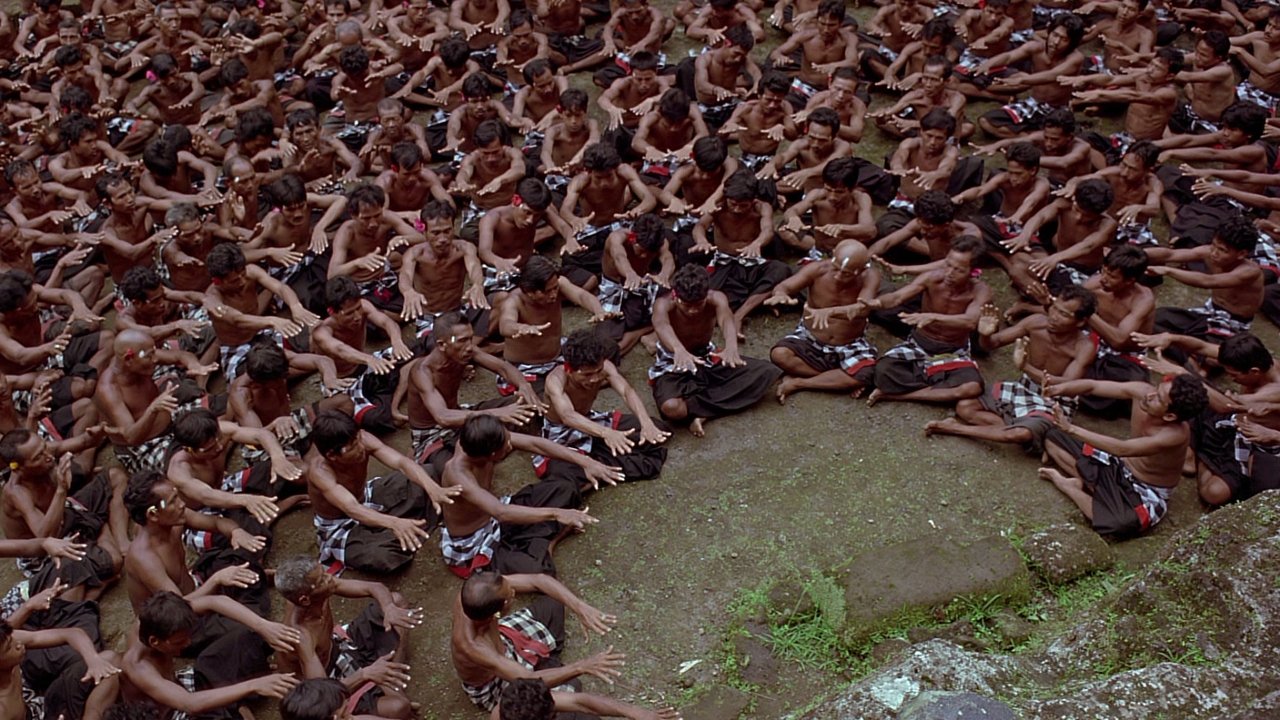
Indonesia: Borobudur; Java; Candi Nandi; Candi Prambanan; Gudang Garam cigarette factory; Kasunanan Palace; Surakarta; Istiqlal Mosque, Jakarta; Kediri; Tabanan; Bali; Mancan Padi; Mount Bromo Valley; Tampak Siring; Tegallalang; Gunung Kawi temple; Uluwatu
Iran: Imam Mosque; Imam Reza Shrine, Mashhad; Isfahan; Persepolis; Shah Chiragh; Shiraz
Japan: Green Plaza Capsule Hotel; Hokke-Ji temple; JVC Yokosuka Factory; Kyoto; Meiji Shrine; Nagano Springs; Nara; Nittaku; Ryōan-ji temple; Sangho-ji Temple; Shinjuku Station; Tokyo; the Hachikō Exit, Shibuya Station; Tomoe Shizung & Hakutobo; Yamanouchi, Nagano; Zōjō-ji temple
Israel: Church of the Holy Sepulchre; Western Wall
Kuwait: Ahmadi; Burgan Field; Jahra Road, Mitla Ridge (Farouk Abdul-Aziz researched and produced this segment)
Nepal: Bhaktapur; Boudhanath; Durbar Square, Kathmandu; Hanuman Ghat; Himalayas; Mount Everest; Mount Thamserku; Pasupati; Swayambhu
Saudi Arabia: Mecca
Thailand: Ayutthaya Province; Bang Pa-In; Bangkok; NMB Factory; Patpong; Soi Cowboy; Wat Arun; Wat Suthat
Oceania
Australia: Bathurst Island; Cocinda; Jim Jim Falls; Kakadu National Park; Kunwarde Hwarde Valley; Uluru
Europe
Poland: Oświęcim (German Auschwitz concentration camp); Sztutowo (German Stutthof concentration camp); Bytom
France: Chartres Cathedral; Notre-Dame de Reims
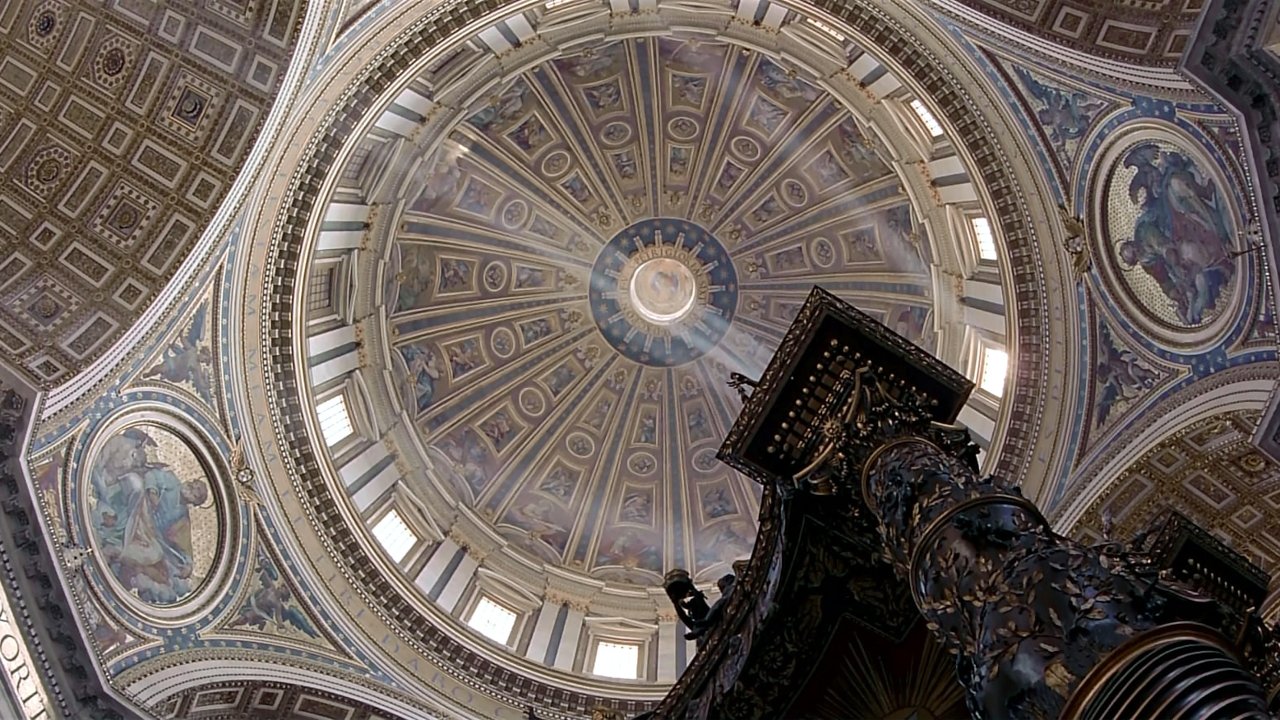
Vatican City: St. Peter's Basilica
Turkey: Galata Mevlevi Lodge Museum; Hagia Sophia
Sequel
A sequel to Baraka, Samsara, also shot in 65 mm and made by the same filmmakers, premiered at the 2011 Toronto International Film Festival and was released internationally in August 2012.
See also
Abstract animation
Chronos
Home
Cinéma pur
Cinéma vérité
References
External links
Official website
Baraka at IMDb
Baraka at Spirit of Baraka
Text from Baraka (film) on Wikipedia, licensed CC BY-SA 4.0. https://en.wikipedia.org/wiki/Baraka_(film)
Trivia
- The production budget was US$ 4.0 million.
- It premiered on September 15, 1992, a Tuesday.
- It runs 1h36 — a typical feature length.
- This film's quiz has 12 questions — enough to play more than once without repeats.
Production
- StudiosMagidson Films
- CountriesUnited States
- LanguagesNo Language
- BudgetUS$ 4,000,000
- StatusReleased
More about this film
Filming locations
- Thailand
- Tanzania
- New York City
- Indonesia
Photos



Cast
Quiz about this movie
Questions from the whole catalogue.
Play nowIf you liked this one
-
Naqoyqatsi: A Vida Em Guerra
 6.2
6.2
-
Girl Rising
 7.0
7.0
-
Billie Eilish - Hit Me Hard and Soft: The Tour in 3D
 8.5
8.5
-
Elefantes Fantasmas
 7.7
7.7
-
Koyaanisqatsi: Uma Vida Fora de Equilíbrio
 7.9
7.9
-
Gunda
 7.2
7.2
-
14 Montanhas, 8 Mil Metros e 7 Meses
 7.3
7.3
-
A Noite que Mudou o Pop
 7.9
7.9
-
180 Grau Sul
 7.2
7.2
-
Powaqqatsi: Vida Em Transformação
 7.2
7.2
-
Aventuras no Fundo do Mar
 6.8
6.8
-
John Candy: Eu Me Amo
 7.9
7.9
Tags
Crew
- Ron Fricke Cinematography
- Ron Fricke Director
- David Aubrey Editing
- Mark Magidson Editing
- Ron Fricke Editing
- Alton Walpole Producer
- Mark Magidson Producer
- L. Subramaniam Original music
- Michael Stearns Original music
- Constantine Nicholas Writer
- Genevieve Nicholas Writer
- Mark Magidson Writer
- Ron Fricke Writer
Questions about this film
What is Baraka about?
Baraka: A paralysingly beautiful documentary with a global vision—an odyssey through landscape and time—that attempts to capture the essence of life.
Who directed Baraka?
Baraka was directed by Ron Fricke in 1992.
Who stars in Baraka?
The cast of Baraka includes Patrick Disanto.
How long is Baraka?
Baraka runs for 96 minutes, or 1h36.
Similar films
-
 7.3
7.3
Harry Potter 20th Anniversary: Return to Hogwarts
2022
-
 6.3
6.3
Jackass: The Movie
2002
-
 7.5
7.5
The Social Dilemma
2020
-
 6.7
6.7
Super Size Me
2004
-
 7.5
7.5
Bowling for Columbine
2002
-
 7.9
7.9
Free Solo
2018
-
 6.6
6.6
Jackass 3D
2010
-
 7.1
7.1
Fahrenheit 9/11
2004
-
 7.8
7.8
Friends: The Reunion
2021
-
 7.7
7.7
Citizenfour
2014
-
 6.6
6.6
Jackass Number Two
2006
-
 7.6
7.6
Amy
2015
Page updated on 09/09/2026.
Back to the catalogue