



Being There (1979)
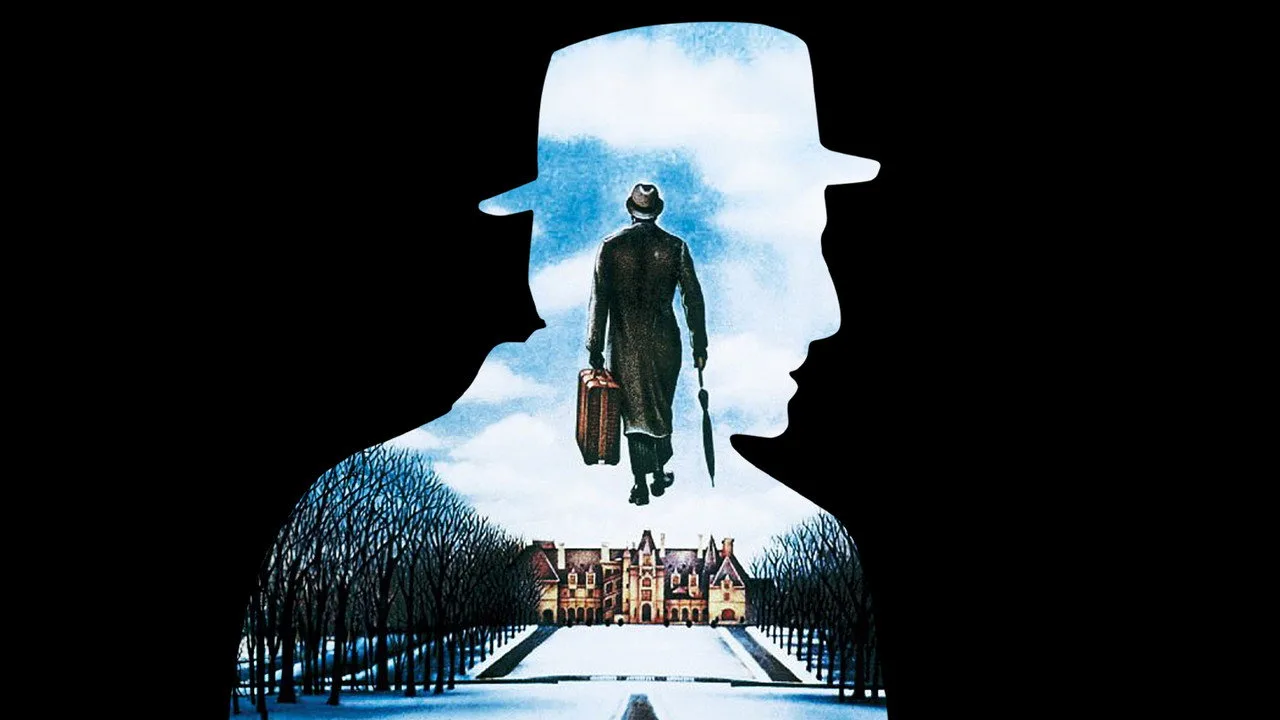
Being There (1979), directed by Hal Ashby, starring Peter Sellers and Shirley MacLaine.
score
Getting there is half the fun; being there is all of it!
Synopsis
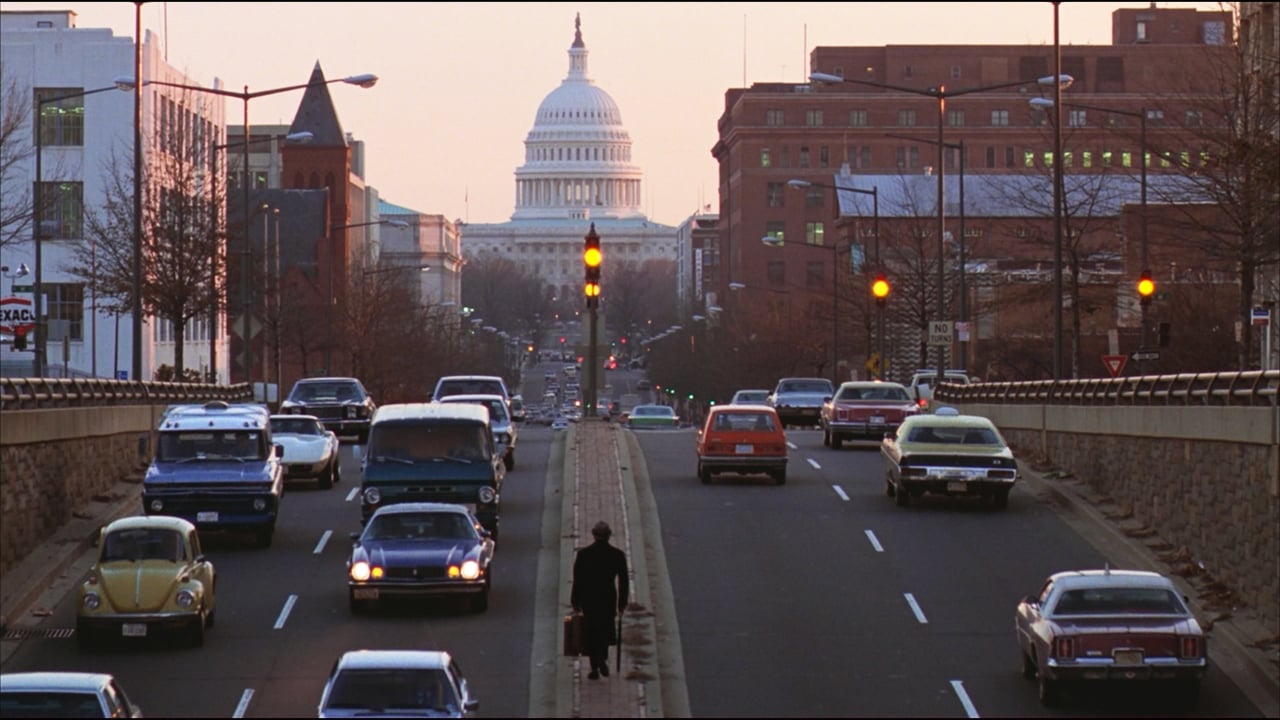
A simple-minded gardener named Chance has spent all his life in the Washington D.C. house of an old man. When the man dies, Chance is put out on the street with no knowledge of the world except what he has learned from television.
- Caleb DeschanelCinematography
- Hal AshbyDirector
- Don ZimmermanEditing
- Andrew BraunsbergProducer
About the film
Being There is a 1979 American satirical comedy-drama film starring Peter Sellers, Shirley MacLaine, and Melvyn Douglas. Directed by Hal Ashby, it is based on the 1970 novel Being There by Jerzy Kosiński, and adapted for the screen by Kosiński and the uncredited Robert C. Jones. Jack Warden, Richard Dysart, and Richard Basehart are featured in support. The film concerns a simple-minded and heavily sheltered gardener who explores the outside world after the death of his wealthy employer and is mistaken for a brilliant political pundit.
Douglas won the Academy Award for Best Supporting Actor and Sellers was nominated for Best Actor. The screenplay won the BAFTA Award for Best Screenplay and the Writers Guild of America Award for Best Comedy Adapted from Another Medium. It was also nominated for the Golden Globe Award for Best Screenplay. In 2015, the Library of Congress selected Being There for preservation in the National Film Registry, finding it "culturally, historically, or aesthetically significant". It has since developed a strong cult following and is a favorite among many filmmakers.
Read the full article (11k characters)
Being There is a 1979 American satirical comedy-drama film starring Peter Sellers, Shirley MacLaine, and Melvyn Douglas. Directed by Hal Ashby, it is based on the 1970 novel Being There by Jerzy Kosiński, and adapted for the screen by Kosiński and the uncredited Robert C. Jones. Jack Warden, Richard Dysart, and Richard Basehart are featured in support. The film concerns a simple-minded and heavily sheltered gardener who explores the outside world after the death of his wealthy employer and is mistaken for a brilliant political pundit.
Douglas won the Academy Award for Best Supporting Actor and Sellers was nominated for Best Actor. The screenplay won the BAFTA Award for Best Screenplay and the Writers Guild of America Award for Best Comedy Adapted from Another Medium. It was also nominated for the Golden Globe Award for Best Screenplay. In 2015, the Library of Congress selected Being There for preservation in the National Film Registry, finding it "culturally, historically, or aesthetically significant". It has since developed a strong cult following and is a favorite among many filmmakers.
Plot
Middle-aged, simple-minded Chance lives in a wealthy old man's townhouse in Washington, D.C., along with the man's African-American maid Louise, who is kind to him. He has spent his whole life tending the garden and never left the property. Other than gardening, his knowledge is derived entirely from television. When the old man dies, his lawyers order Chance out.
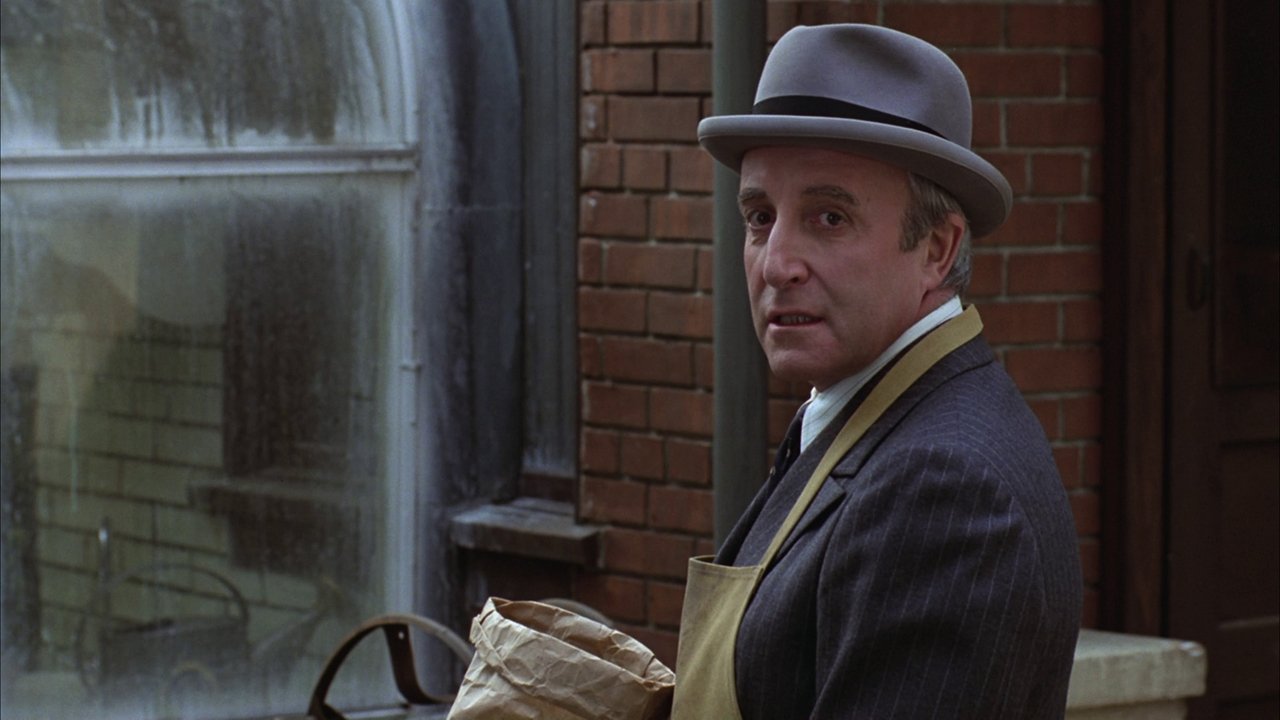
He wanders aimlessly, discovering the outside world for the first time. An African-American youth points a knife at him; Chance ineffectually tries to click him out of existence with a TV remote control. Passing by a shop, he sees himself captured by a video camera in the shop window. Entranced, he steps backward off the sidewalk and is struck by a limousine chauffeuring Eve Rand, the glamorous and much younger wife of elderly business mogul Ben Rand. When she asks his name, she mishears "Chance, the gardener" as "Chauncey Gardiner".
Eve brings Chance to their estate to be seen by Dr. Robert Allenby, who is resident there caring for Ben, who is dying from a blood disease. After checking Chauncey out, the doctor invites him to stay to keep an eye on him.
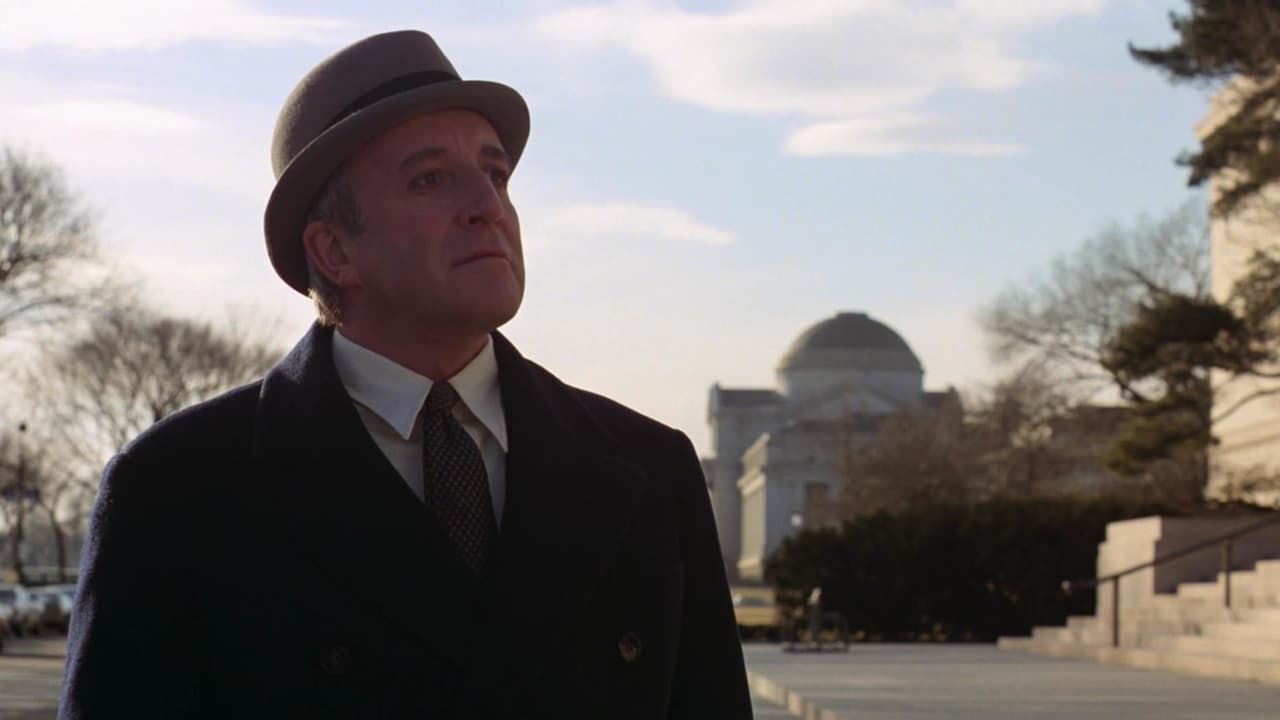
Chauncey's manners are old-fashioned and courtly, and he wears expensively tailored but outmoded 1930s clothes he took from his former employer's attic. When Ben meets him, he assumes that "Chauncey" is an upper-class, highly educated businessman fallen on hard times. Ben admires him, finding him direct, wise, and insightful.
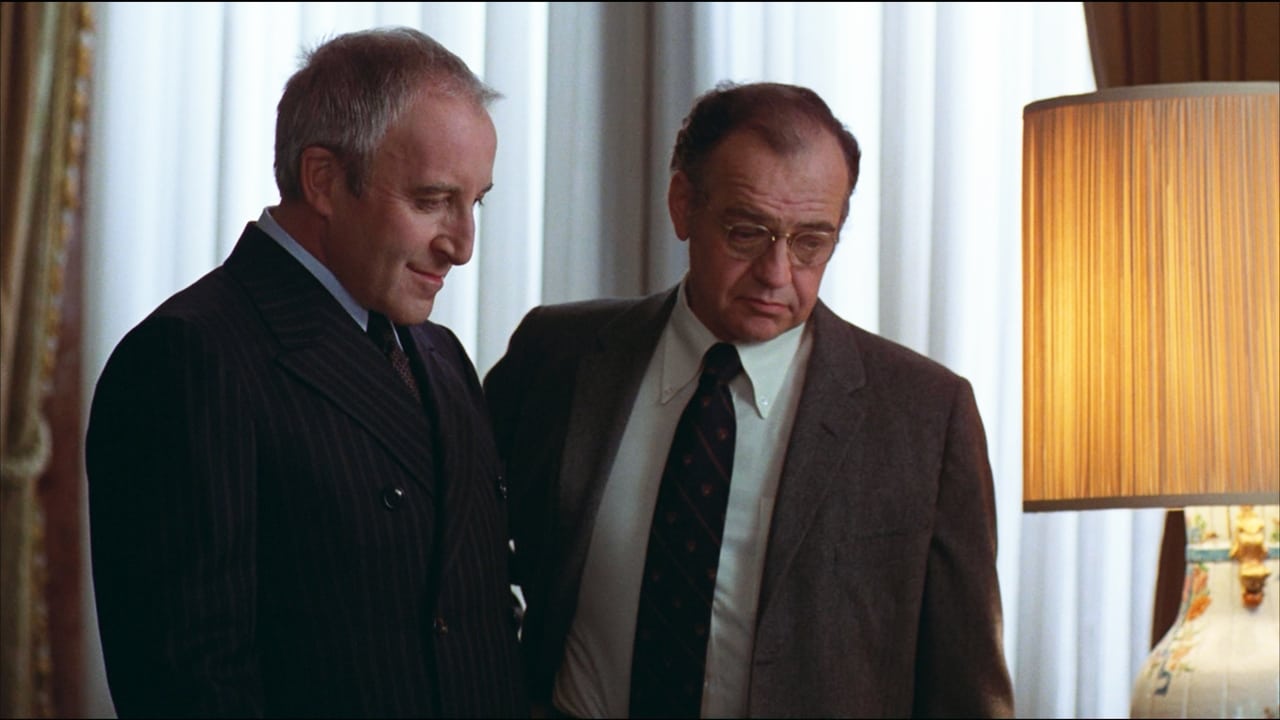
Ben is also a confidant and advisor to the President of the United States, whom he introduces to Chauncey. In a discussion about the economy, Chance takes his cue from the words "stimulate growth" and talks about the changing seasons of the garden. The President misinterprets this as optimistic political advice and quotes "Chauncey Gardiner" in a speech.
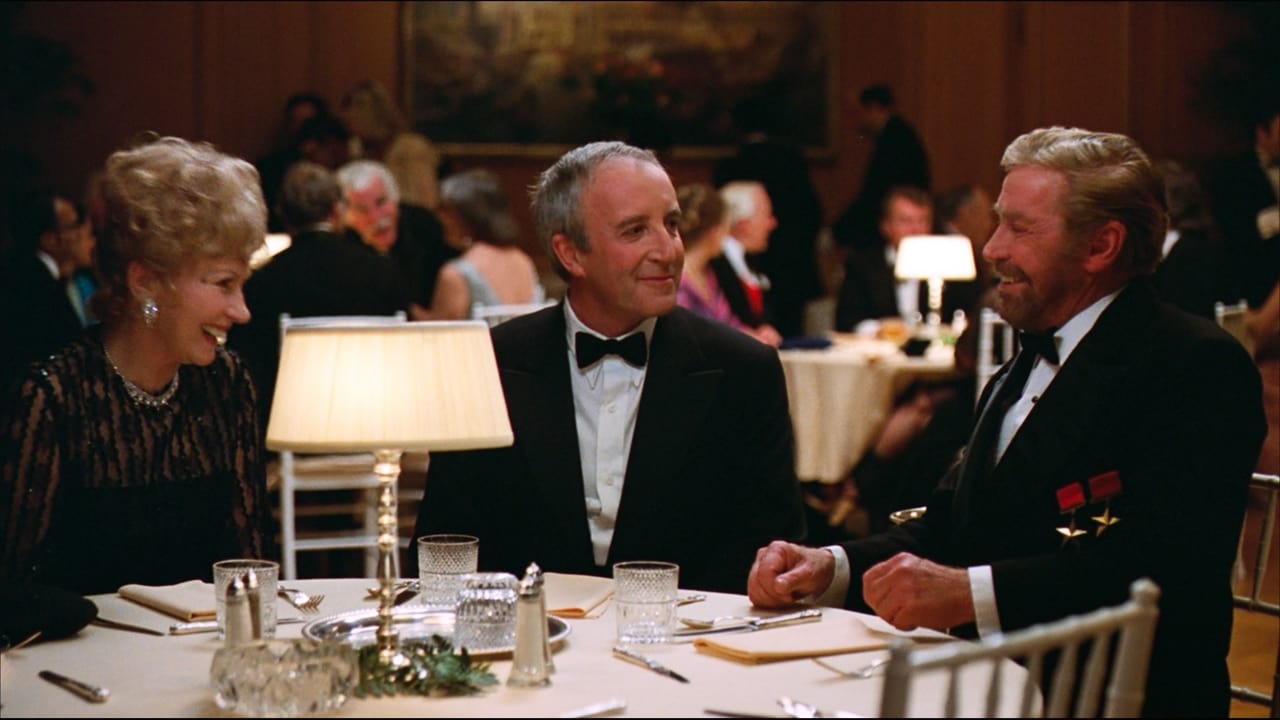
Chance rises to national prominence, attends important events, develops a close connection with the Soviet ambassador, and appears on a talk show during which his detailed advice about what a serious gardener should do is misunderstood as his opinion on presidential policy. Louise tells other African Americans as they watch Chance on TV that he has "rice pudding between the ears" and that whiteness is all that is needed to succeed in America. The President is shown as sexually impotent with his wife when watching the show.
Though Chance has risen to the pinnacle of Washington society, the Secret Service and 16 foreign agencies are unable to find any background information on him. Meanwhile, Allenby becomes suspicious that Chance is not a wise political expert and that his mysterious identity may have a more mundane explanation. He considers telling Ben but remains silent when he realizes how happy Chance is making him in his final days.
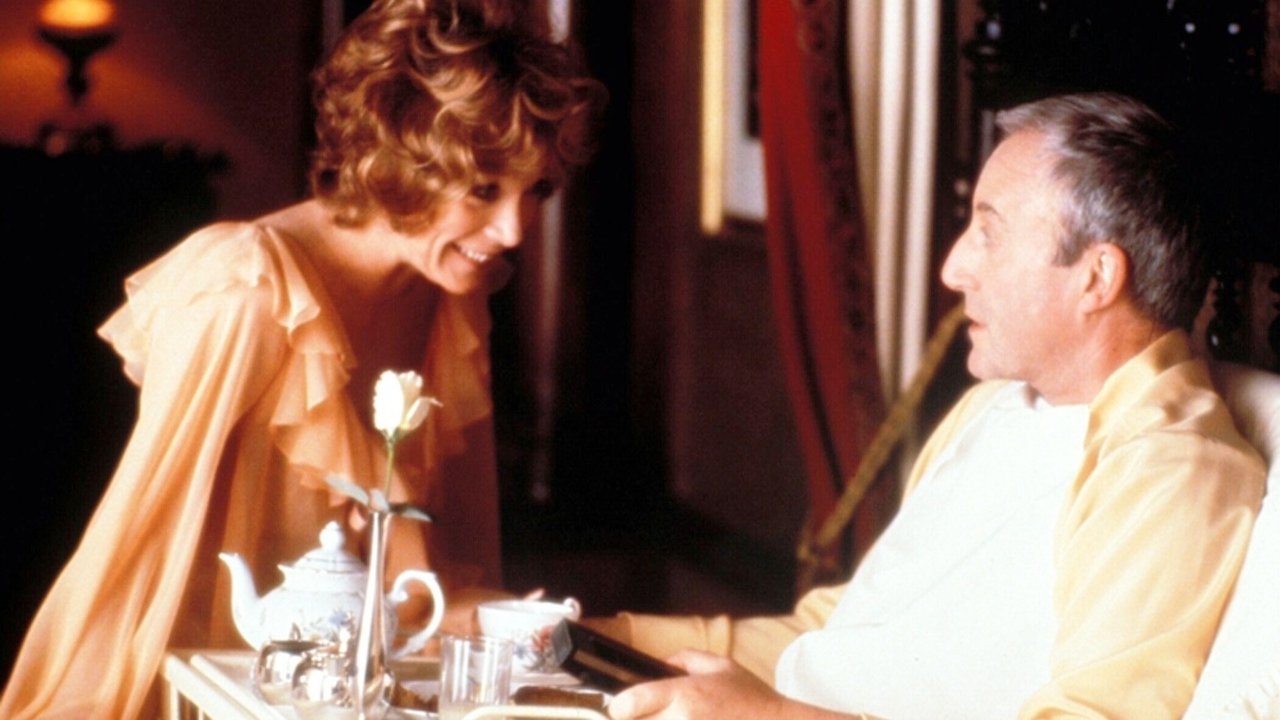
The dying Ben encourages Eve to become close to "Chauncey". She is already attracted to him and makes a sexual advance. Chance has no interest in or knowledge of sex but mimics a kissing scene from the 1968 film The Thomas Crown Affair, which happens to be on TV. When the scene ends, Chance stops suddenly, and Eve is confused. She asks what he likes, meaning sexually; he replies "I like to watch," meaning television. She is taken aback but masturbates for his voyeuristic pleasure, not noticing he has turned back to the TV and is imitating Lilias, Yoga and You on another channel.
Chance is present at Ben's death and shows genuine sadness. Questioned by Allenby, he admits that he "loves Eve very much" and that he is just a gardener. When he leaves to inform Eve of Ben's death, Allenby says to himself, "I understand."
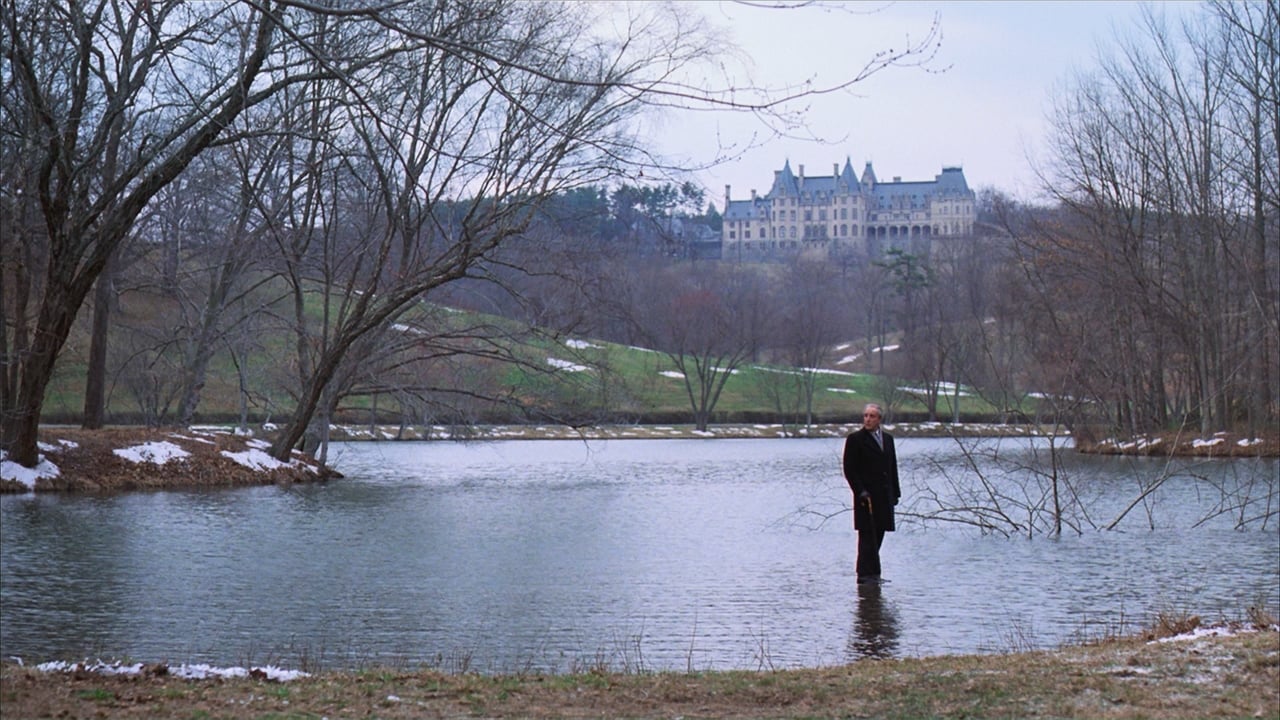
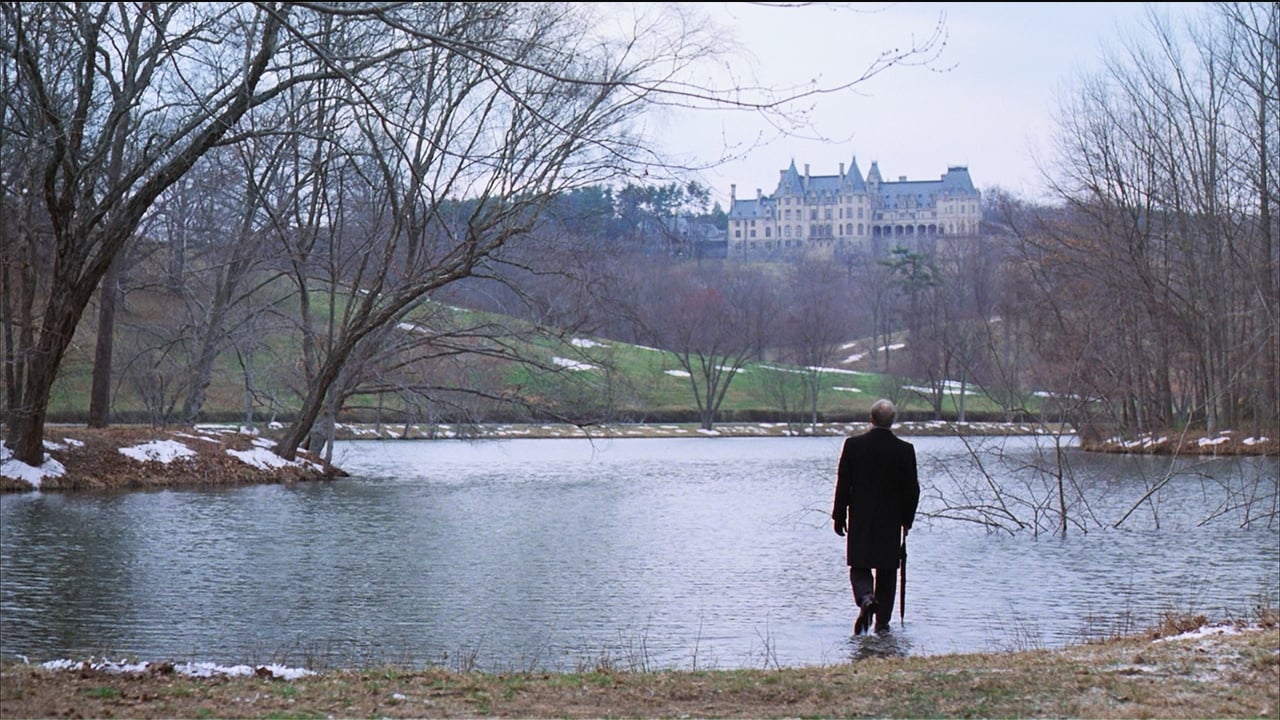
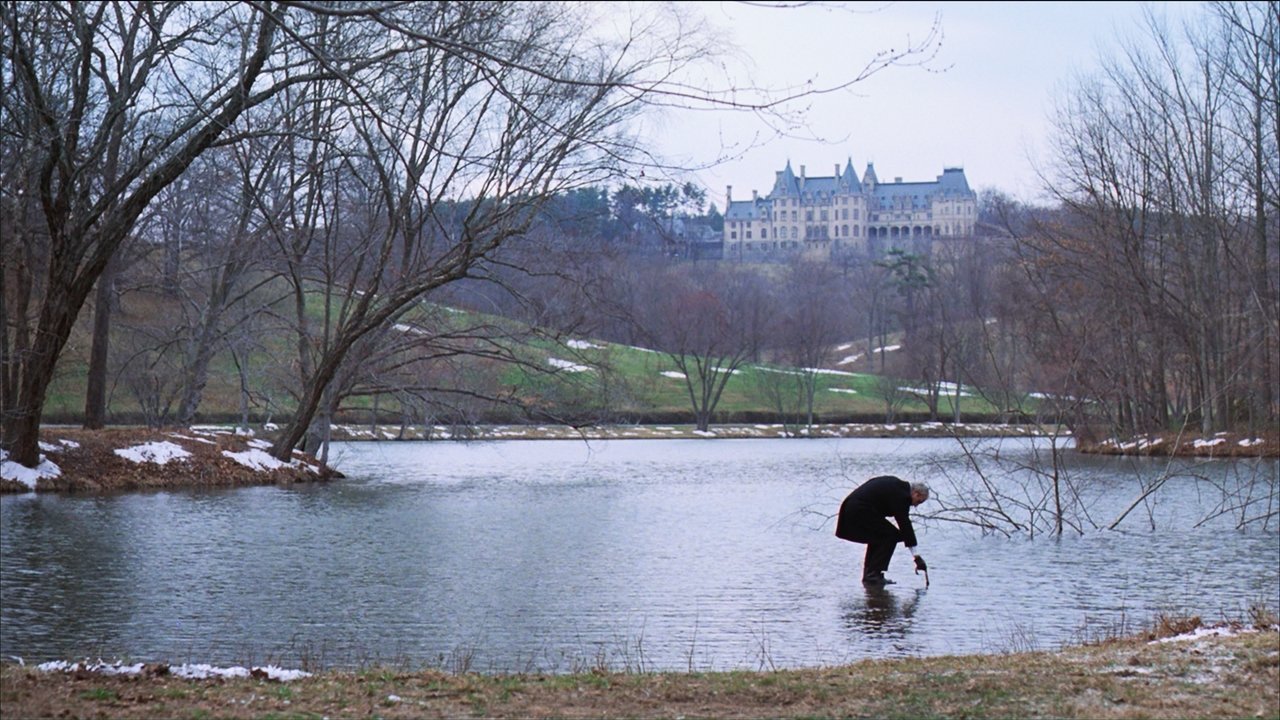
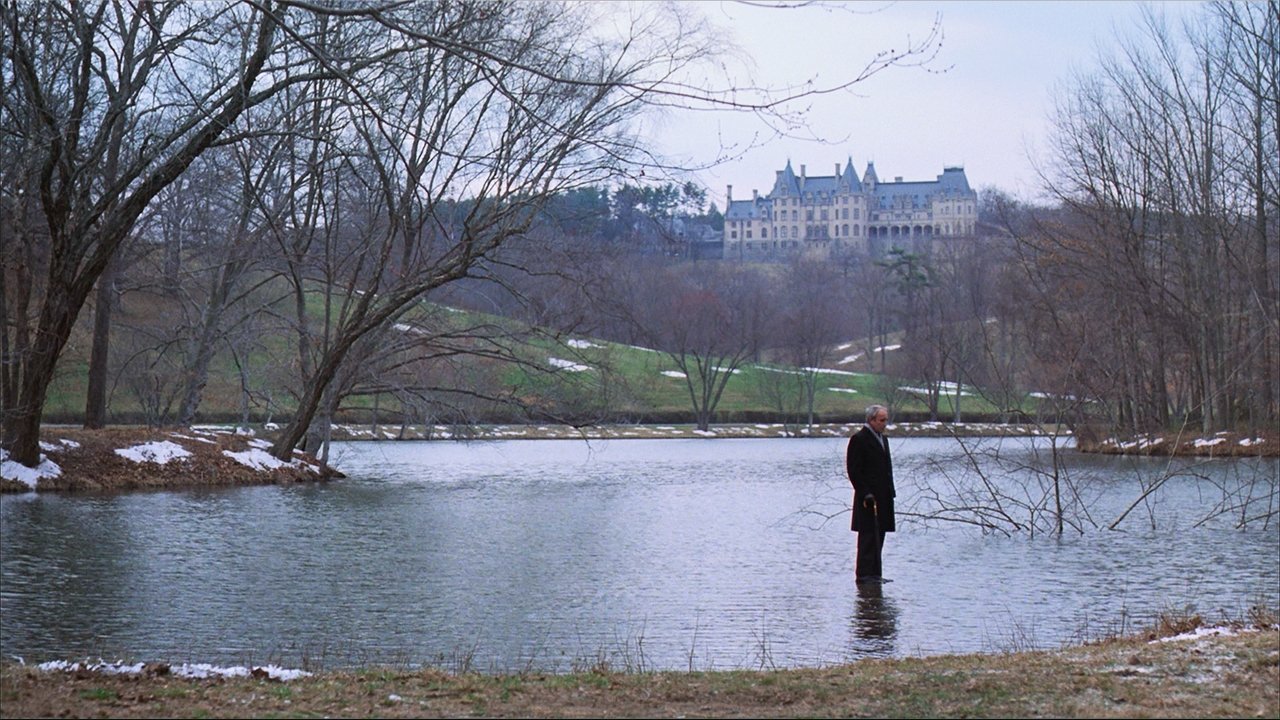
While the President delivers a speech at Ben's funeral, the pallbearers hold a whispered discussion over potential replacements for the President in the next presidential term and agree on "Chauncey" as successor. Oblivious, Chance wanders off through Ben's wintry estate. He straightens out a pine sapling flattened by a fallen branch, then walks across the surface of a lake without sinking. He pauses, dips his umbrella deep into the water to the right of his path, then continues on, while the President is heard quoting Ben: "Life is a state of mind."
Cast
Production
Casting
Burt Lancaster was Ashby's first choice for the role of Ben Rand. Laurence Olivier was also considered for the role, but turned it down because of the masturbation scene.
Filming
Principal filming occurred at the Biltmore Estate, the largest private home in the United States, located in Asheville, North Carolina. According to MacLaine, "(Peter) believed he was Chauncey. He never had lunch with me ... He was Chauncey Gardiner the whole shoot, but believing he was having a love affair with me." The original ending as written in the script was filmed; it shows Eve finding Chance by the lake, they declare they have found each other, and both walk back together. However, Ashby was unhappy with this ending so he had a platform submerged in the lake for Sellers to walk on, creating the film's enigmatic final scene.
The making of the film is portrayed in The Life and Death of Peter Sellers, a biographical film of Sellers's life.
Music
Incidental music is used very sparingly. What little original music is used was composed by Johnny Mandel, and primarily features two recurrent piano themes based on "Gnossiennes" No. 4 and No. 5 by Erik Satie. The other major pieces of music used are the Eumir Deodato jazz/funk arrangement of the opening fanfare from Also Sprach Zarathustra and "Basketball Jones" by Cheech and Chong. These pieces respectively accompany the title credits and Chance's first arrival to the Biltmore Estate. Mandel was also assisted by his cousin and fellow composer Miles Goodman with the orchestration of the film.
Reception
The film opened to positive reviews and gave Sellers a hit after a run of failed films outside of the Pink Panther series. Film critic Roger Ebert of The Chicago Sun-Times awarded a grade of four out of four stars in his original print review, writing how Being There was "one of the most confoundingly provocative movies of the year" and contained "wonderful comic moments". Gene Siskel also gave the film a perfect grade of four stars, calling it "one of those rare films, a work of such electric comedy that you are more likely to watch it in amazement than to break down and laugh". Janet Maslin of The New York Times called it "a stately, beautifully acted satire with a premise that's funny but fragile". Variety called it "an unusually fine film" that "represents Peter Sellers's most smashing work since the mid-1960s". Kevin Thomas of the Los Angeles Times called it "a gentle, exquisitely funny film", adding that "Sellers hasn't been so terrific—or had such terrific material—in years."
Vincent Misiano reviewed Being There in Ares Magazine and commented that "the film's humor never flags and yet its delicately bitter irony is never far away. It satirizes politics and politicians, business and businessmen, and, finally, all the rest of us and what we imagine we see when we look at one another."
In 2006, Roger Ebert mentioned the reaction of his students to the final scene (which is unique to the film, not appearing in the book), stating that they once suggested that Chance may be walking on a submerged pier. But, Ebert writes, "The movie presents us with an image, and while you may discuss the meaning of the image, it is not permitted to devise explanations for it. Since Ashby does not show a pier, there is no pier—a movie is exactly what it shows us, and nothing more."
The ending credits roll over the "Rafael outtake", in which Sellers repeatedly gets his lines wrong. Sellers was displeased that the outtake ran because he believed that it detracted from Chauncey's mystique. He also believed that it prevented him from winning the Oscar.
As of 2023 and beyond, the film holds a score of 95% on Rotten Tomatoes based on 62 reviews, with an average rating of 8.60/10. The critical consensus reads, "Smart, sophisticated, and refreshingly subtle, Being There soars behind sensitive direction from Hal Ashby and a stellar Peter Sellers performance." In 2003, The New York Times placed the film on its Best 1000 Movies Ever list. In 2006, Writers Guild of America West ranked its screenplay 81st in WGA’s list of 101 Greatest Screenplays.
Awards and nominations
The film is recognized by American Film Institute in:
2000: AFI's 100 Years...100 Laughs – #26
Home media
A 30th Anniversary Edition was released on DVD and Blu-ray in February 2009. The Criterion Collection issued the film on DVD and Blu-ray in March 2017.
See also
The Career of Nicodemus Dyzma: Being There is said to bear a strong resemblance to this 1932 Polish novel, and the film's originality became a subject of controversy in 1982. Monika Adamczyk-Garbowska wrote "most Polish critics immediately recognized his book as a version of Kariera Nikodema Dyzmy by Tadeusz Dolega-Mostowicz.
Dasein – Term in Martin Heidegger's philosophy
Politics in fiction
Social effects of television
Notes
References
Bibliography
Dawson, Nick (2009). Being Hal Ashby: Life of a Hollywood Rebel. University Press of Kentucky. ISBN 9780813139197.
Finkelstein, Joanne (2007). The Art of Self Invention: Image and Identity in Popular Visual Culture. London: I. B. Tauris. pp. 9, 98–99. ISBN 978-1-84511-395-7.
Nichols, Peter M.; Scott, A. O.; Canby, Vincent (2004). The New York Times Guide to the Best 1,000 Movies Ever Made. New York: Macmillan. pp. 93–94. ISBN 0-312-32611-4.
Sikov, Ed (2002). Mr. Strangelove: A Biography of Peter Sellers. New York: Hyperion. ISBN 0-7868-8581-5.
Tichi, Cecelia (1991). Electronic Hearth: Creating an American Television Culture. New York: Oxford University Press. ISBN 0-19-507914-0.
External links
"Being There" essay by Jerry Dean Roberts at the National Film Registry
Being There at the AFI Catalog of Feature Films
Being There at IMDb
Being There at the TCM Movie Database (archived)
Being There at Box Office Mojo
Being There at Rotten Tomatoes
Being There: American Cipher an essay by Mark Harris at the Criterion Collection
"The 34 best political movies ever made", Ann Hornaday, The Washington Post, Jan. 23, 2020, ranked No. 24
Text from Being There on Wikipedia, licensed CC BY-SA 4.0. https://en.wikipedia.org/wiki/Being_There
Iconic quotes
I like to watch.
— Chance (Peter Sellers)
Trivia
- It grossed US$ 30 million worldwide.
- It premiered on December 19, 1979, a Wednesday.
- It runs 2h10 — a typical feature length.
- It won 2 award(s) and received 2 nomination(s) on record at Wikidata — Academy Award for Best Supporting Actor among them.
- As of September 20, 2026, it is on no subscription service in Brazil — only to rent or buy on Apple TV Store, Amazon Video, Google Play Movies.
- This film's quiz has 15 questions — enough to play more than once without repeats.
Production
- StudiosNorthstar Media, Lorimar Motion Pictures, BSB, CIP, NatWest Ventures
- CountriesUnited States
- LanguagesEnglish
- Box officeUS$ 30,177,511
- StatusReleased
More about this film
Awards
- Academy Award for Best Supporting Actor 1980
- National Board of Review: Top Ten Films
Nominations
- Academy Award for Best Actor 1980
- Academy Award for Best Supporting Actor 1980
Based on
- Being There
Filming locations
- North Carolina
Set in
- Washington, D.C.
Where to watch
Videos
Photos


Cast
-
 Peter Sellers
Chance
Peter Sellers
Chance -
 Shirley MacLaine
Eve Rand
Shirley MacLaine
Eve Rand -
 Melvyn Douglas
Benjamin Rand
Melvyn Douglas
Benjamin Rand -
 Jack Warden
President 'Bobby'
Jack Warden
President 'Bobby' -
 Richard Dysart
Dr. Robert Allenby
Richard Dysart
Dr. Robert Allenby -
 Richard Basehart
Vladimir Skrapinov
Richard Basehart
Vladimir Skrapinov -
 Ruth Attaway
Louise
Ruth Attaway
Louise -
 David Clennon
Thomas Franklin
David Clennon
Thomas Franklin -
 Fran Brill
Sally Hayes
Fran Brill
Sally Hayes - Denise DuBarry Johanna Franklin
-
 Alice Hirson
First Lady
Alice Hirson
First Lady -
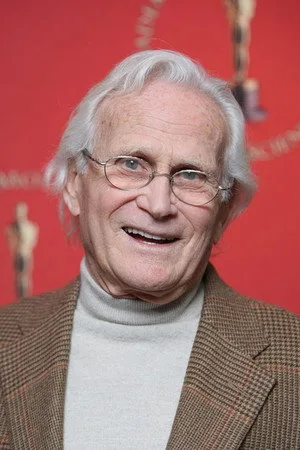 Jerome Hellman
Gary Burns
Jerome Hellman
Gary Burns -
 John Harkins
Sidney Courtney
John Harkins
Sidney Courtney -
 James Noble
Kaufman
James Noble
Kaufman -
 Mitch Kreindel
Dennis Watson
Mitch Kreindel
Dennis Watson -
 Oteil Burbridge
Lolo
Oteil Burbridge
Lolo -
 Richard Venture
Wilson
Richard Venture
Wilson -
 Sam Weisman
Colson
Sam Weisman
Colson -
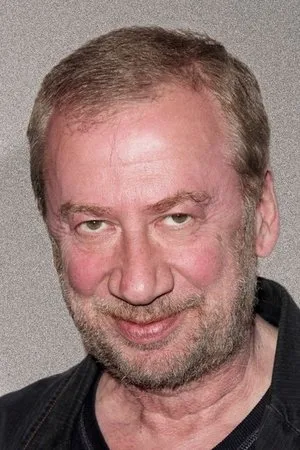 Elya Baskin
Karpatov
Elya Baskin
Karpatov -
 Hal Ashby
Man at File Cabinet at the Washington Post (uncredited)
Hal Ashby
Man at File Cabinet at the Washington Post (uncredited)
Quiz about this movie
Questions from the whole catalogue.
Play nowIf you liked this one
-
Tão Forte e Tão Perto
 7.0
7.0
-
Benny & Joon - Corações em Conflito
 7.0
7.0
-
Todos os Homens do Presidente Drama from the 1970s
 7.7
7.7
-
Até o Fim
 6.7
6.7
-
Springsteen: Salve-me do Desconhecido
 6.6
6.6
-
Segredos Oficiais
 7.2
7.2
-
O Doador de Memórias
 6.6
6.6
-
Snowden: Herói ou Traidor
 7.1
7.1
-
O Milagre de Tyson
 7.7
7.7
-
O Caso Richard Jewell
 7.4
7.4
-
Amigos para Sempre
 7.1
7.1
-
Invencível
 7.8
7.8
Tags
Crew
- Caleb Deschanel Cinematography
- Hal Ashby Director
- Don Zimmerman Editing
- Andrew Braunsberg Producer
- Charles Mulvehill Producer
- Johnny Mandel Original music
- Jerzy Kosiński Screenplay
Questions about this film
What is Being There about?
Being There: A simple-minded gardener named Chance has spent all his life in the Washington D.C. house of an old man. When the man dies, Chance is put out on the street with no knowledge of the world except what he has learned from television.
Who directed Being There?
Being There was directed by Hal Ashby in 1979.
Who stars in Being There?
The cast of Being There includes Peter Sellers, Shirley MacLaine, Melvyn Douglas, Jack Warden and Richard Dysart.
How long is Being There?
Being There runs for 130 minutes, or 2h10.
Where can I watch Being There?
Being There is available on Apple TV Store, Amazon Video and Google Play Movies. Availability changes often: the list on this page is the most recent we received.
What is Being There based on?
Being There is based on Being There.
What awards did Being There win?
Being There has 2 recorded awards, among them Academy Award for Best Supporting Actor and National Board of Review: Top Ten Films.
Similar films
-
 8.5
8.5
Forrest Gump
1994
-
 8.0
8.0
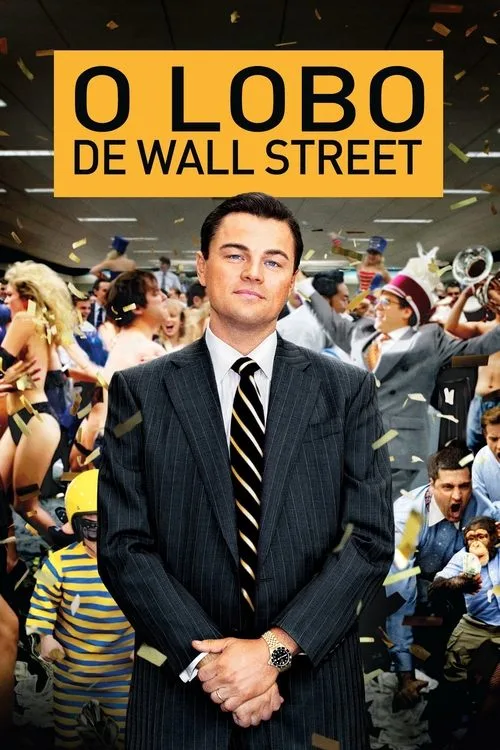
The Wolf of Wall Street
2013
-
 8.5
8.5
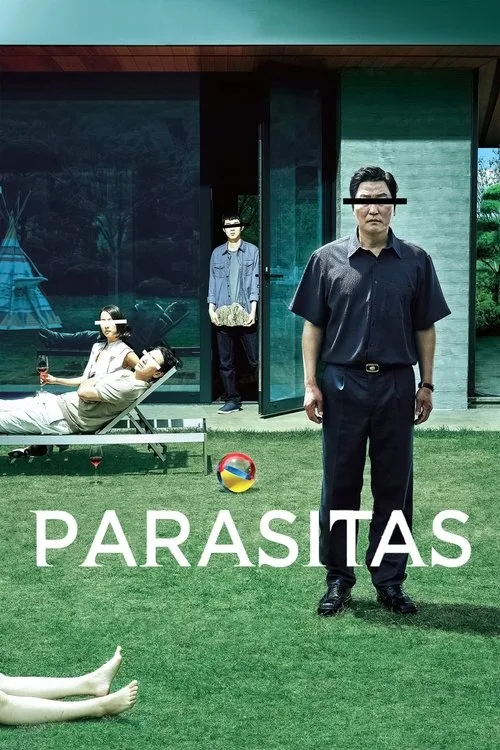
Parasite
2019
-
 7.9
7.9
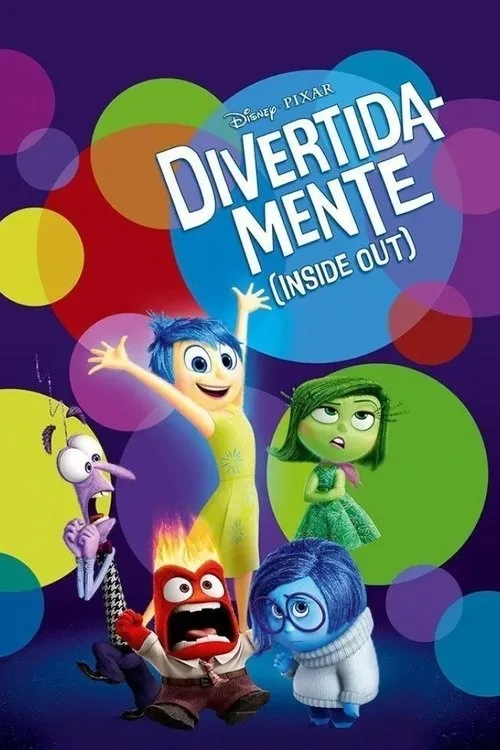
Inside Out
2015
-
 8.2
8.2
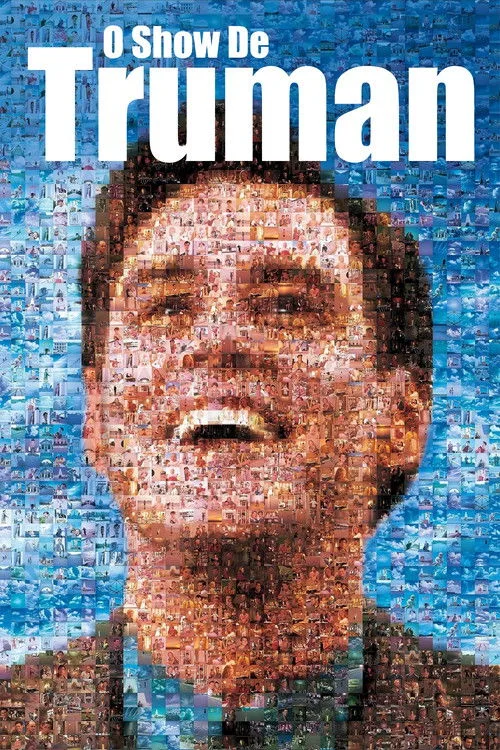
The Truman Show
1998
-
 8.3
8.3
The Intouchables
2011
-
 7.9
7.9
La La Land
2016
-
 7.4
7.4
The Devil Wears Prada
2006
-
 7.4
7.4
Once Upon a Time... in Hollywood
2019
-
 8.0
8.0
The Grand Budapest Hotel
2014
-
 8.2
8.2
Green Book
2018
-
 8.4
8.4
Life Is Beautiful
1997
Page updated on 09/12/2026.
Back to the catalogue