Between the Lines (1977)
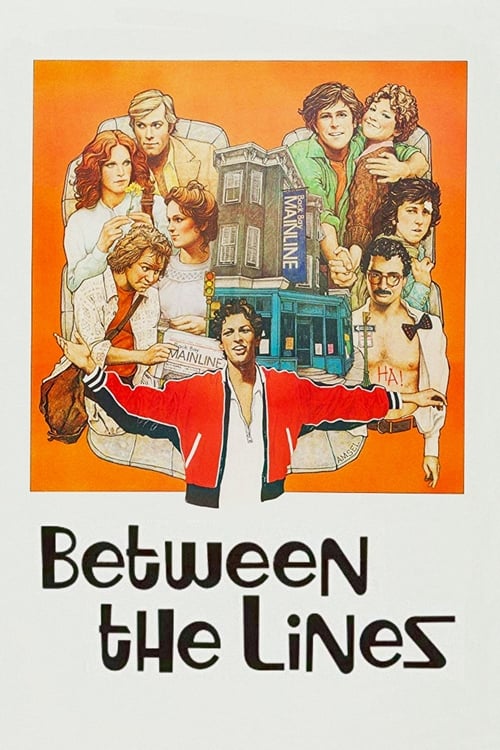
Between the Lines (1977), directed by Joan Micklin Silver, starring John Heard and Lindsay Crouse.
score
Fun, Adventure, Romance on $75 a Week
Synopsis
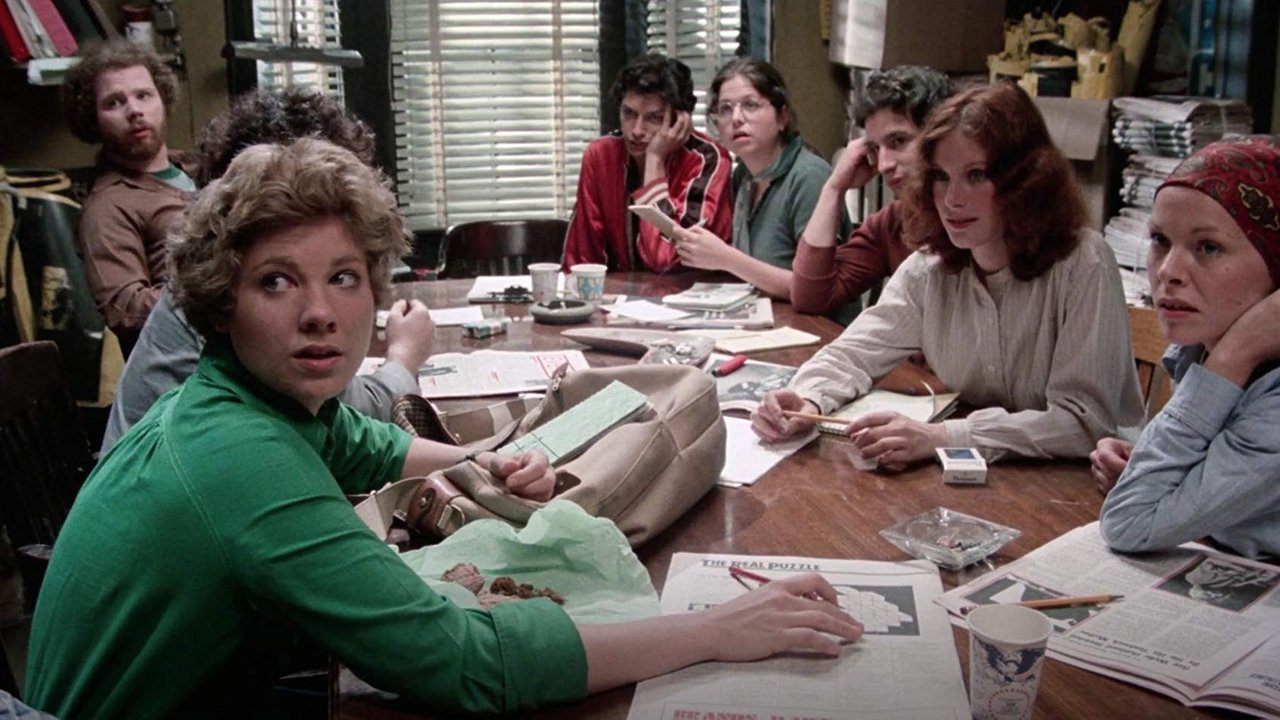
The staff of the Back Bay Mainline, a Boston underground newspaper that rose to prominence in the 1960s, struggles with the shifting social climate of the '70s amid rumors that the paper is about to be sold to a media giant.
- Kenneth Van SickleCinematography
- Joan Micklin SilverDirector
- John CarterEditing
- Raphael D. SilverProducer
About the film
Between the Lines is a 1977 American ensemble romantic comedy-drama film from Midwest Films. It was directed by Joan Micklin Silver and produced by her husband Raphael D. Silver. The film was nominated for three awards at the 27th Berlin International Film Festival, winning two of them. For her work as director, Silver was awarded the New Generation Award at the 1977 Los Angeles Film Critics Association Awards.
Read the full article (8k characters)
Between the Lines is a 1977 American ensemble romantic comedy-drama film from Midwest Films. It was directed by Joan Micklin Silver and produced by her husband Raphael D. Silver. The film was nominated for three awards at the 27th Berlin International Film Festival, winning two of them. For her work as director, Silver was awarded the New Generation Award at the 1977 Los Angeles Film Critics Association Awards.
Plot
The film revolves around a team employed at The Back Bay Mainline, an alternative newspaper in Boston, as they face the threat of a takeover by a major corporation. The key figures in this story include Harry Lucas, a disenchanted lead reporter, talented photographer Abbie, who has an on-and-off again relationship with Harry, Lynn, the kind-hearted and dedicated office administrator, Max, a flaky music critic, Michael, a pretentious writer/author intending to relocate to New York, Laura, a founding reporter on the paper who is living with Michael, David, an eager cub reporter, and Frank, a beleaguered editor-in-chief.
Various subplots unfold throughout the narrative. For instance, Laura grapples with her relationship with self-absorbed Michael, who plans to move to New York using the proceeds from an upcoming book. A party celebration at which Michael repeatedly patronises and ignores her leads to Laura spending the night at Harry's house, before Michael arrives for a confrontation. Ultimately, despite strong reservations, Laura decides to sacrifice her own career and accompany Michael to New York.
David, an inexperienced reporter who commutes on a bike, seeks to prove himself by landing a significant and potentially risky story. A shady record producer whom David pursues for an interview agrees to talk to him, but instead sends two hired goons to meet him and beat him up. Max, Harry, and Abbie attempt to intercept him, arriving just in time to witness David getting a bloody nose.
Harry is drifting in his writing career, becoming disillusioned with journalism and his own ability to create meaningful change in the world. He declares his love to Abbie when they spend a night together, but she rejects him.
Throughout the film, rumors circulate about the newspaper's acquisition by a corporation, specifically a communications empire. Towards the end, it is revealed that a group led by Roy Walsh intends to purchase and manage the paper. In a meeting, Walsh asks Frank to dismiss Harry, branding him a "moving force in the wrong direction." Lynn, the administrator, is the first to resign.
In response to his termination, Harry fantasizes about walking to Walsh's office and shoots him with a suction cup dart toy pistol. In reality, he meets Abbie at a bar. They reconcile and when Max arrives, they leave him there alone. Max cons a stranger into buying him a drink.
Cast
John Heard as Harry Lucas, disillusioned lead reporter in love with Abbie
Lindsay Crouse as Abbie, talented photographer, Harry's on/off romantic interest
Jeff Goldblum as Max Arloft, music critic
Jill Eikenberry as Lynn, loyal office administrator and idealist
Bruno Kirby as David Entwhistle, eager cub reporter
Gwen Welles as Laura, founding reporter and Michael's girlfriend
Stephen Collins as Michael, arrogant former reporter, wanna-be book author, Laura's boyfriend
Lewis J. Stadlen as Stanley, priggish advertising manager
Jon Korkes as Frank, editor
Michael J. Pollard as The Hawker, news vendor
Lane Smith as Roy Walsh, corporate operative
Joe Morton as Ahmed, advertising salesman
Richard Cox as Stuart Wheeler, publisher
Marilu Henner as Danielle, stripper/interviewee
Raymond J. Barry as Herbert Fisk, a conceptual artist
Gary Springer as Jason
Susan Haskins as Sarah
Guy Boyd as Kevin Austin
Charles Levin as Paul
Production
Fred Barron, who had written for both The Phoenix and The Real Paper, used his and Harper Barnes' alternative newspaper experiences as the basis for his Between the Lines screenplay. Joan Micklin Silver had herself worked for The Village Voice. Doug Kenney, co-founder of the National Lampoon, has a cameo role.
It was largely filmed on location in Boston for two weeks, with locations including pawn shops, record stores, bars, porn theaters, strip clubs, and derelict apartments. The remainder of filming was done in New York City, though no scenes are set in New York.
The film marked the screen debuts of John Heard, Joe Morton, and Marilu Henner. Robert Costanzo makes a brief appearance as a hired goon, his second film role.
The Real Paper, Boston Phoenix, Los Angeles Free Press, SoHo Weekly News, and the Village Voice are thanked in the end credits.
The success of the film led to an unsold 1980 TV sitcom pilot, with Sandy Helberg, Adam Arkin, Gino Conforti, and Kristoffer Tabori, also titled Between the Lines.
Reception
On the review aggregator website Rotten Tomatoes, 94% of 18 critics' reviews are positive, with an average rating of 7.2/10.
The film received positive reviews at the time of its release. Gary Arnold of The Washington Post called it "the most likable and encouraging American movie to be release so far this year."
Over time, the film has come to be regarded as an accurate depiction of the alternative newspaper era. Writing of the film's restoration in 2019, Matthew Monagle of Film School Rejects said:What makes Between the Lines such a timely film even decades later is its depiction of the diminishing space offered journalism in a world of corporate takeovers. Pages of copy are cut to make way for more advertisements; writers are asked to choose between walking out and compromising their integrity. The film makes it clear that the Back Bay Mainline, even in its diminished capacity, still has its finger on the pulse of the Boston community in a way no major newspaper could. When that is gone, something vital goes with it...Those looking for the newspaper industry’s answer to Broadcast News will find a welcome film in Between the Lines. The film has countless moments of insight into the struggle of the American journalist, from the staff’s shabby living conditions — the film offers perhaps the most realistic look at big city apartments ever committed to film — to how well-meaning writers navigate the competing interests of truth and financial trendlines. With an all-star cast and some great comedic bits — enjoy watching Goldblum engage in a battle with a local performance artist at the Back Bay Mainline headquarters — Between the Lines is a late addition to the already impressive canon of essential 1970s cinema.
Steve Prokopy of Third Coast Review wrote, "There’s not much by way of story in Between the Lines and a great deal of the dialogue feels spontaneous and improvised, which only adds to the film’s authenticity." The Hollywood Reporter expressed that "the most memorable scenes work better as stand-alone episodes than as part of storylines".
Richard Winters of Scopophilia opined "when the film deals with the relationships there seems to be too much of a feminist bias as the men are always shown to be the ones at fault due to their 'insensitive and selfish natures' while the women come off the ones who are 'reasonable and unfairly neglected'. This could be a product of the fact that it was directed by a woman as well as the era where men were somehow supposed to feel guilty simply because they were men."
In The Guardian, Ryan Gilbey described the film as "a fond but not uncritical portrait of the disaffected staff at a formerly radical, fictional alt-weekly Boston newspaper, from the street-corner hawker all the way up to accounts, editorial and the much-despised incoming corporate boss...Silver’s sympathy for radicalism, and her deft cutting between different pockets of action unfolding in the same space, lent the film an Altmanesque feel."
Margaret Moser of The Austin Chronicle said, "There's no way for us to modestly skirt this film's effect: This story of an underground paper in Boston facing corporate buy-out was the inspiration for starting the newspaper you hold in your hand."
References
External links
Between the Lines at IMDb
Between the Lines at Rotten Tomatoes
Between the Lines at the TCM Movie Database (archived)
Text from Between the Lines (1977 film) on Wikipedia, licensed CC BY-SA 4.0. https://en.wikipedia.org/wiki/Between_the_Lines_(1977_film)
Trivia
- It premiered on April 27, 1977, a Wednesday.
- It runs 1h41 — a typical feature length.
- This film's quiz has 12 questions — enough to play more than once without repeats.
Production
- StudiosMidwest Films
- CountriesUnited States
- LanguagesEnglish
- StatusReleased
More about this film
Set in
- Boston
Cast
-
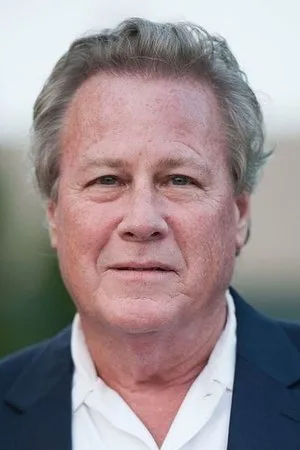 John Heard
Harry
John Heard
Harry -
 Lindsay Crouse
Abbie
Lindsay Crouse
Abbie -
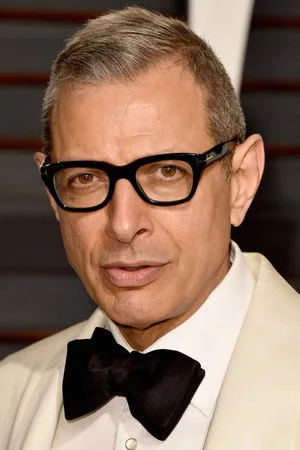 Jeff Goldblum
Max
Jeff Goldblum
Max -
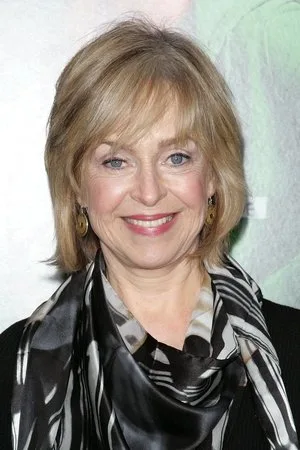 Jill Eikenberry
Lynn
Jill Eikenberry
Lynn -
 Bruno Kirby
David
Bruno Kirby
David -
 Gwen Welles
Laura
Gwen Welles
Laura -
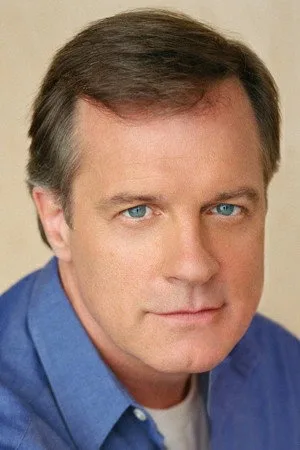 Stephen Collins
Michael
Stephen Collins
Michael -
 Lewis J. Stadlen
Stanley
Lewis J. Stadlen
Stanley - Jon Korkes Frank
-
 Michael J. Pollard
The Hawker
Michael J. Pollard
The Hawker -
 Lane Smith
Roy Walsh
Lane Smith
Roy Walsh -
 Joe Morton
Ahmed
Joe Morton
Ahmed -
 Richard Cox
Wheeler
Richard Cox
Wheeler -
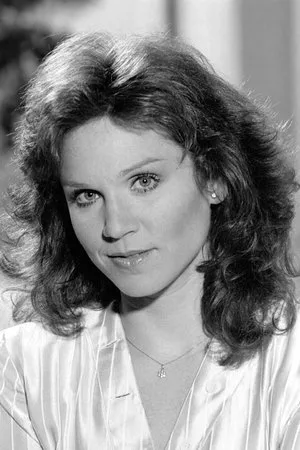 Marilu Henner
Danielle
Marilu Henner
Danielle -
 Raymond J. Barry
Herbert Fisk
Raymond J. Barry
Herbert Fisk - Gary Springer Jason
- Susan Haskins Sarah
-
 Charles Levin
Paul
Charles Levin
Paul -
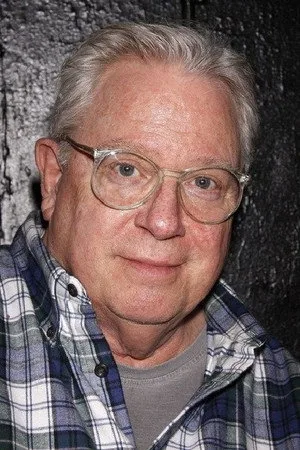 Guy Boyd
Austin
Guy Boyd
Austin - Martha Deignan Cora
Quiz about this movie
Questions from the whole catalogue.
Play nowIf you liked this one
-
The Safety of Objects
 6.5
6.5
-
Final de Semana em Família
 6.3
6.3
-
Amor Por Contrato
 6.2
6.2
-
CQ
 5.9
5.9
-
Nina: No Palco e Na Vida
 5.8
5.8
-
Marcas do Silêncio
 7.1
7.1
-
Troco em Dobro
 6.5
6.5
-
Finestkind
 6.9
6.9
-
Irresistível
 6.0
6.0
-
Os Infiltrados
 8.2
8.2
-
SubUrbia
 6.2
6.2
-
Jesse Stone: Sem Remorso
 6.8
6.8
Tags
Crew
- Kenneth Van Sickle Cinematography
- Joan Micklin Silver Director
- John Carter Editing
- Raphael D. Silver Producer
- David Helpern Story
- Fred Barron Screenplay
- Fred Barron Story
Questions about this film
What is Between the Lines about?
Between the Lines: The staff of the Back Bay Mainline, a Boston underground newspaper that rose to prominence in the 1960s, struggles with the shifting social climate of the '70s amid rumors that the paper is about to be sold to a media giant.
Who directed Between the Lines?
Between the Lines was directed by Joan Micklin Silver in 1977.
Who stars in Between the Lines?
The cast of Between the Lines includes John Heard, Lindsay Crouse, Jeff Goldblum, Jill Eikenberry and Bruno Kirby.
How long is Between the Lines?
Between the Lines runs for 101 minutes, or 1h41.
Similar films
-
 8.5
8.5
Forrest Gump
1994
-
 8.0
8.0
The Wolf of Wall Street
2013
-
 8.5
8.5
Parasite
2019
-
 7.9
7.9
Inside Out
2015
-
 8.2
8.2
The Truman Show
1998
-
 8.3
8.3
The Intouchables
2011
-
 7.9
7.9
La La Land
2016
-
 7.4
7.4
The Devil Wears Prada
2006
-
 7.4
7.4
Once Upon a Time... in Hollywood
2019
-
 8.0
8.0
The Grand Budapest Hotel
2014
-
 8.2
8.2
Green Book
2018
-
 8.4
8.4
Life Is Beautiful
1997
Page updated on 09/11/2026.
Back to the catalogue