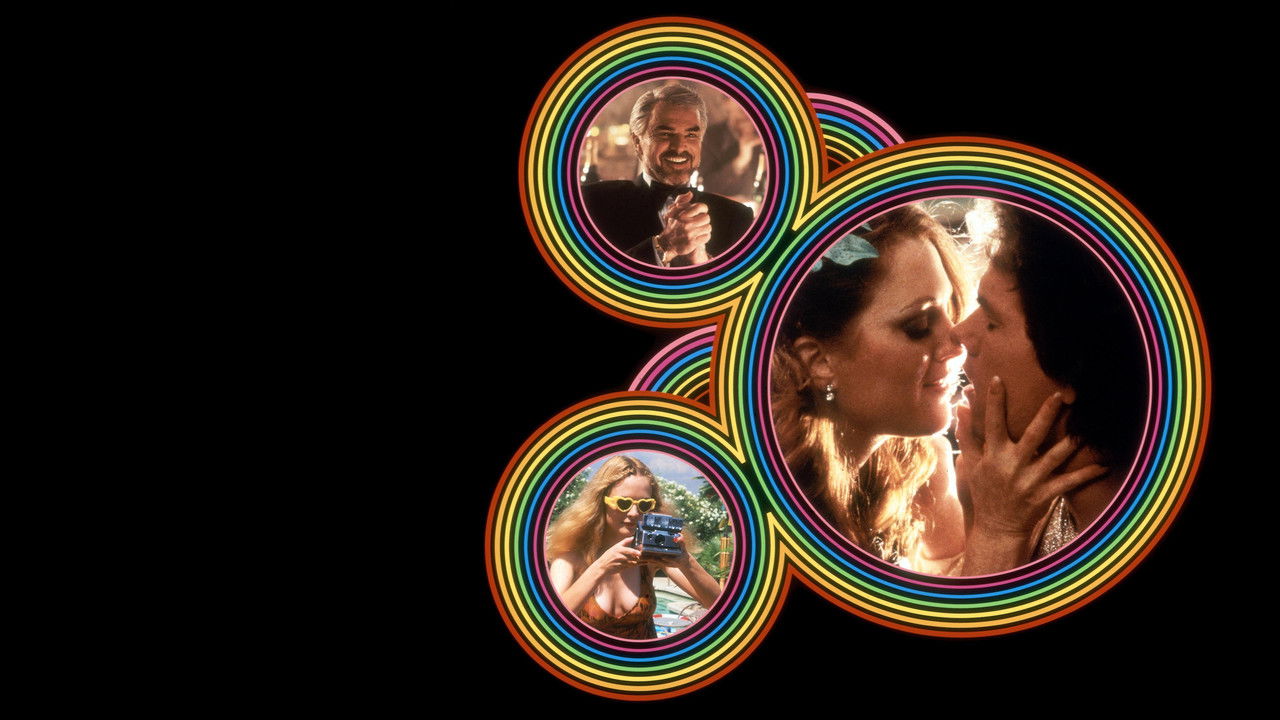
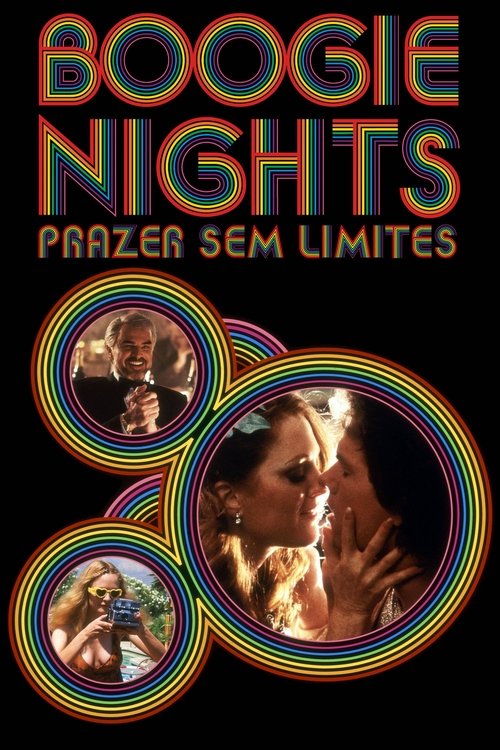





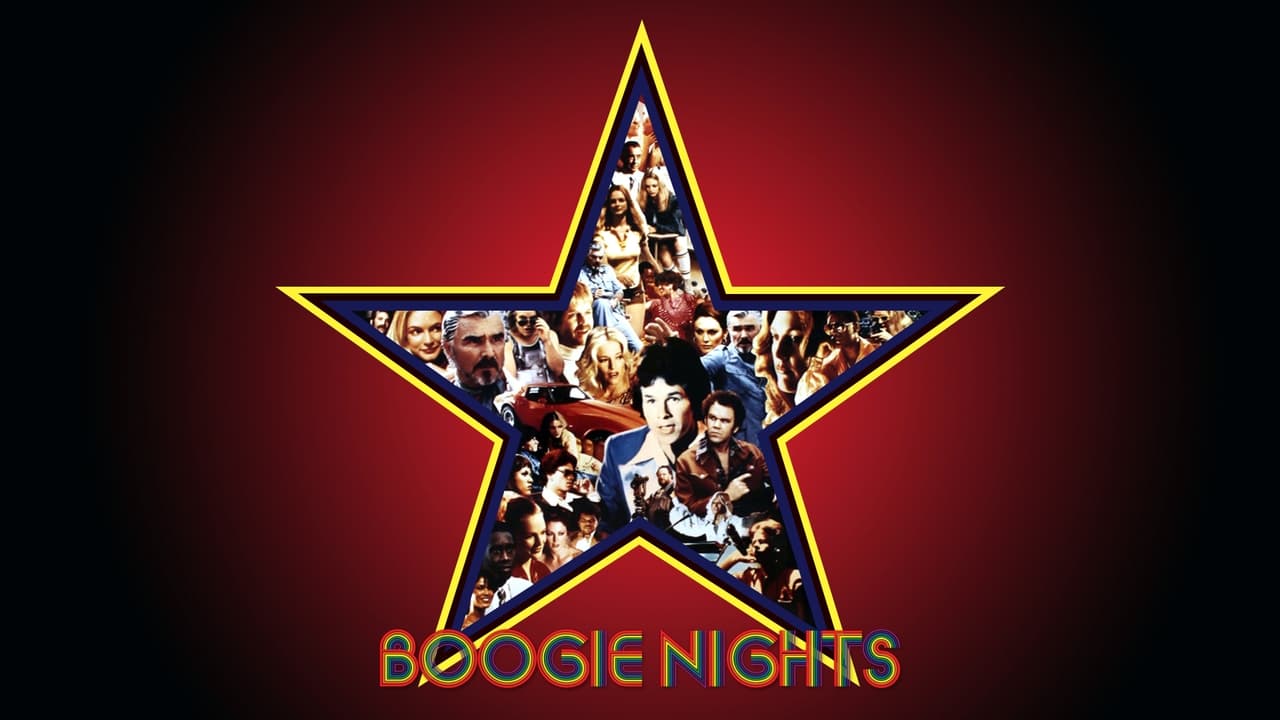
Boogie Nights (1997)
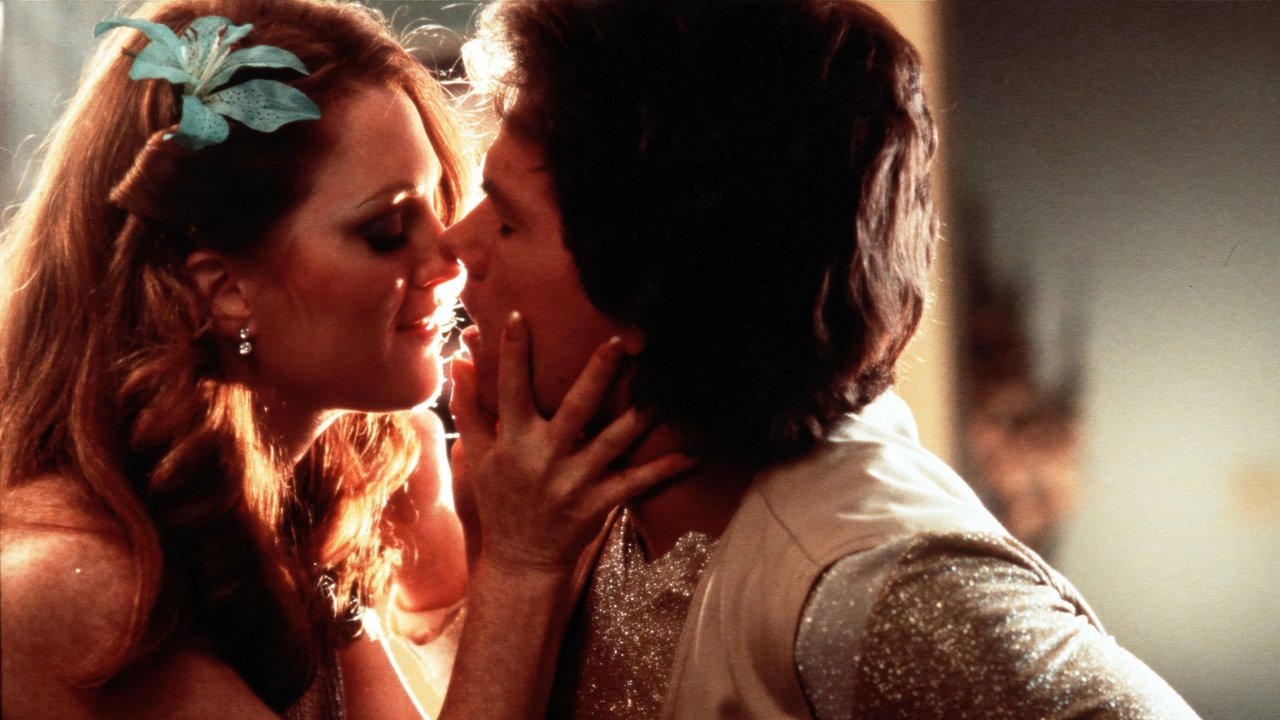
Boogie Nights (1997), directed by Paul Thomas Anderson, starring Mark Wahlberg and Burt Reynolds.
The life of a dreamer, the days of a business and the nights in between.
Synopsis
In 1977, an idealistic porn producer and his promising protege try to catch up with the end of an era before their never-ending party collides with cold, hard reality.
What the catalogue says about this film
- Film 3 of 19 by Paul Thomas Anderson in the catalogue
- Rated 7.6, against a Comedy average of 6.3
Every comparison is within the CineQuiz catalogue, not cinema as a whole.
- Robert ElswitCinematography
- Paul Thomas AndersonDirector, Producer, Writer
- Dylan TichenorEditing
- JoAnne SellarProducer
About the film
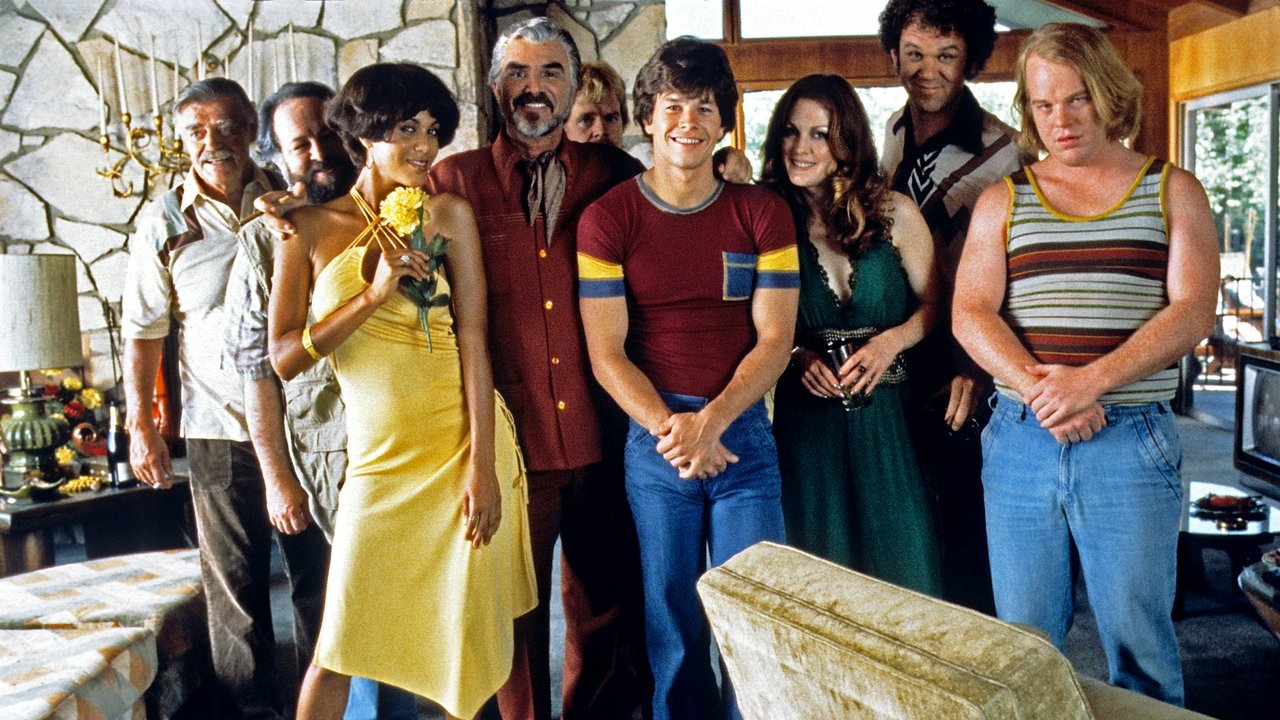
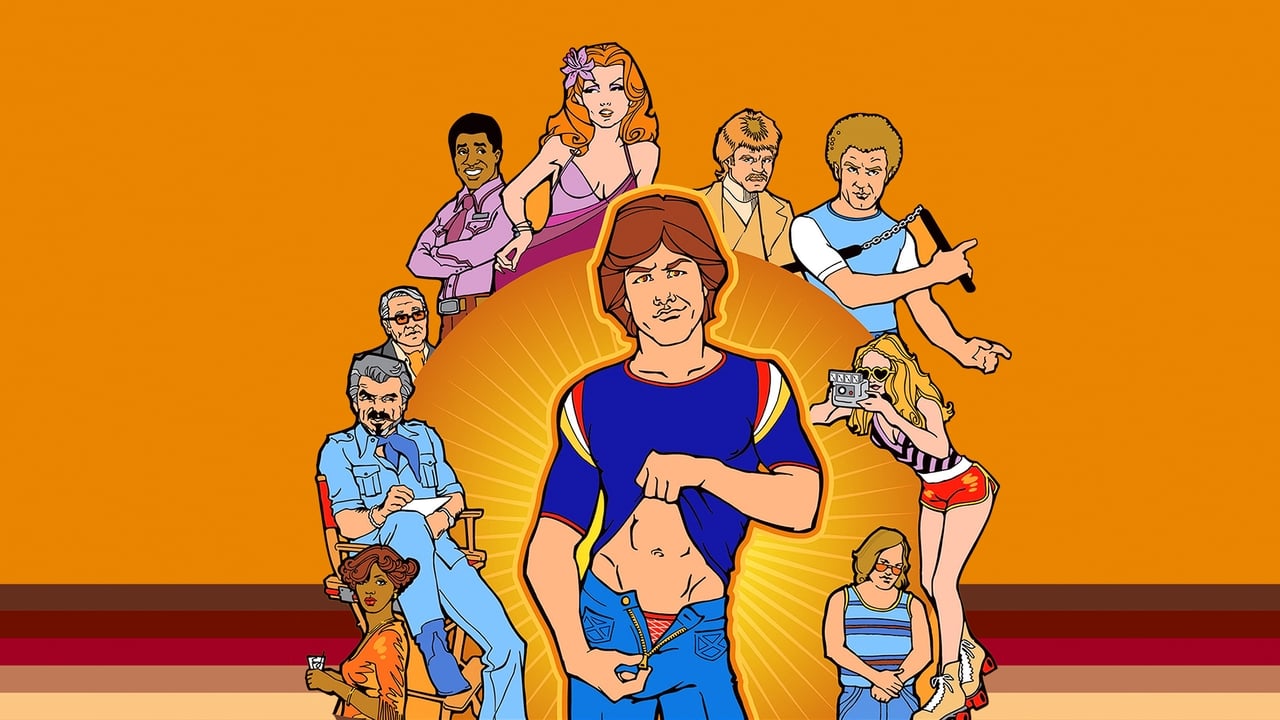
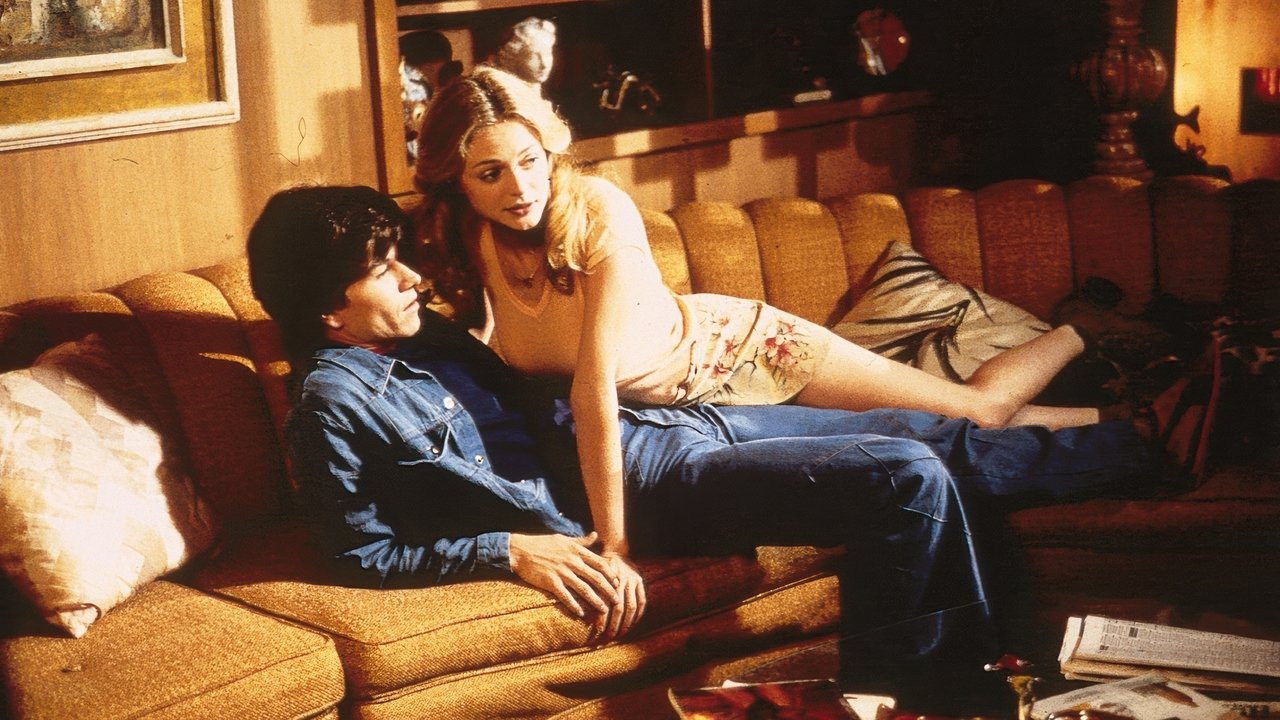
Boogie Nights is a 1997 American comedy-drama film written, directed, and co-produced by Paul Thomas Anderson. It is set in Los Angeles' San Fernando Valley and concerns a young nightclub dishwasher who becomes a popular star of pornographic films, chronicling his rise in the Golden Age of Porn of the 1970s through his fall during the excesses of the 1980s. The film is an expansion of Anderson's mockumentary short film The Dirk Diggler Story (1988), and stars Mark Wahlberg, Julianne Moore, Burt Reynolds, Don Cheadle, John C. Reilly, William H. Macy, Philip Seymour Hoffman, Nicole Ari Parker, and Heather Graham.
Boogie Nights premiered at the Toronto International Film Festival on September 11, 1997, and was theatrically released by New Line Cinema on October 10, 1997, garnering critical acclaim and grossing $43.1 million against a $15 million budget. It was nominated for three Academy Awards, including Best Original Screenplay for Anderson, Best Supporting Actress for Moore, and Best Supporting Actor for Reynolds. The film's soundtrack also received acclaim. It has since been considered one of Anderson's best works, and one of the best films of all time by Variety.
Read the full article (17k characters)
Boogie Nights is a 1997 American comedy-drama film written, directed, and co-produced by Paul Thomas Anderson. It is set in Los Angeles' San Fernando Valley and concerns a young nightclub dishwasher who becomes a popular star of pornographic films, chronicling his rise in the Golden Age of Porn of the 1970s through his fall during the excesses of the 1980s. The film is an expansion of Anderson's mockumentary short film The Dirk Diggler Story (1988), and stars Mark Wahlberg, Julianne Moore, Burt Reynolds, Don Cheadle, John C. Reilly, William H. Macy, Philip Seymour Hoffman, Nicole Ari Parker, and Heather Graham.
Boogie Nights premiered at the Toronto International Film Festival on September 11, 1997, and was theatrically released by New Line Cinema on October 10, 1997, garnering critical acclaim and grossing $43.1 million against a $15 million budget. It was nominated for three Academy Awards, including Best Original Screenplay for Anderson, Best Supporting Actress for Moore, and Best Supporting Actor for Reynolds. The film's soundtrack also received acclaim. It has since been considered one of Anderson's best works, and one of the best films of all time by Variety.
Plot
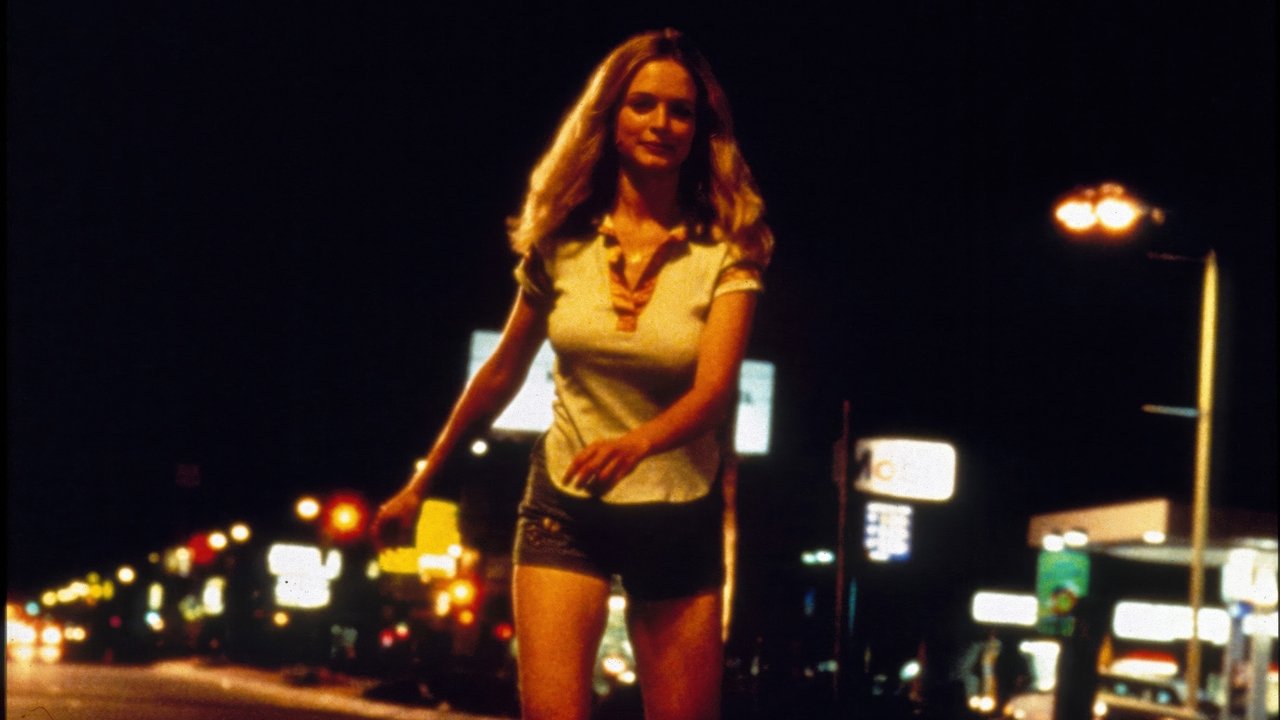
In 1977, high-school dropout Eddie Adams lives in Torrance, California with his parents. His mother is an alcoholic who is emotionally and physically abusive. Eddie works as a dishwasher at a Reseda nightclub owned by Maurice Rodriguez, where he meets porn filmmaker Jack Horner. Interested in bringing Eddie into the industry, Jack auditions the latter by watching him have sex with "Rollergirl", a porn starlet who wears roller skates.
After a fight with his mother, Eddie moves into Jack's San Fernando Valley home. Eddie gives himself the screen name "Dirk Diggler" and becomes a star due to his good looks, youthful charisma, and abnormally large penis. His success allows him to buy a new house, an extensive wardrobe, and a "competition orange" 1977 Chevrolet Corvette. With his friend and co-star Reed Rothchild, Dirk pitches a series of successful action-themed porn films. He works and socializes with others from the porn industry, and they live carefree lifestyles in the late 1970s disco era.
Dirk tries cocaine for the first time on New Year's Eve 1979, while assistant director "Little" Bill Thompson discovers his adulterous wife having sex with another man. Tired of being cheated on repeatedly, Bill retrieves a gun from his car and murders the pair and then commits suicide by turning the gun on himself.
In early 1983, Dirk and Reed soon begin using cocaine on a regular basis. Due to his drug use, Dirk finds it increasingly difficult to achieve an erection and falls into violent mood swings. Dirk becomes irritated with Johnny Doe, a rival leading man recruited by Jack, who he worries will replace him. After a tense argument with Jack, Dirk is fired and takes off with Reed to start a music career along with Scotty, a boom operator who is in love with Dirk.
Jack rejects business overtures from Floyd Gondolli, a local theater magnate who insists on cutting costs by shooting on videotape rather than film stock, because Jack believes that video will diminish the quality of his films. However, after his friend and financier Colonel James is incarcerated for possession of child pornography, Jack agrees to cooperate with him, quickly becoming disillusioned with the new work. One project involves Jack and Rollergirl riding in a limousine and finding random men for her to have sex with while being taped. One man recognizes Rollergirl as a former high-school classmate and, after a failed attempt at intercourse, insults her and Jack about their pornography career. Both Jack and Rollergirl attack the man, leaving him bloodied on the sidewalk.
Meanwhile, leading actress Amber Waves loses a custody battle to her ex-husband as the court determines that she is an unfit mother due to her involvement in the porn industry, criminal record, and cocaine addiction. Buck Swope marries fellow porn star Jessie St. Vincent, who becomes pregnant. Because of his past as a pornographer, Buck is disqualified from a bank loan and cannot open his own stereo equipment store. That night, he finds himself in the middle of a holdup at a donut shop in which the clerk, the robber, and an armed customer are killed. Buck is the sole survivor and escapes with the money.
Having spent most of their money on drugs, Dirk and Reed are unable to pay a recording studio in order to make demo tapes. Desperate, Dirk attempts prostitution but he is assaulted and robbed by three men. Dirk, Reed, and their friend Todd Parker attempt to scam local drug dealer Rahad Jackson at his estate by selling him a half-kilo of baking soda disguised as cocaine. Dirk and Reed intend to leave quickly before Rahad's bodyguard can inspect the fake cocaine, but a drugged-up and armed Todd attempts to steal more money from Rahad, and a gunfight ensues, in which Todd kills Rahad's bodyguard. When Todd chases Rahad into his room, Rahad kills him with a shotgun. Dirk and Reed narrowly escape. Dirk returns to Jack's home and they reconcile.
By 1984, things cool down. Amber shoots a television commercial for the opening of Buck's store, Rollergirl takes a GED class, Maurice opens a nightclub with his brothers, Reed performs magic acts at a strip club, Jessie gives birth to her and Buck's son, and Dirk, Jack, and Amber prepare to start filming again, hopeful for the future of their careers.
Cast
Production
Boogie Nights is based on a mockumentary short film that Paul Thomas Anderson wrote and directed while he was still in high school called The Dirk Diggler Story. The short itself was based on the 1981 documentary Exhausted: John C. Holmes, The Real Story, a documentary about the life of legendary porn actor John Holmes, on whom Dirk Diggler is based.
Anderson originally wanted the role of Eddie to be played by Leonardo DiCaprio, after seeing him in The Basketball Diaries. DiCaprio enjoyed the screenplay, but had to turn it down because he had signed on to star in James Cameron's Titanic. He recommended his Basketball Diaries co-star Mark Wahlberg for the role. DiCaprio would later say that he wished he had done both and would later call turning down the film the biggest regret of his career. He would eventually work with Anderson starring in One Battle After Another.
Joaquin Phoenix was also offered the role of Eddie, but he declined it due to concerns about playing a porn star. Phoenix later collaborated with Anderson on the films The Master and Inherent Vice. Bill Murray, Harvey Keitel, Warren Beatty, Albert Brooks, and Sydney Pollack declined or were passed up on the role of Jack Horner, which went to Burt Reynolds. After starring in Hard Eight, Samuel L. Jackson declined the role of Buck Swope, which went to Don Cheadle. Anderson initially did not consider Heather Graham for Rollergirl, because he had never seen her do nudity in a film. However, Graham's agent called Anderson asking if she could read for the part, which she won. Gwyneth Paltrow, Drew Barrymore, and Tatum O'Neal were also up for the role.
After having a very difficult time getting his previous film, Hard Eight, released, Anderson laid down a hard law when making Boogie Nights. He initially wanted the film to be over three hours long and be rated NC-17. The film's producers, particularly Michael De Luca, said that the film had to be either under three hours or rated R. Anderson fought with them, saying that the film would not have a mainstream appeal no matter what. They did not change their minds, and Anderson chose the R rating as a challenge. Despite this, the film was still 25 minutes shorter than promised.
Reynolds did not get along with Anderson while filming. After seeing a rough cut of the film, Reynolds allegedly fired his agent for recommending it. Despite this, Reynolds won a Golden Globe Award and was nominated for an Academy Award for his performance. Later, Anderson wanted Reynolds to star in his next film Magnolia, but Reynolds declined it. In 2012, Reynolds denied rumors that he disliked the film, calling it "extraordinary" and saying that his opinion of it has nothing to do with his relationship with Anderson. According to Wahlberg, Reynolds wanted his character Jack Horner to have an Irish accent, which he used for the character on his first day of shooting, before dropping it on the next day.
According to Thomas Jane, who played Todd Parker in the film, the character Cosmo throwing firecrackers throughout the drug deal scene was not originally in the script, but was written for Anderson's friend Joe G. M. Chan, whom Anderson had seen randomly throwing firecrackers at a party before asking him to appear in the film. Jane also said that Reynolds had attempted to knee him in the crotch during filming due to Anderson keeping the camera rolling after the end of the take, with Jane taunting him as part of a prank. Reynolds sent a six pack of beer to Jane's trailer as an apology.
Release
The film premiered at the Toronto International Film Festival and New York Film Festival, before opening on two screens in the United States on October 10, 1997. It grossed $50,168 during its opening weekend. Three weeks later, it expanded to 907 theaters and grossed $4.7 million, ranking number four for the week. It eventually earned $26.4 million in the United States and $16.7 million in foreign markets for a worldwide box office total of $43.1 million. After its usual pay TV partner of New Line Cinema, Starz, backed down the rights to air the movie due to concerns of runtime, it was picked up by HBO for pay television showings.
Boogie Nights was released on VHS in 1998, DVD in 2000, and Blu-ray in 2010, and Ultra HD Blu-ray on December 16, 2025.
Reception
Critical response
On review aggregator Rotten Tomatoes, Boogie Nights holds an approval rating of 91% based on 155 reviews. The site's critical consensus states, "Grounded in strong characters, bold themes, and subtle storytelling, Boogie Nights is a groundbreaking film both for director P.T. Anderson and star Mark Wahlberg." On Metacritic, the film holds a weighted average score of 86 out of 100, based on 28 critics, indicating "universal acclaim". Audiences polled by CinemaScore gave the film an average grade of "C" on an A+ to F scale.
Janet Maslin of The New York Times wrote, "Everything about Boogie Nights is interestingly unexpected," although "the film's extravagant 2-hour 32-minute length amounts to a slight tactical mistake ... [it] has no trouble holding interest ... but the length promises larger ideas than the film finally delivers." She praised Burt Reynolds for "his best and most suavely funny performance in many years," and added, "The movie's special gift happens to be Mark Wahlberg, who gives a terrifically appealing performance."
Roger Ebert of the Chicago Sun-Times observed: Few films have been more matter-of-fact, even disenchanted, about sexuality. Adult films are a business here, not a dalliance or a pastime, and one of the charms of Boogie Nights is the way it shows the everyday backstage humdrum life of porno filmmaking ... The sweep and variety of the characters have brought the movie comparisons to Robert Altman's Nashville and The Player. There is also some of the same appeal as Pulp Fiction in scenes that balance precariously between comedy and violence ... Through all the characters and all the action, Anderson's screenplay centers on the human qualities of the players ... Boogie Nights has the quality of many great films, in that it always seems alive.
Mick LaSalle of the San Francisco Chronicle stated, "Boogie Nights is the first great film about the 1970s to come out since the '70s ... It gets all the details right, nailing down the styles and the music. More impressive, it captures the decade's distinct, decadent glamour ... [It] also succeeds at something very difficult: re-creating the ethos and mentality of an era ... Paul Thomas Anderson ... has pulled off a wonderful, sprawling, sophisticated film ... With Boogie Nights, we know we're not just watching episodes from disparate lives but a panorama of recent social history, rendered in bold, exuberant colors."
Kenneth Turan of the Los Angeles Times called it "a startling film, but not for the obvious reasons. Yes, its decision to focus on the pornography business in the San Fernando Valley in the 1970s and 1980s is nerviness itself, but more impressive is the film's sureness of touch, its ability to be empathetic, nonjudgmental and gently satirical, to understand what is going on beneath the surface of this raunchy Nashville-esque universe and to deftly relate it to our own ... Perhaps the most exciting thing about Boogie Nights is the ease with which writer-director Anderson ... spins out this complex web. A true storyteller, able to easily mix and match moods in a playful and audacious manner, he is a filmmaker definitely worth watching, both now and in the future." In Time Out New York, Andrew Johnston concluded, "The porn milieu may scare some folks off, but Boogie Nights offers laughs, tenderness, terror and redemption--everything you could ask for in a movie. It's an impressive and satisfying film, one the Academy really ought to have the balls to recognize."
Peter Travers of Rolling Stone said, "[T]his chunk of movie dynamite is detonated by Mark Wahlberg ... who grabs a breakout role and runs with it ... Even when Boogie Nights flies off course as it tracks its bizarrely idealistic characters into the '80s ... you can sense the passionate commitment at the core of this hilarious and harrowing spectacle. For this, credit Paul Thomas Anderson ... who ... scores a personal triumph by finding glints of rude life in the ashes that remained after Watergate. For all the unbridled sex, what is significant, timely and, finally, hopeful about Boogie Nights is the way Anderson proves that a movie can be mercilessly honest and mercifully humane at the same time."
Gene Siskel of the Chicago Tribune called it "beautifully made" and praised the performances, calling Reynolds "absolutely centered and in control of his emotions" and saying Wahlberg "couldn't be better". However, he moderated his praise by saying, "The early rave reviews accorded this film suggest a significance that I, however, did not encounter. Show-biz stories are all pretty much the same: ambition, stardom, drugs, disillusionment. Add the home video revolution to this mix and curiosity about the size of the boy wonder's equipment; throw in a few topical references like the soft drink Fresca, and you have the bare bones of the story." He gave the film three and a half stars out of a possible four.
Despite the accolades Wahlberg received for his performance in Boogie Nights, he would later express regret for having made the film. "I've made some poor choices in the past", he said, and stated he wanted God to forgive him for appearing in it. Wahlberg later clarified his comments, saying he had made them because he "was sitting in front of a couple of thousand kids talking about and trying to encourage them to come back to their faith, and I was just saying that I just hope [God] has a sense of humor because I maybe made some decisions that may not be okay with Him." He also stated in an interview with Andy Cohen that his comment was "a joke taken too seriously".
Accolades
Music
Two Boogie Nights soundtracks were released, the first at the time of the film's initial release and the second the following year. AllMusic rated the first soundtrack four and a half stars out of five and the second soundtrack four.
Personnel
Paul Thomas Anderson – executive producer
Karyn Rachtman – executive producer, music supervisor
Liz Heller – executive producer
Bobby Lavelle – music supervisor
Carol Dunn – music coordinator
Songs that appear in the film but not on either soundtrack album
"Data World" by Robert Ascot
"Sunny" by Boney M.
"It's Just a Matter of Time" by Brook Benton
"Craft Service Theme" by J. Brion
"Susan (The Sage)" by Chico Hamilton Quintet
"Compared to What" by Roberta Flack
"Off the Road" by Richard Gilks
"Lonely Boy" by Andrew Gold
"Fat Man" by Jethro Tull
"99 Luftballons" by Nena
"Queen of Hearts" by Juice Newton
"Fly, Robin, Fly" by Silver Convention
"Afternoon Delight" by Starland Vocal Band
"Voices Carry" by 'Til Tuesday
"Disco Fever" by Roger Webb
"Flying Objects" by Roger Webb
See also
American Eccentric Cinema – Mode of American filmmakingPages displaying short descriptions of redirect targets
List of films featuring fictional films
Lovelace – 2013 film by Rob Epstein and Jeffrey Friedman
Making Venus – A 2002 Australian documentary film about two filmmakers who grapple with having coincidentally made a film similar to Boogie Nights
The Pornographer – 2001 film by Bertrand Bonello
Wonderland – 2003 American crime and drama film by James Cox
Notes
References
External links
Boogie Nights at IMDb
Boogie Nights at Box Office Mojo
Boogie Nights at Rotten Tomatoes
Boogie Nights at Metacritic
Boogie Nights script at the Internet Movie Script Database
Paul Thomas Anderson radio interview
"Livin' Thing: An Oral History of Boogie Nights", Grantland, December 2014
Text from Boogie Nights on Wikipedia, licensed CC BY-SA 4.0. https://en.wikipedia.org/wiki/Boogie_Nights
Trivia
- It cost US$ 15 million and grossed US$ 43 million in theaters — 2.9 times its budget.
- It premiered on October 7, 1997, a Tuesday.
- It runs 2h35 — well over the usual two hours.
- It won 1 award(s) and received 4 nomination(s) on record at Wikidata — National Board of Review: Top Ten Films among them.
- As of September 20, 2026, it is available in Brazil by subscription on HBO Max.
Production
- StudiosNew Line Cinema, Lawrence Gordon Productions, Ghoulardi Film Company
- CountriesUnited States
- LanguagesEnglish
- BudgetUS$ 15,000,000
- Box officeUS$ 43,101,594
- StatusReleased
More about this film
Awards
- National Board of Review: Top Ten Films
Nominations
- Academy Award for Best Supporting Actor 1998
- Academy Award for Best Supporting Actress 1998
- European Film Award for Best Non-European Film 1998
- Academy Award for Best Writing, Original Screenplay 1998
Based on
- The Dirk Diggler Story
Filming locations
- Reseda Theatre
- Los Angeles
- California
Set in
- Los Angeles
Where to watch
Videos
Photos



Cast
-
 Mark Wahlberg
Eddie Adams / Dirk Diggler
Mark Wahlberg
Eddie Adams / Dirk Diggler -
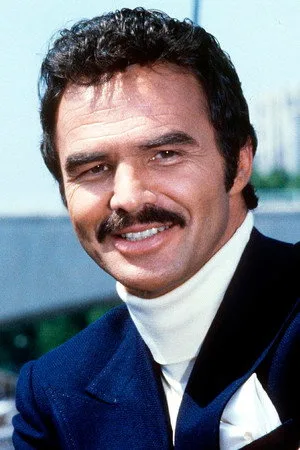 Burt Reynolds
Jack Horner
Burt Reynolds
Jack Horner -
 Julianne Moore
Amber Waves
Julianne Moore
Amber Waves -
 John C. Reilly
Reed Rothchild
John C. Reilly
Reed Rothchild -
 Heather Graham
Rollergirl
Heather Graham
Rollergirl -
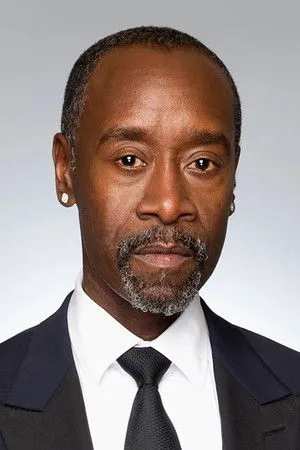 Don Cheadle
Buck Swope
Don Cheadle
Buck Swope -
 Philip Seymour Hoffman
Scotty J.
Philip Seymour Hoffman
Scotty J. -
 William H. Macy
Little Bill
William H. Macy
Little Bill -
 Thomas Jane
Todd Parker
Thomas Jane
Todd Parker -
 Luis Guzmán
Maurice t.t. Rodriguez
Luis Guzmán
Maurice t.t. Rodriguez -
 Melora Walters
Jessie St. Vincent
Melora Walters
Jessie St. Vincent -
 Robert Ridgely
The Colonel James
Robert Ridgely
The Colonel James -
 Ricky Jay
Kurt Longjohn
Ricky Jay
Kurt Longjohn -
 Nicole Ari Parker
Becky Barnett
Nicole Ari Parker
Becky Barnett -
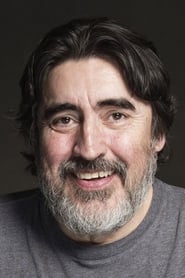 Alfred Molina
Rahad Jackson
Alfred Molina
Rahad Jackson -
 Philip Baker Hall
Floyd Gondolli
Philip Baker Hall
Floyd Gondolli -
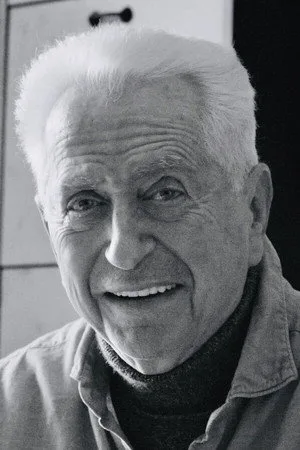 Robert Downey Sr.
Burt, Studio Manager
Robert Downey Sr.
Burt, Studio Manager -
 Nina Hartley
Little Bill's Wife
Nina Hartley
Little Bill's Wife -
 Laurel Holloman
Sheryl Lynn
Laurel Holloman
Sheryl Lynn -
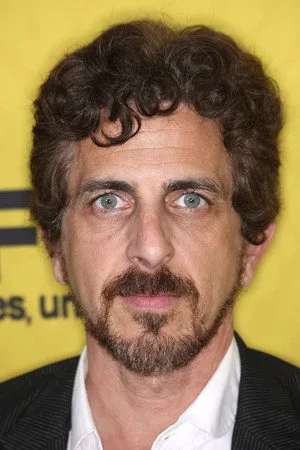 Michael Penn
Nick the Engineer
Michael Penn
Nick the Engineer
If you liked this one
-
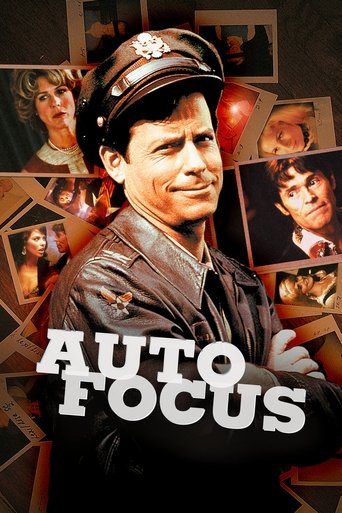
Auto Focus
 6.4
6.4
-
Crimes em Wonderland
 6.1
6.1
-
Babilônia
 7.3
7.3
-
Profissão de Risco
 7.4
7.4
-
O Peso do Talento
 6.8
6.8
-
Pulp Fiction: Tempo de Violência Comedy from the 1990s
 8.5
8.5
-
Querido Menino
 7.6
7.6
-
Geração Maldita Drama from the 1990s
 6.5
6.5
-
Vamos Nessa Comedy from the 1990s
 7.0
7.0
-
Polyester
 7.0
7.0
-
Vida Selvagem
 6.1
6.1
-
Lembranças de Hollywood Drama from the 1990s
 6.6
6.6
Tags
Crew
- Robert Elswit Cinematography
- Paul Thomas Anderson Director
- Dylan Tichenor Editing
- JoAnne Sellar Producer
- John S. Lyons Producer
- Lloyd Levin Producer
- Paul Thomas Anderson Producer
- Michael Penn Original music
- Paul Thomas Anderson Writer
Questions about this film
What is Boogie Nights about?
Boogie Nights: In 1977, an idealistic porn producer and his promising protege try to catch up with the end of an era before their never-ending party collides with cold, hard reality.
Who directed Boogie Nights?
Boogie Nights was directed by Paul Thomas Anderson in 1997.
Who stars in Boogie Nights?
The cast of Boogie Nights includes Mark Wahlberg, Burt Reynolds, Julianne Moore, John C. Reilly and Heather Graham.
How long is Boogie Nights?
Boogie Nights runs for 155 minutes, or 2h35.
How much did Boogie Nights cost and how much did it make?
Boogie Nights had a budget of US$ 15,000,000 and took US$ 43,101,594 at the box office — 2.9 times its cost.
Where can I watch Boogie Nights?
Boogie Nights is available on HBO Max, HBO Max Amazon Channel, Apple TV Store, Amazon Video and Google Play Movies. Availability changes often: the list on this page is the most recent we received.
What is Boogie Nights based on?
Boogie Nights is based on The Dirk Diggler Story.
What awards did Boogie Nights win?
Boogie Nights has 1 recorded awards, among them National Board of Review: Top Ten Films.
Similar films
-
 8.5
8.5
Forrest Gump
1994
-
 8.0
8.0
The Wolf of Wall Street
2013
-
 8.5
8.5
Parasite
2019
-
 7.9
7.9
Inside Out
2015
-
 8.2
8.2
The Truman Show
1998
-
 8.3
8.3
The Intouchables
2011
-
 7.9
7.9
La La Land
2016
-
 7.4
7.4
The Devil Wears Prada
2006
-
 7.4
7.4
Once Upon a Time... in Hollywood
2019
-
 8.0
8.0
The Grand Budapest Hotel
2014
-
 8.2
8.2
Green Book
2018
-
 8.4
8.4
Life Is Beautiful
1997
Page updated on 09/08/2026.
Back to the catalogue