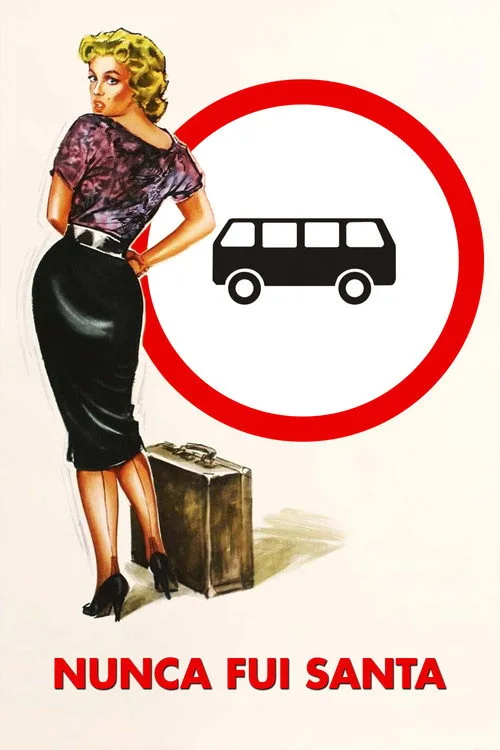
Bus Stop (1956)
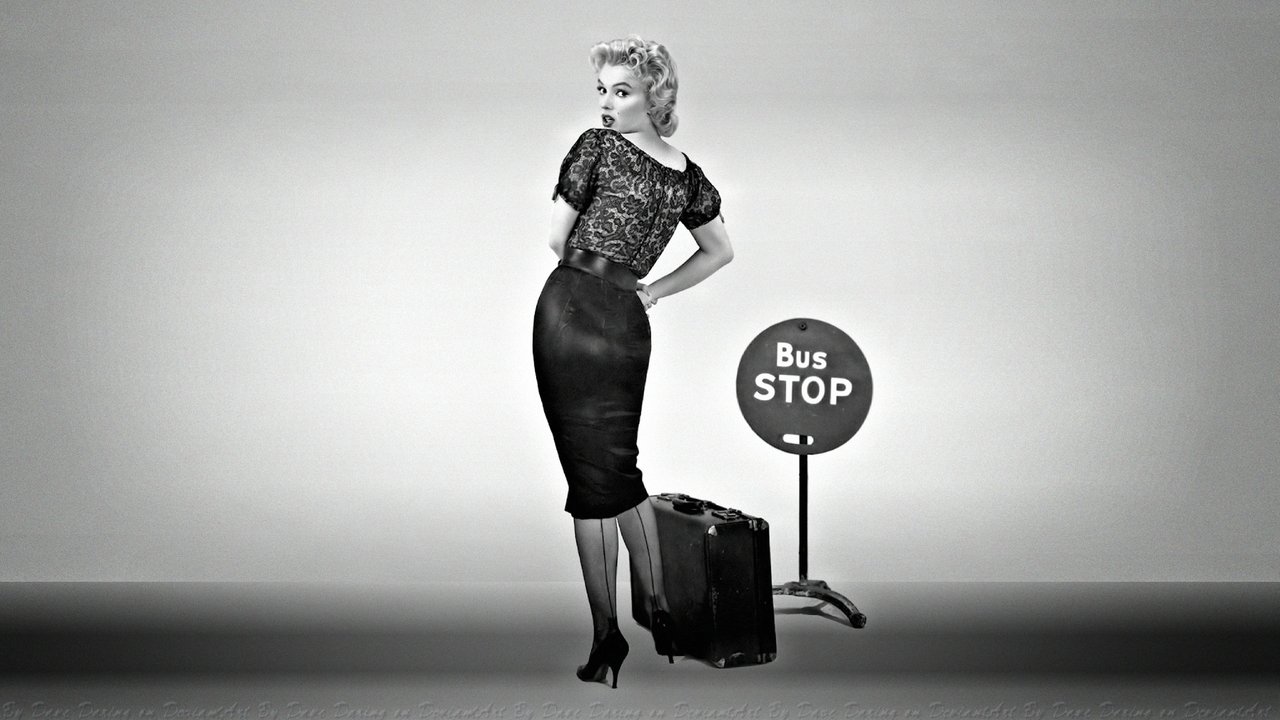
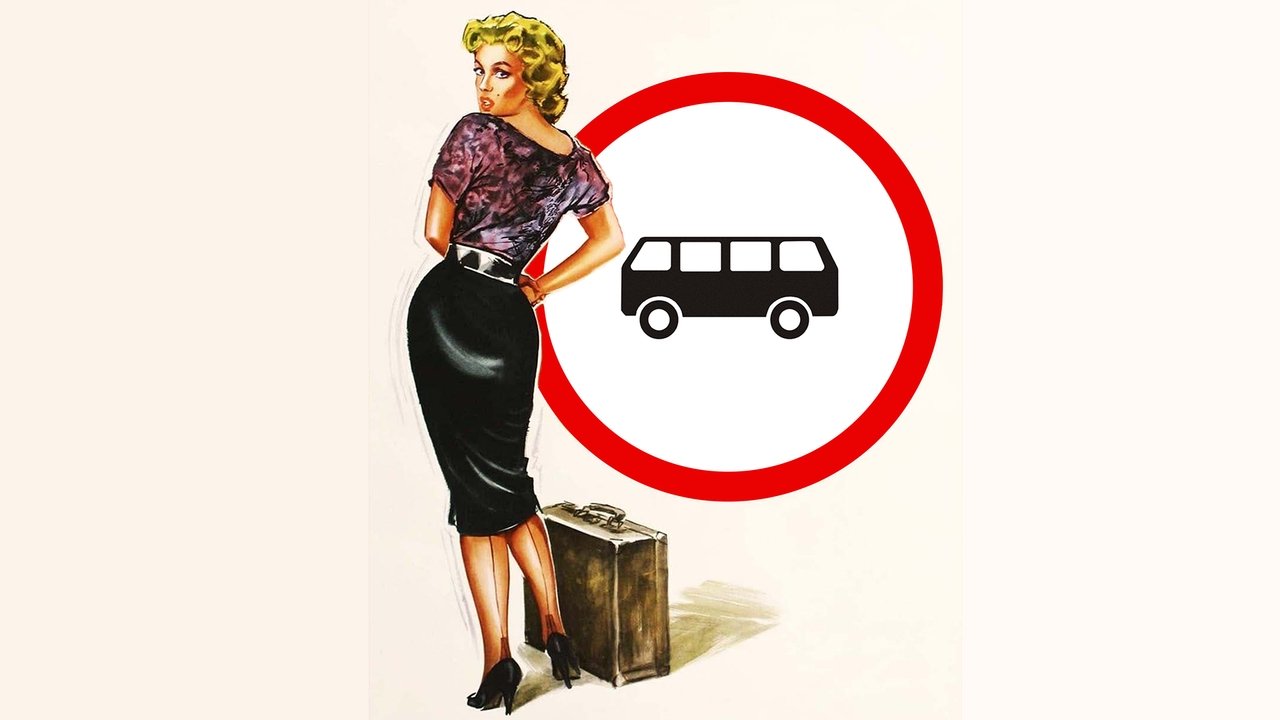
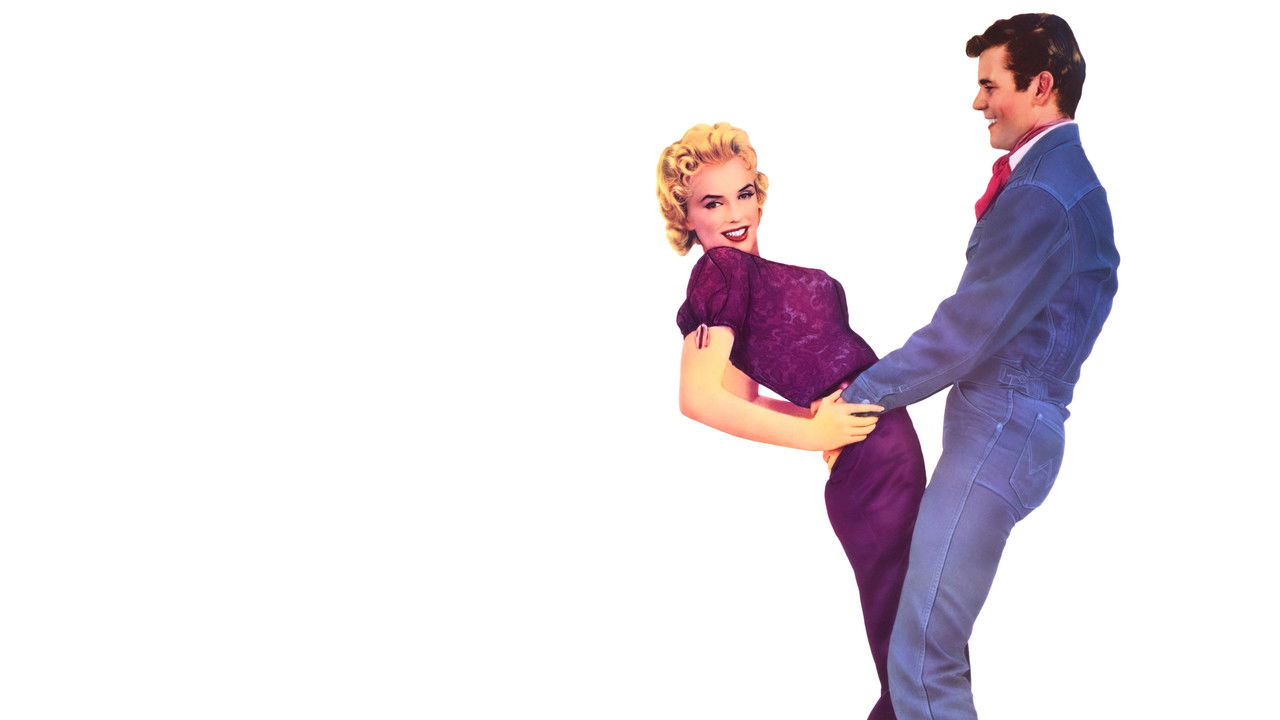
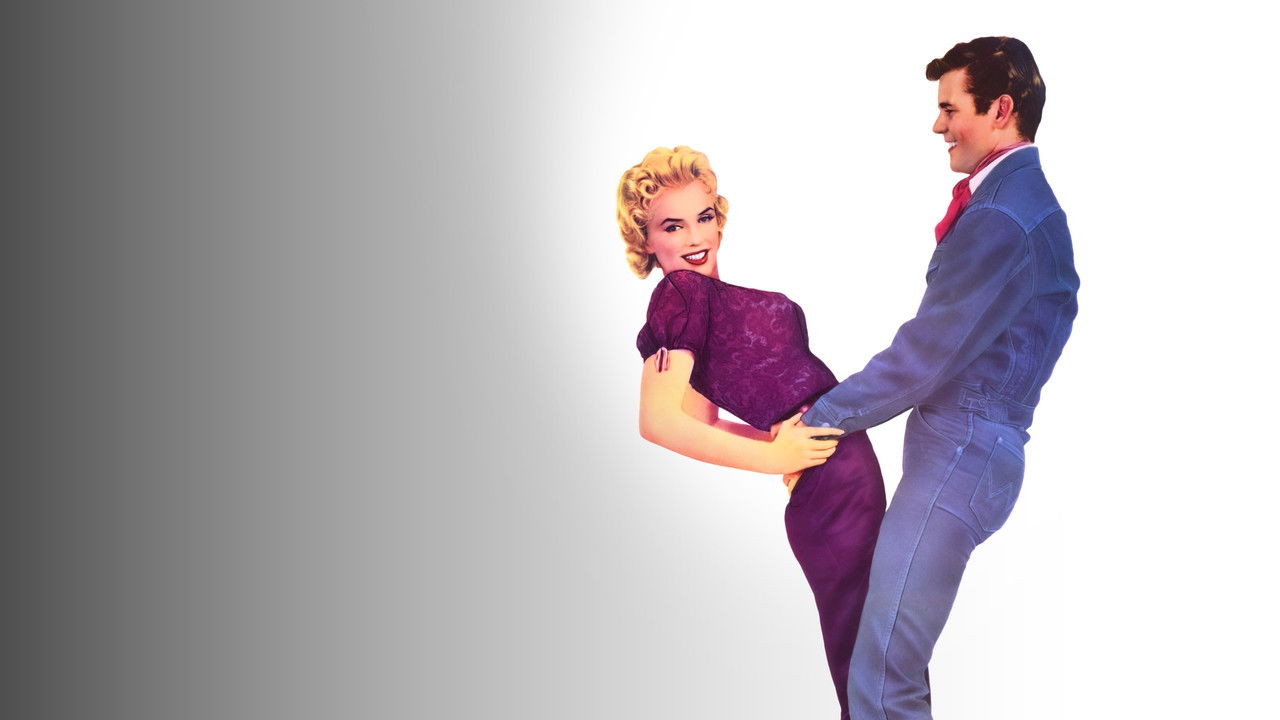
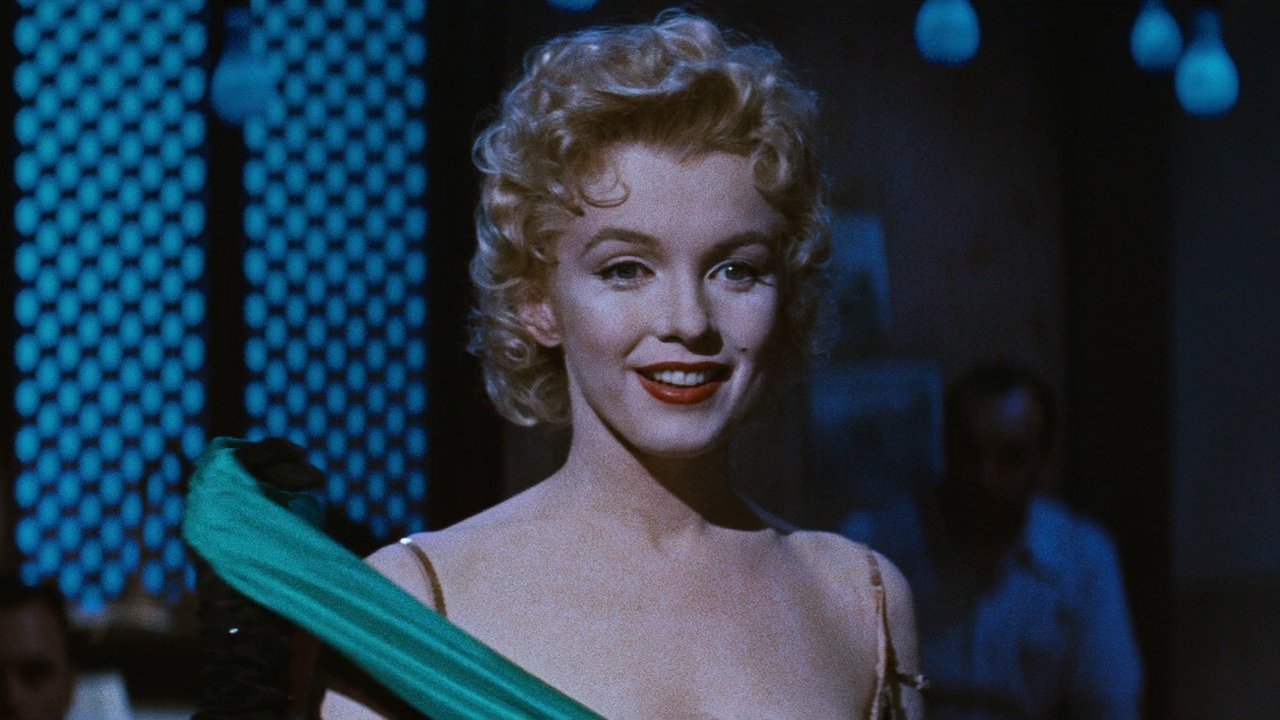
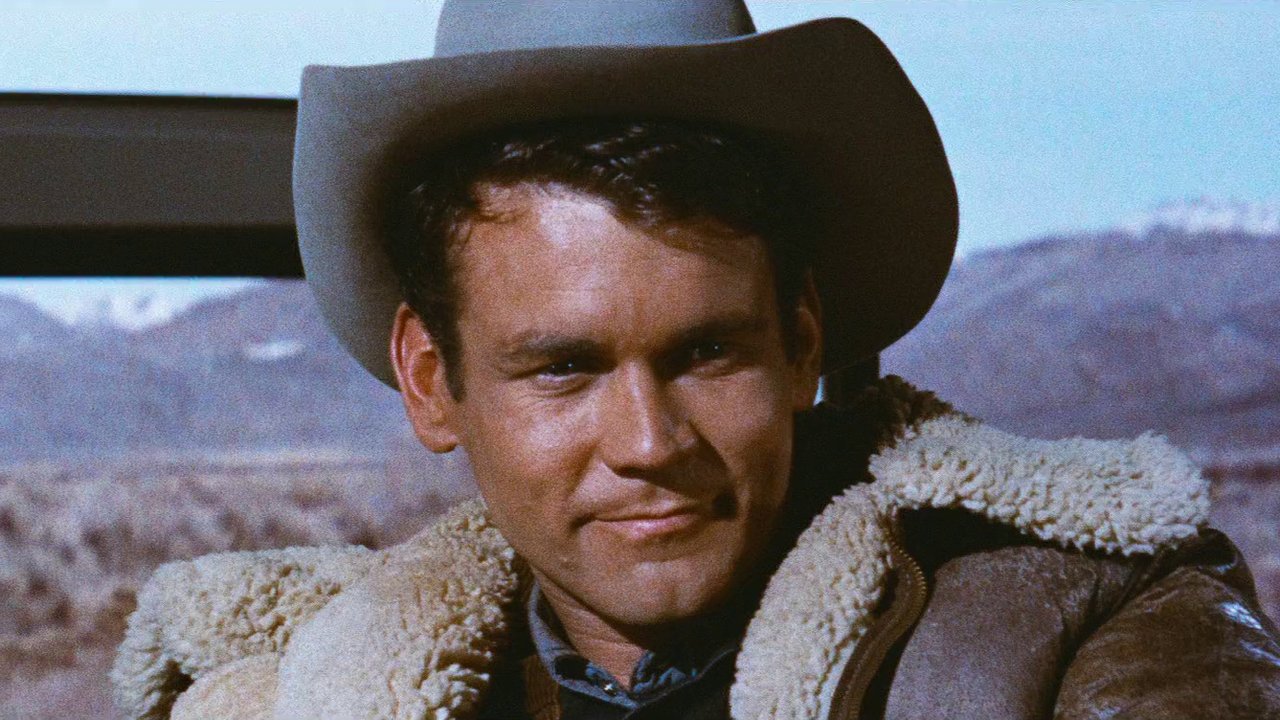
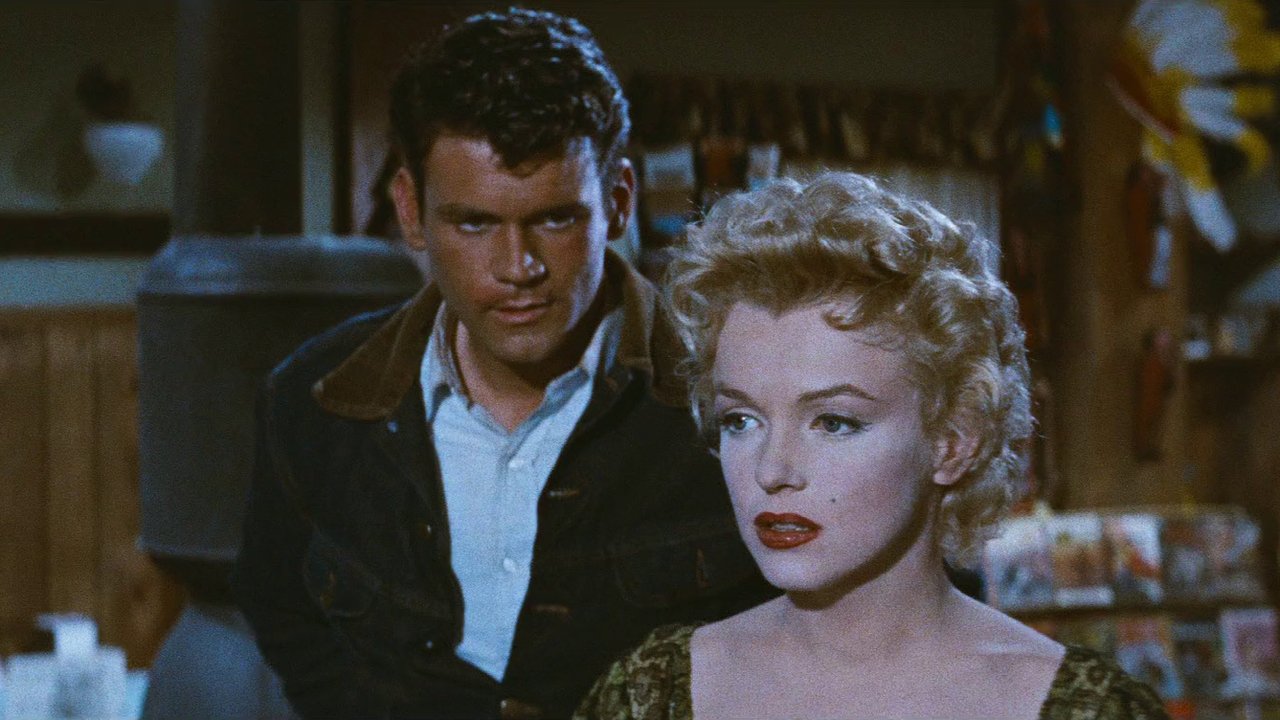
Bus Stop (1956), directed by Joshua Logan, starring Marilyn Monroe and Don Murray.
score
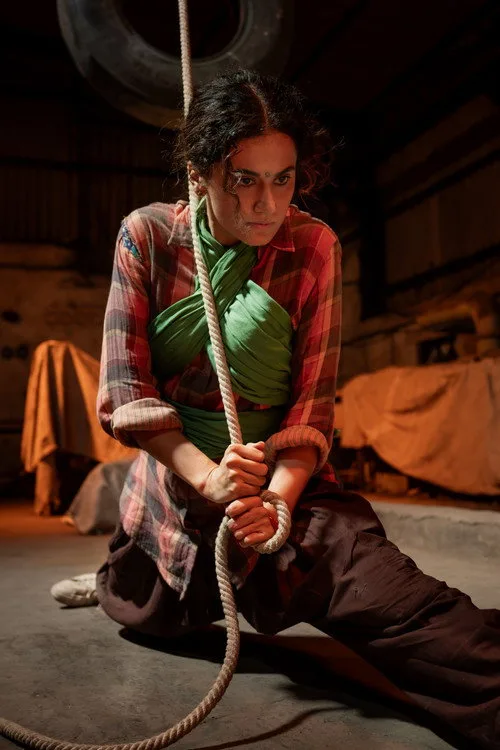
Give this boy enough rope and he'll land Marilyn Monroe!
Synopsis
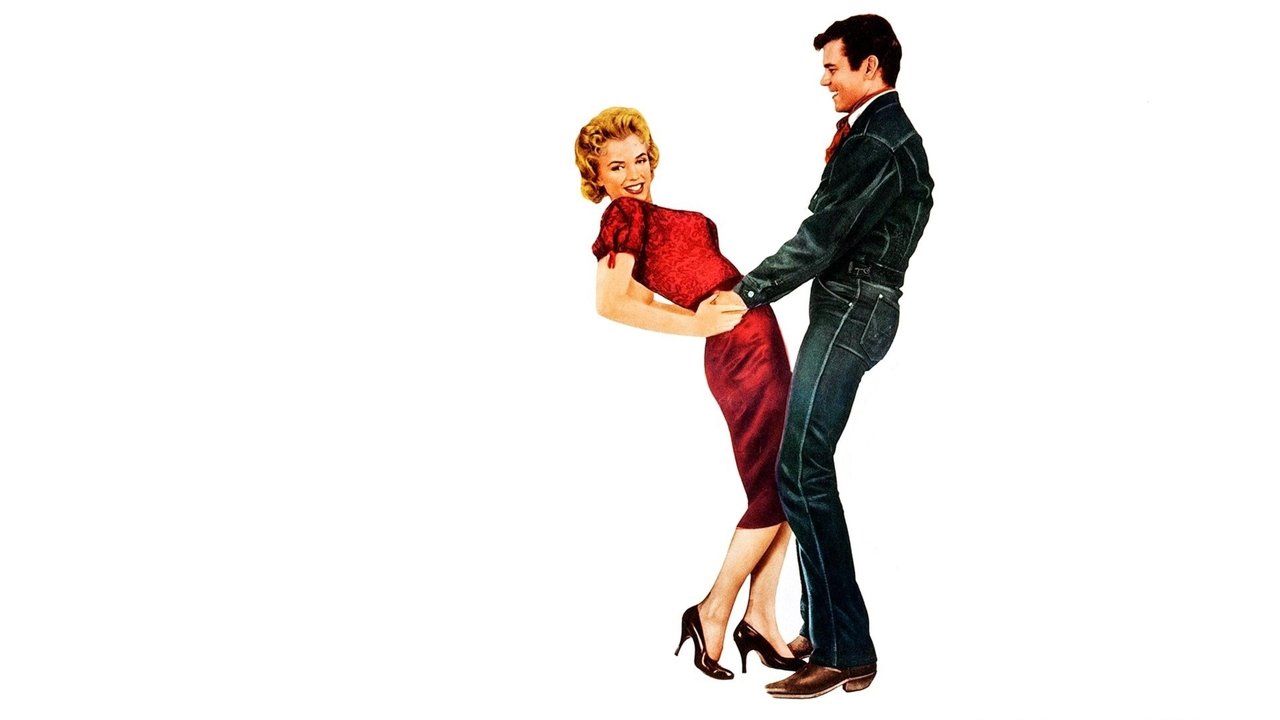
Cowboys Beauregard Decker and Virgil Blessing attend a rodeo in Phoenix, where Decker falls in love with beautiful cafe singer Cherie. He wants to take Cherie back to his native Montana and marry her, but she dreams of traveling to Hollywood and becoming famous. When she resists his advances, Decker forces Cherie onto the bus back to Montana with him, but, when the bus makes an unscheduled stop due to bad weather, the tables are turned.
- Milton KrasnerCinematography
- Joshua LoganDirector
- William ReynoldsEditing
- Buddy AdlerProducer
About the film
Bus Stop is a 1956 American romantic comedy-drama directed by Joshua Logan, adapted by George Axelrod from the 1955 play by William Inge. It stars Marilyn Monroe, Don Murray, Arthur O'Connell, Betty Field, Eileen Heckart, Robert Bray, and Hope Lange. The film is about the events surrounding a rodeo and a group of long-haul bus passengers stranded at a diner during a snowstorm, including the ensuing relationship between a naive cowboy (Murray) and an aspiring singer (Monroe). It is the film debut of both Murray and Lange.
Unlike most of Monroe's films, Bus Stop is neither a full-fledged comedy nor a musical, but rather a dramatic piece, and it was the first film she appeared in after studying at the Actors Studio in New York. Monroe sings one song in the film: "That Old Black Magic" by Harold Arlen and Johnny Mercer.
The film was released by 20th Century Fox on August 31, 1956, and was both a critical and commercial success. Don Murray was nominated for an Academy Award for Best Supporting Actor and a BAFTA Award for Most Promising Newcomer for his performance. At the 14th Golden Globe Awards, the film was nominated for Best Motion Picture – Musical or Comedy and Monroe for Best Actress. The film was also nominated for Golden Lion at the 17th Venice International Film Festival.
Read the full article (8k characters)
Bus Stop is a 1956 American romantic comedy-drama directed by Joshua Logan, adapted by George Axelrod from the 1955 play by William Inge. It stars Marilyn Monroe, Don Murray, Arthur O'Connell, Betty Field, Eileen Heckart, Robert Bray, and Hope Lange. The film is about the events surrounding a rodeo and a group of long-haul bus passengers stranded at a diner during a snowstorm, including the ensuing relationship between a naive cowboy (Murray) and an aspiring singer (Monroe). It is the film debut of both Murray and Lange.
Unlike most of Monroe's films, Bus Stop is neither a full-fledged comedy nor a musical, but rather a dramatic piece, and it was the first film she appeared in after studying at the Actors Studio in New York. Monroe sings one song in the film: "That Old Black Magic" by Harold Arlen and Johnny Mercer.
The film was released by 20th Century Fox on August 31, 1956, and was both a critical and commercial success. Don Murray was nominated for an Academy Award for Best Supporting Actor and a BAFTA Award for Most Promising Newcomer for his performance. At the 14th Golden Globe Awards, the film was nominated for Best Motion Picture – Musical or Comedy and Monroe for Best Actress. The film was also nominated for Golden Lion at the 17th Venice International Film Festival.
Plot
A naive, unintelligent, socially inept, loud-mouth cowboy, Beauregard "Bo" Decker, and his friend and father-figure Virgil Blessing take the bus from Timber Hill, Montana, to Phoenix, Arizona, to participate in a rodeo. Virgil has encouraged the 21-year-old virgin Bo to take an interest in women. Initially reluctant and frightened of the idea, Beau declares that he hopes to find an "angel" and will know her when he sees her. Making trouble everywhere they go, he continues his unsophisticated behavior in Grace's Diner. In Phoenix, at the Blue Dragon Café, he imagines himself in love with the café's chanteuse, Chérie, an ambitious performer from River Gulch, Arkansas (in the Ozarks) with aspirations of becoming a Hollywood star. Her rendition of "That Old Black Magic" entrances him and he forces her outside, despite the establishment's rules against it, kisses her and thinks that means they are engaged. Chérie is physically attracted to him but resists his plans to take her back to Montana. She has no intention of marrying him and tells him so, but he is too stubborn to listen.
The next day, Bo obtains a marriage license, and then takes an exhausted Chérie to the rodeo parade and the rodeo, where he rides the bucking bronco and then competes in the calf-roping and the bull-riding. Bo intends to marry Chérie at the rodeo, but she runs away. He tracks her down at the Blue Dragon Café, where she jumps out a rear window and flees. Bo catches her and forces her onto the bus back to Montana. On the way, they stop at Grace's Diner, the same place the bus stopped on the way to Phoenix. Chérie tries to make another getaway while Bo is asleep on the bus, but the road ahead is blocked by a blizzard, leaving the passengers stranded in the diner. The bus driver, Carl, the waitress, Elma, and the café owner, Grace, by now all have learned that Bo is kidnapping and bullying Chérie. Virgil and Carl fight him until he promises to apologize to Chérie and leave her alone. He, however, is unable to do so because he is humiliated about having been beaten.
The next morning, the storm has cleared and everybody is free to go. Bo finally apologizes to Chérie for his abusive behavior and begs her forgiveness. He wishes her well and prepares to depart without her. Chérie approaches him and confesses that she has had many boyfriends and is not the kind of woman he thinks she is. Bo confesses his lack of experience to her. Bo asks to kiss her goodbye and they share their first real kiss. All Chérie wanted from a man was respect, which she had previously told Elma when they sat together on the bus. This new Bo attracts Chérie. He accepts her past, explaining that everything she's previously done made her into the person that he likes now, and this gesture touches her heart. She tells him that she will go anywhere with him. Virgil decides to stay behind. When Bo tries to coerce him to go with them, Chérie reminds him that he cannot force Virgil to do what he wants. Having finally apparently learned his lesson, Bo offers Chérie his jacket and gallantly helps her onto the bus.
Cast
Credits from the AFI Catalog of Feature Films.
Production
Bus Stop is based on William Inge's play of the same name (which in turn was expanded from an earlier, one-act play titled People in the Wind). The inspiration for the play came from people Inge met in Tonganoxie, Kansas. The original production opened at the Music Box Theatre on Broadway in March 1955, with Kim Stanley as Chérie and Albert Salmi as Bo.
Bus Stop was the first film that Marilyn Monroe chose to make under a new contract. For the role, she learned an Ozark accent, chose costumes and make-up that lacked the glamour of her earlier films, and provided deliberately mediocre singing and dancing. Joshua Logan, known for his work on Broadway, agreed to direct, despite initially doubting Monroe's acting abilities and knowing of her reputation for being difficult. Filming took place in Sun Valley, Idaho, and Phoenix, Arizona, in early 1956, with Monroe "technically in charge" as the head of MMP (Marilyn Monroe Productions, her film production company), occasionally making decisions on cinematography and with Logan adapting to her chronic tardiness and perfectionism. Clint Eastwood and Montgomery Clift considered for the role of Bo Decker, but the role eventually went to newcomer Don Murray, who was personally selected by Logan after the director saw him in a stage revival of The Skin of Our Teeth. The film was also the debut of Hope Lange, who married Murray shortly after production wrapped.
The experience changed Logan's opinion of Monroe, and he later compared her to Charlie Chaplin in her ability to blend comedy and tragedy. According to Don Murray, the director was not perturbed that Monroe was accompanied on the set by her own acting coach, Paula Strasberg of the Actors Studio. Murray later recalled: "Paula was there every day, even on location...Logan worked with it very well. He let her talk to Marilyn. Then he would step in and direct. He was very patient. Very few directors would have put up with it."
George Axelrod, who wrote the script, later said:I liked that very much. And I think even William Inge now concedes it is at least as good as the play. Because, given the necessities of the stage, he had to cram it all into that one set, whereas it was a play very susceptible to being opened up. It took Marilyn two years to realise that this was her best performance. Indeed, she did not speak to either Josh Logan or me for a year afterwards, because she felt we'd cut the picture in favour of the boy. Later she came to realise she was wrong. It suggests to me that actors have a very dim appreciation of what's good or what's bad about their performances.
Reception
Bus Stop became a box office success, earning more than $7 million in distributor rentals, and received mainly favorable reviews, with Monroe's performance being highly praised. The Saturday Review of Literature wrote that Monroe's performance "effectively dispels once and for all the notion that she is merely a glamour personality". Bosley Crowther of The New York Times praised the lead performances, as well as O'Connell, Heckart, Field and Bray. He wrote of Monroe, "Hold on to your chairs, everybody, and get set for a rattling surprise. Marilyn Monroe has finally proved herself an actress."
On the review aggregator website Rotten Tomatoes, the film holds an approval rating of 73% based on 15 reviews, with an average rating of 7/10.
Awards and nominations
See also
List of American films of 1956
References
Bibliography
External links
Bus Stop at IMDb
Bus Stop at the AFI Catalog of Feature Films
Bus Stop at the TCM Movie Database (archived)
Description of the Seeburg Model 146 Jukebox in the Bus Stop
Text from Bus Stop (1956 film) on Wikipedia, licensed CC BY-SA 4.0. https://en.wikipedia.org/wiki/Bus_Stop_(1956_film)
Trivia
- It cost US$ 220.000 and grossed US$ 7.3 million in theaters — 33.0 times its budget.
- It premiered on August 31, 1956, a Friday.
- It runs 1h36 — a typical feature length.
- It won 1 award(s) and received 1 nomination(s) on record at Wikidata — National Board of Review: Top Ten Films among them.
- This film's quiz has 14 questions — enough to play more than once without repeats.
Production
- StudiosMarilyn Monroe Productions, 20th Century Fox
- CountriesUnited States
- LanguagesEnglish
- BudgetUS$ 220,000
- Box officeUS$ 7,270,000
- StatusReleased
More about this film
Awards
- National Board of Review: Top Ten Films
Nominations
- Academy Award for Best Supporting Actor 1957
Filming locations
- Arizona
Set in
- Arizona
Videos
Photos




Cast
-
 Marilyn Monroe
Cherie
Marilyn Monroe
Cherie -
 Don Murray
Beauregard 'Bo' Decker
Don Murray
Beauregard 'Bo' Decker -
 Arthur O'Connell
Virgil Blessing
Arthur O'Connell
Virgil Blessing -
 Betty Field
Grace
Betty Field
Grace -
 Eileen Heckart
Vera
Eileen Heckart
Vera -
 Robert Bray
Carl
Robert Bray
Carl -
 Hope Lange
Elma Duckworth
Hope Lange
Elma Duckworth -
 Hans Conried
Life Magazine Photographer
Hans Conried
Life Magazine Photographer -
 Max Showalter
Life Magazine Reporter
Max Showalter
Life Magazine Reporter - Linda Brace Evelyn (uncredited)
-
 Mary Carroll
Cashier (uncredited)
Mary Carroll
Cashier (uncredited) - J.M. Dunlap Orville (uncredited)
-
 Ed Fury
Cowboy in Saloon (uncredited)
Ed Fury
Cowboy in Saloon (uncredited) - Buddy Heaton Clown (uncredited)
- Fay L. Ivor Rodeo Usher (uncredited)
- Richard Culvert Johnson Messenger (uncredited)
- Terry Kelman Gerald (uncredited)
- Lucille Knox Blonde on Street (uncredited)
- Pete Logan Announcer (uncredited)
- Kate MacKenna Elderly Passenger (uncredited)
Quiz about this movie
Questions from the whole catalogue.
Play nowIf you liked this one
-
Terra de Paixões
 6.0
6.0
-
A Mexicana
 6.0
6.0
-
A Balada de Buster Scruggs
 7.1
7.1
-
Uma História de Amor Americana
 7.7
7.7
-
O Forasteiro
 5.9
5.9
-
Cowboy do Asfalto
 6.5
6.5
-
A Última Caçada
 5.8
5.8
-
Garota Sinal Verde
 6.5
6.5
-
Reflexos da Amizade
 6.3
6.3
-
Numb
 5.9
5.9
-
Vejo Você no Próximo Verão
 6.0
6.0
-
A Pé Ele Não Vai Longe
 6.7
6.7
Tags
Crew
- Milton Krasner Cinematography
- Joshua Logan Director
- William Reynolds Editing
- Buddy Adler Producer
- Marilyn Monroe Producer
- Alfred Newman Original music
- Cyril J. Mockridge Original music
- George Axelrod Screenplay
Questions about this film
What is Bus Stop about?
Bus Stop: Cowboys Beauregard Decker and Virgil Blessing attend a rodeo in Phoenix, where Decker falls in love with beautiful cafe singer Cherie. He wants to take Cherie back to his native Montana and marry her, but she dreams of traveling to Hollywood and becoming famous. When she resists his advances, Decker forces Cherie onto…
Who directed Bus Stop?
Bus Stop was directed by Joshua Logan in 1956.
Who stars in Bus Stop?
The cast of Bus Stop includes Marilyn Monroe, Don Murray, Arthur O'Connell, Betty Field and Eileen Heckart.
How long is Bus Stop?
Bus Stop runs for 96 minutes, or 1h36.
How much did Bus Stop cost and how much did it make?
Bus Stop had a budget of US$ 220,000 and took US$ 7,270,000 at the box office — 33.0 times its cost.
What awards did Bus Stop win?
Bus Stop has 1 recorded awards, among them National Board of Review: Top Ten Films.
Similar films
-
 8.5
8.5
Forrest Gump
1994
-
 7.9
7.9
La La Land
2016
-
 7.2
7.2
Silver Linings Playbook
2012
-
 7.3
7.3
(500) Days of Summer
2009
-
 7.6
7.6
10 Things I Hate About You
1999
-
 7.3
7.3
Crazy, Stupid, Love.
2011
-
 7.2
7.2
The Proposal
2009
-
 7.4
7.4
Lost in Translation
2003
-
 7.1
7.1
Love Actually
2003
-
 7.1
7.1
Juno
2007
-
 7.0
7.0
The Lobster
2015
-
 7.0
7.0
Love & Other Drugs
2010
Page updated on 09/10/2026.
Back to the catalogue