



Cell 211 (2009)
Cell 211 (2009), directed by Daniel Monzón, starring Alberto Ammann and Luis Tosar.
score
To survive inside, he has to become one of them.
Synopsis
The story of two men on different sides of a prison riot -- the inmate leading the rebellion and the young guard trapped in the revolt, who poses as a prisoner in a desperate attempt to survive the ordeal.
- Carles GusiCinematography
- Daniel MonzónDirector, Writer
- Mapa PastorEditing
- Álvaro AugustínProducer
About the film
Cell 211 (Spanish: Celda 211) is a 2009 prison film directed by Daniel Monzón from a screenplay by Monzón and Jorge Guerricaechevarría and based on the 2003 novel of the same name by Francisco Pérez Gandul. The film stars Luis Tosar, Alberto Ammann, Antonio Resines, Manuel Morón, Carlos Bardem, Luis Zahera, Vicente Romero, Fernando Soto, and Marta Etura. In the film, rookie prison guard Juan Oliver (Ammann) is forced to go undercover as a prisoner after he becomes embroiled in a riot led by Malamadre (Tosar).
Read the full article (5k characters)
Cell 211 (Spanish: Celda 211) is a 2009 prison film directed by Daniel Monzón from a screenplay by Monzón and Jorge Guerricaechevarría and based on the 2003 novel of the same name by Francisco Pérez Gandul. The film stars Luis Tosar, Alberto Ammann, Antonio Resines, Manuel Morón, Carlos Bardem, Luis Zahera, Vicente Romero, Fernando Soto, and Marta Etura. In the film, rookie prison guard Juan Oliver (Ammann) is forced to go undercover as a prisoner after he becomes embroiled in a riot led by Malamadre (Tosar).
Plot
Juan Oliver reports to work as a prison guard a day early. During his tour of the prison, a falling projectile knocks him unconscious and he is rushed to Cell 211. The projectile is revealed to be a diversion to allow the convicts to riot and hijack control of the prison. Aware of the impending violence, Juan's colleagues flee and leave him in the cell.
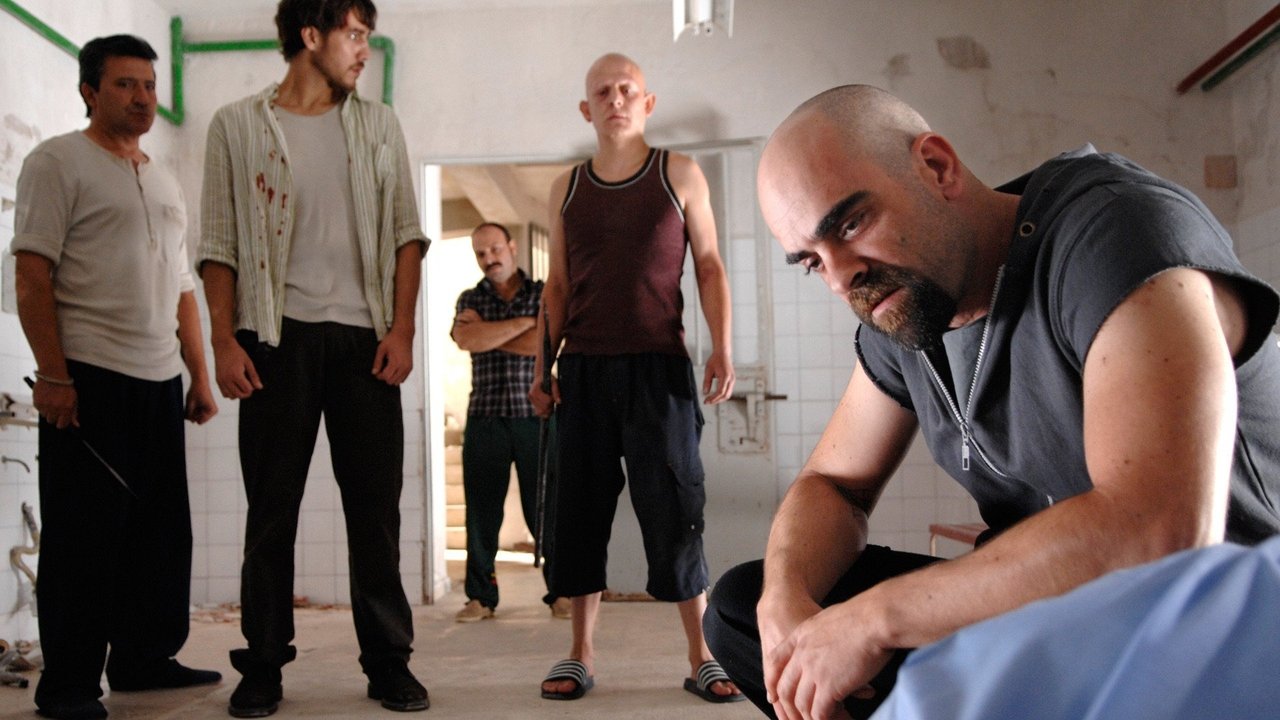
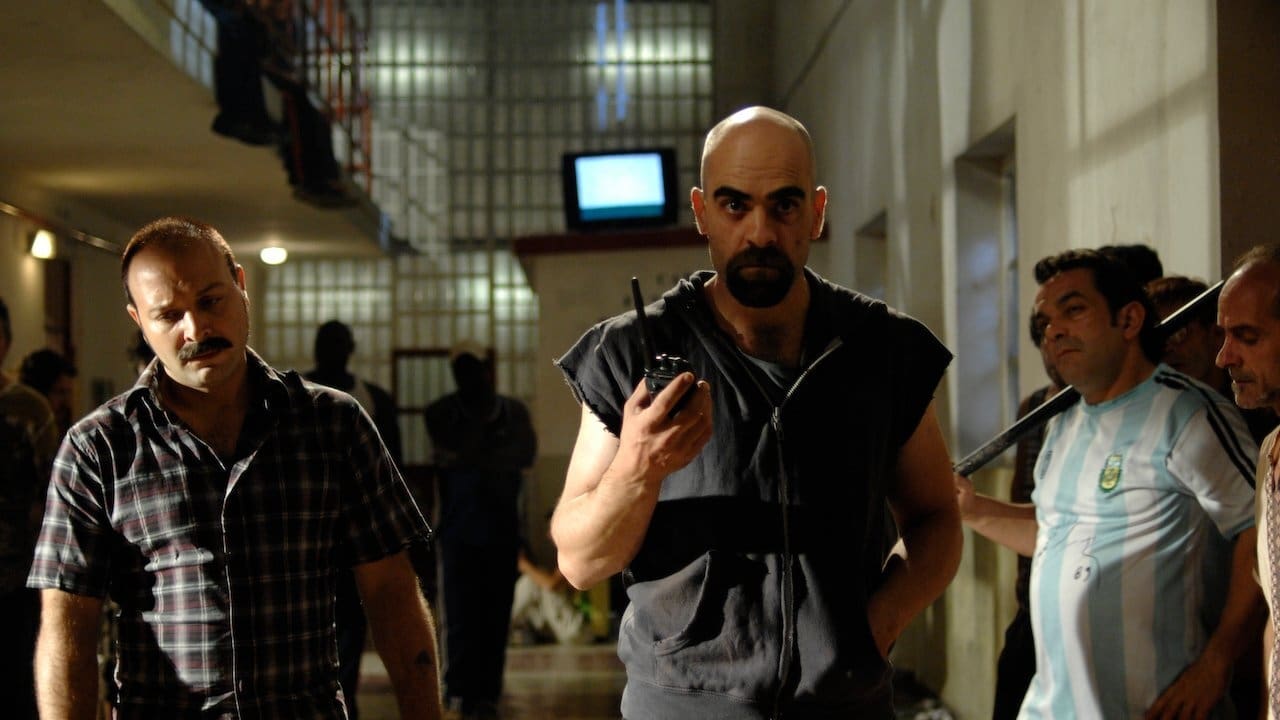
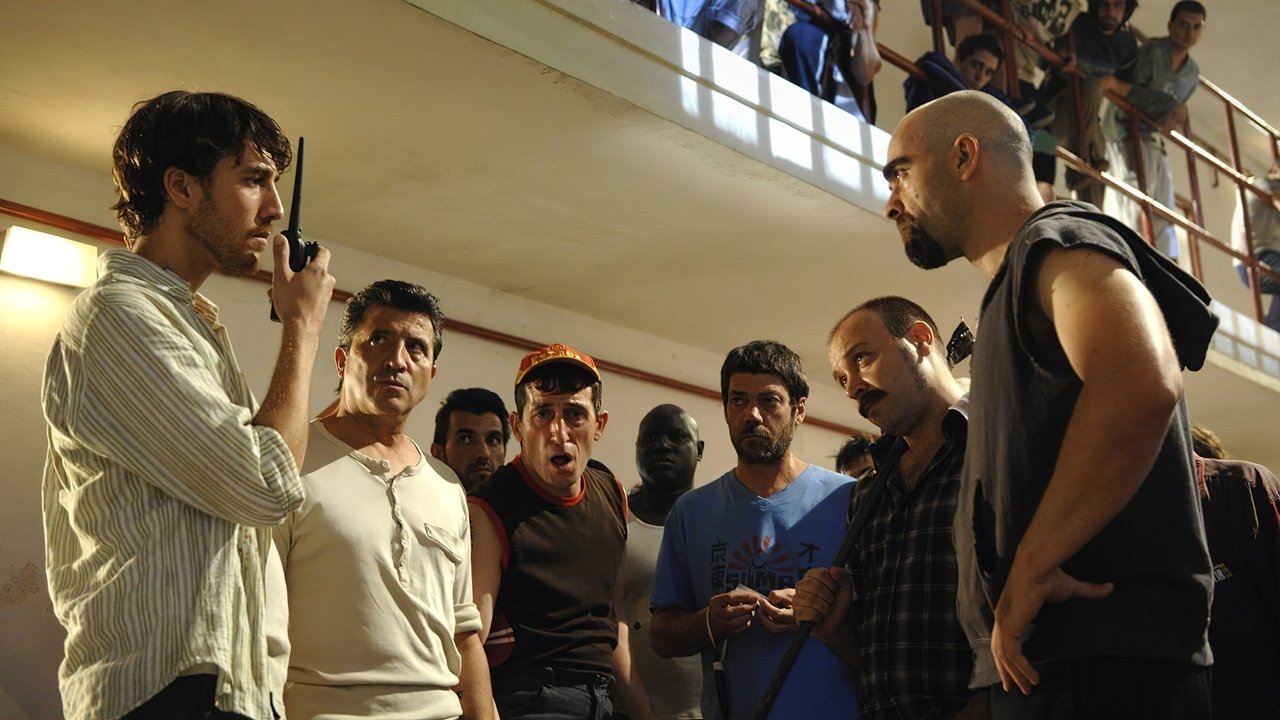
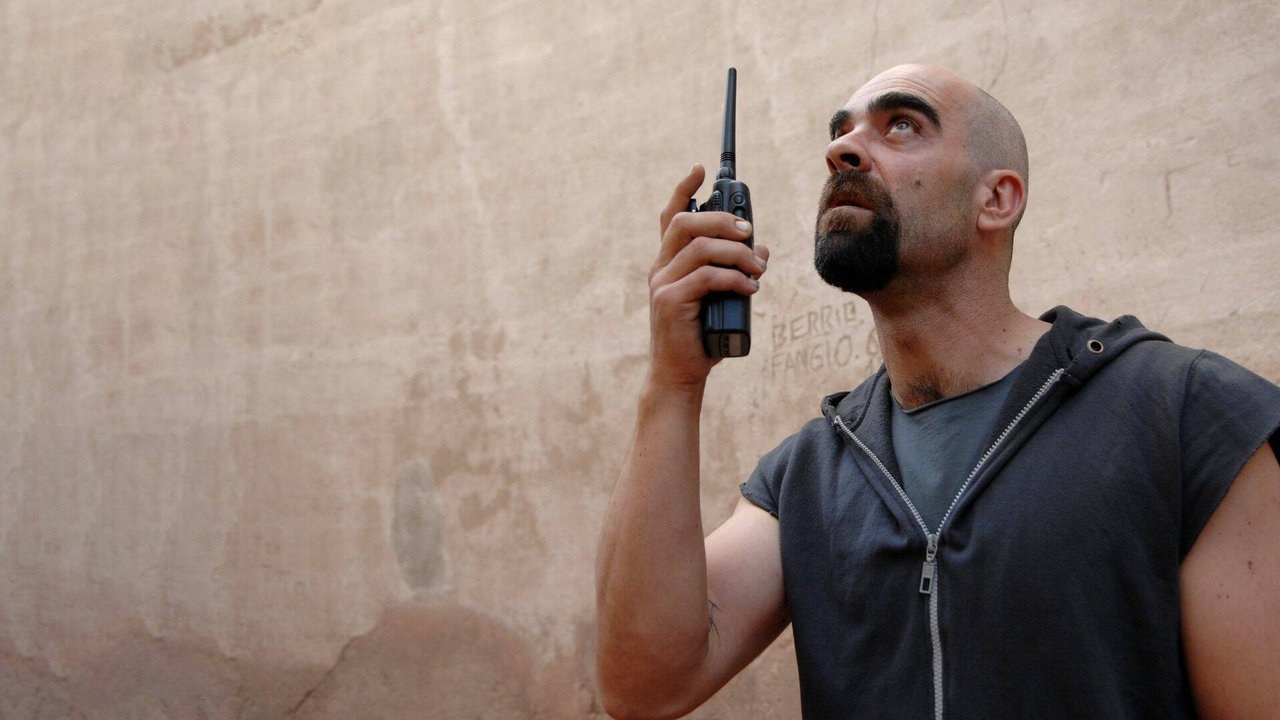
When Juan awakens in the midst of the chaos, he pretends to be a new inmate convicted of homicide. He is brought to the leader of the riot, Malamadre, who takes Juan under his wing after Juan suggests variations to the riot which will better equip the prisoners for negotiation. In reality, Juan seeks to keep channels of communication alive with the other guards and an incoming GEO team, who are preparing to storm the prison.
Malamadre discovers that Basque terrorists associated with ETA are being held in the prison, and seeks to use them as a political bargaining chip during negotiation. As news of the riot become public, a succession of other riots and demonstrations in the Basque Country follow. Afraid of political ramifications within the Basque Country, Spanish ministers hold back on exercising GEO interference, leaving Juan alone in the prison.
Juan's pregnant wife, Elena, learns about the riot and heads for the prison; there, protestors related to the inmates fight with police, causing Elena to be hit by an officer. A television inside the prison shows the news footage to the prisoners, revealing to Juan that Elena was at the protest. Fearful for her safety, Juan attempts to contact the guards, while Malamadre demands information of all those injured. The authorities respond with a list of four names; infuriated, Malamadre decide to kill one of the ETA prisoners. However, Juan intervenes and suggest they cut off an ear, an act he is forced to perform.
The authorities then provide additional information on the injured and Juan is told Elena is in the hospital, but recovering. Juan insists on talking to her but is rebuffed. Utrilla, the police guard who hit Elena, is suspended. Apache, an inmate close to Malamadre, learns the truth about Juan after contacting a friend in the police through a smuggled cell phone. He tells Juan he will give him a chance to defend himself before letting Malamadre know.
Later, Malamadre has Apache tell Juan that he needs to speak to him. He shows Juan footage from a protestor's cell phone, showing Elena being beaten by Utrilla. Juan insists Utrilla be brought in the prison, where he is confronted by Juan. Juan again insists on talking to Elena, but he learns she and her unborn child have died. In response, the prisoners viciously beat Utrilla until he reveals Juan is a prison guard. He asks Juan to tell the truth; instead, Juan slits Utrilla's throat.
Malamadre goes against advice to kill Juan, stating he does not believe Utrilla and that Juan's murder of Utrilla showcases his commitment to the prisoner's fight. Juan fails in a suicide attempt in his cell. Malamadre receives a call from the police negotiator, who gives him Juan's employment records, confirming Utrilla's claim, and asks him to work with them in exchange for release. Malamadre still refuses to kill Juan.
The government tell Malamadre they agree to his demands. Juan drags Utrilla's corpse in front of the government liaison and insists the government publicly agree, or they will kill the ETA prisoners. Malamadre tells Juan if the GEO team invades instead of a public agreement, he will either die, or kill Juan for his betrayal. As the GEO team quench the riot once they storm the prison, Apache kills Juan and severely injures Malamadre, who then works with the government against Apache.
Cast
Production
The screenplay was adapted from the homonymous novel by Francisco Pérez Gandul set during a prison riot. The film was produced by Vaca Films, Morena Films and Telecinco Cinema alongside Le Fabrique 2 and TVG. The film was fully shot in Zamora, most notably in the old prison of Zamora, unused since the 1980s and revamped for the occasion.
Reception
Critical response
The film has received highly positive reviews from international film critics. Cell 211 has an approval rating of 98% on review aggregator website Rotten Tomatoes, based on 45 reviews, and an average rating of 7.6/10. The website's critical consensus states: "A uniquely sharp, well-acted prison drama, Cell 211 avoids exploitative thrills in favor of expertly ratcheted tension.
Accolades
An artistic success, the film won eight Goya Awards, including Best Picture, Best Director, Best Actor (Luis Tosar) and Best Adapted Screenplay.
See also
List of Spanish films of 2009
References
External links
Cell 211 at IMDb
Text from Cell 211 on Wikipedia, licensed CC BY-SA 4.0. https://en.wikipedia.org/wiki/Cell_211
Trivia
- It cost US$ 5.7 million and grossed US$ 19 million in theaters — 3.4 times its budget.
- It premiered on November 6, 2009, a Friday.
- It runs 1h48 — a typical feature length.
- Its original title is "Celda 211".
- It won 11 award(s) and received 16 nomination(s) on record at Wikidata — Goya Award for Best Supporting Actress among them.
- As of September 20, 2026, it is available in Brazil by subscription on Netflix, Amazon Prime Video.
- This film's quiz has 16 questions — enough to play more than once without repeats.
Production
- StudiosVaca Films, La Fabrique 2, Morena Films, Telecinco Cinema, Sofica EuropaCorp, Sofica Soficinéma 4
- CountriesFrance, Spain
- LanguagesEnglish, Spanish, Basque
- BudgetUS$ 5,700,000
- Box officeUS$ 19,300,483
- StatusReleased
More about this film
Awards
- Goya Award for Best Supporting Actress 2010
- Goya Award for Best Film 2010
- Goya Award for Best Actor 2010
- Goya Award for Best Director 2010
- Goya Award for Best Editing 2010
- Goya Award for Best Sound 2010
- Goya Award for Best Adapted Screenplay 2010
- Goya Award for Best New Actor 2010
- Mestre Mateo Award for best film 2009
- Mestre Mateo Award for best supporting actor 2009
- Premio Mestre Mateo á mellor dirección 2009
Nominations
- Goya Award for Best Supporting Actress 2010
- European Film Award for Best Actor 2010
- Goya Award for Best Special Effects 2010
- Goya Award for Best Supporting Actor 2010
- European Film Award for Best Screenwriter 2010
- Goya Award for Best Film 2010
- Goya Award for Best Actor 2010
- Goya Award for Best Director 2010
- Goya Award for Best Editing 2010
- Goya Award for Best Art Direction 2010
- Goya Award for Best Sound 2010
- Goya Award for Best Original Score 2010
- Goya Award for Best Adapted Screenplay 2010
- Goya Award for Best Cinematography 2010
- Goya Award for Best New Actor 2010
- Goya Award for Best Production Supervision 2010
Based on
- Cell 211
Filming locations
- Concordat prison
Set in
- Spain
Preceded by
- Camino
Followed by
- Black Bread
Where to watch
Videos
Photos







Cast
-
 Alberto Ammann
Juan Oliver
Alberto Ammann
Juan Oliver -
 Luis Tosar
Malamadre
Luis Tosar
Malamadre -
 Antonio Resines
José Utrilla
Antonio Resines
José Utrilla -
 Marta Etura
Elena
Marta Etura
Elena -
 Manuel Morón
Ernesto Almansa
Manuel Morón
Ernesto Almansa -
 Carlos Bardem
Apache
Carlos Bardem
Apache -
 Luis Zahera
Releches
Luis Zahera
Releches -
 Fernando Soto
Armando Nieto
Fernando Soto
Armando Nieto -
 Vicente Romero
Tachuela
Vicente Romero
Tachuela -
 Manolo Solo
Prison Director
Manolo Solo
Prison Director -
 Patxi Bisquert
Jon Arteaga
Patxi Bisquert
Jon Arteaga -
 Josean Bengoetxea
Antxon Elorza 'El Profesor'
Josean Bengoetxea
Antxon Elorza 'El Profesor' -
 Anartz Zuazua
Asier Urruticoechea
Anartz Zuazua
Asier Urruticoechea -
 Miguel Martín
Pincho
Miguel Martín
Pincho -
 Félix Cubero
Germán
Félix Cubero
Germán -
 David Selvas
Ernesto Dueñas
David Selvas
Ernesto Dueñas -
 Ricardo de Barreiro
Julián
Ricardo de Barreiro
Julián -
 Antonio 'Morris' Durán
Borrego
Antonio 'Morris' Durán
Borrego -
 Jesús Carroza
Elvis
Jesús Carroza
Elvis - Suso Lista Pitufo
Quiz about this movie
Questions from the whole catalogue.
Play nowIf you liked this one
-
A Fortaleza
 6.1
6.1
-
Número 23 Drama from the 2000s
 6.4
6.4
-
Bronson Drama from the 2000s
 6.9
6.9
-
Pacto de Fuga
 7.5
7.5
-
Vencer ou Morrer
 6.6
6.6
-
Prison Break: O Resgate Final Drama from the 2000s
 7.5
7.5
-
O Quarto de Jack
 8.0
8.0
-
O Duplo
 6.5
6.5
-
Alcatraz: Fuga Impossível
 7.5
7.5
-
Fuga de Absolom
 6.2
6.2
-
Filhos da Esperança Action from the 2000s
 7.6
7.6
-
Condenação Brutal
 6.8
6.8
Tags
Crew
- Carles Gusi Cinematography
- Daniel Monzón Director
- Mapa Pastor Editing
- Álvaro Augustín Producer
- Borja Pena Producer
- Emma Lustres Producer
- Juan Gordon Producer
- Roque Baños Original music
- Daniel Monzón Writer
- Jorge Guerricaechevarría Writer
Questions about this film
What is Cell 211 about?
Cell 211: The story of two men on different sides of a prison riot -- the inmate leading the rebellion and the young guard trapped in the revolt, who poses as a prisoner in a desperate attempt to survive the ordeal.
Who directed Cell 211?
Cell 211 was directed by Daniel Monzón in 2009.
Who stars in Cell 211?
The cast of Cell 211 includes Alberto Ammann, Luis Tosar, Antonio Resines, Marta Etura and Manuel Morón.
How long is Cell 211?
Cell 211 runs for 108 minutes, or 1h48.
How much did Cell 211 cost and how much did it make?
Cell 211 had a budget of US$ 5,700,000 and took US$ 19,300,483 at the box office — 3.4 times its cost.
Where can I watch Cell 211?
Cell 211 is available on Netflix, Amazon Prime Video, Netflix Standard with Ads and Amazon Prime Video with Ads. Availability changes often: the list on this page is the most recent we received.
What is Cell 211 based on?
Cell 211 is based on Cell 211.
What awards did Cell 211 win?
Cell 211 has 11 recorded awards, among them Goya Award for Best Supporting Actress, Goya Award for Best Film, Goya Award for Best Actor, Goya Award for Best Director and Goya Award for Best Editing.
Similar films
-
 7.8
7.8
The Dark Knight Rises
2012
-
 7.4
7.4
Rise of the Planet of the Apes
2011
-
 7.3
7.3
Dawn of the Planet of the Apes
2014
-
 6.7
6.7
Mr. & Mrs. Smith
2005
-
 6.7
6.7
Jack Reacher
2012
-
 6.3
6.3
San Andreas
2015
-
 6.5
6.5
Elysium
2013
-
 7.6
7.6
Blood Diamond
2006
-
 7.5
7.5
First Blood
1982
-
 7.4
7.4
The Bourne Ultimatum
2007
-
 7.3
7.3
The Bourne Supremacy
2004
-
 7.5
7.5
Captain Phillips
2013
Page updated on 09/09/2026.
Back to the catalogue