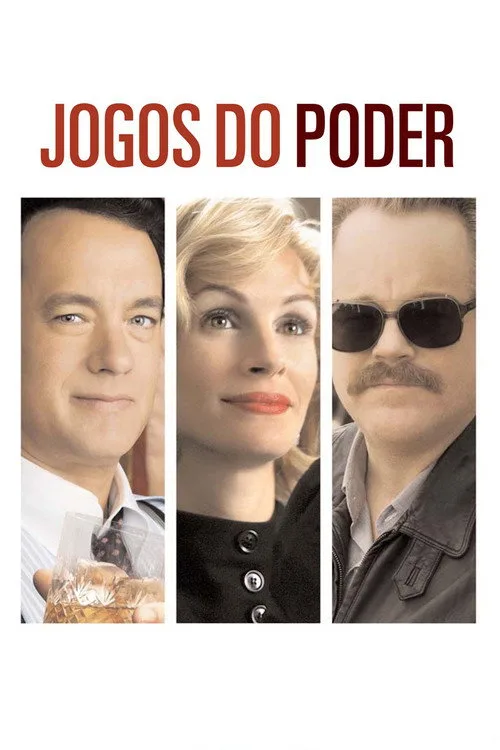





Charlie Wilson's War (2007)
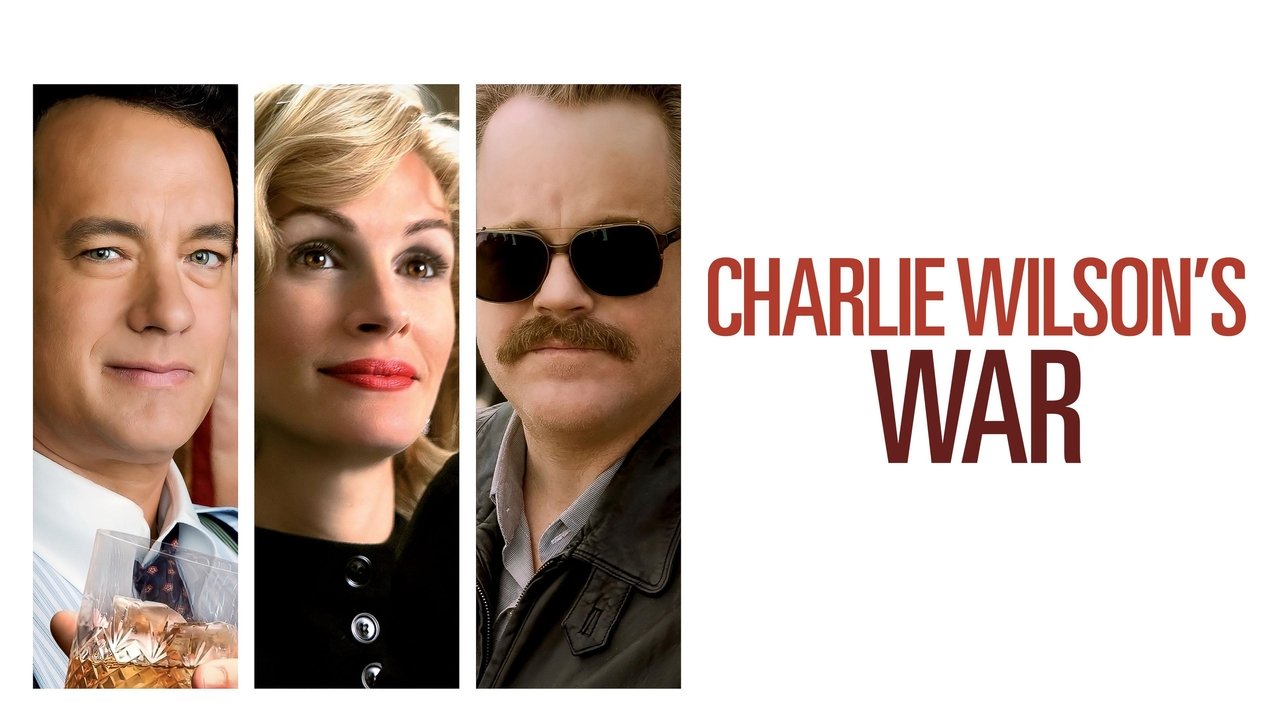
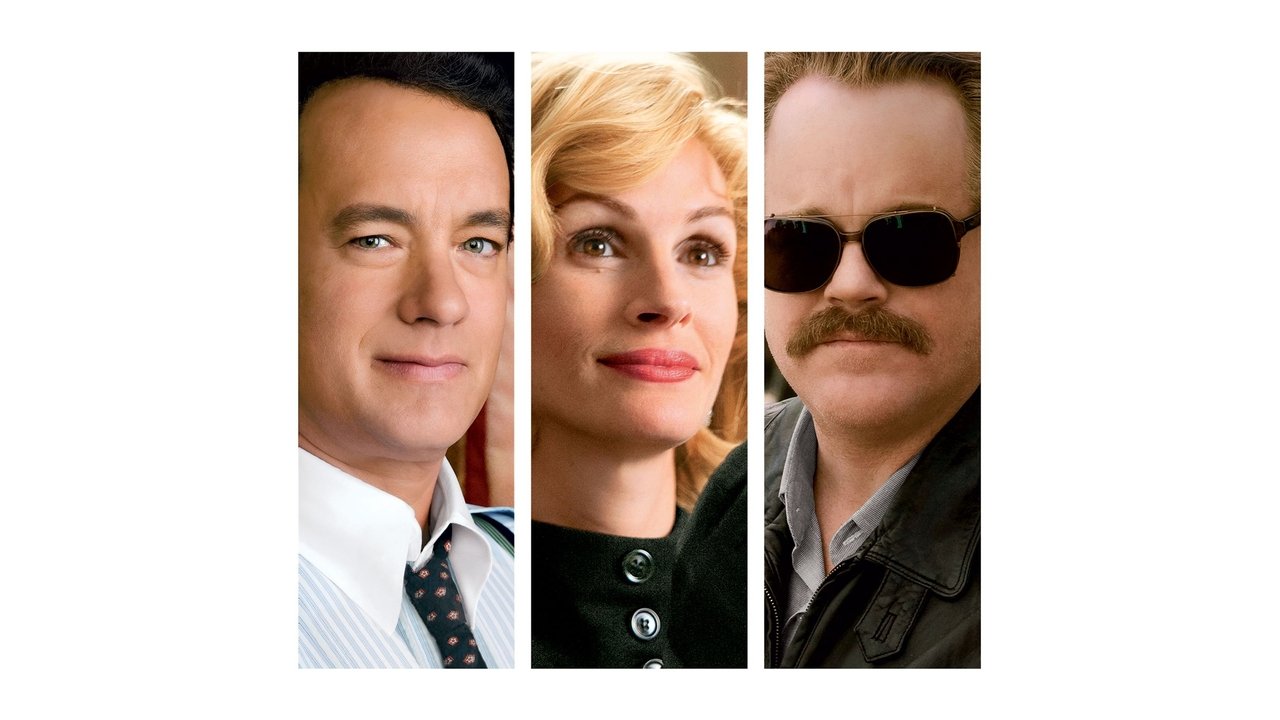
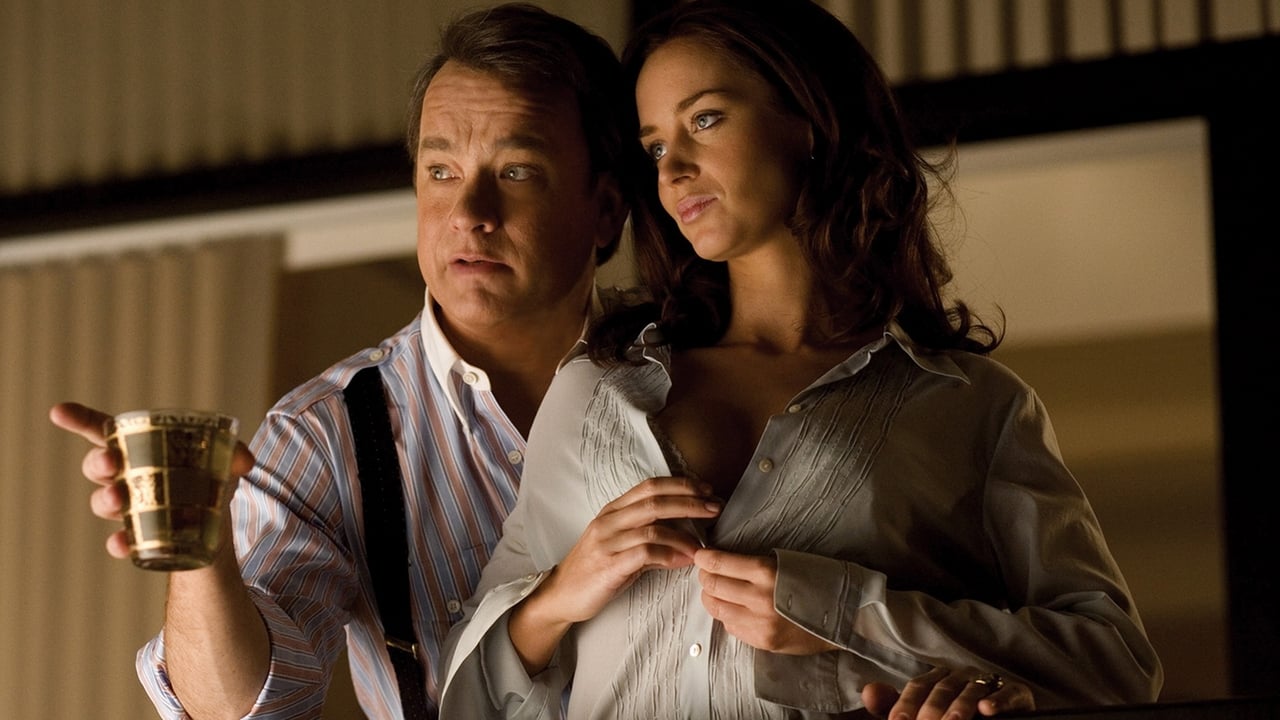
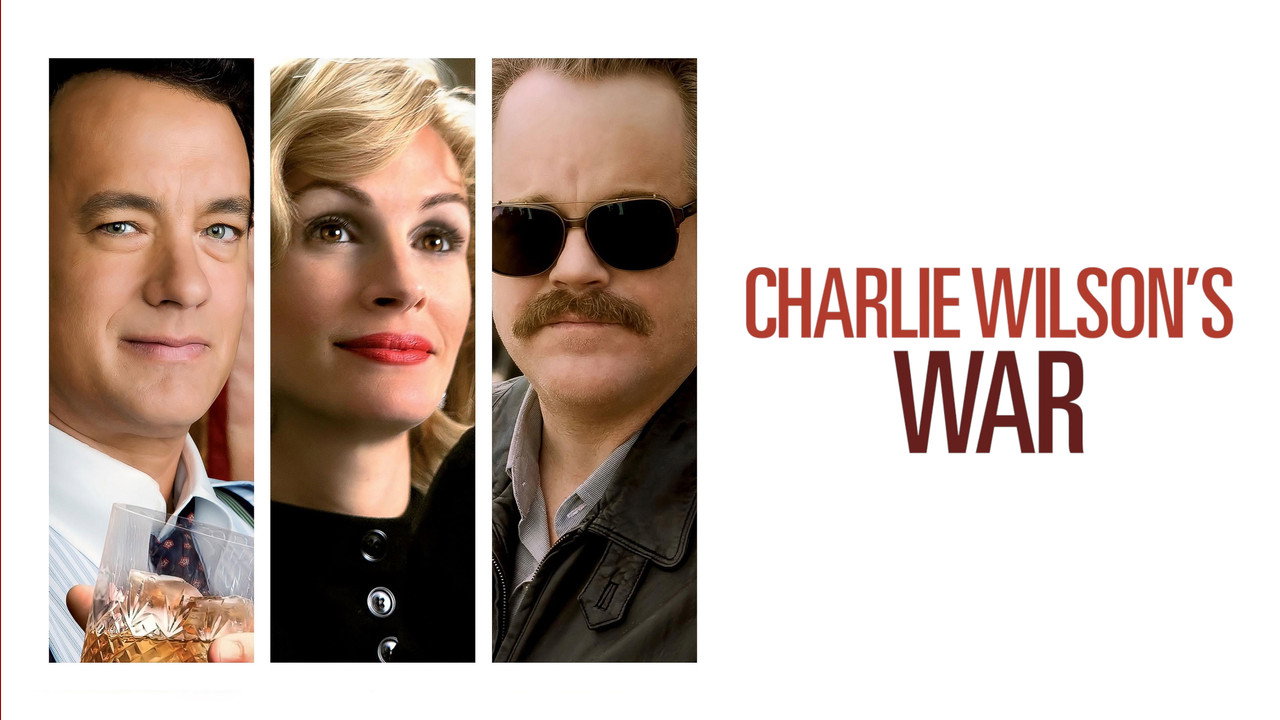
Charlie Wilson's War (2007), directed by Mike Nichols, starring Tom Hanks and Julia Roberts.
score
A stiff drink. A little mascara. A lot of nerve. Who said they couldn't bring down the Soviet empire.
Synopsis
A Texas congressman sets a series of events in motion when he conspires with a CIA operative to aid Afghan mujahideen rebels fighting the Soviets.
What the catalogue says about this film
- Film 20 of 20 by Mike Nichols in the catalogue
- Tom Hanks and Julia Roberts share the screen in 4 films in the catalogue
Every comparison is within the CineQuiz catalogue, not cinema as a whole.
- Stephen GoldblattCinematography
- Mike NicholsDirector
- Antonia Van DrimmelenEditing
- John BloomEditing
About the film
Charlie Wilson's War is a 2007 American biographical comedy-drama film based on the story of U.S. Congressman Charlie Wilson and CIA operative Gust Avrakotos, whose efforts led to Operation Cyclone, a program to organize and support the Afghan mujahideen during the Soviet–Afghan War (1979–89).
The film was directed by Mike Nichols (his final film) and written by Aaron Sorkin, who adapted George Crile III's 2003 book Charlie Wilson's War: The Extraordinary Story of the Largest Covert Operation in History. It stars Tom Hanks, Julia Roberts, and Philip Seymour Hoffman, with Amy Adams and Ned Beatty in supporting roles. It was released by Universal Pictures on December 21, 2007 and received generally positive reviews, with praise for the performances (particularly Hoffman's), and grossed $119.5 million on a $75 million budget. It earned five nominations at the 65th Golden Globe Awards, including Best Motion Picture – Musical or Comedy, and Hoffman earned a Best Supporting Actor nomination at the 80th Academy Awards.
Read the full article (11k characters)
Charlie Wilson's War is a 2007 American biographical comedy-drama film based on the story of U.S. Congressman Charlie Wilson and CIA operative Gust Avrakotos, whose efforts led to Operation Cyclone, a program to organize and support the Afghan mujahideen during the Soviet–Afghan War (1979–89).
The film was directed by Mike Nichols (his final film) and written by Aaron Sorkin, who adapted George Crile III's 2003 book Charlie Wilson's War: The Extraordinary Story of the Largest Covert Operation in History. It stars Tom Hanks, Julia Roberts, and Philip Seymour Hoffman, with Amy Adams and Ned Beatty in supporting roles. It was released by Universal Pictures on December 21, 2007 and received generally positive reviews, with praise for the performances (particularly Hoffman's), and grossed $119.5 million on a $75 million budget. It earned five nominations at the 65th Golden Globe Awards, including Best Motion Picture – Musical or Comedy, and Hoffman earned a Best Supporting Actor nomination at the 80th Academy Awards.
Plot
In 1980, Congressman Charlie Wilson, an East Texas Democrat, is more interested in partying than legislating, frequently throwing huge galas and staffing his congressional office with attractive young women. His social life eventually brings about a federal investigation into allegations of his cocaine use, conducted by federal prosecutor Rudy Giuliani as part of a larger investigation into congressional misconduct. The investigation results in no charge against Wilson.
A friend and romantic interest, Joanne Herring, Houston socialite, political activist, diplomat, and television talk show host, encourages Charlie to do more to help the Afghan people, and persuades him to visit the Pakistani leadership. The Pakistanis complain about the inadequate support of the U.S. to oppose the Soviet Union, and they insist that Wilson visit a major Pakistan-based Afghan refugee camp. The Congressman is deeply moved by their misery and determination to fight, but is frustrated by the regional CIA personnel's insistence on a low-key approach against the Soviet occupation of Afghanistan. Wilson returns home to lead an effort to substantially increase funding to the mujahideen.
As part of this effort, Charlie befriends maverick CIA operative Gust Avrakotos and his understaffed Afghanistan group to find a better strategy, especially including a means to counter the Soviets' formidable Mil Mi-24 Hind helicopter gunship. This group was composed in part of members of the CIA's Special Activities Division, including a young paramilitary officer named Michael Vickers. As a result, Charlie's deft political bargaining for the necessary funding and Avrakotos' careful planning using those resources, such as supplying the guerrillas with FIM-92 Stinger missile launchers, turns the Soviet occupation into a deadly quagmire with their heavy fighting vehicles being destroyed at a crippling rate. Charlie enlists the support of Israel and Egypt for Soviet weapons and consumables, and Pakistan for distribution of arms. The CIA's anti-communism budget evolves from $5 million to over $500 million (with the same amount matched by Saudi Arabia), startling several congressmen. This effort by Charlie ultimately evolves into a major portion of the U.S. foreign policy known as the Reagan Doctrine, under which the U.S. expanded assistance beyond just the mujahideen and began also supporting other anti-communist resistance movements around the world. Charlie states that senior Pentagon official Michael Pillsbury persuaded President Ronald Reagan to provide the Stingers to the Afghans.
Gust vehemently advises Charlie to seek support for post-Soviet occupation Afghanistan, referencing the "zen master's" story of the lost horse. He also emphasizes that rehabilitating schools in the country will help educate young children before they are influenced by the "crazies". Charlie attempts to appeal this with the government but finds no enthusiasm for even the modest measures he proposes. In the end, Charlie receives a major commendation for his support of the U.S. clandestine services, but his pride is tempered by his fears of the blowback his secret efforts could yield in the future and the implications of U.S. disengagement from Afghanistan.
Cast
Release and reception
Box office
The film was originally set for release on December 25, 2007; but on November 30, the timetable was moved up to December 21. In its opening weekend, the film grossed $9.6 million in 2,575 theaters in the United States and Canada, ranking No. 4 at the box office. It grossed a total of $119 million worldwide—$66.7 million in the United States and Canada and $52.3 million in other territories.
Critical reaction
On review aggregator Rotten Tomatoes, the film has an approval rating of 82% based on 203 reviews, with an average rating of 7.20/10. The site's critical consensus reads, "Charlie Wilson's War manages to entertain and inform audiences, thanks to its witty script and talented cast of power players." Metacritic reported the film had an average score of 67 out of 100, based on 39 critics, indicating "generally favorable" reviews. Audiences polled by CinemaScore gave the film an average grade of "A−" on an A+ to F scale.
Governmental criticism and praise
Some Reagan Era officials, including former Under Secretary of Defense Fred Ikle, have criticized some elements of the film. The Washington Times reported claims that the film wrongly promotes the notion that the CIA-led operation funded Osama bin Laden and ultimately produced the September 11 attacks; however, other Reagan-era officials have been more supportive of the film. Michael Johns, the former foreign policy analyst at The Heritage Foundation and White House speechwriter to President George H. W. Bush, praised the film as "the first mass-appeal effort to reflect the most important lesson of America's Cold War victory: that the Reagan-led effort to support freedom fighters resisting Soviet oppression led successfully to the first major military defeat of the Soviet Union... Sending the Red Army packing from Afghanistan proved one of the single most important contributing factors in one of history's most profoundly positive and important developments."
Russian reception
In February 2008, it was revealed that the film would not be released in Russian theaters. The rights for the film were bought by Universal Pictures International (UPI) Russia. It was speculated that the film would not appear because of a certain point of view that depicted the Soviet Union unfavorably. UPI Russia head Yevgeny Beginin denied that, saying, "We simply decided that the film would not make a profit." Reaction from Russian bloggers was also negative. One wrote: "The whole film shows Russians, or rather Soviets, as brutal killers."
Historical accuracy
Mujahideen support
While the film depicts Wilson as an immediate advocate for supplying the mujahideen with Stinger missiles, a former Reagan administration official recalls that he and Wilson, while advocates for the mujahideen, were actually initially "lukewarm" on the idea of supplying these missiles. Their opinion changed when they discovered that rebels were successfully downing Soviet gunships with them. As such, they were actually not supplied until 1987, during the second Reagan term, and their provision was advocated mostly by Reagan defense officials and influential conservatives.
Happy ending
According to Melissa Roddy, a Los Angeles filmmaker with inside information from the production, the film's happy ending where Wilson receives an award came about because Tom Hanks did not feel comfortable with an original draft, which ended on a scene featuring the September 11 attacks. Citing the original screenplay, which was very different from the final product, in Reel Power: Hollywood Cinema and American Supremacy Matthew Alford wrote that the film gave up "the chance to produce what at least had the potential to be the Dr. Strangelove of our generation".
Academic research
The film received a mixed reaction in terms of historical accuracy.
Charlie Wilson's War (2007) is amusing but has only an intermittent connection with historical reality.
George Crile's magnificent book Charlie Wilson's War, and the movie that was made from it, is an excellent account, but it is told from the perspective of one Texas congressman and tends to distort his importance.
George Crile's Charlie Wilson's War has been made into a film, and features the same degree of fantasy and escapism as Rambo III, which was also set in the Soviet-Afghan War.
Aftermath
The film depicts the concern expressed by Charlie and Gust that Afghanistan was being neglected in the 1990s, following the Soviet withdrawal. In one of the film's final scenes, Gust dampens Charlie's enthusiasm over the Soviet withdrawal from Afghanistan, saying "I'm about to give you an NIE (National Intelligence Estimate) that shows the crazies are rolling into Kandahar." As he says this, the sound of jet airliners soar overhead, a premonition of the coming 9/11 attacks.
George Crile III, author of the book on which the film is based, wrote that the mujahideen's victory in Afghanistan ultimately opened a power vacuum for bin Laden: By the end of 1993, in Afghanistan itself there were no roads, no schools, just a destroyed country—and the United States was washing its hands of any responsibility. It was in this vacuum that the Taliban and Osama bin Laden would emerge as the dominant players. It is ironic that a man who had almost nothing to do with the victory over the Red Army, Osama bin Laden, would come to personify the power of the jihad.
In 2008, Canadian journalist Arthur Kent sued the makers of the film, claiming that they had used material he produced in the 1980s without obtaining the proper authorization. On September 19, 2008, Kent announced that he had reached a settlement with the film's producers and distributors, and that he was "very pleased" with the terms of the settlement, which remain confidential.
Accolades
Home media
The film was released on DVD on April 22, 2008. Universal announced a combined release with both HD DVD and DVD discs in early 2008, but it was left unreleased when the company ended support for the format in favor of Blu-ray.
References
External links
Charlie Wilson's War at IMDb
Charlie Wilson's War at Box Office Mojo
Charlie Wilson's War at Rotten Tomatoes
Charlie Wilson's War at Metacritic
Text from Charlie Wilson's War (film) on Wikipedia, licensed CC BY-SA 4.0. https://en.wikipedia.org/wiki/Charlie_Wilson's_War_(film)
Trivia
- It cost US$ 75 million and grossed US$ 119 million in theaters — 1.6 times its budget.
- It premiered on December 19, 2007, a Wednesday.
- It runs 1h42 — a typical feature length.
- It won 0 award(s) and received 1 nomination(s) on record at Wikidata — Academy Award for Best Supporting Actor among them.
- As of September 20, 2026, it is available in Brazil by subscription on Netflix.
- This film's quiz has 14 questions — enough to play more than once without repeats.
Production
- StudiosUniversal Pictures, Relativity Media, Participant, Playtone, MP Munich Pape Filmproductions
- CountriesGermany, United States
- LanguagesArabic, English, Russian, Urdu, Hebrew
- BudgetUS$ 75,000,000
- Box officeUS$ 119,483,446
- StatusReleased
More about this film
Nominations
- Academy Award for Best Supporting Actor 2008
Based on
- Charlie Wilson's War
Set in
- Washington, D.C.
Where to watch
Photos



Cast
-
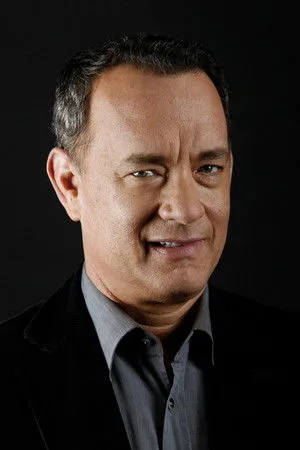 Tom Hanks
Charlie Wilson
Tom Hanks
Charlie Wilson -
 Julia Roberts
Joanne Herring
Julia Roberts
Joanne Herring -
 Philip Seymour Hoffman
Gust Avrakotos
Philip Seymour Hoffman
Gust Avrakotos -
 Amy Adams
Bonnie Bach
Amy Adams
Bonnie Bach -
 Emily Blunt
Jane Liddle
Emily Blunt
Jane Liddle -
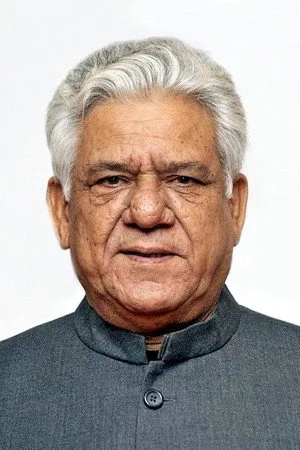 Om Puri
President Zia
Om Puri
President Zia -
 Shiri Appleby
Jailbait - Charlie's Angels
Shiri Appleby
Jailbait - Charlie's Angels -
 Rachel Nichols
Suzanne - Charlie's Angels
Rachel Nichols
Suzanne - Charlie's Angels -
 Wynn Everett
Receptionist - Charlie's Angel
Wynn Everett
Receptionist - Charlie's Angel -
 Jud Tylor
Crystal Lee
Jud Tylor
Crystal Lee -
 John Slattery
Cravely
John Slattery
Cravely -
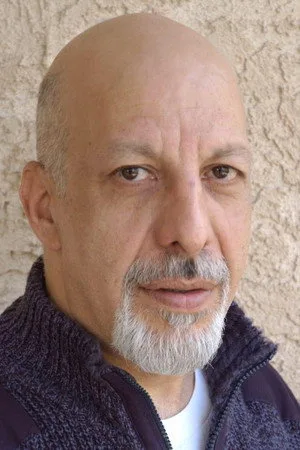 Erick Avari
Avi Perlman
Erick Avari
Avi Perlman -
 Cyia Batten
Stacey
Cyia Batten
Stacey -
 Denis O'Hare
Harold Holt
Denis O'Hare
Harold Holt -
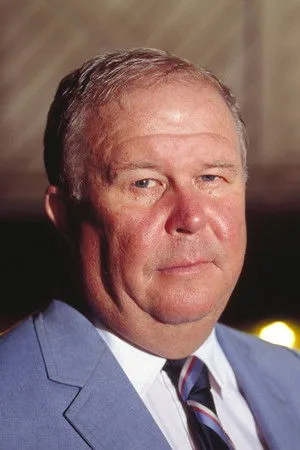 Ned Beatty
Doc Long
Ned Beatty
Doc Long -
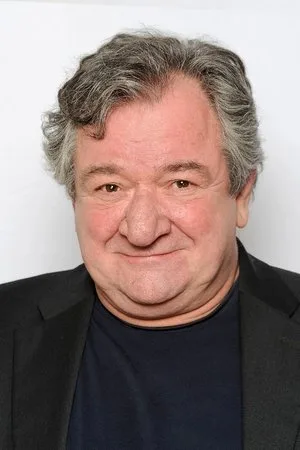 Ken Stott
Zvi
Ken Stott
Zvi -
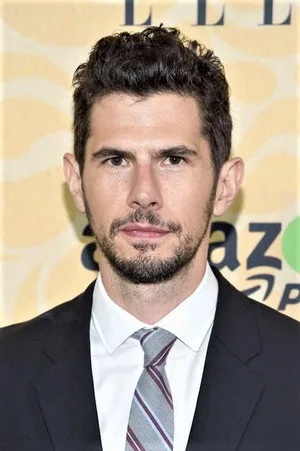 Daniel Eric Gold
Donnelly
Daniel Eric Gold
Donnelly -
 Harry S. Murphy
Congressional Committee
Harry S. Murphy
Congressional Committee -
 Enayat Delawary
Doc Long's Translator
Enayat Delawary
Doc Long's Translator -
 Peter Gerety
Larry Liddle
Peter Gerety
Larry Liddle
Quiz about this movie
Questions from the whole catalogue.
Play nowIf you liked this one
-
Blue Moon: Música e Solidão
 6.6
6.6
-
Quanto Vale?
 6.7
6.7
-
Come from Away
 7.5
7.5
-
Mera Coincidência
 6.9
6.9
-
Júlia
 6.5
6.5
-
Rolou Uma Química
 5.9
5.9
-
Uma História de Sobrevivência
 7.0
7.0
-
O Caso Richard Jewell
 7.4
7.4
-
The Middle Man
 6.1
6.1
-
Munique: No Limite da Guerra
 6.9
6.9
-
As Coisas Mudam
 6.2
6.2
-
Um Cara Muito Baratinado
 6.6
6.6
Tags
Crew
- Stephen Goldblatt Cinematography
- Mike Nichols Director
- Antonia Van Drimmelen Editing
- John Bloom Editing
- Gary Goetzman Producer
- Tom Hanks Producer
- James Newton Howard Original music
- Aaron Sorkin Screenplay
Questions about this film
What is Charlie Wilson's War about?
Charlie Wilson's War: A Texas congressman sets a series of events in motion when he conspires with a CIA operative to aid Afghan mujahideen rebels fighting the Soviets.
Who directed Charlie Wilson's War?
Charlie Wilson's War was directed by Mike Nichols in 2007.
Who stars in Charlie Wilson's War?
The cast of Charlie Wilson's War includes Tom Hanks, Julia Roberts, Philip Seymour Hoffman, Amy Adams and Emily Blunt.
How long is Charlie Wilson's War?
Charlie Wilson's War runs for 102 minutes, or 1h42.
How much did Charlie Wilson's War cost and how much did it make?
Charlie Wilson's War had a budget of US$ 75,000,000 and took US$ 119,483,446 at the box office — 1.6 times its cost.
Where can I watch Charlie Wilson's War?
Charlie Wilson's War is available on Netflix, Netflix Standard with Ads, Claro video, Apple TV Store and Amazon Video. Availability changes often: the list on this page is the most recent we received.
What is Charlie Wilson's War based on?
Charlie Wilson's War is based on Charlie Wilson's War.
Similar films
-
 8.2
8.2
Green Book
2018
-
 7.5
7.5
BlacKkKlansman
2018
-
 7.5
7.5
The Favourite
2018
-
 7.0
7.0
Vice
2018
-
 7.3
7.3
Saving Mr. Banks
2013
-
 6.8
6.8
Shakespeare in Love
1998
-
 7.5
7.5
Ed Wood
1994
-
 7.0
7.0
The Death of Stalin
2017
-
 7.2
7.2
Man on the Moon
1999
-
 6.8
6.8
Battle of the Sexes
2017
-
 8.1
8.1
There's Still Tomorrow
2023
-
 6.7
6.7
Confessions of a Dangerous Mind
2002
Page updated on 09/08/2026.
Back to the catalogue