Divine Words (1987)
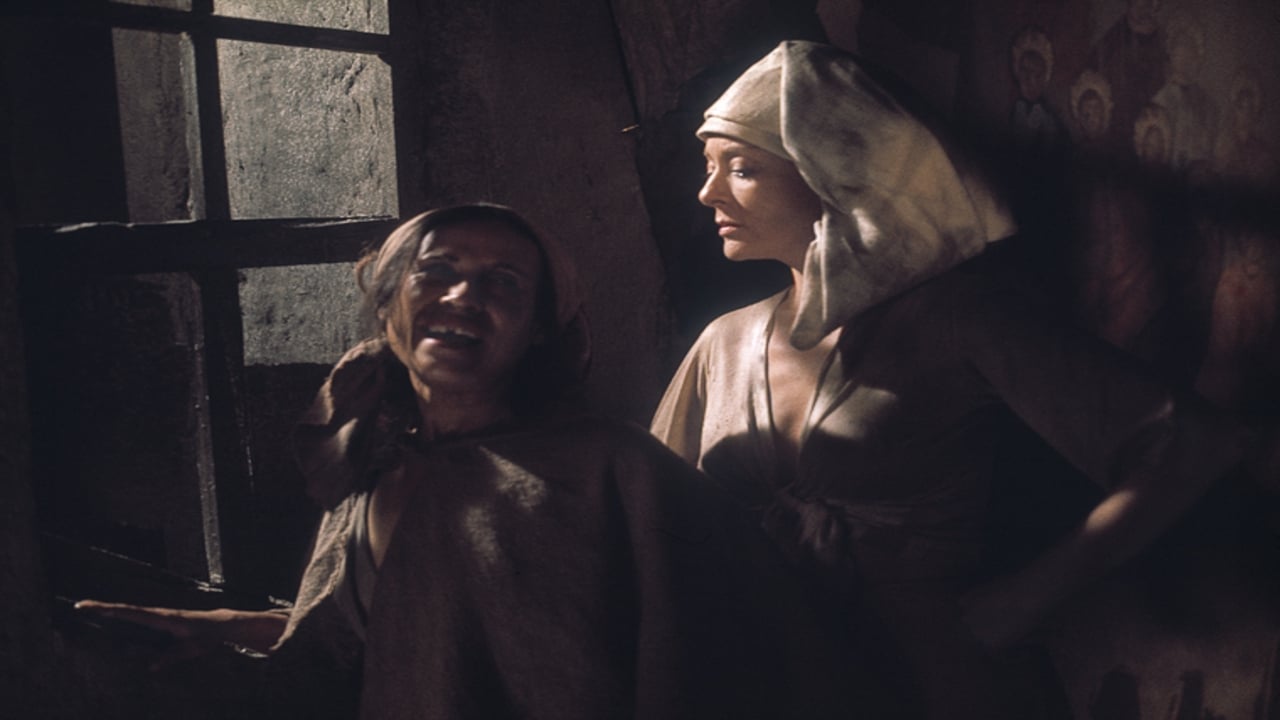
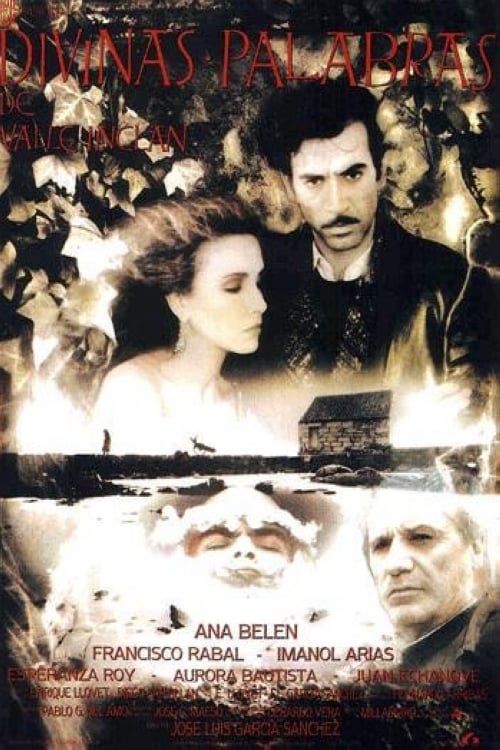
Divine Words (1987), directed by José Luis García Sánchez, starring Ana Belén and Imanol Arias.
score
Synopsis
A work of Valle-Inclán, the story takes place in Galicia in the early twentieth century. To escape poverty, the wife of a sacristan uses a hydrocephalic child as a sideshow attraction. This causes a confrontation with her sister-in-law.
- Fernando ArribasCinematography
- José Luis García SánchezDirector, Writer
- Pablo G. del AmoEditing
- Diego SantillánWriter
About the film
Divine Words (Spanish: Divinas palabras) is a 1987 Spanish film directed by José Luis García Sánchez. It stars Ana Belén, Francisco Rabal and Imanol Arias. The film is based upon the play by Ramón del Valle-Inclán. A Mexican adaptation was released in 1977.
Read the full article (3k characters)
Divine Words (Spanish: Divinas palabras) is a 1987 Spanish film directed by José Luis García Sánchez. It stars Ana Belén, Francisco Rabal and Imanol Arias. The film is based upon the play by Ramón del Valle-Inclán. A Mexican adaptation was released in 1977.
Plot
The setting of the film is the province of Galicia, circa, 1920, in the impoverished village of San Clemente. Since the Village has no priest, ecclesiastic authority falls to Pedro Gailo, the sacristan, who has a young beautiful wife Mari Gaila. Greedy for any money that comes their way and eager to leave San Clemente and her husband, Mari cares for a hydrocephalus-stricken child and uses him to beg for alms. The child becomes the source of their wealth.
Comfortable in the joint guardianship of the child with her sister-in-law Marica, Mari Gaila, encouraged by another beggar woman nicknamed “la Tatula’, decides to go to various fairs and festivals and there puts the hydrocephalus dwarf on display, in order to wheedle funds from good-natured, pitying, sympathetic people. Her husband, Pedro, the sacristan, is afraid that Mari’s activities will ruin his reputation, but his love of money overcomes his fear and pride. Maria Galia sets out for the nearest city, confronting a world she never knew existed, full of music, cattle trading fairs and picturesque people. She becomes the object of desire of other nomad beggars like herself, especially shrewd tricksters like Septimio Miau.
Drawn sexually to this handsome outlaw, after a mild flirtation with him she leaves for home, loaded with money. The townspeople begin to gossip about her sudden wealth and freedom to leave the village at will. Mari Gaila meets up with Septimo again, teams up with him, using the hydrocephalus child as a freak exhibit, and decides to run off with him. While they are making love, the locals ply the hydrocephalus child with liquor at the local tavern, causing his death.
Septimo deserts Mari Gaila, who becomes ill and returns to the sacristan, empty handed. But Pedro Gailo uses his nephew’s corpse, showing off his gigantic member to families in other villages to make money. Later, Septimo returns and Rosa la Tatula acts as a go between. The lovers meet in a forest, consummate their affair and are caught by their jealous neighbors.
Disgraced, desperate and poor, Mari Gaila is stripped nude, spat upon, mocked and stoned. The crowd ends its vengeance when Pedro, the sacristan, pronounces the “divine words" in Latin: “Let him who is free of sin cast the first stone”. These words in the midst of such squalor are ironic yet miraculous, causing the crowd to disperse and look into their own motives. They are downtrodden peasants caught in a claustrophobic world, scheming, dirty people with nowhere to go.
After the crowd leaves, Pedro maintains a saintly pose, forgiving his adulterous wife. Mari Gaila seems too clean and noble to have groveled in this squalor and comes off seeming almost saintly herself.
Cast
Release
The film was released theatrically in Spain on 15 September 1987.
Accolades
See also
List of Spanish films of 1987
References
External links
Divine Words at IMDb
Text from Divine Words on Wikipedia, licensed CC BY-SA 4.0. https://en.wikipedia.org/wiki/Divine_Words
Trivia
- It premiered on September 15, 1987, a Tuesday.
- It runs 1h47 — a typical feature length.
- Its original title is "Divinas palabras".
- This film's quiz has 11 questions — enough to play more than once without repeats.
Production
- StudiosIon Films, Lolafilms, Lux Films
- CountriesSpain
- LanguagesSpanish
- StatusReleased
More about this film
Filming locations
- Galicia
Set in
- Galicia
Cast
-
 Ana Belén
Mari Gaila
Ana Belén
Mari Gaila -
 Imanol Arias
Séptimo Miau
Imanol Arias
Séptimo Miau -
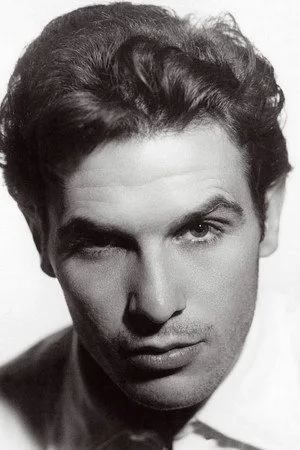 Francisco Rabal
Pedro Gailo
Francisco Rabal
Pedro Gailo -
 Esperanza Roy
Rosa la Tatula
Esperanza Roy
Rosa la Tatula -
 Aurora Bautista
Marica del Reino
Aurora Bautista
Marica del Reino -
 Juan Echanove
Miguelín
Juan Echanove
Miguelín - Víctor Rubio
- Rebeca Tébar Simoniña
-
 Francisco Merino
-
 Tito García
-
 Ofelia Angélica
-
 Ernesto Chao
-
 Nicolás Dueñas
Conde Polaco
Nicolás Dueñas
Conde Polaco -
 Dorotea Bárcena
-
 Luis Ciges
- Eduardo Puceiro
- Rosa Álvarez
-
 Antonio Gamero
- Pedro Reyes Ambrosio
- Clara Heyman
Quiz about this movie
Questions from the whole catalogue.
Play nowIf you liked this one
-
Jogo Duplo
 5.9
5.9
-
Marcelino Pão e Vinho
 7.4
7.4
-
A Garota Na Caixa
 6.7
6.7
-
Sem Tetas Não Há Paraíso
 7.4
7.4
-
Mãos de Pedra: A História Verdadeira de Roberto Durán
 6.6
6.6
-
A Adolescente
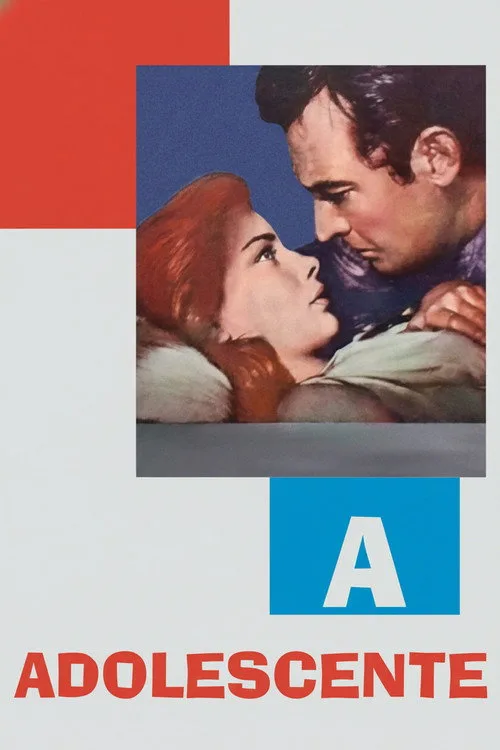 7.0
7.0
-
Dois Lados de um Crime
 6.3
6.3
-
A Visita
 7.2
7.2
-
Linda
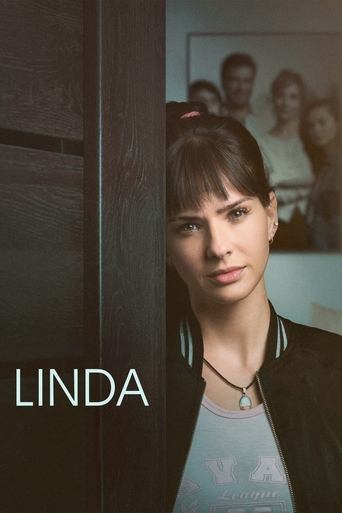 7.2
7.2
-
Hotel Coppelia
 7.7
7.7
-
Rogue Agent
 6.3
6.3
-
Os Dois Hemisférios de Lucca
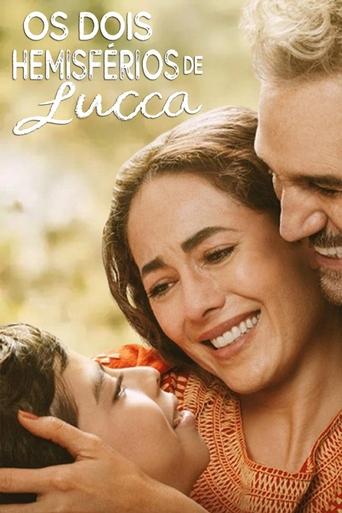 7.3
7.3
Crew
- Fernando Arribas Cinematography
- José Luis García Sánchez Director
- Pablo G. del Amo Editing
- Diego Santillán Writer
- Enrique Llovet Writer
- José Luis García Sánchez Writer
- Ramón del Valle-Inclán Writer
Questions about this film
What is Divine Words about?
Divine Words: A work of Valle-Inclán, the story takes place in Galicia in the early twentieth century. To escape poverty, the wife of a sacristan uses a hydrocephalic child as a sideshow attraction. This causes a confrontation with her sister-in-law.
Who directed Divine Words?
Divine Words was directed by José Luis García Sánchez in 1987.
Who stars in Divine Words?
The cast of Divine Words includes Ana Belén, Imanol Arias, Francisco Rabal, Esperanza Roy and Aurora Bautista.
How long is Divine Words?
Divine Words runs for 107 minutes, or 1h47.
Similar films
 8.7
8.7
 8.5
8.5
 8.7
8.7
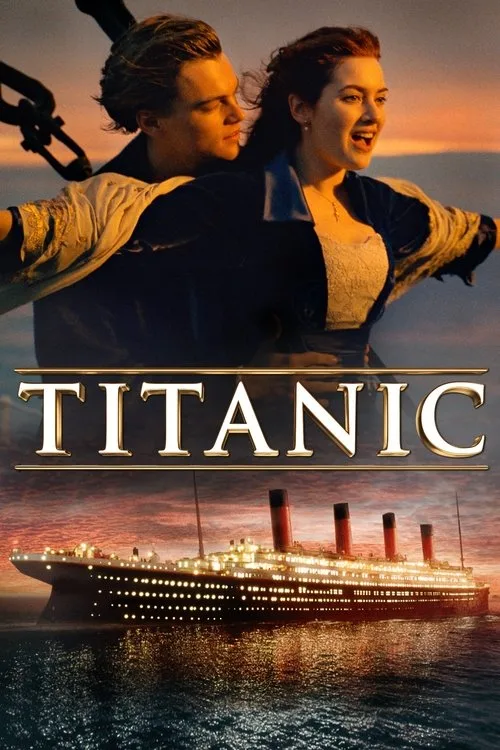 7.9
7.9
 8.4
8.4
 8.5
8.5
 8.1
8.1
 8.2
8.2
 8.0
8.0
 8.2
8.2
 8.5
8.5
 8.5
8.5
Page updated on 09/14/2026.
Back to the catalogue