Divorce Italian Style (1961)
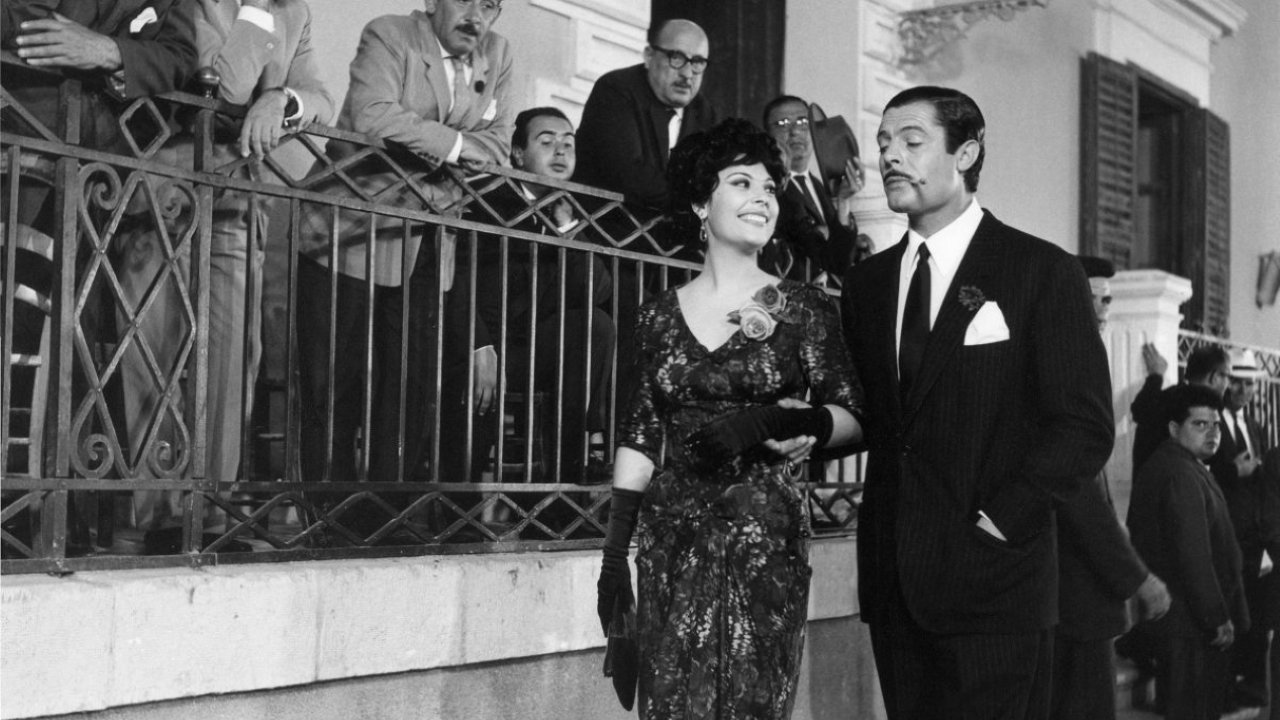
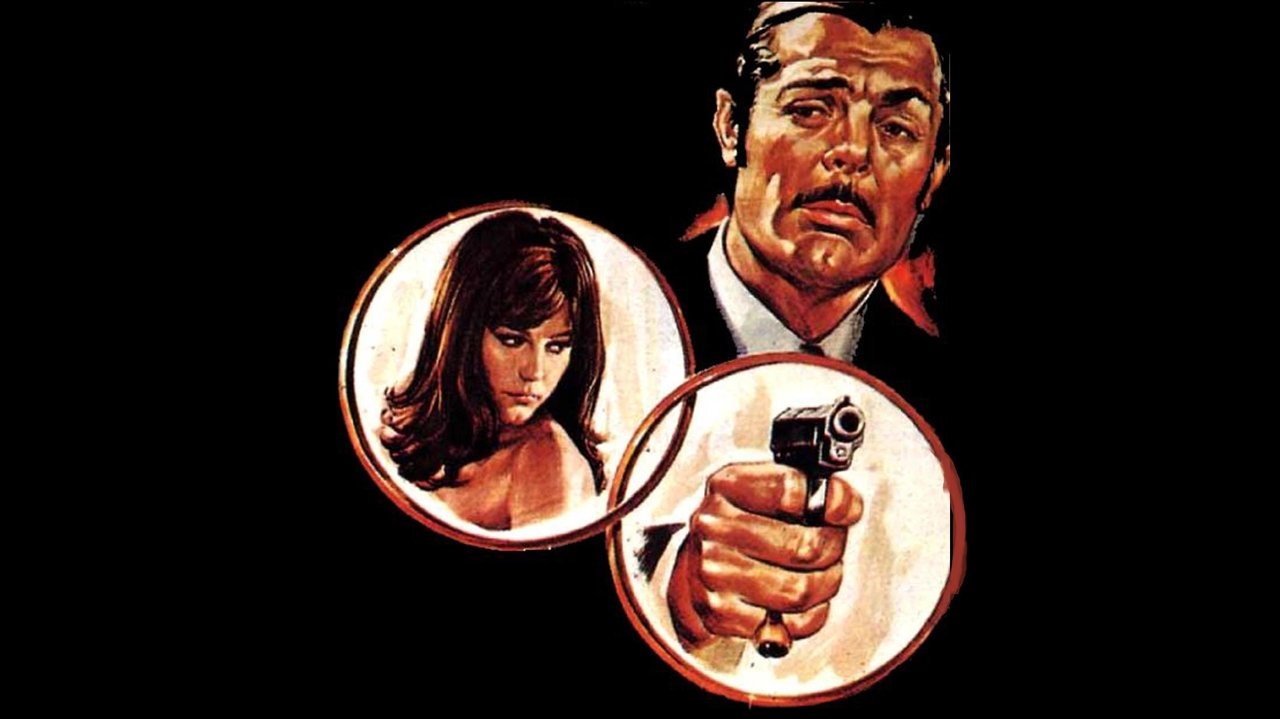
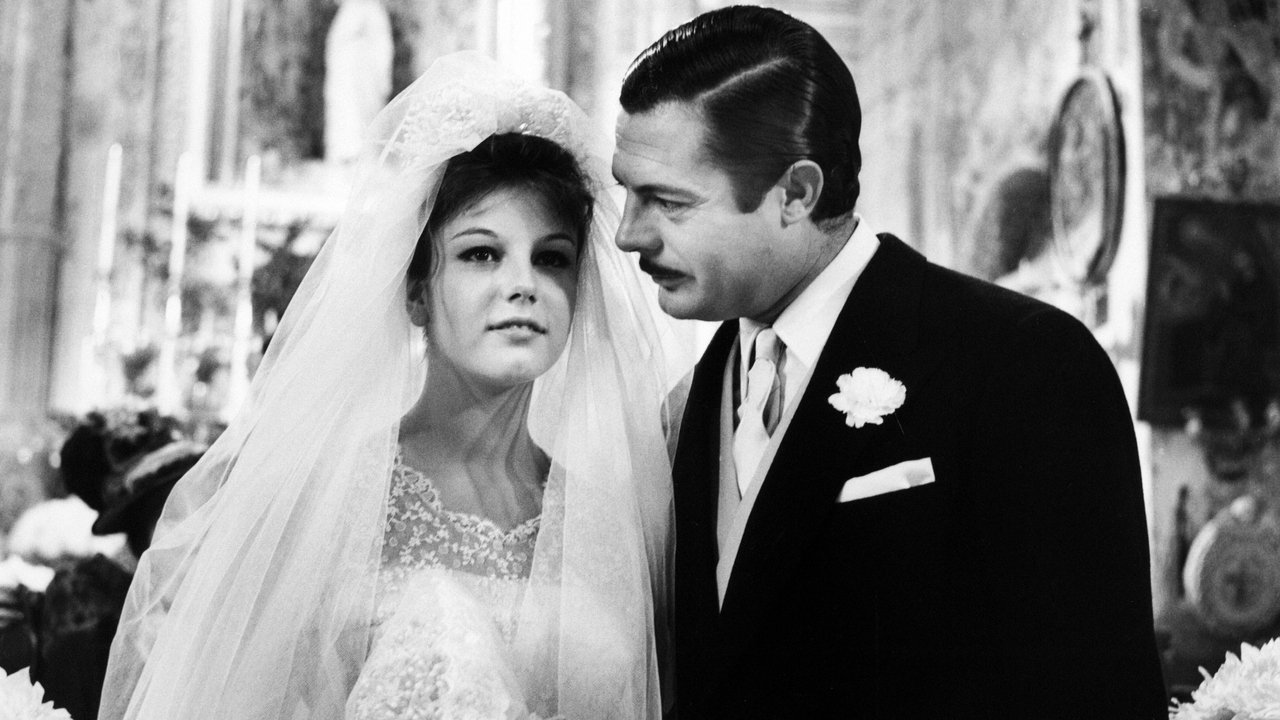
Divorce Italian Style (1961), directed by Pietro Germi, starring Marcello Mastroianni and Daniela Rocca.
score
He ordered marriage on the rocks with a twist... Italian Style!
Synopsis
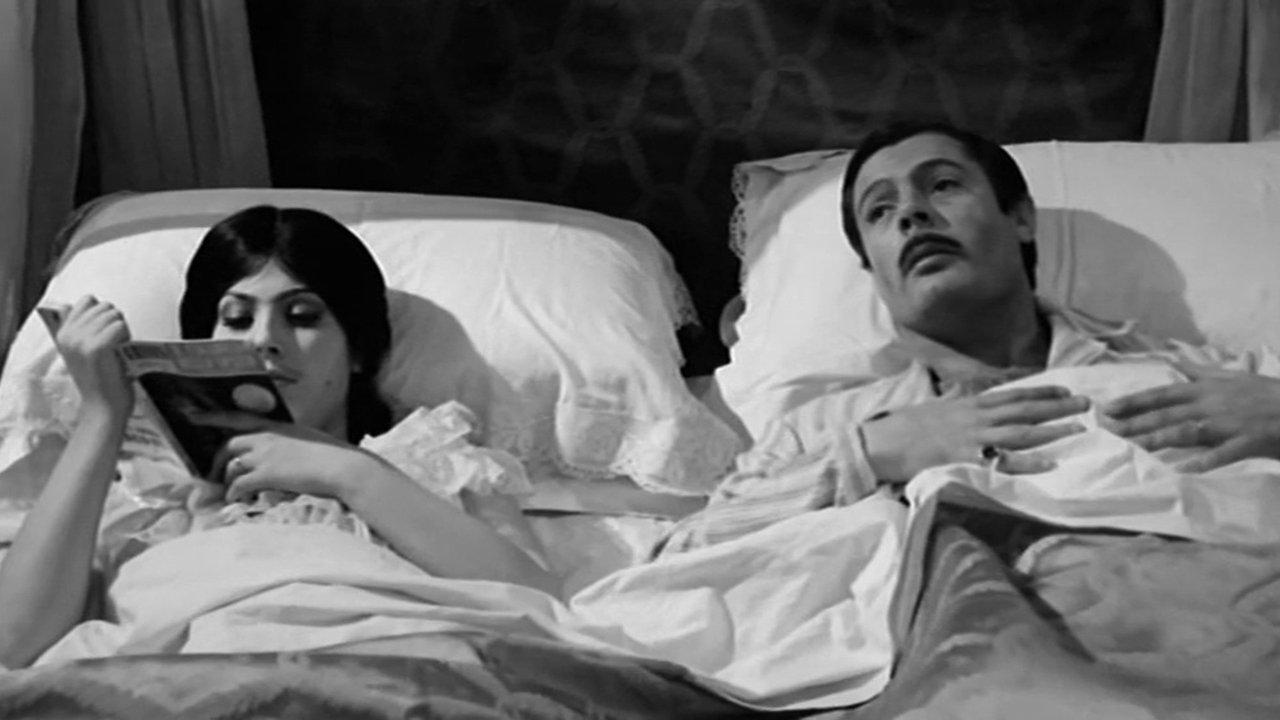
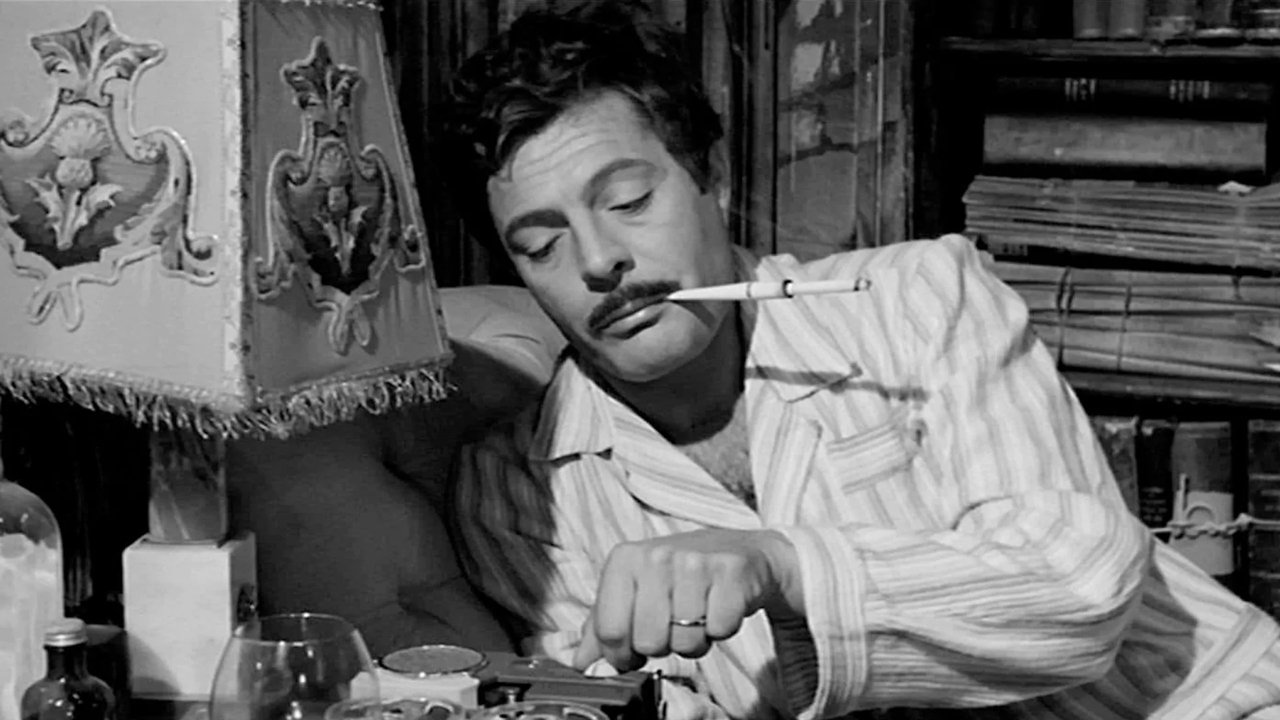
Ferdinando Cefalù is desperate to marry his cousin, Angela, but he is married to Rosalia and divorce is illegal in Italy. To get around the law, he tries to trick his wife into having an affair so he can catch her and murder her, as he knows he would be given a light sentence for killing an adulterous woman. He persuades a painter to lure his wife into an affair, but Rosalia proves to be more faithful than he expected.
- Carlo Di PalmaCinematography
- Leonida BarboniCinematography
- Pietro GermiDirector, Screenplay, Story
- Roberto CinquiniEditing
About the film
Divorce Italian Style (Italian: Divorzio all'italiana) is a 1961 Italian black comedy film directed by Pietro Germi, who co-wrote the screenplay with Alfredo Giannetti, Ennio De Concini, and Agenore Incrocci, based on Giovanni Arpino's 1960 novel Un delitto d'onore (English title: A Crime of Honor). It stars Marcello Mastroianni, Daniela Rocca, Stefania Sandrelli, and Leopoldo Trieste.
In the film, an impoverished Sicilian nobleman is trapped in a loveless marriage. Divorce is illegal, so he starts fantasizing about uxoricide. In the belief that honor killings involving adultery result in light sentences for the killers, he schemes to find a lover for his wife in order to have an excuse for an honor killing. His plan meets with a number of unexpected complications.
The film won the Academy Award for Best Original Screenplay, two Golden Globe Awards and numerous other international film prizes. In 2008, it was included in the Italian Ministry of Cultural Heritage's 100 Italian films to be saved, a list of 100 films that "have changed the collective memory of the country between 1942 and 1978".
Read the full article (7k characters)
Divorce Italian Style (Italian: Divorzio all'italiana) is a 1961 Italian black comedy film directed by Pietro Germi, who co-wrote the screenplay with Alfredo Giannetti, Ennio De Concini, and Agenore Incrocci, based on Giovanni Arpino's 1960 novel Un delitto d'onore (English title: A Crime of Honor). It stars Marcello Mastroianni, Daniela Rocca, Stefania Sandrelli, and Leopoldo Trieste.
In the film, an impoverished Sicilian nobleman is trapped in a loveless marriage. Divorce is illegal, so he starts fantasizing about uxoricide. In the belief that honor killings involving adultery result in light sentences for the killers, he schemes to find a lover for his wife in order to have an excuse for an honor killing. His plan meets with a number of unexpected complications.
The film won the Academy Award for Best Original Screenplay, two Golden Globe Awards and numerous other international film prizes. In 2008, it was included in the Italian Ministry of Cultural Heritage's 100 Italian films to be saved, a list of 100 films that "have changed the collective memory of the country between 1942 and 1978".
Plot
In the Sicilian town of Agramonte, Ferdinando Cefalù, a 37-year-old impoverished nobleman, has been married for 12 years to Rosalia, a devoted wife he no longer loves. He is in love with his 16-year-old cousin Angela, whom he sees only during the summer because her family sends her away to Catholic school in the city. Besides his wife, he shares his life with his elderly parents, his sister, and her fiancé, a funeral director. The family share their once stately palace with his uncles, who are slowly but surely eating away the remainders of their once-rich estate.
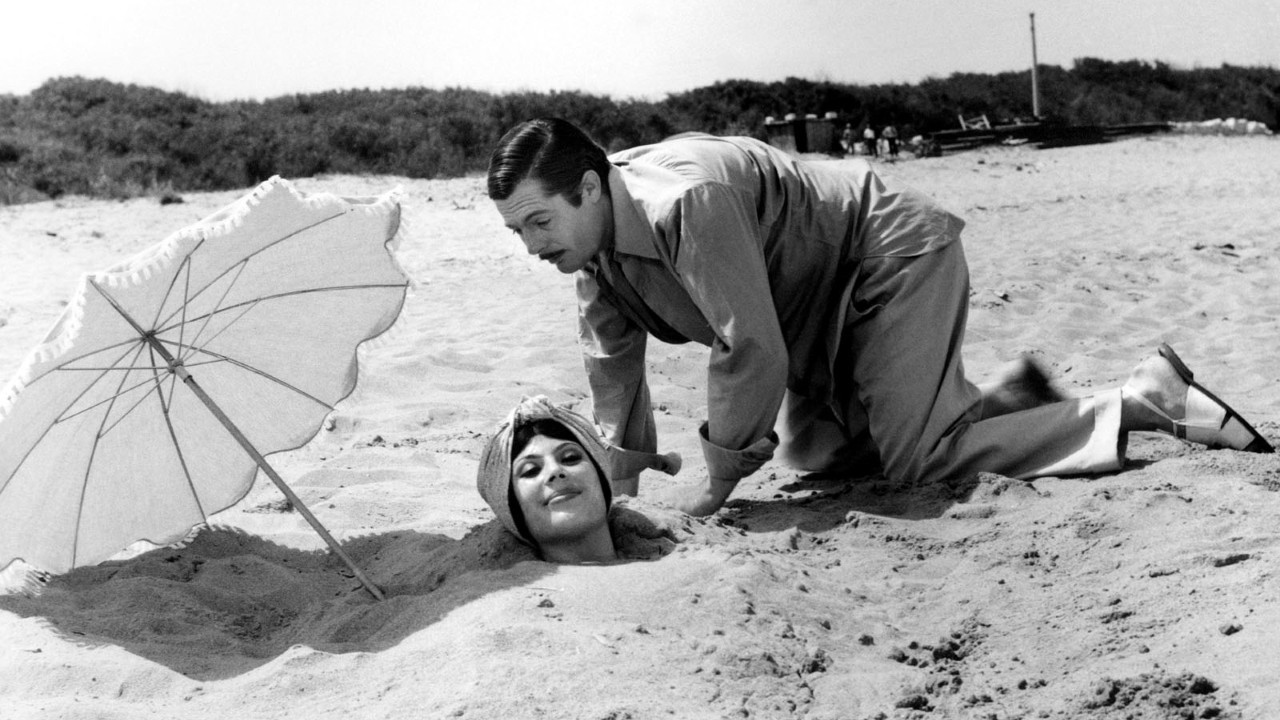
Aware that divorce is illegal, Ferdinando fantasizes about killing Rosalia, such as by throwing her into a boiling cauldron, sending her into space in a rocket, or drowning her in quicksand. After a chance encounter with Angela during a family trip, he discovers that she shares his feelings.
Inspired by a local story of a woman who killed her husband in a fit of jealousy, Ferdinando resolves to lead his wife into having an affair so that he can catch her in flagrante delicto, murder her, and receive a light sentence for committing an honor killing. He first needs to find a suitable lover for his wife, whom he finds in the local priest's godson, Carmelo Patanè, a painter who has had feelings for Rosalia for years. For a time, he was presumed killed during World War II. Ferdinando also procures the State Prosecutor's friendship with a small favor. The final stage of his plan is to arrange for Carmelo's constant presence in his house, which he achieves by feigning interest in having his palace frescoes restored.
Carmelo is timid with Rosalia, and she is initially committed to conjugal fidelity. Ferdinando tapes their private conversations and has to ward off the maid Sisina's infatuation with Carmelo. After Carmelo makes a pass at Sisina, she tells the priest, Carmelo's godfather, in confession, who informs her that Carmelo is married with three children. She relays that information to Ferdinando. Rosalia and Carmelo finally give in to their passion, but the tape of their conversation runs out just as they are arranging their next meeting. All Ferdinando knows is that it will take place the next evening.
Rosalia feigns a headache and remains home while the rest of the family goes to the cinema to see the local première of La Dolce Vita, a film so scandalous that no one wants to miss it. Ferdinando sneaks out of the cinema and returns home, arriving just in time to see Rosalia leaving for the train station. He retrieves his gun to kill her, but arrives at the station just after their train departs. He revisits his plan and the Criminal Code. It defines a crime of passion as executed in the heat of the moment or in defense of one's honor, so he embraces the role of a cuckold.
All along, Angela has been writing Ferdinando to assure him of her undying love for him. Her last letter is misdelivered to her father, who dies of a heart attack upon reading it. At the funeral, Ferdinando is approached by Mrs. Patanè, who demands to know what he will do about their situation. After he responds noncommittally, she spits in his face in front of the entire town, which gives him what he needs: an open insult to the family's honor due to his wife's elopement.
The local Mafia boss offers to find the lovers within 24 hours, which he does. As Ferdinando goes to the lovers' hideout, he hears Mrs. Patanè kill Carmelo. He follows suit and kills Rosalia. At his trial, he is defended by the State Prosecutor, who blames the incident on Ferdinando's father, declaring that he failed to give his son enough love when raising him as a boy. Ferdinando is released from prison after three years and returns to Agramonte, where he finally marries Angela.
Months later, Ferdinando and Angela are happily sailing at sea. As they kiss, Angela seductively rubs her foot against that of the young helmsman piloting the boat.
Cast
Release
Divorce Italian Style was released in Rome in December 1961.
Reception
Box office
When Divorce Italian Style was released in the United States, it earned theatrical rentals of $803,666 in 1962 and a further $1,449,347 in 1963 for a total of $2,252,013 in the United States and Canada. It was still in release in 1964.
Critical response
On the review aggregator website Rotten Tomatoes, the film holds an approval rating of 100% based on 18 reviews, with an average rating of 8.6/10. Upon release in the United States, Bosley Crowther of The New York Times called it "one of the funniest pictures the Italians have sent along" and praised Germi as "a genius with the sly twist". James Powers of The Hollywood Reporter praised the "mocking, sardonic farce" as "bold, irreverent, and human to the bone", and he predicted it would be successful in the United States due its dual nature as both an arthouse film and a film that achieves general appeal. Variety gave the film a positive review, calling the satire "a penetrating, almost brutal glimpse of Sicily and its antiquated way of life."
Accolades
Adaptations
In 2008, Giorgio Battistelli adapted Divorce Italian Style into an opera, Divorce à l'Italienne, which premiered by the Opéra national de Lorraine on 30 September of that year with tenor Wolfgang Ablinger Sperrhacke in Mastroianni's role. Battistelli chose to set every female role except Angela for low male voice; Bruno Praticò sang the role of Rosalia.
See also
Marriage Italian Style
Notes
References
External links
Divorce Italian Style at IMDb
Divorce Italian Style at AllMovie
Divorce Italian Style at the TCM Movie Database (archived)
Divorce Italian Style: The Facts (and Fancies) of Murder – an essay by Stuart Klawans at The Criterion Collection
Text from Divorce Italian Style on Wikipedia, licensed CC BY-SA 4.0. https://en.wikipedia.org/wiki/Divorce_Italian_Style
Trivia
- It premiered on December 20, 1961, a Wednesday.
- It runs 1h45 — a typical feature length.
- Its original title is "Divorzio all'italiana".
- It won 1 award(s) and received 3 nomination(s) on record at Wikidata — Academy Award for Best Writing, Original Screenplay among them.
- This film's quiz has 12 questions — enough to play more than once without repeats.
Production
- StudiosGalatea Film, Lux Film, Vides Cinematografica
- CountriesItaly
- LanguagesItalian
- StatusReleased
More about this film
Awards
- Academy Award for Best Writing, Original Screenplay 1963
Nominations
- Academy Award for Best Director 1963
- Academy Award for Best Actor 1963
- Academy Award for Best Writing, Original Screenplay 1963
Filming locations
- Sicily
- Catania
Set in
- Italy
Videos
Photos
Cast
-
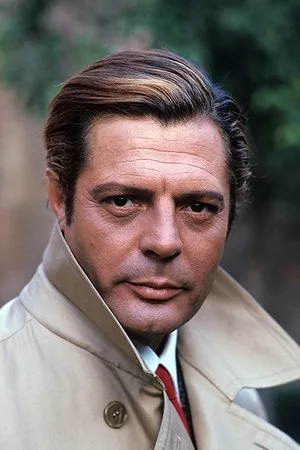 Marcello Mastroianni
Ferdinando Cefalù
Marcello Mastroianni
Ferdinando Cefalù -
 Daniela Rocca
Rosalia Cefalù
Daniela Rocca
Rosalia Cefalù -
 Stefania Sandrelli
Angela
Stefania Sandrelli
Angela -
 Leopoldo Trieste
Carmelo Patanè
Leopoldo Trieste
Carmelo Patanè -
 Odoardo Spadaro
Don Gaetano Cefalù
Odoardo Spadaro
Don Gaetano Cefalù - Margherita Girelli Sisina
- Angela Cardile Agnese Cefalù
-
 Lando Buzzanca
Rosario Mulè
Lando Buzzanca
Rosario Mulè -
 Pietro Tordi
Attorney De Marzi
Pietro Tordi
Attorney De Marzi - Ugo Torrente Don Calogero
- Antonio Acqua Priest
-
 Bianca Castagnetta
Donna Matilde Cefalù
Bianca Castagnetta
Donna Matilde Cefalù - Giovanni Fassiolo Don Ciccio Matara
- Ignazio Roberto Daidone
- Francesco Nicastro
- Edy Nogara
-
 Renato Pinciroli
-
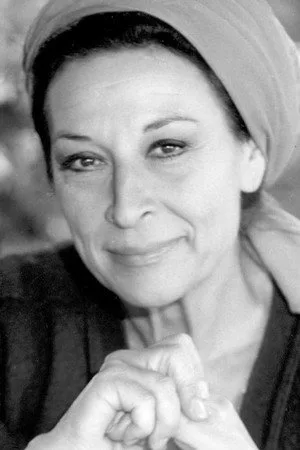 Daniela Igliozzi
- Laura Tomiselli Aunt Fifidda
-
 Saro Arcidiacono
Dr. Talamone (uncredited)
Saro Arcidiacono
Dr. Talamone (uncredited)
Quiz about this movie
Questions from the whole catalogue.
Play nowIf you liked this one
-
The Con Artists
 7.0
7.0
-
Confessions of a Lady Cop
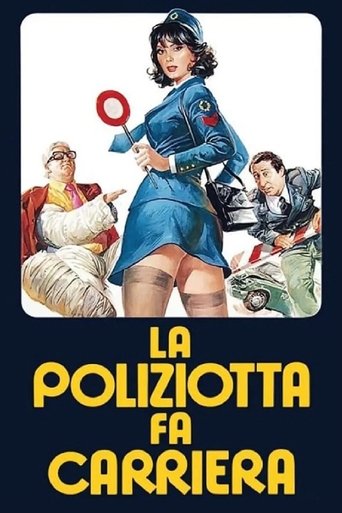 6.0
6.0
-
Máfia no Divã
 6.5
6.5
-
A Girl in Australia
 6.6
6.6
-
Bagnomaria
 5.9
5.9
-
Infelici e contenti
 5.9
5.9
-
Complexes Comedy from the 1960s
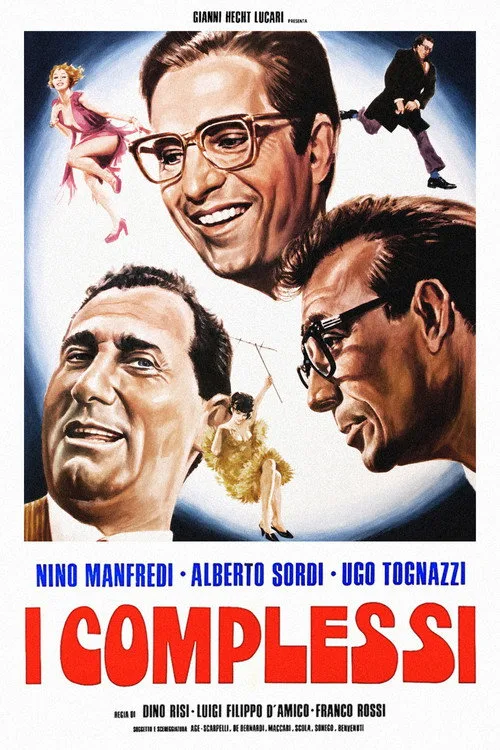 7.0
7.0
-
The Treasure of San Gennaro Comedy from the 1960s
 7.4
7.4
-
Um Golpe Muito Louco
 6.2
6.2
-
Psych 2: Lassie está de Volta
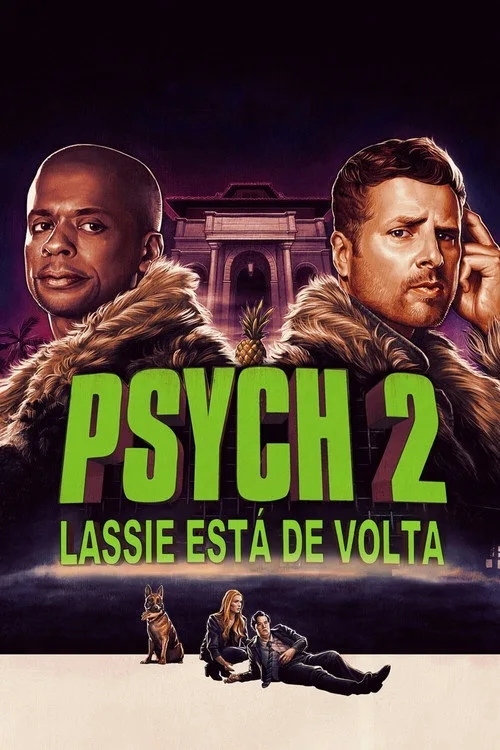 7.0
7.0
-
Troca de Maridos
 6.1
6.1
-
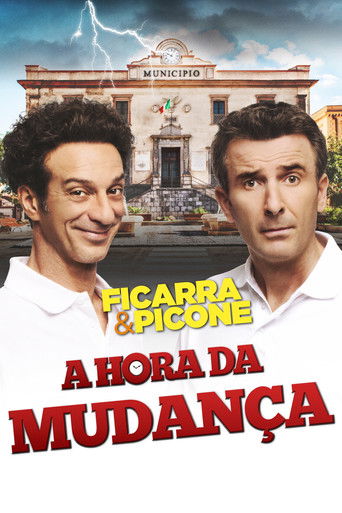
A Hora da Mudança
 6.6
6.6
Tags
Crew
- Carlo Di Palma Cinematography
- Leonida Barboni Cinematography
- Pietro Germi Director
- Roberto Cinquini Editing
- Franco Cristaldi Producer
- Carlo Rustichelli Original music
- Alfredo Giannetti Screenplay
- Alfredo Giannetti Story
- Ennio De Concini Story
- Ennio De Concini Screenplay
- Pietro Germi Screenplay
- Pietro Germi Story
Questions about this film
What is Divorce Italian Style about?
Divorce Italian Style: Ferdinando Cefalù is desperate to marry his cousin, Angela, but he is married to Rosalia and divorce is illegal in Italy. To get around the law, he tries to trick his wife into having an affair so he can catch her and murder her, as he knows he would be given a light sentence for killing an adulterous woman. He persua…
Who directed Divorce Italian Style?
Divorce Italian Style was directed by Pietro Germi in 1961.
Who stars in Divorce Italian Style?
The cast of Divorce Italian Style includes Marcello Mastroianni, Daniela Rocca, Stefania Sandrelli, Leopoldo Trieste and Odoardo Spadaro.
How long is Divorce Italian Style?
Divorce Italian Style runs for 105 minutes, or 1h45.
What awards did Divorce Italian Style win?
Divorce Italian Style has 1 recorded awards, among them Academy Award for Best Writing, Original Screenplay.
Similar films
 8.5
8.5
 8.0
8.0
 7.3
7.3
 7.6
7.6
 7.8
7.8
 7.8
7.8
 7.0
7.0
 6.9
6.9
 7.8
7.8
 6.9
6.9
 8.0
8.0
 7.1
7.1
Page updated on 09/10/2026.
Back to the catalogue