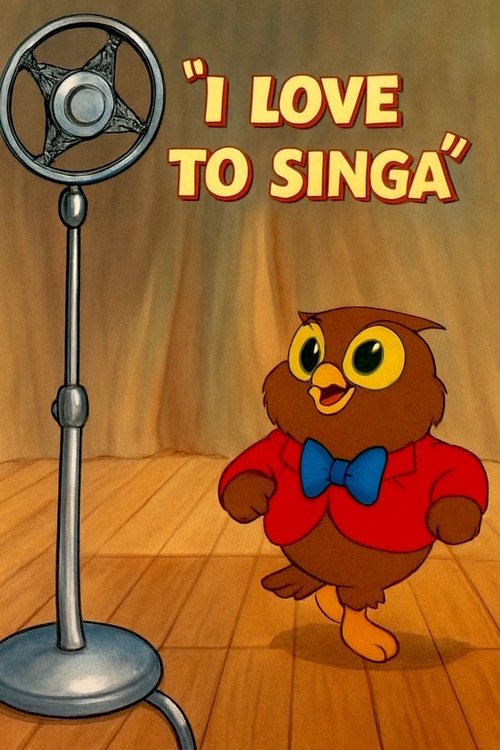
I Love to Singa (1936)
I Love to Singa (1936), directed by Tex Avery, starring Billy Bletcher and Tommy Bond.
score
Synopsis
A stern classical music teacher becomes a father of four musically-inclined sons, but when one of them demonstrates a preference for jazz music, his father kicks him out of the house.
- Tex AveryDirector, Story
- Treg BrownEditing
- Leon SchlesingerProducer
- Norman SpencerOriginal music
About the film
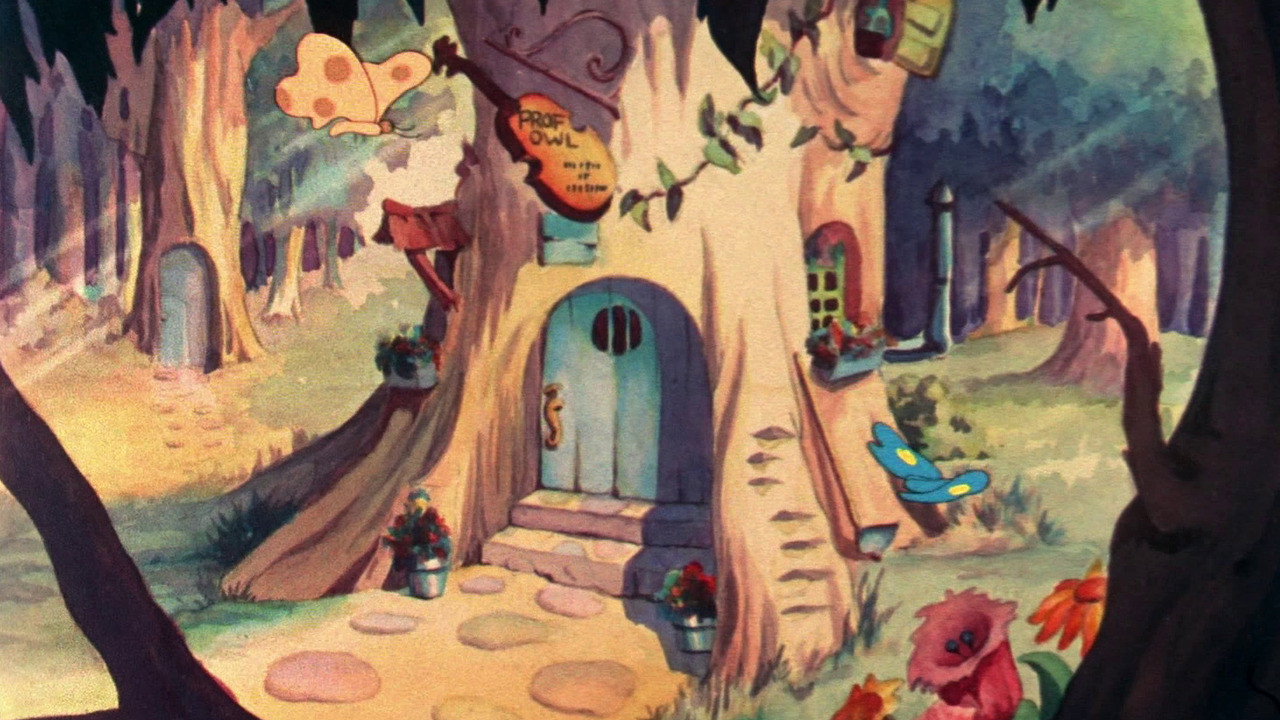
I Love to Singa is a 1936 American animated comedy short film directed by Fred Avery. The short was released on July 18, 1936. It is the 61st film in the Merrie Melodies series. It was re-released as a "Blue Ribbon" reissue in 1944. The film's plot is a tribute to the 1927 film The Jazz Singer, the first sound film to be released widely.
Read the full article (4k characters)
I Love to Singa is a 1936 American animated comedy short film directed by Fred Avery. The short was released on July 18, 1936. It is the 61st film in the Merrie Melodies series. It was re-released as a "Blue Ribbon" reissue in 1944. The film's plot is a tribute to the 1927 film The Jazz Singer, the first sound film to be released widely.
Plot
The owl violinist, Professor Fritz Owl, witnesses the birth of his four children, including an opera singer, a violinist, a flute player, and to his horror, a jazz singer which goes against his ideals of classical music. The child is forced to sing "Drink to Me Only with Thine Eyes" while his mother plays the organ, occasionally sneaking in snippets of the titular song, which leads to him being thrown out of the house by an angry Professor Fritz Owl.
The owlet gleefully sings as he wanders away, while his parents regret having thrown him out of the house. He notices an amateur singing contest held at a radio station, hosted by Jack Bunny, a caricature of Jack Benny, who is dissatisfied by the sheer lack of talent in enthusiastic amateurs and sends them down a hatch. While the secretary reads a telegram, reading out all the stop signs much to the chagrin of a co-worker, the owlet calls himself "Owl Jolson" (a reference to Al Jolson) and manages to impress Jack. Fritz and his family hear him on the radio, realizing their mistakes, and run to the radio station. The owlet spots his family and switches to "Drink to Me Only with Thine Eyes", risking disqualification, but his family bursts in to reassure him. They dance to his singing and later join in, while Jack presents the first prize to the owlet, which he grabs during the iris out.
Music
As with several early Warner cartoons, this cartoon is in a sense a music video designed to popularize the song and increase sales of sheet music and recordings; a major source of income for Warner Bros. The song "I Love to Singa" was first written by Harold Arlen and E.Y. Harburg for the 1936 Warner Bros. feature-length film The Singing Kid. It is performed three times in the film: first by Al Jolson and Cab Calloway, then by the Yacht Club Boys and Jolson, and finally again by Calloway and Jolson. During this period, it was customary for Warners to have their animation production partner, Leon Schlesinger Productions, make Merrie Melodies cartoons based upon songs from their features.
Reception
The cartoon has become a cult classic, with a pervasive impact on popular culture. The short, one of the earliest Merrie Melodies produced in Technicolor's then-new three-color process (Process 4), is recognized as one of director Tex Avery's early masterpieces. Musicologist Daniel Goldmark writes, "I Love to Singa may be one of the most instantly endearing cartoons Warner Bros. ever created. The story combines two themes that are as popular then as they are now—a child breaking away from his parents and contesting chasing the 'rags-to-riches' promise of amateur shows." Animation historian Jerry Beck agrees, "While not as wacky as Tex Avery's later works, I Love to Singa is still the perfect metaphor for the changes this great director brought to the studio. Instead of following stuffy cartoon convention, Tex taught his peers to march to their own drummers."
Legacy
An audio sample of Owl Jolson singing "I Love to Singa" is sung by Eric Cartman in the pilot episode of South Park, "Cartman Gets an Anal Probe", which originally aired on August 13, 1997.
A scene of the short with the owlet singing is seen briefly a couple of times in the 2003 film Looney Tunes: Back in Action when Mr. Chairman tries to tune his television.
Home media
VHS – Cartoon Moviestars Porky!
LaserDisc – Cartoon Moviestars Daffy and Porky!
VHS – The Golden Age of Looney Tunes
LaserDisc – The Golden Age of Looney Tunes
DVD – Happy Feet
DVD – Looney Tunes Golden Collection: Volume 2
Blu-ray/DVD – Looney Tunes Platinum Collection: Volume 1
Blu-ray/DVD – The Jazz Singer
References
External links
I Love to Singa at IMDb
I Love To Singa (1936) on the Internet Archive
Text from I Love to Singa on Wikipedia, licensed CC BY-SA 4.0. https://en.wikipedia.org/wiki/I_Love_to_Singa
Trivia
- It premiered on July 18, 1936, a Saturday.
- This film's quiz has 10 questions — enough to play more than once without repeats.
Production
- StudiosLeon Schlesinger Productions, Warner Bros. Pictures
- CountriesUnited States
- LanguagesEnglish
- StatusReleased
Cast
-
 Billy Bletcher
Professor Fritz Owl (voice)
Billy Bletcher
Professor Fritz Owl (voice) -
 Tommy Bond
Owl Jolson (voice)
Tommy Bond
Owl Jolson (voice) -
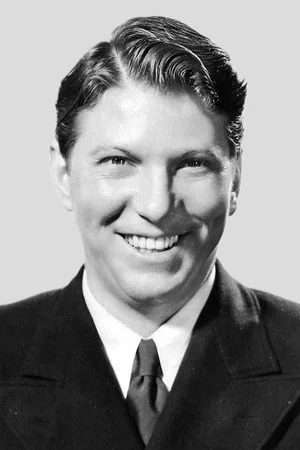 Johnnie Davis
Owl Jolson (singing voice)
Johnnie Davis
Owl Jolson (singing voice) -
 Joe Dougherty
Stuttering Bird (voice)
Joe Dougherty
Stuttering Bird (voice) -
 Bernice Hansen
Fat Chicken Singer (voice)
Bernice Hansen
Fat Chicken Singer (voice) -
 Martha Wentworth
Mother (voice)
Martha Wentworth
Mother (voice) -
 Tedd Pierce
Jack Bunny (voice)
Tedd Pierce
Jack Bunny (voice)
Quiz about this movie
Questions from the whole catalogue.
Play nowIf you liked this one
-
Sing: Thriller
 7.2
7.2
-
A Galinha Esperta Animation from the 1930s
 6.6
6.6
-
Ferdinando - O Touro Animation from the 1930s
 6.7
6.7
-
1001 Histórias do Pernalonga
 7.2
7.2
-
O Novo Carro do Mike
 6.9
6.9
-
Curtas dos Minions 2
 7.4
7.4
-
Os Três Porquinhos Animation from the 1930s
 6.9
6.9
-
Snoopy Apresenta: Seja Bem-vindo, Franklin!
 7.7
7.7
-
O Filme Looney, Looney, Looney do Pernalonga
 7.3
7.3
-
Tigrão: O Filme
 6.7
6.7
-
Luxo Jr.
 7.0
7.0
-
O Maravilhoso Mundo de Mickey Mouse: Confusões Nostálgicas
 6.9
6.9
Tags
Crew
- Tex Avery Director
- Treg Brown Editing
- Leon Schlesinger Producer
- Norman Spencer Original music
- Salvadore Cammarano Original music
- Cal Howard Story
- Rich Hogan Story
- Tex Avery Story
Questions about this film
What is I Love to Singa about?
I Love to Singa: A stern classical music teacher becomes a father of four musically-inclined sons, but when one of them demonstrates a preference for jazz music, his father kicks him out of the house.
Who directed I Love to Singa?
I Love to Singa was directed by Tex Avery in 1936.
Who stars in I Love to Singa?
The cast of I Love to Singa includes Billy Bletcher, Tommy Bond, Johnnie Davis, Joe Dougherty and Bernice Hansen.
How long is I Love to Singa?
I Love to Singa runs for 8 minutes, or 0h08.
Similar films
-
 7.1
7.1
Sing
2016
-
 7.8
7.8
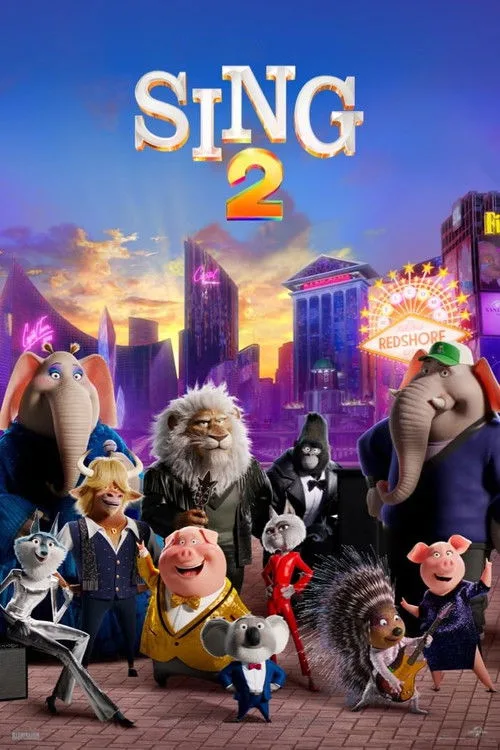
Sing 2
2021
-
 8.0
8.0
KPop Demon Hunters
2025
-
 5.7
5.7
Alvin and the Chipmunks: The Squeakquel
2009
-
 7.2
7.2
Trolls World Tour
2020
-
 5.7
5.7
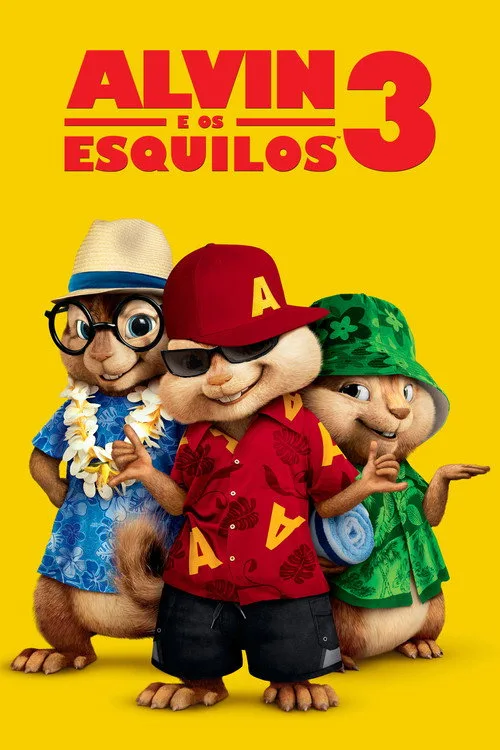
Alvin and the Chipmunks: Chipwrecked
2011
-
 7.2
7.2
Ballerina
2016
-
 6.0
6.0
Alvin and the Chipmunks: The Road Chip
2015
-
 7.2
7.2
Trolls Band Together
2023
-
 6.6
6.6
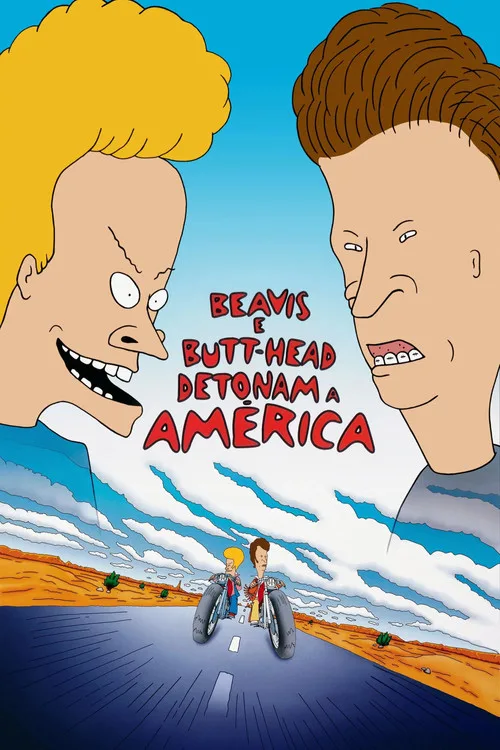
Beavis and Butt-Head Do America
1996
-
 7.2
7.2
Vivo
2021
-
 7.3
7.3
One Man Band
2005
Page updated on 09/11/2026.
Back to the catalogue