

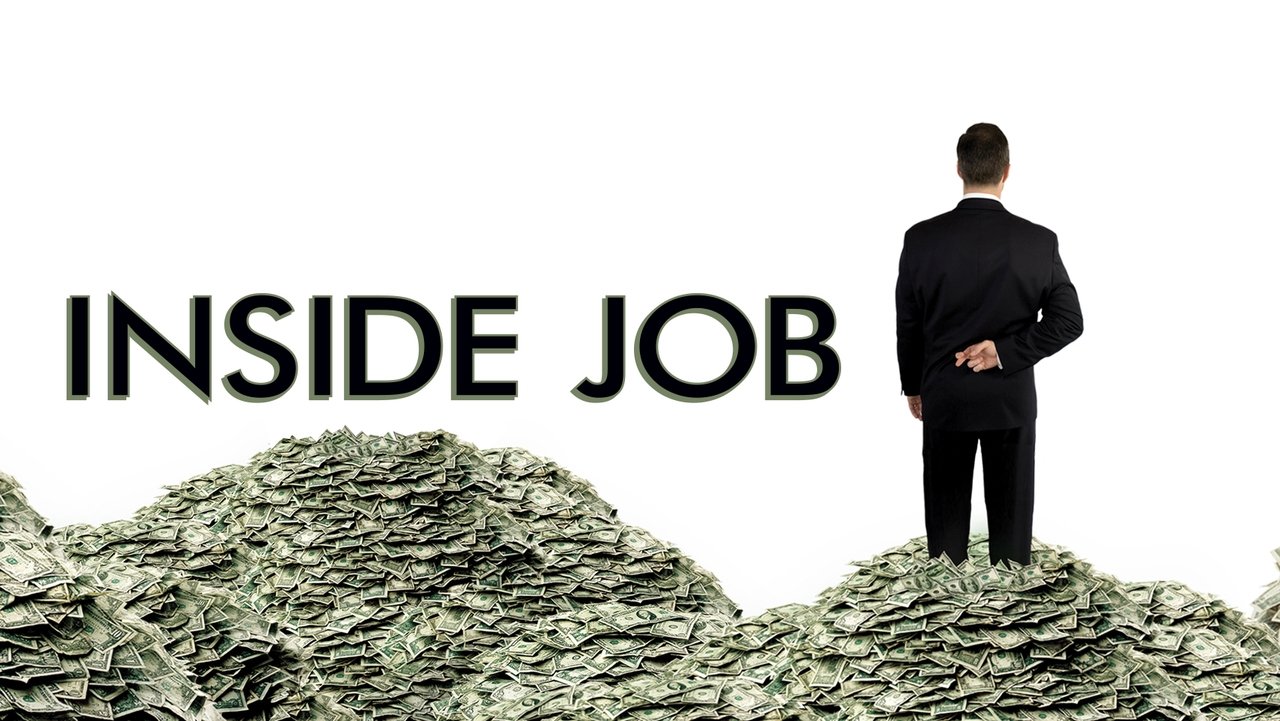
Inside Job (2010)
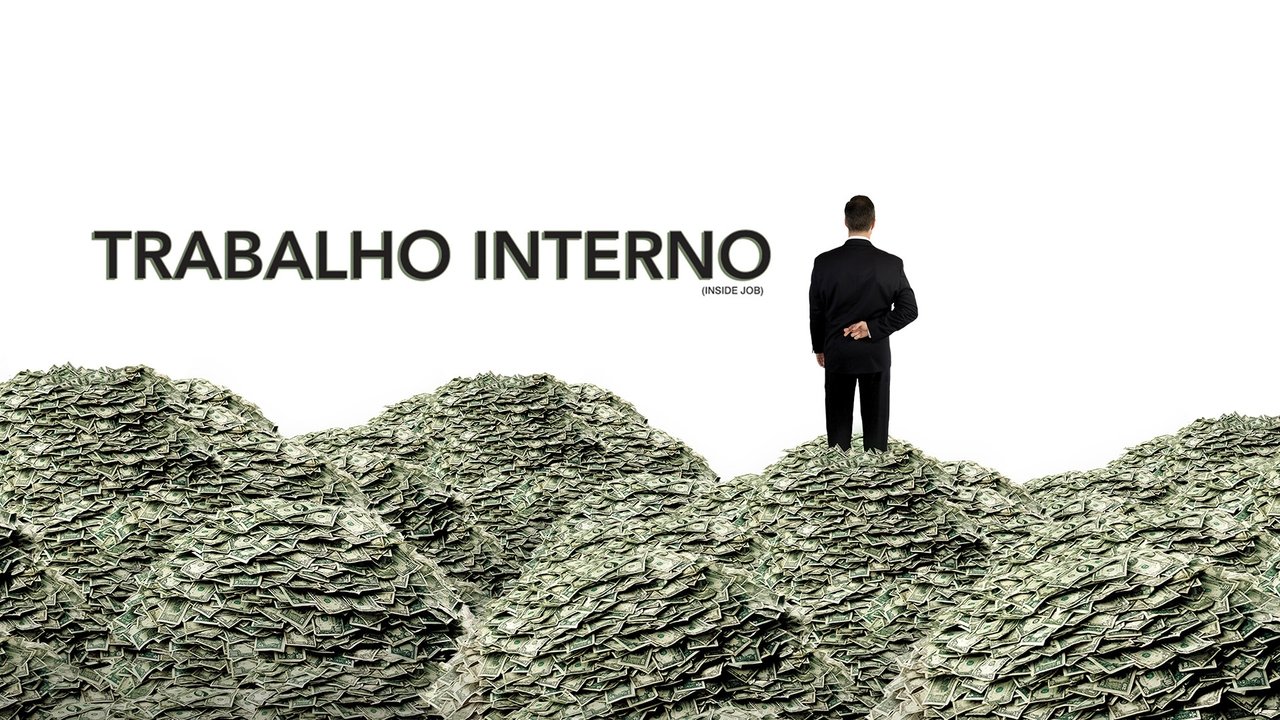
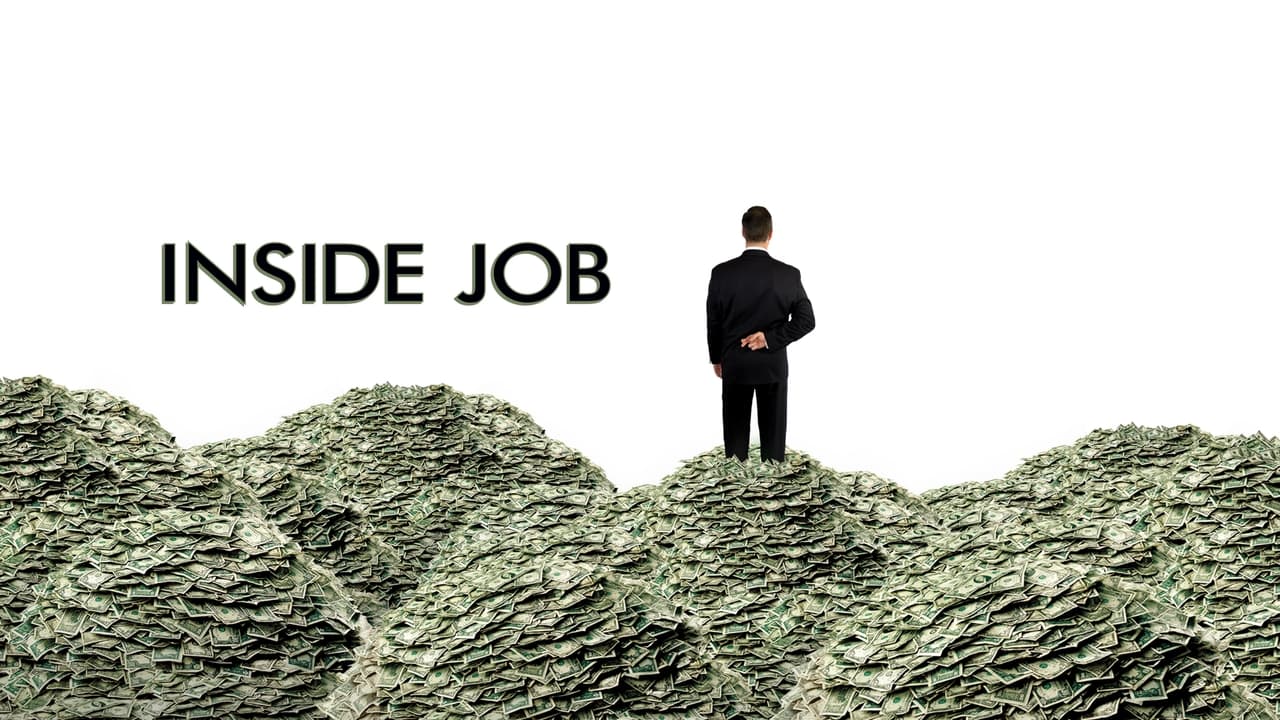
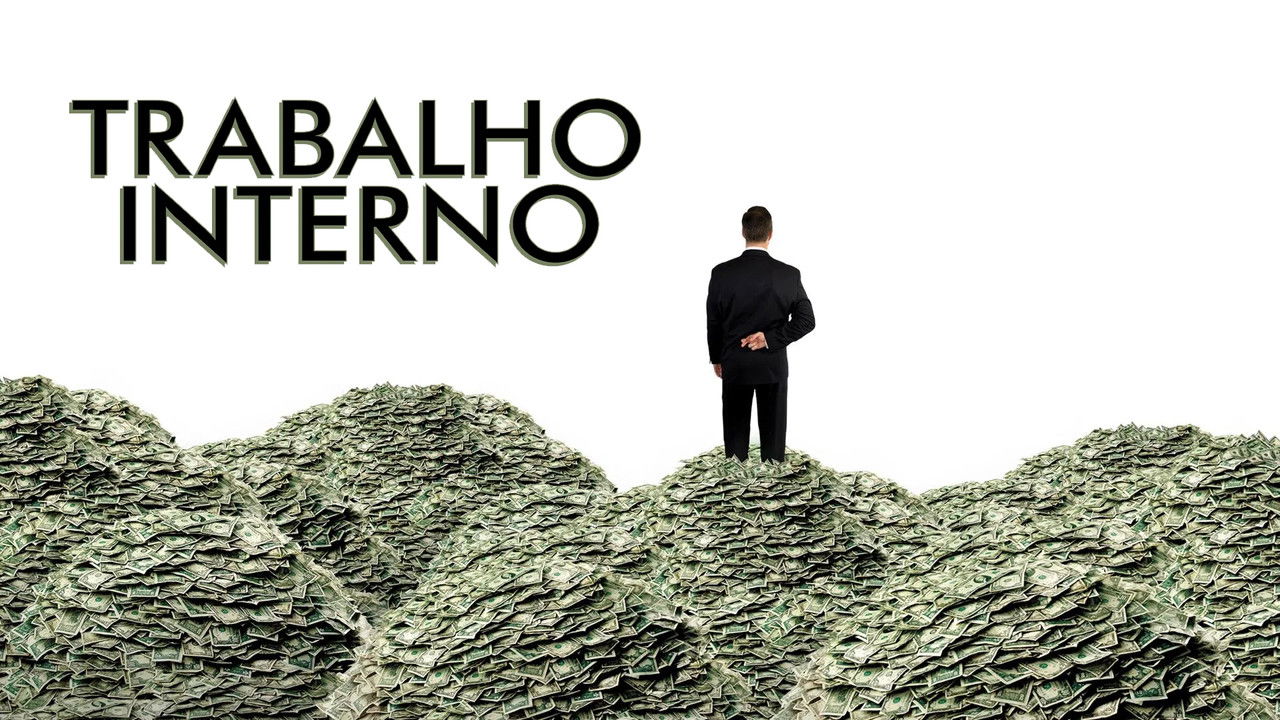
Inside Job (2010), directed by Charles Ferguson, starring Matt Damon and Bill Ackman.
score
The film that cost over $20,000,000,000,000 to make.
Synopsis
A film that exposes the shocking truth behind the economic crisis of 2008. The global financial meltdown, at a cost of over $20 trillion, resulted in millions of people losing their homes and jobs. Through extensive research and interviews with major financial insiders, politicians and journalists, Inside Job traces the rise of a rogue industry and unveils the corrosive relationships which have corrupted politics, regulation and academia.
- Kaylanee MamCinematography
- Svetlana CvetkoCinematography
- Charles FergusonDirector, Producer, Writer
- Adam BoltEditing
About the film
Inside Job is a 2010 American documentary film, directed by Charles Ferguson, about the 2008 financial crisis. Ferguson, who began researching in 2008, said the film is about "the systemic corruption of the United States by the financial services industry and the consequences of that systemic corruption", amongst them conflicts of interest of academic research, which led to improved disclosure standards by the American Economic Association. In five parts, the film explores how changes in the policy environment and banking practices led to the 2008 financial crisis.
The film was acclaimed by film critics, who praised its pacing, research, and exposition of complex material. It was screened at the 2010 Cannes Film Festival in May 2010 and, on February 27, 2011, won Best Documentary Feature at the 83rd Academy Awards.
Read the full article (9k characters)
Inside Job is a 2010 American documentary film, directed by Charles Ferguson, about the 2008 financial crisis. Ferguson, who began researching in 2008, said the film is about "the systemic corruption of the United States by the financial services industry and the consequences of that systemic corruption", amongst them conflicts of interest of academic research, which led to improved disclosure standards by the American Economic Association. In five parts, the film explores how changes in the policy environment and banking practices led to the 2008 financial crisis.
The film was acclaimed by film critics, who praised its pacing, research, and exposition of complex material. It was screened at the 2010 Cannes Film Festival in May 2010 and, on February 27, 2011, won Best Documentary Feature at the 83rd Academy Awards.
Synopsis
The film begins by examining the effects of the government of Iceland's shift toward deregulation in 2000, which included the privatization of its banks. When Lehman Brothers went bankrupt and AIG collapsed, Iceland and the rest of the world went into a global recession.
Part I: How We Got Here
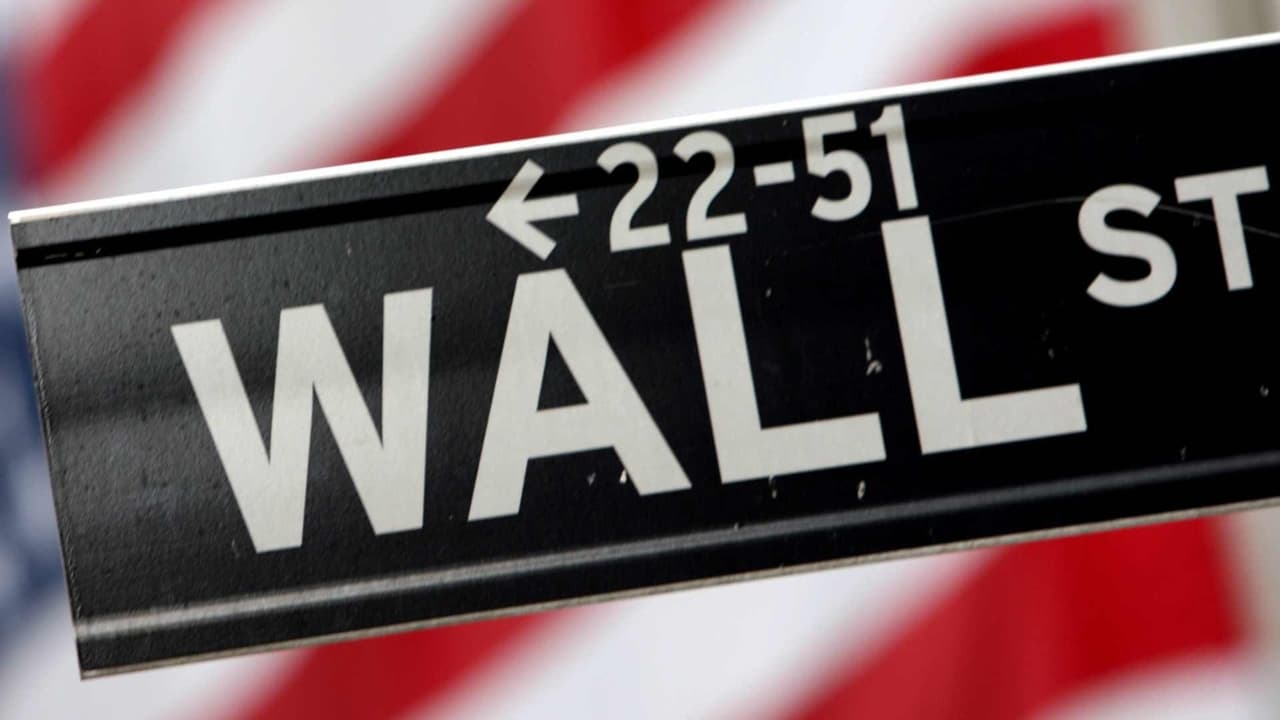
The American financial industry was regulated from 1941 to 1981, followed by a long period of deregulation. At the end of the 1980s, a savings and loan crisis cost taxpayers approximately $124 billion. In the late 1990s, the financial sector had consolidated into a few giant firms. In March 2000, the Internet stock bubble burst because investment banks promoted Internet companies they knew would fail, resulting in $5 trillion in investor losses. In the 1990s, derivatives became popular in the industry and added instability. Efforts to regulate derivatives were thwarted by the Commodity Futures Modernization Act of 2000, backed by several key officials. In the 2000s, the industry was dominated by five investment banks (Goldman Sachs, Morgan Stanley, Lehman Brothers, Merrill Lynch, and Bear Stearns), two financial conglomerates (Citigroup and JPMorgan Chase), three securitized insurance companies (AIG, MBIA, AMBAC) and the three rating agencies (Moody's, Standard & Poor's, and Fitch). Investment banks bundled mortgages with other loans and debts into collateralized debt obligations (CDOs), which they sold to investors. Rating agencies gave many CDOs AAA ratings. Subprime loans led to predatory lending. Many home owners were given loans they could never repay.
Part II: The Bubble (2001–2007)
During the housing boom, the ratio of money borrowed by investment banks versus the banks' own assets reached unprecedented levels. Speculators could buy credit default swaps (CDSs), which were akin to an insurance policy, to bet against CDOs they did not own. Numerous CDOs were backed by subprime mortgages. Goldman-Sachs sold more than $3 billion worth of CDOs in the first half of 2006. Goldman also bet against the low-value CDOs, telling investors they were high-quality. The three biggest ratings agencies contributed to the problem, with AAA-rated instruments rocketing from a mere handful in 2000 to over 4,000 in 2006. There were some warnings about the growing risks in the financial system, including from Raghuram Rajan, then the chief economist of the IMF, who, at the Federal Reserve's 2005 Jackson Hole conference, identified some risks and proposed policies to address them, though former U.S. Treasury Secretary Lawrence Summers called his warnings "misguided" and Rajan himself a "luddite".
Part III: The Crisis
The market for CDOs collapsed and investment banks were left with hundreds of billions of dollars in loans, CDOs, and real estate they could not unload. The Great Recession began in November 2007, and in March 2008, Bear Stearns ran out of cash. In September, the federal government took over Fannie Mae and Freddie Mac, which had been on the brink of collapse. Two days later, Lehman Brothers collapsed. These entities all had AA or AAA ratings within days of being bailed out. Merrill Lynch, on the edge of collapse, was acquired by Bank of America. Henry Paulson and Timothy Geithner decided that Lehman must go into bankruptcy, which resulted in a collapse of the commercial paper market. On September 17, the insolvent AIG was taken over by the government. The next day, Paulson and Fed chairman Ben Bernanke asked Congress for $700 billion to bail out the banks. The global financial system became paralyzed. On October 3, 2008, President George W. Bush signed the Troubled Asset Relief Program, but global stock markets continued to fall. Layoffs and foreclosures continued with unemployment rising to 10% in the US and the European Union. By December 2008, GM and Chrysler also faced bankruptcy. Foreclosures in the U.S. reached unprecedented levels.
Part IV: Accountability
Top executives of the insolvent companies walked away with their personal fortunes intact and avoided prosecution. The executives had hand-picked their boards of directors, which handed out billions in bonuses after the government bailout. The major banks grew in power and doubled anti-reform efforts. Many academic economists who had advocated for deregulation for decades and helped shape U.S. policy still opposed reform following the 2008 financial crisis. Firms involved were the Analysis Group, Charles River Associates, Compass Lexecon, and the Law and Economics Consulting Group (LECG). Many of these economists were paid consultants to companies and other groups involved in the financial crisis, conflicts of interest that were often not disclosed in their research papers.
Part V: Where We Are Now
Tens of thousands of U.S. factory workers were laid off. The incoming Obama administration's financial reforms were weak, and there was no significant proposed regulation of the practices of ratings agencies, lobbyists, or executive compensation. Geithner became Treasury Secretary. Martin Feldstein, Laura Tyson, and Lawrence Summers were all top economic advisers to Obama. Bernanke was reappointed Chair of the Federal Reserve. European nations imposed strict regulations on bank compensation, but the U.S. resisted them.
Interviewees
Reception
Favorable response
The film was met with critical acclaim. On review aggregator website Rotten Tomatoes, it holds an approval rating of 98% based on 148 reviews, with an average rating of 8.2/10; the site's "critics consensus" reads: "Disheartening but essential viewing, Charles Ferguson's documentary explores the 2008 Global Financial Crisis with exemplary rigor." On Metacritic, the film has a weighted average score of 88 out of 100 based on 27 critics, indicating "universal acclaim", and, in 2011, Jason Dietz of Metacritic ranked the film as the best film yet made about the "ongoing financial crisis".
Roger Ebert described the film as "an angry, well-argued documentary about how the American housing industry set out deliberately to defraud the ordinary American investor". A. O. Scott of The New York Times wrote that "Mr. Ferguson has summoned the scourging moral force of a pulpit-shaking sermon. That he delivers it with rigor, restraint and good humor makes his case all the more devastating". Logan Hill of New York magazine characterized the film as a "rip-snorting, indignant documentary", noting the "effective presence" of narrator Matt Damon. Peter Bradshaw of The Guardian said it was "as gripping as any thriller", and also noted the influence of Michael Moore on the film, which he described as "a Moore film with the gags and stunts removed". Duane Byrge of the Hollywood Reporter said it deserved a "triple-A rating," writing: "'Inside Job' is no talking-heads drone. It's a lively, droll and acidic shakedown of the insiders who perpetrated this crisis." Kenneth Turan of the Los Angeles Times hailed the documentary as a "powerhouse" that presents its complex subject matter with "cinematic verve."
The film was selected for a special screening at the 2010 Cannes Film Festival. A reviewer writing from Cannes characterized it as "a complex story told exceedingly well and with a great deal of unalloyed anger".
Critical response
In 2010, economist Gene Epstein, writing for Barron's, criticized the documentary for presenting an incomplete and biased view of the 2008 financial crisis. While acknowledging elements of truth in the narrative about Wall Street greed, Epstein argued that it failed to adequately explore the proactive role of government policy in the crisis, particularly the influence of Fannie Mae and Freddie Mac.
Shawn Levy of The Oregonian rated the film B−, writing: "Whether the film's anatomy and analysis of the crash are accurate, they haven't been rendered in a way that's genuinely worth paying contemporary movie ticket prices to learn about it."
Accolades
See also
Films and series related to the 2008 financial crisis
References
External links
Official website
Inside Job at IMDb
Inside Job at the AFI Catalog of Feature Films
Inside Job at Metacritic
Inside Job at Rotten Tomatoes
IONCINEMA.com TIFF 2010 Viral: Charles Ferguson's Inside Job
Radio interview for 'It's The Economy' with Claudia Cragg KGNU
Text from Inside Job (2010 film) on Wikipedia, licensed CC BY-SA 4.0. https://en.wikipedia.org/wiki/Inside_Job_(2010_film)
Trivia
- It cost US$ 2.0 million and grossed US$ 7.9 million in theaters — 3.9 times its budget.
- It premiered on October 8, 2010, a Friday.
- It runs 1h45 — a typical feature length.
- It won 1 award(s) and received 0 nomination(s) on record at Wikidata — Academy Award for Best Documentary Feature Film among them.
- As of September 20, 2026, it is on no subscription service in Brazil — only to rent or buy on Claro video, Apple TV Store, Google Play Movies.
- This film's quiz has 15 questions — enough to play more than once without repeats.
Production
- StudiosRepresentational Pictures
- CountriesUnited States
- LanguagesEnglish
- BudgetUS$ 2,000,000
- Box officeUS$ 7,871,522
- StatusReleased
More about this film
Awards
- Academy Award for Best Documentary Feature Film 2011
Where to watch
Videos
Photos
Cast
-
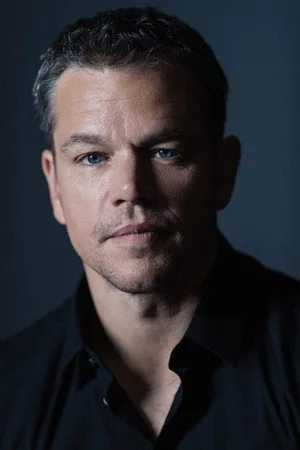 Matt Damon
Narrator
Matt Damon
Narrator -
 Bill Ackman
Self - Hedge Fund Manager
Bill Ackman
Self - Hedge Fund Manager - Jonathan Alpert Self - Therapist
-
 Christine Lagarde
Self - Finance Minister, France
Christine Lagarde
Self - Finance Minister, France - Daniel Alpert Self - Managing Director, Westwood Capital
- Sigridur Benediktsdottir Self - Special Investigative Committee, Icelandic Parliament
- Gylfi Zoega Self - Professor of Economics, University of Iceland
-
 Andri Snær Magnason
Self - Writer & Filmmaker
Andri Snær Magnason
Self - Writer & Filmmaker - Paul Volcker Self - Former Federal Reserve Chairman
-
 Dominique Strauss-Kahn
Self - Managing Director, International Monetary Fund
Dominique Strauss-Kahn
Self - Managing Director, International Monetary Fund -
 George Soros
Self - Chairman, Soros Fund Management
George Soros
Self - Chairman, Soros Fund Management -
 Barney Frank
Self - Chairman, Financial Services Committee
Barney Frank
Self - Chairman, Financial Services Committee - Scott Talbott Self - Chief Lobbyist, Financial Services Roundtable
- Andrew Sheng Self - Chief Adviser, China Banking Regulatory Commission
-
 Lee Hsien Loong
Self - Prime Minister, Singapore
Lee Hsien Loong
Self - Prime Minister, Singapore -
 Gillian Tett
Self - U.S. Managing Editor, The Financial Times
Gillian Tett
Self - U.S. Managing Editor, The Financial Times - Nouriel Roubini Self - Professor, NYU Business School
- R. Glenn Hubbard Self - Chief Economic Adviser, Bush Administration
-
 Eliot Spitzer
Self - Former Governor, New York
Eliot Spitzer
Self - Former Governor, New York - Samuel Hayes Self - Professor of Investment Banking, Harvard Business School
Quiz about this movie
Questions from the whole catalogue.
Play nowIf you liked this one
-
Diamantes Roubados: O Golpe do Século
 7.0
7.0
-
Zeitgeist: O Filme
 7.0
7.0
-
Zeitgeist Addendum
 7.2
7.2
-
A Inventora: À Procura de Sangue no Vale do Silício Documentary from the 2010s
 7.0
7.0
-
Contaminação: A Verdade Sobre o que Comemos
 7.0
7.0
-
O.J.: Made in America Crime from the 2010s
 8.4
8.4
-
HyperNormalisation Documentary from the 2010s
 7.4
7.4
-
Fahrenheit 11 de Setembro
 7.1
7.1
-
Jayne Mansfield, Minha Mãe
 8.0
8.0
-
Avatar: Mergulho Profundo - Edição Especial de 20/20
 7.2
7.2
-
O Capital no Século XXI Documentary from the 2010s
 6.5
6.5
-
John Candy: Eu Me Amo
 7.9
7.9
Tags
Crew
- Kaylanee Mam Cinematography
- Svetlana Cvetko Cinematography
- Charles Ferguson Director
- Adam Bolt Editing
- Chad Beck Editing
- Anna Moot-Levin Producer
- Audrey Marrs Producer
- Charles Ferguson Producer
- Kalyanee Mam Producer
- Alex Heffes Original music
- Charles Ferguson Writer
Questions about this film
What is Inside Job about?
Inside Job: A film that exposes the shocking truth behind the economic crisis of 2008. The global financial meltdown, at a cost of over $20 trillion, resulted in millions of people losing their homes and jobs. Through extensive research and interviews with major financial insiders, politicians and journalists, Inside Job traces t…
Who directed Inside Job?
Inside Job was directed by Charles Ferguson in 2010.
Who stars in Inside Job?
The cast of Inside Job includes Matt Damon, Bill Ackman, Jonathan Alpert, Christine Lagarde and Daniel Alpert.
How long is Inside Job?
Inside Job runs for 105 minutes, or 1h45.
How much did Inside Job cost and how much did it make?
Inside Job had a budget of US$ 2,000,000 and took US$ 7,871,522 at the box office — 3.9 times its cost.
Where can I watch Inside Job?
Inside Job is available on Claro video, Apple TV Store and Google Play Movies. Availability changes often: the list on this page is the most recent we received.
What awards did Inside Job win?
Inside Job has 1 recorded awards, among them Academy Award for Best Documentary Feature Film.
Similar films
-
 6.7
6.7
American Animals
2018
-
 7.0
7.0
The Tinder Swindler
2022
-
 7.3
7.3
The Imposter
2012
-
 7.2
7.2
American Murder: The Family Next Door
2020
-
 8.1
8.1
Dear Zachary: A Letter to a Son About His Father
2008
-
 6.6
6.6
Amanda Knox
2016
-
 7.9
7.9
The Internet's Own Boy: The Story of Aaron Swartz
2014
-
 7.8
7.8
Seaspiracy
2021
-
 7.7
7.7
The Thin Blue Line
1988
-
 6.6
6.6
Abducted in Plain Sight
2017
-
 7.1
7.1
Capturing the Friedmans
2003
-
 7.2
7.2
TPB AFK: The Pirate Bay - Away from Keyboard
2013
Page updated on 09/09/2026.
Back to the catalogue