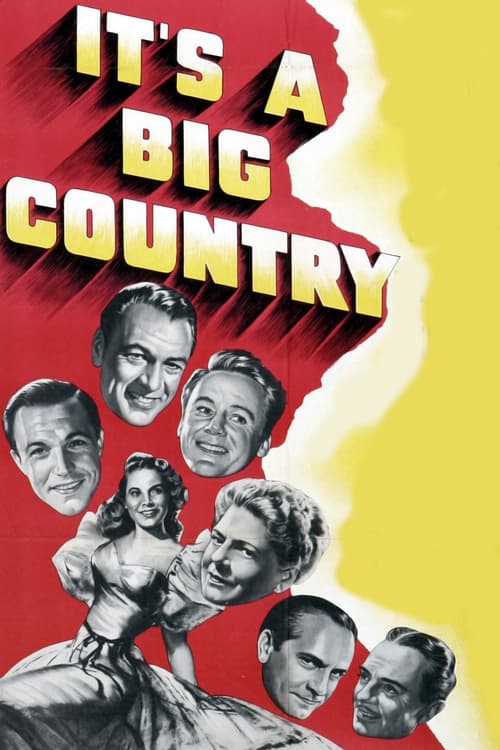
It's a Big Country (1951)
It's a Big Country (1951), directed by Charles Vidor, starring Ethel Barrymore and Keefe Brasselle.
score
A world of entertainment from M-G-M!
Synopsis
Comprised of eight unrelated episodes of inconsistent quality, this anthology piece of American propaganda features some of MGM Studios' best directors, screenwriters and actors; it is narrated by Louis Calhern. Stories are framed by the lecture of a university professor. In one tale a Boston resident becomes angry when the census forgets to record her presence. Another sketch chronicles the achievements of African Americans while still another pays tongue-in-cheek tribute to Texas.
- Ray JuneCinematography
- Charles VidorDirector
- Clarence BrownDirector
- Don HartmanDirector
About the film
It's a Big Country: An American Anthology is a 1951 American anthology film consisting of eight segments by seven directors: Richard Thorpe, John Sturges, Charles Vidor, Don Weis, Clarence Brown, William A. Wellman and Don Hartman.
Read the full article (6k characters)
It's a Big Country: An American Anthology is a 1951 American anthology film consisting of eight segments by seven directors: Richard Thorpe, John Sturges, Charles Vidor, Don Weis, Clarence Brown, William A. Wellman and Don Hartman.
Plot
Episode 1: "Interruptions, Interruptions" (directed by Richard Thorpe)
A professor traveling on a train is asked by a talkative fellow passenger if he loves America. The professor asks, "Which America?" After listening to the professor explain the different aspects of the country, the passenger hears a woman comment on America and asks, "Lady, which America?"
Episode 2: "The Lady and the Census Taker" (directed by John Sturges)
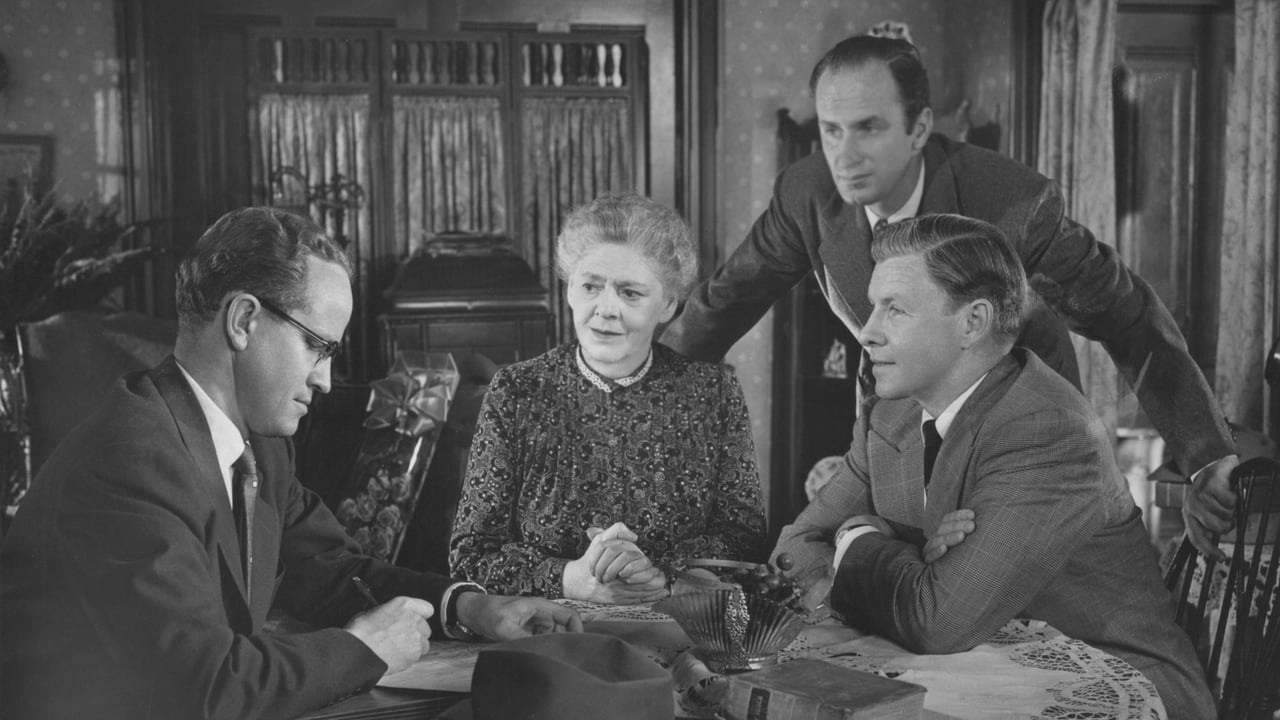
Mrs. Brian Riordan, an elderly Irish immigrant living in Boston, is upset about not being counted in the 1950 census. She visits newspaper editor Callaghan and asks him to intervene on her behalf. He sends reporter Michael Fisher to interview her by pretending to be a census taker, but she recognizes Fisher from the newspaper office. Callaghan phones every government office, including to the White House. When a census taker arrives, Mrs. Riordan insists on seeing his identification.
Episode 3: "The Negro Story" (no director)
In the five-minute narrated documentary, there are clips of a black midshipman becoming an ensign upon graduating from Annapolis, black sailors, WACs and paratroopers are shown, followed by scenes in London of the first black general, Benjamin O. Davis Sr., and his son Benjamin O. Davis Jr. The newsreel footage then covers prominent black sports figures, entertainers and other public figures.
Episode 4: "Rosika the Rose" (directed by Charles Vidor)
Hungarian immigrant Stefan Szabo claims that Hungarians and Greeks have hated each other for thousands of years. His daughter Rosa secretly marries Icarus Xenophon, a Greek man. When Stefan learns the truth, Icarus offers him a consoling cup of coffee.
Episode 5: "Letter from Korea" (directed by Don Weis)
Maxie Klein, a young Jewish soldier who was wounded during the Korean War, is on his way home. He stops along the way to find the widowed mother of an Army buddy who was killed in action. Maxie reads her a letter that he received from her son, and she asks for his mother's address so that she can write her.
Episode 6: "Texas" (directed by Clarence Brown)
A tall Texan tries to separate fact from myth.
Episode 7: "Minister in Washington" (directed by William A. Wellman)
In 1944, Rev. Adam Burch's parishioners in Washington, D.C. include the president of the United States, for whom he tailors his erudite sermons. The church sexton warns him that he is failing by ministering only to one person. Rev. Burch delivers a sermon apologizing for his neglect and the president congratulates him.
Episode 8: "Four Eyes" (directed by Don Hartman)
Miss Coleman, a school teacher in San Francisco, discovers that her pupil Joey needs glasses. Joey's father, Mr. Esposito, believes that the glasses are not necessary and will only bring Joey ridicule from his peers. However, Mr. Esposito learns the danger of his attitude.
Cast
Episode 1
William Powell as Professor
James Whitmore as Mr. Stacey
Elisabeth Risdon as Diner on Train (uncredited)
Episode 2
Ethel Barrymore as Mrs. Brian Patrick Riordan
George Murphy as Mr. Callaghan
Keenan Wynn as Michael Fisher
Ned Glass as Newspaper Office Receptionist (uncredited)
Fred Santley as Census Bureau Supervisor (uncredited)
Bill Welsh as Census Bureau Official (uncredited)
Episode 4
Jeralyn Alton as Yolande Szabo (uncredited)
Gene Kelly as Icarus Xenophon
Janet Leigh as Rosa Szabo
S. Z. Sakall as Stefan Szabo
Sharon McManus as Sam Szabo
David Alpert, George Conrad, Richard Grindle, Hal Hatfield, Anthony Lappas, Costas Morfis and Tom Nickols as Greek Athletes (uncredited)
Episode 5
Keefe Brasselle as Sgt. Maxie Klein
Marjorie Main as Mrs. Wrenley
Episode 6
Gary Cooper as Texas
Episode 7
Van Johnson as Rev. Adam Burch
Lewis Stone as Church Sexton
Leon Ames as Secret Service Man
Episode 8
Angela Clarke as Mama Esposito
Nancy Davis as Miss Coleman
Fredric March as Joe Esposito
Robert Hyatt as Joey Esposito
Carol Nugent as Girl (uncredited)
Rhea Mitchell as School Teacher (uncredited)
Don Gordon as Mervin (uncredited)
Reception
In a contemporary review for The New York Times, critic Bosley Crowther wrote: "[I]t is not modest or subtle in the way it professes a passion and devotion for the good old U. S. A. No writer of institutional advertising or Chamber of Commerce ballyhoo could be more facile with the verbiage than was the writer of the narration of this film. Such blushless enthusiasm, flowing as it does from the unmistakable voice of Louis Calhern, has a disquieting way of sounding like a rocks-and-rills 'commercial.' This is the chief flaw in the film. And it is the more distressing because the several vignettes contained, each written, directed and acted by different sets of artists and stars, are generally pleasant little items, not great or profound in any way but amusing and tolerably reflective of human foibles and attitudes. ... If it weren't for the shallow chauvinism of the narration, this would be an easy film to watch and generally enjoy. It's a big country, all right."
According to MGM records, the film earned $526,000 in the U.S. and Canada and $129,000 elsewhere, resulting in a loss to the studio of $677,000.
References
External links
It's a Big Country at IMDb
It's a Big Country at the TCM Movie Database (archived)
It's a Big Country at the AFI Catalog of Feature Films
Text from It's a Big Country on Wikipedia, licensed CC BY-SA 4.0. https://en.wikipedia.org/wiki/It's_a_Big_Country
Trivia
- It premiered on November 20, 1951, a Tuesday.
- It runs 1h29 — a typical feature length.
- This film's quiz has 12 questions — enough to play more than once without repeats.
Production
- StudiosMetro-Goldwyn-Mayer
- CountriesUnited States
- LanguagesEnglish
- StatusReleased
Cast
-
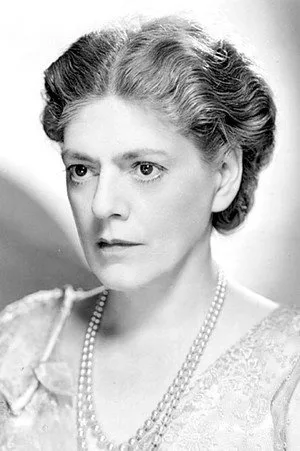 Ethel Barrymore
Mrs. Brian Patrick Riordan
Ethel Barrymore
Mrs. Brian Patrick Riordan -
 Keefe Brasselle
Sgt. Maxie Klein
Keefe Brasselle
Sgt. Maxie Klein -
 Gary Cooper
Texas
Gary Cooper
Texas -
 Nancy Reagan
Miss Coleman
Nancy Reagan
Miss Coleman -
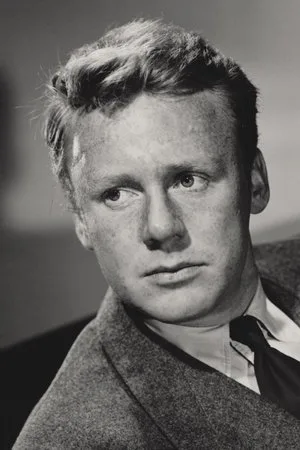 Van Johnson
Rev. Adam Burch
Van Johnson
Rev. Adam Burch -
 Gene Kelly
Icarus Xenophon
Gene Kelly
Icarus Xenophon -
 Janet Leigh
Rosa Szabo Xenophon
Janet Leigh
Rosa Szabo Xenophon -
 Marjorie Main
Mrs. Wrenley
Marjorie Main
Mrs. Wrenley -
 Fredric March
Joe Esposito
Fredric March
Joe Esposito -
 George Murphy
Mr. Patrick Callaghan
George Murphy
Mr. Patrick Callaghan -
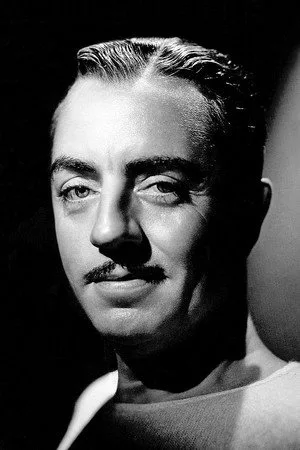 William Powell
Professor
William Powell
Professor -
 S.Z. Sakall
Stefan Szabo
S.Z. Sakall
Stefan Szabo -
 Lewis Stone
Church Sexton
Lewis Stone
Church Sexton -
 James Whitmore
Mr. Stacey
James Whitmore
Mr. Stacey -
 Keenan Wynn
Michael Fisher
Keenan Wynn
Michael Fisher -
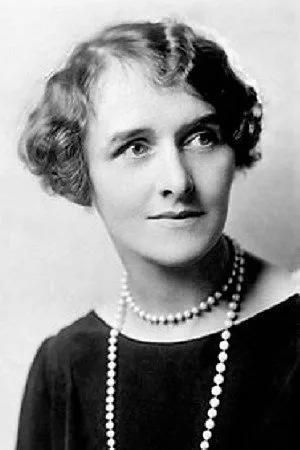 Elisabeth Risdon
Diner on Train (uncredited)
Elisabeth Risdon
Diner on Train (uncredited) -
 Sharon McManus
Sam Szabo
Sharon McManus
Sam Szabo -
 Angela Clarke
Mama Esposito
Angela Clarke
Mama Esposito -
 Robert Hyatt
Joseph Esposito
Robert Hyatt
Joseph Esposito -
 John Ericson
Naval Ensign (uncredited)
John Ericson
Naval Ensign (uncredited)
Quiz about this movie
Questions from the whole catalogue.
Play nowIf you liked this one
-
Perdido pra Cachorro 2
 5.9
5.9
-
Stewie Griffin: The Untold Story
 6.9
6.9
-
Ritmo Alucinante
 6.8
6.8
-
Adivinhe Quem Vem Para Roubar
 6.6
6.6
-
Brincando com Fogo
 6.6
6.6
-
Acontece nas Melhores Famílias
 6.0
6.0
-
Snoopy Apresenta: Seja Bem-vindo, Franklin!
 7.7
7.7
-
O Holofote Não é para Todos
 6.4
6.4
-
Chris Rock: Tamborine
 6.4
6.4
-
Johnny English 3.0
 6.3
6.3
-
Morte em LaRoy, Texas
 6.8
6.8
-
Blackadder: Back & Forth
 7.0
7.0
Tags
Crew
- Ray June Cinematography
- Charles Vidor Director
- Clarence Brown Director
- Don Hartman Director
- Don Weis Director
- John Sturges Director
- Richard Thorpe Director
- William A. Wellman Director
- Dore Schary Producer
- Robert Sisk Producer
- Allen Rivkin Story
- Charles Palmer Writer
- Claudia Cranston Writer
- Dore Schary Writer
- Dorothy Kingsley Writer
- Edgar Brooke Story
- George Wells Story
- Helen Deutsch Writer
- Isobel Lennart Story
- John McNulty Story
- Joseph Petracca Story
- Lucille Schlossberg Writer
- Ray Chordes Writer
- William Ludwig Writer
Questions about this film
What is It's a Big Country about?
It's a Big Country: Comprised of eight unrelated episodes of inconsistent quality, this anthology piece of American propaganda features some of MGM Studios' best directors, screenwriters and actors; it is narrated by Louis Calhern. Stories are framed by the lecture of a university professor. In one tale a Boston resident becomes angry wh…
Who directed It's a Big Country?
It's a Big Country was directed by Charles Vidor, Clarence Brown, Don Hartman, Don Weis, John Sturges, Richard Thorpe and William A. Wellman in 1951.
Who stars in It's a Big Country?
The cast of It's a Big Country includes Ethel Barrymore, Keefe Brasselle, Gary Cooper, Nancy Reagan and Van Johnson.
How long is It's a Big Country?
It's a Big Country runs for 89 minutes, or 1h29.
Similar films
-
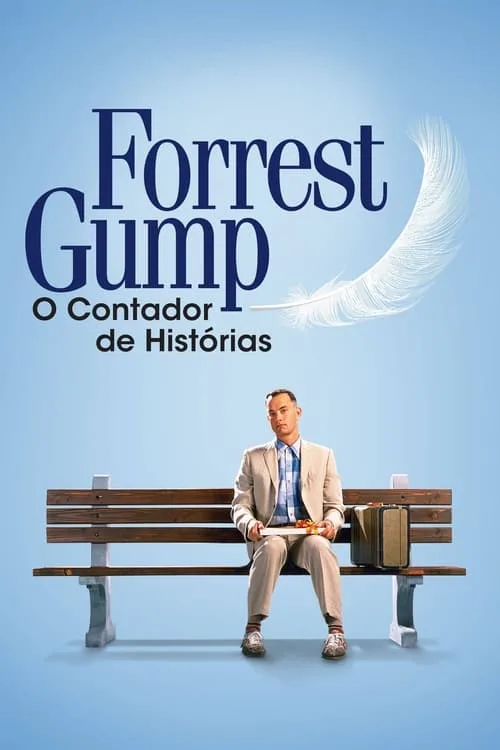 8.5
8.5
Forrest Gump
1994
-
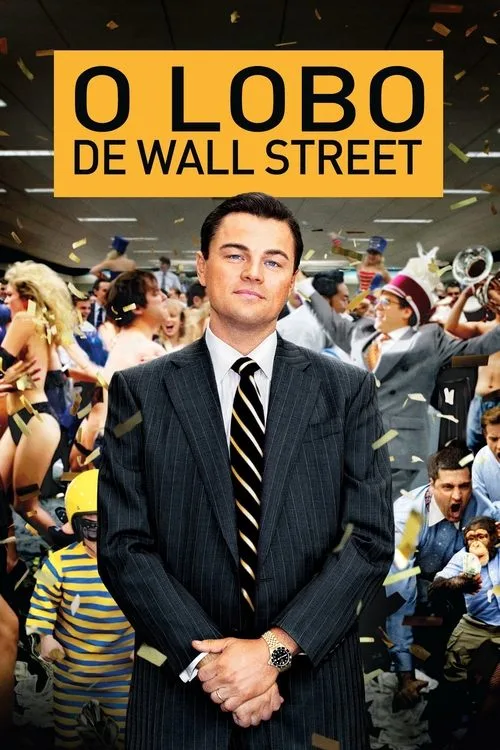 8.0
8.0
The Wolf of Wall Street
2013
-
 8.5
8.5
Parasite
2019
-
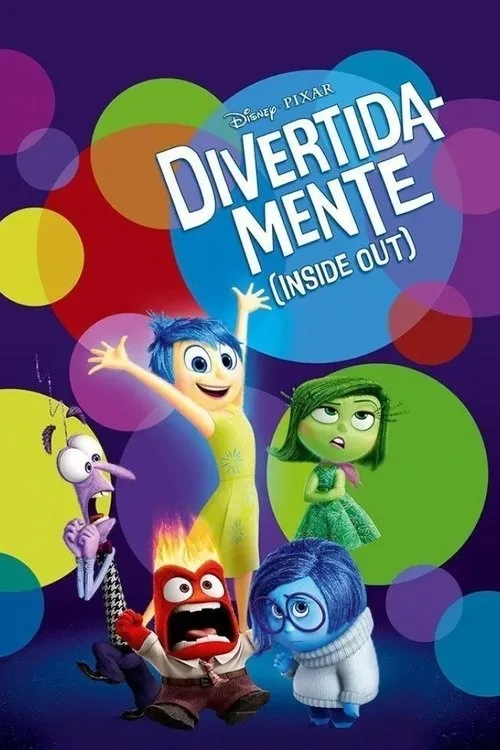 7.9
7.9
Inside Out
2015
-
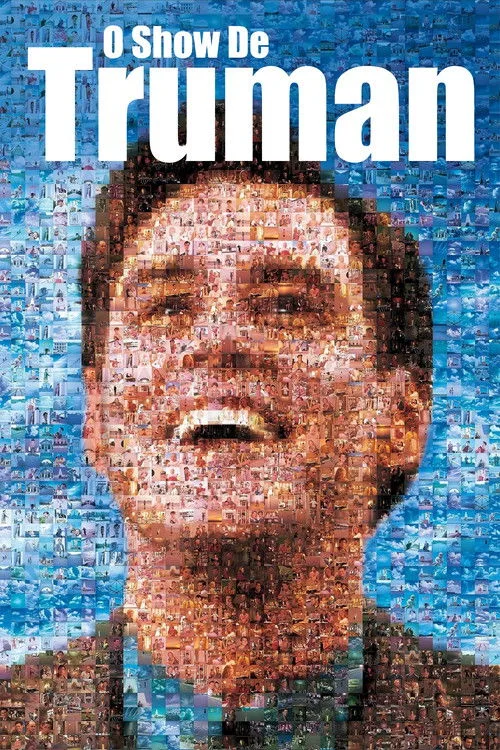 8.2
8.2
The Truman Show
1998
-
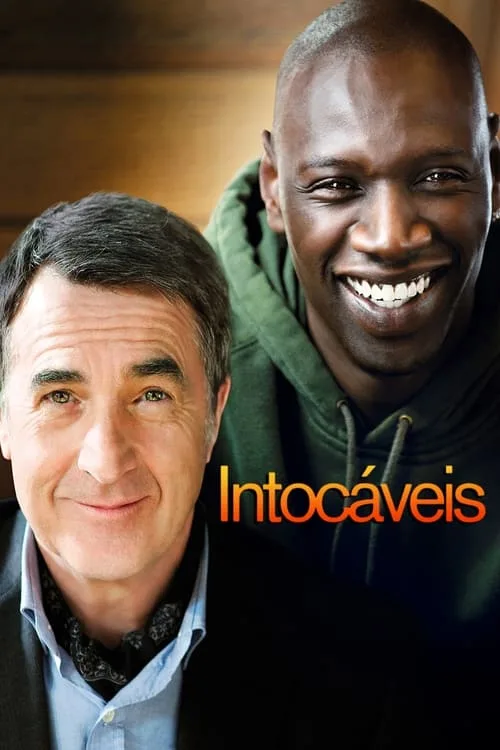 8.3
8.3
The Intouchables
2011
-
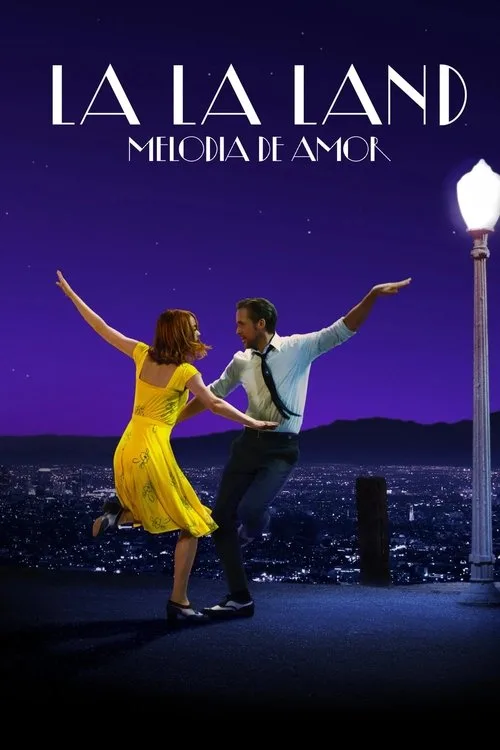 7.9
7.9
La La Land
2016
-
 7.4
7.4
The Devil Wears Prada
2006
-
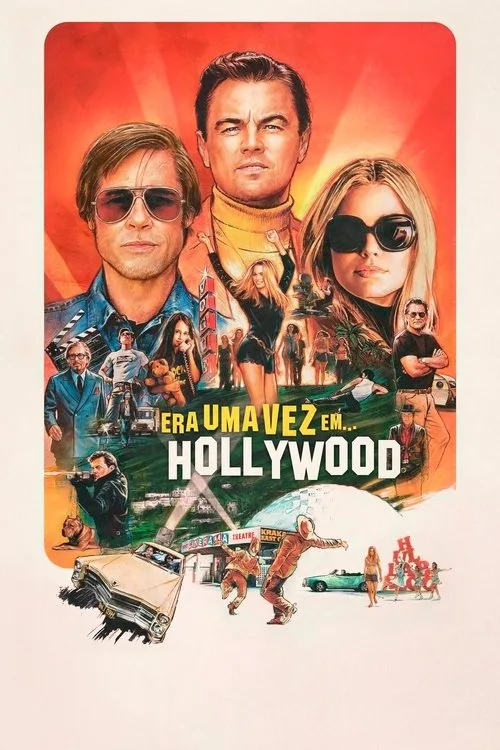 7.4
7.4
Once Upon a Time... in Hollywood
2019
-
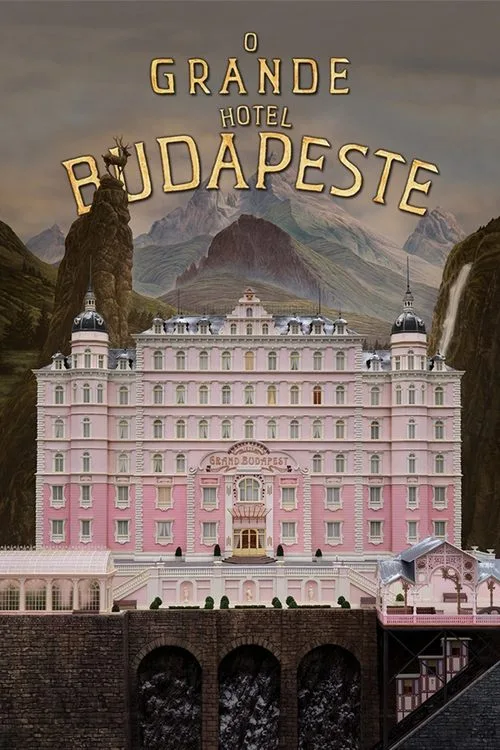 8.0
8.0
The Grand Budapest Hotel
2014
-
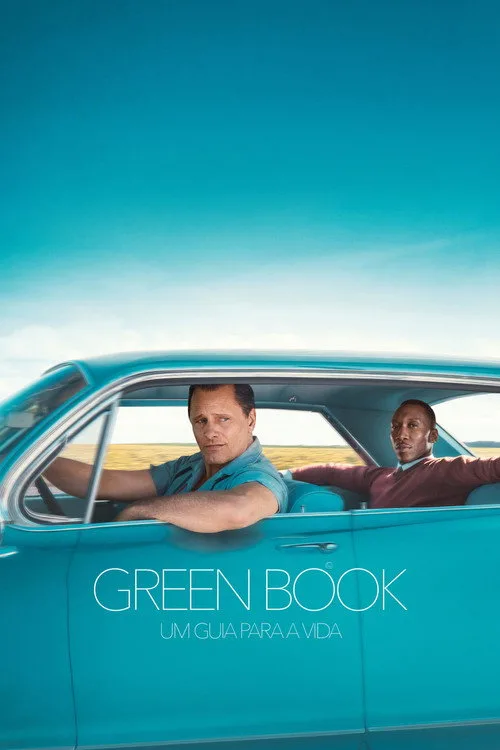 8.2
8.2
Green Book
2018
-
 8.4
8.4
Life Is Beautiful
1997
Page updated on 09/12/2026.
Back to the catalogue