Lassie Come Home (1943)
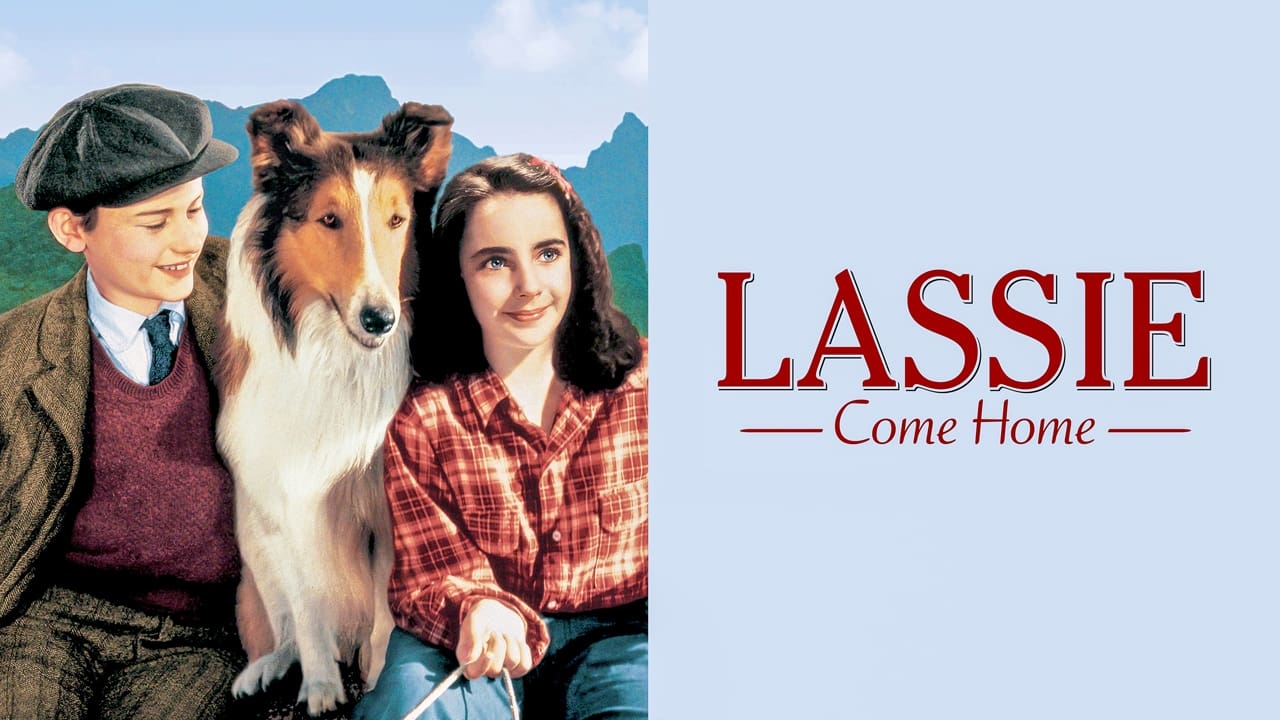
Lassie Come Home (1943), directed by Fred M. Wilcox, starring Roddy McDowall and Donald Crisp.
score
A Thrilling Saga Of Courage And Loyalty !
Synopsis
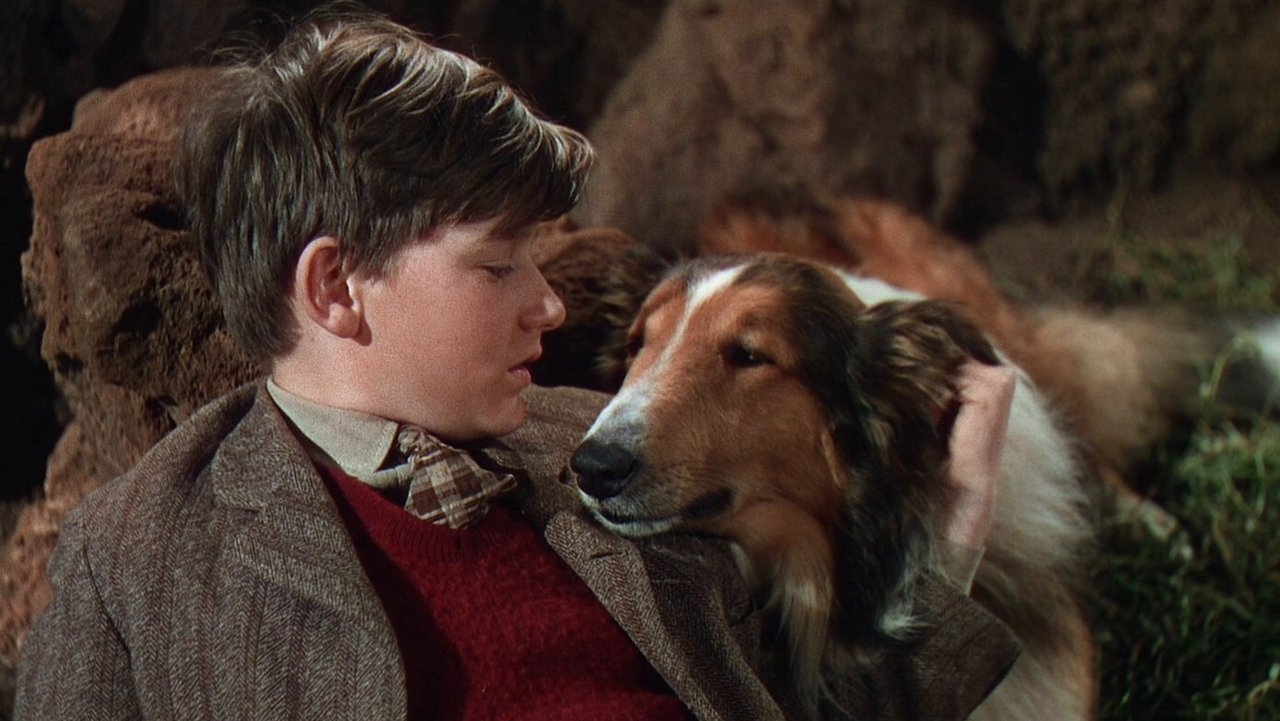
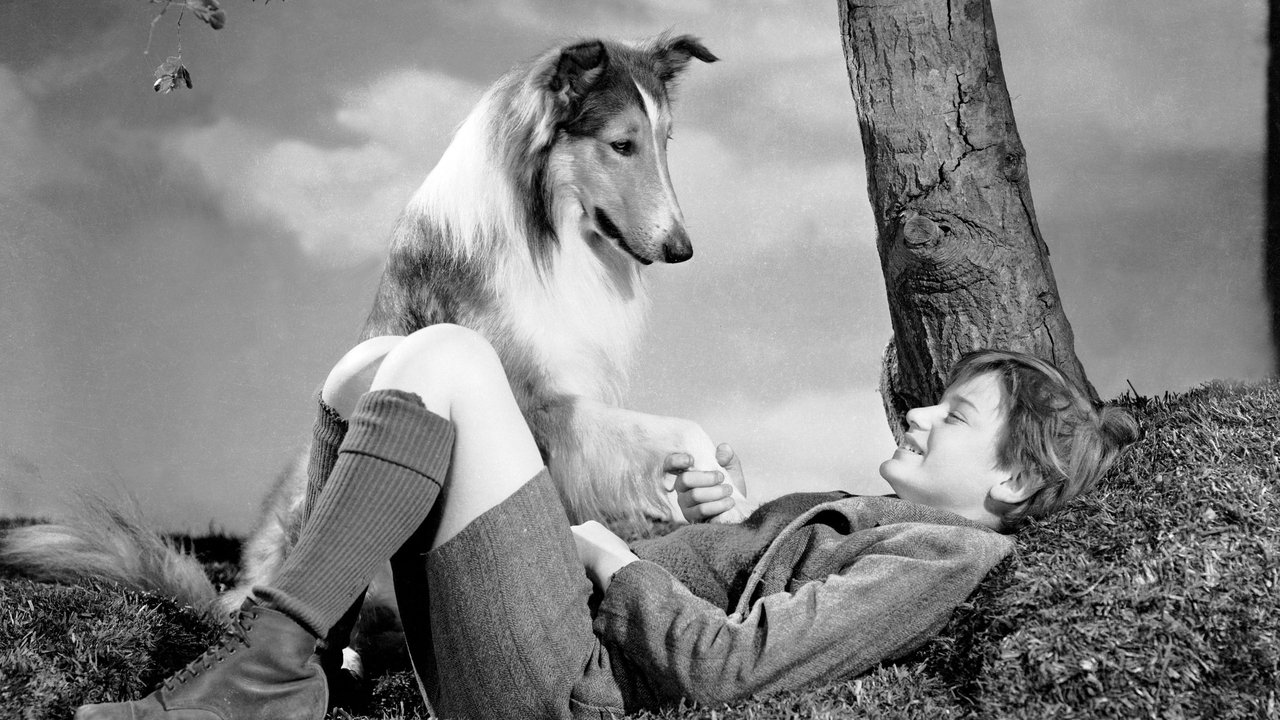
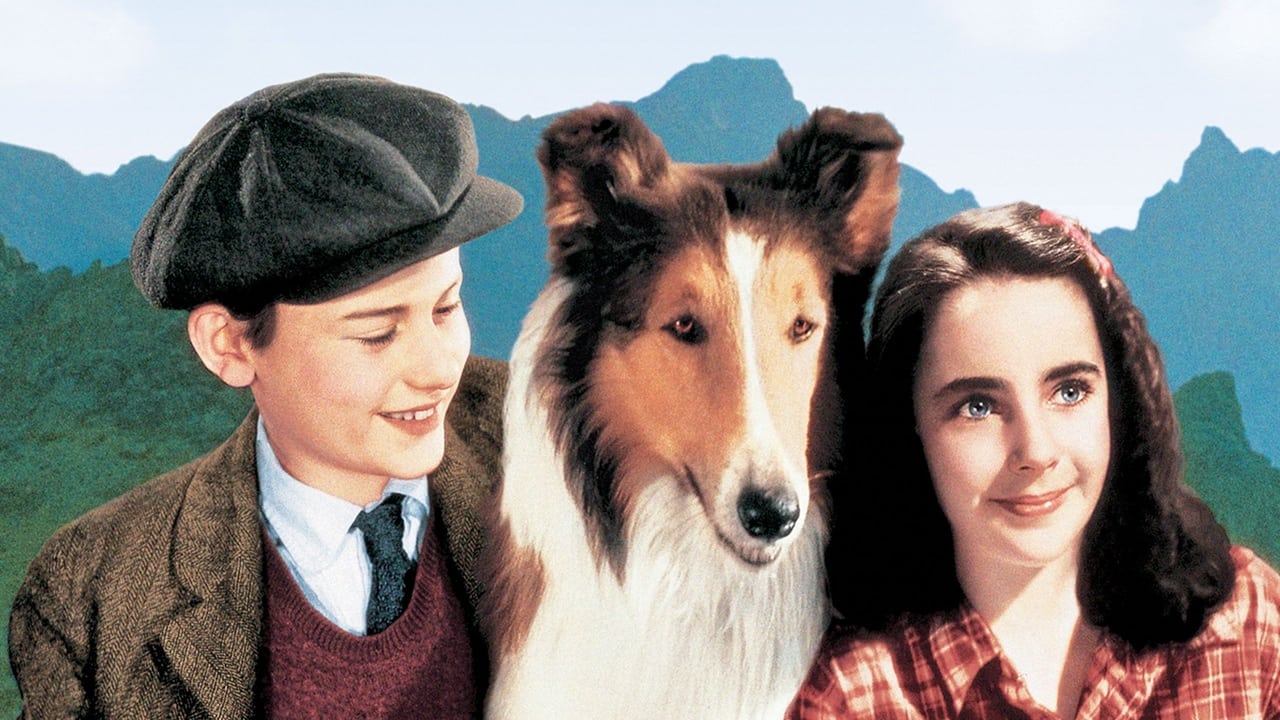
Hard times come for the Carraclough family and they are forced to sell their dog, Lassie, to the rich Duke of Rudling. Lassie, however, is unwilling to remain apart from young Carraclough son Joe and sets out on a long and dangerous journey to rejoin him.
- Charles P. BoyleCinematography
- Leonard SmithCinematography
- Fred M. WilcoxDirector
- Ben LewisEditing
MGM's Lassie: Coleção
The franchise in release order. 7 films.
-
Lassie: A Força do Coração 1943 · you are here
-
O Filho de Lassie 1945
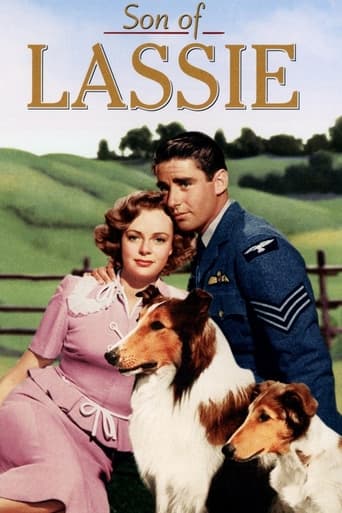
-
A Coragem de Lassie 1946
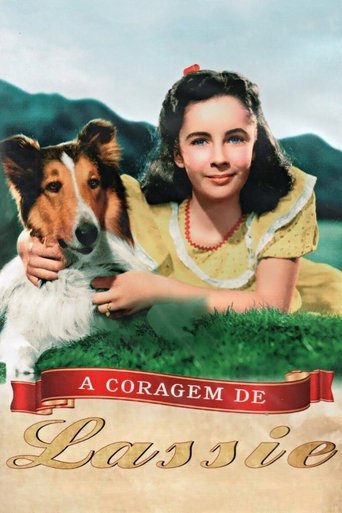
-
O Mundo de Lassie 1948
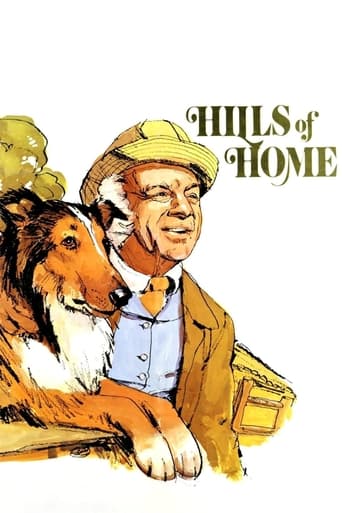
-
Fugindo do destino 1949
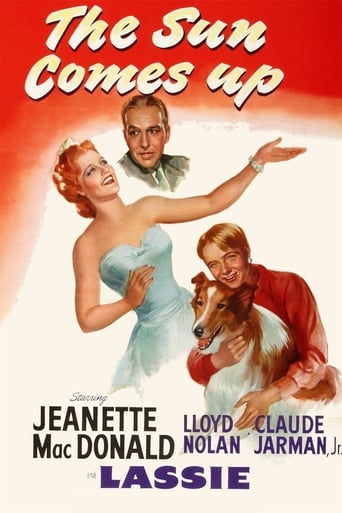
-
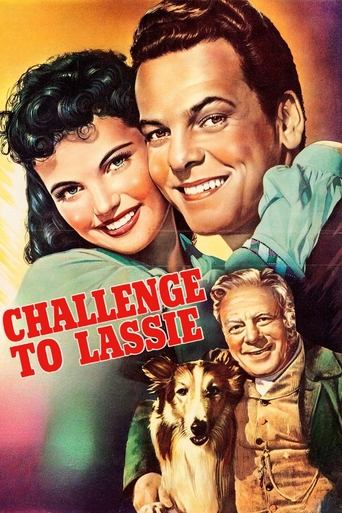
Desafio de Lassie 1949
-
Lassie: Heróis da Montanha 1951

About the film
Lassie Come Home is a 1943 American, Metro-Goldwyn-Mayer Technicolor drama film starring Roddy McDowall and canine actor Pal, in a story about the profound bond between Yorkshire boy Joe Carraclough and his rough collie, Lassie. The film was directed by Fred M. Wilcox from a screenplay by Hugo Butler based upon the 1940 novel Lassie Come-Home by Eric Knight. The film was the first in a series of seven MGM films starring "Lassie".
In 1993, Lassie Come Home was selected for preservation in the National Film Registry of the Library of Congress being deemed "culturally, historically, or aesthetically significant".
The original film saw a sequel, Son of Lassie in 1945 with five other films following at intervals through the 1940s. A British remake of the 1943 movie was released in 2005 as Lassie to moderate success. The film has been released to VHS and DVD.
Read the full article (9k characters)
Lassie Come Home is a 1943 American, Metro-Goldwyn-Mayer Technicolor drama film starring Roddy McDowall and canine actor Pal, in a story about the profound bond between Yorkshire boy Joe Carraclough and his rough collie, Lassie. The film was directed by Fred M. Wilcox from a screenplay by Hugo Butler based upon the 1940 novel Lassie Come-Home by Eric Knight. The film was the first in a series of seven MGM films starring "Lassie".
In 1993, Lassie Come Home was selected for preservation in the National Film Registry of the Library of Congress being deemed "culturally, historically, or aesthetically significant".
The original film saw a sequel, Son of Lassie in 1945 with five other films following at intervals through the 1940s. A British remake of the 1943 movie was released in 2005 as Lassie to moderate success. The film has been released to VHS and DVD.
Plot
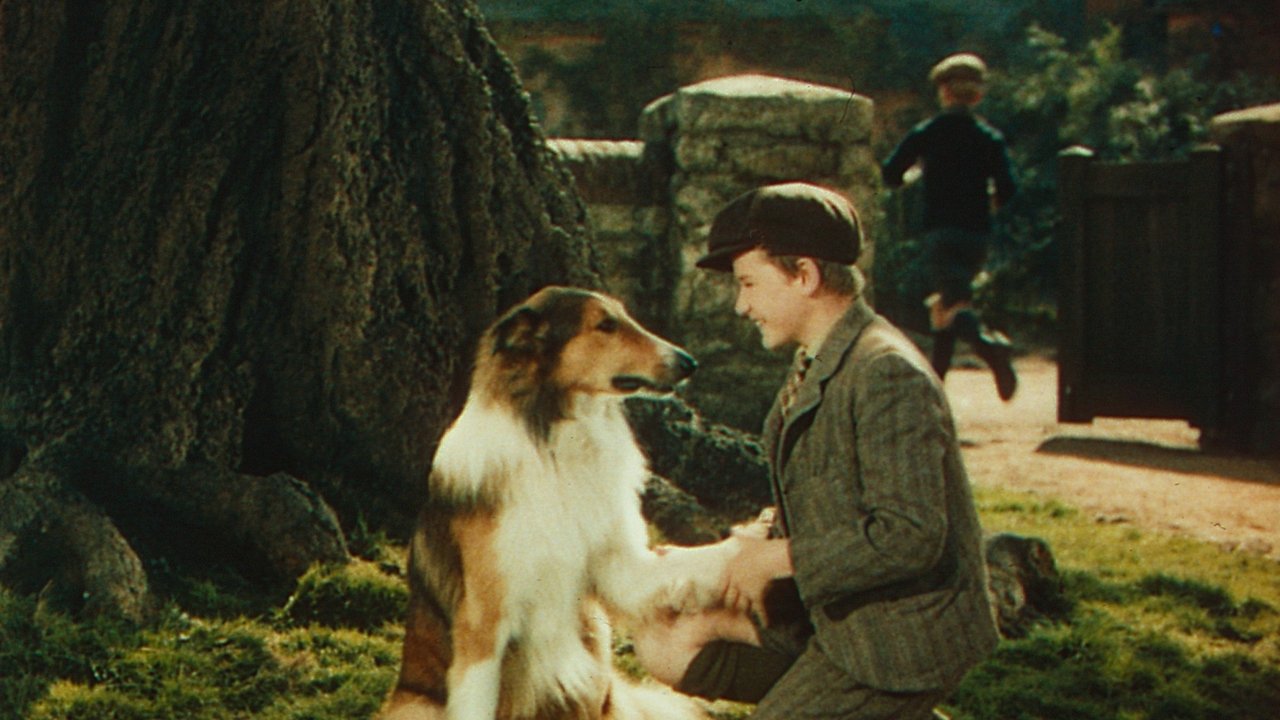
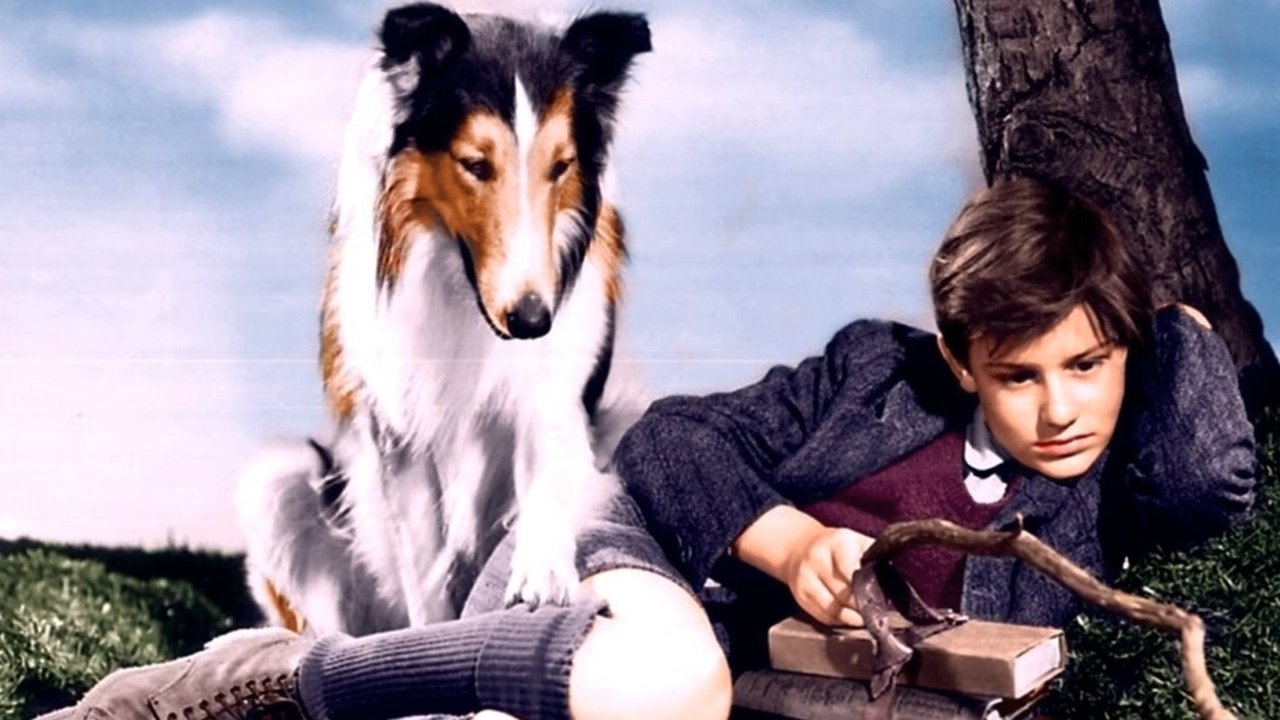
Set in Depression-era Yorkshire, England, Mr and Mrs Carraclough are hit by hard times and forced to sell their collie, Lassie, to the rich Duke of Rudling, who has always admired her. Young Joe Carraclough grows despondent at the loss of his companion.
However, Lassie will have nothing to do with the Duke, and finds ways to escape her kennels and return to Joe. The Duke finally carries Lassie to his home hundreds of miles distant in Scotland. There, his granddaughter Priscilla senses the dog's unhappiness and arranges her escape.
Lassie then sets off for a long trek to her Yorkshire home. She faces many perils along the way, dog catchers and a violent storm, but also meets kind people who offer her aid and comfort. At the end, when Joe has given up hope of ever seeing his dog again, the weary Lassie returns to her favorite resting place in the schoolyard at home. There, Lassie is joyfully reunited with the boy she loves.
Cast
Production
The film was shot in Washington state and Monterey, California, while the rapids scene was shot on the San Joaquin River. It also features scenes from the former Janss Conejo Ranch in Wildwood Regional Park in Thousand Oaks, California. Additional photography occurred in Big Bear Lake and Cape Mendocino.
During the film's production, MGM executives previewing the dailies were said to be so moved that they ordered more scenes to be added to "this wonderful motion picture."
Some sources say that, initially, a female collie was selected for the title role, but was replaced when the dog began to shed excessively during shooting of the film in the summer. The trainer, Rudd Weatherwax, then substituted the male collie, Pal, in the role of "Lassie". Pal had been hired to perform the rapids stunt and, being male, looked more impressive in the part. Still other accounts, such as a 1943 New York Times article written while the film was in production, say that Pal was cast by director Fred Wilcox after first being rejected, because no other dog performed satisfactorily with the "near human attributes" he sought for the canine title role. Weatherwax would later receive all rights to the Lassie name and trademark in lieu of back pay owed him by MGM.
Music
In 2010, Film Score Monthly released the complete scores of the seven Lassie feature films released by MGM between 1943 and 1955 as well as Elmer Bernstein’s score for It's a Dog's Life (1955) in the CD collection Lassie Come Home: The Canine Cinema Collection, limited to 1000 copies.
Due to the era when these scores were recorded, nearly half of the music masters have been lost so the scores had to be reconstructed and restored from the best available sources, mainly the Music and Effects tracks as well as monaural ¼″ tapes.
The score for Lassie Come Home was composed by Daniele Amfitheatrof.
Track listing for Lassie Come Home (Disc 1)
Main Title*/The Story of a Dog* – 2:23
Time Sense—Second Version*/Have a Good Time/Waking Up Joe*/Lassie is Sold – 6:30
Lassie is Sold, Part 2 – 1:07
Joe is Heartbroken*/Priscilla Meets Lassie – 2:40
Time Sense—Second Version*/First Escape (beginning)* – 1:33
Hynes Arrives/Time Sense—Second Version*/Second Escape – 2:09
Day Dreaming – 1:30
Bid Her Stay*/Honest is Honest/Lassie Goes to Scotland*/Lassie in Scotland – 4:45
Lassie is Chained* – 0:51
Hynes Walks Lassie – 0:59
Time Sense—Second Version*/Lassie Runs Away*/The Storm/Over the Mountains*/The Lake & Time Sense #3/Lassie vs. Satan*/The Dog Fight (Amfitheatrof–Mario Castelnuovo-Tedesco)*/Lassie vs. Satan, Part 2*/A Surprise for Joe*/Crossing the River* – 13:09
Dan and Dally*/Lassie Recovers/Joe Can't Sleep*/Time Sense—Second Version* – 4:40
Lassie is Not Happy/Time Sense—Second Version*/Goodbye, Girl*/Meeting Palmer/Lassie Refuses Food*/Lassie Follows Palmer – 6:28
Lassie Wants to Go That Way/Lassie is a Lady/Next Morning – 3:11
Toots Gives a Performance*/The Dogs Play*/Thousand Kronen (Bronislau Kaper)*/Last Fight*/Toots is Dead/It's Goodbye, Then*/The Dog Catchers*/Out of Work/Lassie Comes Home*/Duke Arrives* & This is No Dog of Mine*/Time Sense—Second Version*/Lassie Finds Joe & End Title* – 23:19
Bonus tracks
Dog Fight (Amfitheatrof–Castelnuovo-Tedesco) – 0:44
The Accident – 0:44
Pump and Chicken House (Lennie Hayton) – 0:49
Bonus track for Lassie Come Home (Disc 4)
First Escape (complete)*† – 3:07
*Contains Sound Effects
†Contains Dialogue
Total Time: 81:19
Reception
The movie was a big hit. According to MGM records it earned $2,613,000 in the US and Canada and $1,904,000 overseas, resulting in a profit of $2,249,000.
The film was nominated for an Academy Award for Best Cinematography, Color and later the character of Lassie received a star on the Hollywood Walk of Fame at 6368 Hollywood Blvd. In 1993, Lassie Come Home was selected for preservation in the United States National Film Registry by the Library of Congress as being "culturally, historically, or aesthetically significant".
Bosley Crowther in The New York Times of October 8, 1943 uniformly praised the performers and production, noting that the film "tells the story of a boy and a dog, tells it with such poignance and simple beauty that only the hardest heart can fail to be moved." In The Nation in 1943, critic James Agee wrote, "Lassie Come Home is a dog story which I had hardly expected to enjoy ... I did, though. Those who made it seem to have had a pretty fair sense of the square naivete which most good stories for children have, or affect; they also manipulate some surprisingly acute emotions out of the head dog. Whether from private remembrance or from the show, I got several reverberations of that strangely pure, half-magical tone which certain books ... have for many children."
Almost 50 years after the film's release, Parade discussed its lasting cultural impact, quoting the Saturday Evening Post which said the film launched Pal on "the most spectacular canine career in film history". Lassie Come Home was also cited as a cultural icon in Jane and Michael Stern's 1992 book, Encyclopedia of Pop Culture.
The film is recognized by American Film Institute in these lists:
2003: AFI's 100 Years...100 Heroes & Villains:
Lassie – #39 Hero
References to Lassie Come Home in other media
The 1972 Peanuts film Snoopy Come Home is a title reference to Lassie Come Home, and its plot is also similar to the movie's plot.
Lassie Come Home is the title of the 11th track on Alphaville's 1986 album Afternoons in Utopia.
"Lasso Come Home", an episode of the Disney Junior series Sheriff Callie's Wild West, also resembles the title.
The season 2 episode "R2 Come Home" of Star Wars: The Clone Wars, features a very similar plot line to the film.
Psych 2: Lassie Come Home
"Nero come home", a 2015 Danger Mouse episode
Briefly mentioned alongside other movies like Bambi and The Little Mermaid in the film Addams Family Values
Home media
The film was released on VHS by MGM Home Entertainment in 1990.
The film was released on DVD by Warner Home Video and Warner Archive Collection from 2004 onwards.
Remake
A German remake was released in 2020
References
External links
Media related to Lassie Come Home at Wikimedia Commons
Lassie Come Home at IMDb
Lassie Come Home at the TCM Movie Database (archived)
Lassie Come Home at the AFI Catalog of Feature Films
Lassie Come Home at Rotten Tomatoes
Lassie Come Home at Box Office Mojo
Lassie Come Home essay by Daniel Eagan in America's Film Legacy: The Authoritative Guide to the Landmark Movies in the National Film Registry, Bloomsbury Academic, 2010 ISBN 0826429777, pages 364-366
Text from Lassie Come Home on Wikipedia, licensed CC BY-SA 4.0. https://en.wikipedia.org/wiki/Lassie_Come_Home
Trivia
- It cost US$ 666.000 and grossed US$ 4.5 million in theaters — 6.8 times its budget.
- It premiered on December 1, 1943, a Wednesday.
- It runs 1h30 — a typical feature length.
- It won 1 award(s) and received 1 nomination(s) on record at Wikidata — National Board of Review: Top Ten Films among them.
- It is film 1 of 7 in the MGM's Lassie franchise.
- This film's quiz has 13 questions — enough to play more than once without repeats.
Production
- StudiosMetro-Goldwyn-Mayer
- CountriesUnited States
- LanguagesEnglish
- BudgetUS$ 666,000
- Box officeUS$ 4,517,000
- StatusReleased
More about this film
Awards
- National Board of Review: Top Ten Films
Nominations
- Academy Award for Best Cinematography, Color 1944
Based on
- Lassie Come-Home
Filming locations
- Malibu
- California
Set in
- Scotland
Photos

Cast
-
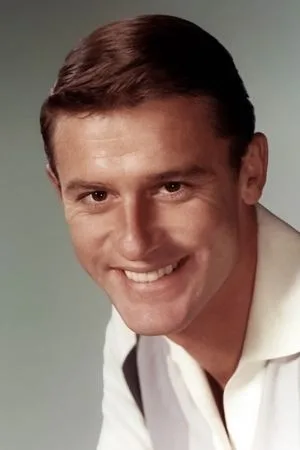 Roddy McDowall
Joe Carraclough
Roddy McDowall
Joe Carraclough -
 Donald Crisp
Sam Carraclough
Donald Crisp
Sam Carraclough -
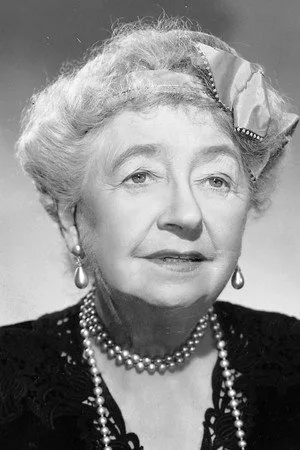 May Whitty
Dally
May Whitty
Dally -
 Edmund Gwenn
Rowlie Palmer
Edmund Gwenn
Rowlie Palmer -
 Nigel Bruce
Duke of Rudling
Nigel Bruce
Duke of Rudling -
 Elsa Lanchester
Mrs. Helen Carraclough
Elsa Lanchester
Mrs. Helen Carraclough -
 Elizabeth Taylor
Priscilla
Elizabeth Taylor
Priscilla -
 Ben Webster
Dan'l Fadden
Ben Webster
Dan'l Fadden -
 J. Pat O'Malley
Hynes
J. Pat O'Malley
Hynes -
 Alan Napier
Jock
Alan Napier
Jock -
 Arthur Shields
Andrew
Arthur Shields
Andrew - John Rogers Snickers
-
 Alec Craig
Buckles
Alec Craig
Buckles -
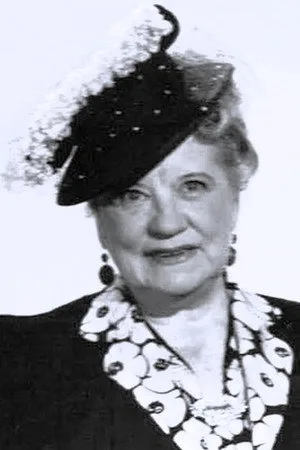 May Beatty
Woman (uncredited)
May Beatty
Woman (uncredited) - George Broughton Allen (uncredited)
- Sherlee Collier Little Girl (uncredited)
- Howard Davies Cobbler (uncredited)
- Hugh Harrison Schoolteacher on Stairway (uncredited)
- Charles Irwin Tom (uncredited)
-
 Nelson Leigh
Joe's Teacher (uncredited)
Nelson Leigh
Joe's Teacher (uncredited)
Quiz about this movie
Questions from the whole catalogue.
Play nowIf you liked this one
-
Lassie
 6.1
6.1
-
Lassie
 6.4
6.4
-
Procura-se Gonker
 6.2
6.2
-
Quatro Vidas de um Cachorro
 7.6
7.6
-
Era uma Vez na Floresta
 6.5
6.5
-
Juntos para Sempre
 8.0
8.0
-
Amigos para Sempre
 6.2
6.2
-
Beleza Negra
 6.7
6.7
-
Max: O Cão Herói
 7.1
7.1
-
Sempre ao Seu Lado
 8.0
8.0
-
A Caminho de Casa
 7.4
7.4
-
Caninos Brancos
 6.8
6.8
Tags
Crew
- Charles P. Boyle Cinematography
- Leonard Smith Cinematography
- Fred M. Wilcox Director
- Ben Lewis Editing
- Dore Schary Producer
- Samuel Marx Producer
- Daniele Amfitheatrof Original music
- Hugo Butler Screenplay
Questions about this film
What is Lassie Come Home about?
Lassie Come Home: Hard times come for the Carraclough family and they are forced to sell their dog, Lassie, to the rich Duke of Rudling. Lassie, however, is unwilling to remain apart from young Carraclough son Joe and sets out on a long and dangerous journey to rejoin him.
Who directed Lassie Come Home?
Lassie Come Home was directed by Fred M. Wilcox in 1943.
Who stars in Lassie Come Home?
The cast of Lassie Come Home includes Roddy McDowall, Donald Crisp, May Whitty, Edmund Gwenn and Nigel Bruce.
How long is Lassie Come Home?
Lassie Come Home runs for 90 minutes, or 1h30.
How much did Lassie Come Home cost and how much did it make?
Lassie Come Home had a budget of US$ 666,000 and took US$ 4,517,000 at the box office — 6.8 times its cost.
What is Lassie Come Home based on?
Lassie Come Home is based on Lassie Come-Home.
What awards did Lassie Come Home win?
Lassie Come Home has 1 recorded awards, among them National Board of Review: Top Ten Films.
What is the correct order of the MGM's Lassie: Coleção films?
The MGM's Lassie: Coleção franchise has 7 films in the catalogue. In release order: Lassie: A Força do Coração; O Filho de Lassie; A Coragem de Lassie; O Mundo de Lassie; Fugindo do destino; Desafio de Lassie; Lassie: Heróis da Montanha.
Similar films
-
 7.9
7.9
Inside Out
2015
-
 7.1
7.1
The Lion King
2019
-
 6.9
6.9
Cars 3
2017
-
 7.2
7.2
Hugo
2011
-
 6.6
6.6
The Karate Kid
2010
-
 8.0
8.0
The Iron Giant
1999
-
 7.3
7.3
Bridge to Terabithia
2007
-
 7.7
7.7
Spirit: Stallion of the Cimarron
2002
-
 6.9
6.9
The Lion King II: Simba's Pride
1998
-
 7.3
7.3
The Prince of Egypt
1998
-
 7.5
7.5
The Call of the Wild
2020
-
 7.2
7.2
The Fox and the Hound
1981
Page updated on 09/12/2026.
Back to the catalogue