
Lost Command (1966)
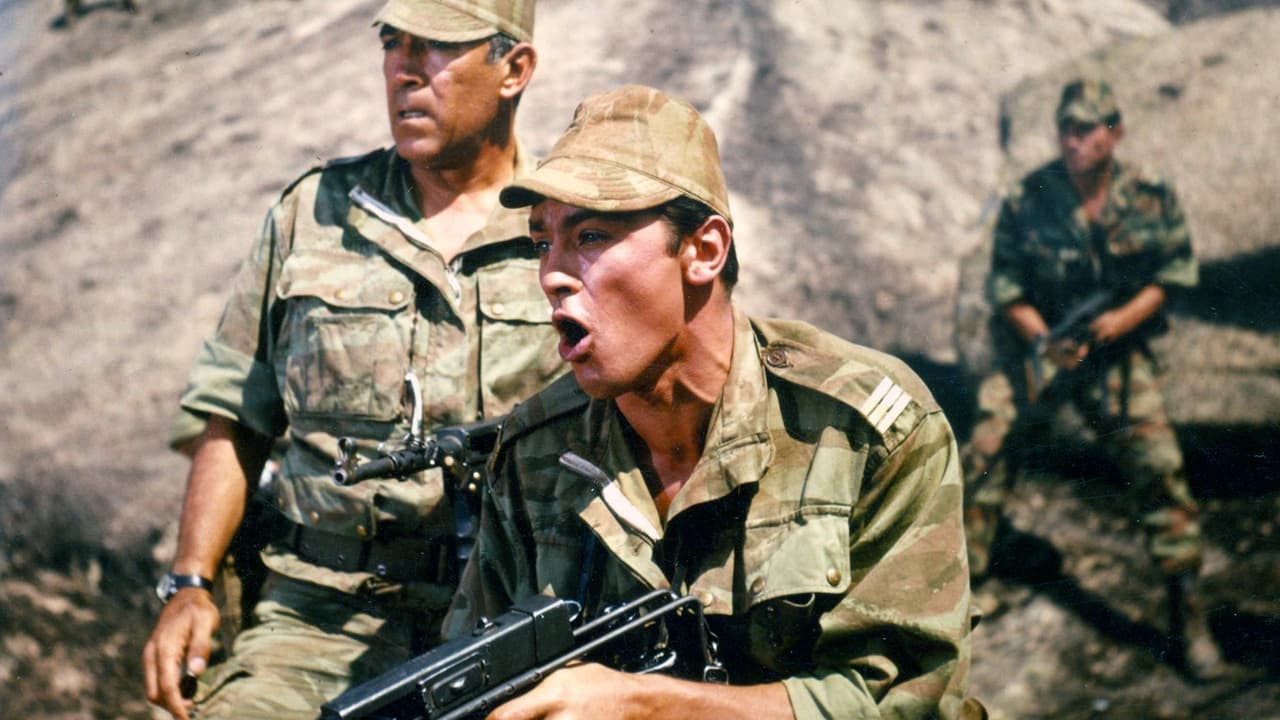
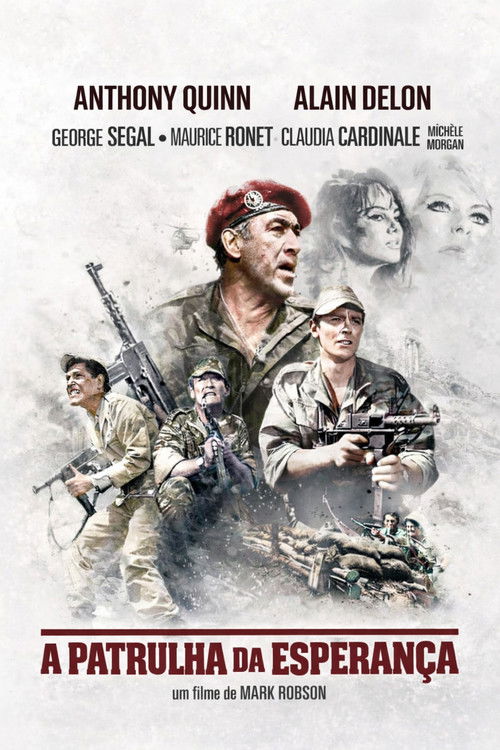
Lost Command (1966), directed by Mark Robson, starring Anthony Quinn and Alain Delon.
score
They lived and loved and fought across three continents !
Synopsis
After being freed from a Vietnamese war prison, French Lt. Col. Pierre Raspeguy is sent to help quell resistance forces in Algeria. With the help of the Capt. Esclavier, who has grown weary of war, and Capt. Boisfeuras, who lives for it, Raspeguy attempts to convert a rugged band of soldiers into a formidable fighting unit, with the promise of marrying a beautiful countess if he's made a general.
- Robert SurteesCinematography
- Mark RobsonDirector, Producer
- Dorothy SpencerEditing
- Franz WaxmanOriginal music
About the film
Lost Command (aka Les Centurions) is a 1966 American war film directed and produced by Mark Robson and starring Anthony Quinn, Alain Delon, George Segal, Michèle Morgan, Maurice Ronet and Claudia Cardinale. It is based on the best-selling 1960 novel The Centurions by Jean Lartéguy. The film focuses on the story of French paratroopers battling in French Indochina and French Algeria.
Read the full article (7k characters)
Lost Command (aka Les Centurions) is a 1966 American war film directed and produced by Mark Robson and starring Anthony Quinn, Alain Delon, George Segal, Michèle Morgan, Maurice Ronet and Claudia Cardinale. It is based on the best-selling 1960 novel The Centurions by Jean Lartéguy. The film focuses on the story of French paratroopers battling in French Indochina and French Algeria.
Plot
In the final moments of the 1954 Battle of Dien Bien Phu, a weakened French battalion awaits a last assault by communist Việt Minh troops.
The battalion commander, Basque Lt. Col. Pierre-Noël Raspéguy (Anthony Quinn), has called central headquarters for reinforcements. Headquarters sends only a single plane load of French paratroopers, under the command of Major de Clairefons. Despite Raspéguy's attempts to provide covering fire, the paratroopers are slaughtered as they land. Major de Clairefons is killed when his parachute drags him into a minefield. Raspéguy is enraged that General Melies (Jean Servais) sent only one plane, and further believes that Melies intends to make him responsible for the entire debacle at Dien Bien Phu.
The Việt Minh overrun the French, with the survivors captured and imprisoned. Among Raspéguy's friends are military historian Captain Phillipe Esclavier (Alain Delon), Indochina-born Captain Boisfeures (Maurice Ronet), surgeon Captain Dia (Gordon Heath) and Lt. Ben Mahidi (George Segal), an Algerian-born paratrooper who turns down a Việt Minh leader's (Burt Kwouk) offer for preferential treatment because he is an Arab. Raspéguy's leadership keeps the men together in their captivity. When released after a treaty between the Việt Minh and France, Raspéguy leads his men in demolishing a delousing station that they see as a humiliation.
Upon his return home to Algeria, Ben Mahidi is disgusted at the treatment of his people, especially when his teenaged brother is machine gunned by the police for painting graffiti in support of independence from France. He deserts from the army to join the rebels of the Algerian National Liberation Front (FLN), becoming a guerrilla leader.
Upon his own return from Indochina, Lt. Col. Raspéguy starts a relationship with Countess Nathalie de Clairefons (Michèle Morgan), widow of the Major who died while trying to reinforce Raspéguy's battalion. The Countess' military contacts result in Raspéguy being given command of the new 10th Regiment of Parachutistes Coloniaux, serving under General Melies in the Algerian War.
The General briefs him that the command is his last chance in the military: if his Regiment fails, Raspéguy's career is finished. Raspéguy recruits his comrades-in-arms from Indochina and trains his battalion with harsh methods, such as using live ammunition on an assault course to encourage speed and initiative.
Soon after beginning counter-insurgency operations in both urban and rural environments, Esclavier falls in love with Mahidi's sister Aicha (Claudia Cardinale), who is loyal to the FLN and uses her friendship with Esclavier to smuggle explosive detonators. The previously naive Esclavier begins to have a new view of his nation's conduct as the FLN rebels and French paratroopers try to outdo each other in breaking the rules of war.
Raspéguy eventually turns on his old comrades who have become too sympathetic to the FLN. Referred to as General, but still wearing Lt. Col. ranks, Raspéguy's last scene shows him receiving a medal while his Regiment is presented with a unit citation. Outside the compound where this is happening Esclavier, who has left the army in disgust, laughs when he sees a child painting a pro-independence slogan on the wall.
Cast
Anthony Quinn as Lieut. Col. Pierre-Noël Raspéguy
Alain Delon as Captain Phillipe Esclavier
Maurice Ronet as Captain Julien Boisfeuras
George Segal as Lt. Ben Mahidi
Michèle Morgan as Countess Natalie de Clairefons (as Michele Morgan)
Claudia Cardinale as Aicha Mahidi
Grégoire Aslan as Doctor Ali Ben Saad (as Gregorie Asian)
Jean Servais as General Melies
Maurice Sarfati as Merle
Jean-Claude Bercq as Orsini
Syl Lamont (voice: Robert Rietti) as Verte
Jacques Marin as Mayor
Jean-Paul Moulinot as DeGuyot (as Jean Paul Moulinot)
Andrés Monreal as Ahmed (as Andres Monreal)
Gordon Heath as Dia
Albert Simono as Sapinsky (as Simono)
René Havard as Fernand (as Rene Havard)
Armand Mestral as Administration Officer
Burt Kwouk as Viet Officer
Al Mulock as Mugnier
Marie Burke as Madame Raspeguy
Aldo Sambrell as Ibrahim (as Aldo Sanbrell)
George Rigaud as Priest (as Jorge Rigaud)
Roberto Robles as Manuel
Emilio Carrer as Father Mahidi
Carmen Tarrazo as Mother Mahidi
Howard Hagan as Pilot
Mario De Barros as Geoffrin
Walter Kelley as Major M.P. (as Walter Kelly)
Robert Sutton as Yusseff
Simon Benzakein as Arab Customer
Héctor Quiroga as Bakhti (as Hector Quiroga)
Félix de Pomés as Aged Speaker (as Felix de Pomes)
Production
Writing
Mark Robson bought the novel's film rights for his Red Lion company in March 1963. The screenplay was written by Nelson Gidding, who had previously adapted Nine Hours to Rama for Robson.
Casting
Robson reportedly held off making the film for a year so he could get Anthony Quinn for the lead.
Quinn's character is loosely based on Marcel Bigeard, the actual commander in French Indochina, who led the unit that was the predecessor to the 6th Marine Infantry Parachute Regiment (the 6th Colonial Parachute Battalion). Bigeard later commanded the 3rd Colonial Parachute Regiment in French Algeria.
Filming
The film was shot on location in Spain. Technical support was provided by Commandant René Lepage, who had served in the 6th Marine Infantry Parachute Regiment of the French Army.
Release
Despite the novel's success, the release of another film called The Centurians led to the film's title being changed. At one stage it was going to be From Indo-China to the Gates of Algiers then Not For Honor and Glory before it was decided to use Lost Command. It premièred in the United States in May 1966. It was released in France a few months later.
Box Office
The film was not particularly popular in the US, earning rentals of $1,150,000. It was the fifth most popular movie at the French box office in 1966, after La Grande Vadrouille, Dr Zhivago, Is Paris Burning? and A Fistful of Dollars.
Critical reception
The film received mixed reviews. The New York Times described it as mundane concluding it "is all too reminiscent, except for the labels of name, time and place of the many standard war films that have preceded Lost Command." Filmink argued the movie was soon overshadowed by The Battle of Algiers.
Sequel
In 1963 Robson bought the rights to Larteguy's The Praetorians, a follow-up to The Centurions. The film was never made.
See also
The Battle of Algiers, a 1966 classic Italian docudrama on the Algerian War
Chronicle of the Years of Fire, a 1975 Algerian drama historical film directed by Mohammed Lakhdar-Hamina. It depicts the Algerian War of Independence as seen through the eyes of a peasant.
Lion of the Desert, a similar movie featuring Quinn about Omar Mukhtar's Libyan resistance against Italian occupation.
Notes
Citations
External links
Lost Command at IMDb
Lost Command at the TCM Movie Database (archived)
Lost Command at the AFI Catalog of Feature Films
original film trailer https://www.youtube.com/watch?v=uoFoyHHpw_c
Text from Lost Command on Wikipedia, licensed CC BY-SA 4.0. https://en.wikipedia.org/wiki/Lost_Command
Trivia
- It premiered on May 1, 1966, a Sunday.
- It runs 2h09 — a typical feature length.
- As of September 20, 2026, it is on no subscription service in Brazil — only to rent or buy on Amazon Video.
- This film's quiz has 15 questions — enough to play more than once without repeats.
Production
- StudiosRed Lion
- CountriesUnited States
- LanguagesEnglish
- StatusReleased
More about this film
Based on
- The Centurions
Filming locations
- Madrid
- Almería
- Spain
Set in
- Algeria
Where to watch
Cast
-
 Anthony Quinn
Lt. Col. Pierre Raspeguy
Anthony Quinn
Lt. Col. Pierre Raspeguy -
 Alain Delon
Captain Phillipe Esclavier
Alain Delon
Captain Phillipe Esclavier -
 George Segal
Lt. Mahidi
George Segal
Lt. Mahidi -
 Michèle Morgan
Countess de Clairefons
Michèle Morgan
Countess de Clairefons -
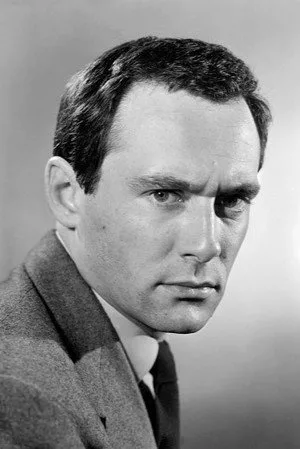 Maurice Ronet
Capain. Boisfeuras
Maurice Ronet
Capain. Boisfeuras -
 Claudia Cardinale
Aisha
Claudia Cardinale
Aisha -
 Grégoire Aslan
Ben Saad
Grégoire Aslan
Ben Saad -
 Jean Servais
Gen. Melies
Jean Servais
Gen. Melies -
 Maurice Sarfati
Merle
Maurice Sarfati
Merle - Jean-Claude Bercq Orsini
-
 Burt Kwouk
Viet Officer
Burt Kwouk
Viet Officer - Syl Lamont Verte
-
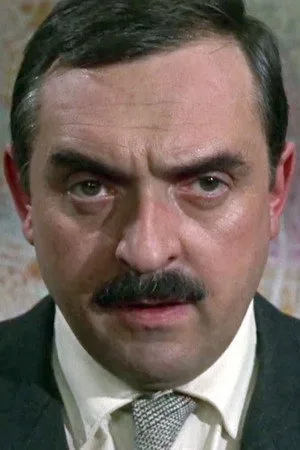 Jacques Marin
Mayor
Jacques Marin
Mayor -
 Jean-Paul Moulinot
DeGuyot
Jean-Paul Moulinot
DeGuyot - Andrés Monreal Ahmed
-
 Gordon Heath
Dia
Gordon Heath
Dia -
 René Havard
Fernand
René Havard
Fernand -
 Armand Mestral
Administration Officer
Armand Mestral
Administration Officer -
 Al Mulock
Mugnier
Al Mulock
Mugnier -
 Marie Burke
Mother Raspeguy
Marie Burke
Mother Raspeguy
Quiz about this movie
Questions from the whole catalogue.
Play nowIf you liked this one
-
Wolf Hound
 6.4
6.4
-
Nocaute
 7.0
7.0
-
Bat 21: Missão no Inferno
 6.3
6.3
-
Hell Hath No Fury
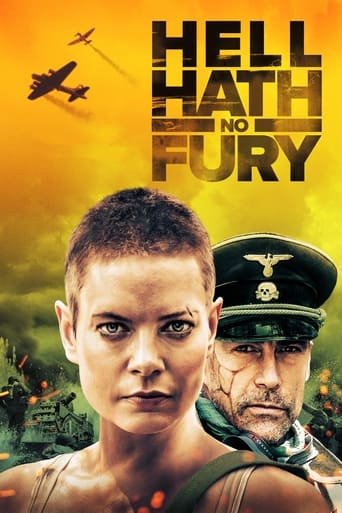 6.4
6.4
-
Sahara
 6.7
6.7
-
Atrás das Linhas Inimigas 4: Missão África
 6.1
6.1
-
Jacknife
 6.4
6.4
-
Cristiada
 6.9
6.9
-
Quando os Bravos se Calam
 6.6
6.6
-
Missão Suicida
 6.3
6.3
-
A Voz do Sangue 2 actors in common
 6.0
6.0
-
Soldado Anônimo: Lei do Retorno
 6.5
6.5
Tags
Crew
- Robert Surtees Cinematography
- Mark Robson Director
- Dorothy Spencer Editing
- Mark Robson Producer
- Franz Waxman Original music
- Nelson Gidding Writer
Questions about this film
What is Lost Command about?
Lost Command: After being freed from a Vietnamese war prison, French Lt. Col. Pierre Raspeguy is sent to help quell resistance forces in Algeria. With the help of the Capt. Esclavier, who has grown weary of war, and Capt. Boisfeuras, who lives for it, Raspeguy attempts to convert a rugged band of soldiers into a formidable fighting…
Who directed Lost Command?
Lost Command was directed by Mark Robson in 1966.
Who stars in Lost Command?
The cast of Lost Command includes Anthony Quinn, Alain Delon, George Segal, Michèle Morgan and Maurice Ronet.
How long is Lost Command?
Lost Command runs for 129 minutes, or 2h09.
Where can I watch Lost Command?
Lost Command is available on Amazon Video. Availability changes often: the list on this page is the most recent we received.
What is Lost Command based on?
Lost Command is based on The Centurions.
Similar films
 7.5
7.5
 7.5
7.5
 7.2
7.2
 7.4
7.4
 7.9
7.9
 7.6
7.6
 7.4
7.4
 6.9
6.9
 6.7
6.7
 6.1
6.1
 7.1
7.1
 6.8
6.8
Page updated on 09/10/2026.
Back to the catalogue