
Mata Hari (1931)
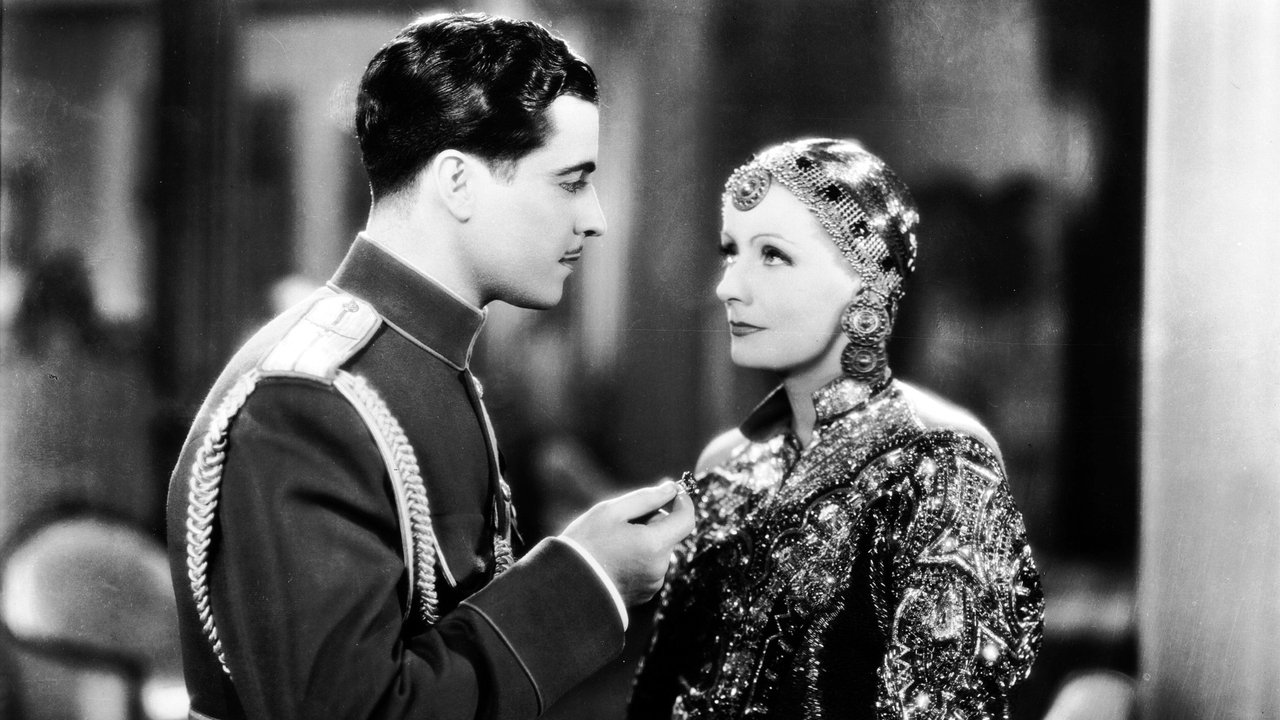
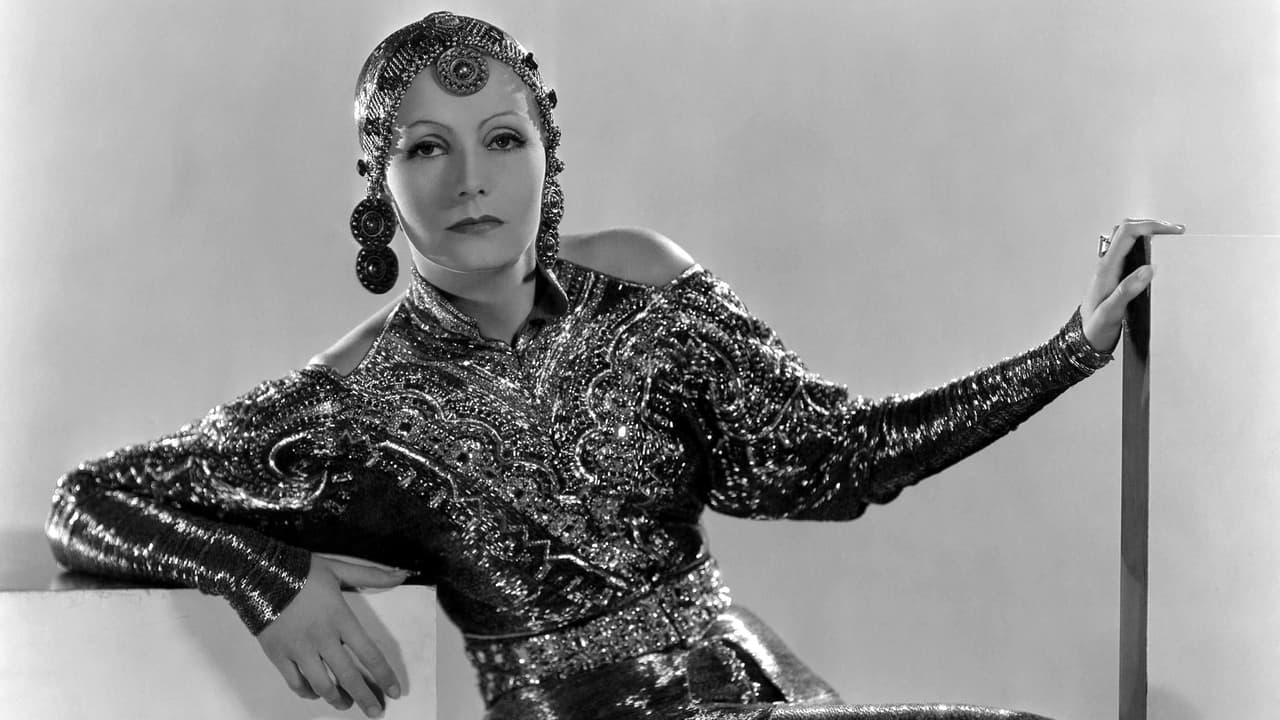
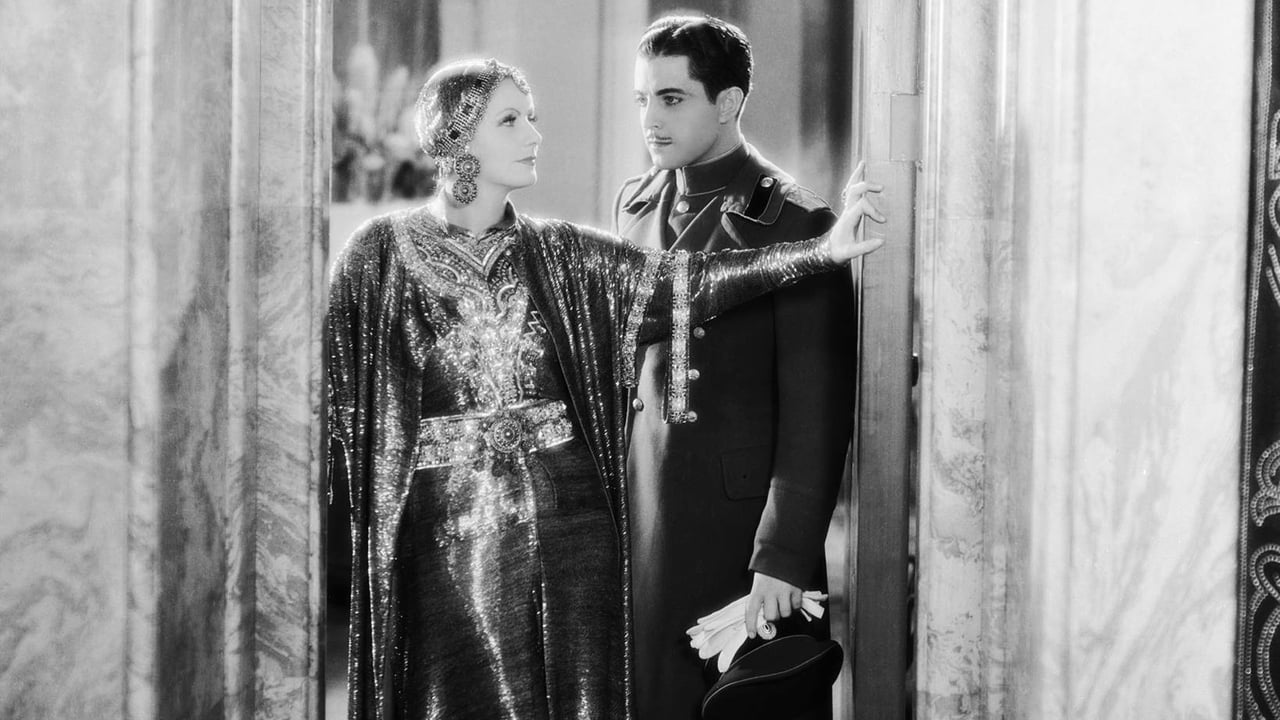
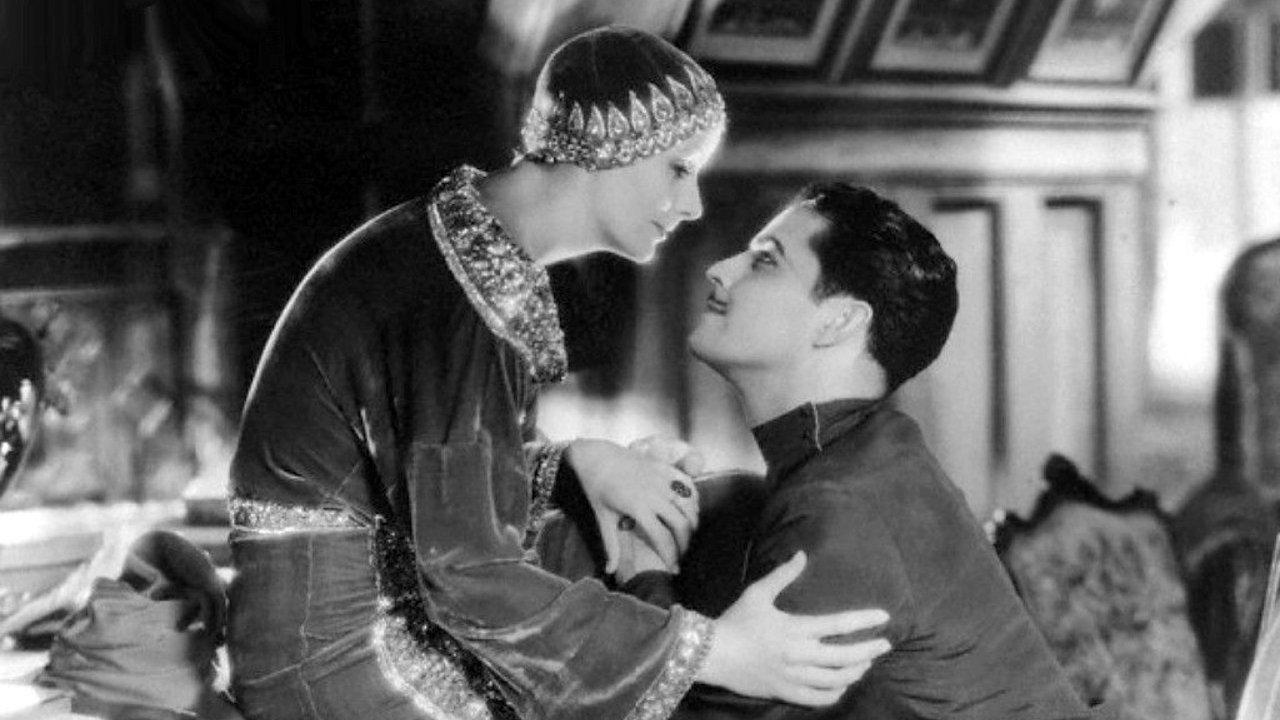
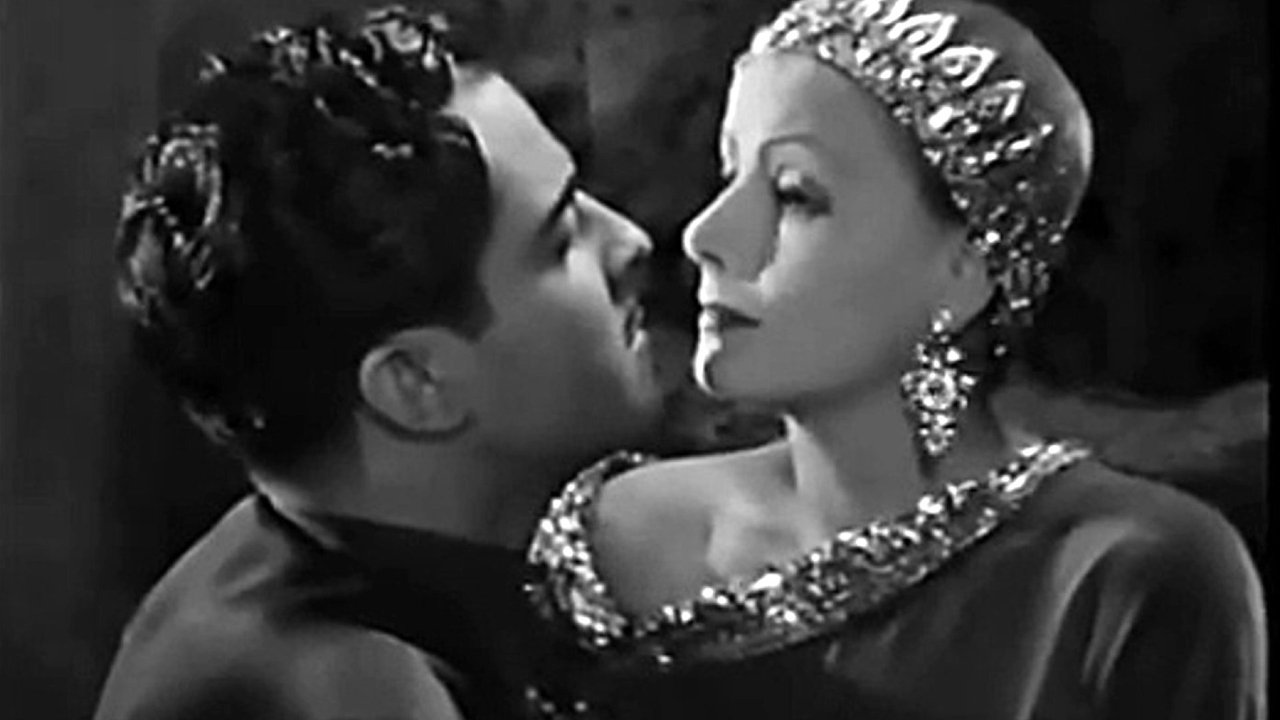
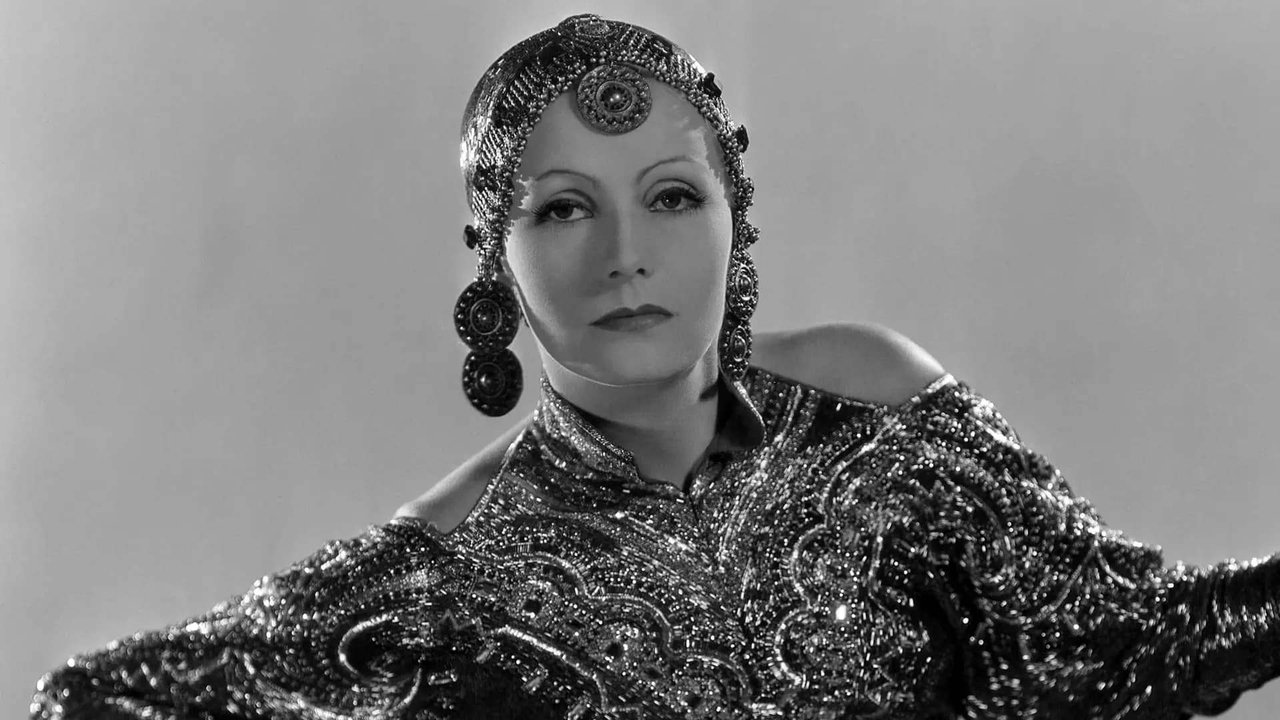
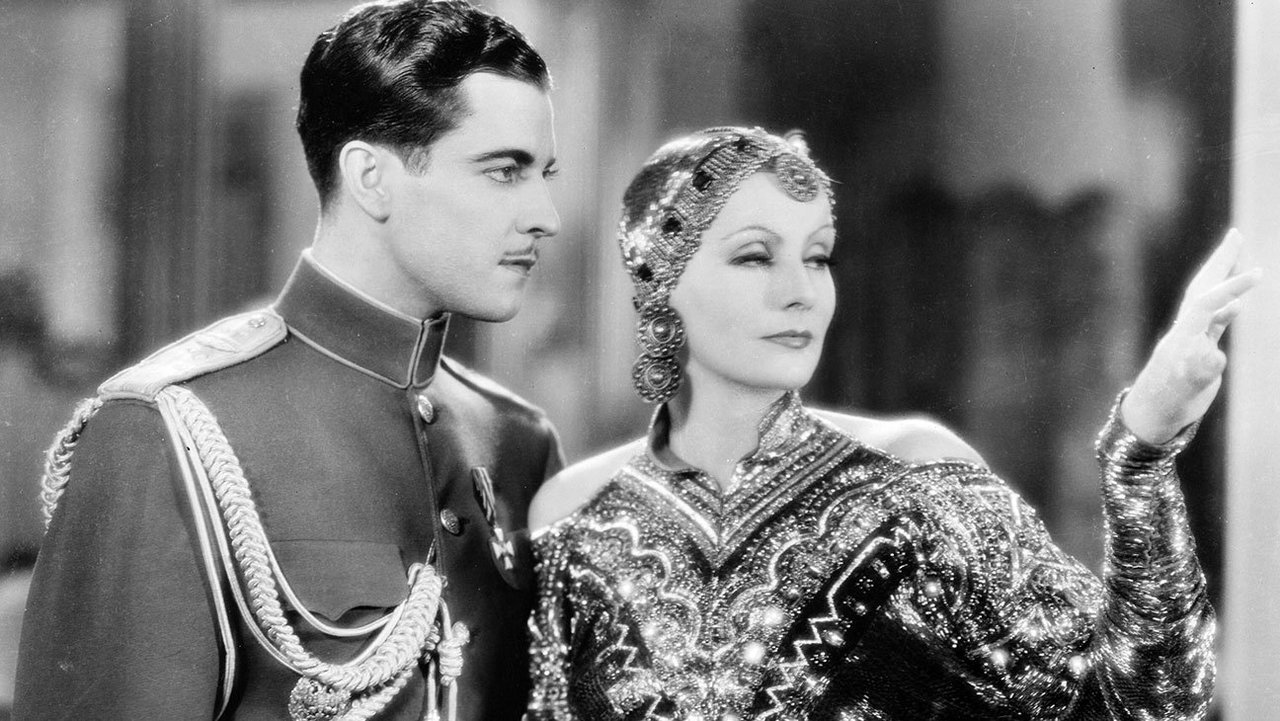
Mata Hari (1931), directed by George Fitzmaurice, starring Greta Garbo and Ramon Novarro.
score
Men worshipped her like a goddess, only to be betrayed by a kiss!
Synopsis
A semi-fictionalized account of the life of Mata Hari, an exotic dancer who was accused of spying for Germany during World War I.
- William H. DanielsCinematography
- George FitzmauriceDirector, Producer
- Frank SullivanEditing
- Irving ThalbergProducer
About the film
Mata Hari is a 1931 American pre-Code drama film directed by George Fitzmaurice loosely based on the life of Mata Hari, an exotic dancer and courtesan executed for espionage during World War I. The Metro-Goldwyn-Mayer film stars Greta Garbo in the title role. It was Garbo's most commercially successful vehicle. Only a censored version of the film is currently available.
Read the full article (8k characters)
Mata Hari is a 1931 American pre-Code drama film directed by George Fitzmaurice loosely based on the life of Mata Hari, an exotic dancer and courtesan executed for espionage during World War I. The Metro-Goldwyn-Mayer film stars Greta Garbo in the title role. It was Garbo's most commercially successful vehicle. Only a censored version of the film is currently available.
Plot
In 1917, France is embroiled in World War I. Dubois, head of the French spy bureau, offers to spare the life of a captured agent if he will reveal who he is protecting. Dubois suspects it is Mata Hari, a celebrated exotic dancer, but the prisoner chooses execution by firing squad.
Lieutenant Alexis Rosanoff of the Imperial Russian Air Force lands in Paris after a dangerous flight over enemy territory, bringing important dispatches from Russia. He persuades his superior, General Serge Shubin, to take him to see Mata Hari perform that night.
Rosanoff is instantly smitten by her (as are most of the men of Paris). By youthful exuberance and good looks, he persuades her to spend the night with him. However, the next morning, she makes it clear to him that it was a one-time dalliance.
Carlotta secretly instructs Mata Hari to report to Andriani, their spymaster. Andriani orders her to find out from General Shubin the contents of the dispatches Rosanoff brought.
Meanwhile, when Dubois discloses his suspicions about Mata Hari to Shubin, the general laughs them off as ridiculous. However, Shubin has himself passed secret information to his lover Mata Hari, whom he is expecting for a private dinner. Rosanoff arrives unexpectedly, in case Shubin has further instructions before the pilot returns to Russia with more important dispatches. Upon learning of Rosanoff's mission, Mata Hari arranges for a confederate to steal the dispatches, photograph them and then return them undetected, while she keeps a puzzled, but delighted Rosanoff occupied.
This is the opportunity for which Dubois has been waiting. He informs Shubin of Mata Hari's recent activities, inciting his jealousy. She comes to see the general, but is unable to persuade him she was only doing her job. In fact, she has fallen in love with the younger man. Furious, Shubin telephones Dubois and confirms that Mata Hari is a spy. She shoots him dead before he can carry through on his threat to implicate Rosanoff.
Mata Hari goes into hiding, but when Andriani informs her that Rosanoff crashed and was seriously injured on his way back to Russia, she defies him and resigns to go to her love. Rosanoff has been blinded, but may recover his sight. After a joyful reunion (in which she does not reveal her desperate predicament), she is arrested by Dubois.
At her trial, her lawyer, Major Caron, points out that Dubois' case is weak; all his testimony is second-hand. However, when Dubois threatens to have Rosanoff brought in to testify that he met her outside Shubin's office just after the murder, Mata Hari gives up. She is sentenced to death. She writes to Rosanoff, telling him that she cannot see him for a while, as she has to go to a sanatorium for her health.
Shortly before her execution, Rosanoff is brought to her. The jailor and the attending nuns all maintain the pretense that they are in a sanatorium. Rosanoff tells the prisoner that he will likely see again and he looks forward to their future life together once she has recovered her health. Finally, Mata Hari is taken away to face the firing squad, with Rosanoff under the impression that she is going into surgery for a routine operation.
Cast
Greta Garbo as Mata Hari
Ramon Novarro as Lieutenant Alexis Rosanoff
Lionel Barrymore as General Serge Shubin
Lewis Stone as Andriani
C. Henry Gordon as Dubois
Karen Morley as Carlotta
Alec B. Francis as Major Caron
Blanche Friderici as Sister Angelica (as Blanche Frederici)
Edmund Breese as Warden
Helen Jerome Eddy as Sister Genevieve
Frank Reicher as The Cook-Spy, ordered by Andriani to commit suicide for his past failures
Reception
Critical
In a contemporary review, Mordaunt Hall of the The New York Times described the film as a "beautifully staged and ably directed production", in which "the alluring Greta Garbo delivers another brilliant portrayal." He commended the director, George Fitzmaurice for conveying the "story in an intelligent and restrained fashion" and praised the performances of Novarro and Barrymore.
Variety wrote that the story is "nothing sensational" and "can't stand up alone", and that the effectiveness of the film was due to the performances of Greta Garbo, described as "sexy and hot in a less subtle way", Ramon Novarro, Lionel Barrymore and Lewis Stone.
The Film Daily described the film as a "World War spy drama that can't miss", and wrote, "Enhanced by such names as Garbo, Barrymore, Stone and Novarro this picture affords something genuine for the marquee lights. It suffers somewhat from a slightly old-fashioned treatment, dialogue which is not particularly original and a tendency to move slow at times, but nevertheless, it's entertainment."
International Photographer called the film "drama in its sternest mood" with "few smiles and no laughs," but gave the film an excellent review.
Commercial
Commercially, Mata Hari was Garbo's most successful film, netting a profit of $879,000. The film grossed $931,000 in the United States and $1,296,000 elsewhere. These combined grosses amounted to $2,227,000 (or $40,474,668 in 2018 dollars).
Censorship upon reissue
As with many pre-Code Hollywood films, Mata Hari was censored upon its reissue after strict enforcement of the Hays Code began in mid-1934.
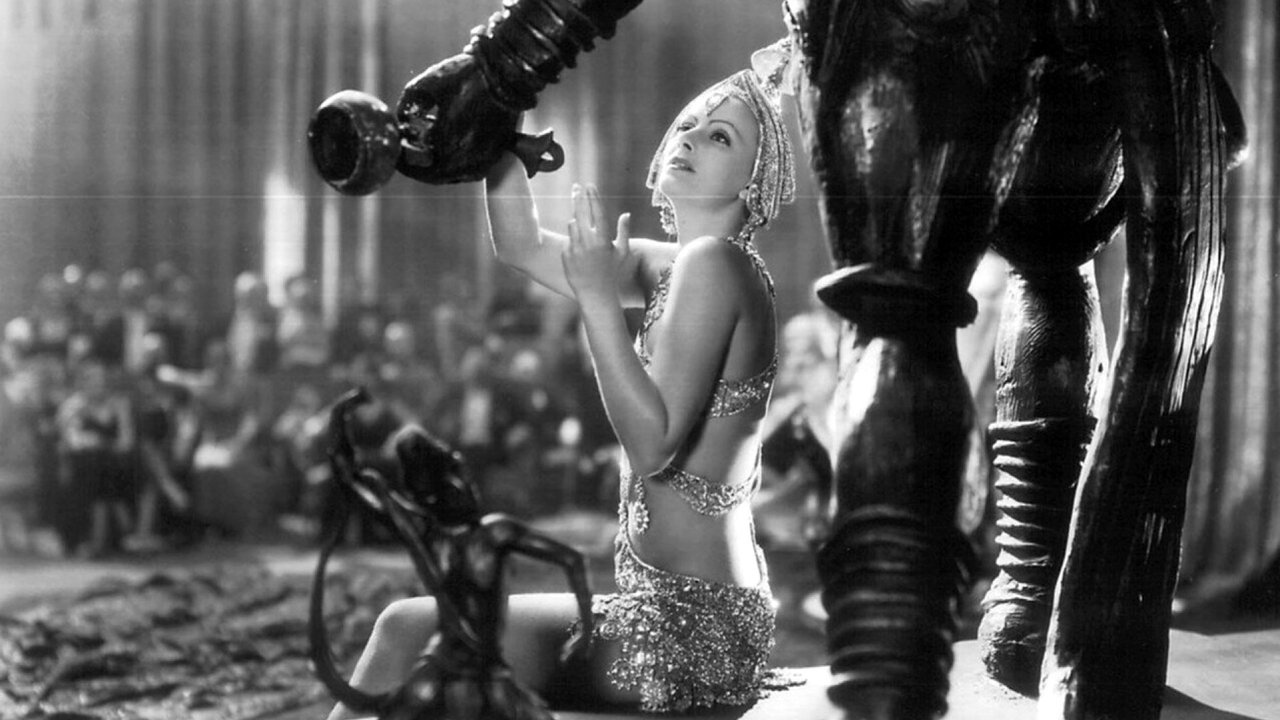
Mata's erotic dance to the statue of Shiva was drastically shortened. At the end of what remains, a glimpse of Mata (played in long shots by a dance double) almost completely nude and slumped motionless at the feet of the statue was left in, evidence now of how much was cut out. A brief fragment of the deleted portion of her dance of the veils survives at the end of a pre-Code trailer.
In Rosanoff's first visit to Mata's apartment, the fade-out that ends the scene was moved up, eliminating views of Mata after she changes into a see-through negligee, more love-making, and the clear implication of a consummation after the fade-out.
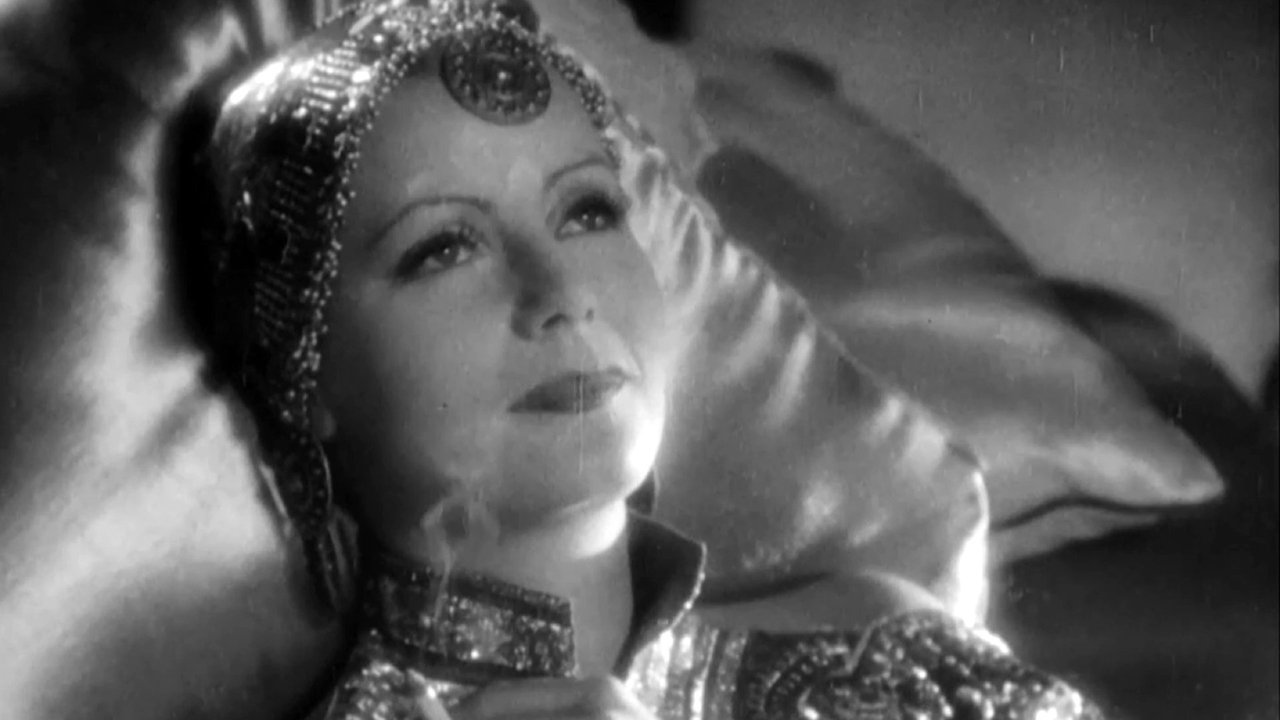
In Mata's visit to Rosanoff's apartment, after he blows out the candle he was shown carrying Mata off to his bedroom. As part of the following sequence showing the removal, copying and return of the secret documents, there was a scene of the pair in bed, engaged in pillow talk, discreetly lit only by the glowing ends of their cigarettes — a once-famous scene the censors removed completely. One line of dialog from that now-missing minute, in which Rosanoff comments on Mata's "ridiculously long" eyelashes, is referred to later in the film.
According to online reports, not officially confirmed but for more than ten years apparently never contradicted, a print of the original uncut version, subtitled in French and Dutch, survives at the Cinémathèque Royale de Belgique in Brussels, where it was publicly shown in 2005. That institution's program guide for March 2009 documents a showing of Mata Hari with a stated running time of 92 minutes. The censored version released on DVD in 2005 has a running time of 89 minutes.
See also
Mata Hari (1927)
Mata Hari, Agent H21 (1964)
Mata Hari (1985)
Spy film
References
External links
Mata Hari at the AFI Catalog of Feature Films
Mata Hari at IMDb
Mata Hari at AllMovie
Mata Hari at the TCM Movie Database (archived)
Production notes and still gallery at GarboForever.com
Text from Mata Hari (1931 film) on Wikipedia, licensed CC BY-SA 4.0. https://en.wikipedia.org/wiki/Mata_Hari_(1931_film)
Trivia
- It cost US$ 558.000 and grossed US$ 2.2 million in theaters — 4.0 times its budget.
- It premiered on December 26, 1931, a Saturday.
- It runs 1h29 — a typical feature length.
- As of September 20, 2026, it is available in Brazil by subscription on Belas Artes à La Carte.
- This film's quiz has 10 questions — enough to play more than once without repeats.
Production
- StudiosMetro-Goldwyn-Mayer
- CountriesUnited States
- LanguagesEnglish
- BudgetUS$ 558,000
- Box officeUS$ 2,227,000
- StatusReleased
More about this film
Set in
- Paris
Where to watch
Videos
Photos



Cast
-
 Greta Garbo
Mata Hari
Greta Garbo
Mata Hari -
 Ramon Novarro
Lt. Alexis Rosanoff
Ramon Novarro
Lt. Alexis Rosanoff -
 Lionel Barrymore
General Serge Shubin
Lionel Barrymore
General Serge Shubin -
 Lewis Stone
Andriani
Lewis Stone
Andriani -
 C. Henry Gordon
Dubois
C. Henry Gordon
Dubois -
 Karen Morley
Carlotta
Karen Morley
Carlotta -
 Alec B. Francis
Major Caron
Alec B. Francis
Major Caron -
 Blanche Friderici
Sister Angelica
Blanche Friderici
Sister Angelica -
 Edmund Breese
Warden
Edmund Breese
Warden -
 Helen Jerome Eddy
Sister Genevieve
Helen Jerome Eddy
Sister Genevieve -
 Frank Reicher
The Cook - Spy
Frank Reicher
The Cook - Spy -
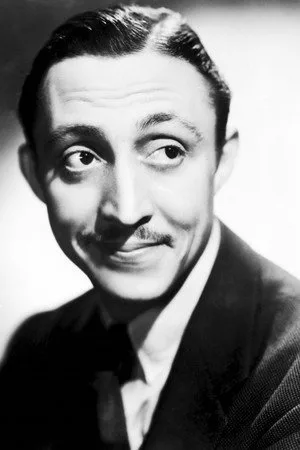 Mischa Auer
Firing Squad Victim (uncredited)
Mischa Auer
Firing Squad Victim (uncredited) -
 Reginald Barlow
Prosecutor (uncredited)
Reginald Barlow
Prosecutor (uncredited) -
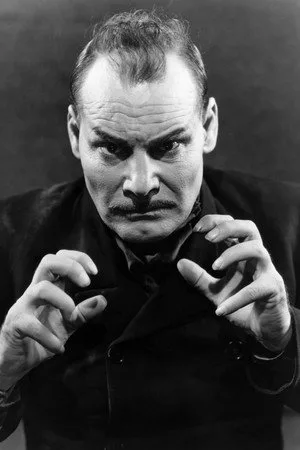 Harry Cording
Ivan (uncredited)
Harry Cording
Ivan (uncredited) -
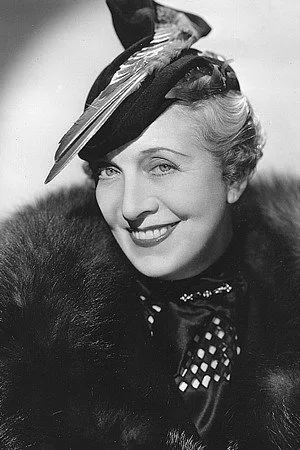 Cecil Cunningham
Gambler Selling Ring (uncredited)
Cecil Cunningham
Gambler Selling Ring (uncredited) -
 Maude Turner Gordon
Madame Durand (uncredited)
Maude Turner Gordon
Madame Durand (uncredited) -
 Sarah Padden
Sister Teresa (uncredited)
Sarah Padden
Sister Teresa (uncredited) -
 Michael Visaroff
Jacques (uncredited)
Michael Visaroff
Jacques (uncredited)
Quiz about this movie
Questions from the whole catalogue.
Play nowIf you liked this one
-
Um Conto do Destino
 6.3
6.3
-
O Caso Richard Jewell
 7.4
7.4
-
A Conversação
 7.5
7.5
-
F.I.S.T.
 6.5
6.5
-
Anjo ou Demônio?
 6.5
6.5
-
As Espiãs de Churchill
 6.7
6.7
-
Sahara
 5.9
5.9
-
Limbo
 6.1
6.1
-
High Strung: Ao Ritmo do Sonho
 7.0
7.0
-
High Strung Free Dance
 7.3
7.3
-
Porque Choram os Homens
 6.1
6.1
-
Jogada de Mestre
 6.0
6.0
Tags
Crew
- William H. Daniels Cinematography
- George Fitzmaurice Director
- Frank Sullivan Editing
- George Fitzmaurice Producer
- Irving Thalberg Producer
- Benjamin Glazer Writer
- Leo Birinski Writer
Questions about this film
What is Mata Hari about?
Mata Hari: A semi-fictionalized account of the life of Mata Hari, an exotic dancer who was accused of spying for Germany during World War I.
Who directed Mata Hari?
Mata Hari was directed by George Fitzmaurice in 1931.
Who stars in Mata Hari?
The cast of Mata Hari includes Greta Garbo, Ramon Novarro, Lionel Barrymore, Lewis Stone and C. Henry Gordon.
How long is Mata Hari?
Mata Hari runs for 89 minutes, or 1h29.
How much did Mata Hari cost and how much did it make?
Mata Hari had a budget of US$ 558,000 and took US$ 2,227,000 at the box office — 4.0 times its cost.
Where can I watch Mata Hari?
Mata Hari is available on Belas Artes à La Carte and Amazon Video. Availability changes often: the list on this page is the most recent we received.
Similar films
 7.0
7.0
 6.9
6.9
 7.1
7.1
 7.8
7.8
 7.2
7.2
 7.5
7.5
 8.7
8.7
 8.7
8.7
 7.9
7.9
 8.5
8.5
 8.1
8.1
 8.0
8.0
Page updated on 09/12/2026.
Back to the catalogue