Miami Blues (1990)
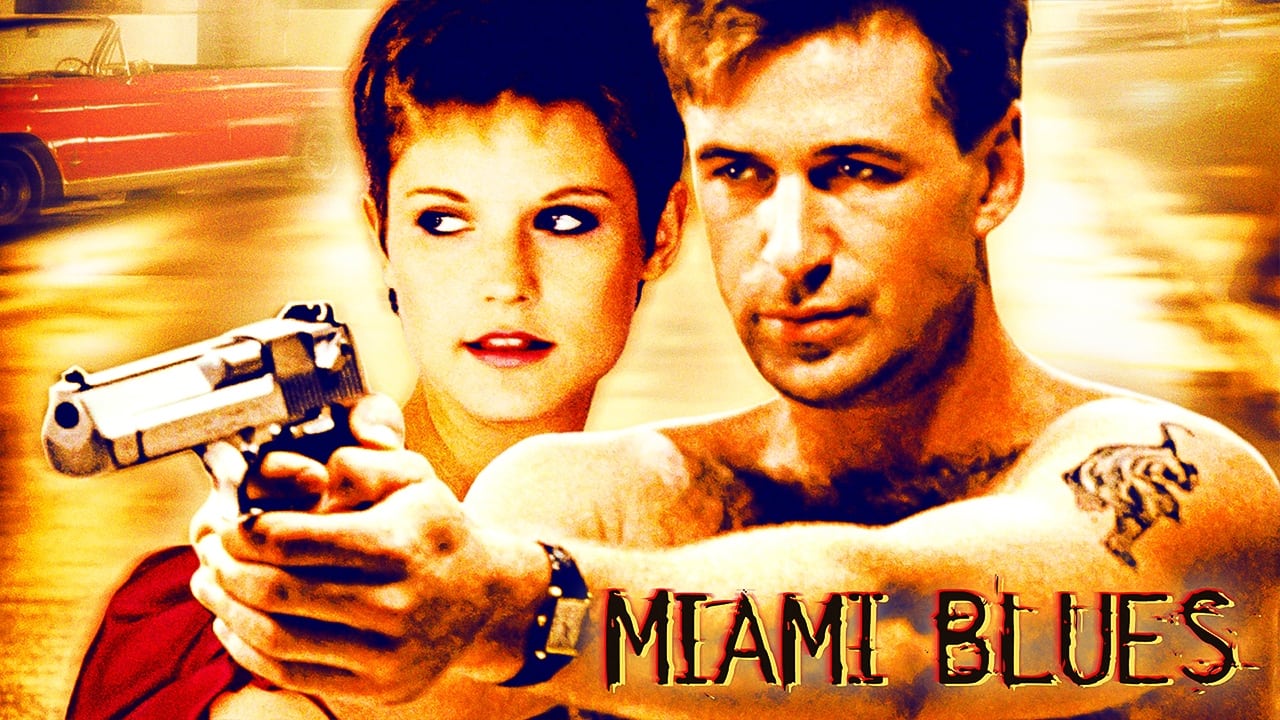
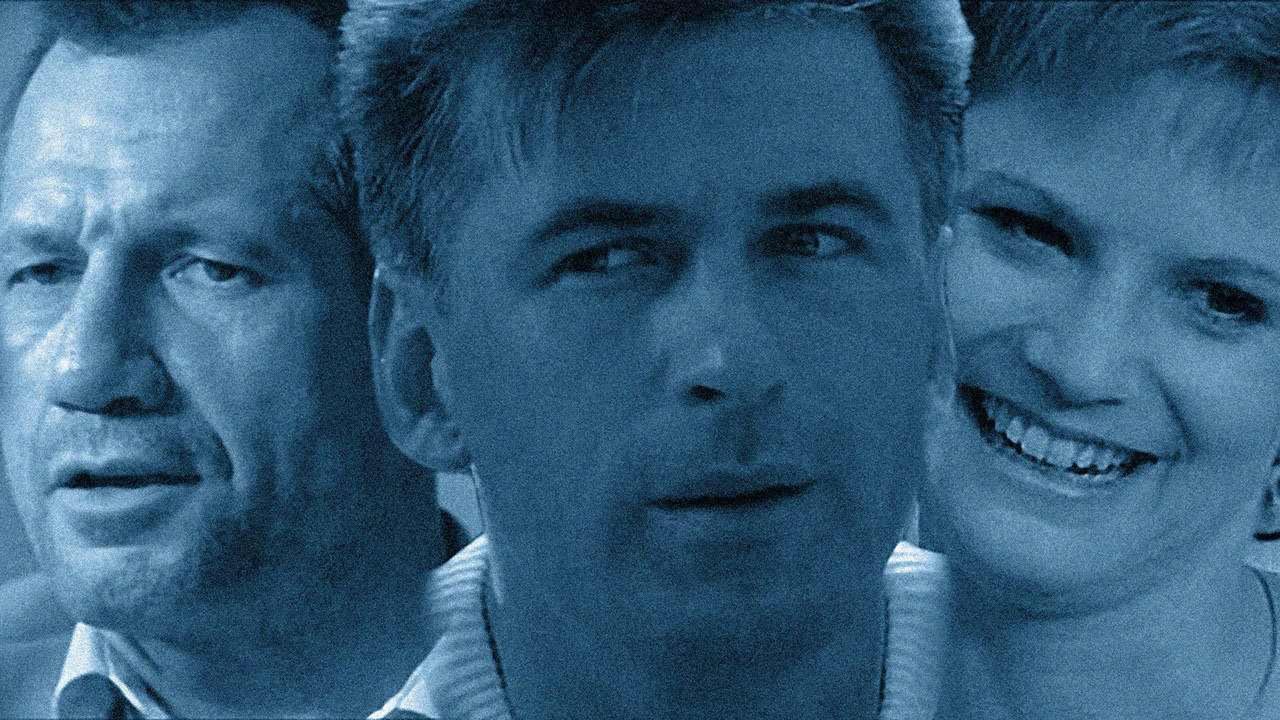
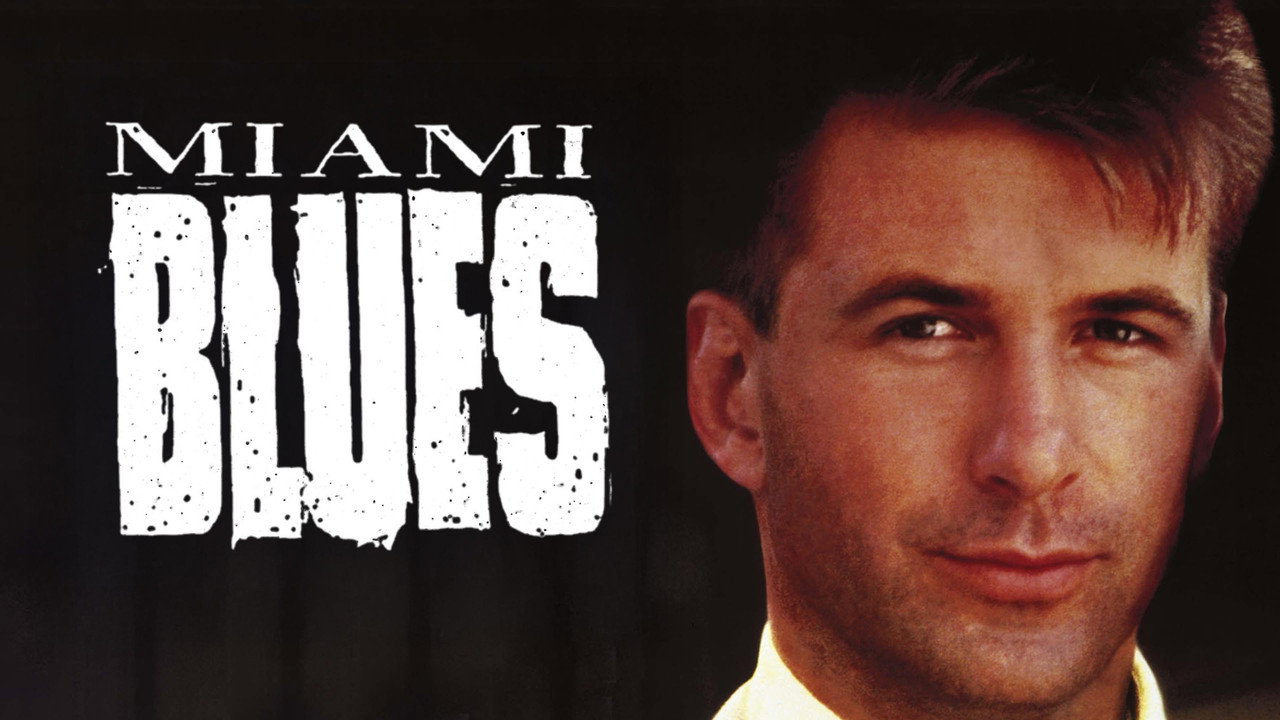
Miami Blues (1990), directed by George Armitage, starring Fred Ward and Alec Baldwin.
score
Real badge. Real gun. Fake cop.
Synopsis
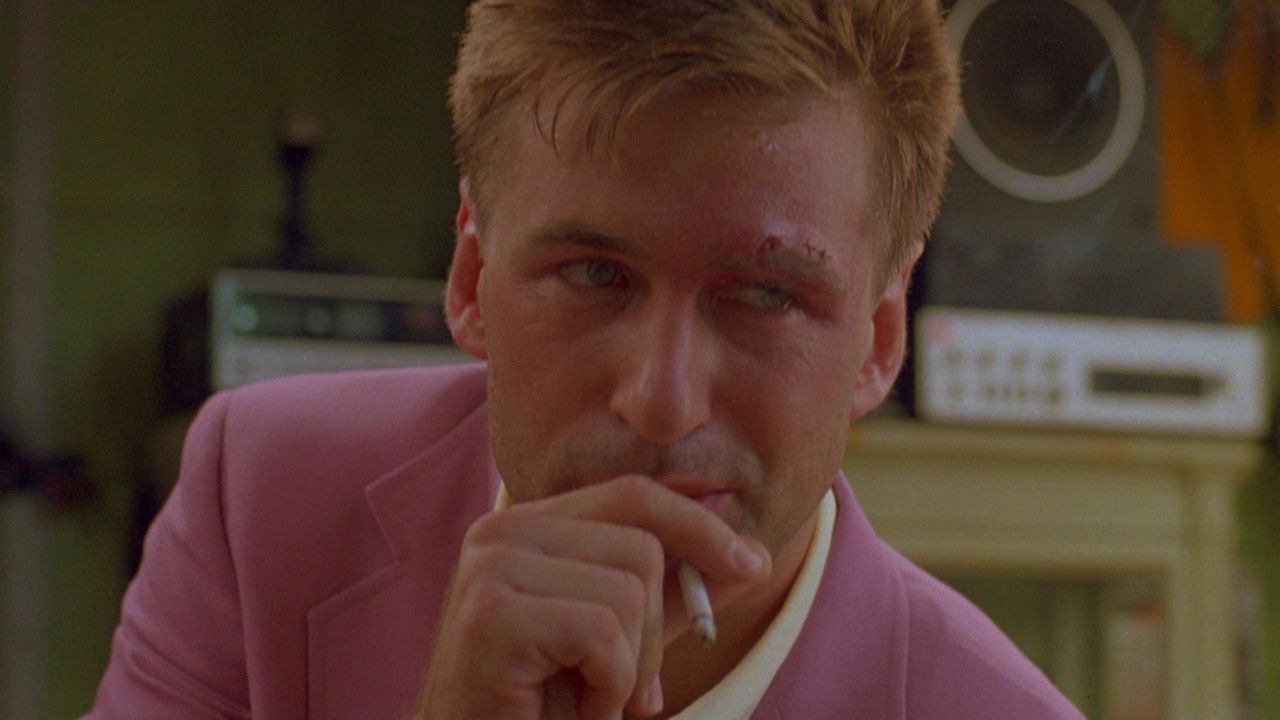
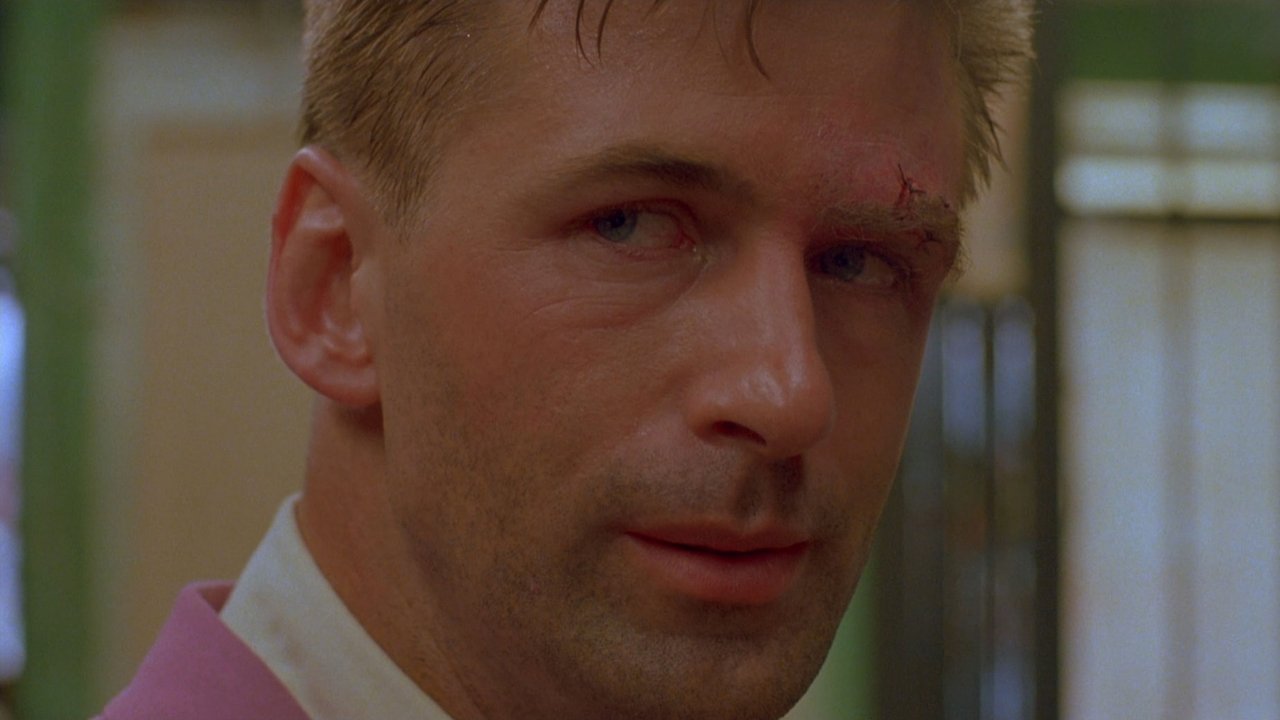
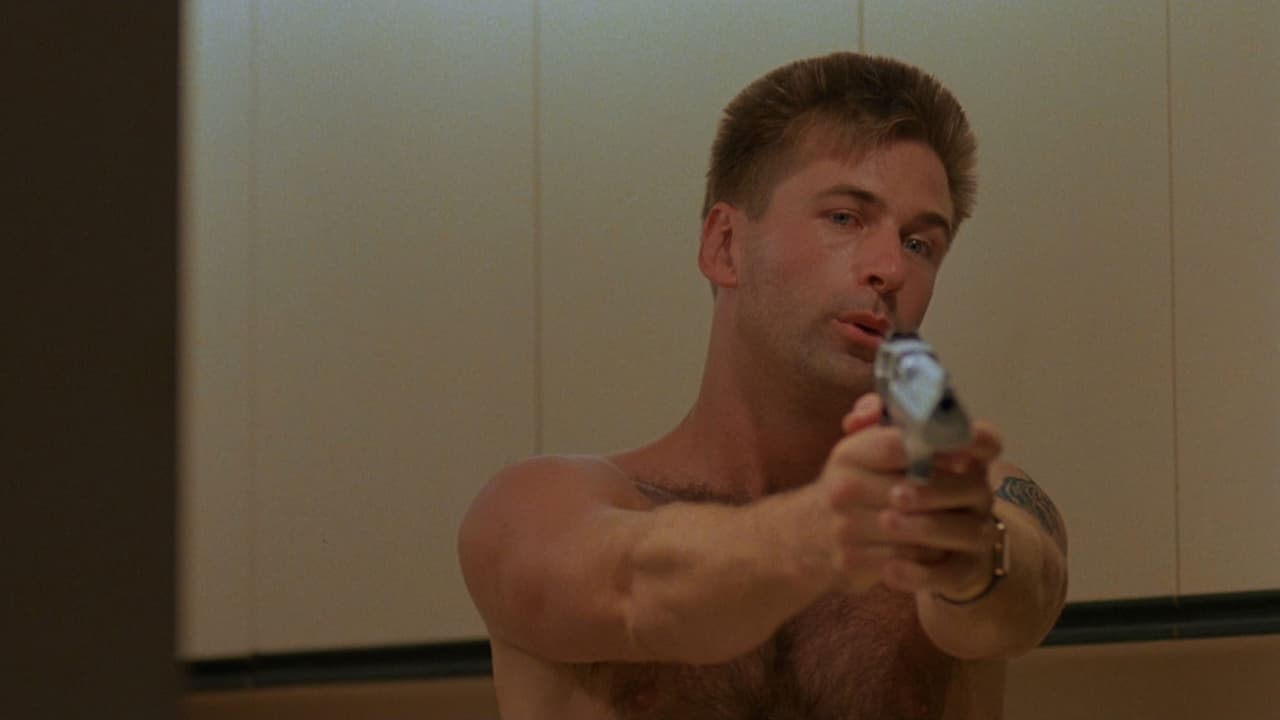
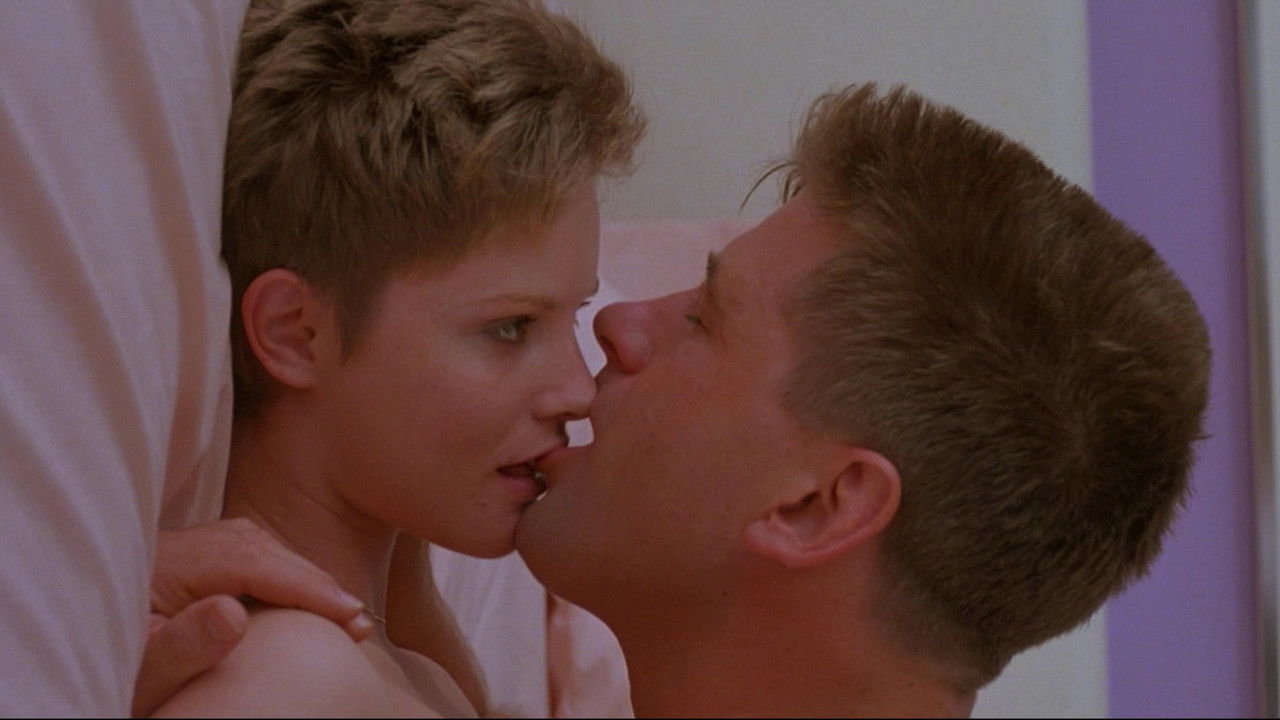
After Junior is released from prison, he plans on starting a new life in Miami. But when he kills a man in the airport, he flees the scene and finds Susie, a mild-mannered prostitute searching for stability. The two opposites become romantically involved, and Junior steals a badge and gun from a veteran detective. Using the officer's identity, Junior embarks on a crime spree and convinces Susie that he is the perfect man.
- Tak FujimotoCinematography
- George ArmitageDirector, Screenplay
- Craig McKayEditing
- Gary GoetzmanProducer
About the film
Miami Blues is a 1990 American neo-noir black comedy crime drama film written and directed by George Armitage, based on the 1984 novel of the same name by Charles Willeford. It stars Fred Ward (who also served as an executive producer), Alec Baldwin, and Jennifer Jason Leigh.
Read the full article (8k characters)
Miami Blues is a 1990 American neo-noir black comedy crime drama film written and directed by George Armitage, based on the 1984 novel of the same name by Charles Willeford. It stars Fred Ward (who also served as an executive producer), Alec Baldwin, and Jennifer Jason Leigh.
Plot
Frederick J. Frenger Jr. (who asks to be called "Junior"), a violent sociopath and self-described thief who "steals from other thieves", is recently released from a California prison, and starts a new life in Miami. Before leaving the airport, he steals a stranger's luggage and unintentionally kills a Hare Krishna by breaking his index finger. Junior checks into a hotel and hooks up with Susie Waggoner, a naive part-time prostitute who is a student at a community college. They become romantically involved and move into a house together, with Susie blissfully unaware of Junior's criminal activities and harboring fantasies of living happily ever after.
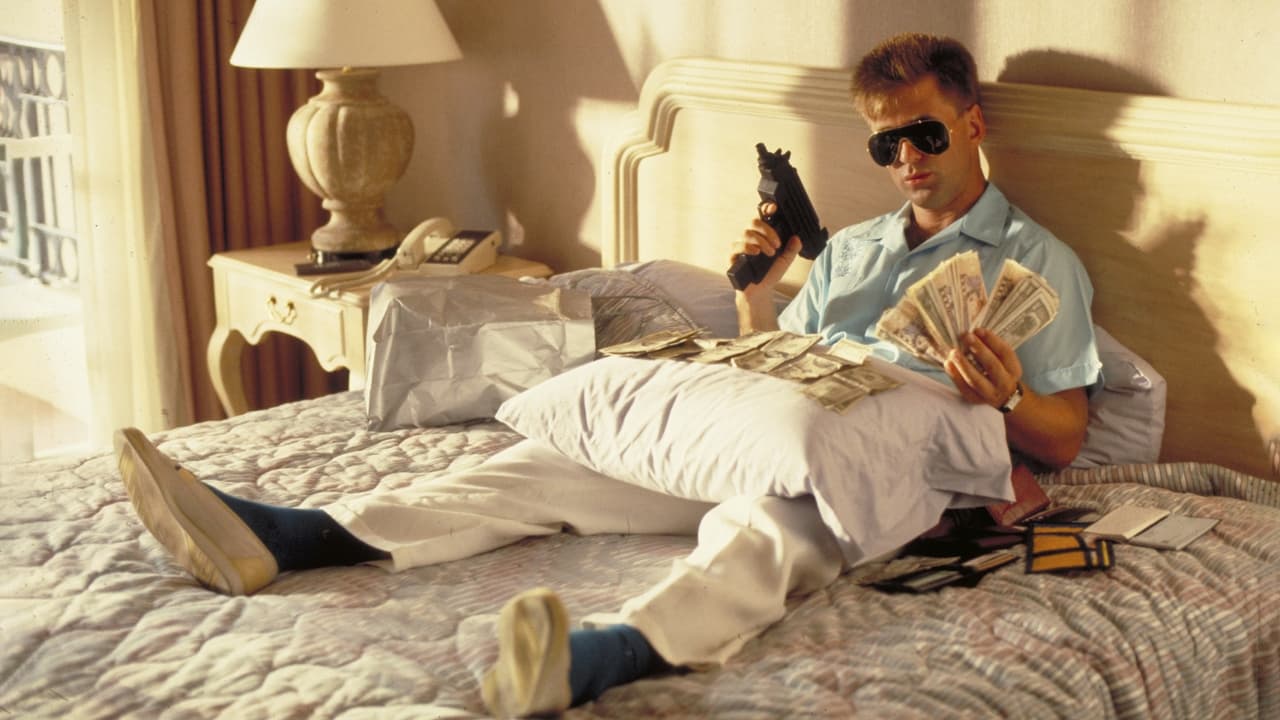
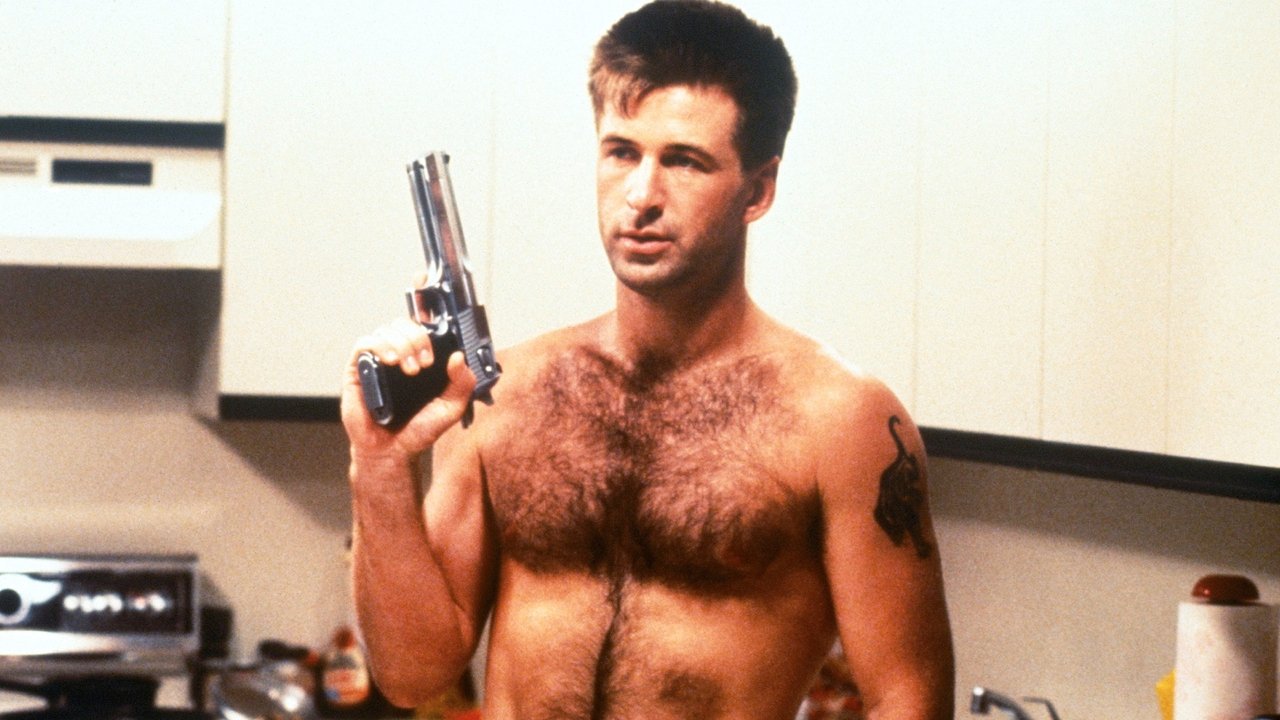
Later, while Susie is taking a bath and writing a haiku, Junior decides to break into a nearby apartment. He steals an IMI Desert Eagle handgun, a coin collection and some pork chops. As he is doing this, he speaks aloud a haiku of his own: "Breaking, entering. The dark and lonely places. Finding a big gun."
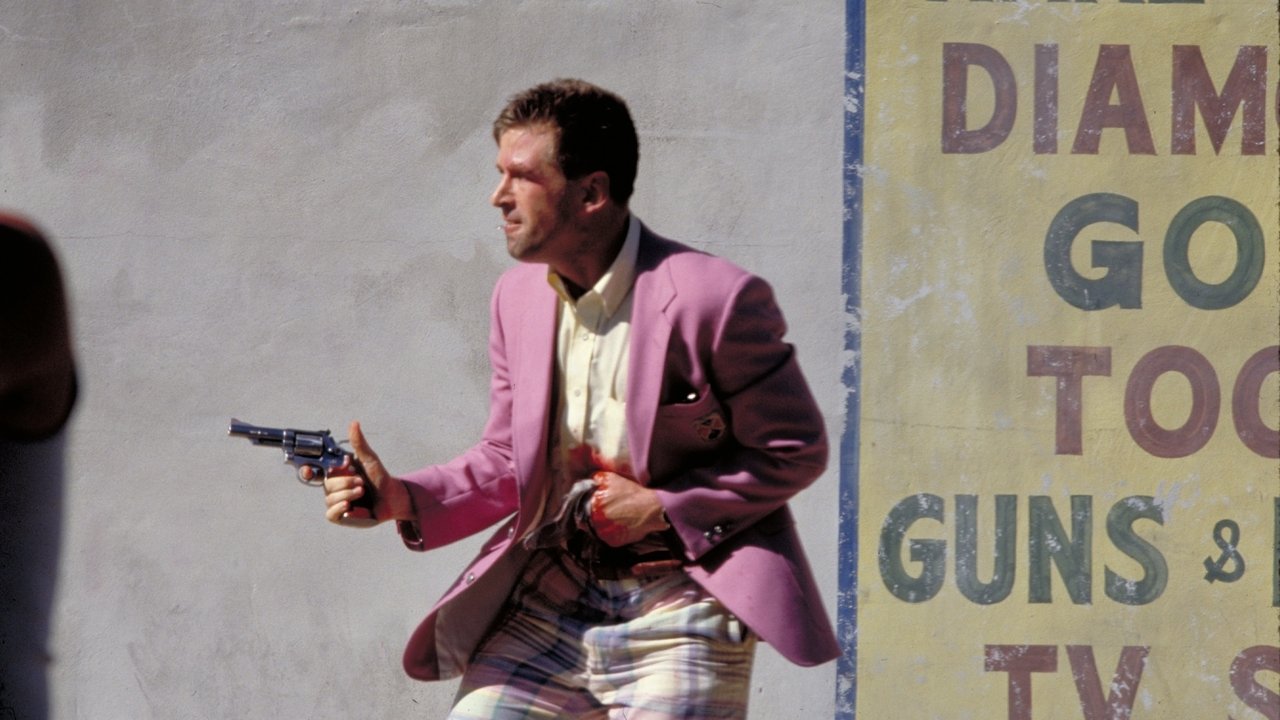
An investigation of the Hare Krishna murder leads grizzled policeman Sgt. Hoke Moseley to come knocking on their door. Moseley shares a home-cooked dinner with the couple, upon Susie's suggestion, and plays it cool while seemingly indicating to Junior that he is on to him. He overtly suspects Junior has been in prison and wants him to come to the police station for a lineup. In response, Junior goes to Moseley's home the next day, assaults him and steals his gun, badge and dentures. Junior begins using the badge, impersonating a police officer by breaking up robberies, hold-ups, and other criminal solicitations only to keep the loot for himself or demanding bribes as rewards afterward.
While at a convenience store, Junior witnesses an armed robbery and decides to break it up. He lectures the gunman about avoiding a life of crime, but the gunman runs a truck over him. Junior complains to Susie that the "straight life" has made him too soft. Moseley tracks down the couple through a utility account opened up in Susie's name. He pretends to run into her at the grocery store, where they swap recipes. After she lies that she has left Junior, Moseley tells her that Junior is a murderer and that he and the police are looking for him.
Back home, to test whether he will lie to her, Susie deliberately ruins a pie by putting an excessive amount of vinegar in it. To her disappointment, Junior compliments the dessert and eats it with gusto, though his face gives it away somewhat. The next day, Junior asks Susie to drive him around town on errands. Their first stop is a pawn shop, which he robs. In the course of the robbery, Junior kills the pawnbroker's bodyguard and seriously injures her, but not before she chops several of his fingers off.
Badly injured, Junior limps to the car, but Susie drives away upon realizing what he has done. Moseley pursues him to the house, where he shoots and kills Junior in self-defense. Being ironic with his last words, Junior tells Moseley, "Susie's gonna get you, Sarge." Susie then arrives and Moseley asks why she stayed with him for so long. She explains that he was kind to her, ate everything she ever cooked and never hit her.
Cast
Production
The film was the first feature directed by George Armitage in over a decade. He later recalled:
Bill Horberg, who was associate producer, brought the book to Fred [Ward], and Fred said: "Oh, this is great." I don't know if Bill had money or not to option the book, but Fred did, and he optioned it. He brought it to Jonathan [Demme] and Gary Goetzman, he wanted Jonathan to direct it. Jonathan had just finished Married to the Mob, which hadn't been released yet, and he had shot in Miami, and he said to Fred: "Why don't you give it to Din [George Armitage]? Give it to George." And he did, and I loved it. He said "Do you want to write the script and direct it?" I said "Absolutely, let's go." I had worked for Mike Medavoy, who was now head of Orion Pictures, on Vigilante Force, and he said: "Sure, good." Fred, Jonathan, and Gary—who would go on to produce a number of wonderful things for Tom Hanks's company, though this was his first film—were amazingly helpful.
Armitage says the script omitted a key plot point in the novel, that the Hare Krishna killed by Fred was Susie's brother. "It took 10 or 15 pages to explain that relationship, and it bothered me—that kind of serendipity. And we were just sitting there talking: "Why do we need to have that anyways?" It really was just a matter of economy. In early drafts it was in. In the novel it works beautifully, because it's Willeford."
At one stage Gene Hackman was going to play Hoke and Fred Ward was to play Junior. Then Hackman dropped out and Alec Baldwin came in to read.
He knocked us out, so I said: "Fred, what do you think?" He said: "He's Junior. I'll be Hoke." And Alec was extraordinary. It rained a lot during the shoot, which would shut us down because you could hear the rain on the roof, it was too loud, so we'd have to wait it out. One day we were sitting around Junior and Susie's house, and Alec gets behind the camera and does about a five-minute impression of Tak Fujimoto. Then he moves over to the electrical department and does spot-on impressions of all of those guys. Everybody was awestruck. He also did an impression of me that was rather insulting, and very funny. What I wanted to do in that was have the audience go on that ride with Junior while he was running around and playing cop, and to really enjoy it—and the audiences I saw it with did—but then slowly I wanted to take it away from them, so that by the end they would feel a little bit guilty about having so much fun earlier on in the picture. However, it kind of backfired—we did a preview in New Jersey, and the audience was horrified when Junior died, they practically rioted when Alec was killed … Alec had a little problem with that—he wanted to be a little broader, I was afraid he was commenting on the character, but I must tell you: he was right. We didn't really agree on set, but then he gave me a call [years later] … and said: "Hey, I'm glad you made me do this and that." I said: "I'm glad you did what you did, too." It was a little broader than I would've asked him to play it, but I really like what he did.
Principal photography began on September 28, 1988, in Miami and lasted nine weeks.
Reception
Box office
The film's release was delayed to try to take advantage of Baldwin's success in The Hunt for Red October, which had been released two months earlier, but failed to do so, with an opening weekend gross of $3 million from 832 screens to place fourth for the weekend, behind The Hunt for Red October. It went on to gross $9.9 million in the United States and Canada.
Critical response
On the review aggregator website Rotten Tomatoes, the film holds a rating of 86% based on 28 reviews. The website's critics consensus reads, "Laced with hard-boiled thrills and pitch-black comedy, Miami Blues delivers a disarmingly off-kilter crime caper." On Metacritic, which assigns a weighted average score out of 100 to reviews from mainstream critics, the film received an average score of 72, based on reviews from 27 critics, indicating "generally favorable" reviews. Audiences surveyed by CinemaScore gave the film a grade "C" on a scale of A to F.
Janet Maslin of The New York Times wrote: "Miami Blues is best appreciated for the performances of its stars and for the kinds of funny, scene-stealing peripheral touches that keep it lively even when it's less than fully convincing."
Roger Ebert of the Chicago Sun-Times gave the film two out of four stars and wrote: "They're looking for the right tone in Miami Blues, and they don't find it very often, but when they do, you can see what they were looking for."
Accolades
For her role in Miami Blues and the film Last Exit to Brooklyn, Jennifer Jason Leigh won the award for Best Supporting Actress from both the New York Film Critics Circle and the Boston Society of Film Critics.
References
External links
Miami Blues at IMDb
Miami Blues at AllMovie
Miami Blues at the AFI Catalog of Feature Films
Text from Miami Blues on Wikipedia, licensed CC BY-SA 4.0. https://en.wikipedia.org/wiki/Miami_Blues
Trivia
- It cost US$ 11 million and grossed US$ 9.9 million in theaters — 0.9 times its budget.
- It premiered on April 20, 1990, a Friday.
- It runs 1h37 — a typical feature length.
- This film's quiz has 13 questions — enough to play more than once without repeats.
Production
- StudiosOrion Pictures, Tristes Tropiques
- CountriesUnited States
- LanguagesEnglish
- BudgetUS$ 11,000,000
- Box officeUS$ 9,888,167
- StatusReleased
More about this film
Filming locations
- Miami-Dade County
- Florida
Set in
- Miami metropolitan area
- Miami
Photos

Cast
-
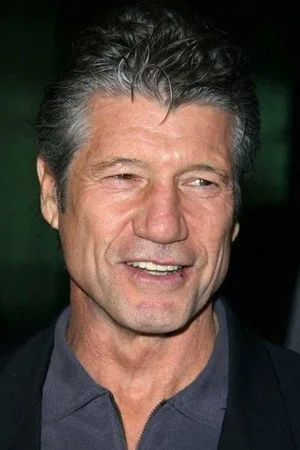 Fred Ward
Sergeant Hoke Moseley
Fred Ward
Sergeant Hoke Moseley -
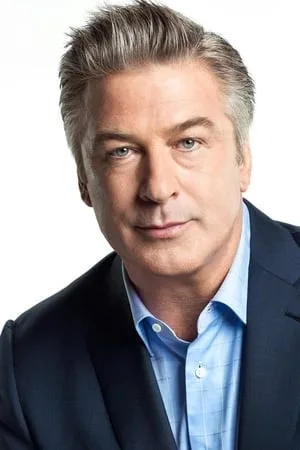 Alec Baldwin
Frederick J. Frenger Jr.
Alec Baldwin
Frederick J. Frenger Jr. -
 Jennifer Jason Leigh
Susie Waggoner
Jennifer Jason Leigh
Susie Waggoner -
 Nora Dunn
Ellita Sanchez
Nora Dunn
Ellita Sanchez -
 Charles Napier
Sergeant Bill Henderson
Charles Napier
Sergeant Bill Henderson -
 Shirley Stoler
Edie Wulgemuth
Shirley Stoler
Edie Wulgemuth -
 Bobo Lewis
Edna Damrosch
Bobo Lewis
Edna Damrosch -
 Obba Babatundé
Blink Willie
Obba Babatundé
Blink Willie -
 José Pérez
Pablo
José Pérez
Pablo -
 Paul Gleason
Sergeant Frank Lackley
Paul Gleason
Sergeant Frank Lackley - Cecilia Pérez-Cervera Stewardess
- Georgie Cranford Little Boy
-
 Edward Saxon
Krishna Ravindra
Edward Saxon
Krishna Ravindra - Matt Ingersoll Mourning Hare Krishna
- Jack G. Spirtos Pickpocket Victim
- Raphael Rey Gomez Pickpocket
- Tony Paris Pickpocket's Accomplice
- Wendy Thorlakson Toy Store Cashier
- William Taylor Anderson Jr. Crack Dealer
-
 Gary Goetzman
Hotel Desk Clerk
Gary Goetzman
Hotel Desk Clerk
Quiz about this movie
Questions from the whole catalogue.
Play nowIf you liked this one
-
Droga da Sedução
 6.0
6.0
-
Até a Morte
 6.0
6.0
-
68 Kill
 5.9
5.9
-
Sangue na Veia
 5.8
5.8
-
Implacável
 6.8
6.8
-
Assalto sobre Trilhos Comedy from the 1990s
 5.9
5.9
-
Stretch
 6.2
6.2
-
O Carma de Um Assassino
 6.3
6.3
-
O Vingador
 6.1
6.1
-
A Última Cartada
 6.5
6.5
-
Adrenalina 2: Alta Voltagem
 6.1
6.1
-
Um Criminoso Decente
 6.2
6.2
Tags
Crew
- Tak Fujimoto Cinematography
- George Armitage Director
- Craig McKay Editing
- Gary Goetzman Producer
- Jonathan Demme Producer
- Gary Chang Original music
- George Armitage Screenplay
Questions about this film
What is Miami Blues about?
Miami Blues: After Junior is released from prison, he plans on starting a new life in Miami. But when he kills a man in the airport, he flees the scene and finds Susie, a mild-mannered prostitute searching for stability. The two opposites become romantically involved, and Junior steals a badge and gun from a veteran detective. Usi…
Who directed Miami Blues?
Miami Blues was directed by George Armitage in 1990.
Who stars in Miami Blues?
The cast of Miami Blues includes Fred Ward, Alec Baldwin, Jennifer Jason Leigh, Nora Dunn and Charles Napier.
How long is Miami Blues?
Miami Blues runs for 97 minutes, or 1h37.
How much did Miami Blues cost and how much did it make?
Miami Blues had a budget of US$ 11,000,000 and took US$ 9,888,167 at the box office.
Similar films
 8.5
8.5
 7.3
7.3
 6.8
6.8
 6.7
6.7
 6.9
6.9
 6.5
6.5
 6.6
6.6
 7.2
7.2
 6.0
6.0
 6.6
6.6
 6.5
6.5
 8.5
8.5
Page updated on 09/12/2026.
Back to the catalogue