
Ridicule (1996)
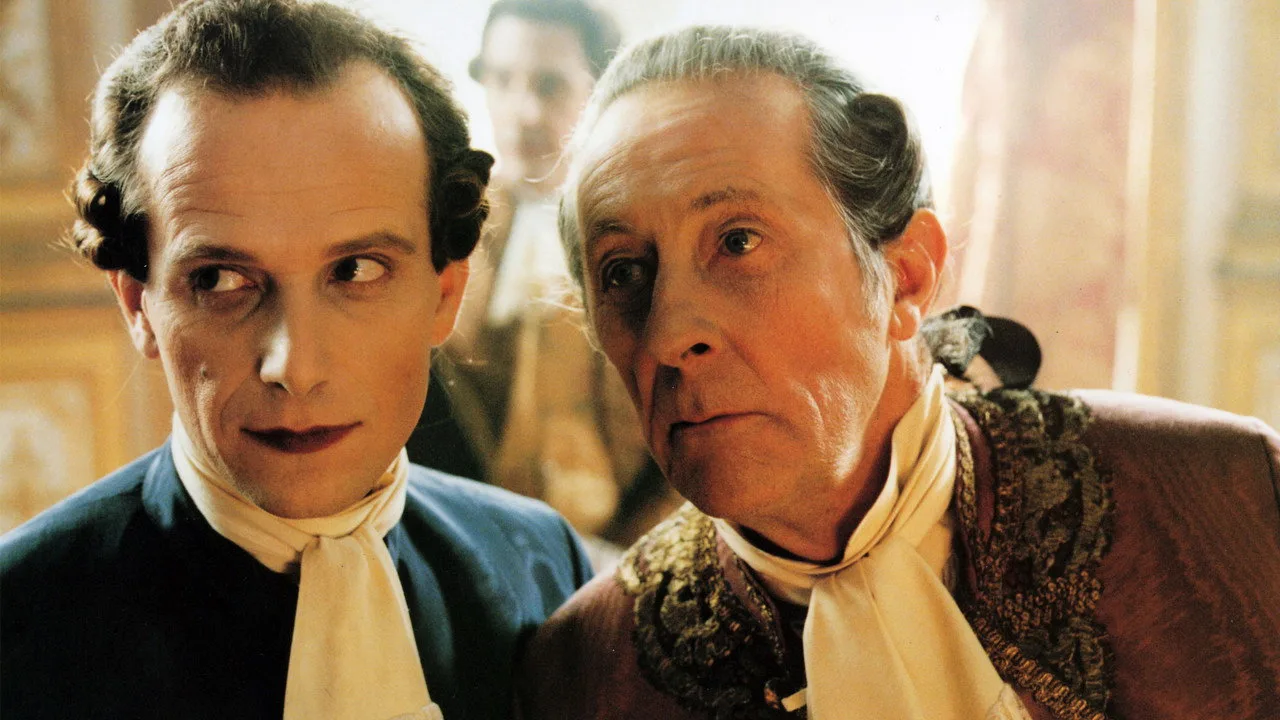
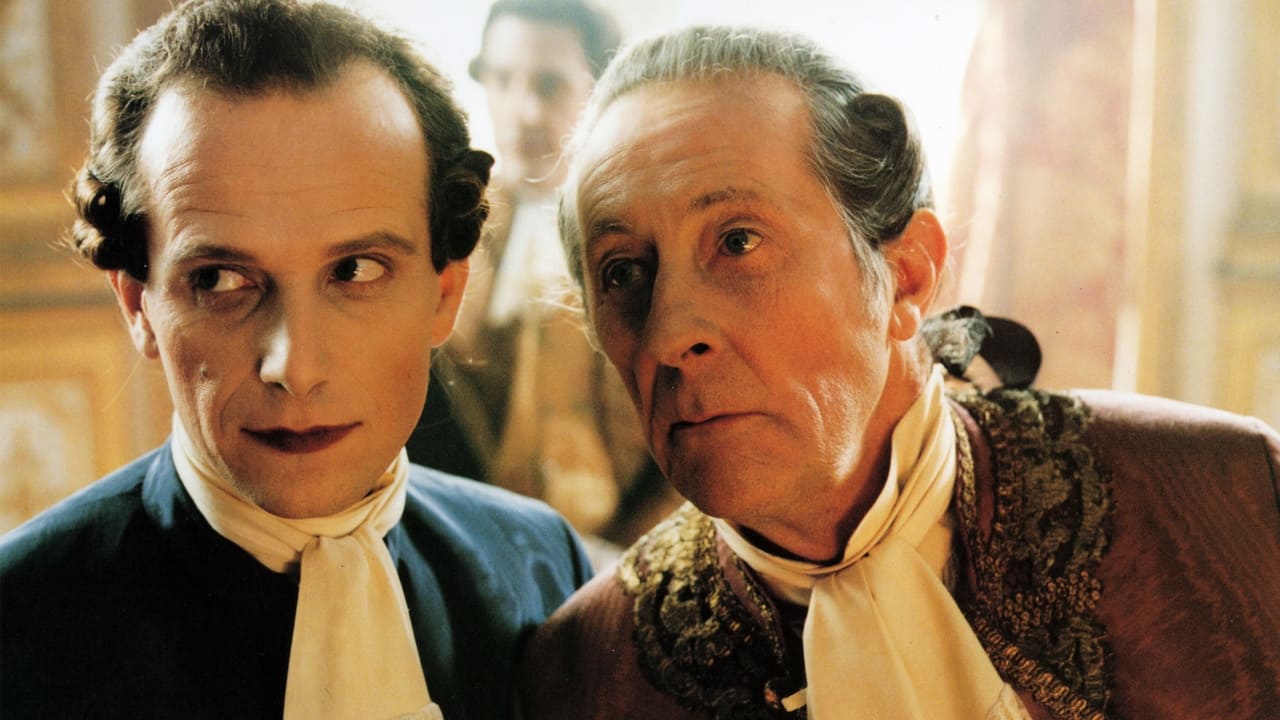
Ridicule (1996), directed by Patrice Leconte, starring Charles Berling and Jean Rochefort.
score
Wit is the ultimate weapon.
Synopsis
To get royal backing on a needed drainage project, a poor French lord must learn to play the delicate games of wit at court at Versailles.
- Thierry ArbogastCinematography
- Patrice LeconteDirector
- Joëlle HacheEditing
- Frédéric BrillionProducer
About the film
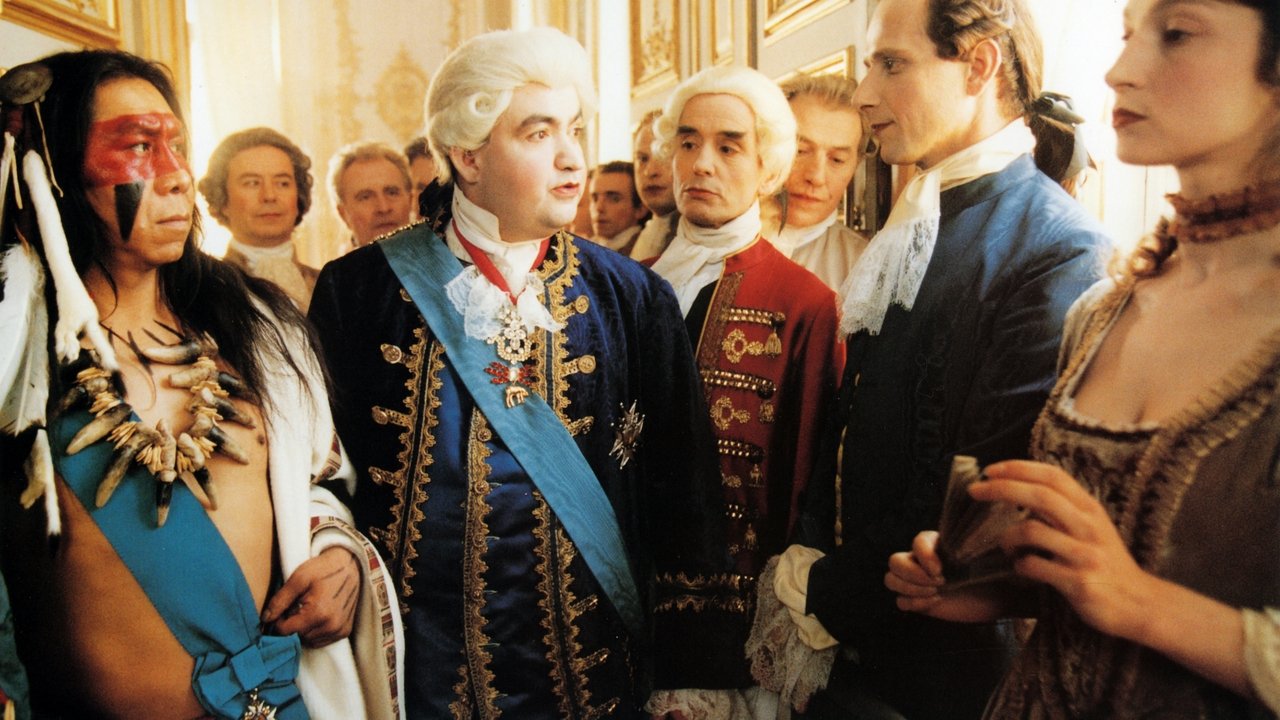
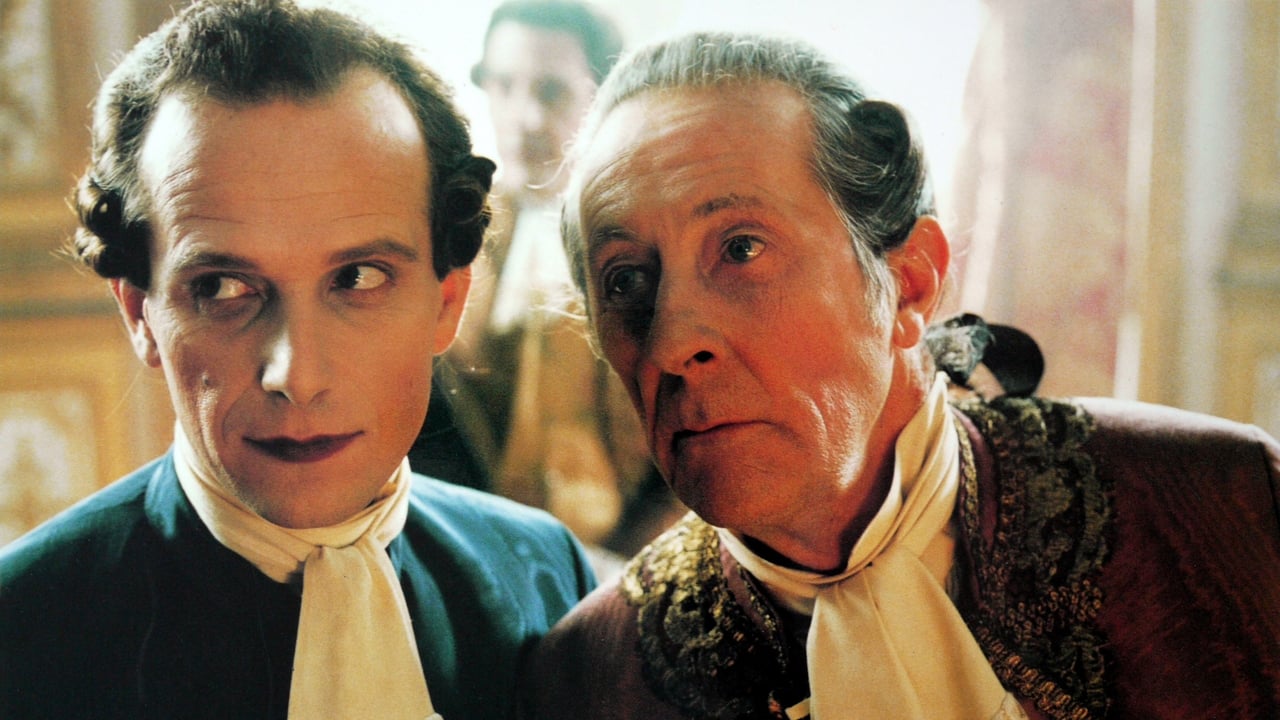
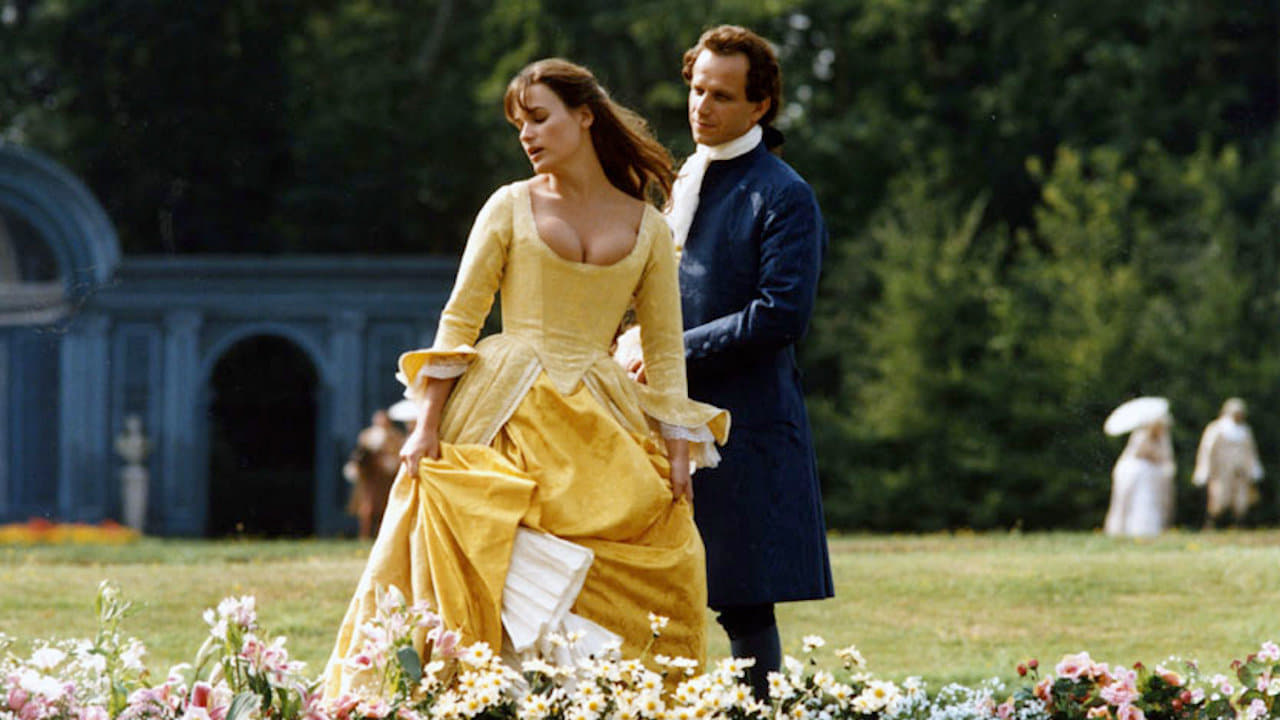
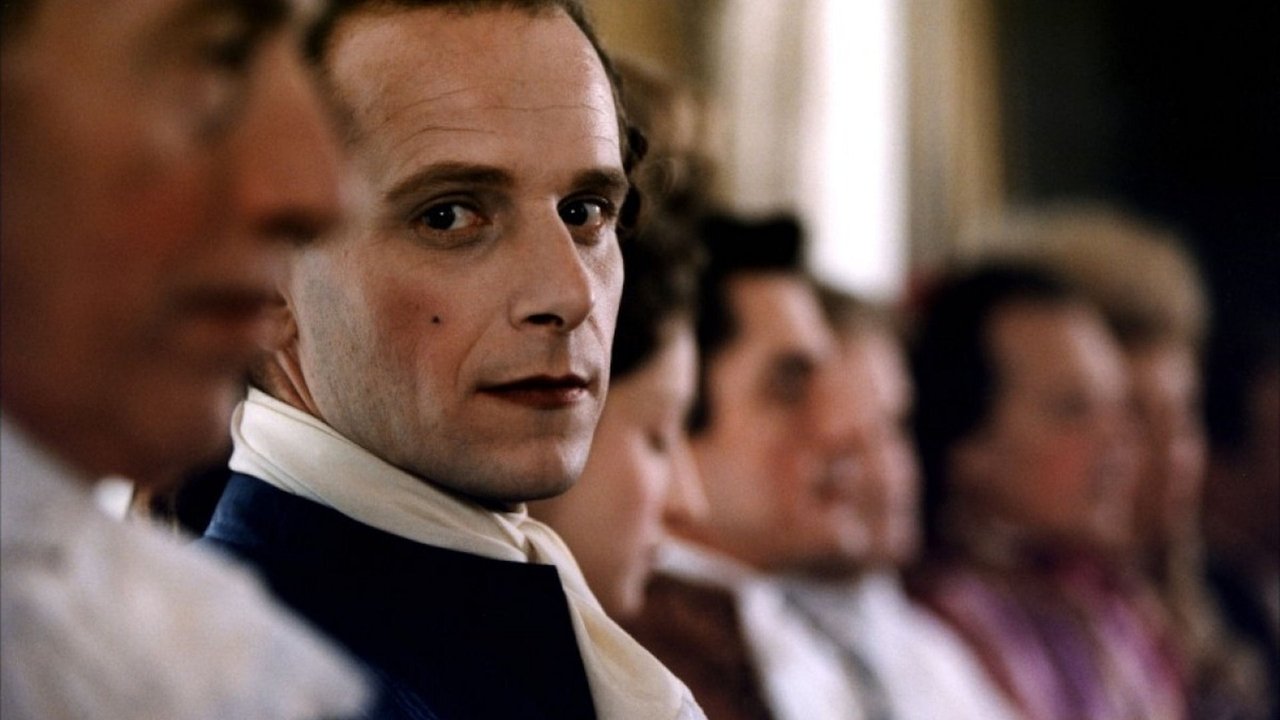
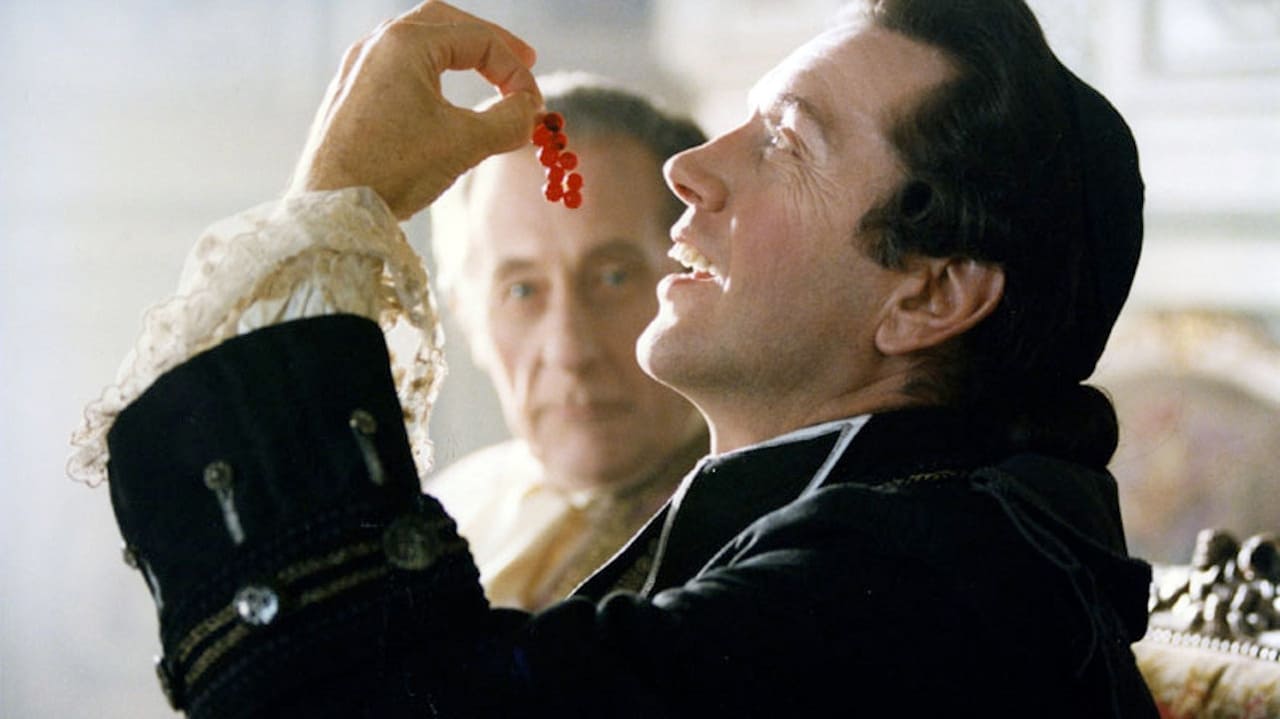
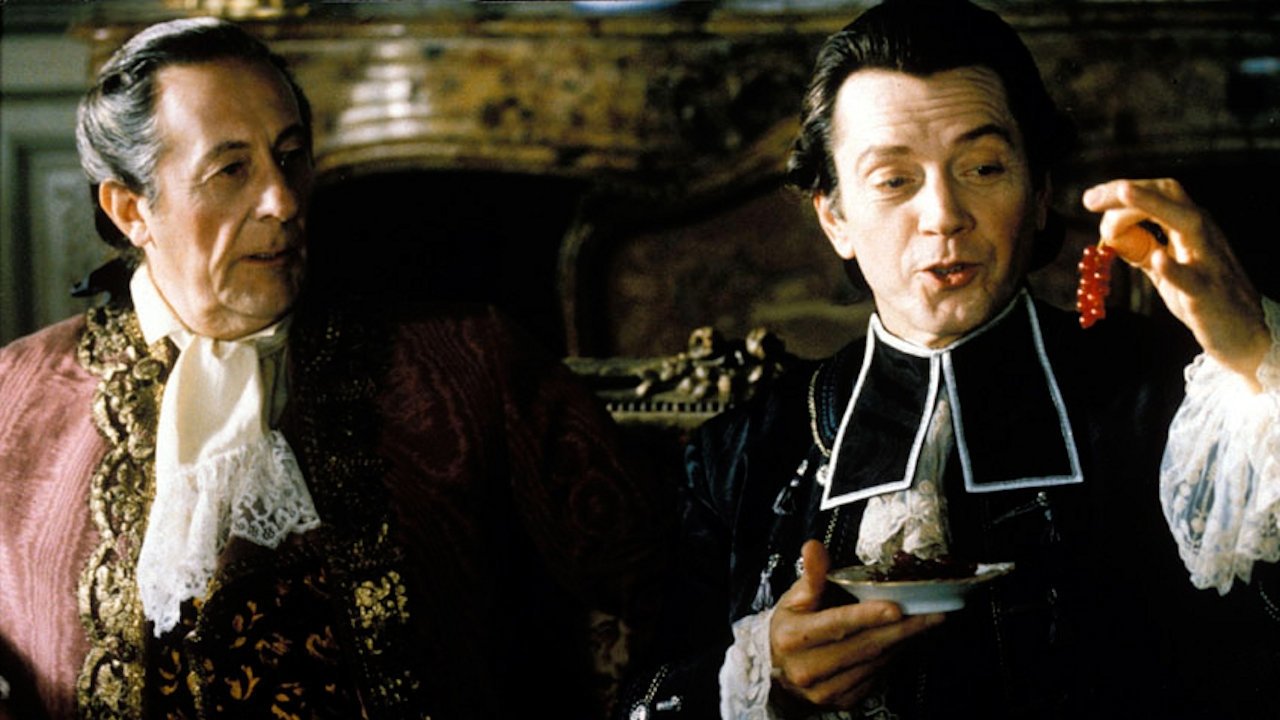
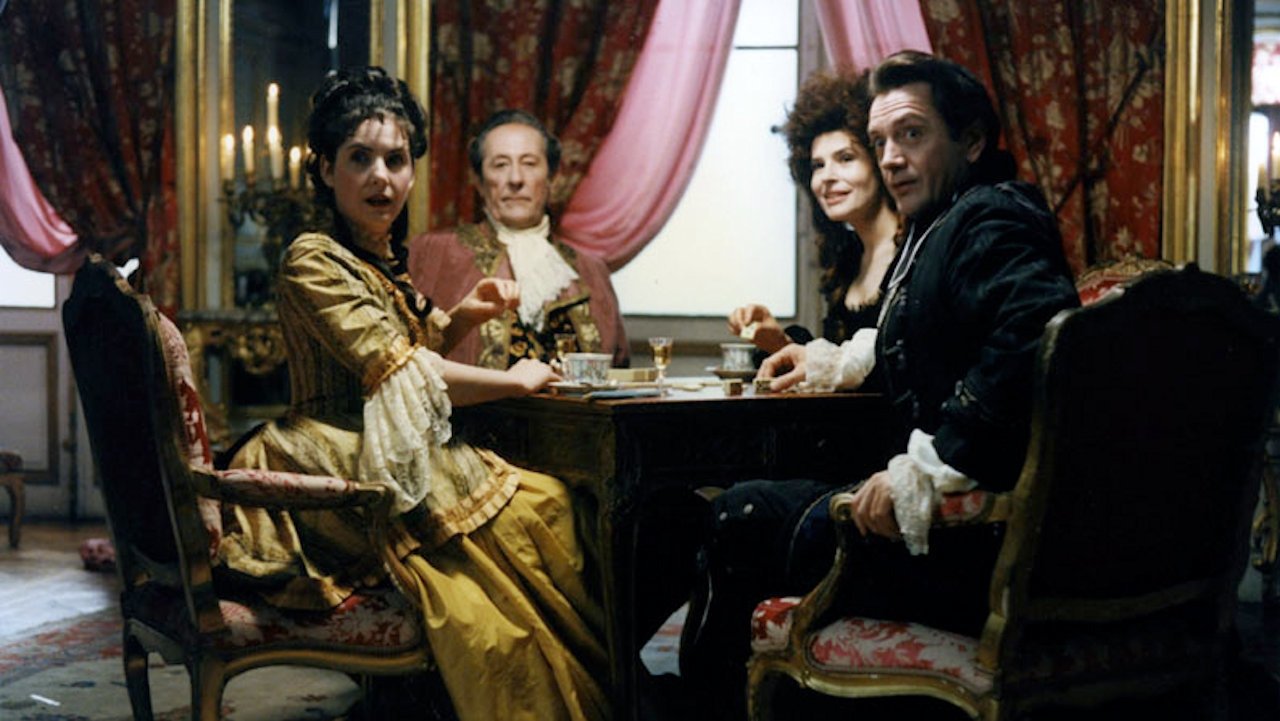
Ridicule (French pronunciation: [ʁidikyl]) is a 1996 French period drama film directed by Patrice Leconte and starring Charles Berling, Jean Rochefort, Fanny Ardant and Judith Godrèche. Set in the 18th century at the decadent court of Versailles, where social status can rise and fall based on one's ability to mete out witty insults and avoid ridicule oneself, the film's plot examines the social injustices of late 18th-century France, in showing the corruption and callousness of the aristocrats.
Ridicule was selected as France's submission and was nominated for the Best Foreign Language Film at the 69th Academy Awards. Ridicule also received four César Awards at the 22nd César Awards ceremony in Paris.
Read the full article (9k characters)
Ridicule (French pronunciation: [ʁidikyl]) is a 1996 French period drama film directed by Patrice Leconte and starring Charles Berling, Jean Rochefort, Fanny Ardant and Judith Godrèche. Set in the 18th century at the decadent court of Versailles, where social status can rise and fall based on one's ability to mete out witty insults and avoid ridicule oneself, the film's plot examines the social injustices of late 18th-century France, in showing the corruption and callousness of the aristocrats.
Ridicule was selected as France's submission and was nominated for the Best Foreign Language Film at the 69th Academy Awards. Ridicule also received four César Awards at the 22nd César Awards ceremony in Paris.
Plot
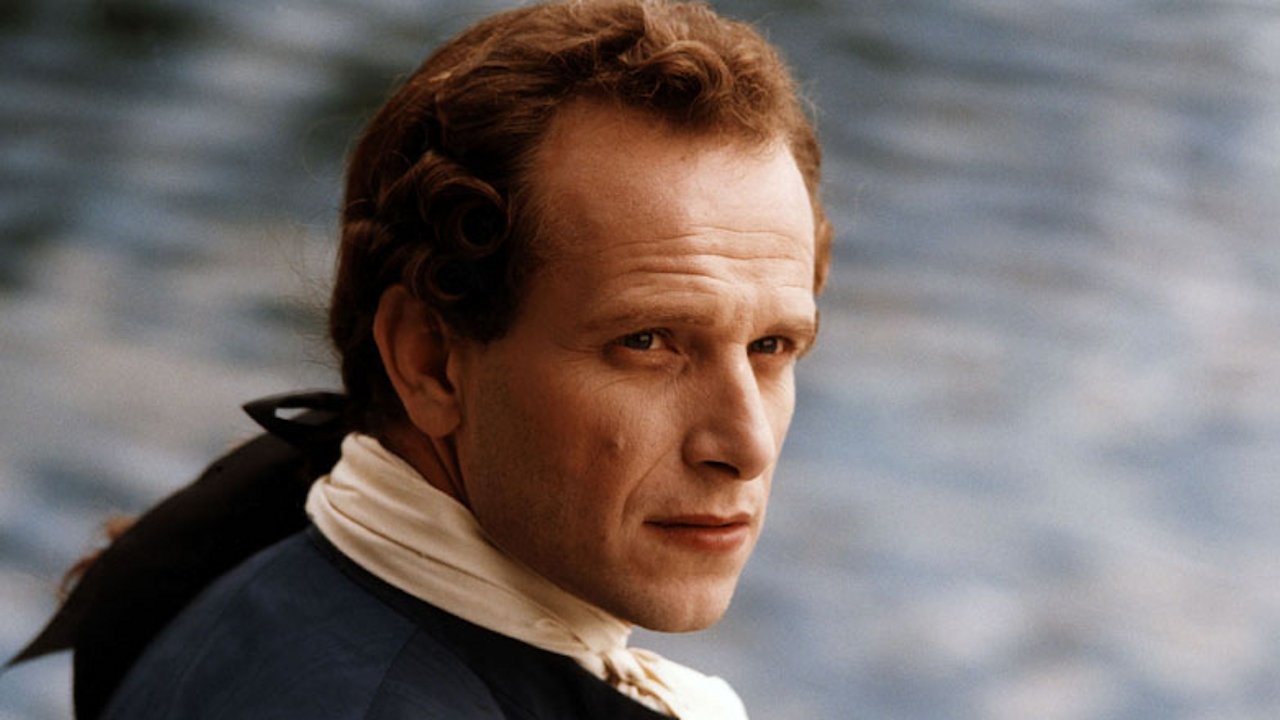
In 18th-century France, Baron Grégoire Ponceludon de Malavoy, a young, penniless, and naive aristocrat and engineer, devises a scheme to drain the marshy region of the Dombes that is causing disease, in order to improve the lot of the peasants living there. He sets off for Versailles in order to seek the support of King Louis XVI. Along the way, he is robbed and beaten, but he is taken in by the Marquis de Bellegarde, a physician, who teaches him about wit and the court's ways. Ponceludon realizes that the court is corrupt and hollow but finds solace in Mathilde de Bellegarde, the doctor's daughter, who agrees to marry a rich old man to support her science experiments and pay off her father's debts.
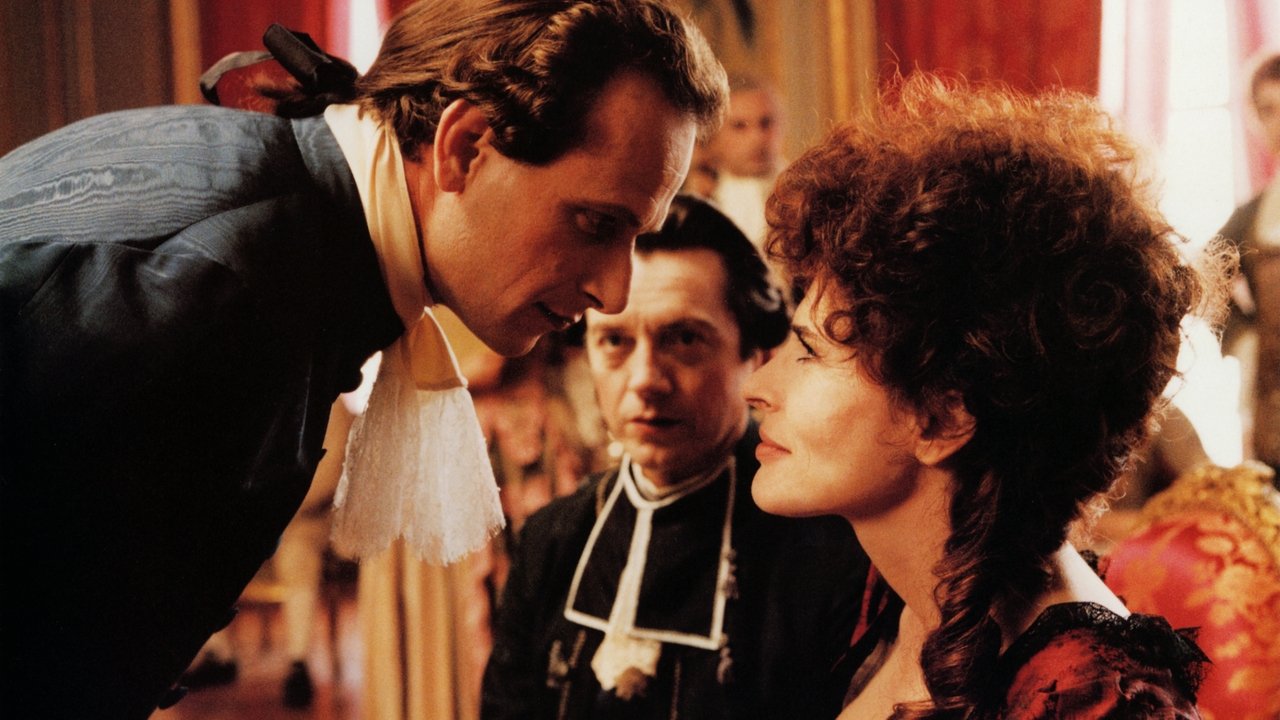
Madame de Blayac, the beautiful and wealthy recent widow of Monsieur de Blayac, who was supposed to be Ponceludon's sponsor at court, cheats at a game of wits with the help of her lover, L'abbé de Vilecourt. Ponceludon notices but does not expose the cheating to the court and ruin Madame de Blayac's reputation. Blayac repays his generosity by arranging for the certification of his lineage, allowing his suit to proceed. Meanwhile, Ponceludon sees through the schemes of the court and realizes that he cannot trust anyone.
Ponceludon sleeps with Madame de Blayac in exchange for her assistance in arranging a meeting with the King, but she maliciously has Bellegarde attend her when Ponceludon is still with her, ensuring that Mathilde learns of their relationship. Later, Ponceludon joins the King's entourage and secures a private meeting with the King to discuss his project, but he is forced into a duel with a cannoneer who insults him.
Ponceludon kills the cannoneer and learns that the King cannot meet with someone who has killed one of his officers, although he is assured that it was right to uphold his honor. Madame de Blayac plots her revenge by inviting Ponceludon to a costume ball "only for wits", where he is tripped and ridiculed. However, he tears off his mask and condemns their decadence, vowing to drain the swamp by himself, and leaves the court with Mathilde.
Some years later, in 1794, after the Revolution has forced many nobles into exile, the Marquis de Bellegarde, a refugee in Great Britain, spends some time in a nostalgic conversation. We learn from him that Ponceludon, always faithful, has been able to work on completing his goal of draining the Dombes alongside Mathilde, who is now his wife.
Production team
Hook: "He spares no one..."
Director: Patrice Leconte
Screenplay writers: Rémi Waterhouse, Michel Fessler, and Éric Vicaut
Composer: Antoine Duhamel
Cinematographer: Thierry Arbogast
Set director: Ivan Maussion
Costume director: Christian Gasc
Editor: Joëlle Hache
Sound: Dominique Hennequin
Production: Gilles Legrand, Philippe Carcassonne, and Frédéric Brillion
Production companies: Cinéa, Épithète Films, and France 3 Cinéma, with the participation of StudioCanal, Polygram Audiovisuel, Sofica Investimage 4 and CNC
Country of production: France
Original language: French
Film format: 35 mm – Color
Genre: Dramatic comedy, period piece
Cast
Charles Berling – Le Baron Grégoire Ponceludon de Malavoy
Jean Rochefort – Le Marquis de Bellegarde
Fanny Ardant – Madame de Blayac
Judith Godrèche – Mathilde de Bellegarde
Bernard Giraudeau – L'abbé de Vilecourt
Bernard Dhéran – Monsieur de Montaliéri
Albert Delpy – Le Baron de Guéret
Carlo Brandt – Le Chevalier de Milletail
Jacques Mathou – Abbé de l'Epée
Jacques Roman – Chevernoy
Urbain Cancelier – Louis XVI
Bruno Zanardi – Paul, son of Charlotte
Marie Pillet – Charlotte, the governess
Mirabelle Kirkland – Marie Antoinette
Filming
The scenes outside the residence of the Marquis de Bellegarde were shot at the Villiers-le-Bâcle château, property of the comedian Yves Lecoq.
Other locations:
Château de Neuville (Yvelines)
Château de Champs-sur-Marne (Seine-et-Marne)
Gardens of the Château de Versailles (Yvelines)
Reception
Critical response
Ridicule has an approval rating of 80% on review aggregator website Rotten Tomatoes, based on 20 reviews, and an average rating of 7.3/10.
Metacritic assigned the film a weighted average score of 80 out of 100, based on 20 critics, indicating "generally favourable reviews".
Box office
The film grossed around $10 million in France. Miramax acquired US distribution rights and released 50 subtitled copies of the film which grossed almost $2 million.
Awards
Won
César 1997
César Award for Best Film
César Award for Best Director – Patrice Leconte
César Award for Best Costume Design – Christian Gasc
César Award for Best Production Design – Ivan Maussion
Lumières 1997
Best Film
Best Actress – Fanny Ardant
Best Actor – Charles Berling
BAFTA Award for Best Film not in the English Language
David di Donatello for Best Foreign Film
London Film Critics Circle Awards 1997 (en): Best Film not in the English Language
Nominations
César Award for Best Actor – Charles Berling
César Award for Best Actor in a Supporting Role – Bernard Giraudeau, Jean Rochefort
César Award for Best Original Screenplay or Adaptation – Remi Waterhouse
César Award for Best Music – Antoine Duhamel
César Award for Best Cinematography – Thierry Arbogast
César Award for Best Sound – Dominique Hennequin, Jean Goudier
César Award for Best Editing – Joëlle Hache
Academy Award for Best Foreign Language Film
Cannes Film Festival – Palme d'Or
Boston Society of Film Critics Awards 1996: Best Film not in the English Language
Satellite Awards 1997: Best Film not in the English Language
Golden Globes 1997: Best Film not in the English Language
Historical context
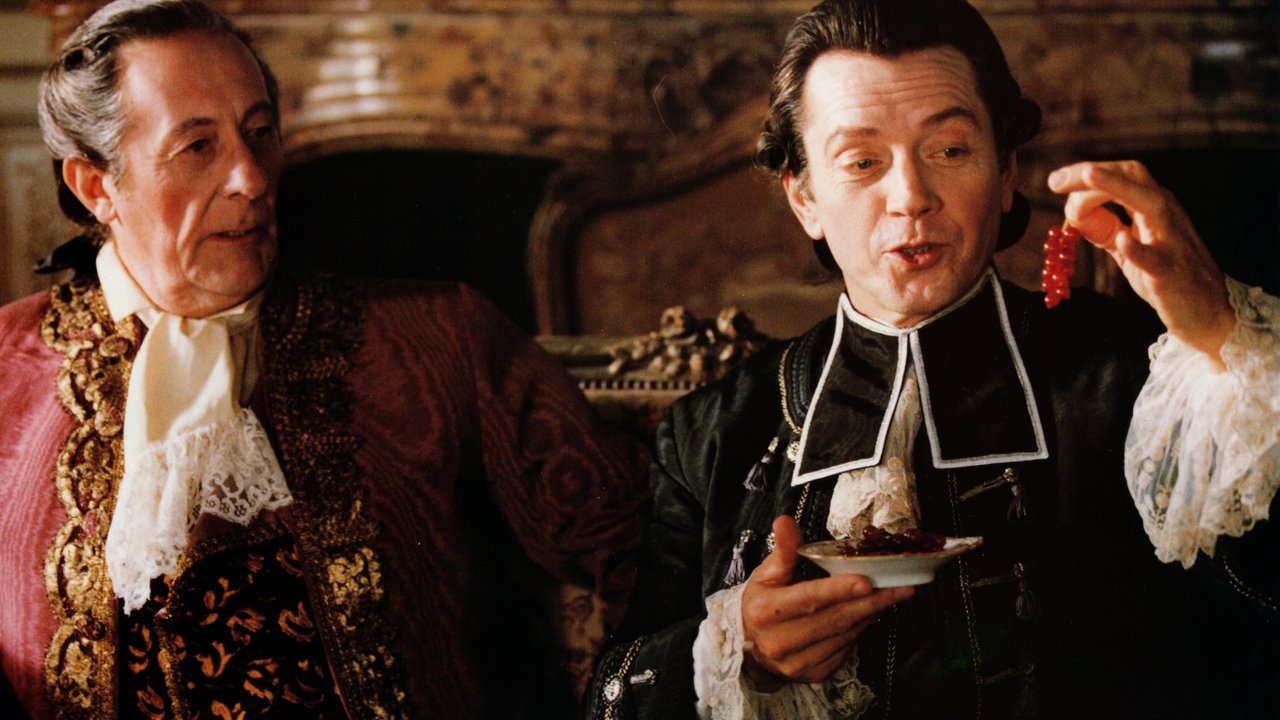
Ridicule demonstrates life at the heart of the 18th century, where the only way to have an audience with the king was by using wit, or using intelligence and beautiful language. Rivalry is always present in the court, the nobles humiliate each other in the hope of lifting their status in front of the king. One of the characters in the film even goes so far as to kill himself because he believes he has been ridiculed out of a meeting with the king. The king appears to be like a god, inaccessible and ruthless, selfish and capable of driving men to death, without even realizing it. The heroes of Ridicule, the Baron de Malavoy, although a stranger to this atmosphere, is obligated to enter there to be able to address the king, so that he can obtain the funds necessary to dry the marshes of the Dombes. He discovers very quickly that he has a gift for wit, but will not succeed however in obtaining a true conversation with the king.
Historically speaking, the film is intended to be close to the descriptions historians have of the Court under the Ancien Régime, although it evokes more so the ways of the Court of Louis XIV than those of Louis XVI: the Count of Bussy-Rabutin describes in his memoirs the beginning of the reign of Louis XIV, the inaccessible aspect of the sovereign, and the extreme difficulty he has in getting messages to the king, even though he comes from one of the oldest and most influential families in the kingdom.
The Duke of Saint-Simon, for his part, recounts in his memoirs his embassy to Spain for the engagement of Louis XV and the Infanta Mariana Victoria of Spain in 1720, and appreciates the weekly sessions where the King of Spain receives any applicant, unlike what happens in France. We can also cite the testimony of Norbert Elias who describes the phenomenon of the Court in which Louis XV, but especially Louis XVI (who sought to escape this environment by taking refuge on the roofs or by practicing manual trades), allowed themselves to be locked up. The king became almost inaccessible, unlike Henry IV (1589-1610), who traveled all over France and slept in modest inns. At court, verbal witticisms circulated regularly and were learned and used (Rothschild Sotheby's sale in May 2006, the personal copy of the Marquis de Marigny, brother of the Marquise de Pompadour).
However, if the costumes seem consistent with the descriptions of the time, see for example the festive book entitled "The Marriage of the Dauphin" – son of Louis XV – the film takes some liberties, in particular for the scene of the Autumn Ball and depicts Louis XVI and Marie-Antoinette in particular rather grotesquely.
See also
List of submissions to the 69th Academy Awards for Best Foreign Language Film
List of French submissions for the Academy Award for Best Foreign Language Film
List of films featuring the deaf and hard of hearing
References
External links
Ridicule at IMDb
Ridicule at Virtual History
Text from Ridicule (film) on Wikipedia, licensed CC BY-SA 4.0. https://en.wikipedia.org/wiki/Ridicule_(film)
Trivia
- It cost US$ 3.0 million and grossed US$ 2.5 million in theaters — 0.8 times its budget.
- It premiered on May 9, 1996, a Thursday.
- It runs 1h42 — a typical feature length.
- It won 1 award(s) and received 2 nomination(s) on record at Wikidata — César Award for Best Costume Design among them.
- This film's quiz has 15 questions — enough to play more than once without repeats.
Production
- StudiosEpithète Films
- CountriesFrance
- LanguagesFrench
- BudgetUS$ 3,000,000
- Box officeUS$ 2,503,829
- StatusReleased
More about this film
Awards
- César Award for Best Costume Design 1997
Nominations
- Academy Award for Best International Feature Film 1997
- International Submission to the Academy Awards 1997
Set in
- France
Photos
Cast
-
 Charles Berling
Le Marquis Grégoire Ponceludon de Malavoy
Charles Berling
Le Marquis Grégoire Ponceludon de Malavoy -
 Jean Rochefort
Le Marquis de Bellegarde
Jean Rochefort
Le Marquis de Bellegarde -
 Fanny Ardant
Madame de Blayac
Fanny Ardant
Madame de Blayac -
 Judith Godrèche
Mathilde de Bellegarde
Judith Godrèche
Mathilde de Bellegarde -
 Bernard Giraudeau
L'Abbée de Vilecourt
Bernard Giraudeau
L'Abbée de Vilecourt -
 Bernard Dhéran
Montalieri
Bernard Dhéran
Montalieri -
 Carlo Brandt
Milletail
Carlo Brandt
Milletail -
 Jacques Mathou
Abbé de l'Épée
Jacques Mathou
Abbé de l'Épée -
 Urbain Cancelier
Louis XVI
Urbain Cancelier
Louis XVI -
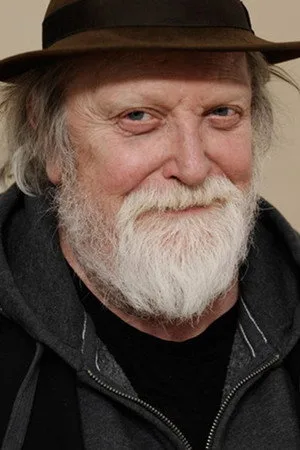 Albert Delpy
Baron de Guéret
Albert Delpy
Baron de Guéret - Bruno Zanardi Paul
-
 Marie Pillet
Charlotte
Marie Pillet
Charlotte -
 Jacques Roman
Chevernoy
Jacques Roman
Chevernoy -
 Philippe Magnan
Baron de Malenval
Philippe Magnan
Baron de Malenval -
 Maurice Chevit
Le notaire
Maurice Chevit
Le notaire - Jacques François Zeller Maurepas
- Gérard Hardy Victor
-
 Marc Berman
Duc de Guines
Marc Berman
Duc de Guines -
 Philippe du Janerand
Le généalogiste
Philippe du Janerand
Le généalogiste - Claude Dereppe Mgr d'Artimont
Quiz about this movie
Questions from the whole catalogue.
Play nowIf you liked this one
-
Valmont: Uma História de Seduções
 6.7
6.7
-
O Outro Lado da Nobreza Drama from the 1990s
 6.1
6.1
-
To Paint or Make Love
 6.3
6.3
-
Ligações Perigosas
 7.2
7.2
-
Magia ao Luar
 6.5
6.5
-
(Untitled)
 6.4
6.4
-
A Favorita
 7.5
7.5
-
Perfeita Pra Você
 7.0
7.0
-
Cyrus
 5.9
5.9
-
Irma Vep Drama from the 1990s
 6.7
6.7
-
Tudo Acontece em Nova York
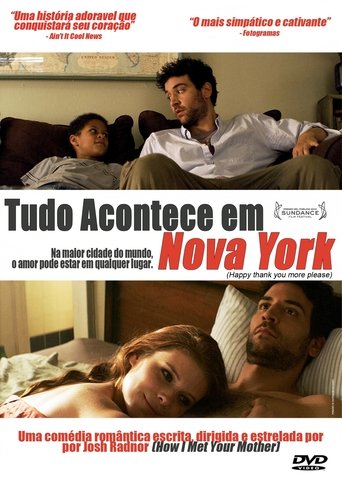 6.5
6.5
-
O Grande Hotel Budapeste
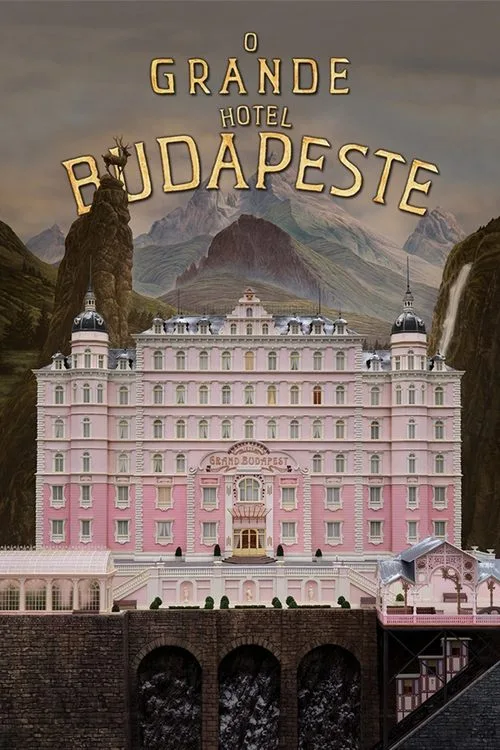 8.0
8.0
Tags
Crew
- Thierry Arbogast Cinematography
- Patrice Leconte Director
- Joëlle Hache Editing
- Frédéric Brillion Producer
- Gilles Legrand Producer
- Philippe Carcassonne Producer
- Antoine Duhamel Original music
- Eric Vicaut Screenplay
- Michel Fessler Screenplay
- Rémi Waterhouse Screenplay
Questions about this film
What is Ridicule about?
Ridicule: To get royal backing on a needed drainage project, a poor French lord must learn to play the delicate games of wit at court at Versailles.
Who directed Ridicule?
Ridicule was directed by Patrice Leconte in 1996.
Who stars in Ridicule?
The cast of Ridicule includes Charles Berling, Jean Rochefort, Fanny Ardant, Judith Godrèche and Bernard Giraudeau.
How long is Ridicule?
Ridicule runs for 102 minutes, or 1h42.
How much did Ridicule cost and how much did it make?
Ridicule had a budget of US$ 3,000,000 and took US$ 2,503,829 at the box office.
What awards did Ridicule win?
Ridicule has 1 recorded awards, among them César Award for Best Costume Design.
Similar films
-
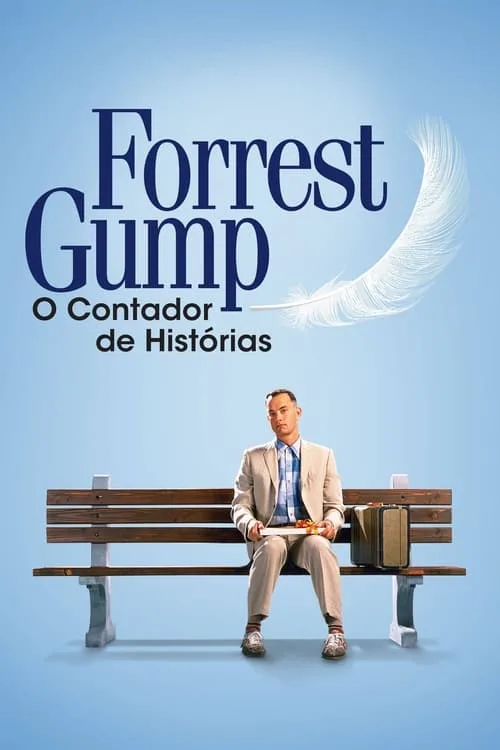 8.5
8.5
Forrest Gump
1994
-
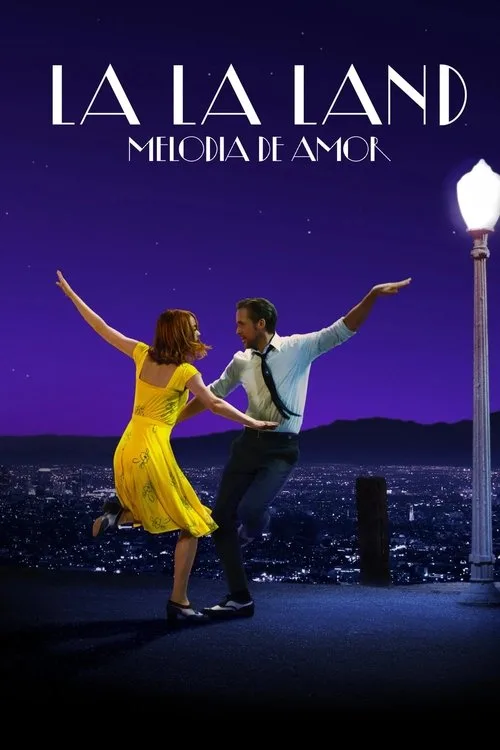 7.9
7.9
La La Land
2016
-
 7.2
7.2
Silver Linings Playbook
2012
-
 7.3
7.3
(500) Days of Summer
2009
-
 7.6
7.6
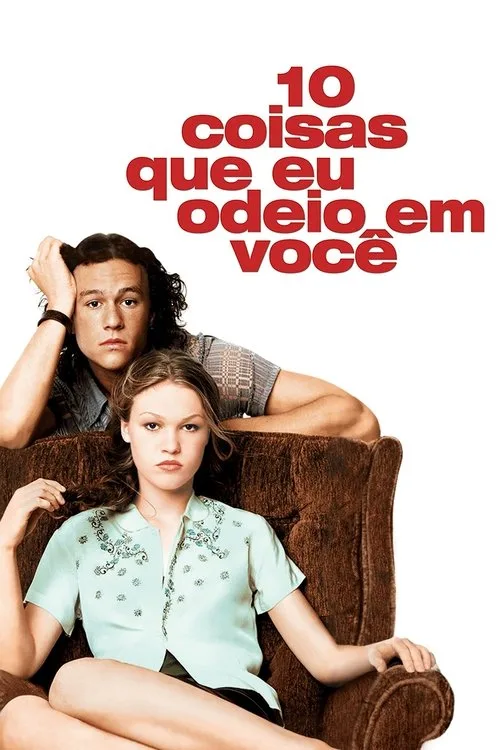
10 Things I Hate About You
1999
-
 7.3
7.3
Crazy, Stupid, Love.
2011
-
 7.2
7.2
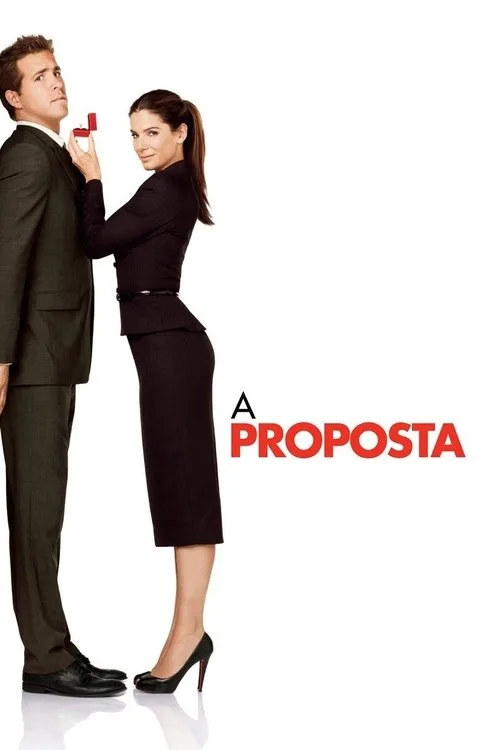
The Proposal
2009
-
 7.4
7.4
Lost in Translation
2003
-
 7.1
7.1
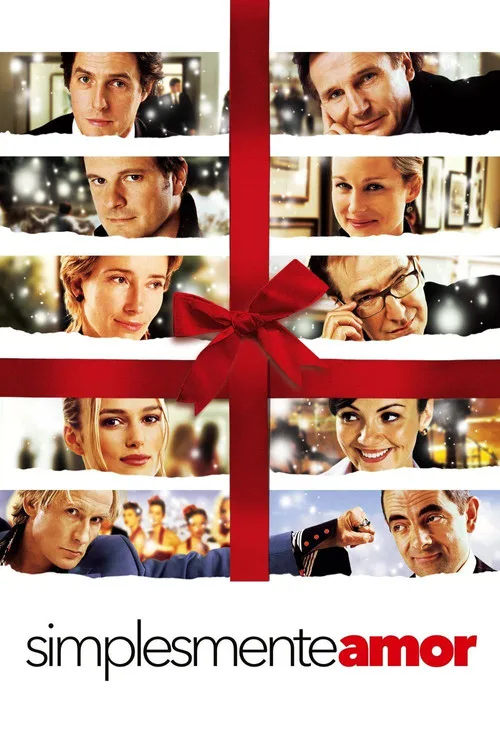
Love Actually
2003
-
 7.1
7.1
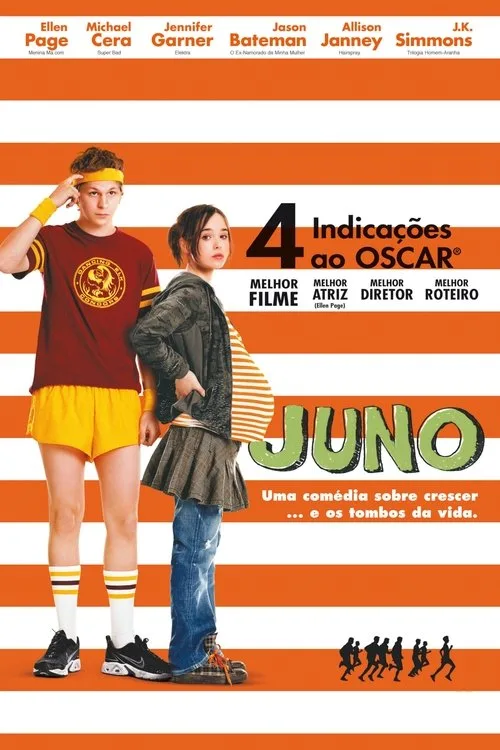
Juno
2007
-
 7.0
7.0
The Lobster
2015
-
 7.0
7.0
Love & Other Drugs
2010
Page updated on 09/10/2026.
Back to the catalogue