The Electric Horseman (1979)
The Electric Horseman (1979), directed by Sydney Pollack, starring Robert Redford and Jane Fonda.
score
He's a washed-up loser. But sometimes losers can be heroes...
Synopsis
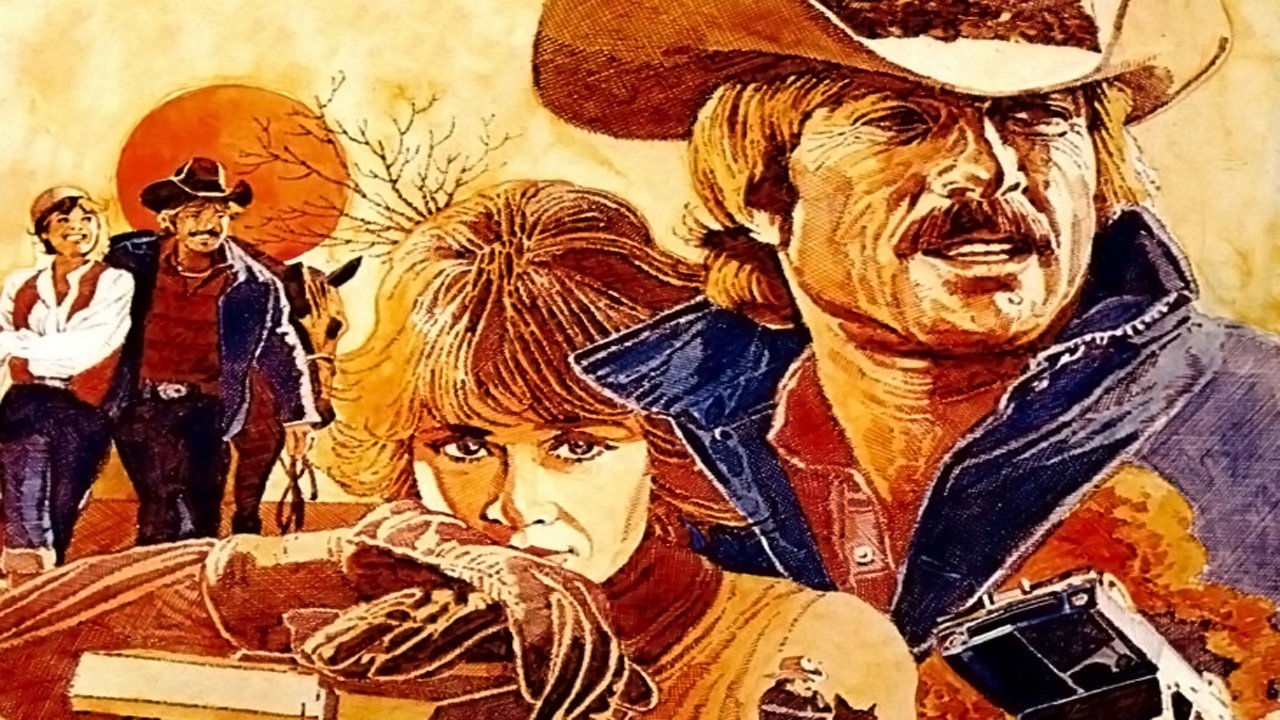
A former champion rodeo rider is reduced to using his saddle skills to promote a breakfast cereal in a gaudy Las Vegas show. When he's asked to perform with a $12 million horse, he discovers it is being doped to remain docile. He flees into the desert astride the beast in an act of defiance. A story-hungry female reporter gives chase.
- Owen RoizmanCinematography
- Sydney PollackDirector
- Sheldon KahnEditing
- Ray StarkProducer
About the film
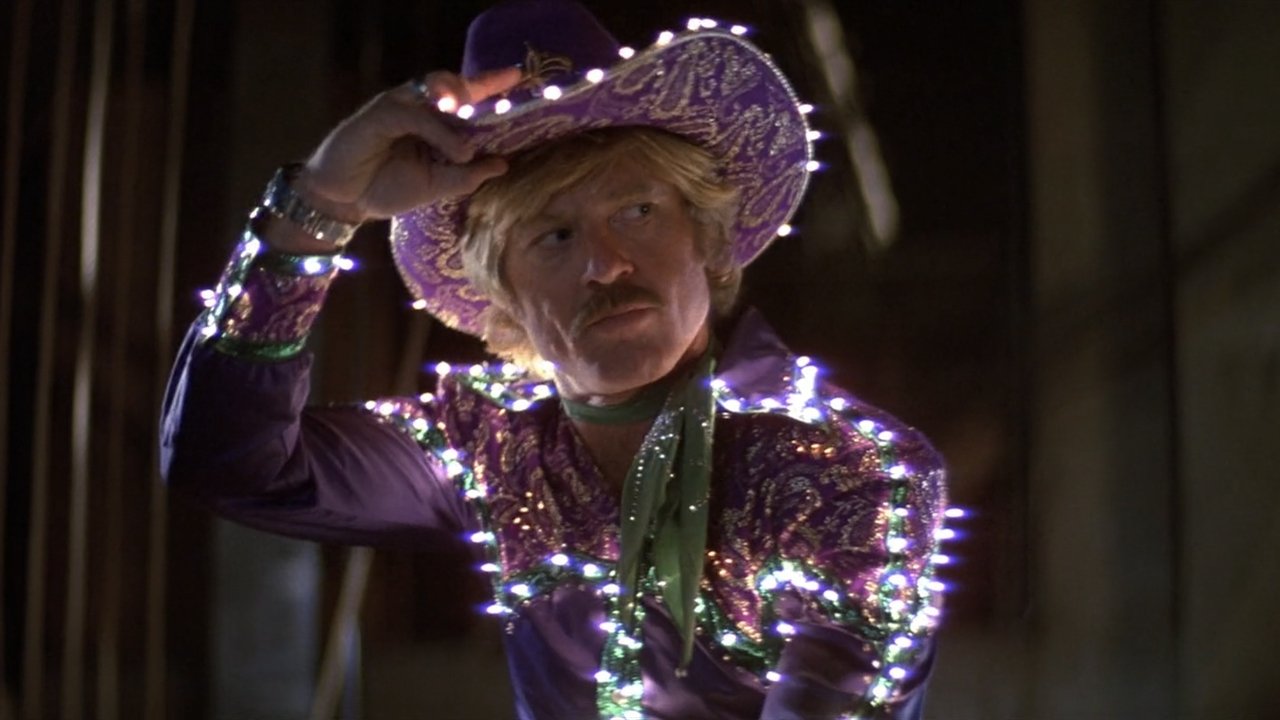
The Electric Horseman is a 1979 American Western comedy-drama film starring Robert Redford and Jane Fonda and directed by Sydney Pollack. The film is about a former rodeo champion who is hired by a cereal company to become its spokesperson, and then runs away on a $12 million electric-lit horse and costume he is given to promote it in Las Vegas after he finds that the horse has been abused.
The Electric Horseman was released by Columbia Pictures on December 21, 1979 in the United States, with Universal Pictures (through Cinema International Corporation) releasing in other territories. The film received mixed reviews from critics and grossed $61.8 million against a $12.5 million budget.
Read the full article (10k characters)
The Electric Horseman is a 1979 American Western comedy-drama film starring Robert Redford and Jane Fonda and directed by Sydney Pollack. The film is about a former rodeo champion who is hired by a cereal company to become its spokesperson, and then runs away on a $12 million electric-lit horse and costume he is given to promote it in Las Vegas after he finds that the horse has been abused.
The Electric Horseman was released by Columbia Pictures on December 21, 1979 in the United States, with Universal Pictures (through Cinema International Corporation) releasing in other territories. The film received mixed reviews from critics and grossed $61.8 million against a $12.5 million budget.
Plot
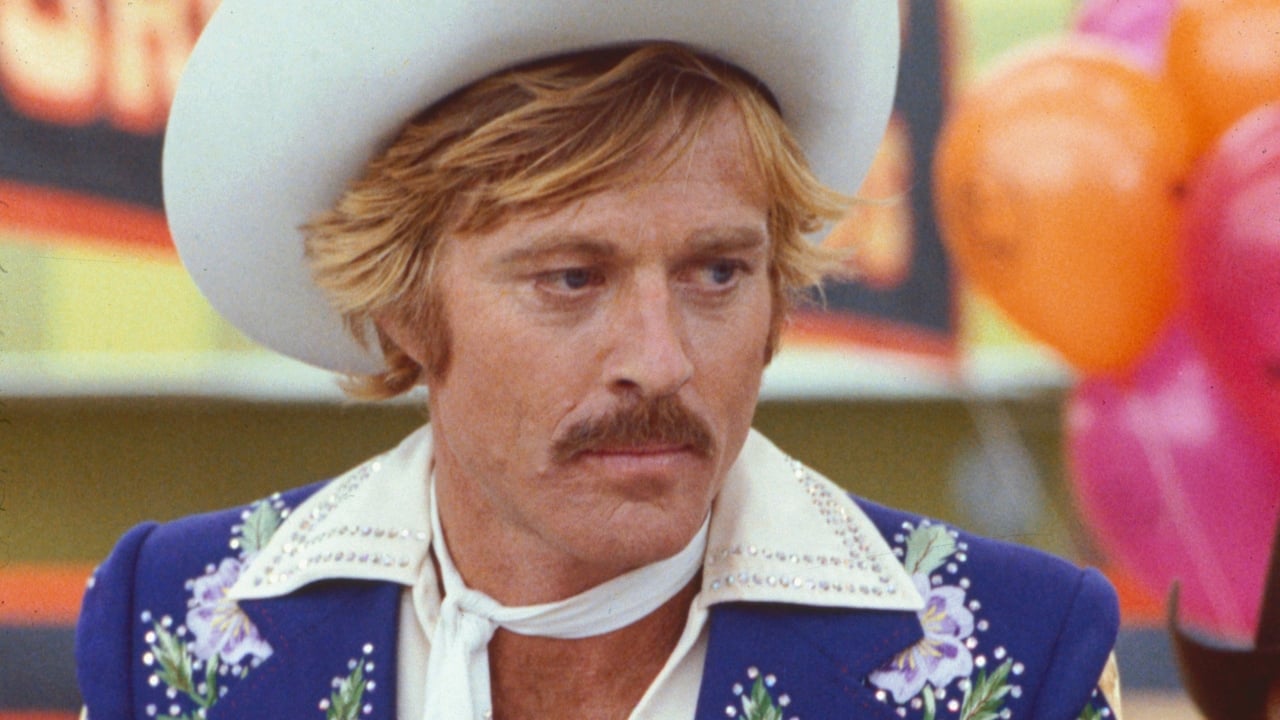
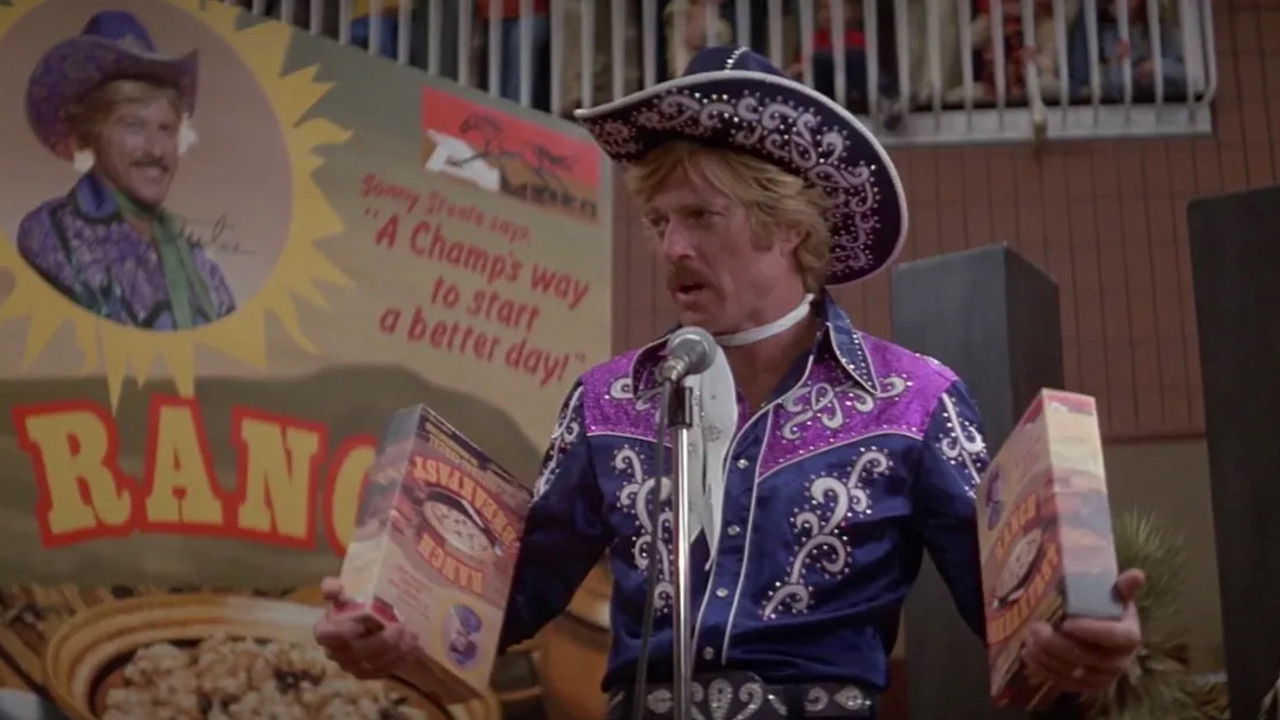
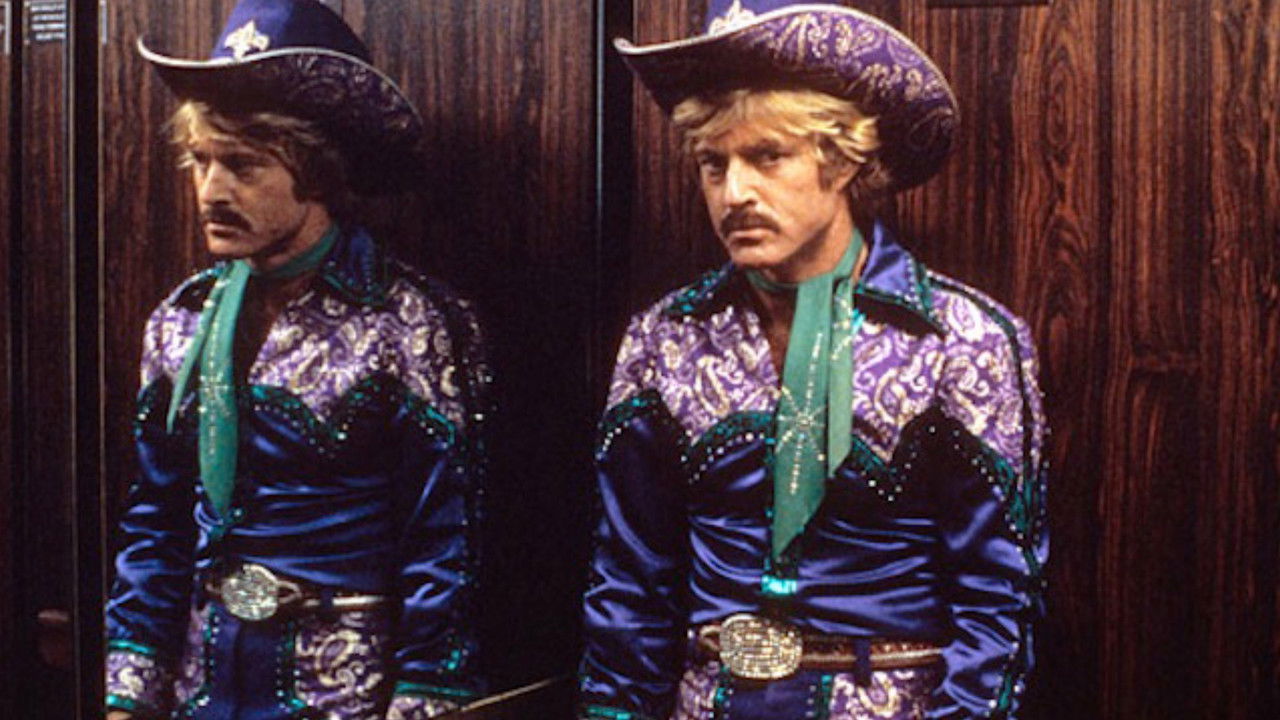
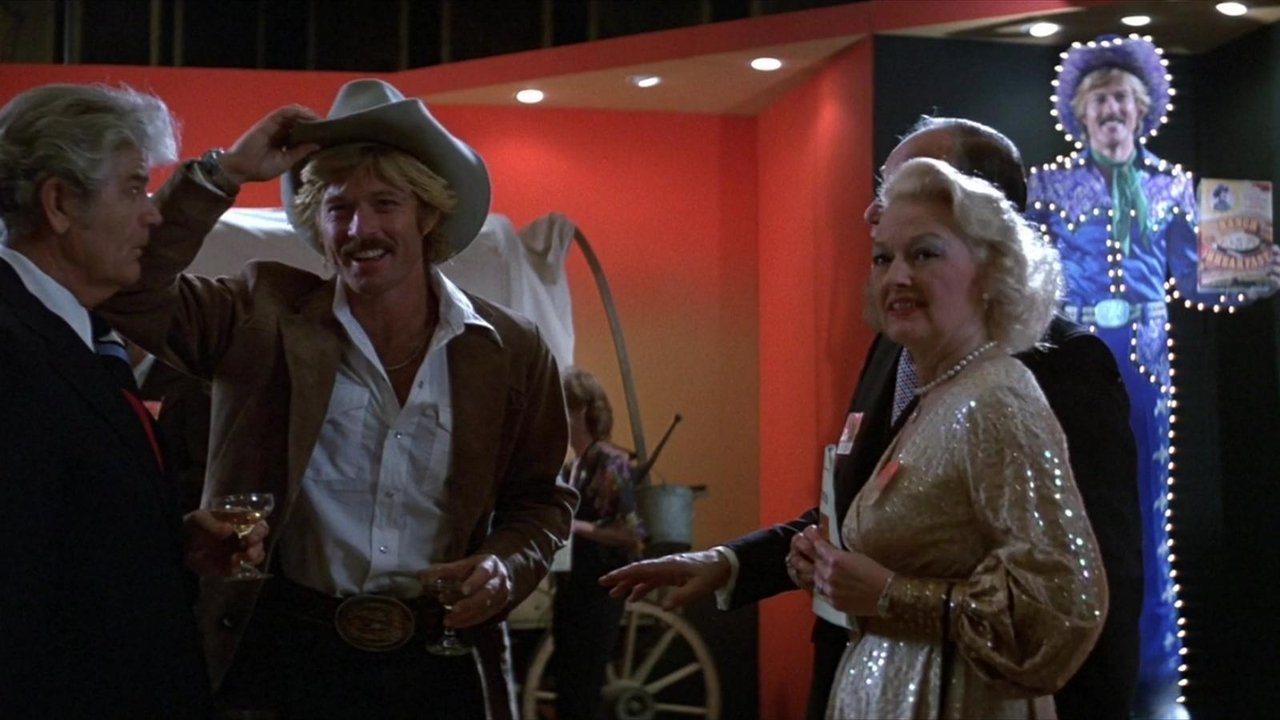
Retired rodeo champion Sonny Steele is the national spokesman for Ranch breakfast cereal, touring the country in a flashy cowboy costume. His manager, Wendell, and assistant, Leroy, struggle to keep Sonny sober, and his employer, AMPCO Industries, is increasingly disappointed in his performance. Hallie Martin, a New York television newscaster, attends an AMPCO media event in Las Vegas, and wonders why the company discourages interviews with Sonny.
During rehearsals for a variety show at Caesars Palace, Sonny notices that Rising Star, the champion racehorse he will be riding, has been drugged with tranquilizers. He complains to AMPCO's chairman, Hunt Sears, that the stallion - AMPCO's new corporate symbol - is being exploited. Sears rebuffs him. At the performance, Sonny rides Rising Star on stage in the middle of a disco musical number, then out of the casino and out of town. AMPCO executives want to locate Sonny before the press, worried he will expose their treatment of Rising Star and jeopardize a pending $300 million merger.
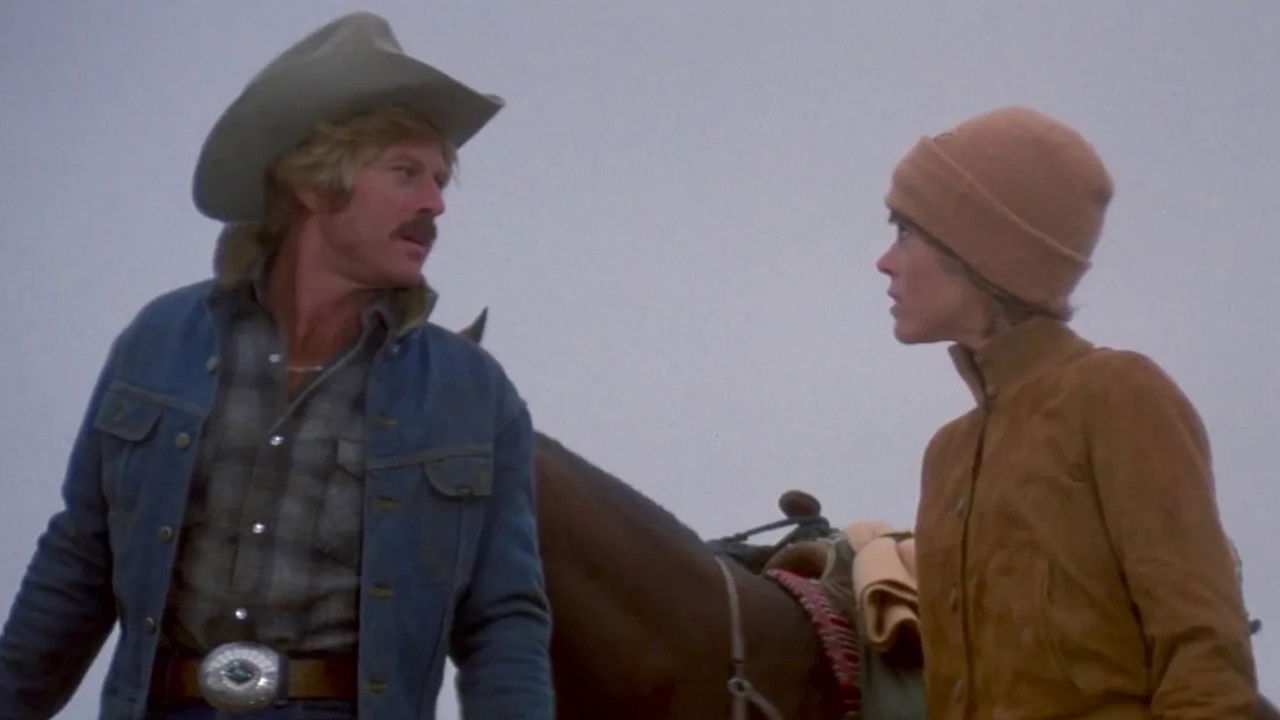
Sonny borrows a camper van from his friend Gus Atwater in the Nevada desert, and drives to Utah with Rising Star. He detoxifies the stallion and treats a swollen tendon. Hallie, investigating Sonny's disappearance, tracks down Gus and follows Sonny's trail to a campsite. Sonny refuses to answer her questions and punctures the tires of her car to prevent pursuit. Hallie returns to Las Vegas and reports she found Sonny and Rising Star but keeps the location confidential.
Sonny travels to St. George, Utah, and learns a massive search is underway for Rising Star. AMPCO has publicly accused him of being an alcoholic who seeks to harm the horse, and have accused him of grand larceny. He telephones Hallie and promises her a story if she can leave Las Vegas without being followed. They meet in a remote canyon and Hallie videotapes Sonny disclosing that Rising Star was pumped with drugs. Declaring the horse has earned a better life, Sonny confides to Hallie he'll set Rising Star loose at a secret destination.
Based on interviews with Sonny's estranged wife, Hallie assumes Sonny is taking Rising Star to Rim Rock Canyon. Hallie arranges to meet a camera crew at Rim Rock and sees a strong police presence there. She dispatches the videotape to a television affiliate in St. George, and returns to warn Sonny that if he doesn't accompany her, the authorities will force her to reveal all she knows. Sonny tells Hallie to drive the camper to a lake near Cisco Falls, while he distracts the police on Rising Star. Using his rodeo skills and the horse's speed, Sonny evades capture and meets Hallie at the lake.
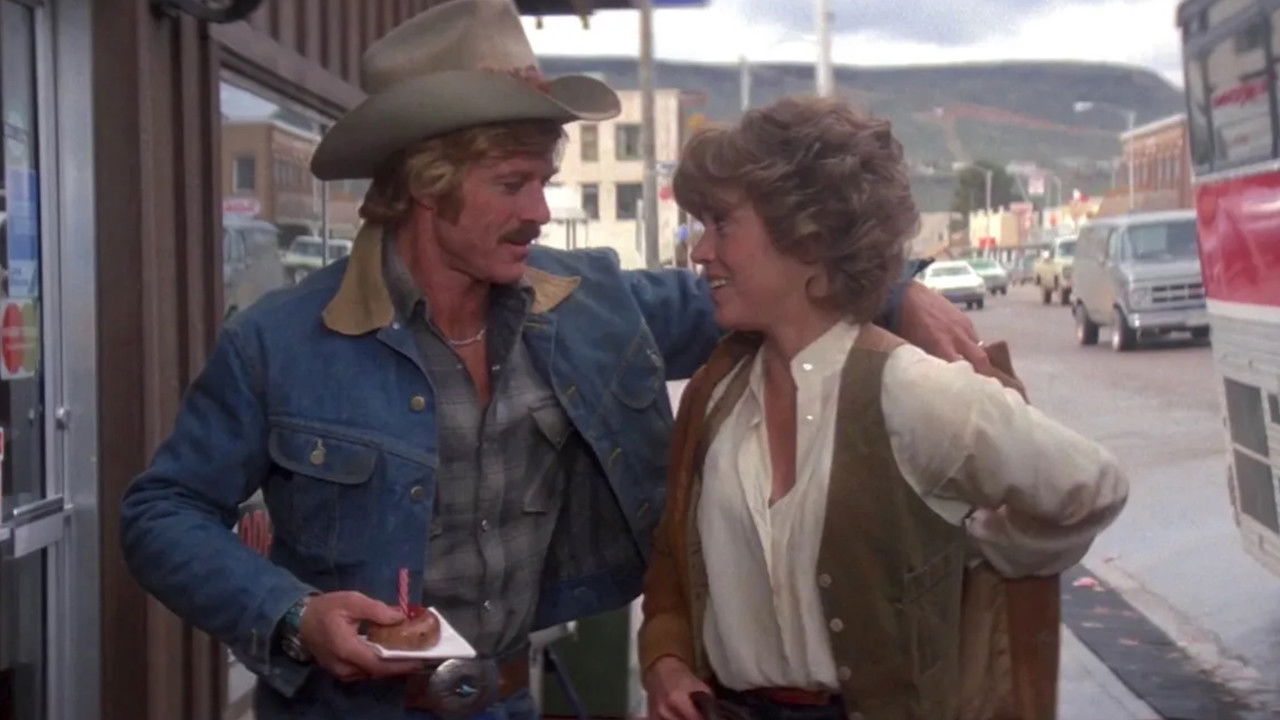
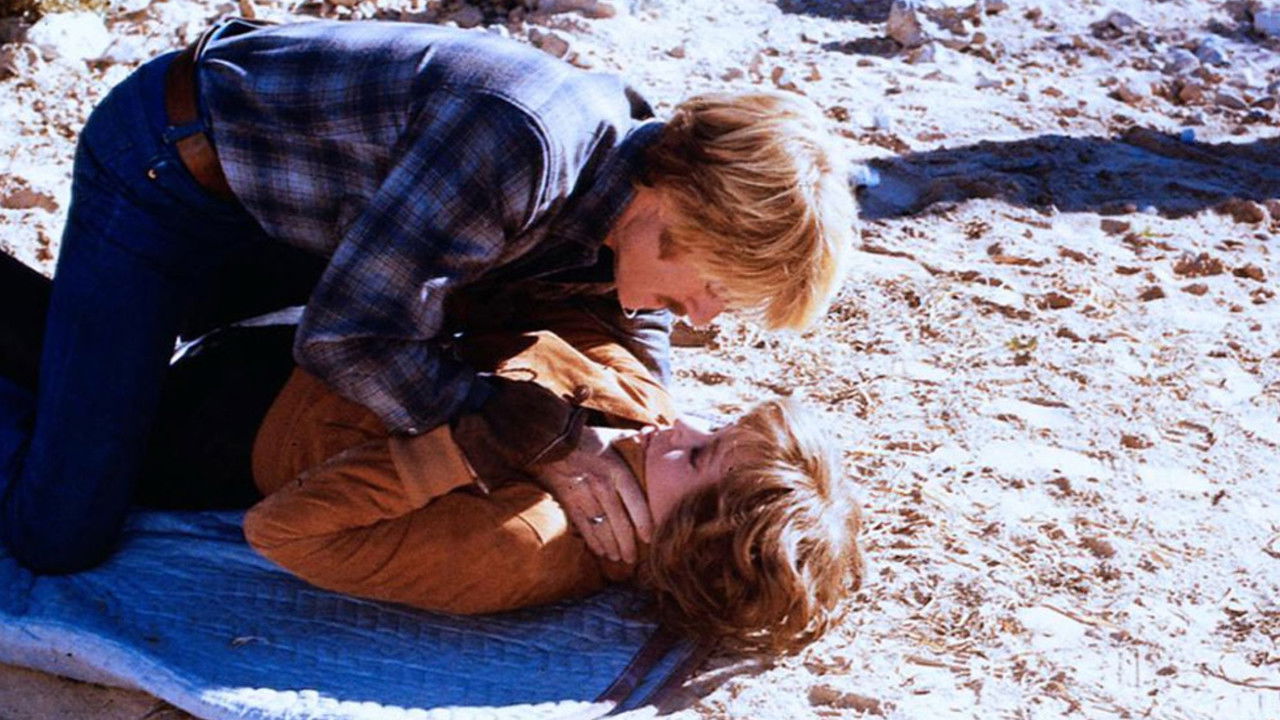
When the videotape is broadcast, the public perceives him as a hero. Sonny, Hallie, and Rising Star leave the camper behind and begin walking. They encounter a local farmer who offers to drive them to the next county in a tractor-trailer, forgoing the $50,000 reward for Sonny's capture. The animosity between Sonny and Hallie dissipates, and they become lovers. Hallie is impressed by Sonny's knowledge of the outdoors and his integrity, and Sonny admires her street smarts and talents as a reporter.
The AMPCO executives notice that Sonny's newfound popularity has boosted cereal sales, and they begin to reverse their position. Sonny and Hallie spend the night at an old hunting cabin, and Hallie reveals she ordered television cameras to meet them at Rim Rock but now regrets it. Sonny refuses to change his plans despite the possibility the police will be there. They arrive at a deserted canyon and Sonny explains to a confused Hallie there are no cameras because he had always intended to free Rising Star in Silver Reef. Hallie kisses Rising Star goodbye before Sonny releases the stallion into a herd of feral horses.
AMPCO executives waiting at Rim Rock with television reporters and a welcoming banner realize the've been tricked. Hallie and Sonny enjoy a meal together in St. George before going their separate ways. Back in New York City, Hallie reports on her journey with Sonny and mentions that all charges against the cowboy have been dropped, while the whereabouts of Rising Star are still unknown.
Cast
Production
Development
Casting for The Electric Horseman either continued or led to many reoccurring collaborations between cast and crew members. On November 28, 1978, Robert Redford was announced to star in the film, becoming the fifth film in which Sydney Pollack directed Redford following This Property Is Condemned (1966), Jeremiah Johnson (1972), The Way We Were (1973), and Three Days of the Condor (1975). This director-actor relationship would continue with two more films: Out of Africa (1985) and Havana (1990). Pollack had also previously directed Fonda in They Shoot Horses, Don't They? (1969), whereas Redford and Fonda previously teamed on The Chase (1966) and Barefoot in the Park (1967).
The Electric Horseman is noted as being the debut acting performance of long-time country and western singer Willie Nelson, who plays the role of Wendell Hickson. According to Pollack, Nelson improvised most of his dialogue in the film. Pollack later would be executive producer for Nelson's 1980 starring vehicle Honeysuckle Rose. The film was also only the second film performance of character actor Wilford Brimley, who later teamed with Redford in The Natural (1984).
Filming
Principal photography for The Electric Horseman took place during late 1978 and early 1979 throughout Nevada and Utah. While the film was prominently shot on location in Las Vegas and Red Rock Canyon National Conservation Area, additional filming took place in various locations across the state of Utah, including Grafton, St. George, and Zion National Park.
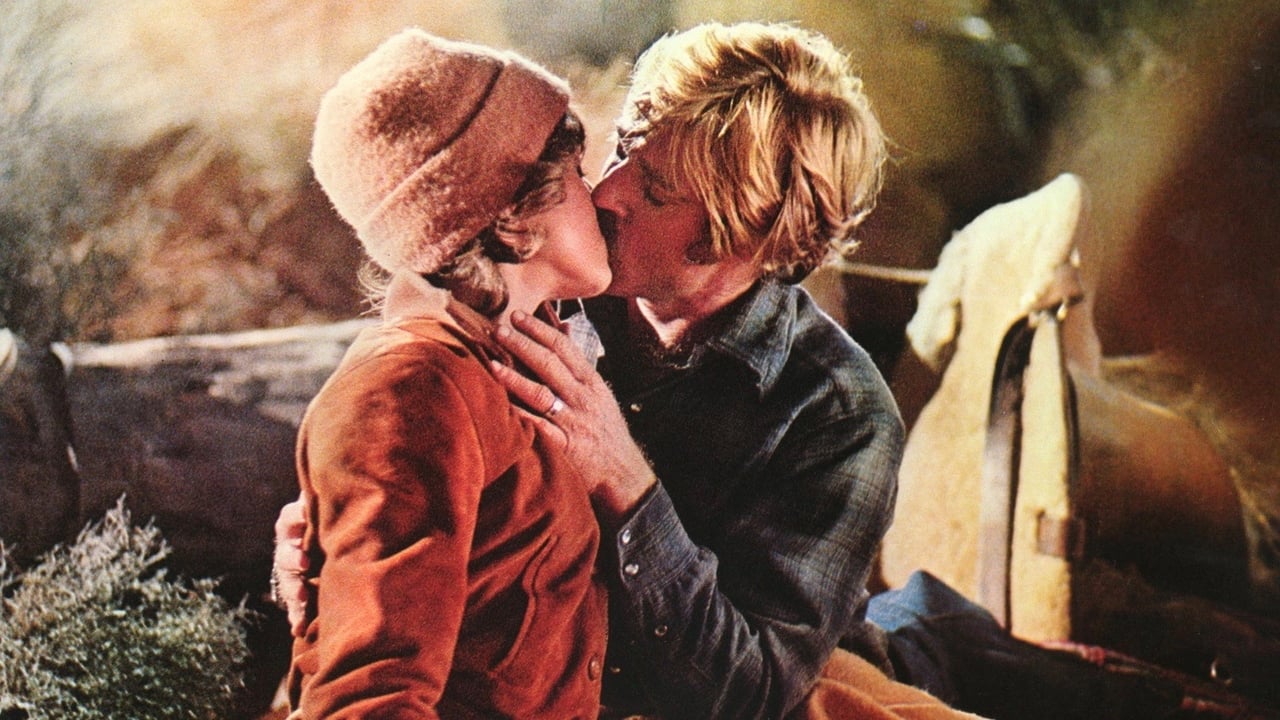
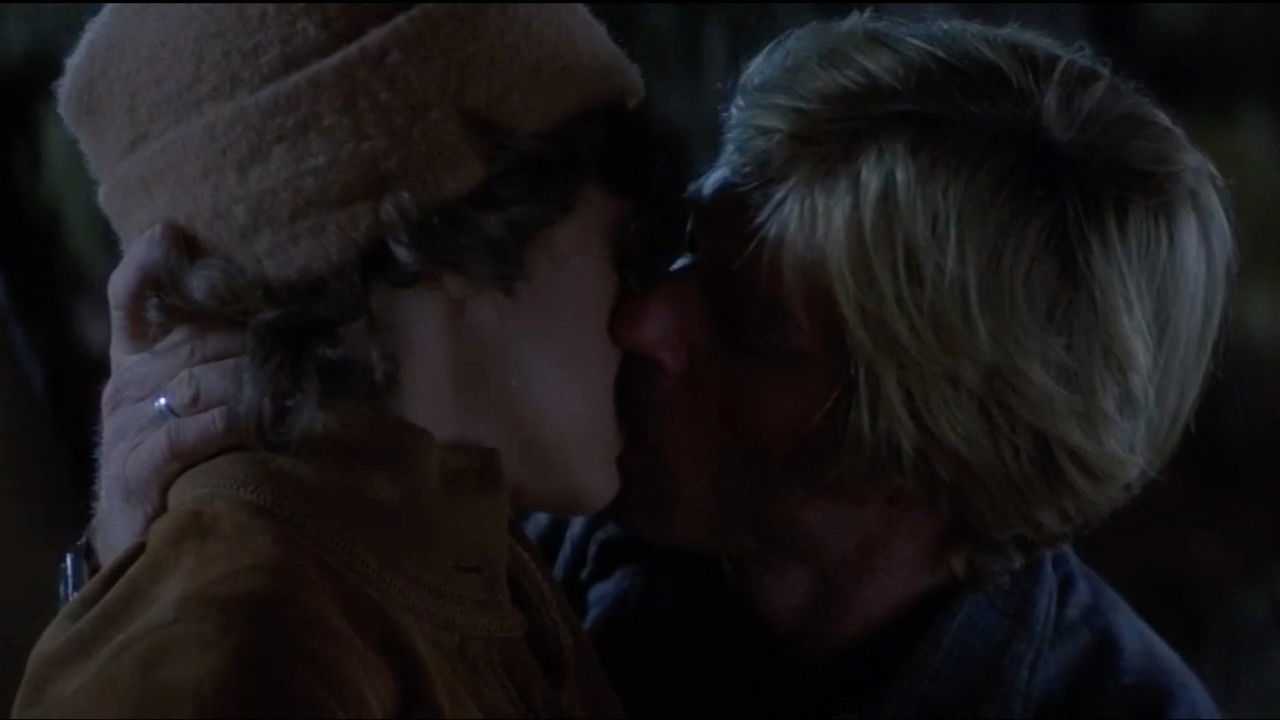
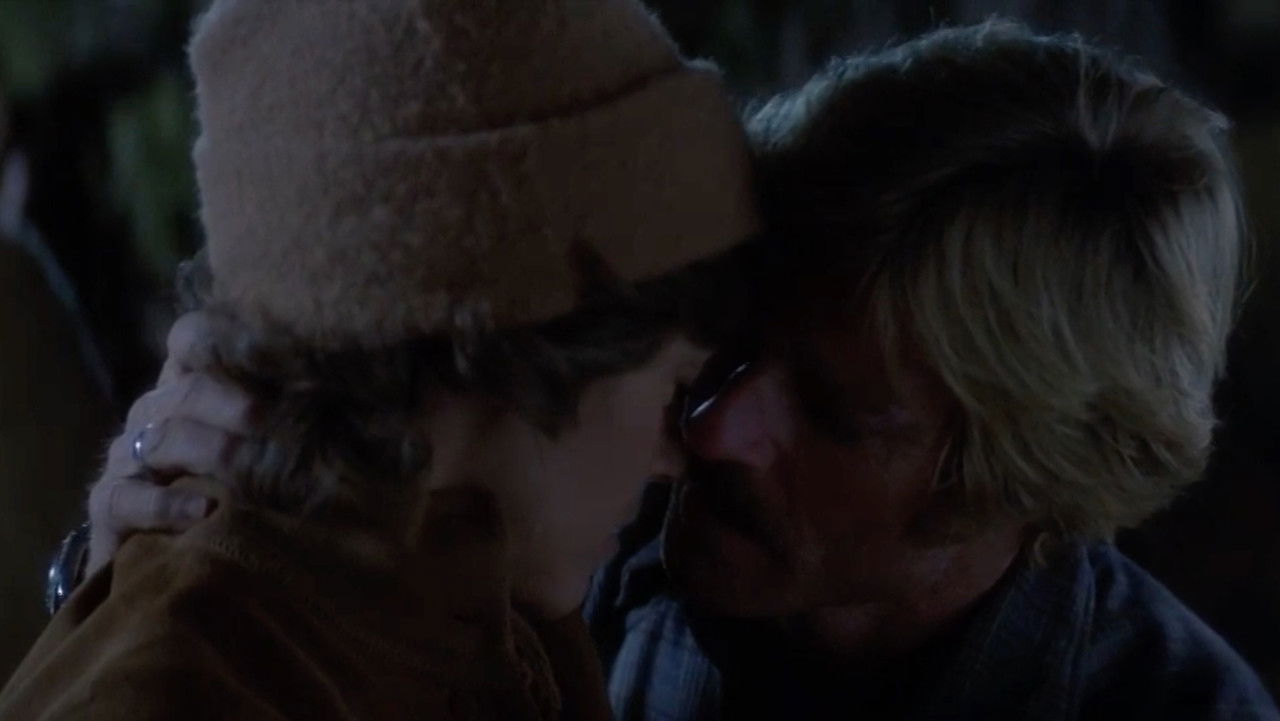
While filming generally went smoothly, Pollack struggled with revising the script while filming was underway. In addition, one particular day occurred in which production was continuously delayed due to traveling thunderstorms that interrupted the 20-second kissing scene between Redford and Fonda. Ultimately, the scene ended up requiring 48 takes that pushed costs to $280,000. The film went over budget by $1.3 million, spending a total of $12.5 million.
Music
The musical score to The Electric Horseman was composed by Dave Grusin. In addition to co-starring, Willie Nelson contributed significantly to the film's soundtrack, singing five songs, including "My Heroes Have Always Been Cowboys", "Midnight Rider", "Mammas Don't Let Your Babies Grow Up to Be Cowboys", "So You Think You're a Cowboy", and "Hands on the Wheel". Coinciding with the film's release, a soundtrack album was released featuring both Nelson's songs and Grusin's score.
Release and reception
The Electric Horseman was released theatrically in the United States on December 21, 1979. Even with the budget escalating to $12.5 million, the film was a box-office success after grossing a domestic total of nearly $62 million. While the film was co-produced by Columbia Pictures and Universal Pictures, and distributed by Columbia domestically and Universal internationally, the US film rights later reverted to Universal. It has since been released on CED (Capacitance Electronic Disc) Videodiscs, VHS, Betamax, LaserDisc, DVD and Blu-ray by Universal Studios, although current home video releases have replaced "My Heroes Have Always Been Cowboys" with a generic instrumental sound-alike recording in the opening title sequence. A 2019 North American Universal Blu-ray edition returns the music removed on many past video releases.
While the film was a commercial success, it received mixed reviews upon release. Film review aggregate website Rotten Tomatoes reports that 64% of critics gave the film a positive review based on 22 reviews with a "Fresh" rating, with an average score of 5.83/10. The film was also nominated for an Academy Award in 1980 for Best Sound (Arthur Piantadosi, Les Fresholtz, Michael Minkler and Al Overton Jr.). Gene Siskel of the Chicago Tribune called the film "a nicely polished piece of entertainment from director Sydney Pollack, who regularly works with the biggest of stars and rarely lets his camera get in the way of those stars." Siskel, who gave the film three stars, highlighted what he detected to be genuine chemistry between Redford and Fonda. He also lauded the movie's "outstanding secondary cast", including Saxon, Coster, and Nelson. Roger Ebert gave the film three out of four stars and called it "the kind of movie they used to make. It's an oddball love story about a guy and a girl and a prize racehorse, and it has a chase scene and some smooching and a happy ending. It could have starred Tracy and Hepburn, or Gable and Colbert, but it doesn't need to because this time it stars Robert Redford and Jane Fonda."
See also
List of films about horses
References
External links
The Electric Horseman at IMDb
The Electric Horseman at the AFI Catalog of Feature Films
The Electric Horseman at the TCM Movie Database (archived)
The Electric Horseman at Letterboxd
Analysis of The Electric Horseman at Transparencynow.com
The Electric Horseman at Rotten Tomatoes
Text from The Electric Horseman on Wikipedia, licensed CC BY-SA 4.0. https://en.wikipedia.org/wiki/The_Electric_Horseman
Trivia
- It cost US$ 13 million and grossed US$ 62 million in theaters — 4.9 times its budget.
- It premiered on December 21, 1979, a Friday.
- It runs 2h02 — a typical feature length.
- It won 0 award(s) and received 1 nomination(s) on record at Wikidata — Academy Award for Best Sound among them.
- This film's quiz has 14 questions — enough to play more than once without repeats.
Production
- StudiosColumbia Pictures, Universal Pictures, Rastar Productions, Wildwood Enterprises
- CountriesUnited States
- LanguagesEnglish
- BudgetUS$ 12,500,000
- Box officeUS$ 61,801,971
- StatusReleased
More about this film
Nominations
- Academy Award for Best Sound 1980
Filming locations
- Utah
Set in
- Las Vegas Valley
Videos
Photos
Cast
-
 Robert Redford
Sonny
Robert Redford
Sonny -
 Jane Fonda
Hallie
Jane Fonda
Hallie -
 Valerie Perrine
Charlotta
Valerie Perrine
Charlotta -
 Willie Nelson
Wendell
Willie Nelson
Wendell -
 John Saxon
Hunt Sears
John Saxon
Hunt Sears -
 Nicolas Coster
Fitzgerald
Nicolas Coster
Fitzgerald -
 Allan Arbus
Danny
Allan Arbus
Danny -
 Wilford Brimley
Farmer
Wilford Brimley
Farmer -
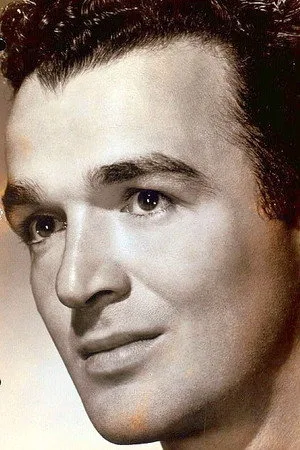 Will Hare
Gus
Will Hare
Gus -
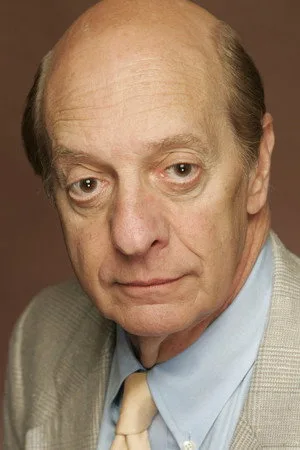 Basil Hoffman
Toland
Basil Hoffman
Toland -
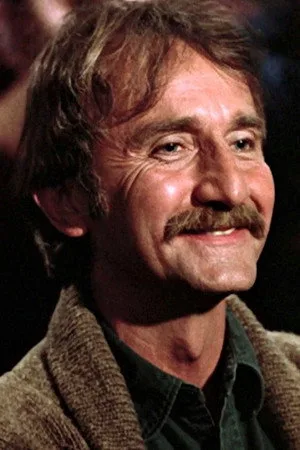 Timothy Scott
Leroy
Timothy Scott
Leroy -
 James B. Sikking
Dietrich
James B. Sikking
Dietrich - James Kline Tommy
- Frank Speiser Bernie
-
 Quinn K. Redeker
Bud Broderick
Quinn K. Redeker
Bud Broderick -
 Lois Hamilton
Joanna Camden
Lois Hamilton
Joanna Camden - Sarah Harris Lucinda
-
 Tasha Zemrus
Louise
Tasha Zemrus
Louise - James Novak Dennis
- Debra L. Maxwell Convention Hostess
Quiz about this movie
Questions from the whole catalogue.
Play nowIf you liked this one
-
8 Segundos
 7.1
7.1
-
O Indomado
 7.3
7.3
-
Frontera
 6.5
6.5
-
Dez Segundos de Perigo Drama from the 1970s
 6.1
6.1
-
Coração de Cowboy
 7.0
7.0
-
Relatos do Mundo
 6.9
6.9
-
Estrela Solitária
 6.2
6.2
-
Quando Um Homem É Homem
 6.6
6.6
-
O Diabo Feito Mulher
 6.5
6.5
-
A Rota Selvagem
 6.9
6.9
-
Onde Começa o Inferno
 7.8
7.8
-
Fora das Grades
 6.8
6.8
Tags
Crew
- Owen Roizman Cinematography
- Sydney Pollack Director
- Sheldon Kahn Editing
- Ray Stark Producer
- Dave Grusin Original music
- Robert Garland Screenplay
Questions about this film
What is The Electric Horseman about?
The Electric Horseman: A former champion rodeo rider is reduced to using his saddle skills to promote a breakfast cereal in a gaudy Las Vegas show. When he's asked to perform with a $12 million horse, he discovers it is being doped to remain docile. He flees into the desert astride the beast in an act of defiance. A story-hungry female repo…
Who directed The Electric Horseman?
The Electric Horseman was directed by Sydney Pollack in 1979.
Who stars in The Electric Horseman?
The cast of The Electric Horseman includes Robert Redford, Jane Fonda, Valerie Perrine, Willie Nelson and John Saxon.
How long is The Electric Horseman?
The Electric Horseman runs for 122 minutes, or 2h02.
How much did The Electric Horseman cost and how much did it make?
The Electric Horseman had a budget of US$ 12,500,000 and took US$ 61,801,971 at the box office — 4.9 times its cost.
Similar films
-
 4.3
4.3
Even Cowgirls Get the Blues
1994
-
 8.5
8.5
Forrest Gump
1994
-
 7.9
7.9
La La Land
2016
-
 7.2
7.2
Silver Linings Playbook
2012
-
 7.3
7.3
(500) Days of Summer
2009
-
 7.6
7.6
10 Things I Hate About You
1999
-
 7.3
7.3
Crazy, Stupid, Love.
2011
-
 7.2
7.2
The Proposal
2009
-
 7.4
7.4
Lost in Translation
2003
-
 7.1
7.1
Love Actually
2003
-
 7.1
7.1
Juno
2007
-
 7.0
7.0
The Lobster
2015
Page updated on 09/11/2026.
Back to the catalogue