The Missiles of October (1974)
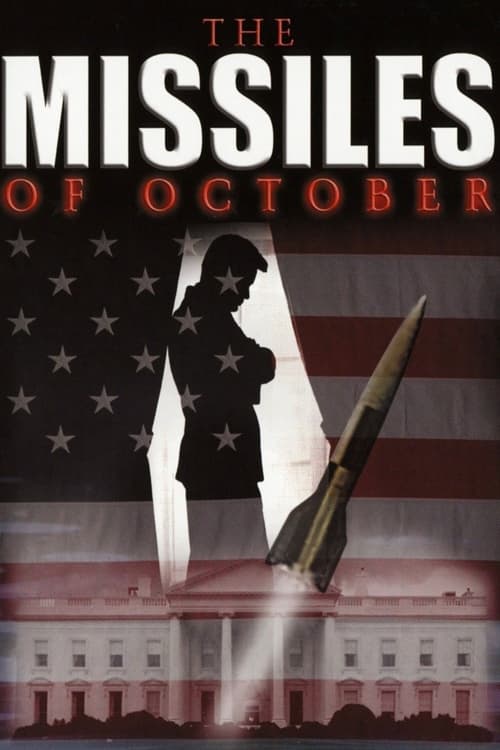
The Missiles of October (1974), directed by Anthony Page, starring William Devane and Ralph Bellamy.
score
The most powerful docudrama ever produced on The Cuban Missile Crisis
Synopsis
Based in part on Robert F. Kennedy's book, "Thirteen Days," this film profiles the Kennedy Administration's actions during the Cuban Missile Crisis.
- Anthony PageDirector
- Laurence RosenthalOriginal music
- Stanley R. GreenbergWriter
About the film
The Missiles of October is a 1974 television docudrama about the Cuban Missile Crisis in October 1962. The title evokes the 1962 book The Guns of August by Barbara Tuchman, about the missteps amongst the great powers and the failed chances to give an opponent a graceful way out, which led to World War I.
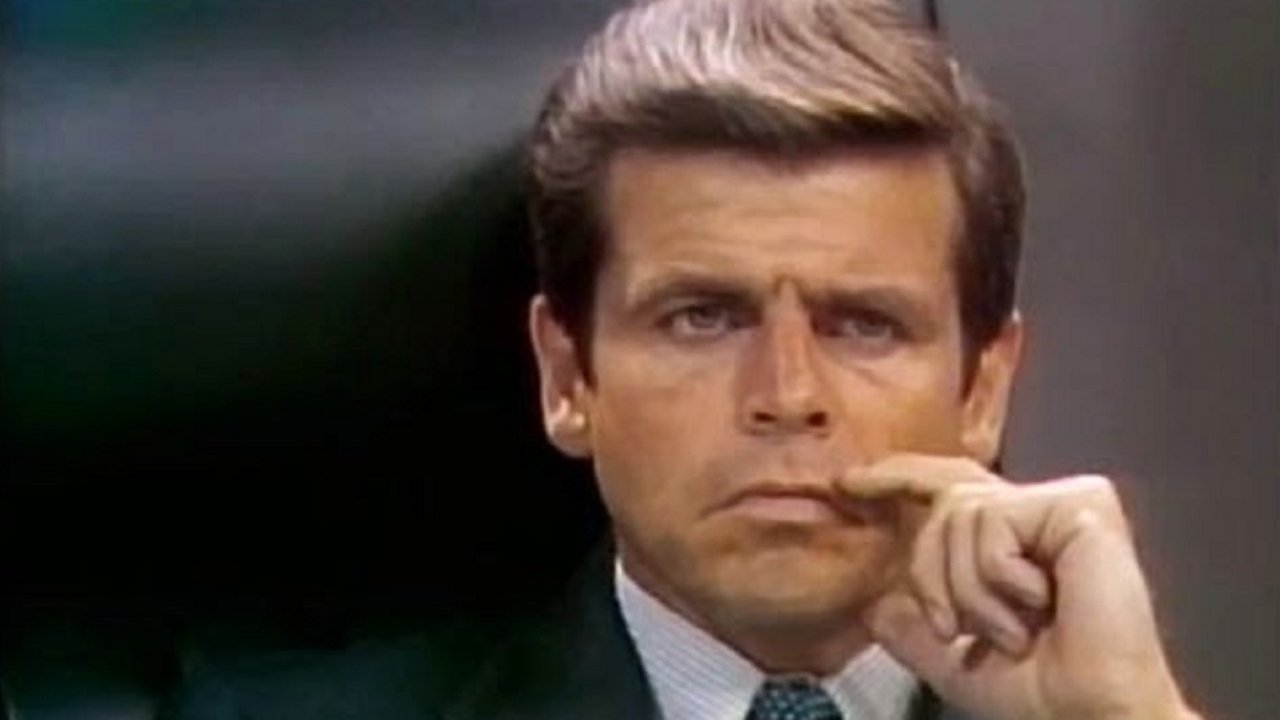
The Missiles of October introduced William Devane as President John F. Kennedy and cast Martin Sheen as Attorney General Robert F. Kennedy. The teleplay was originally broadcast by ABC-TV on Wednesday, December 18, 1974. The script was based on Robert Kennedy's posthumously-published 1969 book Thirteen Days: A Memoir of the Cuban Missile Crisis.
Read the full article (7k characters)
The Missiles of October is a 1974 television docudrama about the Cuban Missile Crisis in October 1962. The title evokes the 1962 book The Guns of August by Barbara Tuchman, about the missteps amongst the great powers and the failed chances to give an opponent a graceful way out, which led to World War I.
The Missiles of October introduced William Devane as President John F. Kennedy and cast Martin Sheen as Attorney General Robert F. Kennedy. The teleplay was originally broadcast by ABC-TV on Wednesday, December 18, 1974. The script was based on Robert Kennedy's posthumously-published 1969 book Thirteen Days: A Memoir of the Cuban Missile Crisis.
Plot
In October 1962, United States U-2 flights reveal the Soviet Union is placing ballistic missiles in Cuba, only 90 miles from the continental United States. President John F. Kennedy collects a group of advisors from his cabinet and the military to assess the situation and develop a strategy to negotiate the withdrawal of the missiles. Tensions run high as Soviet premier Nikita Khrushchev refuses to cease operations. Kennedy goes public with the information and announces the U.S. will establish a Naval blockade of Cuba. Khrushchev responds that Soviet ships will breach the blockade. An American U-2 pilot is killed over Cuba during a reconnaissance mission. The United States and the Soviet Union appear to be on the brink of nuclear war; ultimately, the crisis is resolved and war avoided when the Soviets agree to withdraw its missiles conditioned upon the U.S. promising never to invade Cuba.
Cast
William Devane as John F. Kennedy, President of the United States
Martin Sheen as Robert F. Kennedy, Attorney General of the United States
Howard da Silva as Nikita Khrushchev, Premier of the Soviet Union
Ralph Bellamy as Adlai Stevenson, US Ambassador to the United Nations
Michael Lerner as Pierre Salinger, White House Press Secretary
Clifford David as Theodore Sorensen, White House Counsel
John Dehner as Dean Acheson, former US Secretary of State
Nehemiah Persoff as Andrei Gromyko, Soviet Foreign Minister
Albert Paulsen as Anatoly Dobrynin, Soviet Ambassador to the United States
Will Kuluva as Valerian Zorin, Soviet Diplomat
Dana Elcar as Robert McNamara, United States Secretary of Defense
Larry Gates as Dean Rusk, United States Secretary of State
William Prince as C. Douglas Dillon, US Secretary of the Treasury
Keene Curtis as John McCone, Director of the CIA
James Olson as McGeorge Bundy, US National Security Advisor
Andrew Duggan as General Maxwell Taylor, Chairman of the Joint Chiefs of Staff
Robert P. Lieb as Curtis LeMay, Chief of Staff of the US Air Force
Richard Eastham as David M. Shoup, Commandant of the Marine Corps
Dennis Patrick as Llewellyn Thompson, Former US Ambassador to the Soviet Union
Kenneth Tobey as Admiral George W. Anderson Jr., Chief of Naval Operations
James Hong as U Thant, UN Secretary General
John Randolph as George Ball, Undersecretary of State
Wright King as Richard Russell Jr., Senator
Byron Morrow as J. William Fulbright, Senator
Francis De Sales as unnamed Republican Senator
Arthur Franz as Charles A. Halleck, Congressman
Ron Feinberg as Charles de Gaulle, French President
Paul Lambert as John A. Scali, ABC News Correspondent
Doreen Lang as Evelyn Lincoln, President Kennedy's personal secretary
Harris Yulin as Alexander Fomin, KGB spy
Stewart Moss as Kenneth O'Donnell, Special Assistant to the President
James T. Callahan as David Powers, Special Assistant to the President
Peter Donat as David Ormsby-Gore, British Ambassador to the United States
Ted Hartley as unnamed Air Force Major General
Stacy Keach Sr. as William E. Knox, President of Westinghouse Electric International
John McMurtry as Russian poet Yevgeny Yevtushenko
Peter Canon as Admiral's Aide
Charles Cyphers as Press Photographer
Eugene Elman as Russian Presidium Member (as Gene Elman)
Michael Fox as Soviet Marshal
Jerome Guardino as Reporter
Bern Hoffman as Russian Presidium Member
Richard Karlan as Chief of the Presidium
Stuart Nisbet as Reporter
Buddy Ochoa as Television Assistant
Toby Russ as Waiter
Serge Tschernisch as Soviet Stenographer
Jay Varela as Cuban Delegate (as Jay Vallera)
George Wyner as Civilian Aide
Thayer David as uncredited narrator
Production notes
The title of the play was influenced by the 1962 book The Guns of August by Barbara W. Tuchman, which describes various events leading to World War I and had been read by US President John F. Kennedy shortly before the crisis. In the play, Kennedy compares events in the book to the crisis with the Soviet Union.
Staged as a two-and-a-half hour television play, the production eschews physical action and detailed sets and wardrobes in favor of emphasis on dialogue, emotion, and decision-making. The plot depicts how the world came close to the brink of but eventually stepped away from global thermonuclear war and highlights the roles of President Kennedy, US Attorney General Robert F. Kennedy, Soviet Premier Nikita Khrushchev, US Ambassador to the United Nations Adlai Stevenson, and former US Secretary of State Dean Acheson during the crisis.
The Missiles of October gave the American general public its first look behind the scenes at the inner workings, disagreements, and ultimate consensus of the Kennedy administration to blockade Cuba, rather than invade to dislodge the just-discovered partially completed Soviet nuclear missile emplacements in Cuba. It details US attempts to give the Soviets room to negotiate without appearing to capitulate and periodically depicts Khrushchev reporting progress of the events to his Communist Party cohorts.
Vice-President Lyndon B. Johnson, who was a member of EXCOMM and was present at most meetings during the crisis, does not appear in the docudrama.
The play was directed by Anthony Page with writing credits given to Stanley R. Greenberg and Robert Kennedy. The play is noted for Sheen's changing accent throughout the play as well as his several flubbed lines in the first several acts.
Awards
Technical Director Ernie Buttelman won the 1975 Emmy Award for outstanding achievement. There were several other Emmy nominations, including outstanding drama or comedy special, outstanding supporting actor in a comedy or drama special for Ralph Bellamy, and outstanding writing in an original teleplay for Greenberg. The same year Greenberg won the Humanitas Prize in the 90-minute category.
In 1997, the play won a Producers Guild of America Hall of Fame award.
See also
Thirteen Days (book), memoirs of the crisis by Robert Kennedy
Thirteen Days (film), a 2000 retelling of the story with newly declassified information not available in 1974
Cultural depictions of John F. Kennedy
Robert F. Kennedy in media
References
External links
The Missiles of October at IMDb
Text from The Missiles of October on Wikipedia, licensed CC BY-SA 4.0. https://en.wikipedia.org/wiki/The_Missiles_of_October
Trivia
- It premiered on December 18, 1974, a Wednesday.
- It runs 2h30 — well over the usual two hours.
- This film's quiz has 13 questions — enough to play more than once without repeats.
Production
- StudiosAustralian Broadcasting Corporation
- LanguagesEnglish, Russian
- StatusReleased
More about this film
Based on
- Thirteen Days
Set in
- Moscow
- Connecticut
- New York City
- Washington, D.C.
Cast
-
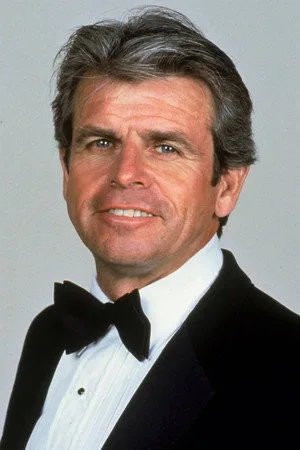 William Devane
President John F. Kennedy
William Devane
President John F. Kennedy -
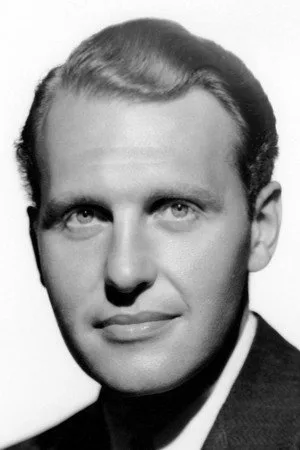 Ralph Bellamy
U.N. Ambassador Adlai Stevenson
Ralph Bellamy
U.N. Ambassador Adlai Stevenson -
 Howard Da Silva
Soviet Premier Nikita Khrushchev
Howard Da Silva
Soviet Premier Nikita Khrushchev -
 James Hong
U.N. Secretary-General U Thant
James Hong
U.N. Secretary-General U Thant -
 Martin Sheen
Attorney General Robert F. Kennedy
Martin Sheen
Attorney General Robert F. Kennedy -
 James T. Callahan
David Powers, Special Assistant to the President
James T. Callahan
David Powers, Special Assistant to the President - Peter Canon Admiral's Aide
-
 Keene Curtis
John McCone, Director CIA
Keene Curtis
John McCone, Director CIA -
 Charles Cyphers
Press Photographer
Charles Cyphers
Press Photographer -
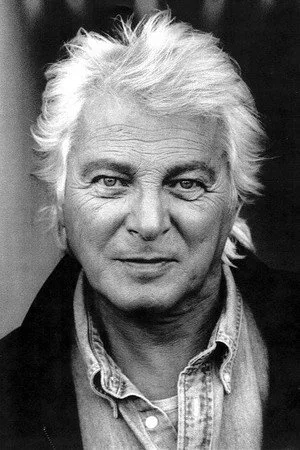 Clifford David
Theodore Sorensen, Special Counsel
Clifford David
Theodore Sorensen, Special Counsel -
 Francis De Sales
Senator
Francis De Sales
Senator -
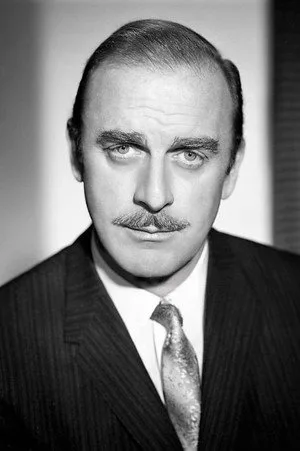 John Dehner
Former Secretary of State Dean Acheson
John Dehner
Former Secretary of State Dean Acheson -
 Peter Donat
David Ormsby-Gore, British Ambassador to U.S.
Peter Donat
David Ormsby-Gore, British Ambassador to U.S. -
 Andrew Duggan
Gen. Maxwell Taylor, Army Chief of Staff
Andrew Duggan
Gen. Maxwell Taylor, Army Chief of Staff -
 Richard Eastham
Gen. David M. Shoup, USMC Commandant
Richard Eastham
Gen. David M. Shoup, USMC Commandant - Robert P. Lieb Gen. Curtis LeMay - Air Force Chief of Staff
Quiz about this movie
Questions from the whole catalogue.
Play nowIf you liked this one
-
A Garota Na Caixa
 6.7
6.7
-
Perigos da Rede
 6.3
6.3
-
Dolly Parton's Coat of Many Colors
 6.4
6.4
-
Anorexia: A Ilusão da Beleza
 6.5
6.5
-
Sementes do Passado
 6.4
6.4
-
Ray Donovan: O Filme
 6.8
6.8
-
Ascensão do Cisne Negro
 5.8
5.8
-
Silverton: Cerco Fechado
 6.3
6.3
-
Proteção à Testemunha
 6.3
6.3
-
Anjos Rebeldes
 6.8
6.8
-
O Assassino Perfeito
 7.0
7.0
-
Visões de Um Crime
 5.9
5.9
Crew
- Anthony Page Director
- Laurence Rosenthal Original music
- Stanley R. Greenberg Writer
Questions about this film
What is The Missiles of October about?
The Missiles of October: Based in part on Robert F. Kennedy's book, "Thirteen Days," this film profiles the Kennedy Administration's actions during the Cuban Missile Crisis.
Who directed The Missiles of October?
The Missiles of October was directed by Anthony Page in 1974.
Who stars in The Missiles of October?
The cast of The Missiles of October includes William Devane, Ralph Bellamy, Howard Da Silva, James Hong and Martin Sheen.
How long is The Missiles of October?
The Missiles of October runs for 150 minutes, or 2h30.
What is The Missiles of October based on?
The Missiles of October is based on Thirteen Days.
Similar films
-
 7.8
7.8
Sherlock: The Abominable Bride
2016
-
 7.3
7.3
Wizards of Waverly Place: The Movie
2009
-
 6.6
6.6
Princess Protection Program
2009
-
 6.5
6.5
Blue Lagoon: The Awakening
2012
-
 7.4
7.4
Lemonade Mouth
2011
-
 6.4
6.4
Ocean Waves
1993
-
 6.1
6.1
Heist
2015
-
 8.2
8.2
Steven Universe: The Movie
2019
-
 6.2
6.2
Radio Rebel
2012
-
 6.7
6.7
Geek Charming
2011
-
 7.7
7.7
Boys
2014
-
 8.0
8.0
Believe Me: The Abduction of Lisa McVey
2018
Page updated on 09/11/2026.
Back to the catalogue