The Samurai and the Prisoner (2026)
The Samurai and the Prisoner (2026), directed by Kiyoshi Kurosawa, starring Masahiro Motoki and Masaki Suda.
score
Synopsis
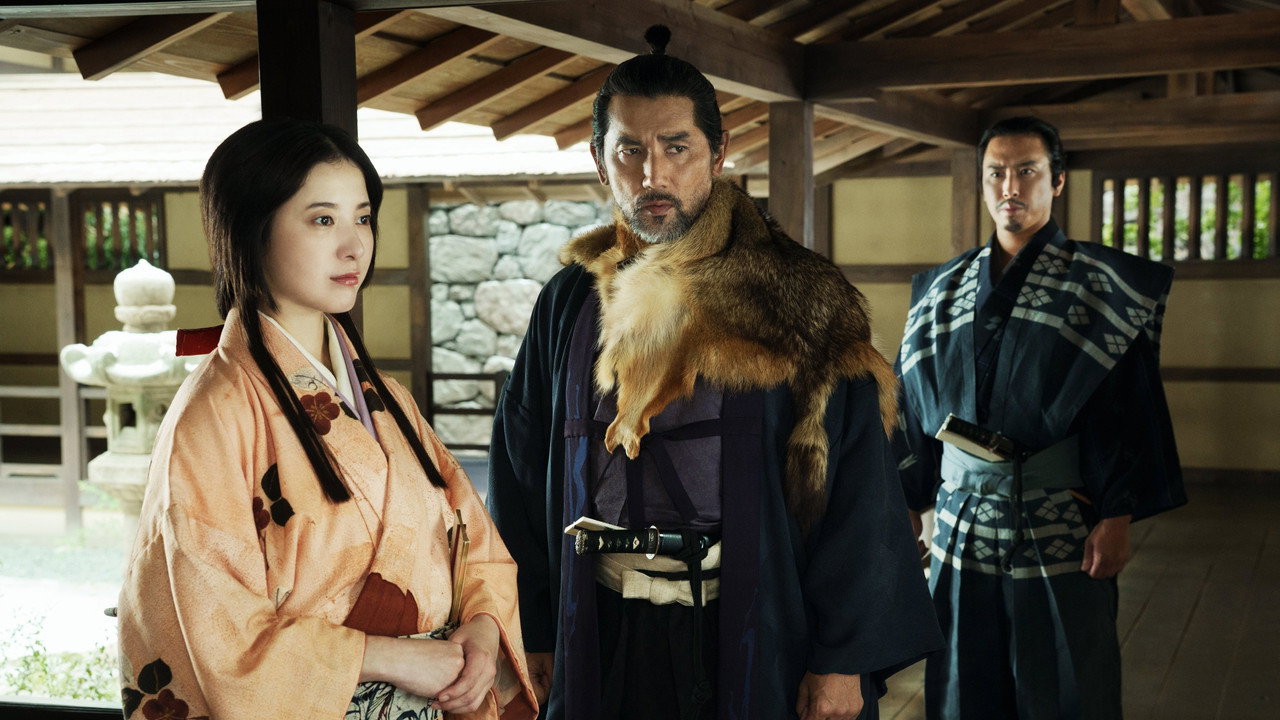
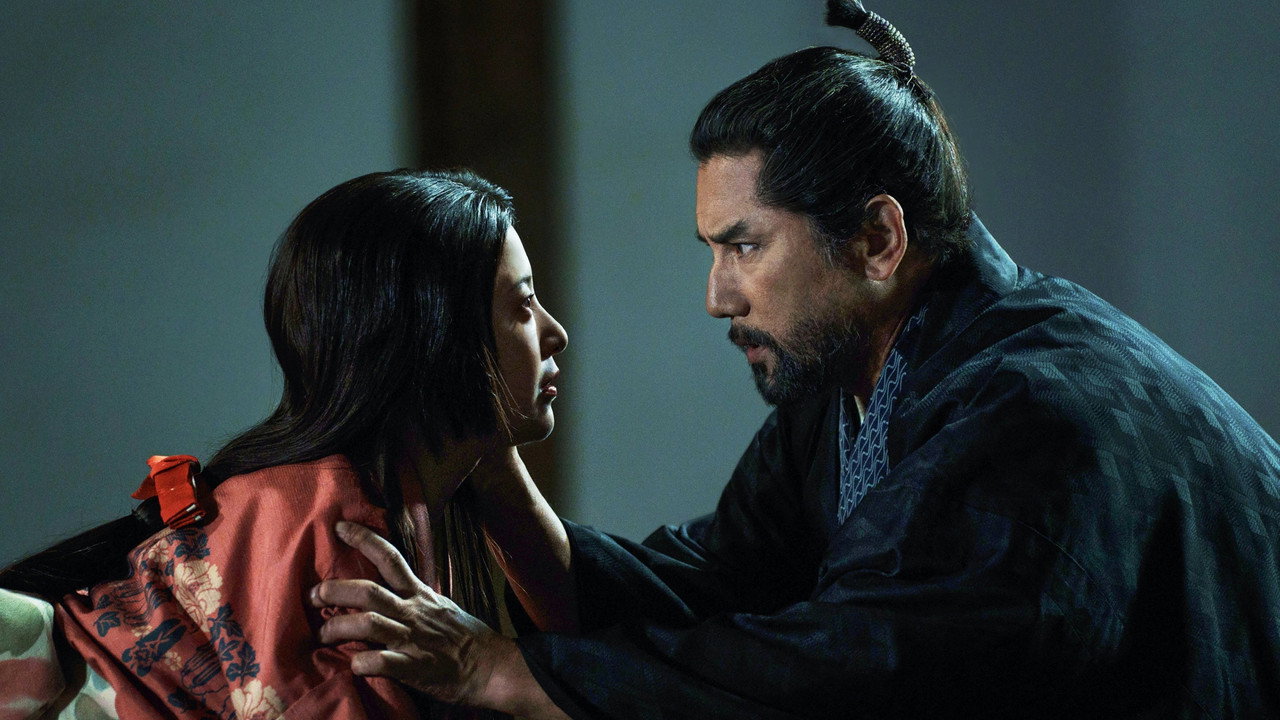
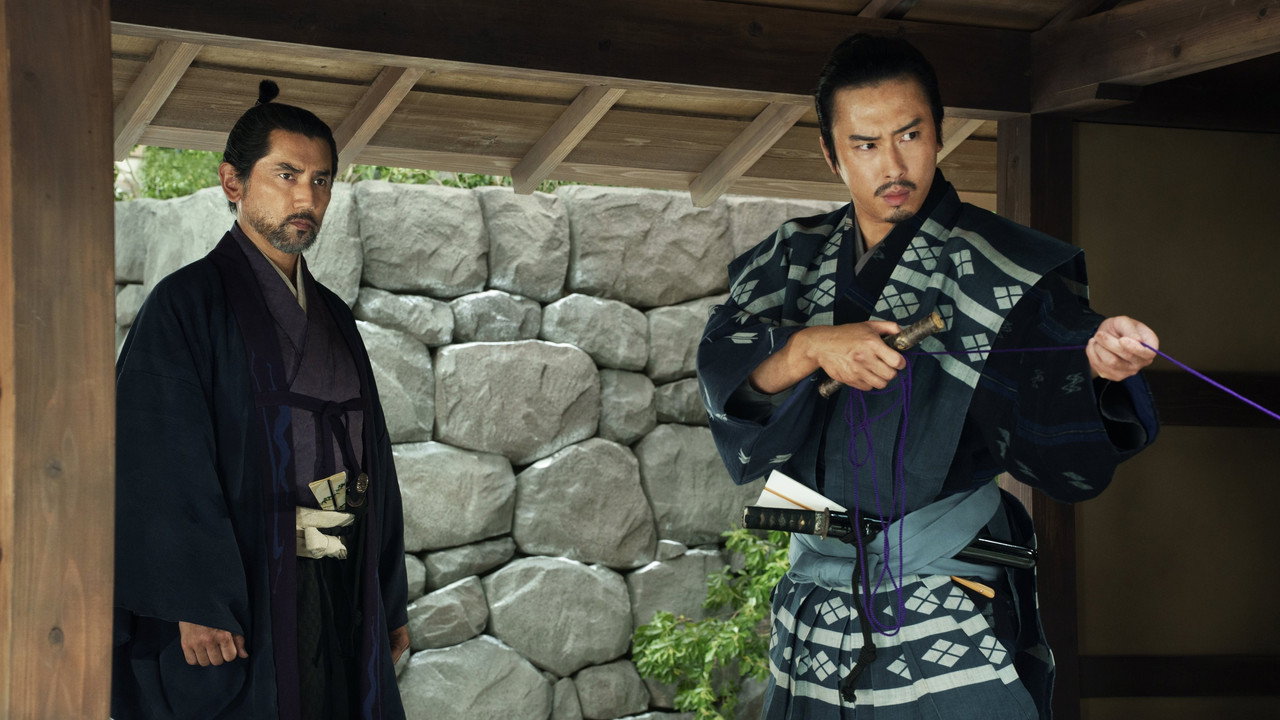
When Lord Murashige rises up against the tyrannical Oda, he finds himself besieged within the walls of his own castle. Isolated, he is confronted with a series of mysterious crimes that shatter the fragile order of his court, plunging the fortress into fear and suspicion. With Oda's army closing in and a traitor hiding among his ranks, Murashige is forced into an uneasy alliance with Kanbei, a brilliant and dangerous strategist held prisoner in the dungeon, as he must outwit his enemies and uncover the truth before time runs out.
- 佐々木靖之Cinematography
- Kiyoshi KurosawaDirector, Screenplay
- 高橋幸一Editing
- 石田聡子Producer
About the film
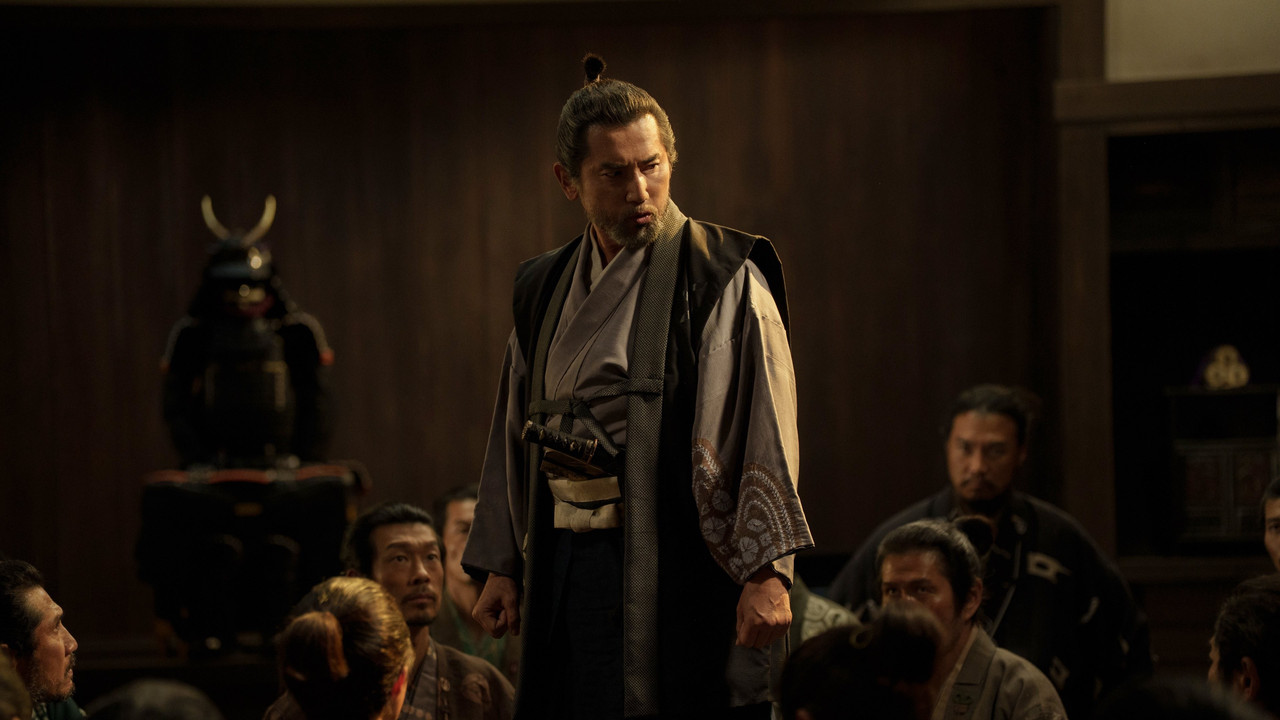
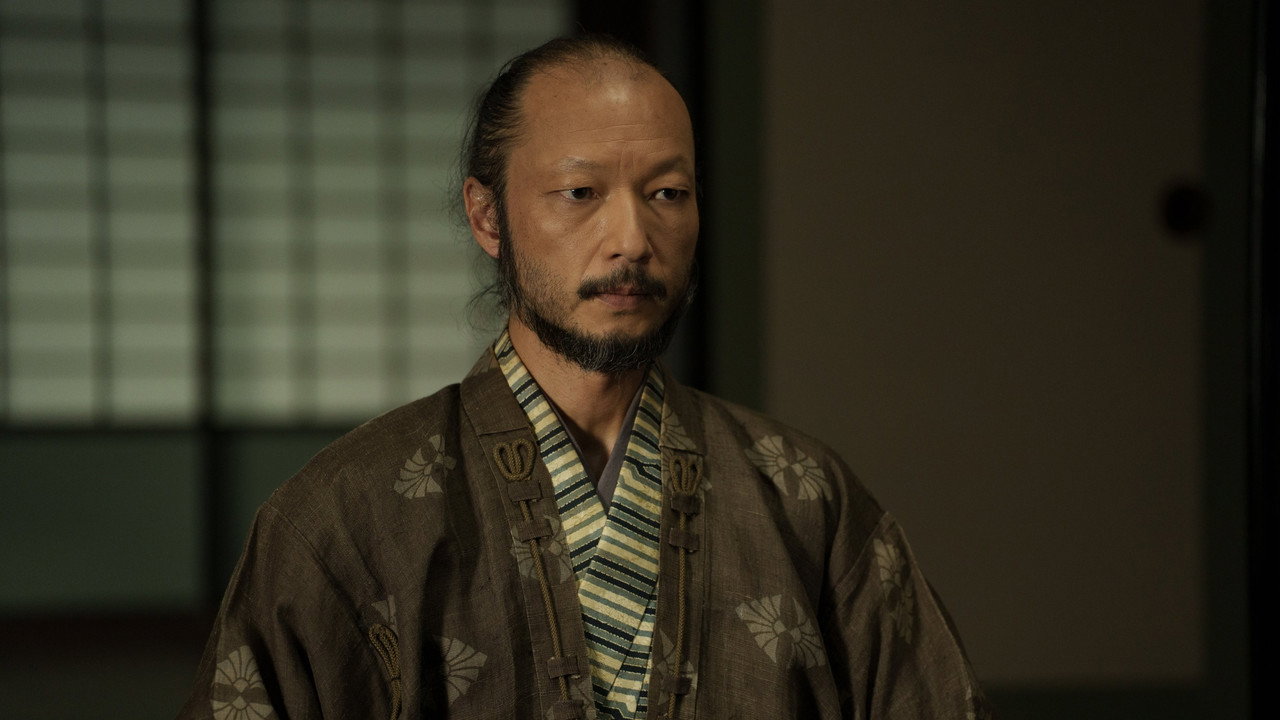
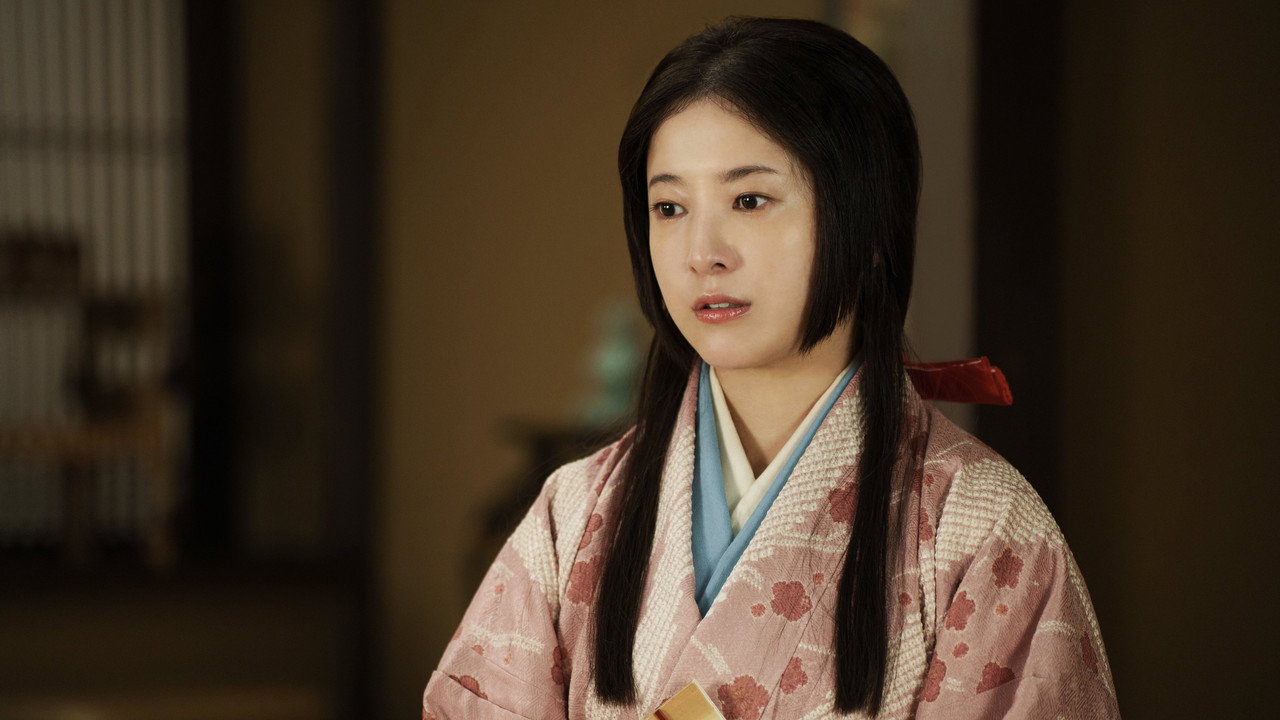
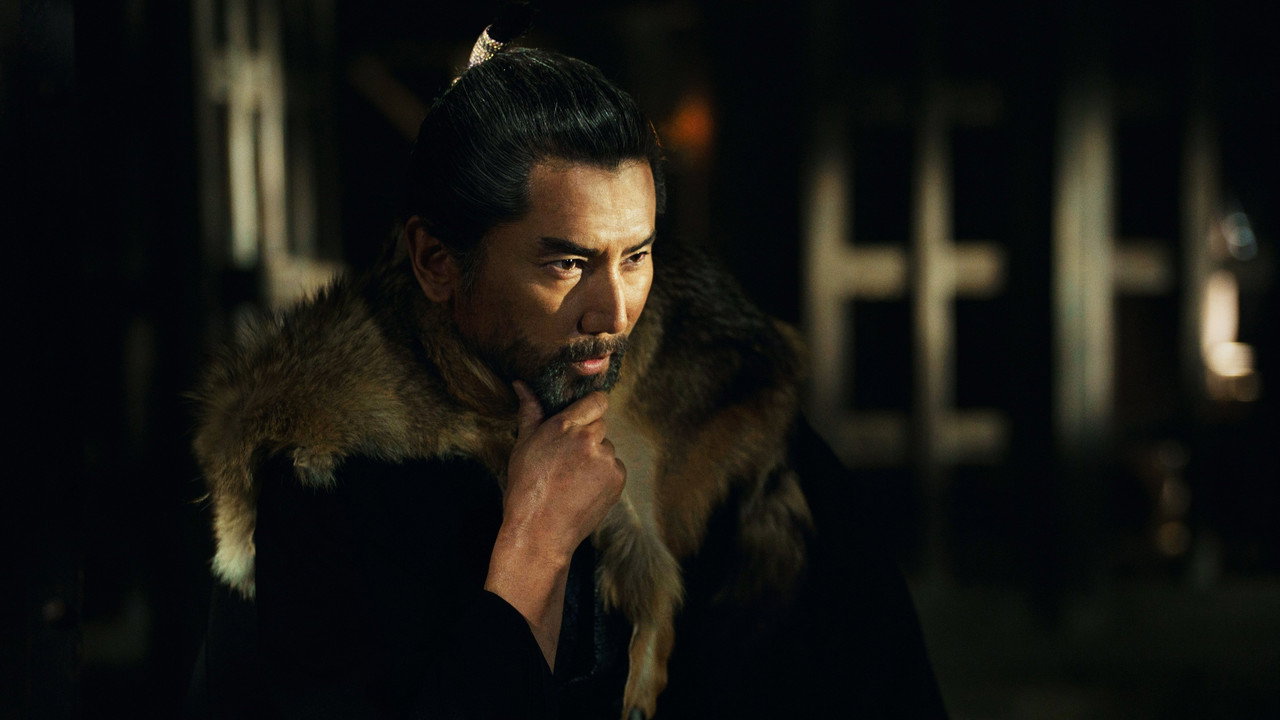
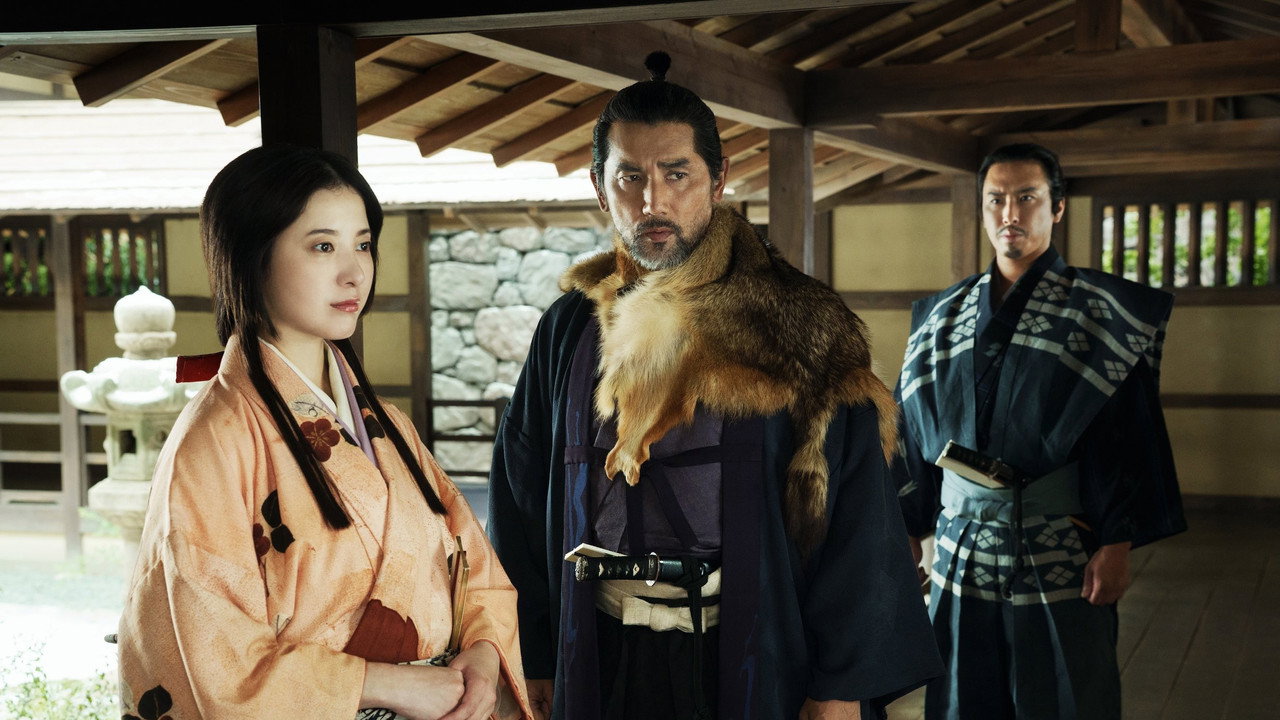
The Samurai and the Prisoner (黒牢城, Kokurōjō) is a 2026 Japanese historical drama mystery film written and directed by Kiyoshi Kurosawa and based on the novel of same name by Honobu Yonezawa. It stars Masahiro Motoki, Masaki Suda, Yuriko Yoshitaka, Munetaka Aoki, and Ryota Miyadate. It follows Masahiro Motoki as Araki Murashige during the siege of Arioka Castle in 1579.
The film had its world premiere at the Cannes Premiere section of the 2026 Cannes Film Festival on 19 May. It was followed by its theatrical release in Japan by Shochiku on 19 June.
Read the full article (9k characters)
The Samurai and the Prisoner (黒牢城, Kokurōjō) is a 2026 Japanese historical drama mystery film written and directed by Kiyoshi Kurosawa and based on the novel of same name by Honobu Yonezawa. It stars Masahiro Motoki, Masaki Suda, Yuriko Yoshitaka, Munetaka Aoki, and Ryota Miyadate. It follows Masahiro Motoki as Araki Murashige during the siege of Arioka Castle in 1579.
The film had its world premiere at the Cannes Premiere section of the 2026 Cannes Film Festival on 19 May. It was followed by its theatrical release in Japan by Shochiku on 19 June.
Plot
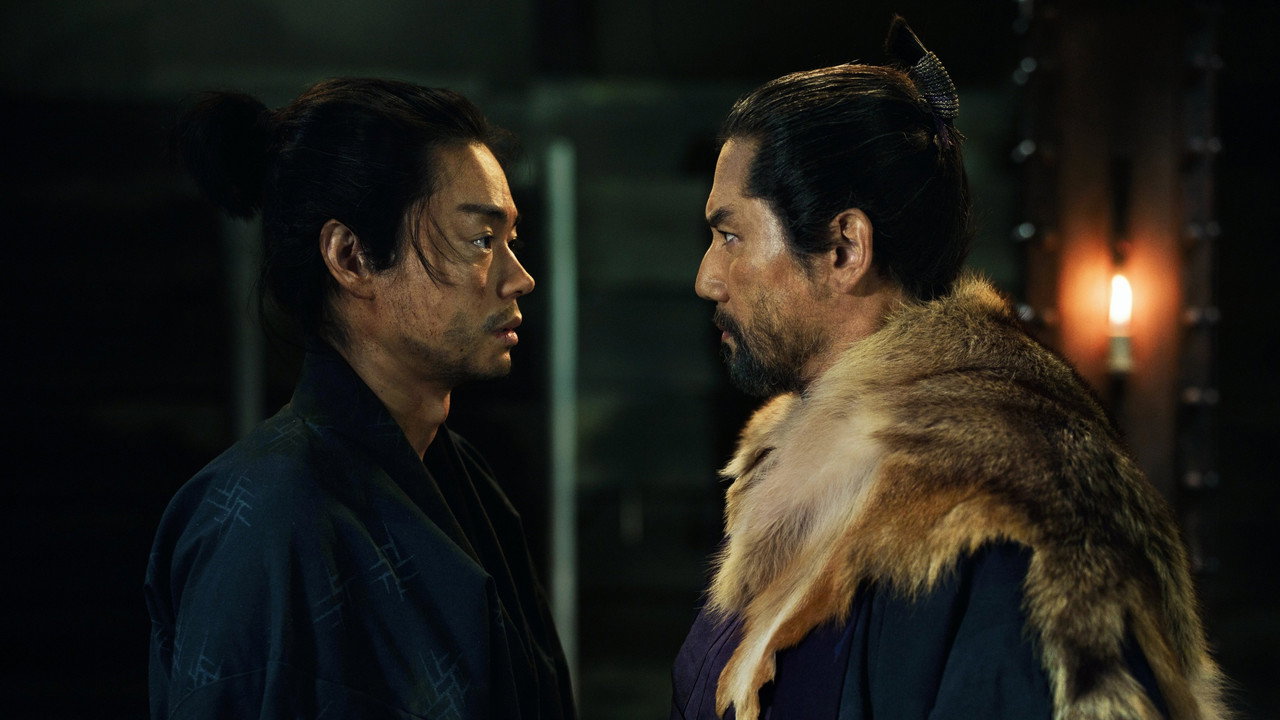
In 1578, Araki Murashige, the merciful lord of Settsu, rebels against brutal warlord Oda Nobunaga, barricading himself inside Arioka Castle upon which Nobunaga lays siege. Murashige's retainers await reinforcements from Mōri Terumoto in Harima Province. Oda sends an envoy in the form of the cunning and intelligent military strategist Kuroda Kanbei, who tries to convince Murashige to abandon his un-winnable rebellion; Murashige retaliates by throwing Kanbei in the dungeon.
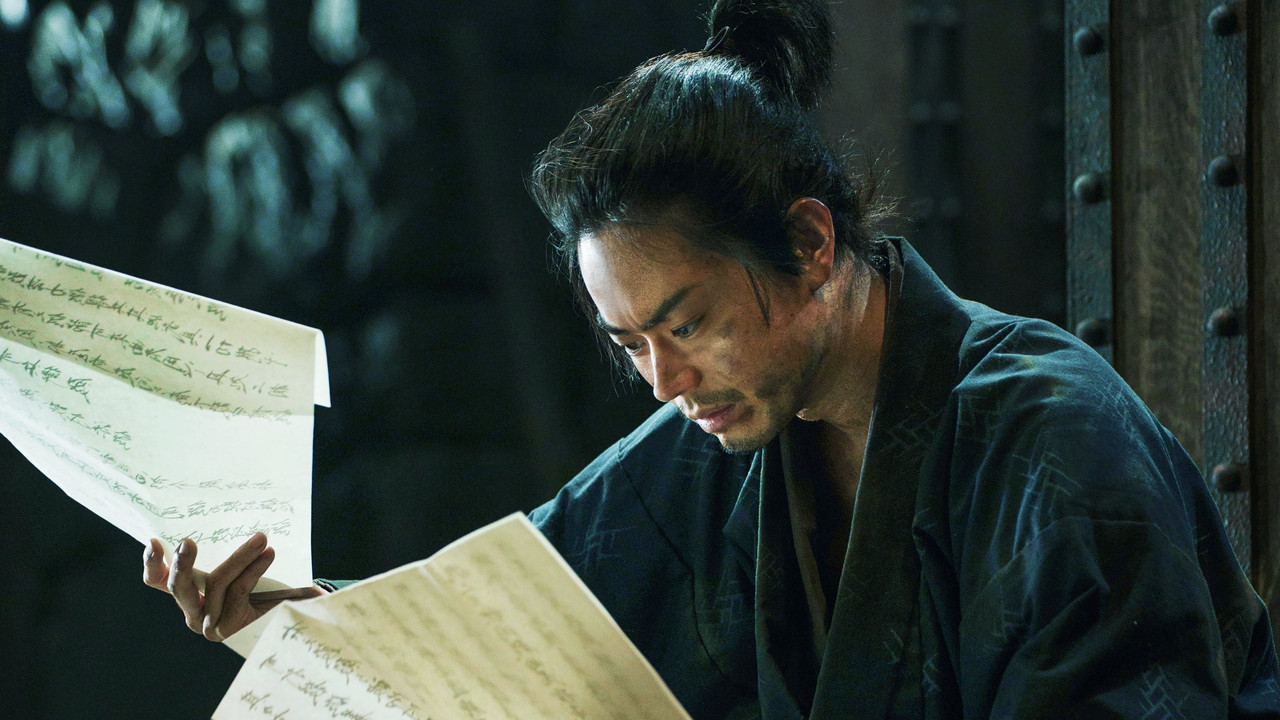
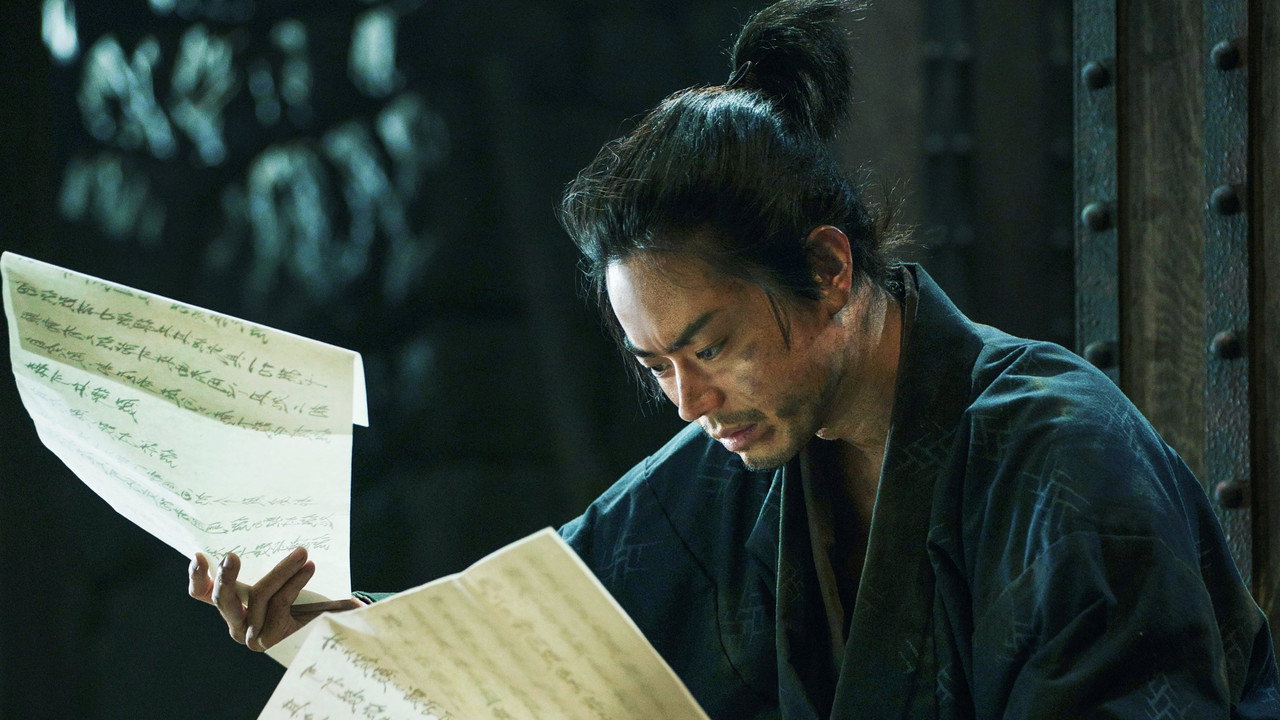
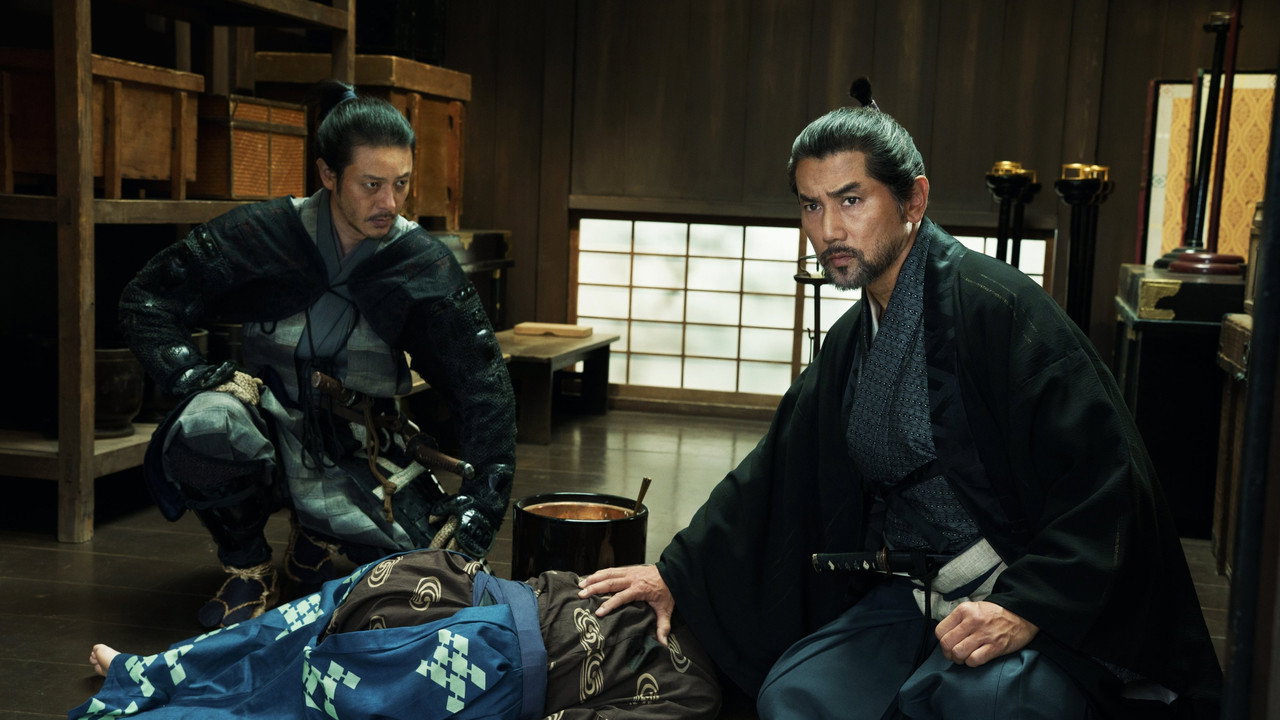
Lord of Ōwada Castle Abe Jūemon defects to Nobunaga in winter. His son, Abe Jinen, is kept as a hostage in Arioka Castle, and it is customary for such hostages to be crucified – however, as a follower of Shinshū Buddhism, Jinen begs to be killed by a sword to earn him entry into Paradise. Murashige instead imprisons him. Some time later, Jinen is found dead, seemingly from an arrow shot, but no arrow is found on his body. Murashige collects the testimonies of those who were there, and brings them to Kanbei, who recites an obscure poem upon reading the documents; Murashige gleans the meaning of the poem and deduces the identity of the killer, whom he spares but sends into battle, where he is killed.
In spring, one of Murashige's retainers, Ichirōza, finds an army led by the young commander Ōtsu Nagamasa preparing to attack in an attempt to impress Nobunaga. Murashige ambushes the army, assisted by the Buddhist Saika Clan under Saika Magoroku and the Christian Takatsuki Clan under Takayama Dario. After the ambush, a barely-clothed swordsman named Hori Yataro attacks Murashige's camp, killing Ichirōza but being killed himself. Upon inspecting the heads of the generals killed, both the Saika and Takatsuki clans have taken two heads, one of each being of a young commander. Murashige gathers the clan heads to figure out who among them killed Nagamasa. One day, one of the heads of the young commanders is switched for the head of Hori Yatarō, which unnerves the villagers. The tension between the two clans leads to the local Christian church being burned. Murashige again asks Kanbei for advice, who reveals that Nagamasa's head was actually not taken – he had his helmet, signifying him as a commander, taken off for reconnaissance, and Murashige himself actually killed Nagamasa, resolving the issue between the clans.
In summer, Murashige discusses his plan for a surrender to Nobunaga that would allow him to regroup his forces through a liaison with Nobunaga's retainer Akechi Mitsuhide. Mitsuhide requests proof of Murashige's will to surrender in the form of the valuable tea urn Tora-saru, which Murashige sends off with his envoy, the Buddhist priest Muhen. Before leaving the city, Muhen is found dead in his lodgings at night, along with skilled swordsman Akioka Sironosuke. Upon a search of the lodgings, it is found that the letter to Mitsuhide was discovered but not taken, and Tora-saru has been stolen. One day, Kanbei's relative, Zensuke sneaks into Arioka Castle, upon which he reveals that Kanbei's son, Shōjumaru, whom Kanbei wanted to pass the title of Kuroda clan head upon, has been killed by Oda, who assumed that Kanbei had defected due to his long absence without notice of his death. Murashige goes to Kanbei again, this time unshackling him from his chains and offering him a spot on his war council, though Kanbei declines, saying that the samurai of Settsu would not accept a man from Harima, and as such remains in the dungeon. Through Kanbei's deduction, Murashige finds that his retainer Notō, a proud man of Settsu, is responsible for Muhen's death, proven through a temple-hand who has never seen Muhen before recognizing Notō as Muhen. Notō is chased onto the ramparts, where Murashige accuses him of being an agent for Nobunaga; Notō responds, attempting to reveal the secret of Murashige's surrender, but is shot in the process. While he attempts to get back up, he is struck by lightning and killed. Upon getting Tora-saru back, Murashige declares that he will not use his worldly treasures as tools to win wars anymore, and will treasure them instead.
In autumn, with his vassals losing faith and Mōri's troops not arriving, Murashige attempts to get to the bottom of the various plots. With Kanbei's help, he deduces that his wife, Lady Chiyoho, has been behind all of them. She ordered the death of Jinen because of his earnest wish for death, and orchestrated the switching of the heads by the maids and the shooting of Notō, all to show the people of Arioka Castle that divine punishment is possible – she cites as her reason the trauma she experienced during the siege of Nagashima, where the Buddhist Ikkō-ikki believed that retreat was the way to hell and charging into battle would pave the way to Paradise, causing a massacre. By showing that divine punishment is available to everyone, she wishes to reveal that the meek and cowardly can also receive divine punishment and blessings. Murashige again goes to Kanbei in the dungeon and drinks with him, upon which Kanbei advises him to seek out Mōri in Harima via a sea route. Murashige, at first delighted by the plan, realizes that Kanbei has, for the last ten months, been seeking to destroy him, and that this plan would lead to his downfall as he would be disgraced for having abandoned Arioka Castle. Despite this, Murashige goes with Kanbei's plan, knowing full well the implications, telling his retainers to say, in the event of the castle being taken, to surrender peacefully and say that he has fled. Murashige sets out on the journey to Harima, and his companions, aside from Inui Sukesaburo, one by one, say that they would like to return to Arioka Castle, since their loyalties lie with the castle instead of its lord. Left with only one person in the entourage, Murashige nevertheless continues on his journey.
The final shot is followed by an epilogue card that explains that Nobunaga did indeed capture the castle while Murashige was away, but perished three years later when a rebellion instigated by Akechi Mitsuhide culminated in the Honnō-ji Incident. Meanwhile, Murashige survived and became a famous tea master.
Cast
Production
The Samurai and the Prisoner is a film adaptation of Honobu Yonezawa's novel Kokurojo, which won the 166th Naoki Prize. Kurosawa said his producer gave him the book which coincided with his already existing interest in Araki Murashige and a desire to make a film about the subject.
Kiyoshi Kurosawa praised the brilliance of the original story, while also admitting to some personal apprehension, as this marks his first foray into both the period drama (jidaigeki) and mystery genres. He wanted to depict a traditional jidaigeki similar to ones from the 1950s, though he acknowledged that certain contemporary factors, including his own personal style, would influence the final product. Kurosawa was inspired by other jidaigeki, including Akira Kurosawa's Throne of Blood (1957) and Kenji Mizoguchi's The 47 Ronin (1941).
Reception
Critical response
On the review aggregator website Rotten Tomatoes, the film holds an approval rating of 97%, based on 79 reviews, with an average rating of 8/10. The website's consensus reads: "Orchestrated with an intelligence as sharp as a katana's edge, The Samurai and the Prisoner is an elegant mystery that offers further proof of director Kiyoshi Kurosawa's mastery in any genre." On Metacritic, the film holds a weighted average score of 83 out of 100, based on 21 critics, indicating "universal acclaim".
In a positive review, Chase Hutchinson of TheWrap wrote, "It's a sweeping yet intimate film, taking on big questions facing 16th-century Japan by filtering them through a series of characters mostly just talking in rooms or out in some rather stunning landscapes."
Jessica Kiang of Variety called it a "highly entertaining adaptation" and appreciated the "stylish and sure" camerawork while singling out the cast for praise.
Brian Tallerico of RogerEbert.com gave the film four out of four stars and wrote, "It's a dense chamber piece with big ideas and riveting performances, but it's nothing without the genre-boundless acumen of its creator."
Ben Kenigsberg of The New York Times praised Kurosawa's direction, the cast's performances, and said the film was "densely plotted."
Box office
About one month after its release, on July 22, it was announced that the film had grossed over ¥1 billion at the Japanese box office, becoming the first film directed by Kiyoshi Kurosawa to achieve this milestone.
References
External links
The Samurai and the Prisoner at IMDb
Text from The Samurai and the Prisoner on Wikipedia, licensed CC BY-SA 4.0. https://en.wikipedia.org/wiki/The_Samurai_and_the_Prisoner
Trivia
- It grossed US$ 6.6 million worldwide.
- It premiered on June 19, 2026, a Friday.
- It runs 2h27 — a typical feature length.
- Its original title is "黒牢城".
- This film's quiz has 11 questions — enough to play more than once without repeats.
Production
- StudiosShochiku, TBS, Shochiku Studio
- CountriesJapan
- LanguagesJapanese
- Box officeUS$ 6,558,509
- StatusReleased
More about this film
Based on
- The Samurai and the Prisoner
Videos
Photos
Cast
-
 Masahiro Motoki
Araki Murashige
Masahiro Motoki
Araki Murashige -
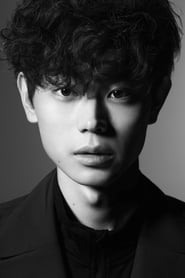 Masaki Suda
Kuroda Kanbei
Masaki Suda
Kuroda Kanbei -
 Yuriko Yoshitaka
Chiyoho, Murashige's wife
Yuriko Yoshitaka
Chiyoho, Murashige's wife -
 Munetaka Aoki
Araki Kyuzaemon
Munetaka Aoki
Araki Kyuzaemon -
 Ryota Miyadate
Inui Sukesaburo
Ryota Miyadate
Inui Sukesaburo -
 Tasuku Emoto
Saika Sagehari
Tasuku Emoto
Saika Sagehari -
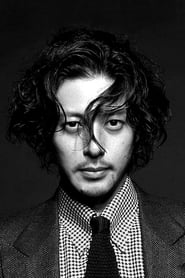 Joe Odagiri
Koori Juemon
Joe Odagiri
Koori Juemon -
 Yusuke Santamaria
Akioka Shironosuke
Yusuke Santamaria
Akioka Shironosuke -
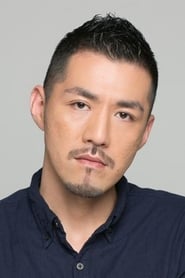 Mitsuo Yoshihara
Kawarabayashi Notonyudo
Mitsuo Yoshihara
Kawarabayashi Notonyudo -
 Ryota Bando
Kitagawara Yosaku
Ryota Bando
Kitagawara Yosaku -
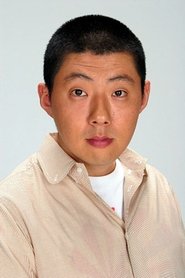 Yoshiyoshi Arakawa
Muhen
Yoshiyoshi Arakawa
Muhen -
 Kiyohiko Shibukawa
Saika Magoroku
Kiyohiko Shibukawa
Saika Magoroku -
 Ikkei Watanabe
Takayama Dario
Ikkei Watanabe
Takayama Dario -
 Yoshimasa Kondo
Nakanishi Shinpachiro
Yoshimasa Kondo
Nakanishi Shinpachiro -
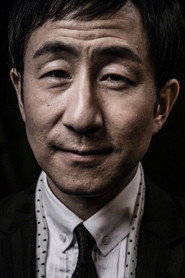 Toshihiro Yashiba
Ikeda Izumi
Toshihiro Yashiba
Ikeda Izumi -
 Masatoshi Kihara
Nomura Tango
Masatoshi Kihara
Nomura Tango -
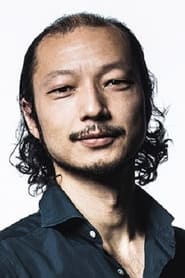 Yamato Kochi
Itami Ichirozaemon
Yamato Kochi
Itami Ichirozaemon -
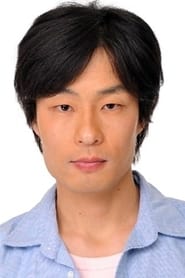 Mutsuo Yoshioka
Mori Kahei
Mutsuo Yoshioka
Mori Kahei -
 Shusaku Kamikawa
Teraotoko
Shusaku Kamikawa
Teraotoko -
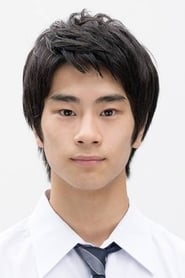 Oshirō Maeda
Kuriyama Zensuke
Oshirō Maeda
Kuriyama Zensuke
Quiz about this movie
Questions from the whole catalogue.
Play nowIf you liked this one
-
Contos da Lua Vaga
 8.0
8.0
-
Kagemusha, a Sombra do Samurai
 7.8
7.8
-
11 Rebels Drama from the 2020s
 7.0
7.0
-
Ran
 8.0
8.0
-
Bushido Drama from the 2020s
 7.4
7.4
-
Buddha: The Great Departure
 7.5
7.5
-
As Espiãs de Churchill Drama from the 2020s
 6.7
6.7
-
Fate/Grand Order: Shinsei Entaku Ryouiki Camelot 1 - Wandering; Agateram Drama from the 2020s
 7.0
7.0
-
A Menina do Outro Lado Drama from the 2020s
 7.7
7.7
-
Detective Conan: The Last Wizard of the Century
 7.3
7.3
-
Detetive Conan: O Mistério do Atirador de Elite
 6.8
6.8
-
Imperador
 6.2
6.2
Tags
Crew
- 佐々木靖之 Cinematography
- Kiyoshi Kurosawa Director
- 高橋幸一 Editing
- 石田聡子 Producer
- 半野喜弘 Original music
- Kiyoshi Kurosawa Screenplay
Questions about this film
What is The Samurai and the Prisoner about?
The Samurai and the Prisoner: When Lord Murashige rises up against the tyrannical Oda, he finds himself besieged within the walls of his own castle. Isolated, he is confronted with a series of mysterious crimes that shatter the fragile order of his court, plunging the fortress into fear and suspicion. With Oda's army closing in and a traitor hidin…
Who directed The Samurai and the Prisoner?
The Samurai and the Prisoner was directed by Kiyoshi Kurosawa in 2026.
Who stars in The Samurai and the Prisoner?
The cast of The Samurai and the Prisoner includes Masahiro Motoki, Masaki Suda, Yuriko Yoshitaka, Munetaka Aoki and Ryota Miyadate.
How long is The Samurai and the Prisoner?
The Samurai and the Prisoner runs for 147 minutes, or 2h27.
What is The Samurai and the Prisoner based on?
The Samurai and the Prisoner is based on The Samurai and the Prisoner.
Similar films
 7.0
7.0
 7.1
7.1
 6.6
6.6
 6.8
6.8
 6.1
6.1
 6.3
6.3
 6.6
6.6
 6.1
6.1
 8.2
8.2
 8.0
8.0
 7.9
7.9
 8.0
8.0
Page updated on 09/11/2026.
Back to the catalogue