
Twilight's Last Gleaming (1977)
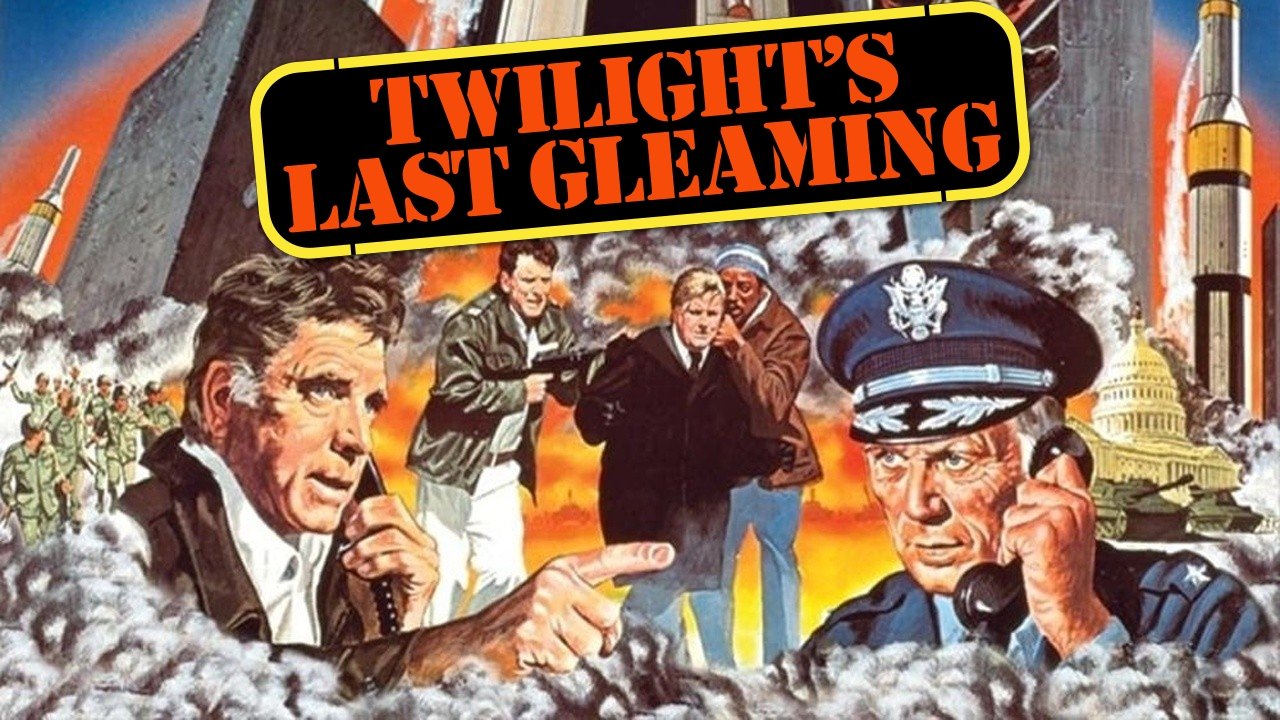
Twilight's Last Gleaming (1977), directed by Robert Aldrich, starring Burt Lancaster and Roscoe Lee Browne.
score
We have invaded Silo 3. We are prepared to launch nine nuclear missiles. We demand ten million dollars, Air Force One... and you, Mr President.
Synopsis
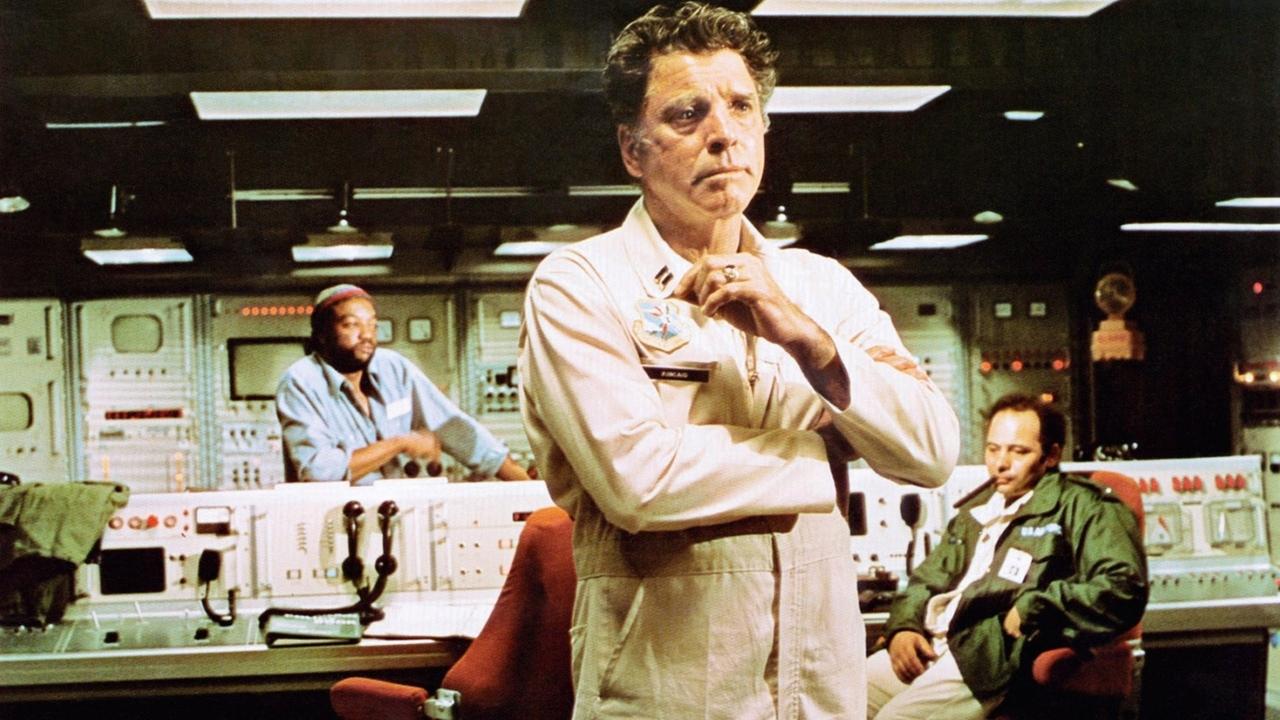
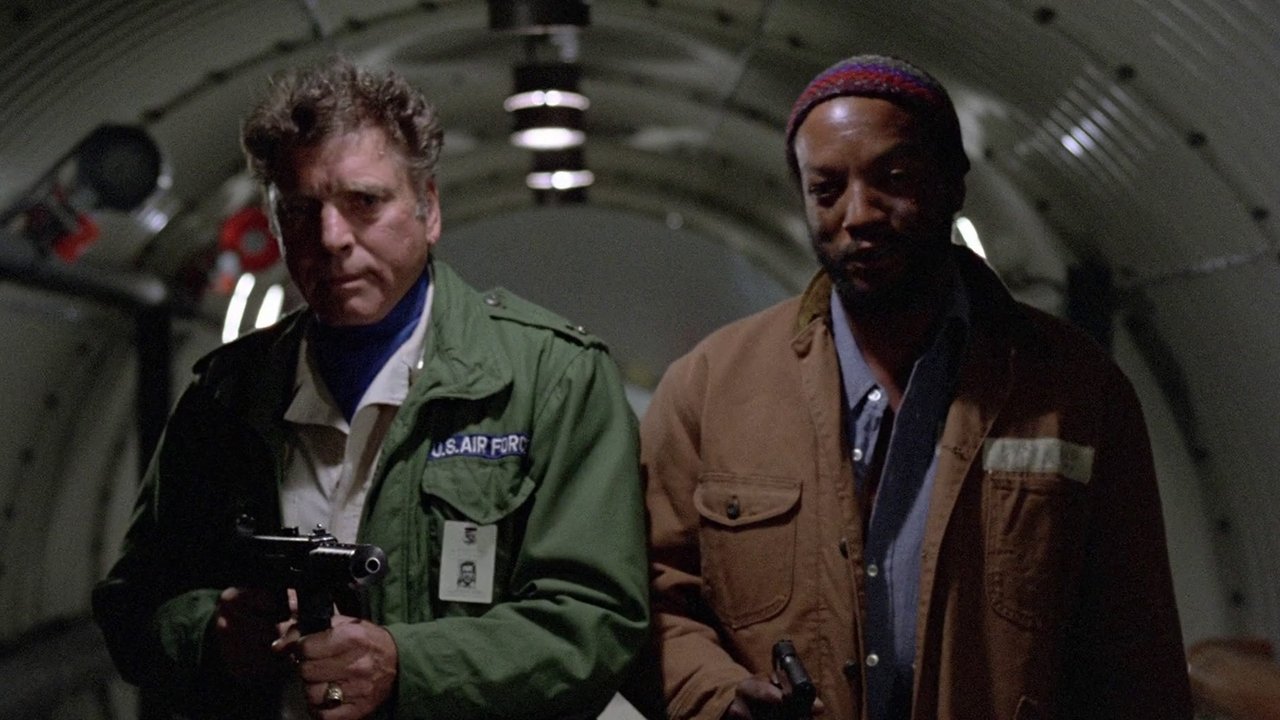
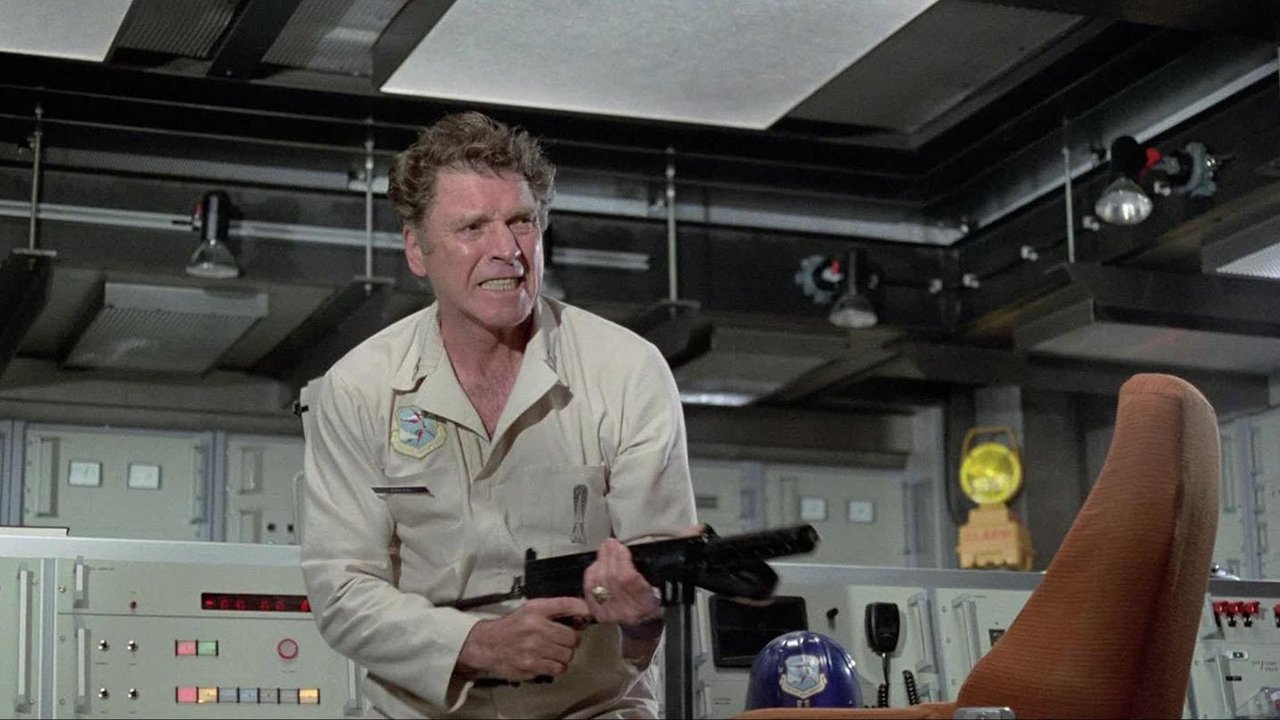
A renegade USAF general, Lawrence Dell, escapes from a military prison and takes over an ICBM silo near Montana and threatens to provoke World War 3 unless the President reveals details of a secret meeting held just after the start of the Vietnam War between Dell and the then President's most trusted advisors.
- Robert B. HauserCinematography
- Robert AldrichDirector
- Maury WinetrobeEditing
- Michael LucianoEditing
About the film
Twilight's Last Gleaming is a 1977 American thriller film directed by Robert Aldrich and starring Burt Lancaster and Richard Widmark. The film was a West German/American co-production, shot mainly at the Bavaria Studios.
Loosely based on a 1971 novel, Viper Three by Walter Wager, it tells the story of Lawrence Dell, a renegade United States Air Force general who escapes from a military prison and takes over an ICBM silo in Montana, threatening to launch the missiles and start World War III unless the US President reveals a top secret document to the American people about the Vietnam War.
A split screen technique is used at several points in the movie to give the audience insight into the simultaneously occurring strands of the storyline. The film's title, which functions on several levels, is taken from "The Star-Spangled Banner", the national anthem of the United States:
O say can you see, by the dawn's early light, / What so proudly we hailed at the twilight's last gleaming?
Read the full article (9k characters)
Twilight's Last Gleaming is a 1977 American thriller film directed by Robert Aldrich and starring Burt Lancaster and Richard Widmark. The film was a West German/American co-production, shot mainly at the Bavaria Studios.
Loosely based on a 1971 novel, Viper Three by Walter Wager, it tells the story of Lawrence Dell, a renegade United States Air Force general who escapes from a military prison and takes over an ICBM silo in Montana, threatening to launch the missiles and start World War III unless the US President reveals a top secret document to the American people about the Vietnam War.
A split screen technique is used at several points in the movie to give the audience insight into the simultaneously occurring strands of the storyline. The film's title, which functions on several levels, is taken from "The Star-Spangled Banner", the national anthem of the United States:
O say can you see, by the dawn's early light, / What so proudly we hailed at the twilight's last gleaming?
Plot
After escaping from a military prison, rogue Air Force General Lawrence Dell and accomplices Powell, Garvas, and Hoxey infiltrate a Montana ICBM complex that Dell helped design. Their goal is to gain control over its nine Titan nuclear missiles. The infiltration does not go as planned, as the impulsive Hoxey guns down an Air Force guard for trying to answer a ringing phone. Dell then shoots and kills Hoxey. The three then make direct contact with the US government (avoiding any media attention) and demand a $10 million ransom and that the President go on national television and make public the contents of a top-secret document.
The document, which is vital to certain members of the President's cabinet but not to him, contains conclusive proof that the US government understood there was no realistic hope of winning the Vietnam War but continued fighting for the sole purpose of demonstrating to the Soviet Union their unwavering commitment to defeating Communism.
Meanwhile, Dell and his two remaining men remove the security countermeasures to the launch control system and gain full control over the complex.
While the President and his cabinet debate the practical, political, personal, and ethical aspects of agreeing to the demands, they also authorize the military to send an elite team led by General MacKenzie to penetrate the ICBM complex and incinerate its command center with a low-yield tactical nuclear device. Just as the device is about to be set, the commando team accidentally trips an alarm, alerting Dell to their operation. A furious Dell responds by initiating the launch sequence for all of the missiles. As the military and President Stevens watch the underground missile silo launch covers begin to open, they agree to call off the attempt and the launch is aborted with seconds to spare. During this time, the captive Air Force guards attempt to overpower Dell and his men, resulting in the death of Garvas and another guard.
Eventually, the President agrees to meet the demands, which include allowing himself to be taken hostage and used as a human shield while Dell and Powell make their escape from the complex. As the President leaves the White House, he asks the Secretary of Defense to release the document should he be killed in the process. US Air Force snipers are ordered to shoot and kill both Dell and Powell, regardless of the President's well being; he is shot several times in the assault. With his dying breath, the President asks for confirmation from the Secretary of Defense that he will still carry out his last wish, by publicly broadcasting the top-secret document. The Secretary silently affirms his initial deception (to the President), believing the contents of the document should remain secret.
Cast
Production
Development
Viper Three by Walter Wager was published in 1971. Film rights were purchased that year by Lorimar Productions.
Lorimar were known for making TV series like The Waltons and Eight is Enough and TV movies like Sybil and Helter Skelter. They wanted to move into feature film production and Twilight's Last Gleaming—as it would be known—would be their first.
According to Aldrich, Lorimar "couldn't get it [a film of the novel] financed. Every actor in town had seen it—including Burt Lancaster... If you hadn't already seen it, you were going to see it. Or you knew one or two pictures that were kind of like it... There was no social impact. The kidnappers had no interesting motivation. The reasons they wanted to get the President weren't even PLO-type reasons. They just wanted the money. That didn't seem to me to make much sense."
Lorimar took the project to Aldrich, who said he "wondered what would happen if you had an Ellsberg mentality, if you had some command officer who came out of Vietnam and who was soured not by war protestors but by the misuse of the military... What would happen if you had a general who was angry at the political use of the armed forces?"
Aldrich told Lorimar he would do the film "if I could turn that story upside down". Aldrich pitched his take on the material to Burt Lancaster, who agreed to do the film.
Lancaster called the film "All the President's Men Part Two... a very powerful political piece couched in highly melodramatic terms".
Financing
Lorimar took the project to a West German company who agreed to put up two thirds of the budget. The finance came from West German tax shelter money.
Merv Adelson, head of Lorimar, described the movie as "the perfect formula picture... an action-adventure picture that appeals to the international market. Pre sell it to television and abroad. Have all our money back before it opens domestically."
Adelson would later become disillusioned with this formula because the films did not achieve much critical acclaim, and if they did not perform domestically Lorimar did not make that much money out of them.
Casting
Lancaster and Aldrich thought the President could be a John F. Kennedy type. Lancaster approached Paul Newman to play the role, but he was not enthusiastic. So, Aldrich reconfigured the character as a Mayor Daley type politician.
Script
The writers Ronald M. Cohen and Edward Huebsch wrote the script together over six weeks. Aldrich called it "the most unlikely marriage in the world. Huebsch's a little wizened old man, sixty-two, sixty-three years old, been in the political wars for forty years, probably the most knowledgeable political analyst in town - or at least up there with Abe Polonsky and Ring Lardner. And Cohen is a loud-mouthed, extroverted, young, smart-ass guy who knows that he votes Democratic... an extraordinarily gifted writer in terms of what people say and how they say it. The script was originally 350 pages.
"If that movie's anti-American so is Jimmy Carter," said Aldrich. "The most inflammatory statement in the movie is that it opts for open government."
Split Screen
Aldrich decided to use split screen and multiple panels. "I don't particularly like panels unless they're in a bread commercial. But I thought they fitted that particular movie. They cost me an extra half a year - half a year. But you couldn't tell that story in less than three hours without them."
Aldrich normally used Joseph Biroc as cinematographer but Biroc's wife fell ill before shooting so Aldrich used Robert Hauser.
Filming
Filming took place in Munich in August 1976. Various tracked armoured vehicles used by the USAF in the film are actually German.
Several scenes were shot with Vera Miles as the president's wife but were cut to save time.
Aldrich said he hoped the audience came to realise that the Lancaster character was crazy. "But I don't think we did it. The audience is so much for those guys getting away with it." He also did not feel it was ambiguous enough at the end as to whether the shooting of the president was intentional.
Reception
James Monaco wrote that Twilight's Last Gleaming "don't do much but play with paranoia".
However, Adrian Turner gave the film five stars in the Radio Times, calling it "absolutely riveting...clever, plausible and rather subversive."
Release
The film did poorly at the box office.
In France it recorded admissions of 88,945.
It was unsuited for videocassettes, because the split-screen effects do not work well in low resolution of that format. After the rights reverted to the film's German co-producers, a major remastering effort was done by Bavaria Media, who released a Blu-ray edition, distributed in the United States by Olive Films and Eureka Video in the United Kingdom.
See also
Seven Days in May also stars Burt Lancaster as an Air Force general and ringleader of a group of U.S. Military leaders plotting a coup against the President.
References
External links
Twilight's Last Gleaming at IMDb
Twilight's Last Gleaming at the TCM Movie Database (archived)
Text from Twilight's Last Gleaming on Wikipedia, licensed CC BY-SA 4.0. https://en.wikipedia.org/wiki/Twilight's_Last_Gleaming
Trivia
- It premiered on February 9, 1977, a Wednesday.
- It runs 2h26 — a typical feature length.
- As of September 20, 2026, it is available in Brazil by subscription on Looke.
- This film's quiz has 15 questions — enough to play more than once without repeats.
Production
- StudiosBavaria Film, Geria Productions, Allied Artists Pictures, Lorimar Motion Pictures
- CountriesUnited States
- LanguagesFrench, English
- StatusReleased
More about this film
Based on
- Viper Three
Set in
- Montana
Where to watch
Photos
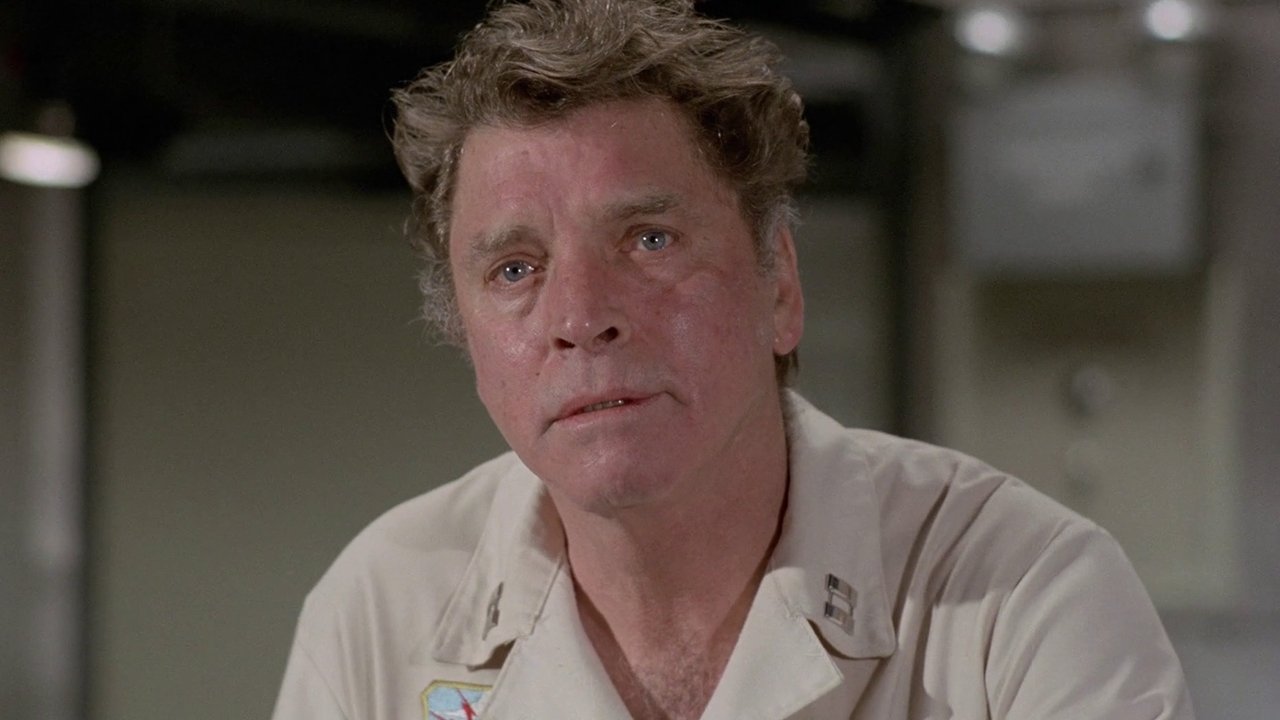
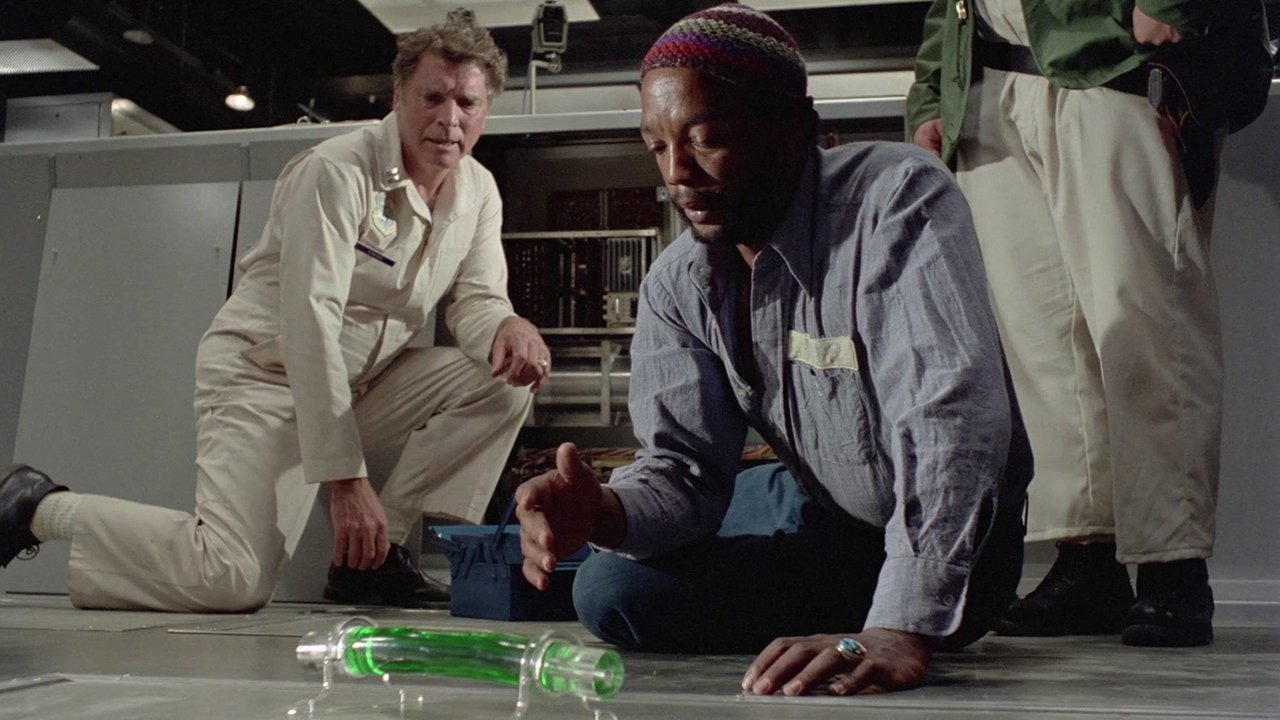
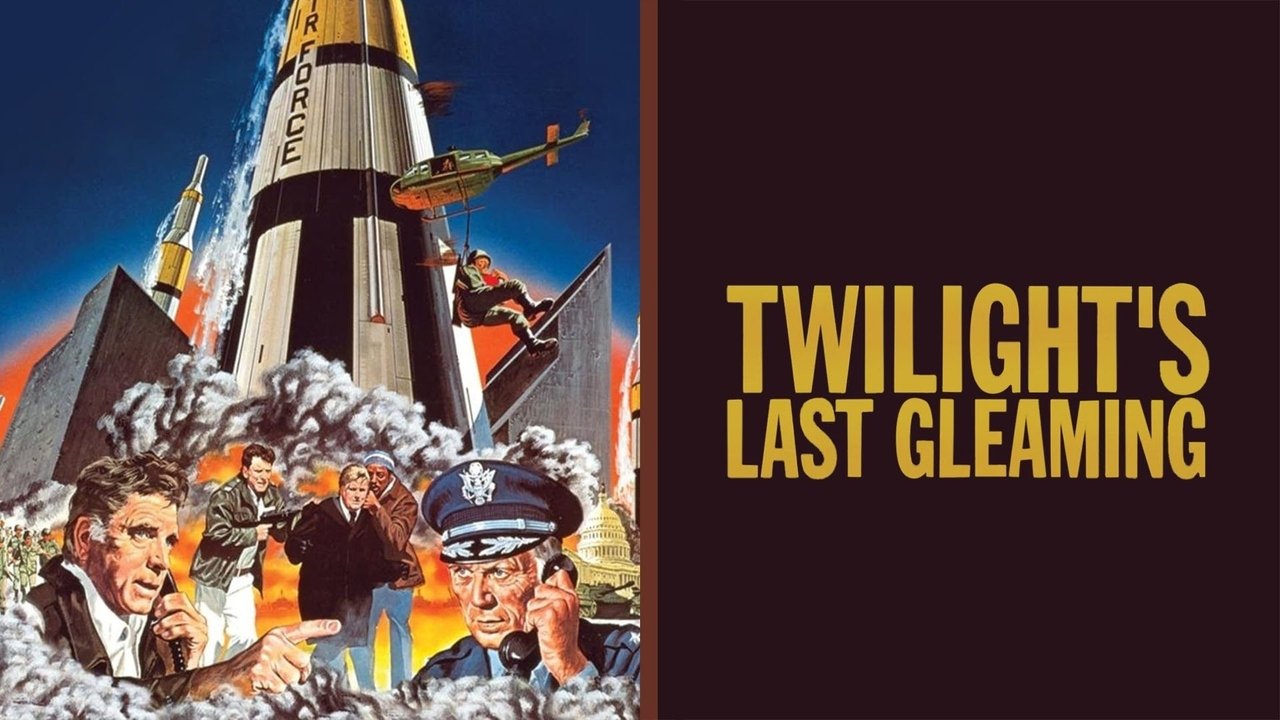
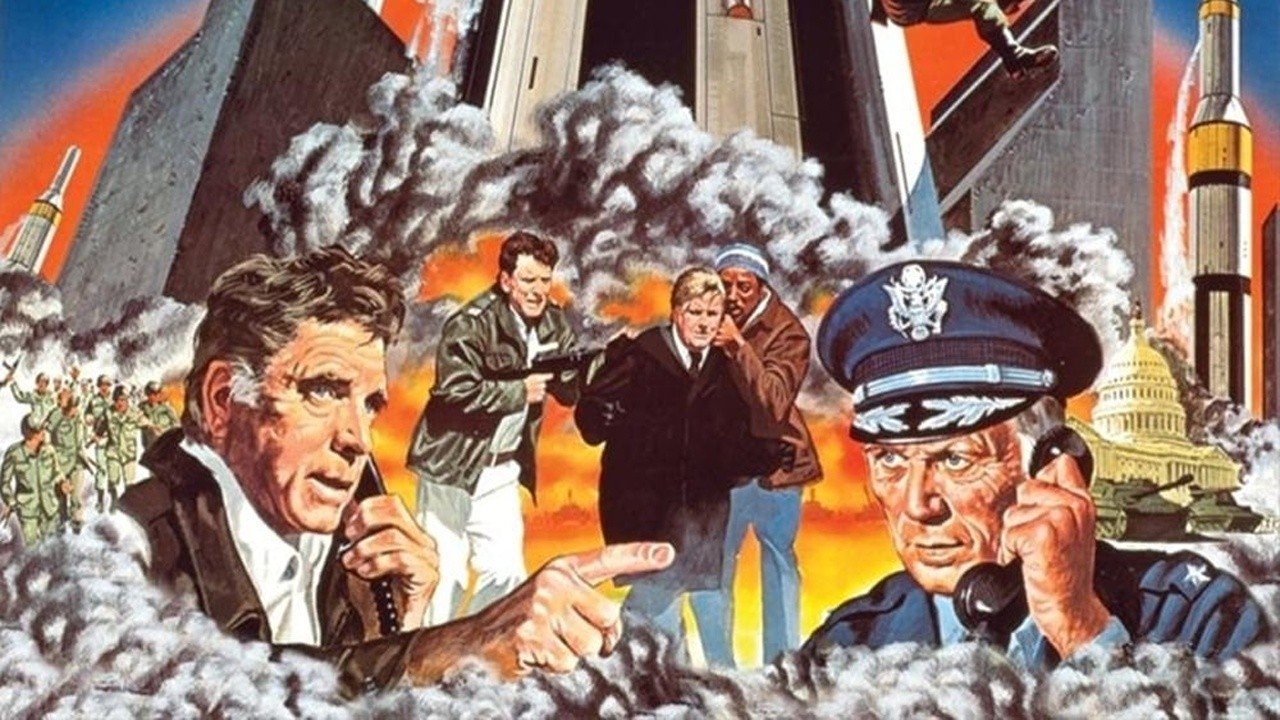
Cast
-
 Burt Lancaster
Gen. Lawrence Dell
Burt Lancaster
Gen. Lawrence Dell -
 Roscoe Lee Browne
James Forrest
Roscoe Lee Browne
James Forrest -
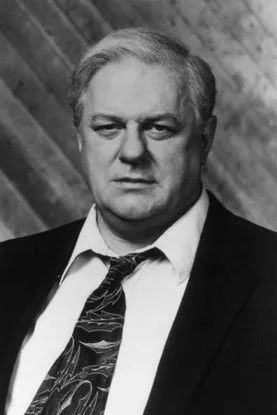 Charles Durning
President David T. Stevens
Charles Durning
President David T. Stevens -
 Joseph Cotten
Arthur Renfrew - Secretary of State
Joseph Cotten
Arthur Renfrew - Secretary of State -
 Melvyn Douglas
Zachariah Guthrie
Melvyn Douglas
Zachariah Guthrie -
 Richard Jaeckel
Capt. Stanford Towne
Richard Jaeckel
Capt. Stanford Towne -
 William Marshall
William Klinger - Attorney General
William Marshall
William Klinger - Attorney General -
 Gerald S. O'Loughlin
Brig. Gen. O'Rourke
Gerald S. O'Loughlin
Brig. Gen. O'Rourke -
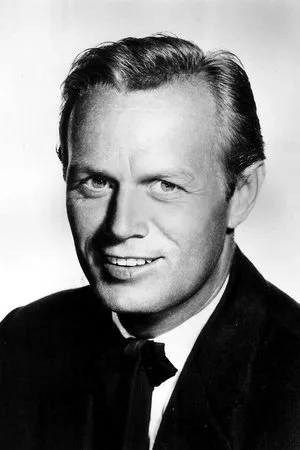 Richard Widmark
Gen. Martin MacKenzie - Commanding General SA
Richard Widmark
Gen. Martin MacKenzie - Commanding General SA -
 Paul Winfield
Willis Powell
Paul Winfield
Willis Powell -
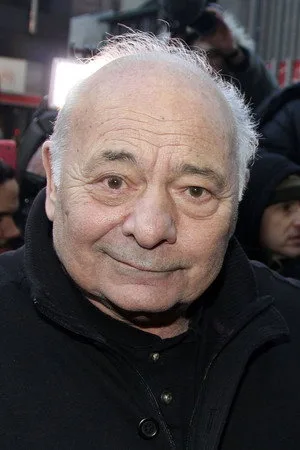 Burt Young
Augie Garvas
Burt Young
Augie Garvas -
 Charles Aidman
Bernstein
Charles Aidman
Bernstein -
 Leif Erickson
Ralph Whittaker - CIA Director
Leif Erickson
Ralph Whittaker - CIA Director -
 Charles McGraw
Air Force Gen. Peter Crane
Charles McGraw
Air Force Gen. Peter Crane -
 Morgan Paull
First Lt. Louis Cannellis
Morgan Paull
First Lt. Louis Cannellis -
 Simon Scott
Gen. Phil Spencer - Chairman of the Joint Chiefs of Staff
Simon Scott
Gen. Phil Spencer - Chairman of the Joint Chiefs of Staff -
 William Smith
Hoxey
William Smith
Hoxey -
 William Hootkins
Sgt. Fitzpatrick
William Hootkins
Sgt. Fitzpatrick -
 Bill Walker
Willard
Bill Walker
Willard -
 David Baxt
Sgt. Willard
David Baxt
Sgt. Willard
Quiz about this movie
Questions from the whole catalogue.
Play nowIf you liked this one
-
Tropas Estelares
 7.1
7.1
-
Campo Minado
 6.6
6.6
-
O Pacificador
 6.1
6.1
-
A Linha da Extinção
 6.4
6.4
-
Ponto Sem Retorno
 6.6
6.6
-
Aqueles Que Me Desejam a Morte
 6.6
6.6
-
Panic in Year Zero!
 6.3
6.3
-
Máquina de Guerra
 7.5
7.5
-
Terra Tranquila
 6.7
6.7
-
Esfera
 6.1
6.1
-
A Cor Que Caiu do Espaço
 6.1
6.1
-
O Especialista
 6.0
6.0
Tags
Crew
- Robert B. Hauser Cinematography
- Robert Aldrich Director
- Maury Winetrobe Editing
- Michael Luciano Editing
- William Martin Editing
- Merv Adelson Producer
- Jerry Goldsmith Original music
- Edward Huebsch Screenplay
- Ronald M. Cohen Screenplay
Questions about this film
What is Twilight's Last Gleaming about?
Twilight's Last Gleaming: A renegade USAF general, Lawrence Dell, escapes from a military prison and takes over an ICBM silo near Montana and threatens to provoke World War 3 unless the President reveals details of a secret meeting held just after the start of the Vietnam War between Dell and the then President's most trusted advisors.
Who directed Twilight's Last Gleaming?
Twilight's Last Gleaming was directed by Robert Aldrich in 1977.
Who stars in Twilight's Last Gleaming?
The cast of Twilight's Last Gleaming includes Burt Lancaster, Roscoe Lee Browne, Charles Durning, Joseph Cotten and Melvyn Douglas.
How long is Twilight's Last Gleaming?
Twilight's Last Gleaming runs for 146 minutes, or 2h26.
Where can I watch Twilight's Last Gleaming?
Twilight's Last Gleaming is available on Looke and Looke Amazon Channel. Availability changes often: the list on this page is the most recent we received.
What is Twilight's Last Gleaming based on?
Twilight's Last Gleaming is based on Viper Three.
Similar films
 8.2
8.2
 8.5
8.5
 8.4
8.4
 8.5
8.5
 8.1
8.1
 8.8
8.8
 8.5
8.5
 7.8
7.8
 8.4
8.4
 8.2
8.2
 7.5
7.5
 8.2
8.2
Page updated on 09/15/2026.
Back to the catalogue