

Uncommon Valor (1983)
Uncommon Valor (1983), directed by Ted Kotcheff, starring Gene Hackman and Fred Ward.
score
Seven men with one thing in common...
Synopsis
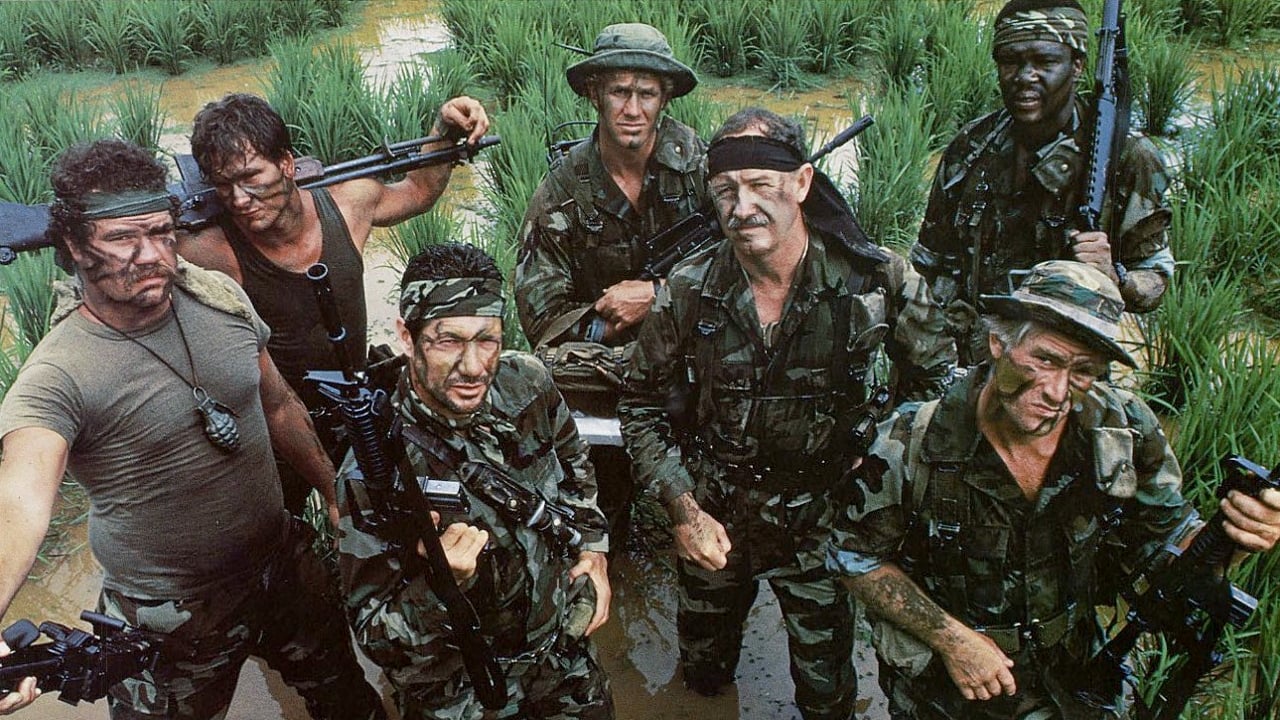
A group of Vietnam War veterans re-unite to rescue one of their own left behind and taken prisoner by the Vietnamese.
What the catalogue says about this film
- Film 23 of 37 by Ted Kotcheff in the catalogue
Every comparison is within the CineQuiz catalogue, not cinema as a whole.
- Stephen H. BurumCinematography
- Ted KotcheffDirector
- Mark MelnickEditing
- Buzz FeitshansProducer
About the film
Uncommon Valor is a 1983 American action war film directed by Ted Kotcheff and starring Gene Hackman, Fred Ward, Reb Brown, Randall "Tex" Cobb, Robert Stack, Patrick Swayze, Harold Sylvester and Tim Thomerson. Hackman plays a former U.S. Marine colonel, who puts together a rag-tag team to rescue his son, who he believes is among those still held in Laos after the Vietnam War. The film was released on December 16, 1983, and received mixed reviews from critics.
Read the full article (10k characters)
Uncommon Valor is a 1983 American action war film directed by Ted Kotcheff and starring Gene Hackman, Fred Ward, Reb Brown, Randall "Tex" Cobb, Robert Stack, Patrick Swayze, Harold Sylvester and Tim Thomerson. Hackman plays a former U.S. Marine colonel, who puts together a rag-tag team to rescue his son, who he believes is among those still held in Laos after the Vietnam War. The film was released on December 16, 1983, and received mixed reviews from critics.
Plot
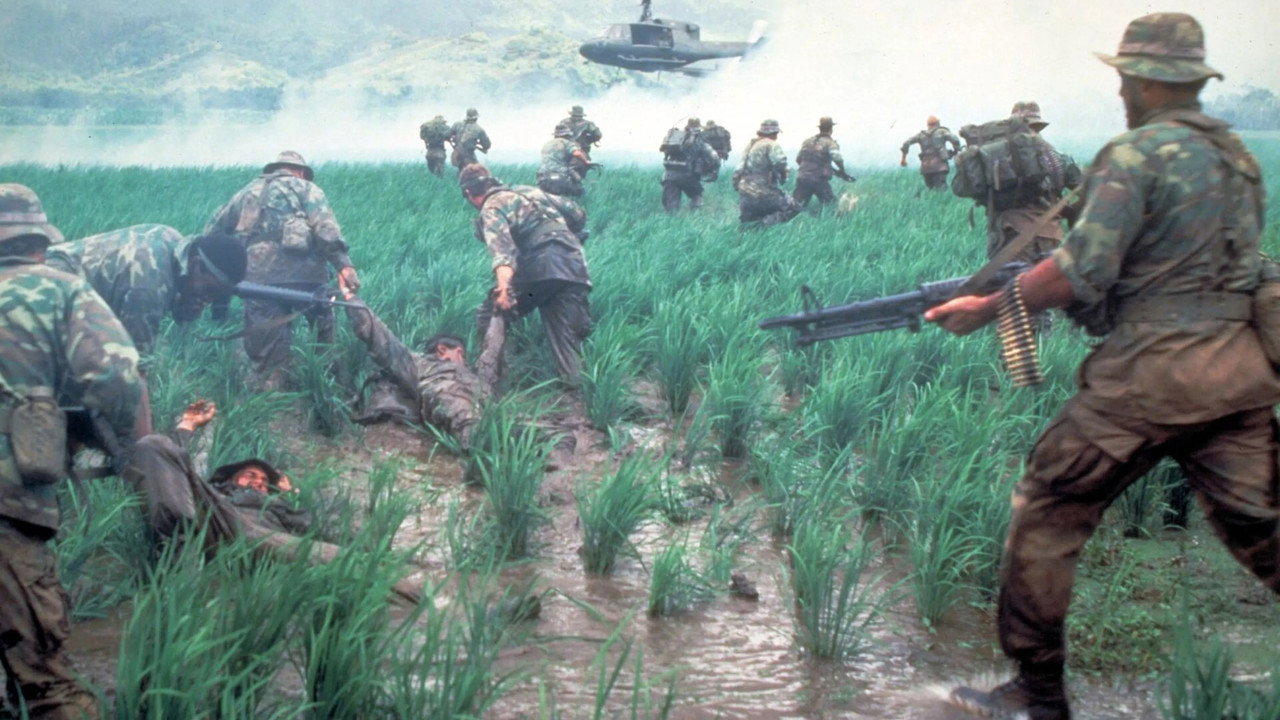
In 1972, a group of American soldiers in South Vietnam flee to a helicopter landing zone while under fire. As one soldier is wounded, another picks him up, but they are left behind with a few others as the area comes under heavy fire. A helicopter carrying "Blaster", "Sailor" and Wilkes call out for their fellow soldiers as their helicopter departs.
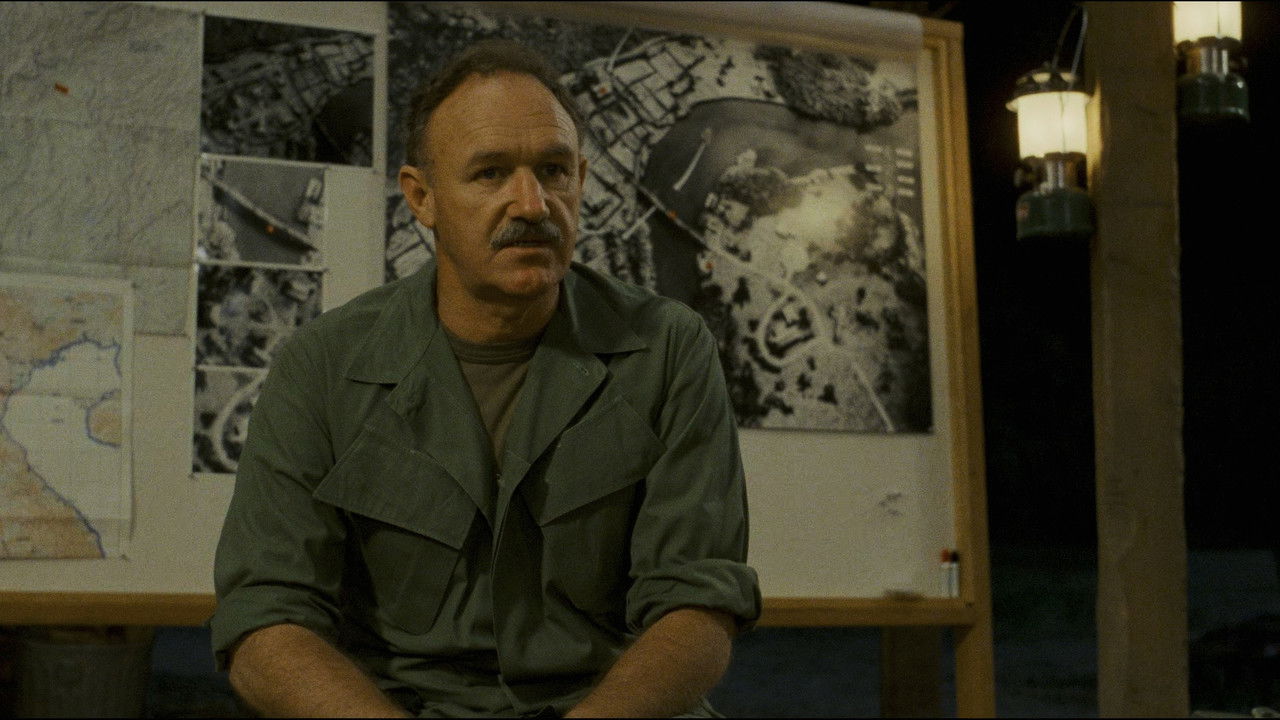
A decade later, retired Marine Colonel Jason Rhodes is obsessed with finding his son Frank, an Army Lieutenant listed as "missing in action" since 1972. A ten year search of Southeast Asia has turned up several leads, convincing Rhodes that Frank is being kept in Laos as a prisoner of war.
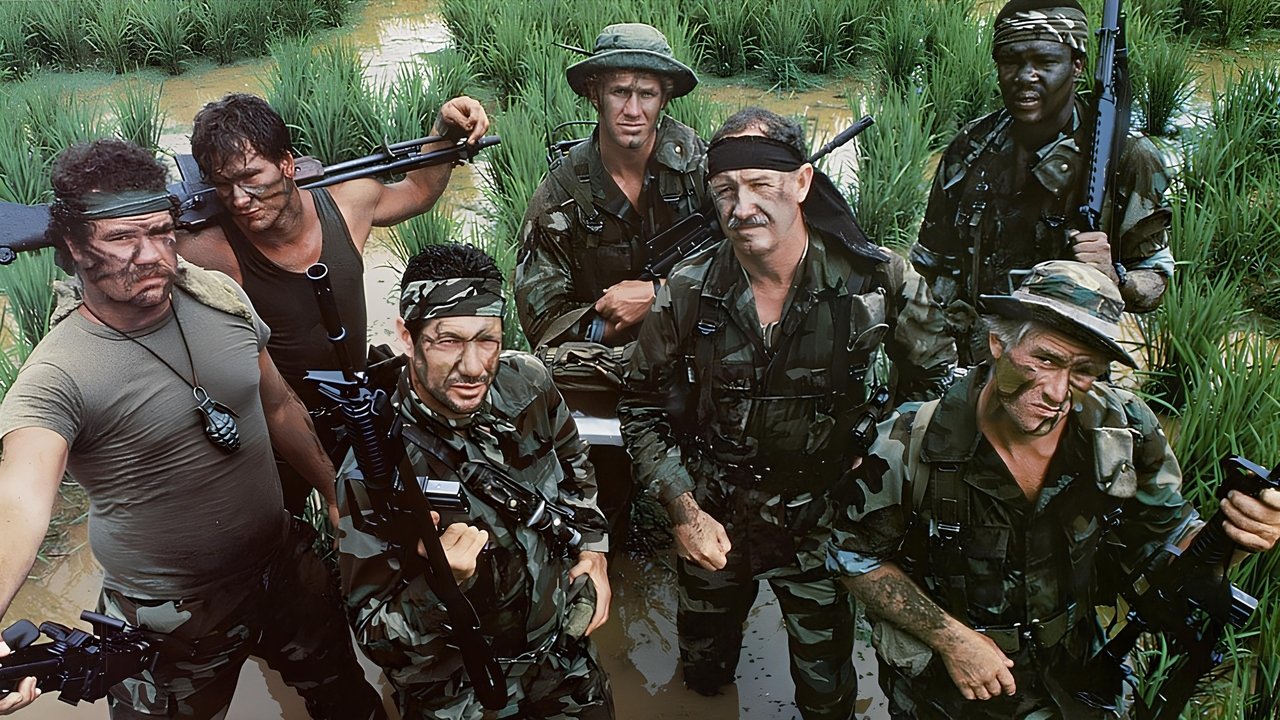
After unsuccessfully petitioning the United States government for help, Colonel Rhodes brings together a disparate group of Vietnam War veterans, including three men who served in Frank's LRRP (Long Range Reconnaissance Patrol) unit "recon team Arizona" of the 1st battalion, 11th infantry, 196th infantry brigade. They include the three men who evacuated on the helicopter: demolitions expert "Blaster;" Wilkes, a tunnel rat who suffers from PTSD; and "Sailor," a troubled machine gunner. They're joined by two helicopter pilot acquaintances of Rhodes, Distinguished Flying Cross recipient Major Curtis Johnson, and a cropduster named Charts. Former Force Recon Marine Kevin Scott, a non-Vietnam vet, joins the team and later turns out to be the son of a pilot who went missing in action in Vietnam.
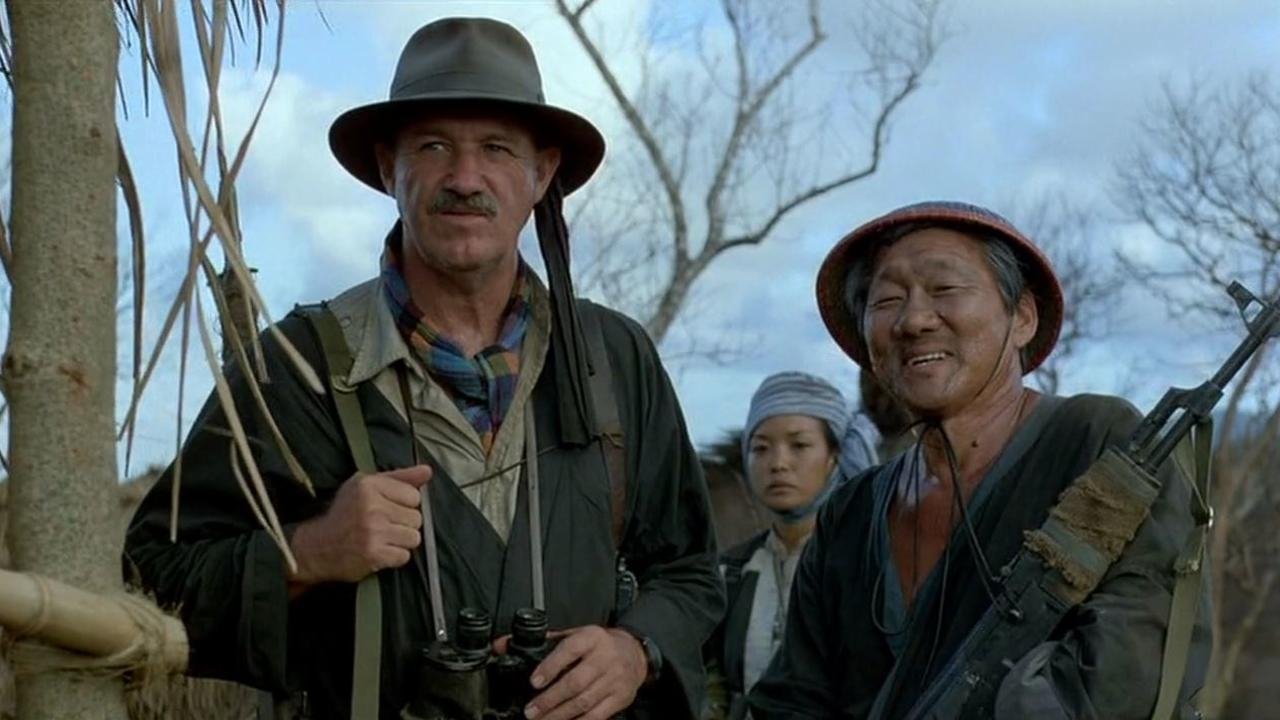
With the financial backing of good friend and rich oilman McGregor, whose son also went missing while serving in Frank's unit, the group trains near Galveston, Texas to prepare for the rescue mission at a remote POW camp in Laos. The team flies to Southeast Asia, but the CIA intercepts Rhodes in Bangkok. Fearing an international crisis, they confiscate his weapons and equipment. Undeterred, the team pools the expense money given by McGregor and purchases replacement weapons and supplies from black market arms dealer acquaintance of deposed drug baron Jiang, who joins the expedition with his two daughters, Lai Fun and Mai Lin. The team is rearmed with World War II-era weapons and sets out toward the location of the camp.
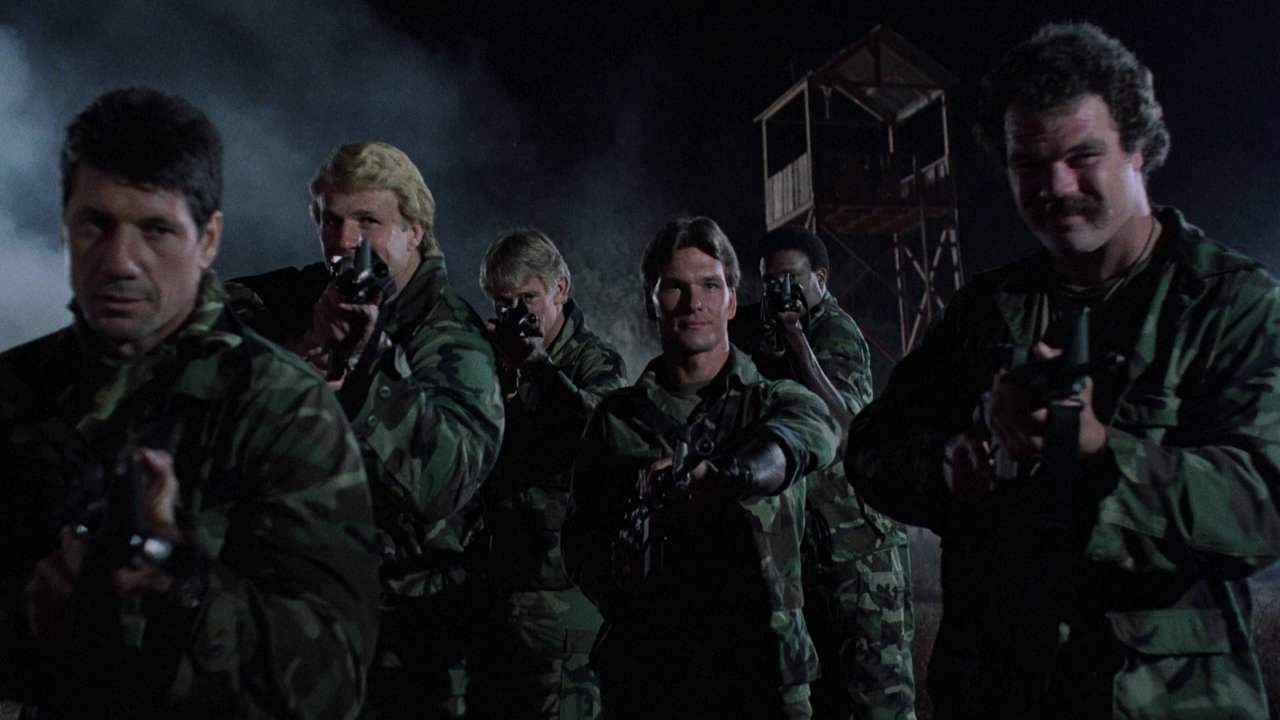
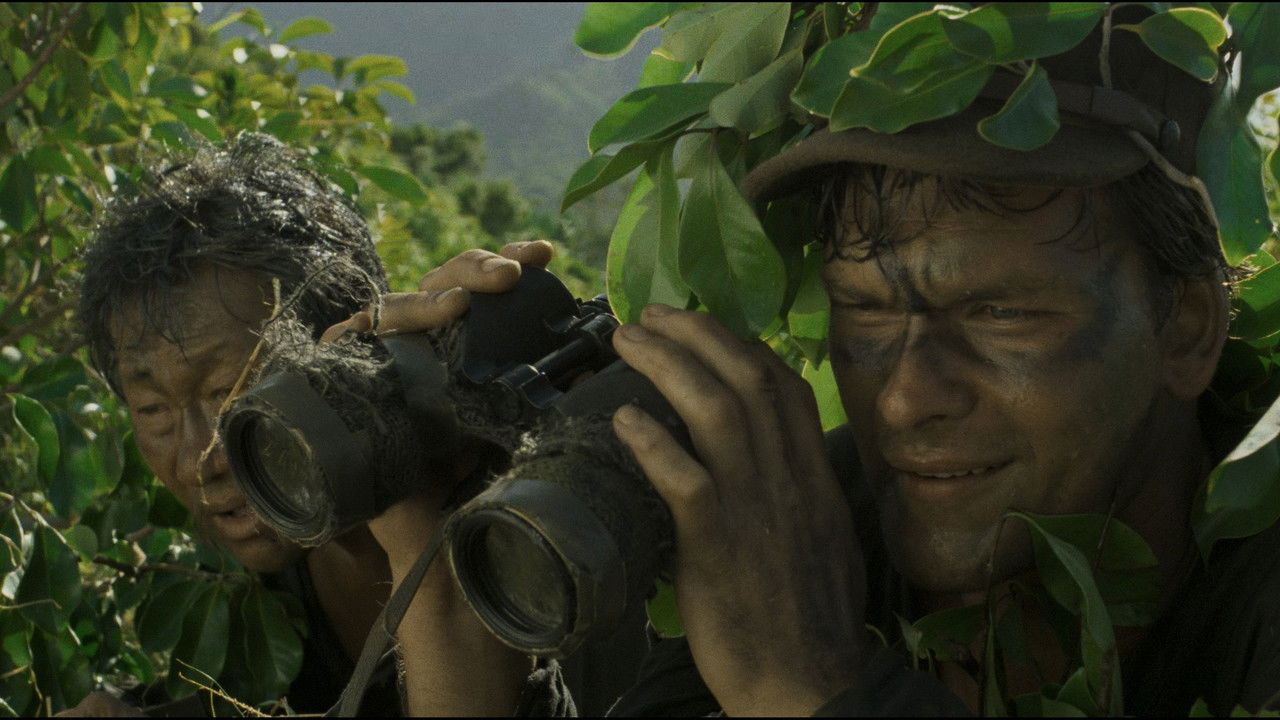
The group is soon attacked near the Laotian border by a border patrol unit and Mai Lin is killed. The team then splits up for the final assault. Rhodes leads Charts, Sailor, Johnson and Lai Fun as the "air team" to a helicopter compound to secure escape transportation, while Jiang, Blaster, Scott, and Wilkes scout the prison camp as the "ground team." After securing three helicopters, Rhodes and Charts are later shot down during the assault on the camp. They discover four Americans among the prisoners, but can't verify Frank's whereabouts. Blaster sets demolition charges outside the camp under cover of darkness. He later detonates them to prevent the prisoners from leaving the camp, sacrificing himself in the process. The prisoners are freed; among them McGregor's son, but Frank is not among them. Jiang is killed during the attack. When the surviving team and POWs withdraw to the remaining helicopter, the guards attempt to deploy a rocket launcher, but a mortally wounded Sailor pulls the pin on his grenade and jumps from a guard tower killing himself with the rocket crew. The helicopter escapes with Rhodes, Wilkes, Scott, Charts, Johnson, Lai Fun and all four liberated American POWs.
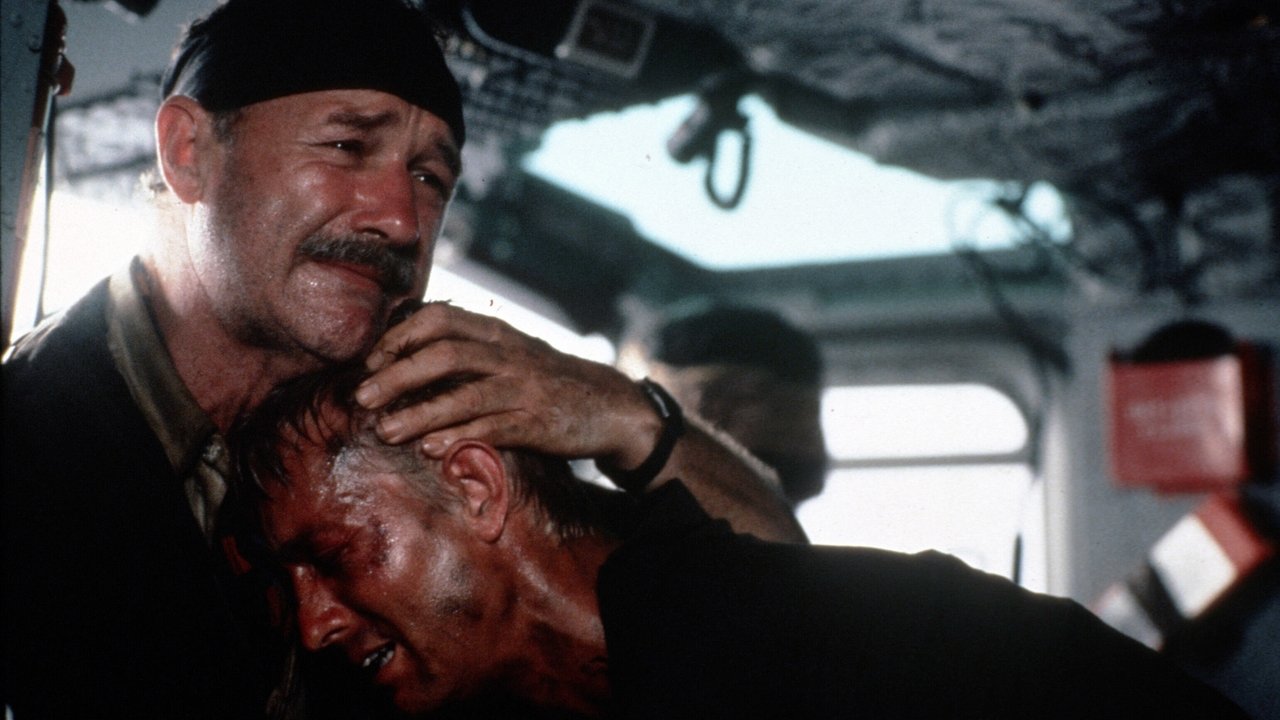
McGregor's son tells Rhodes, that Frank died of illness, despite his attempt to help him. It is revealed that Frank was the soldier who stopped to carry a wounded McGregor during the platoon's evacuation to the helicopters in 1972 (as seen in the opening scene). McGregor tells Rhodes that Frank saved his life that day.
The group returns to the U. S. to well-attended gathering with the press and families of the POWs. McGregor embraces his son, as other freed POWs receive welcomes from their families. Finally finding closure about Frank, Rhodes embraces his wife.
Cast
Other notable appearances include Michael Dudikoff as Blaster's assistant, Constance Forslund as Mrs. Charts, Todd Allen as Frank Rhodes, Don Mantooth as a POW, Tad Horino as Mr. Ky, Gloria Stroock as Mrs. MacGregor, Jan Triska as Gericault, and Barret Oliver as a kid.
Production
The film began with a screenplay by actor Wings Hauser, who says he was inspired by the stories of a childhood friend, Gary Dickerson, who had been to Vietnam. "I saw that he had left something behind in Viet Nam and that triggered the whole thing," said Hauser. "And then, I became aware of the MIA and the POW situation and said: "Well, that will be the excuse to go back to Nam
and get the POWs", but, what they're really going back for is their own clarity and their own integrity, right? And that's the story. That's the whole film."
Hauser says it took 18 months to write the script which he sold to Paramount. The film had at least five title changes, including Last River to Cross.
John Milius became attached as producer. The script was rewritten by Joe Gayton. Hauser lost screenplay credit in arbitration however he received sole "Story by" credit. In 1989, Hauser said, without restrictions: "John Milius is a scumbag right-wing bastard and I can't wait for his day to die! That son of a bitch! The (other) guy who got the credit, he was a punk! I don't think he’s sold anything since and I have and he's a joke!"
Paramount sent Gayton's script to director Ted Kotcheff late, in January 1983. The following month it came out that James Gritz, a former lieutenant colonel in the Green Berets (and the man that both the characters Rambo and Hannibal Smith are based on), had led a secret mission into Laos the previous November to search for MIA American soldiers which ended when they were ambushed by Laotian soldiers. Kotcheff said "We assiduously avoided anything in our story similar to Gritz. Our research amazingly showed there were some 30 groups training for similar missions."
Kotcheff said that Milius did write "two or three scenes" as well as making "a number of very creative suggestions" on the script. Among the scenes Milius wrote included one where Hackman gives a speech to the other soldiers about Vietnam being like a company that has gone bankrupt. "It was a wonderful speech", said Kotcheff, adding Milius "did write under pressure, but mainly he functioned as a producer."
Milius said he wanted James Arness to play the lead role rather than Gene Hackman.
Filming
Filming started June 6, 1983. The Laotian POW camp that forms the climax of the film was built on a private ranch in the Lumahai Valley on the island of Kauaʻi, Hawaii, and was filmed in early August, 1983. The opening scene depicting the Vietnam War was filmed a short distance away in a rice paddy, two miles (3.2 km) from central Hanalei, Hawaii, and 200 yards (183 m) from the Kuhio Highway (Route 56). Additional parts of the film were shot in Salt Lake City, Utah, Sun Valley, California, and Castaic, California (which served as the training camp). The film was shot for "slightly less than" $11 million.
The helicopters used in the film were purchased (as opposed to rented) and repainted, since the United States Department of Defense was unwilling to rent out the production military-spec Bell UH-1N Iroquois or Bell 206B Jet Ranger helicopters due to the apparent "anti-government" nature of the film.
Milius hired a composer without Paramount's consent and studio chief Jeffrey Katzenberg overruled Milius.
Marketing
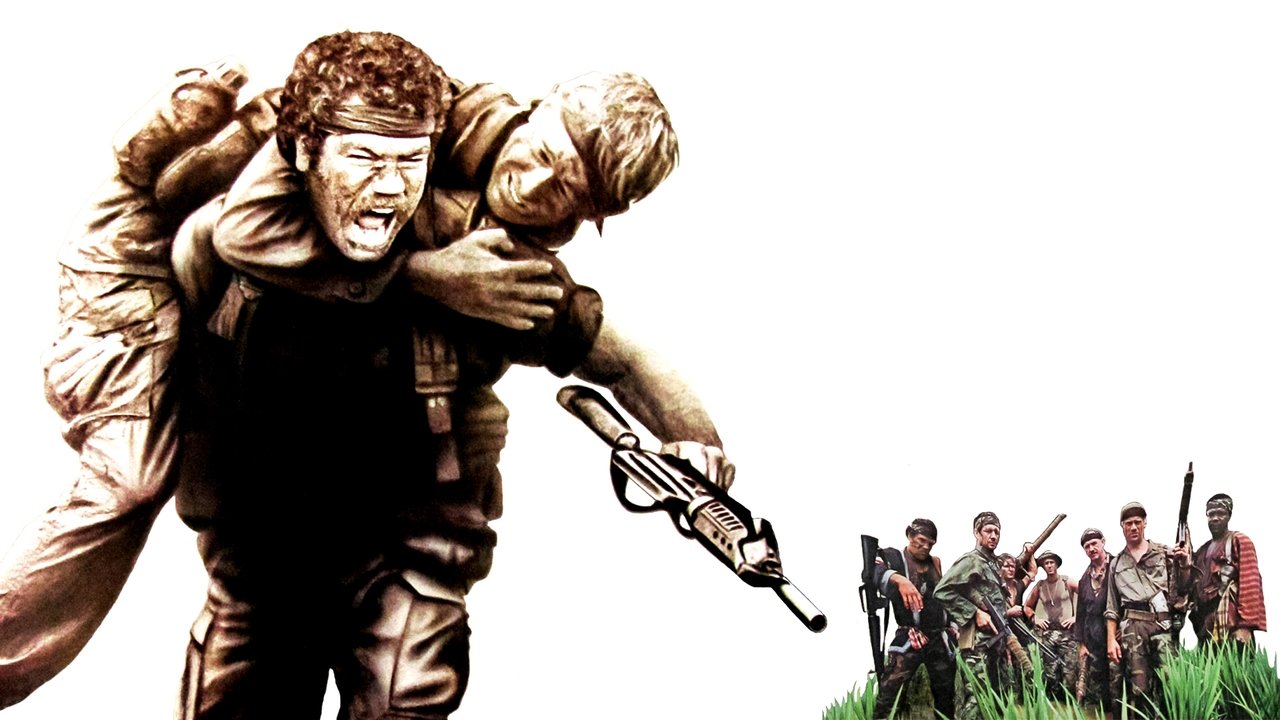
Paramount had originally prepared an advertising campaign that was "factual and rather somber and centred on the plight of prisoners of war", according to one report. However, after the marketing department saw the film they decided to create an entirely new campaign. The poster showed a moment invented for the campaign with a soldier (McGregor's son) being carried by another soldier (Sailor) with the copy line: "C'mon, buddy, we're going home." "We were looking to appeal to males on an emotional level", said Paramount's head of marketing, Gordon Weaver. "We were offering them an attainable fantasy. We'd all like to think that we can be heroes, that we would leave our jobs and families to do something really terrific for our friends."
Reception
Box office
The film was a box-office hit, one of the top-earning films of 1983. This was considered a surprise at the time because of the film's lack of stars and the fact it had to compete with Scarface and Sudden Impact. Gordon Weaver, Paramount's president of marketing, thought the film "was successful because of the emotional impact of the ending. The emotional ending really makes you feel terrific."
Kotcheff said: "If we knew the secret of a film's success, we'd all be very wealthy. But I think it's partly the strong emotional tug of the father-son relationship."
Critical response
Critical reception of the film was mixed, with a 50% rating on Rotten Tomatoes based on reviews from 12 critics. Metacritic, which uses a weighted average, assigned the film a score of 38 out of 100, based on 5 critics, indicating "generally unfavorable" reviews.
Gene Siskel and Roger Ebert of This Week at the Movies: The Movie Review Program both gave the film a thumbs down. In his Chicago Sun-Times review of Uncommon Valor, Ebert gave the film a mixed 2-out-of-4 star review that described the squandering of "first-rate talent" like Kotcheff and Hackman in a film that was little more than "two hours of clichés" delivered with "lead-footed predictability".
It was one of a series of films about rescuing POWs in Vietnam that were entirely fictional.
See also
Joint POW/MIA Accounting Command
Vietnam War POW/MIA issue
National League of Families
Operation Homecoming
References
External links
Uncommon Valor at IMDb
Uncommon Valor at Rotten Tomatoes
Uncommon Valor at Box Office Mojo
Text from Uncommon Valor on Wikipedia, licensed CC BY-SA 4.0. https://en.wikipedia.org/wiki/Uncommon_Valor
Trivia
- It cost US$ 11 million and grossed US$ 31 million in theaters — 2.8 times its budget.
- It premiered on December 16, 1983, a Friday.
- It runs 1h45 — a typical feature length.
- As of September 20, 2026, it is on no subscription service in Brazil — only to rent or buy on Apple TV Store, Amazon Video, Google Play Movies.
- This film's quiz has 14 questions — enough to play more than once without repeats.
Production
- StudiosParamount Pictures
- CountriesUnited States
- LanguagesEnglish
- BudgetUS$ 11,000,000
- Box officeUS$ 30,503,151
- StatusReleased
More about this film
Set in
- Texas
Where to watch
Photos

Cast
-
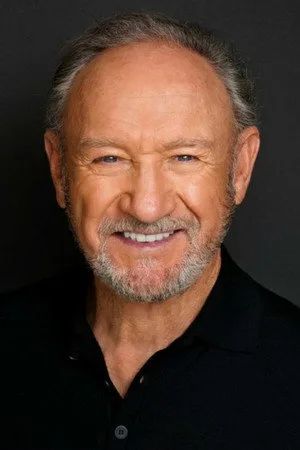 Gene Hackman
Col. Cal Rhodes
Gene Hackman
Col. Cal Rhodes -
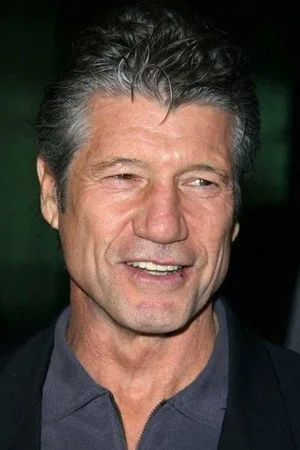 Fred Ward
Wilkes
Fred Ward
Wilkes -
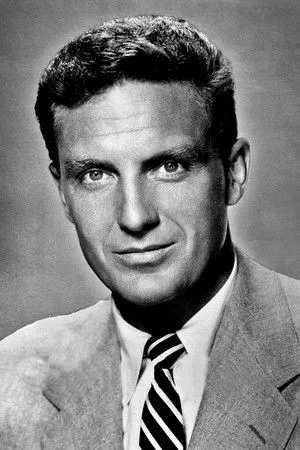 Robert Stack
MacGregor
Robert Stack
MacGregor -
 Patrick Swayze
Kevin Scott
Patrick Swayze
Kevin Scott -
 Harold Sylvester
Johnson
Harold Sylvester
Johnson -
 Randall 'Tex' Cobb
Sailor
Randall 'Tex' Cobb
Sailor -
 Tim Thomerson
Charts
Tim Thomerson
Charts -
 Lau Nga-Lai
Lai Fun
Lau Nga-Lai
Lai Fun -
 Kwan Hi Lim
Jiang
Kwan Hi Lim
Jiang - Kelly Junkerman Paul MacGregor
-
 Todd Allen
Frank Rhodes
Todd Allen
Frank Rhodes -
 Gail Strickland
Helen Rhodes
Gail Strickland
Helen Rhodes -
 Reb Brown
Blaster
Reb Brown
Blaster -
 Jane Kaczmarek
Mrs. Wilkes
Jane Kaczmarek
Mrs. Wilkes - Gloria Stroock Mrs. MacGregor
-
 Jeremy Kemp
Ferryman
Jeremy Kemp
Ferryman - Debi Parker Mai Ling
-
 Charles Aidman
Sen. Hastings
Charles Aidman
Sen. Hastings -
 Constance Forslund
Mrs. Charts
Constance Forslund
Mrs. Charts -
 Jan Tříska
Gericault
Jan Tříska
Gericault
Quiz about this movie
Questions from the whole catalogue.
Play nowIf you liked this one
-
O Franco Atirador
 8.0
8.0
-
Braddock 2: O Início da Missão Drama from the 1980s
 5.8
5.8
-
A Outra Face da Violência
 6.8
6.8
-
Verdade e Honra
 7.3
7.3
-
Braddock: O Super Comando Action from the 1980s
 5.9
5.9
-
Nascido em 4 de Julho Drama from the 1980s
 7.0
7.0
-
Fomos Heróis
 7.1
7.1
-
Destacamento Blood
 6.4
6.4
-
Com as Próprias Mãos
 6.3
6.3
-
Pecados de Guerra Drama from the 1980s
 7.2
7.2
-
Perigo Iminente
 6.8
6.8
-
Jacknife Drama from the 1980s
 6.4
6.4
Tags
Crew
- Stephen H. Burum Cinematography
- Ted Kotcheff Director
- Mark Melnick Editing
- Buzz Feitshans Producer
- John Milius Producer
- James Horner Original music
- Joe Gayton Screenplay
- Wings Hauser Story
Questions about this film
What is Uncommon Valor about?
Uncommon Valor: A group of Vietnam War veterans re-unite to rescue one of their own left behind and taken prisoner by the Vietnamese.
Who directed Uncommon Valor?
Uncommon Valor was directed by Ted Kotcheff in 1983.
Who stars in Uncommon Valor?
The cast of Uncommon Valor includes Gene Hackman, Fred Ward, Robert Stack, Patrick Swayze and Harold Sylvester.
How long is Uncommon Valor?
Uncommon Valor runs for 105 minutes, or 1h45.
How much did Uncommon Valor cost and how much did it make?
Uncommon Valor had a budget of US$ 11,000,000 and took US$ 30,503,151 at the box office — 2.8 times its cost.
Where can I watch Uncommon Valor?
Uncommon Valor is available on Apple TV Store, Amazon Video and Google Play Movies. Availability changes often: the list on this page is the most recent we received.
Similar films
 7.5
7.5
 7.5
7.5
 7.9
7.9
 7.6
7.6
 6.9
6.9
 6.1
6.1
 7.1
7.1
 6.8
6.8
 7.7
7.7
 7.4
7.4
 7.2
7.2
 6.8
6.8
Page updated on 09/08/2026.
Back to the catalogue