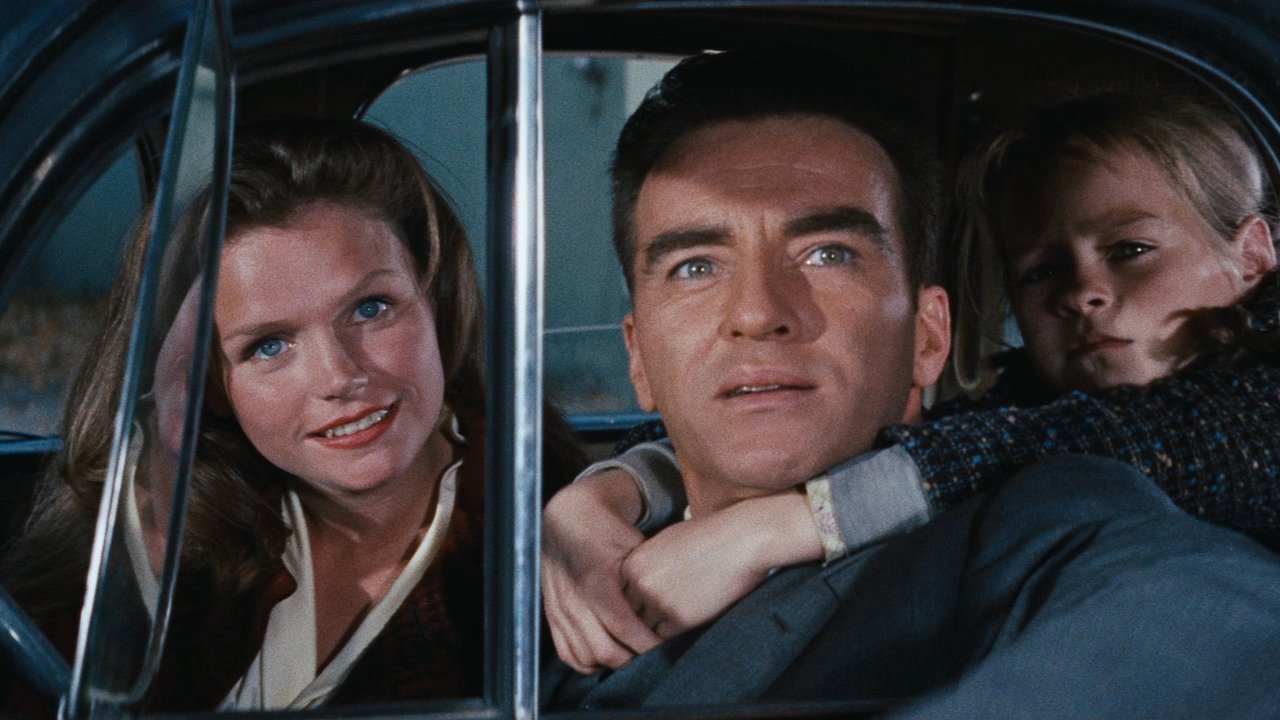


Wild River (1960)
Wild River (1960), directed by Elia Kazan, starring Montgomery Clift and Lee Remick.
score
The Wild Language... The Wild Hungers... The Wild Furies!
Synopsis
A young bureaucrat for the Tennessee Valley Authority goes to rural Tennessee to oversee the building of a dam. He encounters opposition from the local people, in particular a farmer who objects to his employment (with pay) of local black laborers. Much of the plot revolves around the eviction of a stubborn octogenarian from her home on an island in the river, and the young man's love affair with that woman's widowed granddaughter. Preserved by the Academy Film Archive in partnership with The Film Foundation.
- Ellsworth FredericksCinematography
- Elia KazanDirector, Producer
- William ReynoldsEditing
- Paul OsbornScreenplay
About the film
Wild River is a 1960 American drama film directed by Elia Kazan, and starring Montgomery Clift, Lee Remick, and Jo Van Fleet. It was filmed in the Tennessee Valley, and was adapted by Paul Osborn from two novels: Borden Deal's Dunbar's Cove and William Bradford Huie's Mud on the Stars, drawing for plot from Deal's story of a battle of wills between the nascent Tennessee Valley Authority and generations-old land owners, and from Huie's study of a rural Southern matriarchal family for characters and their reaction to destruction of their land, and the controversial employment methods of African-American laborers by the TVA. It marked Bruce Dern's film debut. In 2002, The film was selected for preservation in the National Film Registry by the Library of Congress.
Read the full article (8k characters)
Wild River is a 1960 American drama film directed by Elia Kazan, and starring Montgomery Clift, Lee Remick, and Jo Van Fleet. It was filmed in the Tennessee Valley, and was adapted by Paul Osborn from two novels: Borden Deal's Dunbar's Cove and William Bradford Huie's Mud on the Stars, drawing for plot from Deal's story of a battle of wills between the nascent Tennessee Valley Authority and generations-old land owners, and from Huie's study of a rural Southern matriarchal family for characters and their reaction to destruction of their land, and the controversial employment methods of African-American laborers by the TVA. It marked Bruce Dern's film debut. In 2002, The film was selected for preservation in the National Film Registry by the Library of Congress.
Plot
In 1937, Chuck Glover (Montgomery Clift), the new head of the Tennessee Valley Authority's (TVA) land purchasing office, arrives in Garthville, Tennessee, a town located upstream from a new hydroelectric dam.
Glover is supervising the clearing of the land to be flooded. His first need is to acquire Garth Island on the Tennessee River. Elderly Ella Garth (Jo Van Fleet), matriarch of a large family that has lived on the island for decades, refuses to sell. To avoid bad publicity, the TVA wants to acquire the island without force.
Clearing the land is behind schedule because the mayor uses only white labor. Chuck goes to Garth Island, but Ella and the other Garth women, including Ella's granddaughter Carol Baldwin (Lee Remick), ignore him. Glover tries reasoning with Ella's three adult sons, Hamilton (Jay C. Flippen), Cal (James Westerfield), and Joe John (Big Joe Bess in an uncredited role), but relocating means their having to work for a living.
Chuck is forced to leave, but Hamilton later invites him back to speak with Ella. Chuck finds Ella criticizing President Franklin D. Roosevelt and his New Deal to her black farm hands and their families. Chuck stresses the benefits the dam will bring, but Ella denounces dams and the taming of rivers as going "against nature." Ella then shows Chuck the family cemetery on the island's highest point.
Chuck learns that Carol is a widow with two small children. She returned to the island after her husband died. She is expected to marry Walter Clark (Frank Overton), a local businessman. Chuck advises her against marrying if she does not love him. He then addresses the farmhands about working for the TVA, reasoning their leaving the island will force Ella to sell. Carol invites Chuck to her former home off the island. They spend the night together and are soon falling in love.
The mayor opposes Chuck's hiring "colored labor", saying it will cause problems with white workers. Chuck is urged to create segregated work gangs and pay black workers less. Chuck refuses despite receiving veiled threats.
Carol and Chuck spend another night together, unaware that Walter Clark has seen them. The next morning Ella's workers and their families leave the island. Ella remains alone except for her field hand, Sam, who loyally refuses to go. Ella knows about Carol and Chuck. When Carol begs her grandmother to stay at her house, she orders her off the island.
R. J. Bailey (Albert Salmi), a cotton farmer whose black sharecroppers are quitting to work for the TVA, agrees to help scare Chuck from seeing Carol. Walter lures Chuck to his hotel room where Bailey is waiting. After Chuck treats him decently regarding their rivalry for Carol, Walter warns Chuck about Bailey.
Bailey, awaiting with his shotgun in Chuck's hotel room, tells Chuck a story. It seems that one of Bailey's workers left his employ as a sharecropper to work for the TVA for $5 per day, as opposed to the $2 per day he made working for Bailey. Infuriated, Bailey found a stick of wood about two inches thick, kidnapped the worker, brought him back to his farm, and beat him senseless. The employee, now realizing he is enslaved to Bailey, cannot return to the fields for two days, as he recovers from the beating.
For the aforementioned trouble Chuck caused him, Bailey states that Chuck owes him $4, for the $2 per day in value of lost labor due to the recovery time of the employee. When Chuck refuses, Bailey beats him and takes the money.
Soon after, Chuck and Walter go to the island to see Ella. Chuck admits misunderstanding her fight to protect her dignity. The following day, Chuck learns that the dam's flood gates will be closed in a few days and Ella must be evicted immediately.
Chuck rejects Hamilton and Cal's idea to have Ella declared legally incompetent so they can sell the land. He reluctantly asks the U.S. Marshals to forcibly remove Ella the next day, then goes to the island in a final attempt to persuade her to voluntarily leave. She refuses.
Carol wants to go with Chuck when he moves on to his next assignment, though he remains unsure. Walter arrives to warn them that Bailey and his men are coming to terrorize them.
While the local sheriff stands aside, believing the good ol' boys are harmless, the thugs shoot out a window, overturn Chuck's car, and drive Walter's truck into the side of the house. Refusing to be driven off, Chuck confronts Bailey but is knocked unconscious. Only then, the sheriff runs off the thugs.
Chuck and Carol marry. The next day, with Chuck and Carol present, Ella is evicted from the island as her former workers fell the trees. At her new home, Ella sits on the porch, refusing to speak.
Soon after, Carol tells Chuck that Ella just died. Before leaving the valley, Chuck and Carol join her family and former workers to bury Ella in the family plot, the only part of Garth Island above water in the new reservoir.
Cast
Montgomery Clift as Chuck Glover
Lee Remick as Carol Garth Baldwin
Jo Van Fleet as Ella Garth
Albert Salmi as R.J. Bailey
Jay C. Flippen as Hamilton Garth
James Westerfield as Cal Garth
Barbara Loden as Betty Jackson
Frank Overton as Walter Clark
Malcolm Atterbury as Sy Moore
Bruce Dern as Jack Roper (uncredited)
Robert Earl Jones as Sam Johnson (uncredited)
Chester Dewayne Payne as little boy in food line
Production
A script was written by Ben Maddow but he refused credit because none of it was used in the final film.
Coon Denton Island on the Hiwassee River, in northern Bradley County, Tennessee, upriver from Charleston, served as the fictional Garth Island, and the city of Charleston's old business district served as the fictional city of Garthville. A peninsula northwest of Cleveland, Tennessee, on Chickamauga Lake, was used, and a studio for interior shooting was created in the Cleveland armory. A few other locations in rural Bradley County near Charleston were also used. Principal photography began on October 19, 1959. On January 3, 1960, Kazan left for his New York home, and filming was completed over the following week.
Reception
Variety wrote:Wild River is an important motion picture. In studying a slice of national socio-economic progress (the Tennessee Valley Authority of the early 1930s) in terms of people (those who enforced vs those who resisted), it catches something timeless and essential in the human spirit and shapes it in the American image.
In The New York Times, A. H. Weiler wrote:[Kazan] profited by taking his troupe down to Charleston, Tenn., the Hiwassee River, from which you can see the Great Smokies, and the town of Cleveland on Lake Chickamauga to capture authenticity. The cameras of cinematographer Ellsworth Fredericks have brought to life the charm of the rolling, wooded countryside.
Preservation
The film was preserved by the Academy Film Archive.
References
External links
Wild River at IMDb
Wild River at the TCM Movie Database (archived)
Wild River at the AFI Catalog of Feature Films
Wild River at Rotten Tomatoes
Text from Wild River (film) on Wikipedia, licensed CC BY-SA 4.0. https://en.wikipedia.org/wiki/Wild_River_(film)
Trivia
- It premiered on May 26, 1960, a Thursday.
- It runs 1h50 — a typical feature length.
- It won 1 award(s) and received 0 nomination(s) on record at Wikidata — National Board of Review: Top Ten Films among them.
- As of September 20, 2026, it is available in Brazil by subscription on Disney Plus.
- This film's quiz has 14 questions — enough to play more than once without repeats.
Production
- Studios20th Century Fox
- CountriesUnited States
- LanguagesEnglish
- StatusReleased
More about this film
Awards
- National Board of Review: Top Ten Films
Based on
- Mud on the Stars
- Dunbar's Cove
Filming locations
- Chickamauga Lake
- Cleveland
- Charleston
- Hiwassee River
Set in
- Tennessee
Where to watch
Cast
-
 Montgomery Clift
Chuck Glover
Montgomery Clift
Chuck Glover -
 Lee Remick
Carol Garth Baldwin
Lee Remick
Carol Garth Baldwin -
 Jo Van Fleet
Ella Garth
Jo Van Fleet
Ella Garth -
 Albert Salmi
Hank Bailey
Albert Salmi
Hank Bailey -
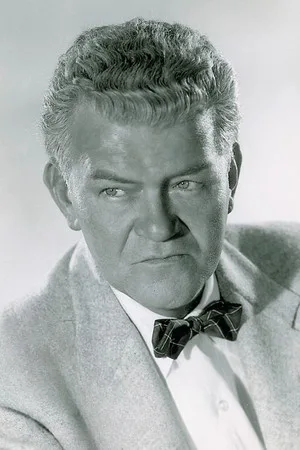 Jay C. Flippen
Hamilton Garth
Jay C. Flippen
Hamilton Garth -
 James Westerfield
Cal Garth
James Westerfield
Cal Garth -
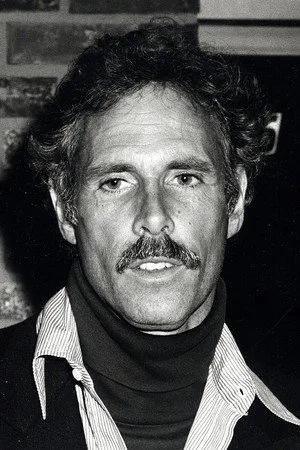 Bruce Dern
Jack Roper
Bruce Dern
Jack Roper -
 Barbara Loden
Betty Jackson
Barbara Loden
Betty Jackson -
 Frank Overton
Walter Clark
Frank Overton
Walter Clark -
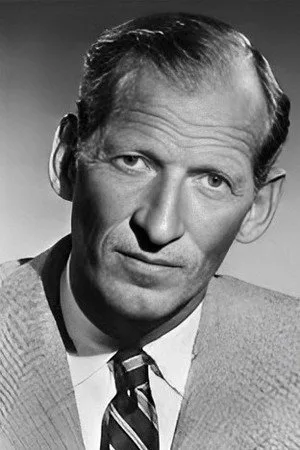 Malcolm Atterbury
Sy Moore
Malcolm Atterbury
Sy Moore -
 Robert Earl Jones
Sam Johnson (uncredited)
Robert Earl Jones
Sam Johnson (uncredited)
Quiz about this movie
Questions from the whole catalogue.
Play nowIf you liked this one
-
O Rio do Desespero
 6.4
6.4
-
O Segredo: Ouse Sonhar
 7.3
7.3
-
Longe Deste Insensato Mundo
 7.0
7.0
-
Honkytonk Man: A Última Canção
 6.3
6.3
-
Razão e Sensibilidade
 7.4
7.4
-
Uma Razão para Viver
 7.4
7.4
-
Amigos de Caça
 6.6
6.6
-
A Escolha
 7.2
7.2
-
...E o Vento Levou
 7.9
7.9
-
Abraão
 7.1
7.1
-
Aurora
 7.8
7.8
-
O Solar dos Ventos Uivantes
 6.4
6.4
Tags
Crew
- Ellsworth Fredericks Cinematography
- Elia Kazan Director
- William Reynolds Editing
- Elia Kazan Producer
- Paul Osborn Screenplay
Questions about this film
What is Wild River about?
Wild River: A young bureaucrat for the Tennessee Valley Authority goes to rural Tennessee to oversee the building of a dam. He encounters opposition from the local people, in particular a farmer who objects to his employment (with pay) of local black laborers. Much of the plot revolves around the eviction of a stubborn octogenari…
Who directed Wild River?
Wild River was directed by Elia Kazan in 1960.
Who stars in Wild River?
The cast of Wild River includes Montgomery Clift, Lee Remick, Jo Van Fleet, Albert Salmi and Jay C. Flippen.
How long is Wild River?
Wild River runs for 110 minutes, or 1h50.
Where can I watch Wild River?
Wild River is available on Disney Plus. Availability changes often: the list on this page is the most recent we received.
What is Wild River based on?
Wild River is based on Mud on the Stars and Dunbar's Cove.
What awards did Wild River win?
Wild River has 1 recorded awards, among them National Board of Review: Top Ten Films.
Similar films
 7.9
7.9
 8.5
8.5
 7.9
7.9
 8.1
8.1
 6.3
6.3
 8.5
8.5
 7.9
7.9
 7.8
7.8
 7.9
7.9
 5.9
5.9
 7.2
7.2
 7.0
7.0
Page updated on 09/15/2026.
Back to the catalogue