




Witness for the Prosecution (1957)
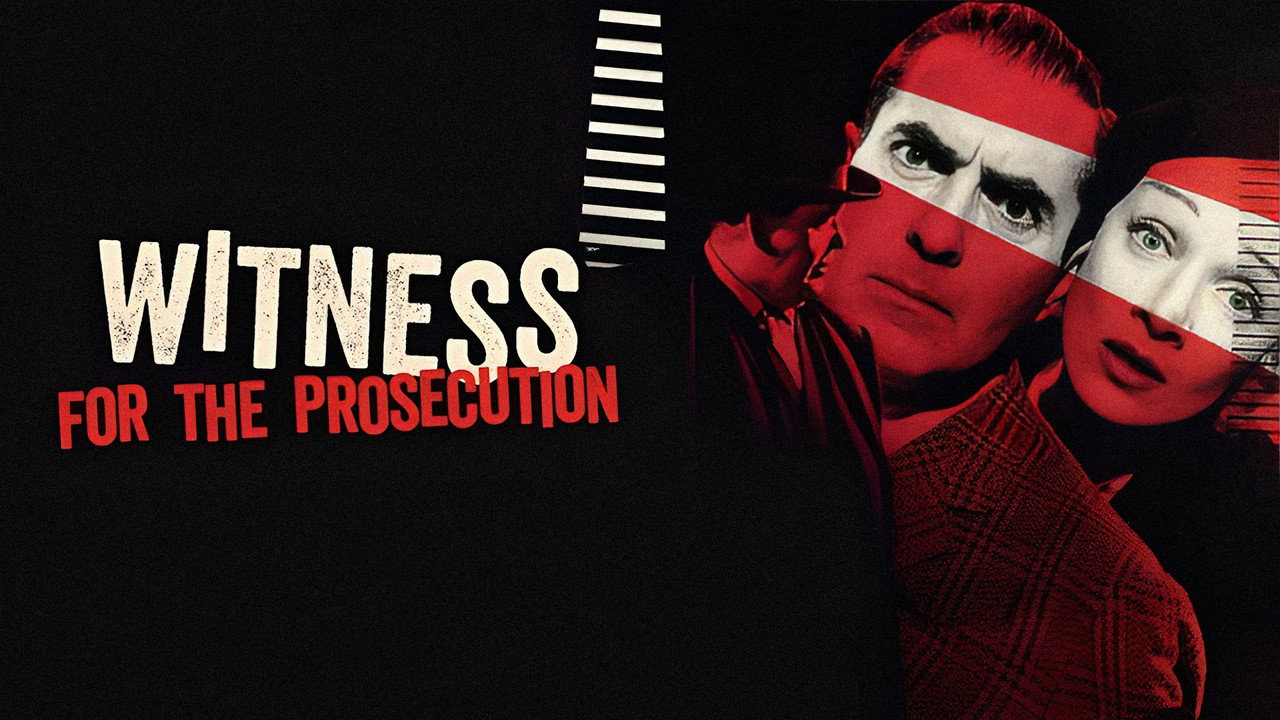
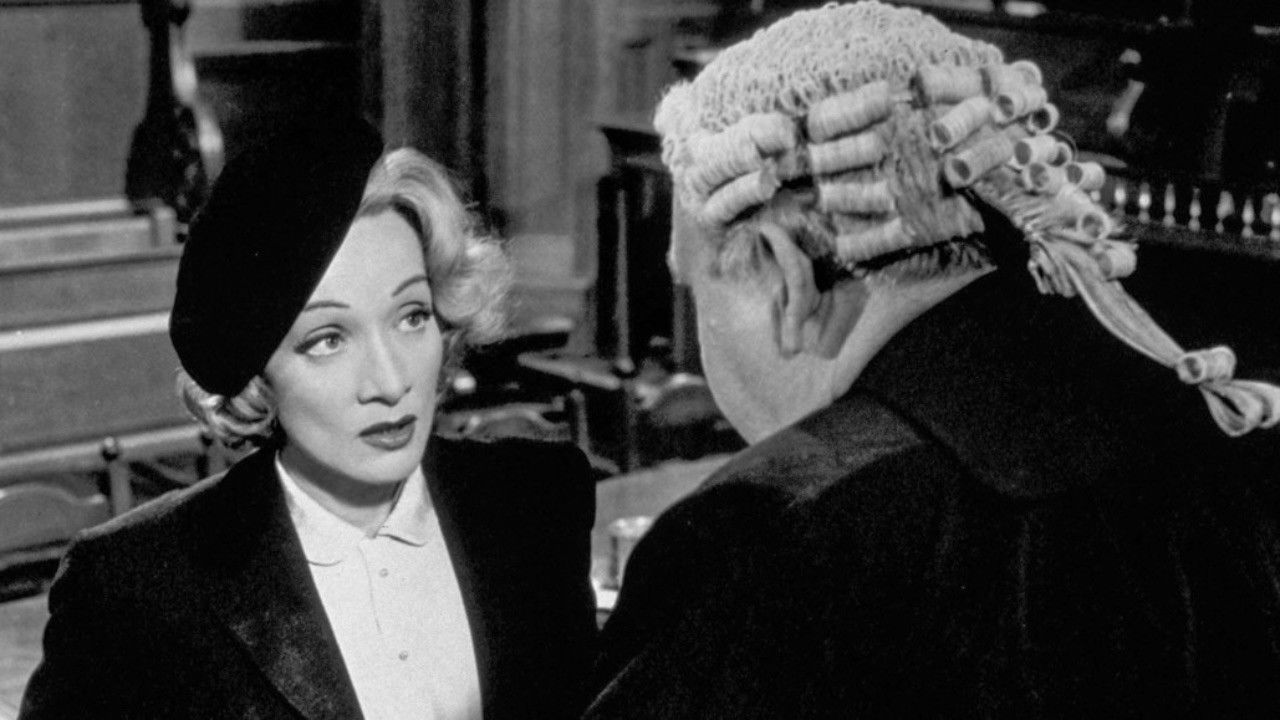
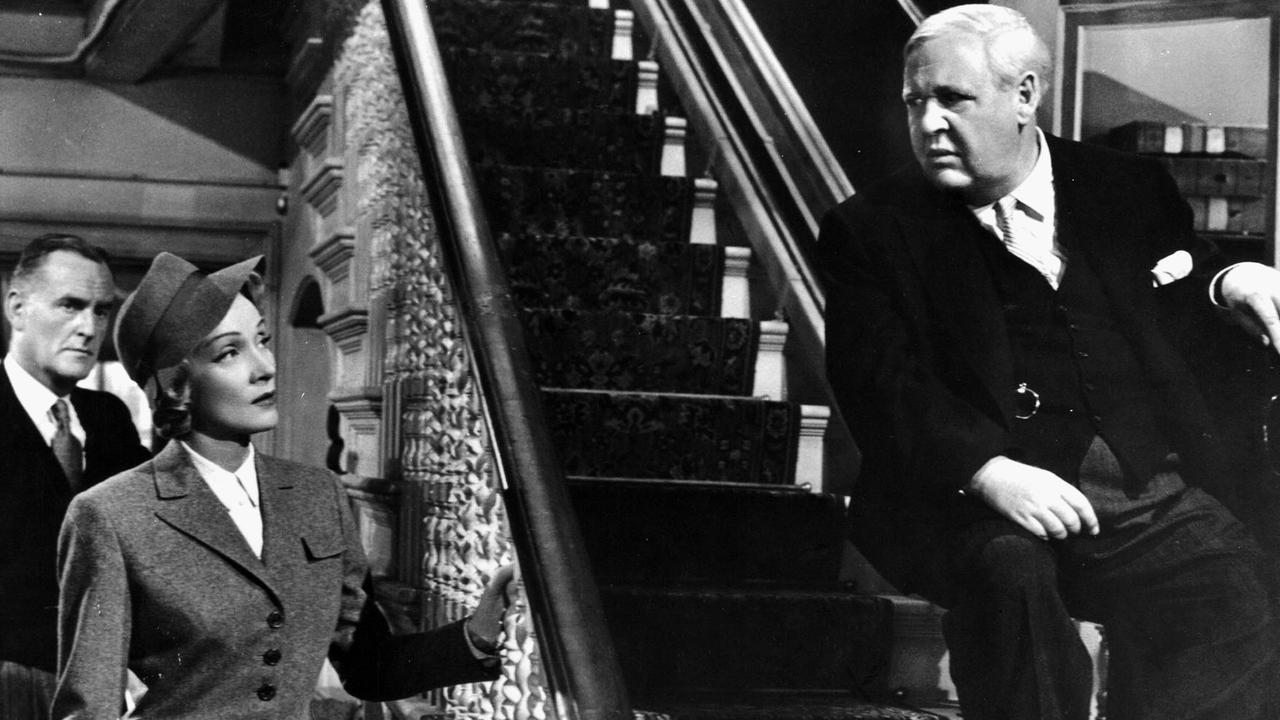
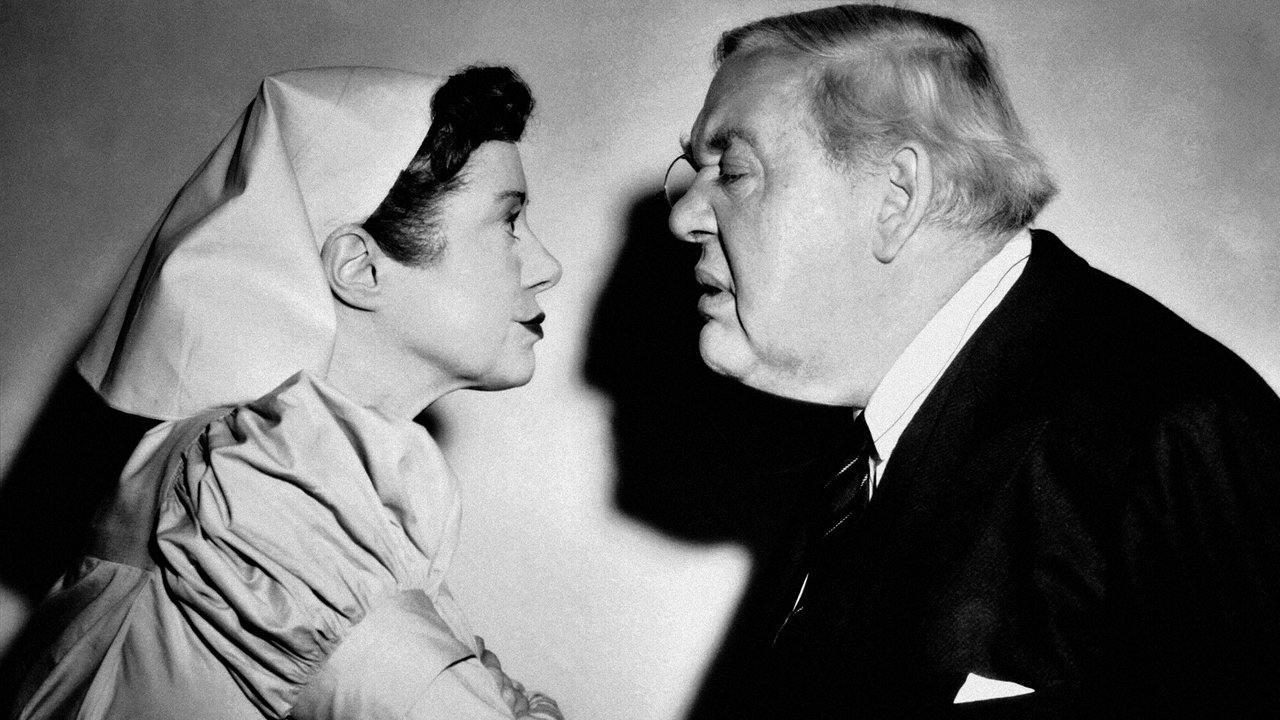
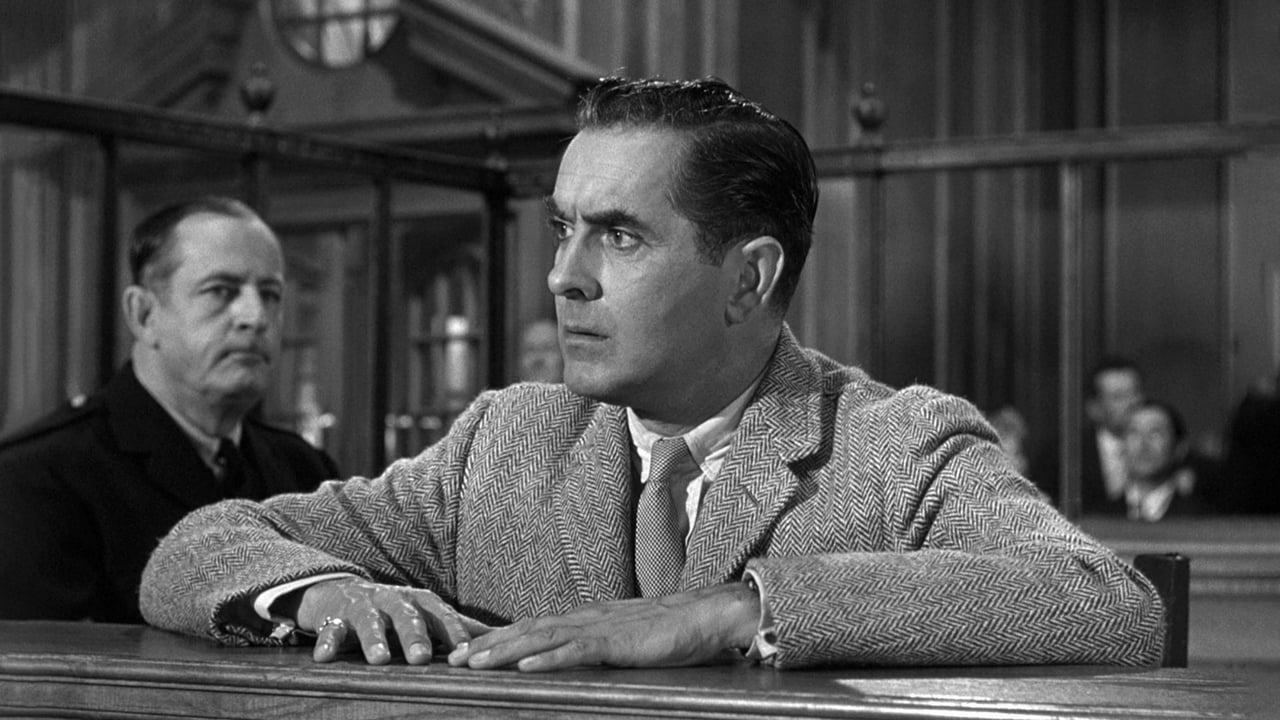
Witness for the Prosecution (1957), directed by Billy Wilder, starring Tyrone Power and Marlene Dietrich.
score
The most electrifying entertainment of our time!
Synopsis
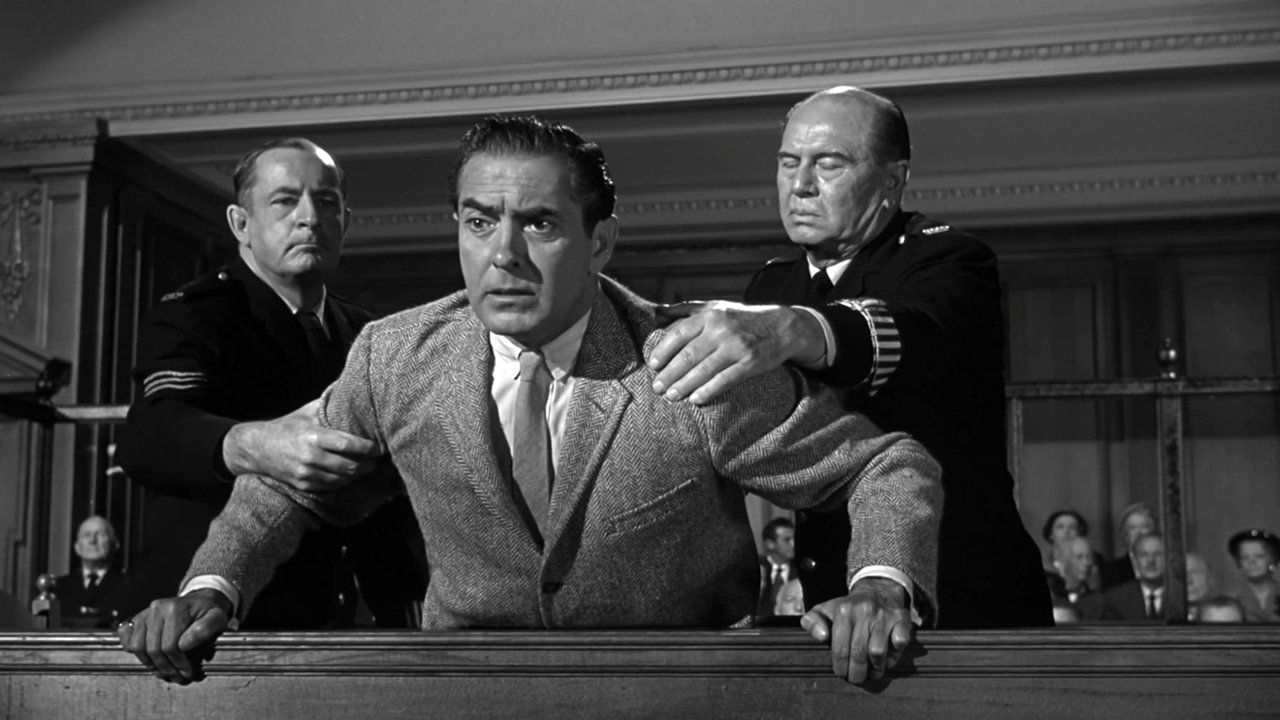
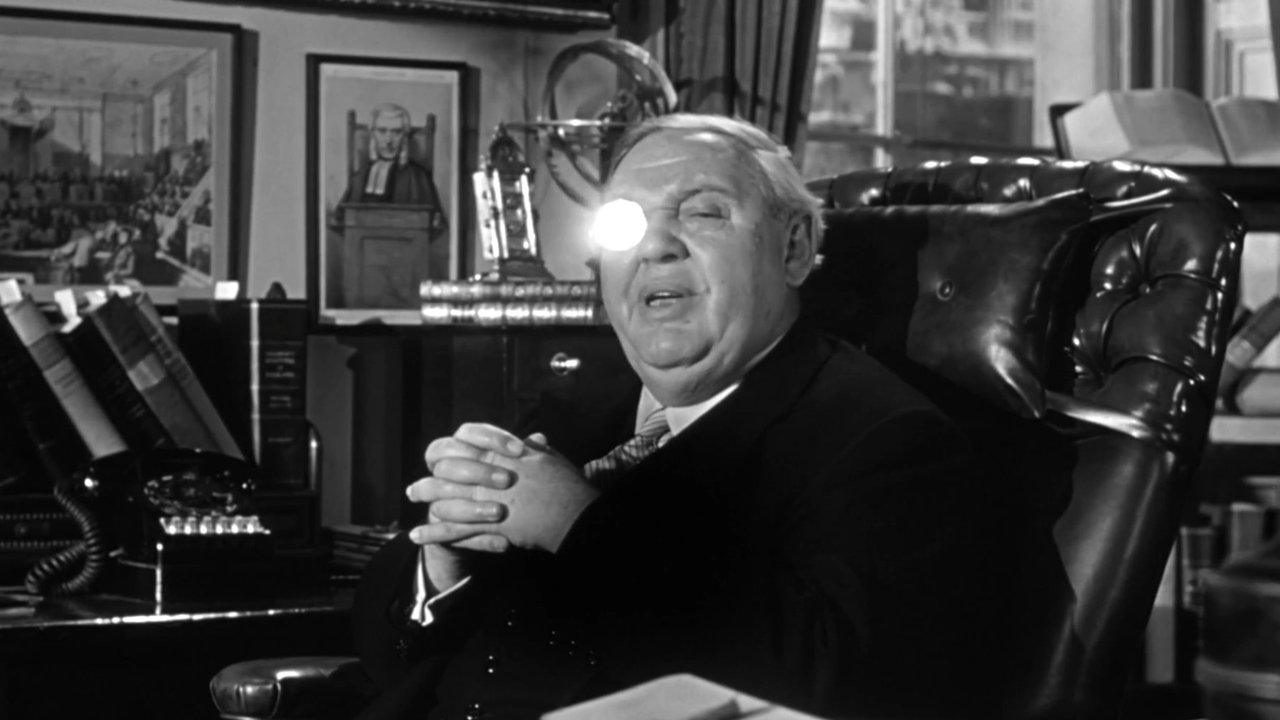
An ailing barrister is thrust back into the courtroom in what becomes one of the most unusual and eventful murder cases of the lawyer's career when he finds himself defending a man being tried for the murder of a socialite.
What the catalogue says about this film
- Box office rank 6 of 44 for 1957 in the catalogue
- Made back 3 times its budget
- Film 15 of 26 by Billy Wilder in the catalogue
- Rated 8.2, against a Mystery average of 6.3
Every comparison is within the CineQuiz catalogue, not cinema as a whole.
- Russell HarlanCinematography
- Billy WilderDirector, Screenplay
- Daniel MandellEditing
- Arthur Hornblow Jr.Producer
About the film
Witness for the Prosecution is a 1957 American legal mystery melodrama film directed by Billy Wilder and starring Tyrone Power, Marlene Dietrich, and Charles Laughton, with Elsa Lanchester and John Williams. The film, which has elements of bleak black comedy and film noir, is a courtroom drama set in the Old Bailey in London and is based on the 1953 play of the same title by Agatha Christie. The first film adaptation of Christie's story, Witness for the Prosecution was written for the screen by Wilder and Harry Kurnitz and adapted by Larry Marcus.
The film was acclaimed by critics and received six Academy Award nominations, including Best Picture. It also received five Golden Globe Award nominations including a win for Elsa Lanchester as Best Actress in a Supporting Role. Additionally, the film was selected as the sixth-best courtroom drama ever by the American Film Institute for their AFI's 10 Top 10 list.
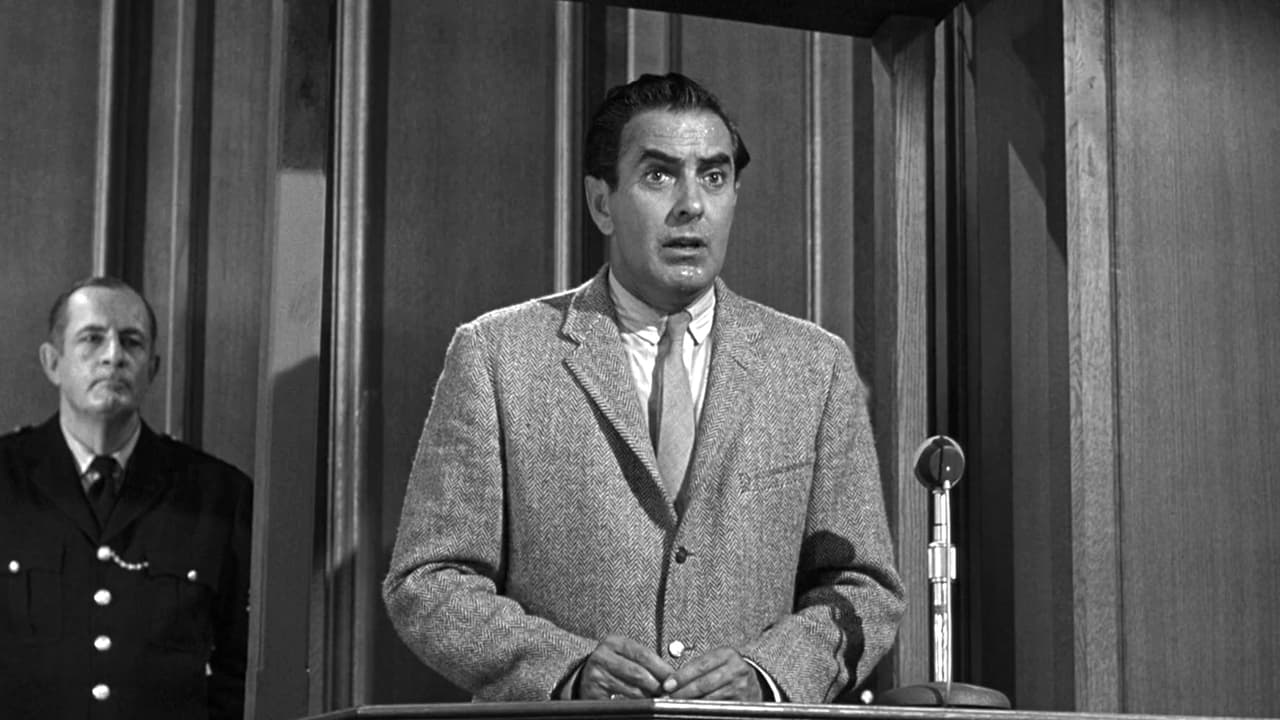
In the film, a man accused of killing a wealthy widow, who had named him as the main beneficiary in her will, undergoes a trial during which his wife testifies against him.
Read the full article (9k characters)
Witness for the Prosecution is a 1957 American legal mystery melodrama film directed by Billy Wilder and starring Tyrone Power, Marlene Dietrich, and Charles Laughton, with Elsa Lanchester and John Williams. The film, which has elements of bleak black comedy and film noir, is a courtroom drama set in the Old Bailey in London and is based on the 1953 play of the same title by Agatha Christie. The first film adaptation of Christie's story, Witness for the Prosecution was written for the screen by Wilder and Harry Kurnitz and adapted by Larry Marcus.
The film was acclaimed by critics and received six Academy Award nominations, including Best Picture. It also received five Golden Globe Award nominations including a win for Elsa Lanchester as Best Actress in a Supporting Role. Additionally, the film was selected as the sixth-best courtroom drama ever by the American Film Institute for their AFI's 10 Top 10 list.
In the film, a man accused of killing a wealthy widow, who had named him as the main beneficiary in her will, undergoes a trial during which his wife testifies against him.
Plot
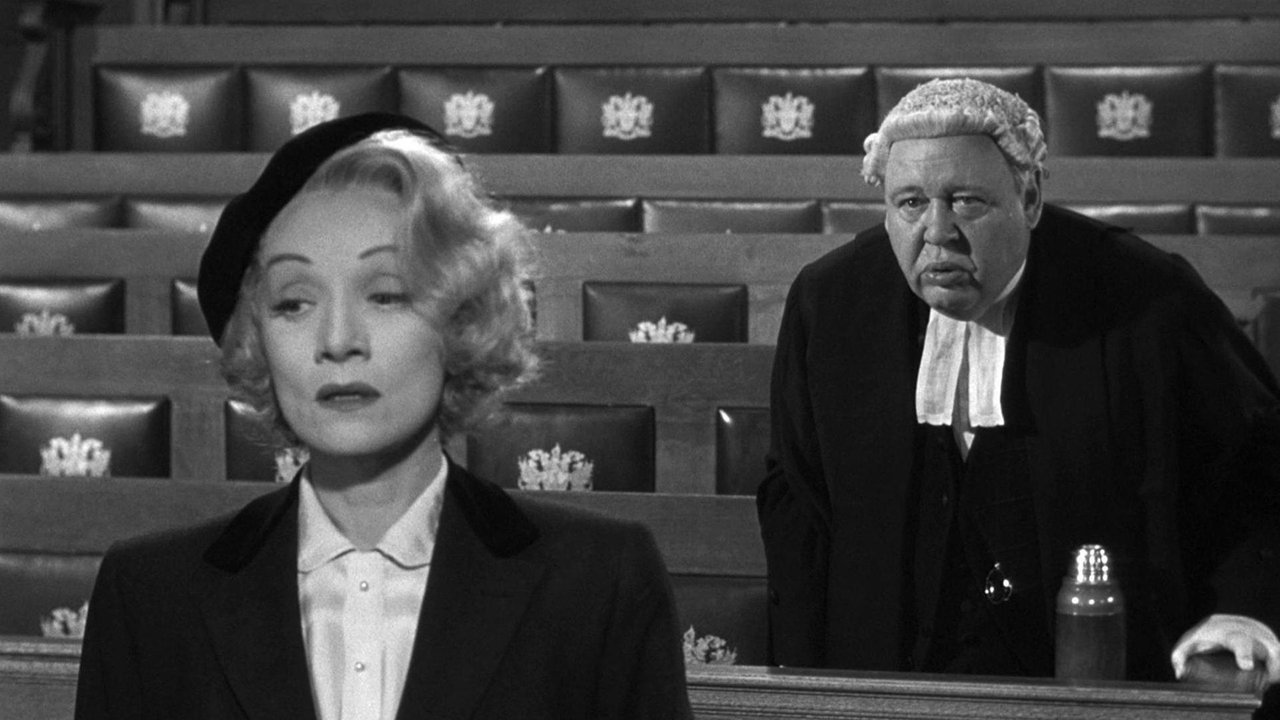
Senior barrister Sir Wilfrid Robarts is nearing retirement after a heart attack. He agrees to defend Leonard Vole, despite Nurse Plimsoll's objections and Sir Wilfrid's doctor having warned against taking stressful criminal cases. Leonard is accused of murdering Emily French, a wealthy, childless widow who fell in love with him and named him as the main beneficiary in her will. Despite the evidence, Sir Wilfrid believes his client to be innocent.
Sir Wilfrid speaks with Leonard's German wife, Christine, whom he finds cold and self-possessed; she provides Leonard with an alibi, but Sir Wilfrid warns her that juries often do not accept alibis given by spouses. Sir Wilfred is later shocked when Christine is called to give evidence against Leonard as a prosecution witness.
While a wife cannot be compelled to testify against her husband, it is revealed that her marriage to Leonard is invalid, as she was already married to another man, Otto Helm, still alive and living in Germany. She states that she never loved Leonard, and her conscience compels her to tell the truth. She explains that she met Leonard, a Royal Air Force sergeant serving in Berlin's British occupation zone, and went through a marriage ceremony with him solely to escape from Soviet-controlled territory. According to her testimony, Leonard arrived home after the time of the murder, and openly confessed that he had killed Mrs. French.
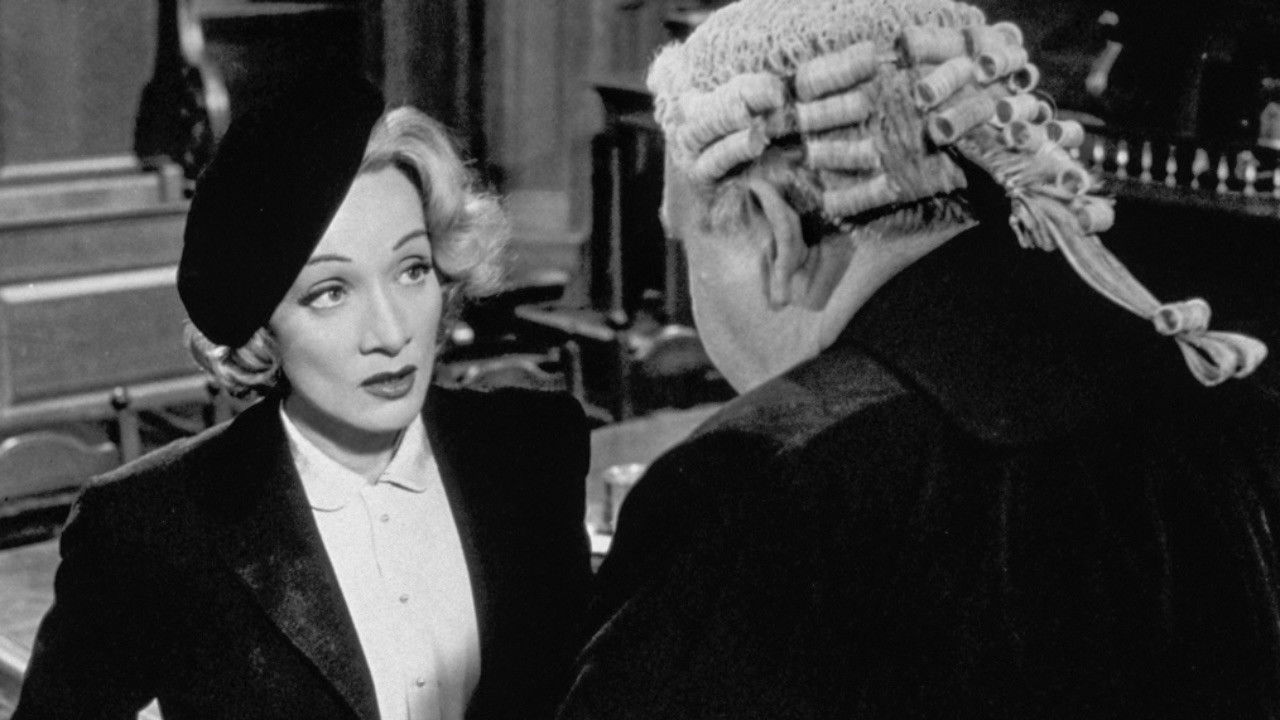
Sir Wilfrid fears that his client will be convicted and sentenced to hang. He is then unexpectedly contacted by a Cockney woman, who offers to sell him compromising letters written by Christine to a man named Max. The handwriting is genuine, and the woman appears to have a legitimate reason for providing the correspondence: Max, who had once been her lover, had attacked her, leaving her with facial scars. During cross examination, Sir Wilfrid reads the letters, which disclose a conspiracy between Max and Christine to frame Leonard. The jury acquits Leonard.
Sir Wilfrid admits that his victory seemed suspiciously easy, and is proved right when Christine returns to the courtroom to avoid an angry crowd waiting outside. She explains that, after Sir Wilfred's earlier warnings about alibis, she had decided to pose as a hateful, double-crossing wife. She wrote letters to a non-existent lover (Max) and impersonated the disfigured woman who passed them to Sir Wilfrid. Christine loves Leonard, but knew he was guilty; she told the truth about Leonard's confession in the witness-box, then used the false letters to discredit her own testimony. Sir Wilfrid is outraged, but the law of double jeopardy prevents any renewed prosecution of Leonard.
Leonard reveals he is having an affair with a much younger woman, and intends to abandon Christine. He smugly states that, though Christine will be tried for perjury, he and she are now even, having saved each other's lives. A devastated Christine grabs a knife and fatally stabs Leonard. As she is taken into custody, Sir Wilfrid decides to further delay his retirement to defend Christine.
Cast
Uncredited
Production
Producers Arthur Hornblow and Edward Small bought the rights to the play for $450,000. The play was adjusted to emphasize the character of the defence barrister. Billy Wilder was signed to direct in April 1956. According to Wilder, when the producers approached Marlene Dietrich about the part, she accepted on the condition that Wilder direct. Wilder said that Dietrich liked "to play a murderess" but was "a little bit embarrassed when playing the love scenes."
Vivien Leigh was considered for the role of Christine Vole. Laughton based his performance on Florance Guedella, his own lawyer, an Englishman who was known for twirling his monocle while cross-examining witnesses.
In a flashback showing how Leonard and Christine first meet in a German nightclub, she is wearing her trademark trousers, made famous by Dietrich in director Josef von Sternberg's film Morocco (1930). A rowdy customer rips them down one side, revealing one of Dietrich's renowned legs and starting a brawl. The scene required 145 extras and 38 stuntmen, and cost $90,000. The bar is called Die blaue Laterne (English: The Blue Lantern), which is a reference to Dietrich's 1930 film The Blue Angel.
United Artists' "surprise ending"
At the end of the film, as the credits roll, a voiceover announces:
The management of this theater suggests that, for the greater entertainment of your friends who have not yet seen the picture, you will not divulge to anyone the secret of the ending of Witness for the Prosecution.
This was in keeping with the advertising campaign for the film. One of the posters said: "You'll talk about it! – but please don't tell the ending!"
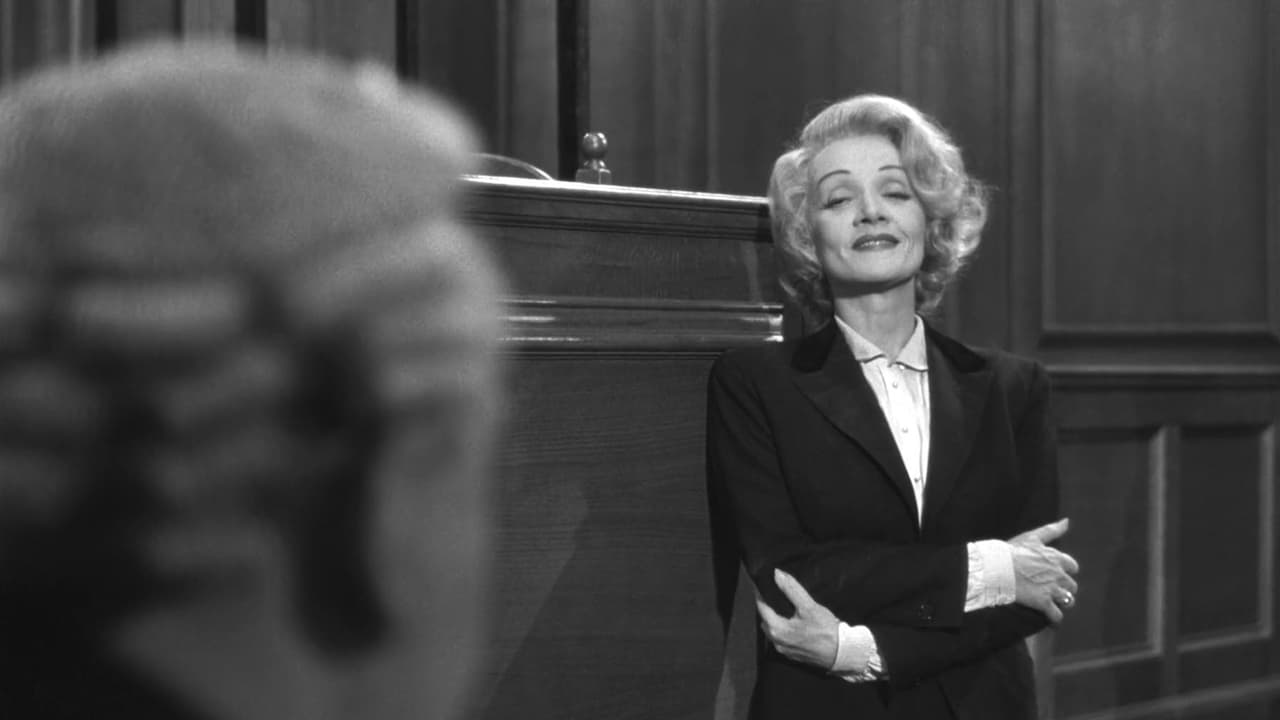
The effort to keep the ending a secret extended to the cast. Billy Wilder did not allow the actors to view the final ten pages of the script until it was time to shoot those scenes. The secrecy reportedly cost Marlene Dietrich an Academy Award nomination, as United Artists did not want to call attention to the fact that Dietrich was practically unrecognizable as the Cockney woman who hands over the incriminating letters to the defense.
Reception
Box office
Witness for the Prosecution reached number one at the American box office for two consecutive weeks in February and March 1958. In its first year, the film earned $3.75 million in distributor rentals in the United States and Canada.
Critical response
In a contemporary review for The New York Times, critic Bosley Crowther wrote: "[T]here's never a dull or worthless moment. It's all parry and punch from the word 'Go!', which is plainly announced when the accused man is brought to Mr. Laughton at the beginning of the film. And the air in the courtroom fairly crackles with emotional electricity, until that staggering surprise in the last reel. Then the whole drama explodes. It's the staging of the scenes that is important in this rapidly moving film ... It's the balancing of well-marked characters, the shifts of mood, the changes of pace and the interesting bursts of histrionics that the various actors display."
Agatha Christie "herself considered it the finest film derived from one of her stories." In TV Guide's review of the film, it received four and a half stars out of five, the writer saying that "Witness for the Prosecution is a witty, terse adaptation of the Agatha Christie hit play brought to the screen with ingenuity and vitality by Billy Wilder." The American Film Institute included the film on their AFI's 10 Top 10 list at number six in the courtroom-drama category.
Alfred Hitchcock spoke of how happy he was that Witness for the Prosecution was often mistaken for his similar but critical and commercial flop, The Paradine Case.
On the review aggregator website Rotten Tomatoes, the film holds an approval rating of 100% based on 41 reviews, with an average rating of 8.7/10.
Accolades
Home media
Witness for the Prosecution was first released on a U.S. Region 1 widescreen DVD by MGM Home Entertainment on December 11, 2001 and with a new restoration by Kino Lorber (under license from MGM) on Blu-ray and DVD on July 22, 2014; both versions were followed by many other countries.
See also
List of American films of 1957
Trial film
Witness for the Prosecution (1982)
The Witness for the Prosecution (2016)
References
Bibliography
External links
Witness for the Prosecution at IMDb
Witness for the Prosecution at AllMovie
Witness for the Prosecution at the AFI Catalog of Feature Films
Witness for the Prosecution at the TCM Movie Database (archived)
Text from Witness for the Prosecution (1957 film) on Wikipedia, licensed CC BY-SA 4.0. https://en.wikipedia.org/wiki/Witness_for_the_Prosecution_(1957_film)
Trivia
- It cost US$ 3.0 million and grossed US$ 9.0 million in theaters — 3.0 times its budget.
- It premiered on December 17, 1957, a Tuesday.
- It runs 1h54 — a typical feature length.
- It won 1 award(s) and received 6 nomination(s) on record at Wikidata — Golden Globe Award for Best Supporting Actress – Motion Picture among them.
- As of September 20, 2026, it is available in Brazil by subscription on Amazon Prime Video, Looke.
- This film's quiz has 16 questions — enough to play more than once without repeats.
Production
- StudiosEdward Small Productions
- CountriesUnited States
- LanguagesGerman, English
- BudgetUS$ 3,000,000
- Box officeUS$ 9,000,000
- StatusReleased
More about this film
Awards
- Golden Globe Award for Best Supporting Actress – Motion Picture
Nominations
- Academy Award for Best Picture 1958
- Academy Award for Best Director 1958
- Academy Award for Best Actor 1958
- Academy Award for Best Supporting Actress 1958
- Academy Award for Best Film Editing 1958
- Academy Award for Best Sound 1958
Based on
- Witness for the Prosecution
Set in
- London
Where to watch
Videos
Photos
Cast
-
 Tyrone Power
Leonard Vole
Tyrone Power
Leonard Vole -
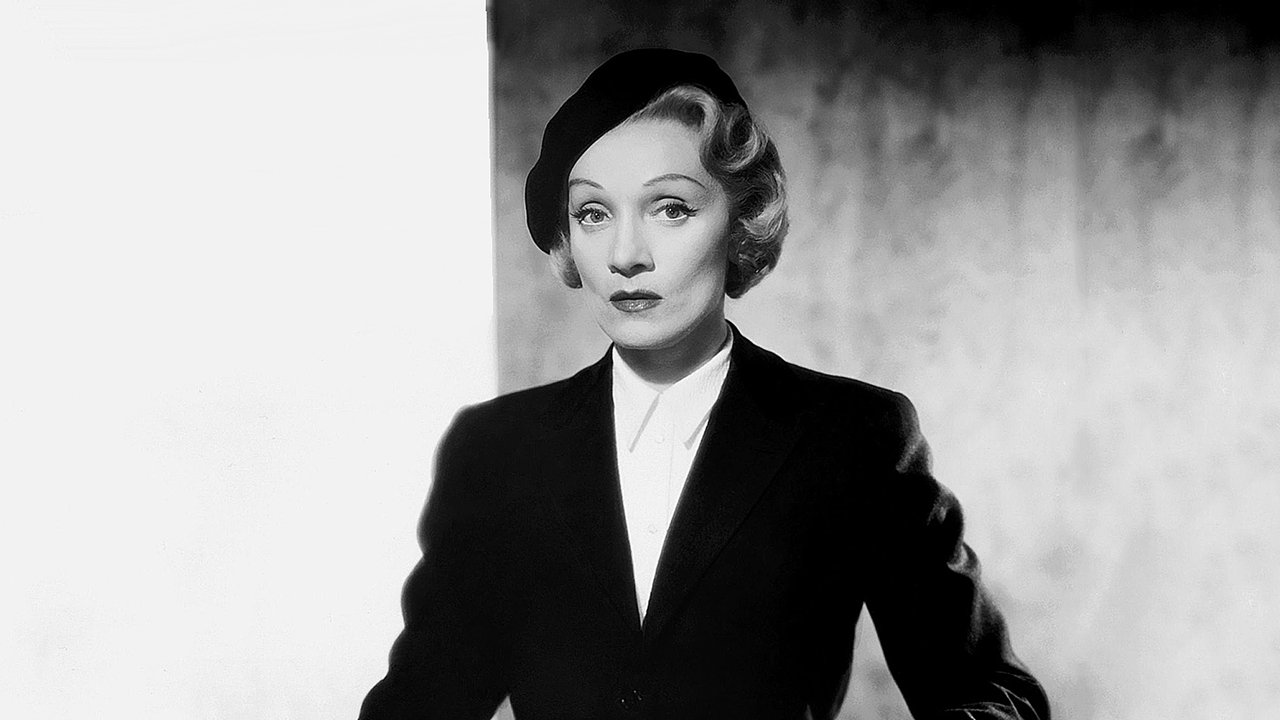
 Marlene Dietrich
Christine
Marlene Dietrich
Christine -
 Charles Laughton
Sir Wilfrid
Charles Laughton
Sir Wilfrid -
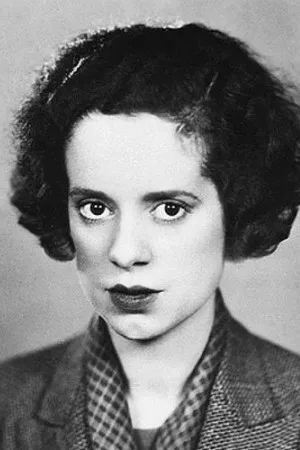 Elsa Lanchester
Miss Plimsoll
Elsa Lanchester
Miss Plimsoll -
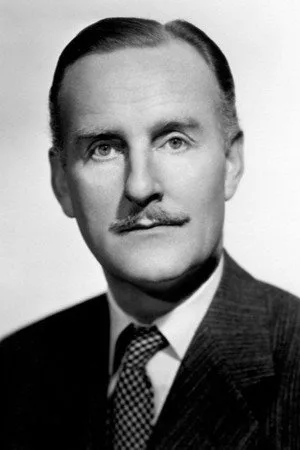 John Williams
Brogan-Moore
John Williams
Brogan-Moore -
 Henry Daniell
Mayhew
Henry Daniell
Mayhew -
 Ian Wolfe
Carter
Ian Wolfe
Carter -
 Torin Thatcher
Mr. Myers
Torin Thatcher
Mr. Myers -
 Norma Varden
Mrs. French
Norma Varden
Mrs. French -
 Una O'Connor
Janet
Una O'Connor
Janet -
 Francis Compton
Judge
Francis Compton
Judge -
 Philip Tonge
Inspector Hearne
Philip Tonge
Inspector Hearne -
 Ruta Lee
Diana
Ruta Lee
Diana -
 Patrick Aherne
Court Officer (uncredited)
Patrick Aherne
Court Officer (uncredited) - Walter Bacon Bar Patron (uncredited)
-
 Eddie Baker
Courtroom Spectator (uncredited)
Eddie Baker
Courtroom Spectator (uncredited) - Benjie Bancroft Courtroom Spectator (uncredited)
- John Barton Courtroom Spectator (uncredited)
- Brandon Beach Juror (uncredited)
-
 George Blagoi
Juror (uncredited)
George Blagoi
Juror (uncredited)
Quiz about this movie
Questions from the whole catalogue.
Play nowIf you liked this one
-
Insônia
 7.0
7.0
-
Morte em Três Atos
 6.0
6.0
-
Treze à Mesa
 5.9
5.9
-
O Homem Que Fazia Chover
 7.0
7.0
-
Assassinato Num Dia de Sol
 6.9
6.9
-
Circuito Fechado
 5.9
5.9
-
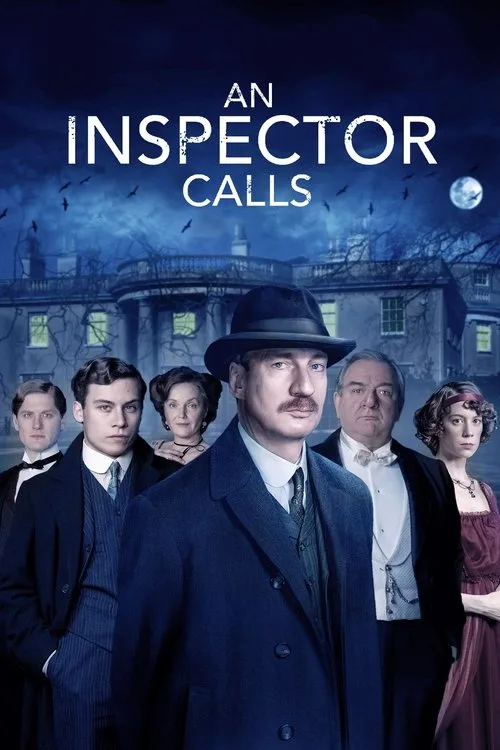
An Inspector Calls
 7.4
7.4
-
Detetive Marlowe em Ação
 6.1
6.1
-
A Carta
 7.3
7.3
-
Encontro Marcado com a Morte
 6.1
6.1
-
Janela Indiscreta Drama from the 1950s
 8.3
8.3
-
Um Mistério de Aurora Teagarden: Até que a Morte nos Separe
 7.4
7.4
Tags
Crew
- Russell Harlan Cinematography
- Billy Wilder Director
- Daniel Mandell Editing
- Arthur Hornblow Jr. Producer
- Matty Malneck Original music
- Billy Wilder Screenplay
- Harry Kurnitz Screenplay
Questions about this film
What is Witness for the Prosecution about?
Witness for the Prosecution: An ailing barrister is thrust back into the courtroom in what becomes one of the most unusual and eventful murder cases of the lawyer's career when he finds himself defending a man being tried for the murder of a socialite.
Who directed Witness for the Prosecution?
Witness for the Prosecution was directed by Billy Wilder in 1957.
Who stars in Witness for the Prosecution?
The cast of Witness for the Prosecution includes Tyrone Power, Marlene Dietrich, Charles Laughton, Elsa Lanchester and John Williams.
How long is Witness for the Prosecution?
Witness for the Prosecution runs for 114 minutes, or 1h54.
How much did Witness for the Prosecution cost and how much did it make?
Witness for the Prosecution had a budget of US$ 3,000,000 and took US$ 9,000,000 at the box office — 3.0 times its cost.
Where can I watch Witness for the Prosecution?
Witness for the Prosecution is available on Amazon Prime Video, Looke, Looke Amazon Channel, Amazon Prime Video with Ads, Apple TV Store and Amazon Video. Availability changes often: the list on this page is the most recent we received.
What is Witness for the Prosecution based on?
Witness for the Prosecution is based on Witness for the Prosecution.
What awards did Witness for the Prosecution win?
Witness for the Prosecution has 1 recorded awards, among them Golden Globe Award for Best Supporting Actress – Motion Picture.
Similar films
-
 6.7
6.7
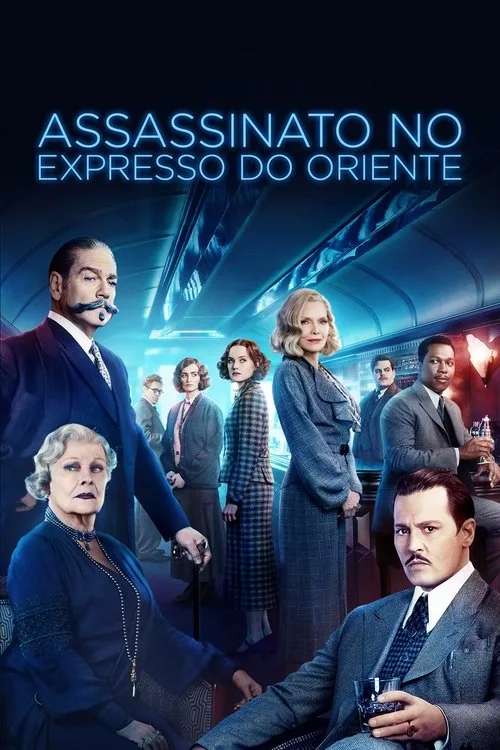
Murder on the Orient Express
2017
-
 7.7
7.7
Mystic River
2003
-
 7.3
7.3
Gone Baby Gone
2007
-
 7.5
7.5
Lucky Number Slevin
2006
-
 7.6
7.6
Changeling
2008
-
 6.8
6.8
The Bone Collector
1999
-
 6.8
6.8
Bad Times at the El Royale
2018
-
 6.4
6.4
The Number 23
2007
-
 6.3
6.3
A Walk Among the Tombstones
2014
-
 7.5
7.5
The Girl with the Dragon Tattoo
2009
-
 7.8
7.8
Infernal Affairs
2002
-
 8.0
8.0
Rashomon
1950
Page updated on 09/08/2026.
Back to the catalogue