
Woodstock (1970)
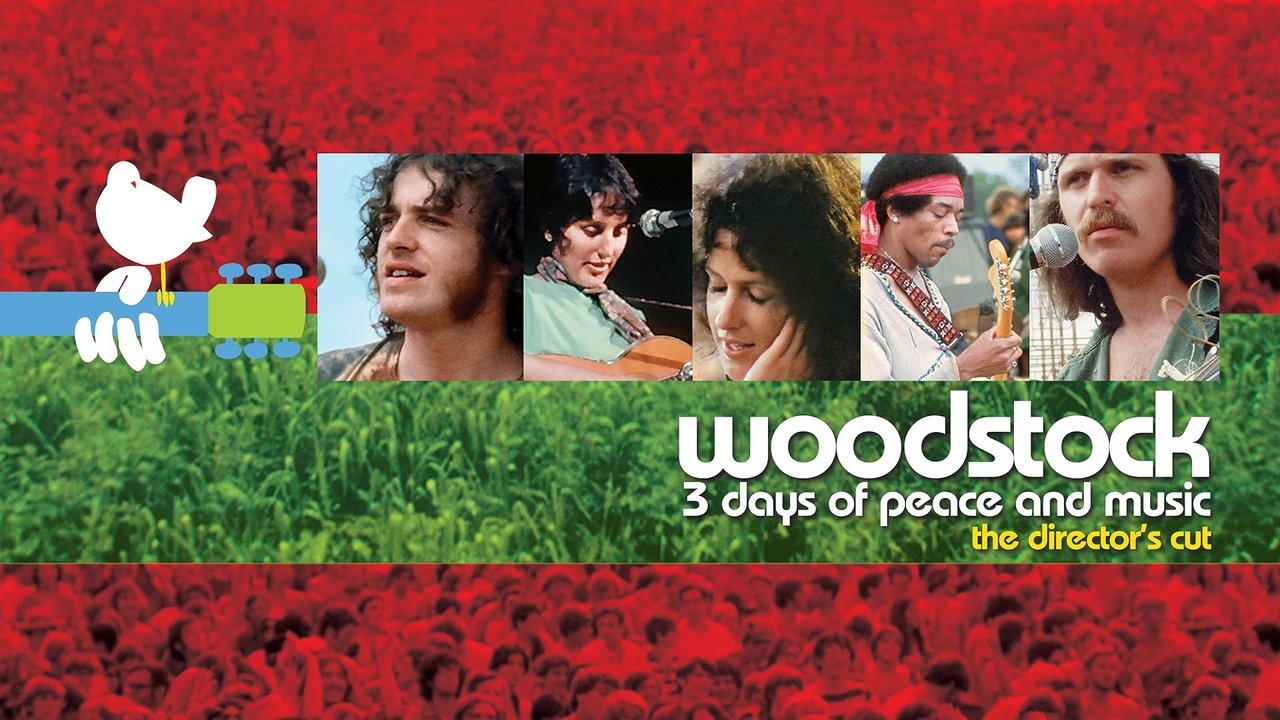
Woodstock (1970), directed by Michael Wadleigh, starring Richie Havens and Joan Baez.
score
3 days of peace, music...and love.
Synopsis
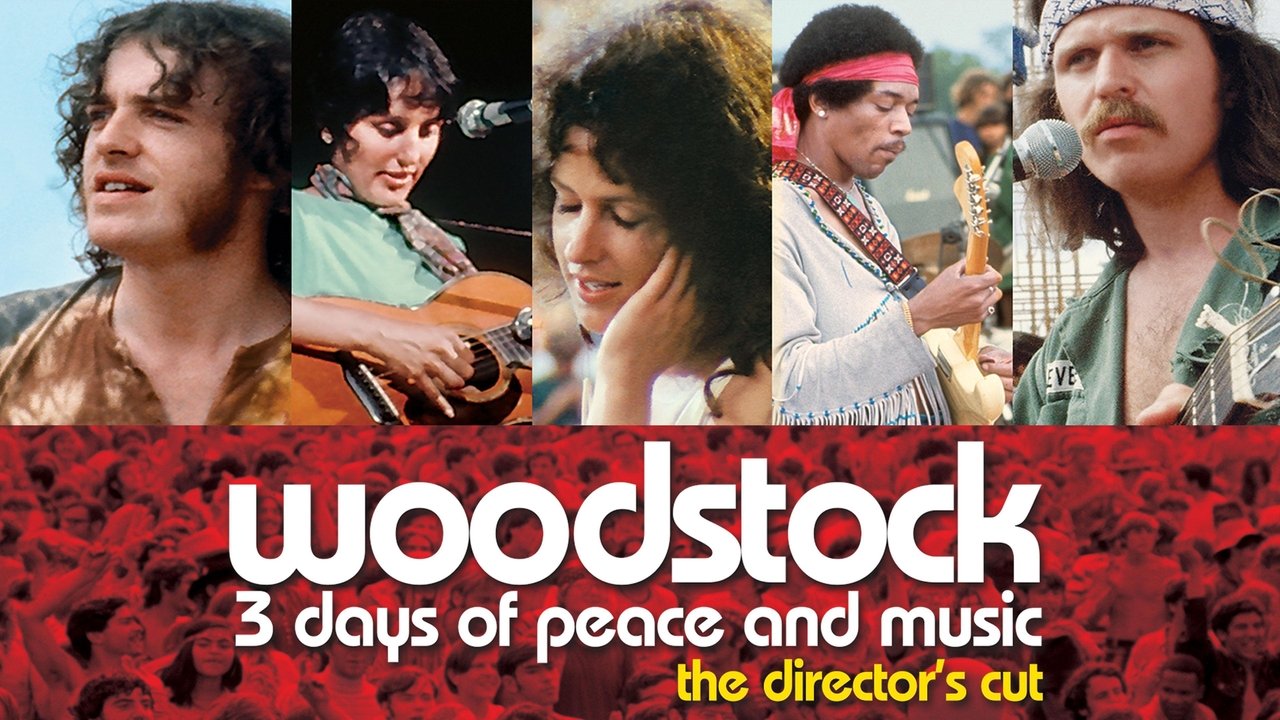
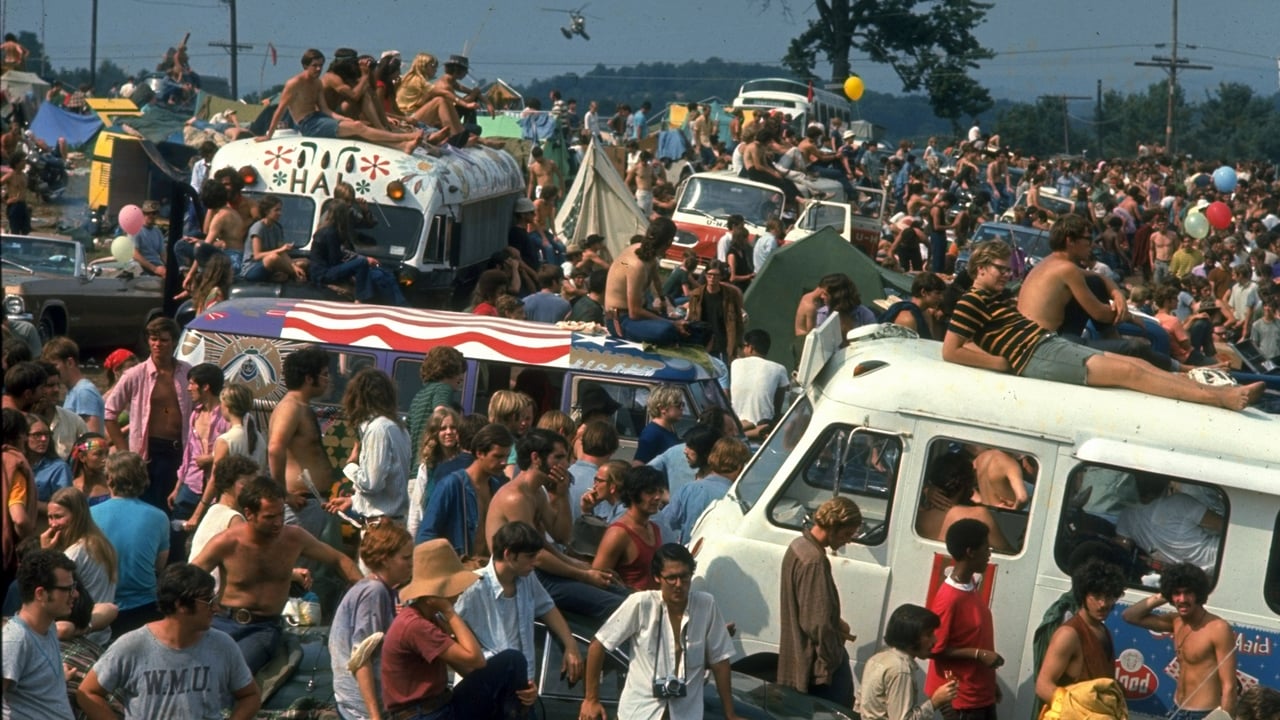
An intimate look at the Woodstock Music & Art Festival held in Bethel, NY in 1969, from preparation through cleanup, with historic access to insiders, blistering concert footage, and portraits of the concertgoers; negative and positive aspects are shown, from drug use by performers to naked fans sliding in the mud, from the collapse of the fences by the unexpected hordes to the surreal arrival of National Guard helicopters with food and medical assistance for the impromptu city of 500,000.
- Malcolm HartCinematography
- Michael MargettsCinematography
- Michael WadleighDirector, Editing, Screenplay
- Jere HugginsEditing
About the film
Woodstock is a 1970 American documentary concert film of the watershed counterculture Woodstock Festival which took place in August 1969 near Bethel, New York.
The film was directed by Michael Wadleigh in his directorial debut. Seven editors are credited, including Thelma Schoonmaker, Martin Scorsese, and Wadleigh. Woodstock was a great commercial and critical success. It received the Academy Award for Best Documentary Feature. Schoonmaker was nominated for the Academy Award for Best Film Editing, a rare distinction for a documentary. Dan Wallin and L. A. Johnson were nominated for the Academy Award for Best Sound. The film was screened at the 1970 Cannes Film Festival, but was not entered into the main competition.
The 1970 theatrical release of the film ran 185 minutes. A director's cut spanning 224 minutes was released in 1994. Both cuts take liberties with the timeline of the festival. However, the opening and closing acts are the same in the film as they appeared on stage; Richie Havens opens the show and Jimi Hendrix closes it.
In 1996, the film was selected for preservation in the United States National Film Registry by the Library of Congress as being "culturally, historically, or aesthetically significant".
An expanded 40th Anniversary Edition of Woodstock, released on June 9, 2009, in Blu-ray and DVD formats, features additional performances not before seen in the film, and it includes lengthened versions of existing performances, such as Creedence Clearwater Revival.
Read the full article (11k characters)
Woodstock is a 1970 American documentary concert film of the watershed counterculture Woodstock Festival which took place in August 1969 near Bethel, New York.
The film was directed by Michael Wadleigh in his directorial debut. Seven editors are credited, including Thelma Schoonmaker, Martin Scorsese, and Wadleigh. Woodstock was a great commercial and critical success. It received the Academy Award for Best Documentary Feature. Schoonmaker was nominated for the Academy Award for Best Film Editing, a rare distinction for a documentary. Dan Wallin and L. A. Johnson were nominated for the Academy Award for Best Sound. The film was screened at the 1970 Cannes Film Festival, but was not entered into the main competition.
The 1970 theatrical release of the film ran 185 minutes. A director's cut spanning 224 minutes was released in 1994. Both cuts take liberties with the timeline of the festival. However, the opening and closing acts are the same in the film as they appeared on stage; Richie Havens opens the show and Jimi Hendrix closes it.
In 1996, the film was selected for preservation in the United States National Film Registry by the Library of Congress as being "culturally, historically, or aesthetically significant".
An expanded 40th Anniversary Edition of Woodstock, released on June 9, 2009, in Blu-ray and DVD formats, features additional performances not before seen in the film, and it includes lengthened versions of existing performances, such as Creedence Clearwater Revival.
Artists
Artists by appearance
* studio recording from an album by the artist
** director's cut only
Artists omitted
Release
The film opened at seven theaters in the United States and Canada on March 26, 1970 (Boston, Coral Gables, Dallas, Los Angeles, New York, Toronto and Washington D.C.) and set opening day house records in each one with grosses totalling $41,633. It opened at a further theater in New York City on April 1.
Reception and legacy
Woodstock received universal acclaim from newspaper and magazine critics in 1970. It was also an enormous box-office smash. The edition of May 20, 1970 of Variety reported it was doing well in its third week in Chicago and San Francisco. In each of those metropolitan areas the movie played at only one cinema during that week, but many thousands showed up. Eventually, after it branched out to more cinemas including more than one per metropolitan area, it grossed $50 million in the United States. The budget for its production was just $600,000, making it not only the fifth highest-grossing film of 1970 but one of the most profitable movies of that year as well.
Decades after its initial release, the film earned a rare 100% "Fresh" rating on Rotten Tomatoes, based on 26 reviews, with a weighted average of 8.70/10. The critical consensus reads: "By documenting arguably the most renowned music festival in history, Woodstock: 3 Days of Peace & Music achieves the rare feat of capturing the unique spirit of its time." Metacritic, which uses a weighted average, assigned the film a score of 95 out of 100, based on 9 critics, indicating "universal acclaim" reviews.
In his original 1970 review, Roger Ebert rated the movie 4 stars (out of 4) and described it as "maybe the best documentary ever made in America", adding "The remarkable thing about Wadleigh's film is that it succeeds so completely in making us feel how it must have been to be there". In 2005 Ebert added Woodstock to his Great Movies list and wrote a retrospective review that stated, "Woodstock is a beautiful, moving, ultimately great film...Now that the period is described as a far-ago time like "the 1920s" or "the 1930s," how touching it is in this film to see the full flower of its moment, of its youth and hope."
In 1996, Woodstock was selected for preservation in the United States National Film Registry by the Library of Congress as being "culturally, historically, or aesthetically significant".
In the science fiction thriller The Omega Man (1971), Colonel Robert Neville (played by Charlton Heston) is seen traveling to a movie theatre in Los Angeles to screen the film for himself alone. Woodstock had been a recent film debuting prior to release of The Omega Man, and had been held over (continuously run) in some theaters for months. Neville darkly remarks the film is so popular it was "held over for the third straight year". As he repeats some of the dialogue verbatim, it is clear that Neville has repeated the ritual many times during the two years that he has believed himself to be the last man alive on Earth.
In a 2009 review, Noel Murray of The A.V. Club graded the DVD release A−, stating "Wadleigh crafted a film with a thoughtful flow; it tells the full story of the event, from the paranoia (and eventual acceptance) of the locals to the helpful attitudes (and eventual paranoia) of the throng. Woodstock runs for more than 20 minutes before Wadleigh even gets to any of the performances, and throughout the film, he cuts away to interviews and montages that map out the scope of the mini-community formed at Woodstock, in all its glories and sadness." Entertainment Weekly called this film the benchmark of concert movies and one of the most entertaining documentaries ever made.
Subsequent editions
25th Anniversary Director's Cut (1994)
Upon the festival's 25th anniversary, in July 1994, a 224 minutes director's cut of the film — subtitled 3 Days of Peace & Music — was released theatrically in cinemas and later on DVD. It added over 40 minutes and included additional performances by Canned Heat, Jefferson Airplane and Janis Joplin. Jimi Hendrix's set at the end of the film was also extended with two additional numbers.
After the closing credits — featuring Crosby, Stills, Nash & Young's "Find the Cost of Freedom" — a list of prominent people from the "Woodstock Generation" who had died is shown, including John F. Kennedy, Malcolm X, Che Guevara, Martin Luther King Jr., Mama Cass Elliot, Jim Morrison, John Lennon, Max Yasgur, Roy Orbison, Abbie Hoffman, Paul Butterfield, Keith Moon, Bob Hite, Richard Manuel, Janis Joplin and Jimi Hendrix. It ends with the epitaph to the right:
40th Anniversary edition (2009)
On June 9, 2009, a 40th-anniversary edition was released in two-disc sets on Blu-ray and DVD, available as both a "Special Edition" and an "Ultimate Collector's Edition". The latter included copious memorabilia. The director's cut was newly remastered in high definition with a 2K scan of the original elements, and provided a new 5.1 audio mix. Among the special features are 18 never-before-seen performances from artists such as Joan Baez, Country Joe McDonald, Santana, The Who, Jefferson Airplane, Canned Heat and Joe Cocker; five of the artists included—Paul Butterfield, Creedence Clearwater Revival, The Grateful Dead, Johnny Winter and Mountain—played at Woodstock but had never appeared in any film version.
The bonus songs, a 143-minute collection of 18 performances presented in standard definition, are entitled "Untold Stories":
Joan Baez: "{I Live} One Day at a Time" (4:17)
Country Joe McDonald: "Flying High" (2:21)
Santana: "Evil Ways" (3:56)
Canned Heat: "I'm Her Man" (5.33)
Canned Heat: "On the Road Again" (10.49)
Mountain: "Beside the Sea" (3:38)
Mountain: "Southbound Train" (6:17)
The Grateful Dead: "Turn on Your Love Light" (37:44)
Creedence Clearwater Revival: "Born on the Bayou" (5:12)
Creedence Clearwater Revival: "I've Put a Spell on You" (4:10)
Creedence Clearwater Revival: "Keep on Chooglin" (9:25)
The Who: "We're Not Going to Take It" (9:07)
The Who: "My Generation" (7:36)
Jefferson Airplane: "3/5 of a Mile in 10 Seconds" (5:40)
Joe Cocker: "Something's Coming On" (4:14)
Johnny Winter: "Mean Town Blues" (10:52)
Paul Butterfield: "Morning Sunrise" (8:26)
Sha Na Na: "Teen Angel" (3:21)
The bonus featurettes, also in standard definition, last 77 minutes. Titled "Woodstock: From Festival to Feature," they cover the festival, the challenges of making the film, its reception and legacy, and other topics:
The Camera
365,000 Feet of Film
Shooting Stage
The Lineup
Holding the Negative Hostage
Announcements
Suits vs. Longhairs
Documenting History
Woodstock: The Journey
Pre-Production
Production
Synchronization
The Crowd
No Rain! No Rain!
3 Days in a Truck
The Woodstock Effect
Living Up to Idealism
World's Longest Optical
Critical Acclaim
The Hog Farm Commune (Courtesy of The Museum at Bethel Woods)
Hugh Hefner and Michael Wadleigh (The Woodstock Connection)
Woodstock: 3 Days of Peace & Music – The Director's Cut, 40th Anniversary Revisited (2014)
This edition contains the same Blu-ray version of the film released in 2009 along with the second Blu-ray disc of bonus features, but the latter are now presented in high definition. The set also adds a third Blu-ray disc with sixteen more previously unreleased performances and eight more featurettes.
The 16 performances, which total 73 minutes, are titled "Untold Stories Revisited":
Melanie: "Mr. Tambourine Man/Tuning My Guitar" (6:18)
Joan Baez: "Oh Happy Day" (3:59)
Joan Baez: "I Shall Be Released" (3:38)
Santana: "Persuasion" (2:55)
Canned Heat: "Woodstock Boogie" (8:38)
The Grateful Dead: "Mama Tried" (2:53)
The Who: "Sparks" (5:25)
The Who: "Pinball Wizard" (2:51)
Jefferson Airplane: "Volunteers" (2:53)
Jefferson Airplane: "Come Back Baby" (5:56)
Country Joe and the Fish: "Not So Sweet Martha Lorraine" (4:23)
Crosby, Stills & Nash: "Helplessly Hoping" (2:27)
Crosby, Stills & Nash: "Marrakesh Express" (2:55)
The Paul Butterfield Blues Band: "Everything's Gonna Be Alright" (8:53)
Sha Na Na: "Book of Love" (2:07)
Jimi Hendrix: "Spanish Castle Magic" (7:09)
The eight featurettes are titled "Woodstock: From Festival to Feature Revisited." They run a total of 32 minutes and cover the festival behind the scenes, its history and legacy, and the restoration of the film:
Restoration
Technical Difficulties
Woodstock: A Turning Point
Food, Lodging & First Aid
Reflections of an Era
Woodstock: A Farm in Bethel
A Cinematic Revolution
The Woodstock Generation
See also
List of American films of 1970
There are two films about the Harlem Cultural Festival that was of roughly equivalent size that ran during July and August 1969.
Black Woodstock, a series of Black pride concerts held in 1969 in Harlem, Manhattan, New York City, New York
Summer of Soul (2021 film)
New Hollywood, American film movement of the mid-1960s to the early 1980s
My Generation (2000 film)
Taking Woodstock (2009 film)
Woodstock Revisited (2009 film)
Summer of Soul (2009 film)
Woodstock 99: Peace, Love, and Rage, 2021 documentary
Trainwreck: Woodstock '99 (2022 miniseries)
References
Bibliography
Kato, M. T. (2007). From Kung Fu to Hip Hop: Globalization, Revolution, and Popular Culture. SUNY Press. ISBN 978-0-7914-6991-0. Cf. pp.82-onward & various.
Saunders, Dave (2007). Direct Cinema: Observational Documentary and the Politics of the Sixties. London: Wallflower Press. ISBN 978-1-905674-16-9.
Bell, Dale, ed. (1999). Woodstock An Inside Look at the Movie that Shook Up the World and Defined a Generation. Studio City: Michael Wiese Productions. ISBN 0-941188-71-X.
External links
Woodstock at IMDb
Woodstock at Rotten Tomatoes
Woodstock at the TCM Movie Database (archived)
Text from Woodstock (film) on Wikipedia, licensed CC BY-SA 4.0. https://en.wikipedia.org/wiki/Woodstock_(film)
Trivia
- It cost US$ 600.000 and grossed US$ 50 million in theaters — 83.3 times its budget.
- It premiered on March 26, 1970, a Thursday.
- It runs 3h45 — well over the usual two hours.
- It won 0 award(s) and received 2 nomination(s) on record at Wikidata — Academy Award for Best Film Editing among them.
- As of September 20, 2026, it is on no subscription service in Brazil — only to rent or buy on Apple TV Store, Amazon Video.
- This film's quiz has 10 questions — enough to play more than once without repeats.
Production
- StudiosWadleigh-Maurice, Warner Bros. Pictures
- CountriesUnited States
- LanguagesEnglish
- BudgetUS$ 600,000
- Box officeUS$ 50,000,000
- StatusReleased
More about this film
Nominations
- Academy Award for Best Film Editing 1971
- Academy Award for Best Sound 1971
Based on
- Woodstock Festival
Where to watch
Videos
Photos
Cast
-
 Richie Havens
Self
Richie Havens
Self -
 Joan Baez
Self
Joan Baez
Self -
 Roger Daltrey
Self - The Who
Roger Daltrey
Self - The Who -
 John Entwistle
Self - The Who
John Entwistle
Self - The Who -
 Keith Moon
Self - The Who
Keith Moon
Self - The Who -
 Pete Townshend
Self - The Who
Pete Townshend
Self - The Who -
 Joe Cocker
Self
Joe Cocker
Self -
 Country Joe McDonald
Self - Country Joe and the Fish
Country Joe McDonald
Self - Country Joe and the Fish -
 Barry Melton
Self - Country Joe and the Fish
Barry Melton
Self - Country Joe and the Fish - Greg Dewey Self - Country Joe and the Fish
- Mark Kapner Self - Country Joe and the Fish
- Doug Metzner Self - Country Joe and the Fish
-
 Arlo Guthrie
Self
Arlo Guthrie
Self -
 David Crosby
Self - Crosby, Stills, Nash & Young
David Crosby
Self - Crosby, Stills, Nash & Young -
 Stephen Stills
Self - Crosby, Stills, Nash & Young
Stephen Stills
Self - Crosby, Stills, Nash & Young -
 Graham Nash
Self - Crosby, Stills, Nash & Young
Graham Nash
Self - Crosby, Stills, Nash & Young -
 Neil Young
Self - Crosby, Stills, Nash & Young
Neil Young
Self - Crosby, Stills, Nash & Young - Ric Lee Self - Ten Years After
- Leo Lyons Self - Ten Years After
-
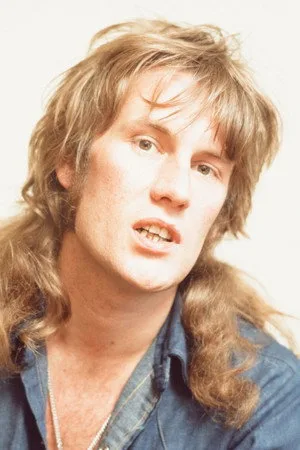 Alvin Lee
Self - Ten Years After
Alvin Lee
Self - Ten Years After
Quiz about this movie
Questions from the whole catalogue.
Play nowIf you liked this one
-
The Beach Boys
 6.7
6.7
-
Selena Gomez: Minha Mente e Eu
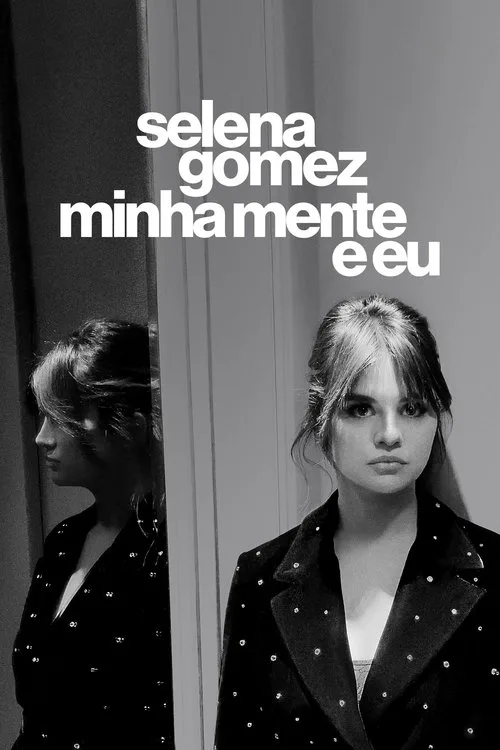 8.5
8.5
-
Beastie Boys Story
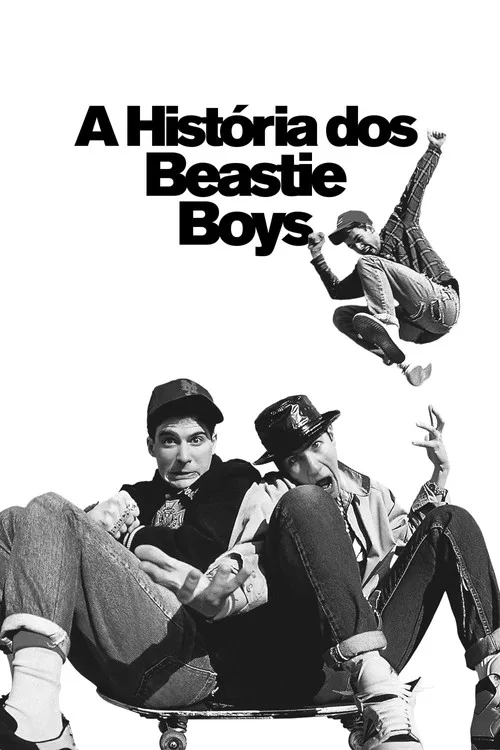 7.5
7.5
-
A Origem dos Red Hot Chili Peppers: Nosso Irmão Hillel
 7.3
7.3
-
Rolling Thunder Revue: A Bob Dylan Story by Martin Scorsese
 7.0
7.0
-
Beatles '64
 6.6
6.6
-
Sympathy for the Devil
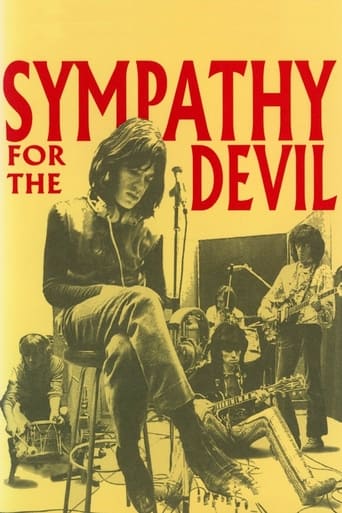 6.3
6.3
-
Woodstock: Three Days That Defined a Generation 9 actors in common
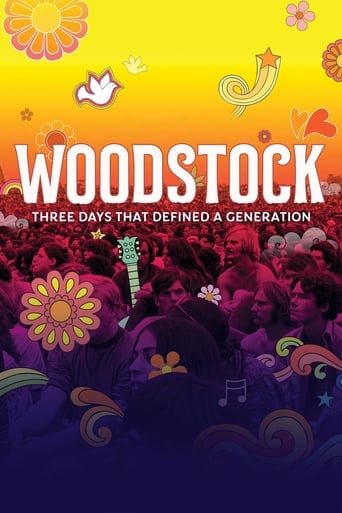 7.3
7.3
-
Summer of Soul (...ou, Quando a Revolução Não Pôde Ser Televisionada)
 7.6
7.6
-
Prince: Sign 'o' the Times
 7.5
7.5
-
Woodstock 99: Paz, Amor e Fúria
 6.5
6.5
-
Imagine: John Lennon
 7.0
7.0
Tags
Crew
- Malcolm Hart Cinematography
- Michael Margetts Cinematography
- Michael Wadleigh Director
- Jere Huggins Editing
- Martin Scorsese Editing
- Michael Wadleigh Editing
- Stanley Warnow Editing
- Thelma Schoonmaker Editing
- Yeu-Bun Yee Editing
- Michael Wadleigh Screenplay
Questions about this film
What is Woodstock about?
Woodstock: An intimate look at the Woodstock Music & Art Festival held in Bethel, NY in 1969, from preparation through cleanup, with historic access to insiders, blistering concert footage, and portraits of the concertgoers; negative and positive aspects are shown, from drug use by performers to naked fans sliding in the mud, fr…
Who directed Woodstock?
Woodstock was directed by Michael Wadleigh in 1970.
Who stars in Woodstock?
The cast of Woodstock includes Richie Havens, Joan Baez, Roger Daltrey, John Entwistle and Keith Moon.
How long is Woodstock?
Woodstock runs for 225 minutes, or 3h45.
How much did Woodstock cost and how much did it make?
Woodstock had a budget of US$ 600,000 and took US$ 50,000,000 at the box office — 83.3 times its cost.
Where can I watch Woodstock?
Woodstock is available on Apple TV Store and Amazon Video. Availability changes often: the list on this page is the most recent we received.
What is Woodstock based on?
Woodstock is based on Woodstock Festival.
Similar films
-
 7.6
7.6
Amy
2015
-
 7.4
7.4
This Is It
2009
-
 8.2
8.2
One Direction: This Is Us
2013
-
 7.9
7.9
Searching for Sugar Man
2012
-
8.5
Selena Gomez: My Mind & Me
2022
-
 7.9
7.9
Koyaanisqatsi
1983
-
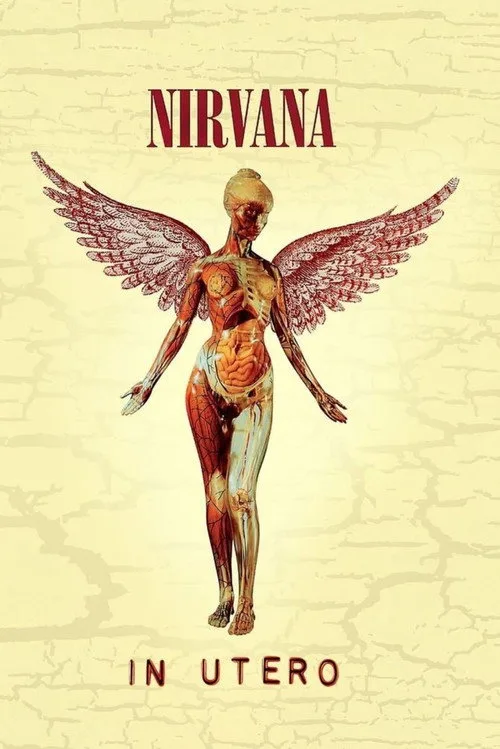 7.6
7.6
Cobain: Montage of Heck
2015
-
 7.8
7.8
Miss Americana
2020
-
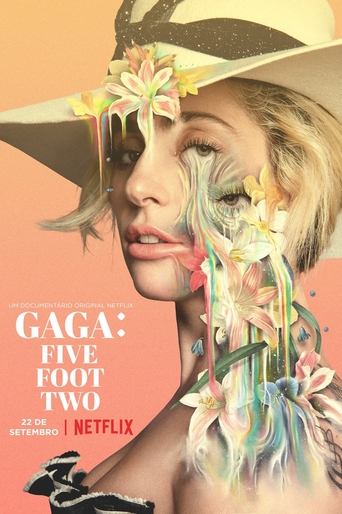 7.4
7.4
Gaga: Five Foot Two
2017
-
 8.2
8.2
BLACKPINK: Light Up the Sky
2020
-
 8.3
8.3
Bring the Soul: The Movie
2019
-
 8.3
8.3
Burn the Stage: The Movie
2018
Page updated on 09/11/2026.
Back to the catalogue