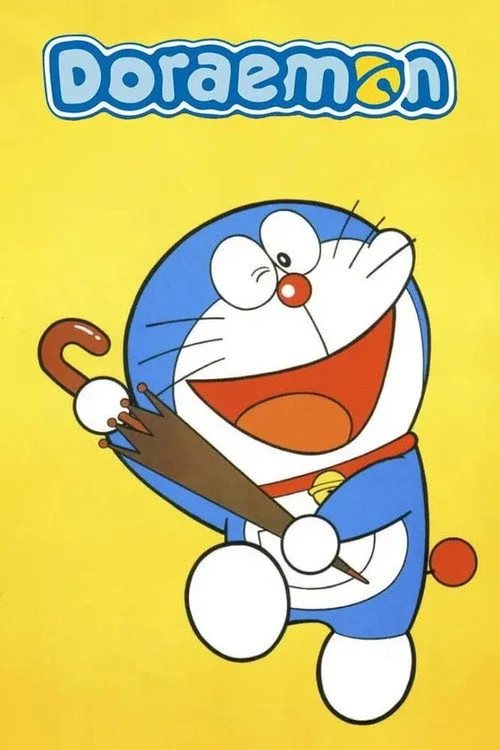
Doraemon (1979)
Synopsis
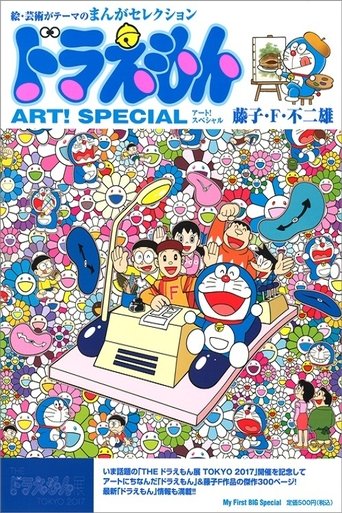
Doraemon is an anime TV series created by Fujiko F. Fujio and based on the manga series of the same name. This anime is the much more successful successor of the 1973 anime.
About the series
Doraemon (ドラえもん, Doraemon) is a Japanese anime television series based on Fujiko F. Fujio's manga of the same name and the successor to the original 1973 anime series. Produced by Shin-Ei Animation, Asatsu-DK and TV Asahi, Doraemon premiered in Japan on April 2, 1979, and has been dubbed for broadcast in 60 countries worldwide. The series lasted 26 years and had over 1,787 episodes and 30 specials, making it the longest of the three animated shows created to date. This Doraemon anime series is sometimes referred to in Asia as the Ōyama Edition (大山版), after Nobuyo Ōyama, the voice actress who voices Doraemon in this series.
Two official English dubs of this anime series have been released, the first of which was called The Adventures of Albert and Sidney, which was produced in Canada by CINAR and aired exclusively in Barbados on CBC TV 8 during the late 1980s and early 1990s. In the United States, the series was planned to air on Superstation WTBS, now known as TBS, but would never premiere for unknown reasons. The second dub was made in Singapore and aired on Channel i & Kids Central from 2002 to 2003 in Singapore. Additionally, an unofficial bootleg English dub by Speedy Video was produced and released exclusively in Malaysia on various VCDs.
Read the full article (4k characters)
Doraemon (ドラえもん, Doraemon) is a Japanese anime television series based on Fujiko F. Fujio's manga of the same name and the successor to the original 1973 anime series. Produced by Shin-Ei Animation, Asatsu-DK and TV Asahi, Doraemon premiered in Japan on April 2, 1979, and has been dubbed for broadcast in 60 countries worldwide. The series lasted 26 years and had over 1,787 episodes and 30 specials, making it the longest of the three animated shows created to date. This Doraemon anime series is sometimes referred to in Asia as the Ōyama Edition (大山版), after Nobuyo Ōyama, the voice actress who voices Doraemon in this series.
Two official English dubs of this anime series have been released, the first of which was called The Adventures of Albert and Sidney, which was produced in Canada by CINAR and aired exclusively in Barbados on CBC TV 8 during the late 1980s and early 1990s. In the United States, the series was planned to air on Superstation WTBS, now known as TBS, but would never premiere for unknown reasons. The second dub was made in Singapore and aired on Channel i & Kids Central from 2002 to 2003 in Singapore. Additionally, an unofficial bootleg English dub by Speedy Video was produced and released exclusively in Malaysia on various VCDs.
Premise
The series follows the titular character, a cat-like robot from the 22nd century who travels to the present day to help an uneducated, naïve, and clumsy 10-year-old elementary school boy named Nobita Nobi to guide him in the proper direction for his future. Nobita's friends include Shizuka Minamoto, his closest friend and love interest, as well as Takeshi "Gian" Gōda and Suneo Honekawa, who, while sometimes kind, frequently abuse and bully him. A typical episode of the series involves Nobita asking Doraemon for a gadget (usually to help him with a personal task or to get back at Gian and Suneo). Normally, these gadgets end up causing chaos for Nobita and those around him.
Cast and characters
Production and broadcast
Following the finale of the 1973 series, the rights to the Doraemon manga were lost, as Nippon TeleMovie Productions, the production studio of the 1973 series, shut down the same day on the broadcast of the show's final episode. However, Daikichirō Kusube gained the author's trust and secured the rights to Tokyo Movie, a production firm where he was in charge of sales at the time.
In late 1976, the rights were transferred to Shin-Ei Animation as Tokyo Movie parted ways with Kusube which led to the latter becoming Tokyo Movie Shinsha. In late 1977, Kusube requested one out of two of the creators of Doraemon, Hiroshi Fujimoto, for permission to produce another anime series based on the manga.
Isao Takahata, whom Kusube had asked to do, prepared a proposal and submitted it to Fujimoto, who agreed with the plan. Shin-Ei Animation originally began selling the rights to Yomiuri TV, where Juichi Sano produced a full-scale proposal, but the idea failed due to a lack of understanding among the station's upper management and were later transferred to advertising agency Asatsu. Doraemon first began airing in Japan on TV Asahi on April 2, 1979.
Episodes
Music
Opening themes
The opening theme used for the weekly Doraemon series airing between 1979 and 2005 was Doraemon no Uta (ドラえもんのうた), which was performed by five different performers over the course of its years:
Two songs were used for a separate weekday Doraemon series which is a part of Fujiko Fujio Theater (藤子不二雄劇場, Fujiko Fujio Gekijoo), the first song being the same as the first song of the weekly series.
Ending themes
The ending themes used for the weekly Doraemon series airing between 1979 and 2005 were:
Three songs were used for the separate weekday Doraemon series. The start and end dates are not listed here, nor are the episodes they ran for.
Notes
References
External links
Doraemon at TV Asahi (in Japanese)
Doraemon (anime) at Anime News Network's encyclopedia
Doraemon (1979 TV series) at IMDb
Text from Doraemon (1979 TV series) on Wikipedia, licensed CC BY-SA 4.0. https://en.wikipedia.org/wiki/Doraemon_(1979_TV_series)
Seasons
-
Temporada 1 1979 · 236 episodes
-
Temporada 2 1980 · 264 episodes

-
Temporada 3 1981 · 157 episodes

-
Temporada 4 1982 · 52 episodes
-
Temporada 5 1983 · 56 episodes
-
Temporada 6 1984 · 53 episodes
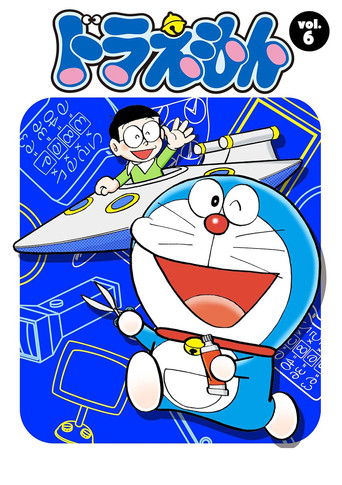
-
Temporada 7 1985 · 53 episodes
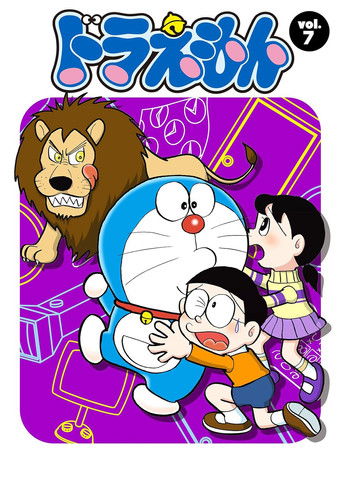
-
Temporada 8 1986 · 52 episodes
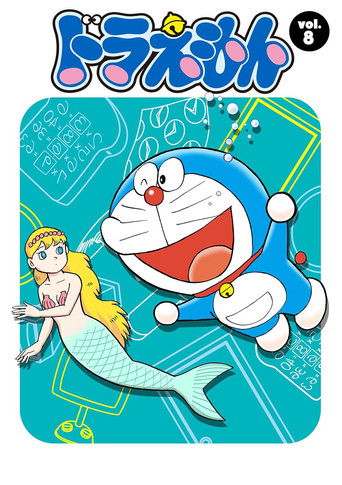
-
Temporada 9 1987 · 61 episodes
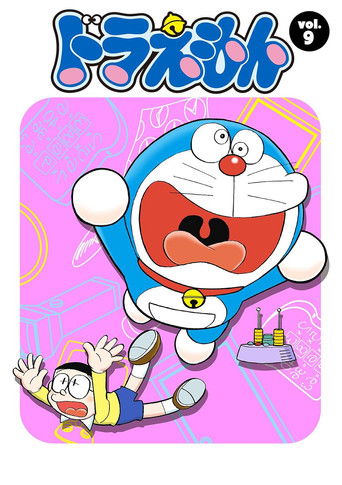
-
Temporada 10 1988 · 50 episodes
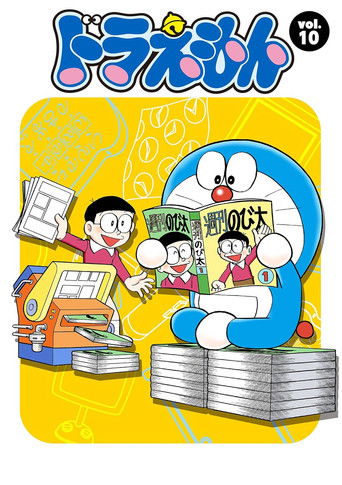
-
Temporada 11 1989 · 54 episodes
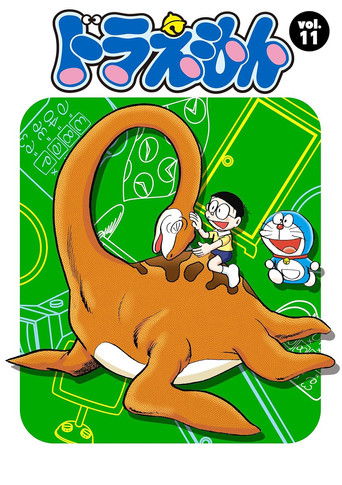
-
Temporada 12 1990 · 51 episodes
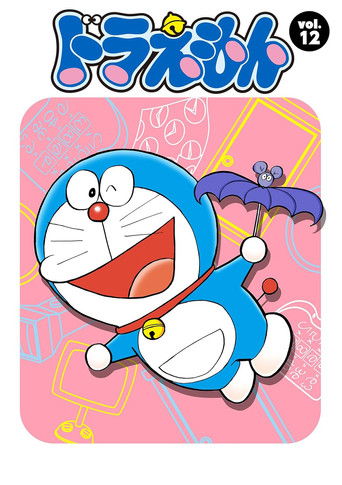
-
Temporada 13 1991 · 51 episodes
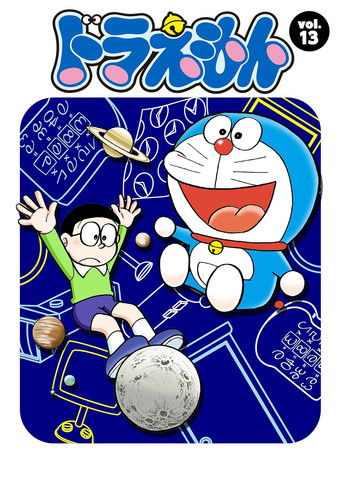
-
Temporada 14 1992 · 51 episodes
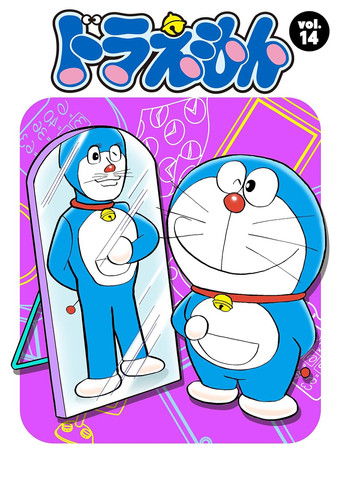
-
Temporada 15 1993 · 70 episodes
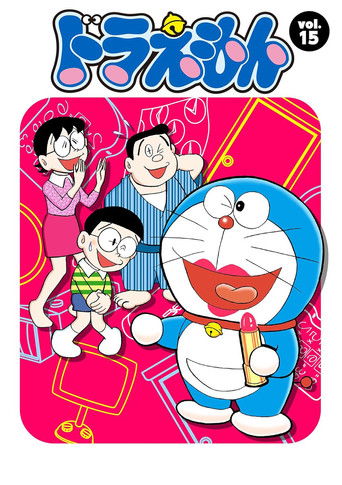
-
Temporada 16 1994 · 51 episodes

-
Temporada 17 1995 · 48 episodes
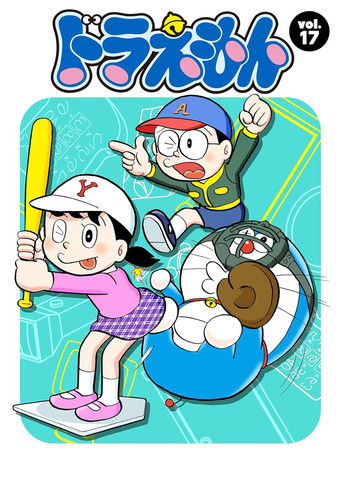
-
Temporada 18 1996 · 48 episodes
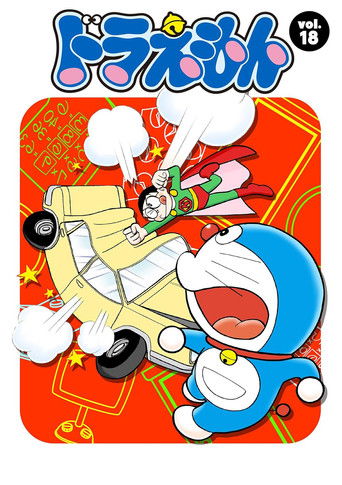
-
Temporada 19 1997 · 51 episodes
-
Temporada 20 1998 · 44 episodes

-
Temporada 21 1999 · 46 episodes
-
Temporada 22 2000 · 40 episodes
-
Temporada 23 2001 · 41 episodes
-
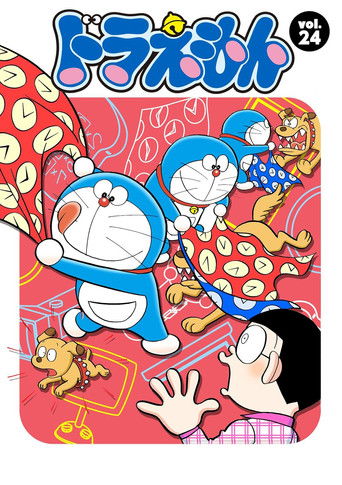
Temporada 24 2002 · 45 episodes
-
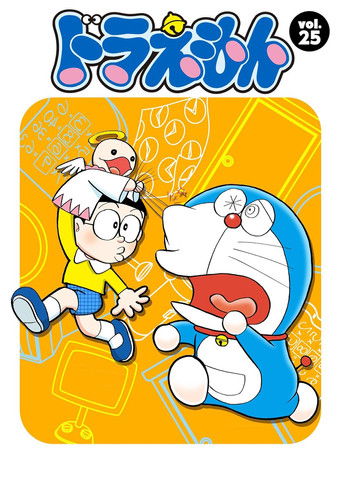
Temporada 25 2003 · 45 episodes
-
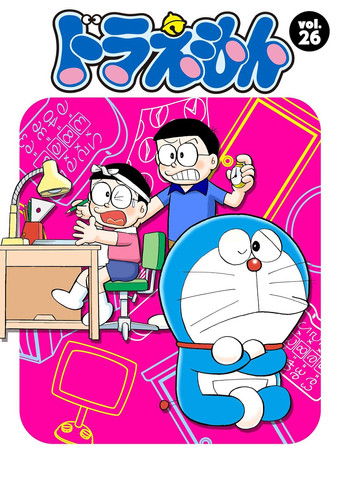
Temporada 26 2004 · 38 episodes
-
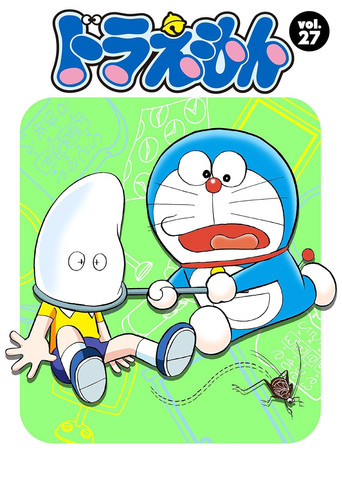
Temporada 27 2005 · 28 episodes
-
Especiais 1979 · 204 episodes
Cast
-
Nobuyo Oyama Doraemon (voice)

-
Noriko Ohara Nobita Nobi (voice)

-
Sachiko Chijimatsu Tamako Nobi (voice)

-
Kaneta Kimotsuki Suneo Honekawa (voice)

-
Michiko Nomura Shizuka Minamoto (voice)

-
Keiko Yokozawa Dorami (voice)

-
Kazuya Tatekabe Takeshi Gouda (voice)

-
Masayuki Kato Nobisuke Nobi (voice)

-
Rei Sakuma mini-Dora (voice)

-
Sumiko Shirakawa Hidetoshi Dekisugi (voice)
Production
- StatusEnded
- Networktv asahi
- CountriesJapan
- titulo_originalドラえもん
- First aired04/02/1979
- votes617
Crew
- Tsutomu Shibayama Director
- Ryo Yasumura Director
- 水出弘一 Writer
Tags
Questions about the series Doraemon
What is Doraemon about?
Doraemon: Doraemon is an anime TV series created by Fujiko F. Fujio and based on the manga series of the same name. This anime is the much more successful successor of the 1973 anime.
How many seasons does Doraemon have?
Doraemon has 27 seasons, with 1836 episodes in total.
Is Doraemon still running?
Doraemon has ended in 2005.
How long is each episode of Doraemon?
Each episode of Doraemon runs about 11 minutes.
Who stars in Doraemon?
The cast of Doraemon includes Nobuyo Oyama, Noriko Ohara, Sachiko Chijimatsu, Kaneta Kimotsuki and Michiko Nomura.
Which country is Doraemon from?
Doraemon is a J-drama, produced in Japan.
Similar dramas
 8.1
8.1
 8.3
8.3
 7.2
7.2
 7.5
7.5
 7.6
7.6
 7.8
7.8
 7.4
7.4
 8.1
8.1
 7.7
7.7
 7.9
7.9
 7.1
7.1
 7.8
7.8
Trivia
- It premiered on April 2, 1979 and the last episode aired on June 24, 2005 — 26 years on air.
- It has 27 season(s) and 1836 episode(s) — about 68 per season.
- It originally aired on tv asahi.
- It is a production from: Japan.
- Its original title is "ドラえもん".
- This series' quiz has 9 questions.
Page updated on 09/13/2026.