Call Me Madam (1953)
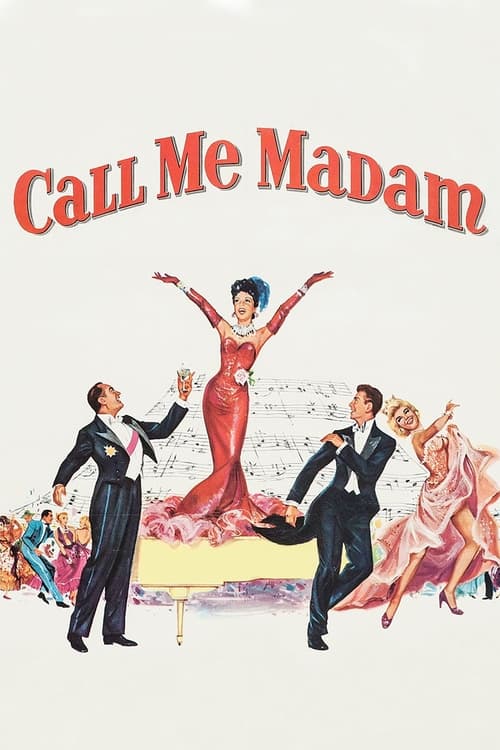
Call Me Madam (1953), directed by Walter Lang, starring Ethel Merman and Donald O'Connor.
score
Synopsis
Washington hostess Sally Adams becomes a Truman-era US ambassador to a European grand duchy.
- Leon ShamroyCinematography
- Walter LangDirector
- Robert L. SimpsonEditing
- Sol C. SiegelProducer
About the film
Call Me Madam is a 1953 American Technicolor musical film directed by Walter Lang, with songs by Irving Berlin, based on the 1950 stage musical of the same name. The film, with a screenplay by Arthur Sheekman, stars Ethel Merman, Donald O'Connor, Vera-Ellen, Billy DeWolfe, George Sanders, and Walter Slezak.
Merman won the Golden Globe Award for Best Actress in a Musical or Comedy. Music director Alfred Newman won the Oscar for Best Scoring of a Musical Picture, and Irene Sharaff was nominated for her costume design. Lang was nominated for Outstanding Directorial Achievement in Motion Pictures by the Directors Guild of America and the Grand Prize at the 1953 Cannes Film Festival; Sheekman's screenplay was nominated Best Written American Musical by the Writers Guild of America.
Read the full article (6k characters)
Call Me Madam is a 1953 American Technicolor musical film directed by Walter Lang, with songs by Irving Berlin, based on the 1950 stage musical of the same name. The film, with a screenplay by Arthur Sheekman, stars Ethel Merman, Donald O'Connor, Vera-Ellen, Billy DeWolfe, George Sanders, and Walter Slezak.
Merman won the Golden Globe Award for Best Actress in a Musical or Comedy. Music director Alfred Newman won the Oscar for Best Scoring of a Musical Picture, and Irene Sharaff was nominated for her costume design. Lang was nominated for Outstanding Directorial Achievement in Motion Pictures by the Directors Guild of America and the Grand Prize at the 1953 Cannes Film Festival; Sheekman's screenplay was nominated Best Written American Musical by the Writers Guild of America.
Soundtrack
The film replaced "Washington Square Dance" with the older "International Rag", and interpolated "What Chance Have I With Love?" from Berlin's Louisiana Purchase (sung and danced by Donald O'Connor). A soundtrack album was released by Decca both as a 10-inch LP and as a set of three 7-inch EPs, and was released on CD in 2004 by Hallmark. "The Hostess with the Mostest'" and "You're Just in Love" are included on the Rhino Records CD set Irving Berlin in Hollywood. The film was out of circulation for many years, but was issued on DVD in 2004.
Plot
A wealthy Washington, D.C., socialite, Sally Adams (Ethel Merman), has political connections and is appointed U.S. ambassador to the tiny country of Lichtenburg, even though nothing in her background qualifies her for the job. A young journalist, Kenneth Gibson (Donald O'Connor), persuades her to let him tag along as her press attaché.
In the duchy of Lichtenburg, the arrival of Ambassador Adams does not sit well with some, particularly chargé d'affaires Pemberton Maxwell (Billy De Wolfe), who is annoyed by many things, including her insistence on being addressed by him as "Madam." A pressing issue in Lichtenburg is that Princess Maria (Vera-Ellen), niece of Grand Duke Otto (Ludwig Stössel) and Grand Duchess Sophie (Lilia Skala), is about to have an arranged marriage to a neighboring land's Prince Hugo (Helmut Dantine), but lacks a sufficient dowry to make their union a fair bargain for both parties.
Knowing her republic's penchant for foreign aid, Sally is approached by Prime Minister Sebastian (Steven Geray) about asking her friend President Truman for a loan of $100 million, to the consternation of Lichtenburg's foreign minister, General Constantine (George Sanders), who wants his country to be independent and self-reliant. Sally finds herself attracted to Constantine, while after a chance meeting in a department store, Kenneth has developed a very impractical romantic interest in Princess Maria, who finds him charming as well.
After Prime Minister Sebastian informs Washington of Mrs. Adams’ interference in the royal wedding, she returns on the first boat home. At one of her social events, she is pleased to hear Constantine is among the guests, then disheartened at learning he has brought along a female companion. A happy ending for all ensues, however, when his date turns out to be Maria, who is willing to marry Kenneth and abdicate her royal title. Sally's future with Constantine seems assured, too.
Cast
Production
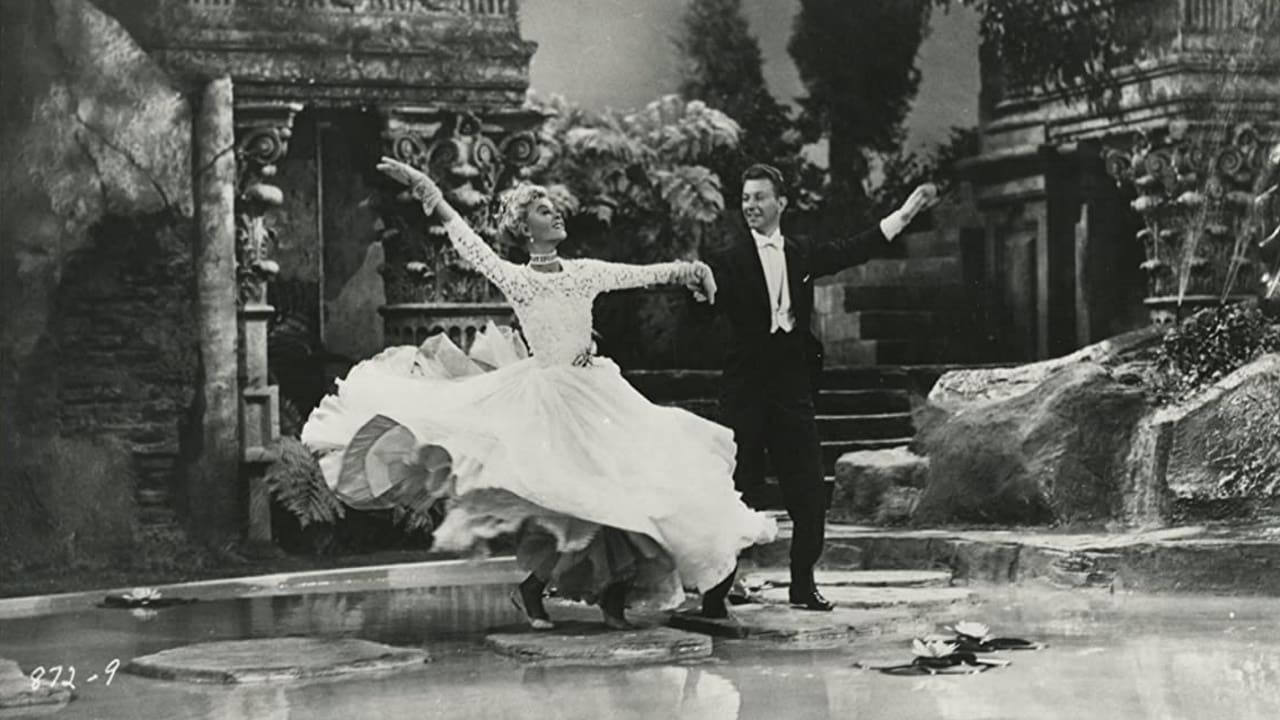
O'Connor later said the film contained his best dancing.
We did some beautiful numbers. The one with the castle all broken down, and around the water, was beautiful music beautifully choreographed. Working with Vera Ellen was such a joy. And there’s one they cut out [when the movie is shown] on television. It had everything: a very fast two-person number, tap dancing. If you see the picture in its entirety, you’ll see it. That was, for me, my best dancing.
Reception
Contemporary reviews were mostly positive. Bosley Crowther of The New York Times called the film "an admirable duplication of the show as presented on the stage. And in it, the wonderful Miss Merman is better than ever—in spades!" Variety praised the film as a "literate musical" with Merman "at her robust best with a tune," though "in a few spots the editing could have been tighter." Harrison's Reports called it "as entertaining a musical comedy as has been seen on the screen in many seasons." John McCarten of The New Yorker was mostly favorable, writing: "There is no point at this late date in commenting on any performance of Miss Merman's. On this occasion, as usual, her voice is as big as all outdoors, her manner confidently low-down, and her sense of comedy remarkable. I'm not so sure, though, that the book of 'Call Me Madam' is varied enough to harness all her energy." Orval Hopkins of The Washington Post wrote: "This is one you ought to see. There may have been better musicals, with better dancing, better books and better songs (there are a couple of Irving Berlin scores that beat this one, in my opinion). But they didn't have Ethel Merman." The Monthly Film Bulletin called the film "a disappointment," writing that Berlin's tunes were "not among his best" and that Merman "lacks variety. Probably she was better on the stage, for her fairly inflexible theatrical technique emphasizes, in a film, her limitations."
Awards and nominations
Soundtrack
All written by Irving Berlin:
See also
Perle Mesta, the musical was inspired by the appointment of Mesta as ambassador to Luxembourg.
References
External links
Call Me Madam at IMDb
Call Me Madam at the TCM Movie Database (archived)
Call Me Madam at the AFI Catalog of Feature Films
Text from Call Me Madam (film) on Wikipedia, licensed CC BY-SA 4.0. https://en.wikipedia.org/wiki/Call_Me_Madam_(film)
Trivia
- It premiered on March 25, 1953, a Wednesday.
- It runs 1h56 — a typical feature length.
- It won 1 award(s) and received 2 nomination(s) on record at Wikidata — Academy Award for Best Original Musical Score among them.
- This film's quiz has 13 questions — enough to play more than once without repeats.
Production
- Studios20th Century Fox
- CountriesUnited States
- LanguagesEnglish
- StatusReleased
More about this film
Awards
- Academy Award for Best Original Musical Score 1954
Nominations
- Academy Award for Best Original Musical Score 1954
- Academy Award for Best Costume Design, Color 1954
Based on
- Call Me Madam
Set in
- Europe
Cast
-
 Ethel Merman
Sally Adams
Ethel Merman
Sally Adams -
 Donald O'Connor
Kenneth Gibson
Donald O'Connor
Kenneth Gibson -
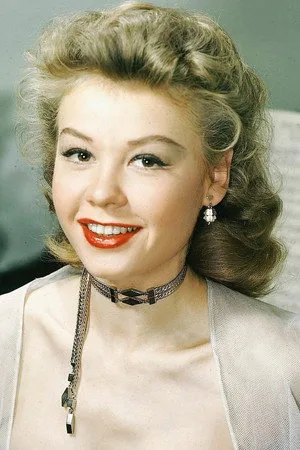 Vera-Ellen
Princess Maria
Vera-Ellen
Princess Maria -
 George Sanders
Cosmo Constantine
George Sanders
Cosmo Constantine -
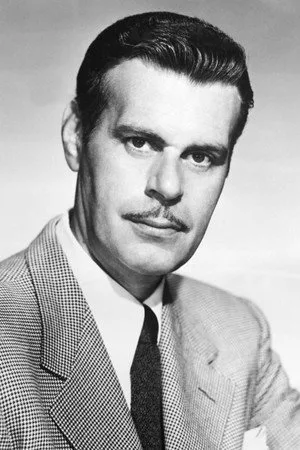 Billy De Wolfe
Pemberton Maxwell
Billy De Wolfe
Pemberton Maxwell -
 Helmut Dantine
Prince Hugo
Helmut Dantine
Prince Hugo -
 Walter Slezak
August Tantinnin
Walter Slezak
August Tantinnin -
 Steven Geray
Prime Minister Sebastian
Steven Geray
Prime Minister Sebastian -
 Ludwig Stössel
Grand Duke Otto
Ludwig Stössel
Grand Duke Otto -
 Lilia Skala
Grand Duchess Sophie
Lilia Skala
Grand Duchess Sophie -
 Charles Dingle
Senator Brockway
Charles Dingle
Senator Brockway -
 Emory Parnell
Senator Gallagher
Emory Parnell
Senator Gallagher -
 Percy Helton
Senator Wilkins
Percy Helton
Senator Wilkins -
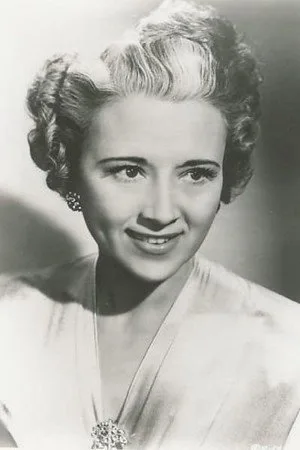 Bess Flowers
Lady Seated Behind Duchess (uncredited)
Bess Flowers
Lady Seated Behind Duchess (uncredited) - Oskar Beregi Chamberlain (uncredited)
-
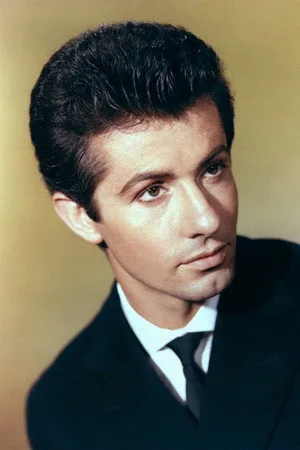 George Chakiris
Dancer in The Ocarina Number (uncredited)
George Chakiris
Dancer in The Ocarina Number (uncredited) - James Conaty Guest at Sally's Party (uncredited)
-
 Sayre Dearing
Ball Guest (uncredited)
Sayre Dearing
Ball Guest (uncredited) - Sam Harris Townsman at Fair (uncredited)
-
 Torben Meyer
Rudolph (uncredited)
Torben Meyer
Rudolph (uncredited)
Quiz about this movie
Questions from the whole catalogue.
Play nowIf you liked this one
-
Minha Família Quer que Eu Case
 6.1
6.1
-
Amor, Casamentos e Outros Desastres
 6.0
6.0
-
Ah, a Amizade…
 6.3
6.3
-
Temporada de Casamentos
 6.3
6.3
-
Encontro Marcado
 7.1
7.1
-
Amor em Little Italy
 6.6
6.6
-
Confusões Amorosas
 6.7
6.7
-
O Amor Está no Ar
 6.2
6.2
-
O Segredo do Sucesso
 5.9
5.9
-
Metas de Relacionamento
 6.3
6.3
-
Boot Camp
 6.1
6.1
-
A Paris Errada
 6.7
6.7
Crew
- Leon Shamroy Cinematography
- Walter Lang Director
- Robert L. Simpson Editing
- Sol C. Siegel Producer
- Irving Berlin Original music
- Arthur Sheekman Screenplay
Questions about this film
What is Call Me Madam about?
Call Me Madam: Washington hostess Sally Adams becomes a Truman-era US ambassador to a European grand duchy.
Who directed Call Me Madam?
Call Me Madam was directed by Walter Lang in 1953.
Who stars in Call Me Madam?
The cast of Call Me Madam includes Ethel Merman, Donald O'Connor, Vera-Ellen, George Sanders and Billy De Wolfe.
How long is Call Me Madam?
Call Me Madam runs for 116 minutes, or 1h56.
What is Call Me Madam based on?
Call Me Madam is based on Call Me Madam.
What awards did Call Me Madam win?
Call Me Madam has 1 recorded awards, among them Academy Award for Best Original Musical Score.
Similar films
 8.5
8.5
 7.9
7.9
 7.9
7.9
 7.3
7.3
 7.0
7.0
 7.2
7.2
 7.3
7.3
 7.6
7.6
 7.3
7.3
 6.6
6.6
 7.6
7.6
 7.2
7.2
Page updated on 09/15/2026.
Back to the catalogue