Forbidden Games (1952)
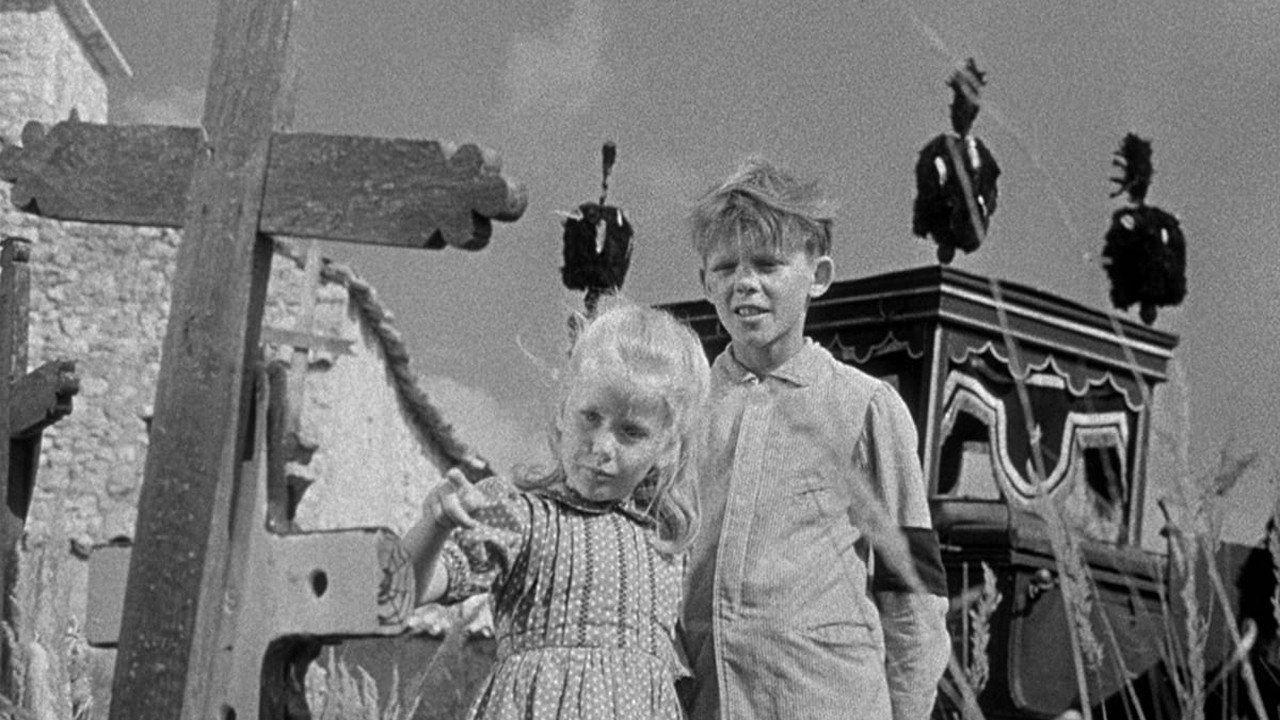
Forbidden Games (1952), directed by René Clément, starring Brigitte Fossey and Georges Poujouly.
score
War ... and how it affects the lives of our children
Synopsis
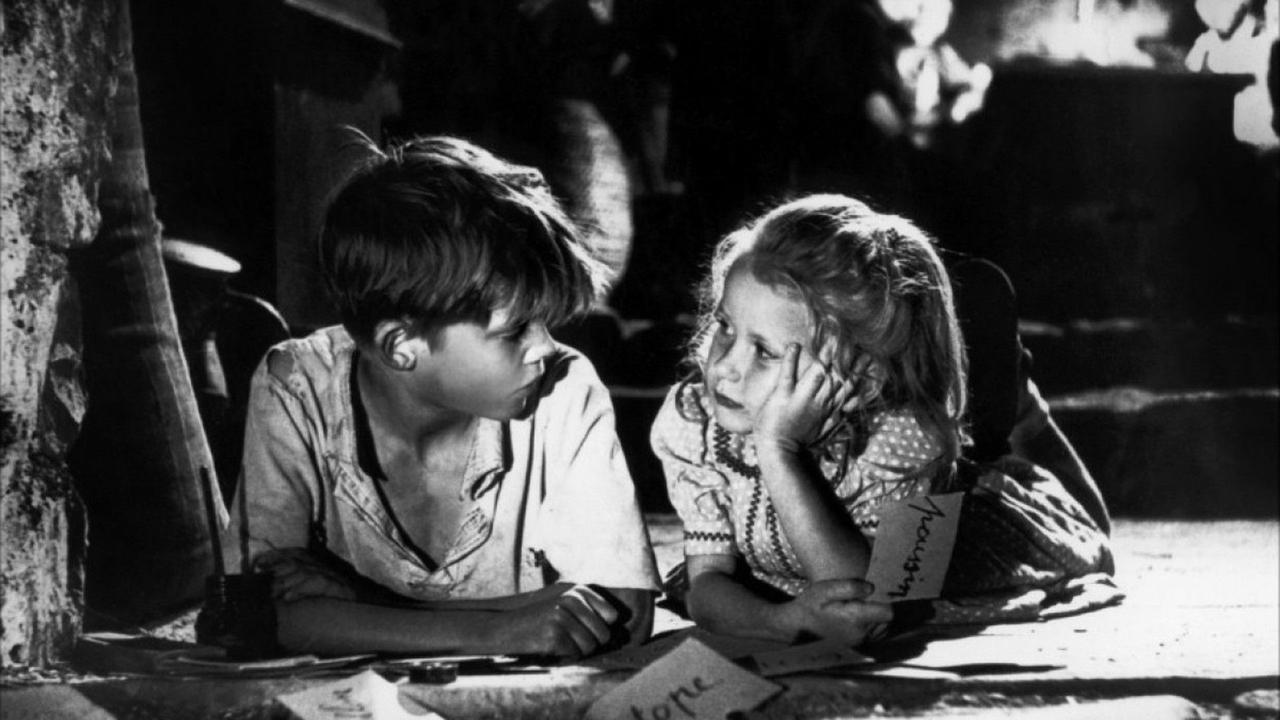
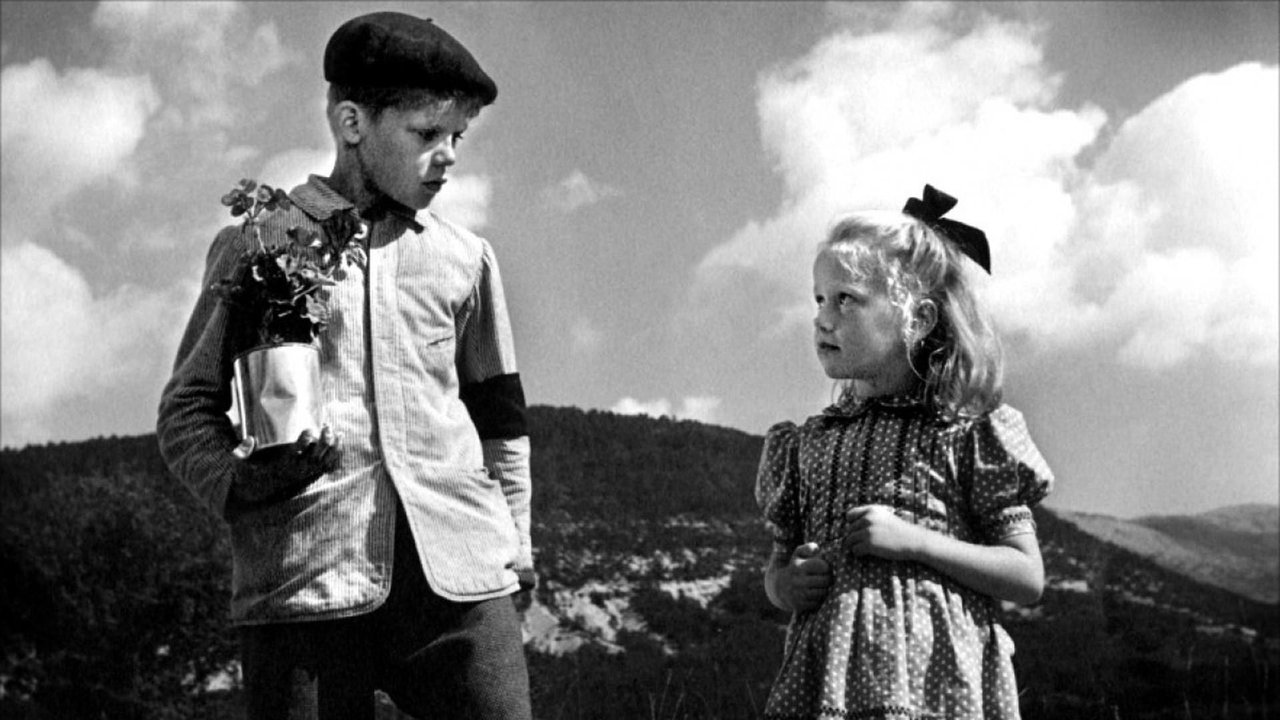
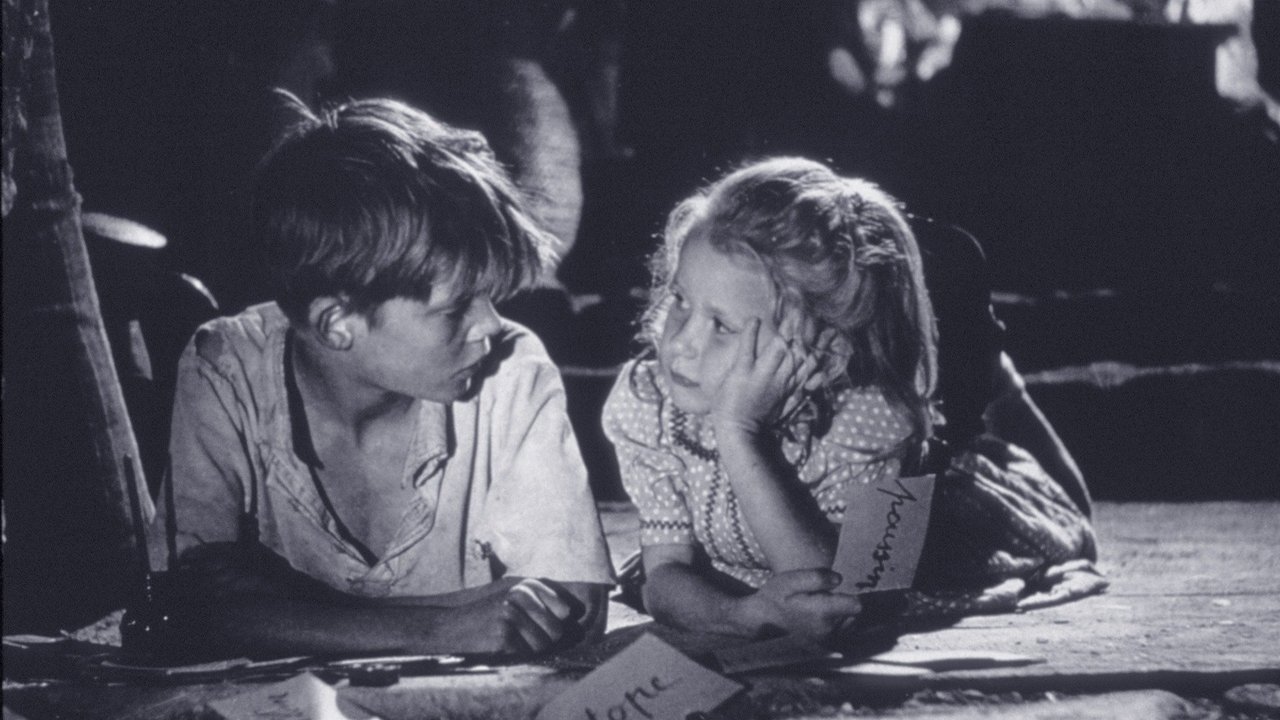
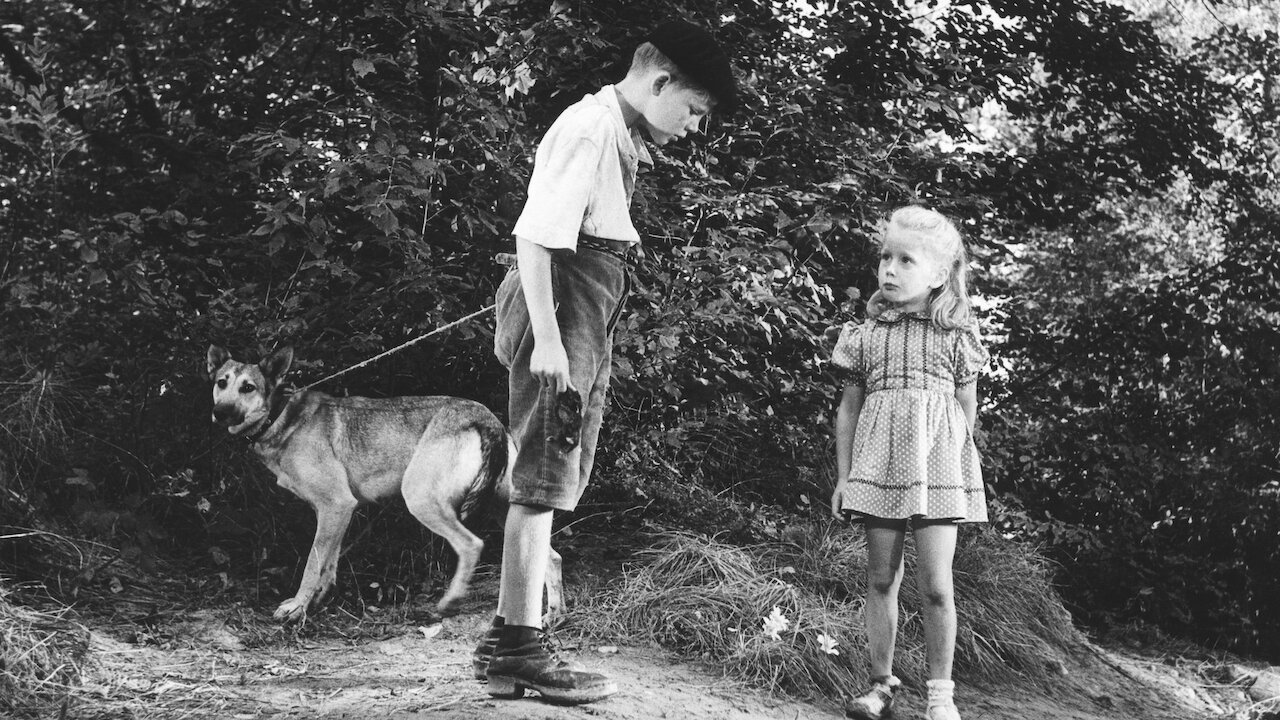
Orphaned after a Nazi air raid, Paulette, a young Parisian girl, runs into Michel, an older peasant boy, and the two quickly become close. Together, they try to make sense of the chaotic and crumbling world around them, attempting to cope with death as they create a burial ground for Paulette's deceased pet dog. Eventually, however, Paulette's stay with Michel's family is threatened by the harsh realities of wartime.
- Robert JuillardCinematography
- René ClémentDirector, Screenplay
- Roger DwyreEditing
- Robert DorfmannProducer
About the film
Forbidden Games (French: Jeux Interdits) is a 1952 French war drama film directed by René Clément and based on François Boyer's novel Les Jeux Interdits.
While not initially successful in France, the film was a hit elsewhere. It won the Golden Lion at the Venice Film Festival, a Special Award as Best Foreign Language Film in the United States, and a Best Film from any Source at the British Academy Film Awards.
Read the full article (5k characters)
Forbidden Games (French: Jeux Interdits) is a 1952 French war drama film directed by René Clément and based on François Boyer's novel Les Jeux Interdits.
While not initially successful in France, the film was a hit elsewhere. It won the Golden Lion at the Venice Film Festival, a Special Award as Best Foreign Language Film in the United States, and a Best Film from any Source at the British Academy Film Awards.
Plot
It is June 1940, during the Battle of France. After five-year-old Paulette's parents and pet dog die in a German air attack on a column of refugees fleeing Paris, the traumatized child meets 10-year-old Michel Dollé whose peasant family takes her in. She quickly becomes attached to Michel. The two attempt to cope with the death and destruction that surrounds them by secretly building a small cemetery among the ruins of an abandoned watermill, where they bury her dog and start to bury other animals, marking their graves with crosses stolen from a local graveyard, including one belonging to Michel's brother. Michel's father first suspects that Michel's brother's cross was stolen from the graveyard by his neighbour. Eventually, the father finds out that Michel has stolen the cross.
Meanwhile, the French gendarmes come to the Dollé household in order to take Paulette. Michel cannot bear the thought of her leaving and tells his father that he would tell him where the stolen crosses are, but in return he should not give Paulette to the gendarmes. When his father doesn't keep his promise, Michel destroys the crosses by throwing them into the stream. Paulette ends up going to a Red Cross camp, but at the end of the film is seen running away into a crowd of people in the camp, crying for Michel and then for her mother.
Cast
Reception
The film was widely praised among critics, whose "howling protests" were heard at the 1952 Cannes Film Festival where it was not an "official entry of France"; instead, it was "screened on the fringe of the Competition."
The film was entered into competition at the 13th Venice International Film Festival; festival organizers at first considered the film ineligible because it had been screened at Cannes; it ended up receiving the Golden Lion, the Festival's highest prize.
Upon its release, it was lambasted by some, who said it was a "vicious and unfair picture of the peasantry of France"; in France, 4,910,835 theater tickets were sold, making it the most successful film at the French box office in 1952. Following its December 1952 release in the United States, Bosley Crowther called it a film with "the irony of a Grand Illusion, the authenticity of a Harvest and the finesse of French films at their best"; according to Crowther, the film is a "brilliant and devastating drama of the tragic frailties of men, clear and uncorrupted by sentimentality or dogmatism in its candid view of life."
At the 25th Academy Awards, Forbidden Games won an out-of-competition Special Award as Best Foreign Language Film. In December 1952, at the 24th National Board of Review Awards it was chosen as one of that year's five top foreign films. At the 1952 New York Film Critics Circle Awards, it won for Best Foreign Language Film.
In 1954, it was BAFTA's Best Film from any Source; in 1955, at the 27th Academy Awards, François Boyer was nominated for an Academy Award for Best Story; Philip Yordan won, for his work on Broken Lance.
Decades after its release, David Ehrenstein called it "deeply touching" and wrote: "Fossey's is quite simply one of the most uncanny pieces of acting ever attempted by a youngster. Clément’s sensitivity doubtless accounts for much of what we see here, but the rest is clearly Fossey’s own."
Forbidden Games has an approval rating of 100% on review aggregator website Rotten Tomatoes, based on 19 reviews, and an average rating of 8.8/10.
Roger Ebert added the film to his Great Movies collection in 2005, writing: "Movies like Clement's "Forbidden Games" cannot work unless they are allowed to be completely simple, without guile, transparent. Despite the scenes I have described, it is never a tear-jerker. It doesn't try to create emotions, but to observe them."
Soundtrack
The main theme of the soundtrack is a guitar arrangement of the melody "Romance," performed by Narciso Yepes.
Home media
Forbidden Games was released on Laserdisc in 1988 by Criterion Collection (under license of Turner and MGM/UA Home Video), who later also released it on DVD in 2004 by license of Warner Bros. and Turner Entertainment Co.
References
External links
Forbidden Games at IMDb
Forbidden Games at Rotten Tomatoes
Forbidden Games: Death and the Maiden an essay by Peter Matthews at the Criterion Collection
Text from Forbidden Games on Wikipedia, licensed CC BY-SA 4.0. https://en.wikipedia.org/wiki/Forbidden_Games
Trivia
- It grossed US$ 10.188 worldwide.
- It premiered on May 9, 1952, a Friday.
- It runs 1h26 — a typical feature length.
- Its original title is "Jeux interdits".
- It won 3 award(s) and received 2 nomination(s) on record at Wikidata — BAFTA Award for Best Film among them.
- As of September 20, 2026, it is available in Brazil by subscription on Belas Artes à La Carte.
- This film's quiz has 15 questions — enough to play more than once without repeats.
Production
- StudiosSilver Films
- CountriesFrance
- LanguagesFrench
- Box officeUS$ 10,188
- StatusReleased
More about this film
Awards
- BAFTA Award for Best Film 1954
- Golden Lion 1952
- Academy Honorary Award 1952
Nominations
- Academy Award for Best Story 1955
- BAFTA Award for Best Film 1954
Filming locations
- Aiguines
- Puget-Théniers
- La Foux
- Pont d'Aiguines
- Studios de la Victorine
Set in
- France
Where to watch
Photos
Cast
-
 Brigitte Fossey
Paulette
Brigitte Fossey
Paulette -
 Georges Poujouly
Michel Dolle
Georges Poujouly
Michel Dolle - Philippe de Chérisey Francis Gouard
-
 Laurence Badie
Berthe Dolle
Laurence Badie
Berthe Dolle - Suzanne Courtal Madame Dolle
-
 Lucien Hubert
Monsieur Dolle
Lucien Hubert
Monsieur Dolle -
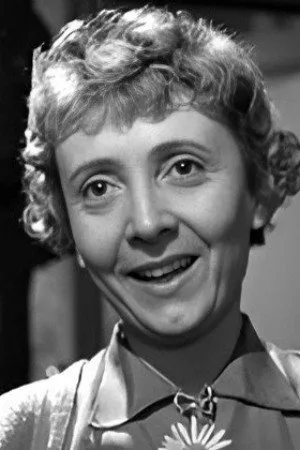 Madeleine Barbulée
Red Cross Nun
Madeleine Barbulée
Red Cross Nun -
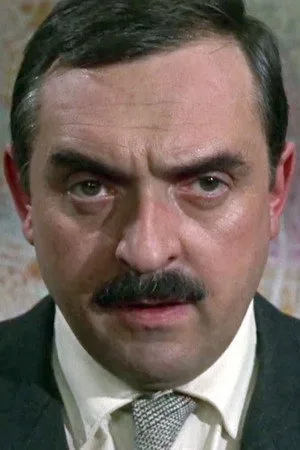 Jacques Marin
Georges Dolle
Jacques Marin
Georges Dolle - Pierre Merovée Raymond Dolle
-
 Denise Péronne
Jeanne Gouard
Denise Péronne
Jeanne Gouard - Violette Monnier Renée Dollé
- Fernande Roy L'autre fille Gouard
- Louis Saintève Le prêtre
-
 André Wasley
Gouard - le voisin
André Wasley
Gouard - le voisin - Amédée Francis Gouard
- Marcel Mérovée Raymond Dollé
- André Enard Le premier gendarme (uncredited)
- Marcelle Feuillade La mère de Paulette (uncredited)
- Roger Fossey Le père de Paulette (uncredited)
-
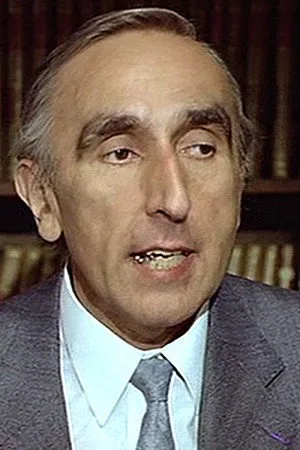 Bernard Musson
Le deuxième gendarme (uncredited)
Bernard Musson
Le deuxième gendarme (uncredited)
Quiz about this movie
Questions from the whole catalogue.
Play nowIf you liked this one
-
Adeus, Meninos
 7.5
7.5
-
Os Meninos Que Enganavam Nazistas
 7.8
7.8
-
Uma Casa à Beira-mar
 6.5
6.5
-
Esperança e Glória
 6.9
6.9
-
Coragem e Esperança
 7.3
7.3
-
The Future Awaits
 7.4
7.4
-
A Grande Fuga
 6.6
6.6
-
Pássaro Branco: Uma História de Extraordinário
 7.8
7.8
-
Sobrevivendo Com Lobos
 6.3
6.3
-
Os Mortos Não Matam
 6.5
6.5
-
Nos Vemos no Paraíso
 7.8
7.8
-
O Último Suspiro
 6.3
6.3
Tags
Crew
- Robert Juillard Cinematography
- René Clément Director
- Roger Dwyre Editing
- Robert Dorfmann Producer
- Narciso Yepes Original music
- François Boyer Screenplay
- François Boyer Story
- René Clément Screenplay
Questions about this film
What is Forbidden Games about?
Forbidden Games: Orphaned after a Nazi air raid, Paulette, a young Parisian girl, runs into Michel, an older peasant boy, and the two quickly become close. Together, they try to make sense of the chaotic and crumbling world around them, attempting to cope with death as they create a burial ground for Paulette's deceased pet dog. Event…
Who directed Forbidden Games?
Forbidden Games was directed by René Clément in 1952.
Who stars in Forbidden Games?
The cast of Forbidden Games includes Brigitte Fossey, Georges Poujouly, Philippe de Chérisey, Laurence Badie and Suzanne Courtal.
How long is Forbidden Games?
Forbidden Games runs for 86 minutes, or 1h26.
Where can I watch Forbidden Games?
Forbidden Games is available on Belas Artes à La Carte. Availability changes often: the list on this page is the most recent we received.
What awards did Forbidden Games win?
Forbidden Games has 3 recorded awards, among them BAFTA Award for Best Film, Golden Lion and Academy Honorary Award.
Similar films
 8.2
8.2
 8.0
8.0
 8.6
8.6
 8.2
8.2
 7.5
7.5
 8.2
8.2
 7.5
7.5
 8.0
8.0
 8.4
8.4
 7.8
7.8
 7.9
7.9
 8.1
8.1
Page updated on 09/09/2026.
Back to the catalogue