

Au Revoir les Enfants (1987)
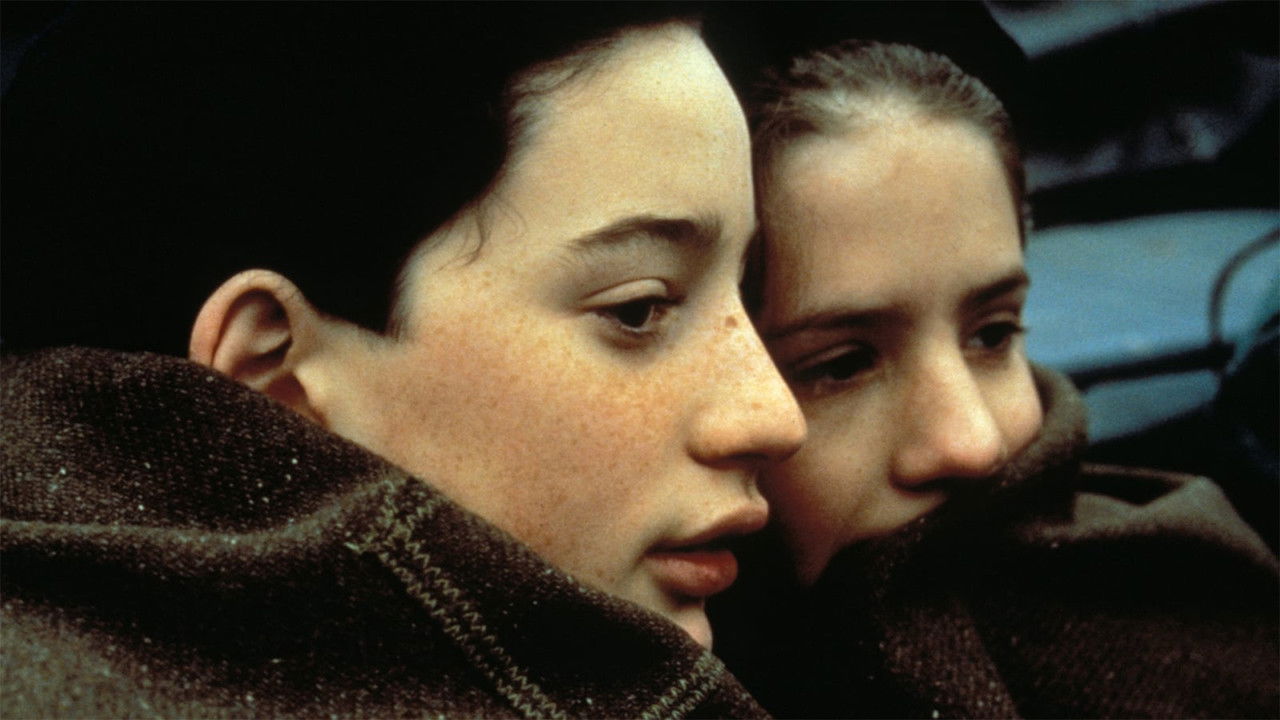
Au Revoir les Enfants (1987), directed by Louis Malle, starring Gaspard Manesse and Raphael Fejtö.
score
Synopsis
Au revoir les enfants tells a heartbreaking story of friendship and devastating loss concerning two boys living in Nazi-occupied France. At a provincial Catholic boarding school, the precocious youths enjoy true camaraderie—until a secret is revealed. Based on events from writer-director Malle’s own childhood, the film is a subtle, precisely observed tale of courage, cowardice, and tragic awakening.
- Renato BertaCinematography
- Louis MalleDirector, Producer, Screenplay
- Emmanuelle CastroEditing
About the film
Au revoir les enfants (French pronunciation: [o ʁə.vwaʁ le zɑ̃.fɑ̃], meaning "Goodbye, Children") is an autobiographical 1987 film written, produced, and directed by Louis Malle. It is based on the actions of Père Jacques, a French priest and headmaster who attempted to shelter Jewish children during the Holocaust. The film won the Golden Lion at the Venice Film Festival.
Read the full article (7k characters)
Au revoir les enfants (French pronunciation: [o ʁə.vwaʁ le zɑ̃.fɑ̃], meaning "Goodbye, Children") is an autobiographical 1987 film written, produced, and directed by Louis Malle. It is based on the actions of Père Jacques, a French priest and headmaster who attempted to shelter Jewish children during the Holocaust. The film won the Golden Lion at the Venice Film Festival.
Plot
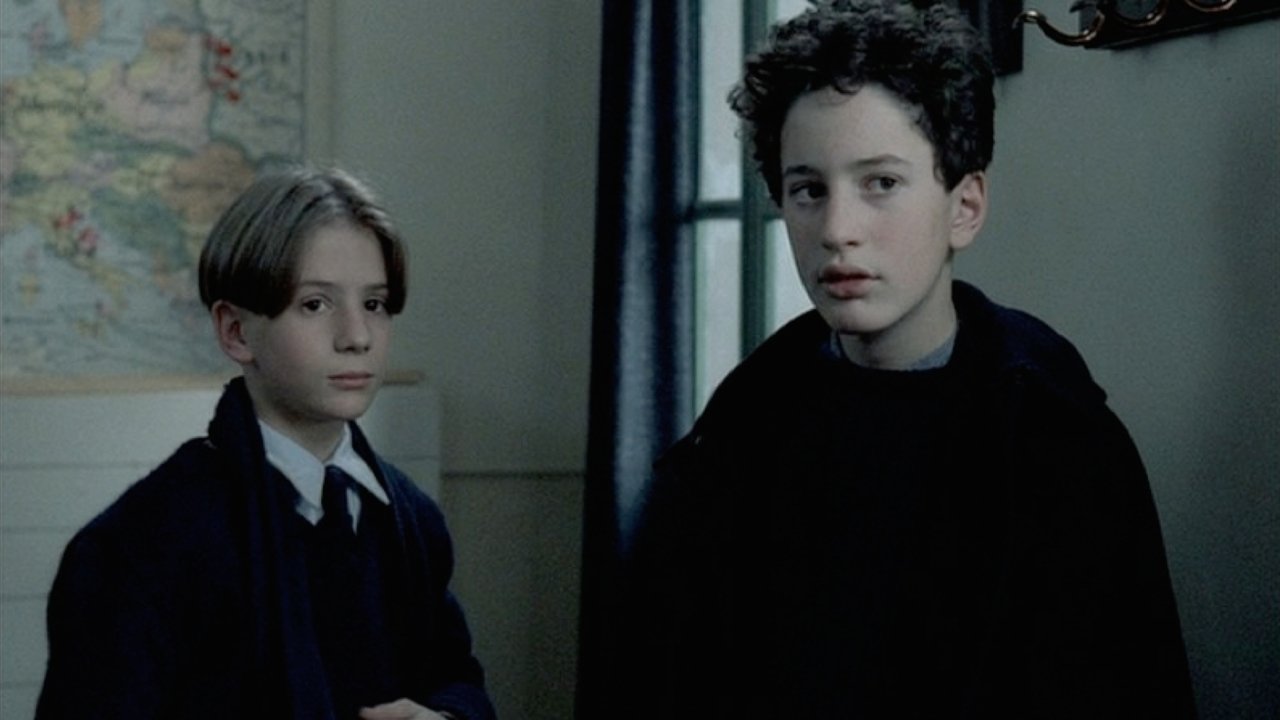
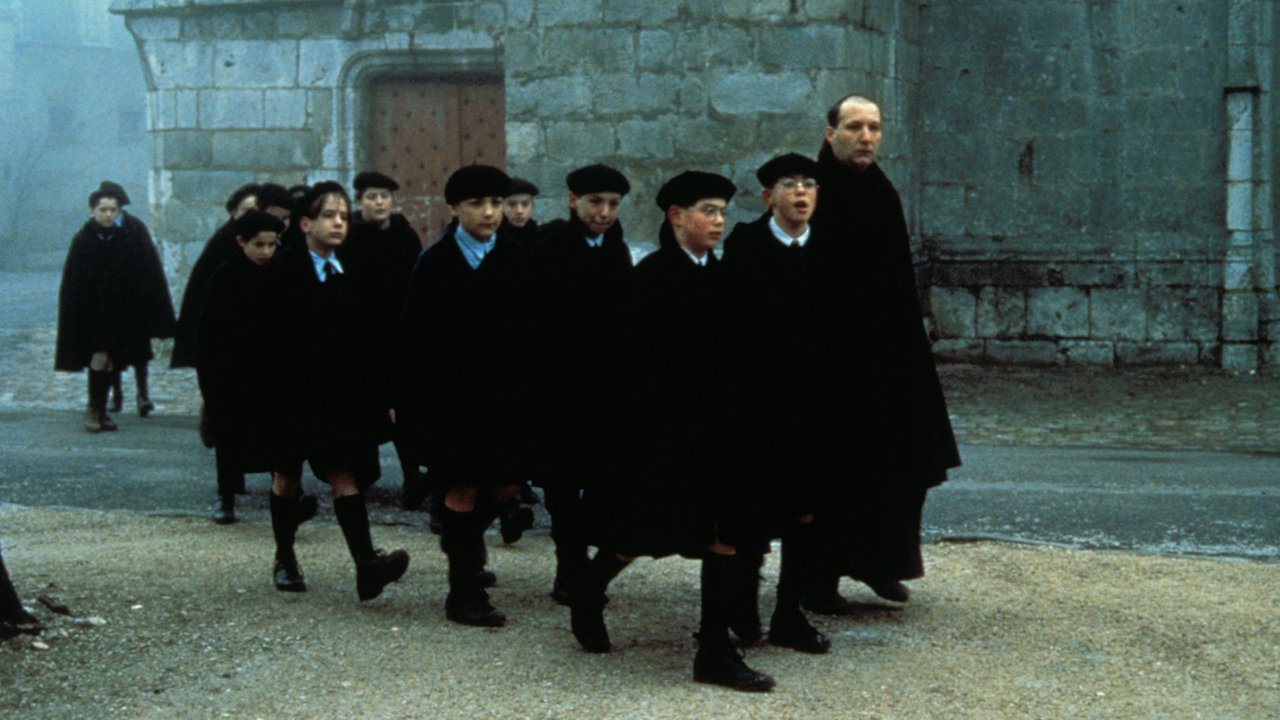
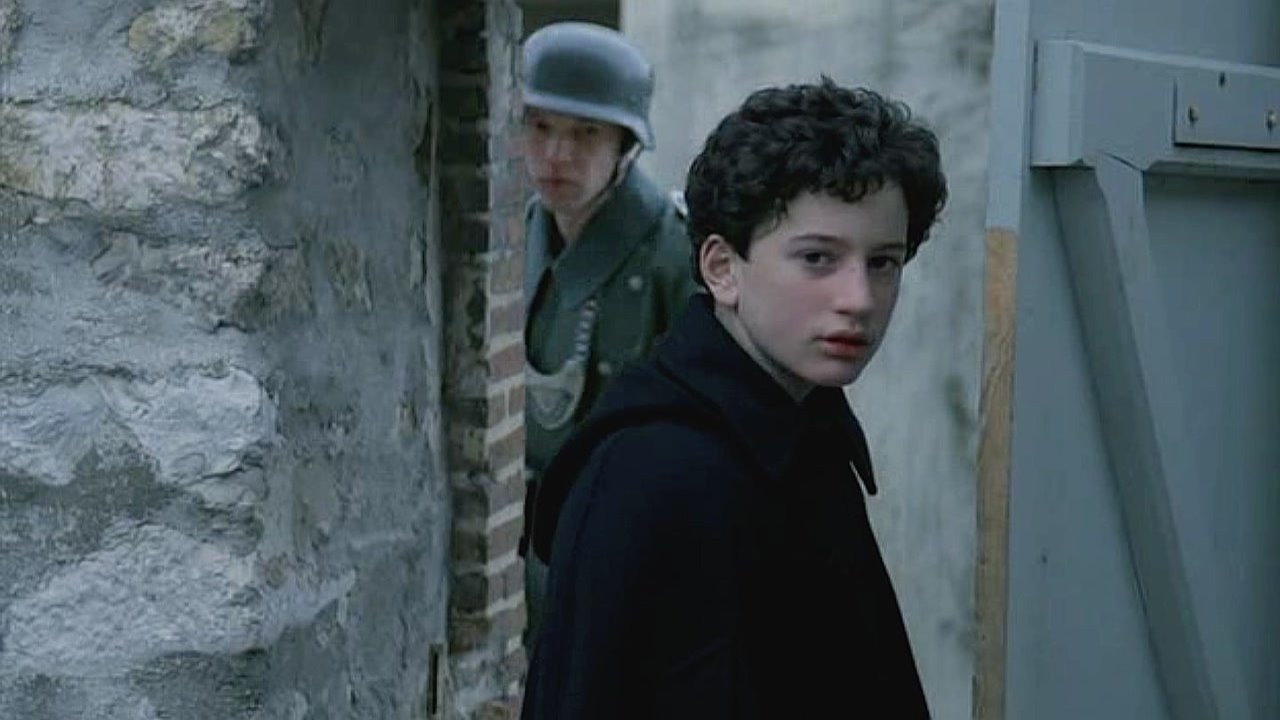
During the winter of 1943–44, Julien Quentin, a student at a Carmelite boarding school in occupied France, is returning to school from vacation. He acts tough to the other students, but is actually a pampered boy who misses his mother deeply. Saddened to be returning to the monotony of boarding school, Julien's classes seem uneventful until Père Jean, the headmaster, introduces three new pupils. One of them, Jean Bonnet, is the same age as Julien. Like the other students, Julien at first despises Bonnet, a socially awkward boy with a talent for arithmetic and playing the piano.
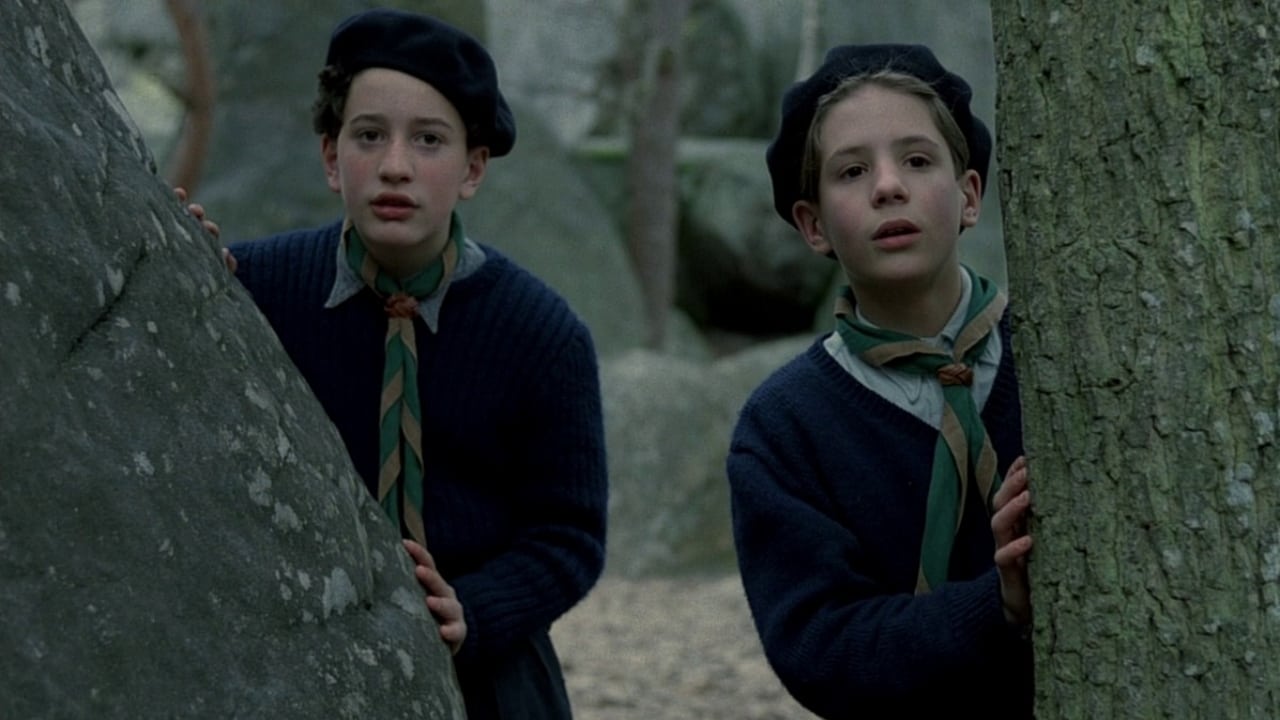
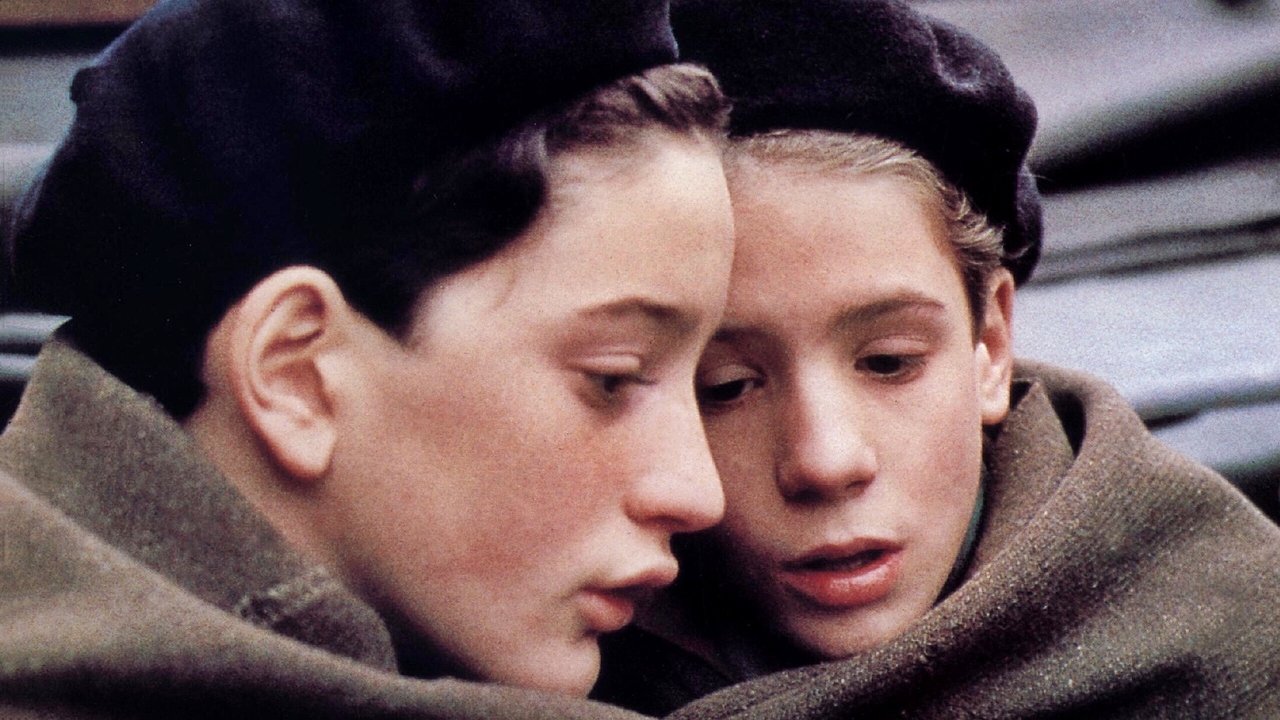
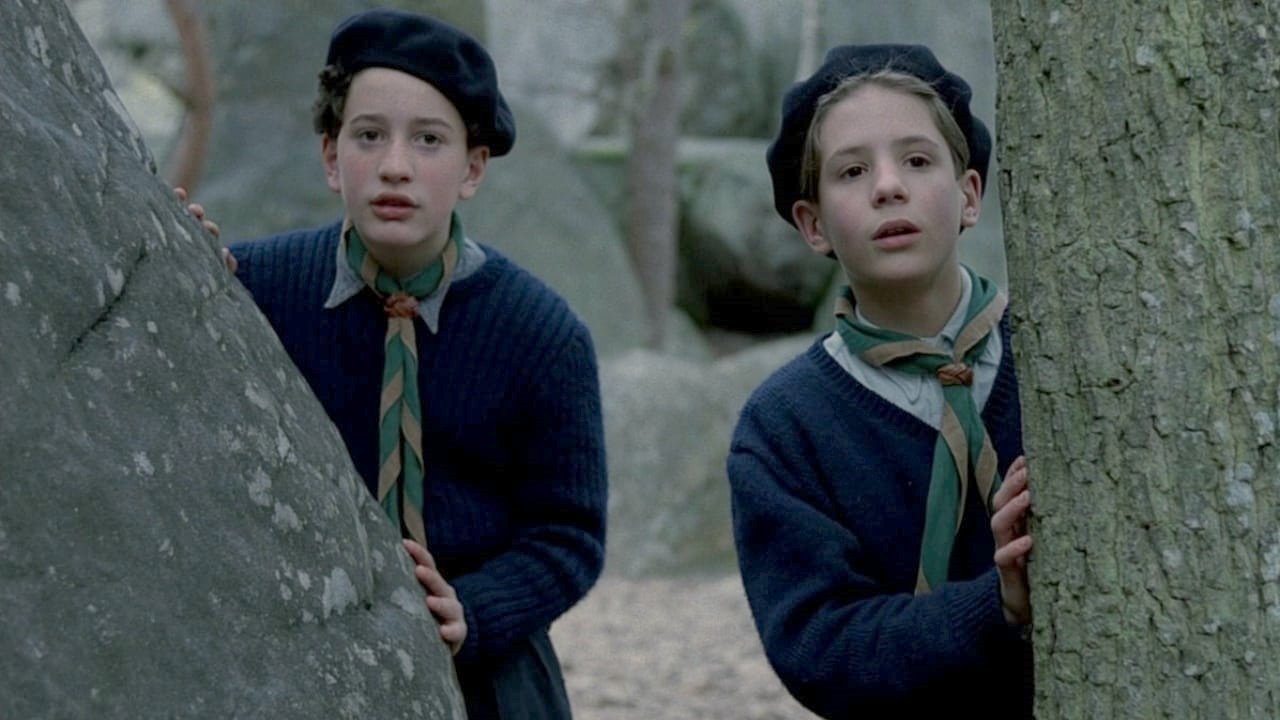
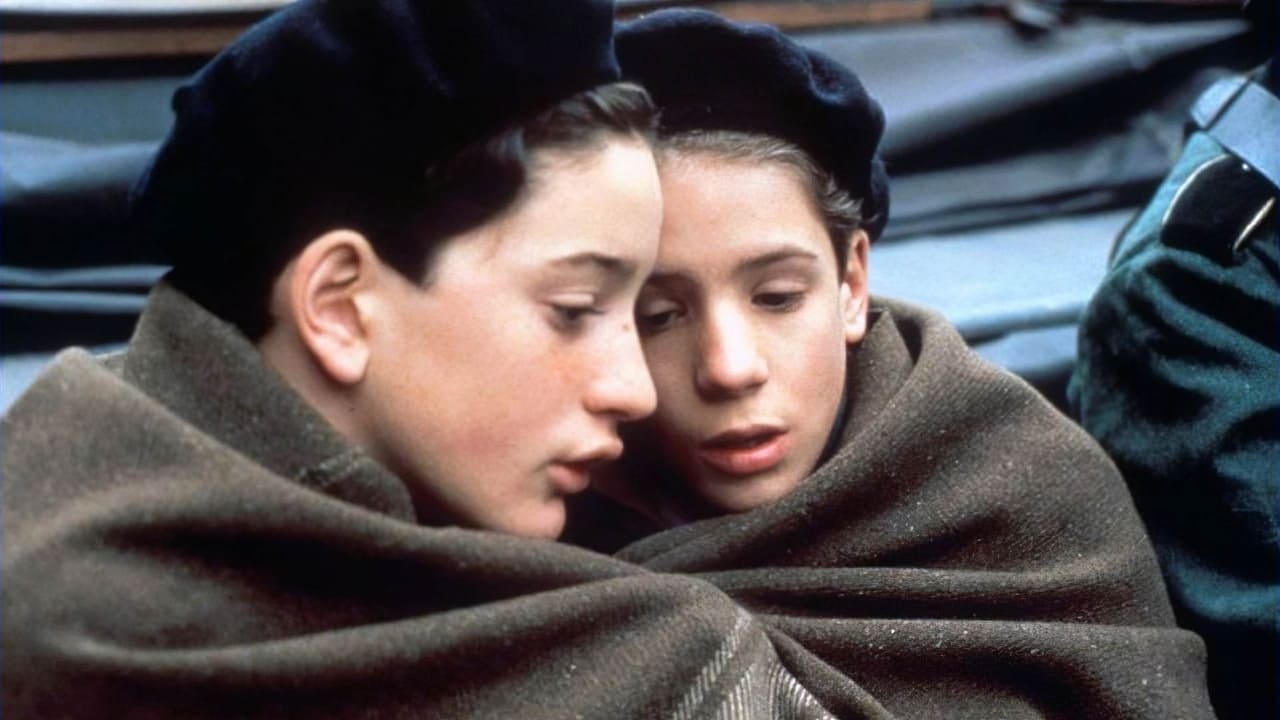
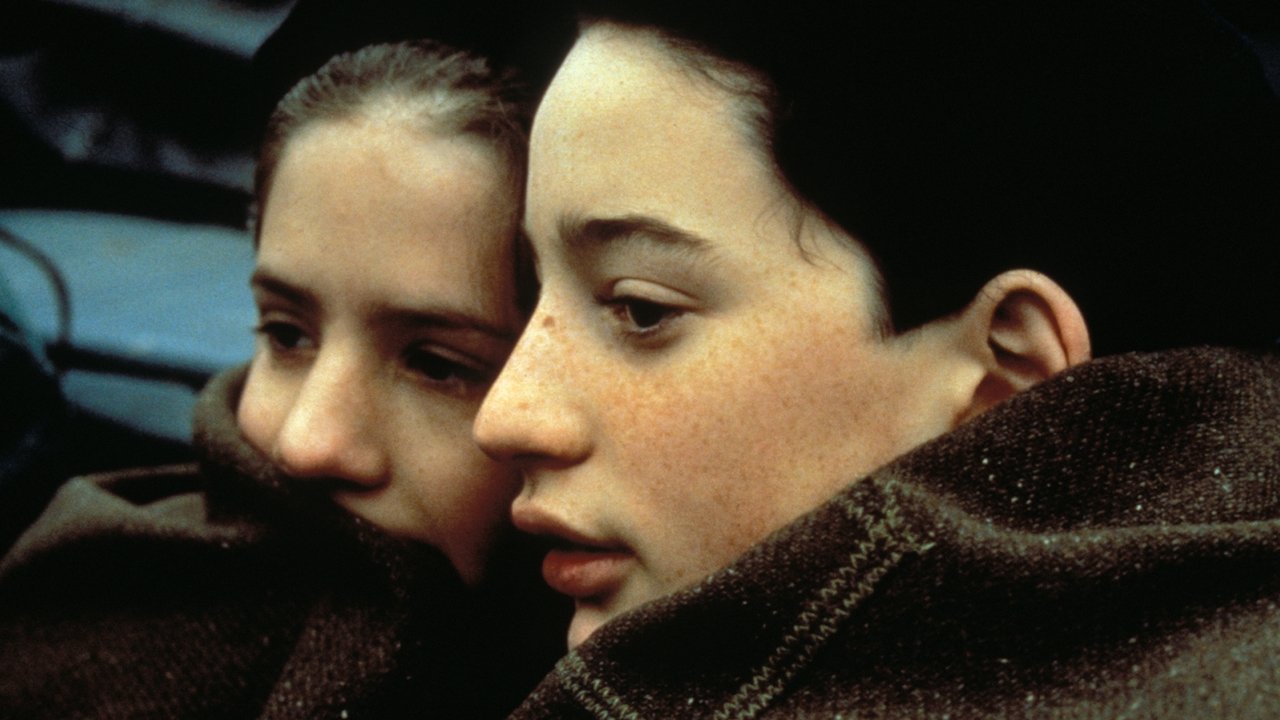
One night, Julien wakes up and finds Bonnet wearing a kippah and praying in Hebrew. After digging through his new friend's locker, Julien learns the truth. His real name is not Bonnet, but Kippelstein. Père Jean, a compassionate, sacrificing priest at the school, had agreed to grant secret asylum to refugee Jews. After a game of treasure hunt, Julien and Jean bond and develop a close friendship.
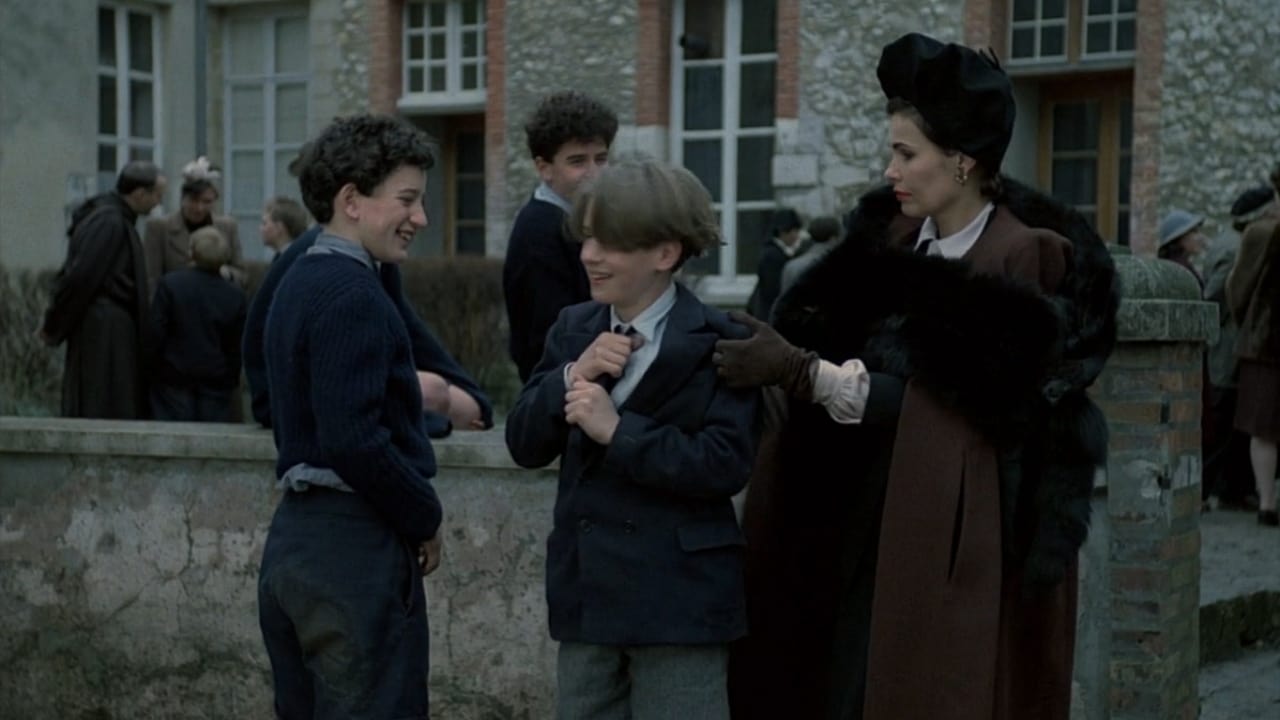
When Julien's mother visits on Parents' Day, Julien asks his mother if Bonnet, whose parents could not come, could accompany them to lunch at a gourmet restaurant. As they sit around the table, the talk turns to Julien's father, a factory owner. When Julien's brother asks if he is still for Marshal Pétain, Madame Quentin responds, "No one is anymore." The Milice arrive and attempt to expel a Jewish diner. When Julien's brother calls them "Collabos", the Milice commander is enraged and tells Madam Quentin, "We serve France, madam. He insulted us." When a Wehrmacht officer coldly orders them to leave, the Milice officers grudgingly obey. Julien's mother comments that the Jewish diner appears to be a very distinguished gentleman. She insists that she has nothing against Jews, but would not object if the socialist politician Léon Blum were hanged.
Shortly thereafter, Joseph, the school's assistant cook, is exposed for selling the school's food supplies on the black market. He implicates several students as accomplices, including Julien and his brother, François. Although Père Jean is visibly distressed by the injustice, he fires Joseph but does not expel the students for fear of offending their wealthy, influential parents.
On a cold morning in January 1944, the Gestapo raid the school, searching for Jean Kippelstein. As his classroom is being searched, Julien unintentionally gives away Bonnet by looking in his direction. As the other two Jewish boys are hunted, Julien encounters the person who denounced them, Joseph the kitchen hand. Trying to justify his betrayal in the face of Julien's mute disbelief, Joseph tells him, "Don't act so pious. There's a war going on, kid." Disgusted, Julien runs off. Jean and Julien exchange books, a shared habit of theirs, as they pack away their belongings due to the closure of the school.
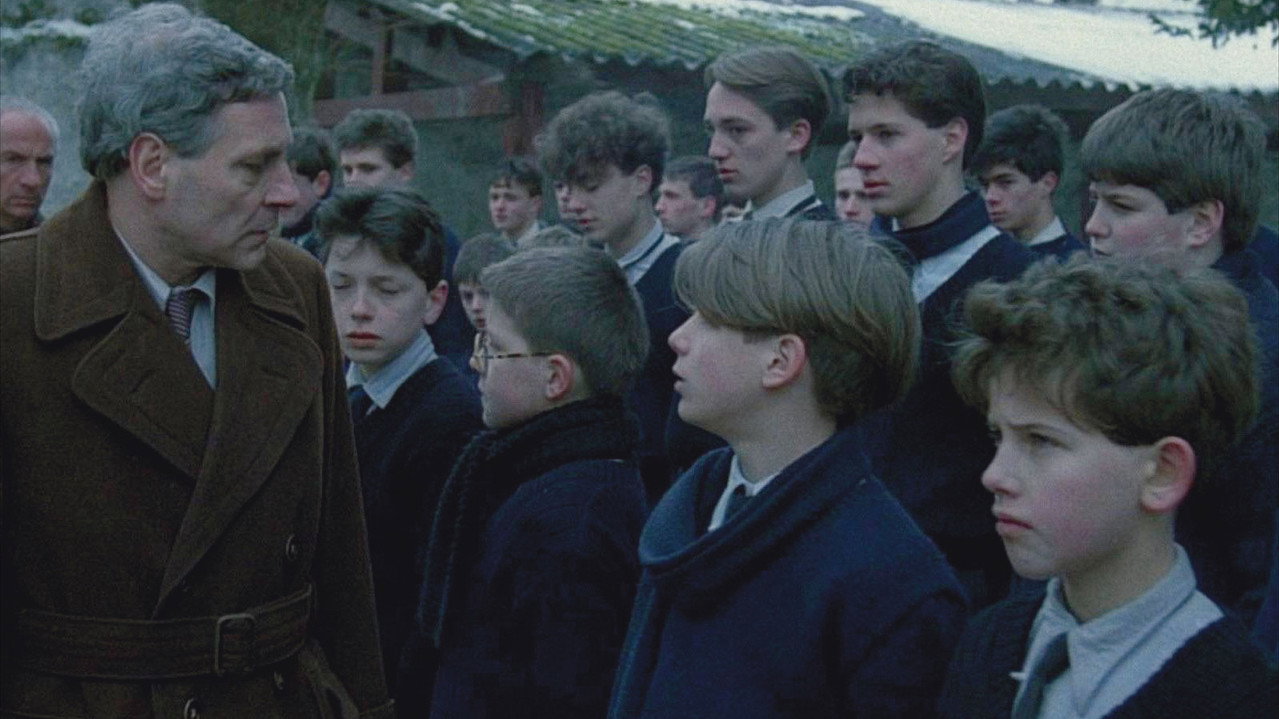
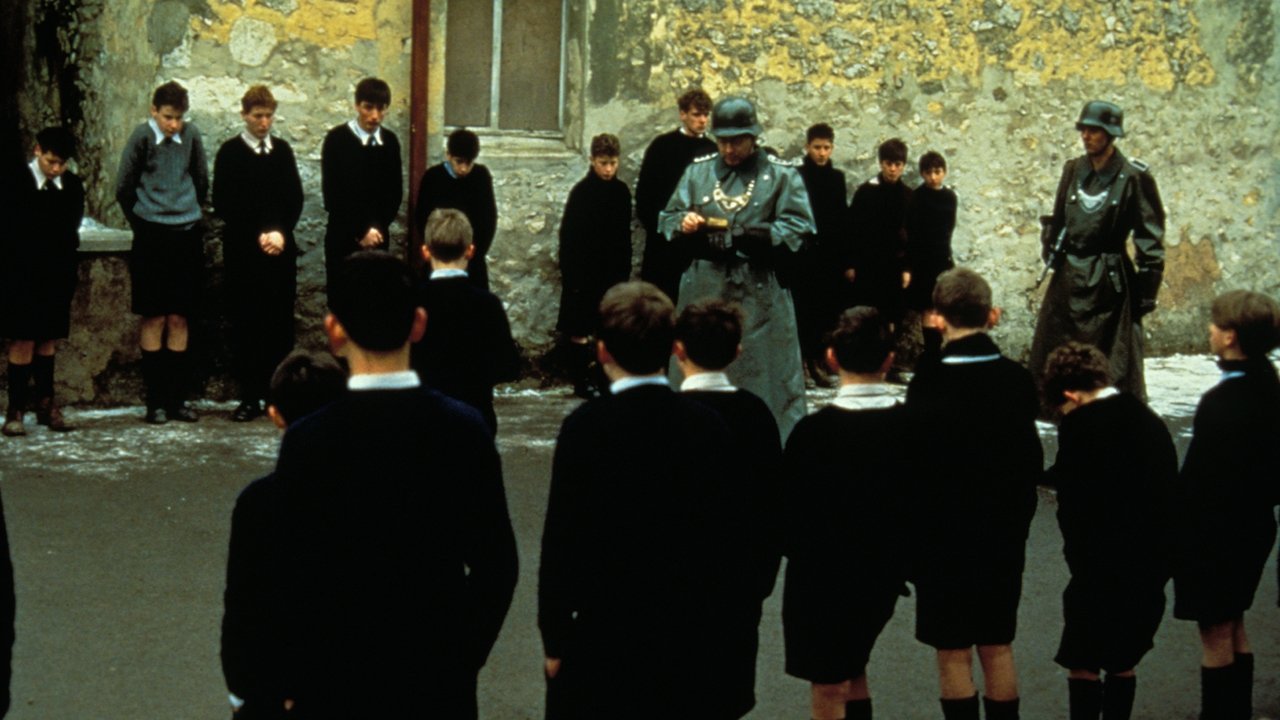
As the students are lined up in the school courtyard, a Gestapo officer denounces Père Jean's actions and calls French people weak and undisciplined. A moment later, Père Jean, followed by the three Jewish boys in single file is led away across the school yard. One by one, as the priest passes through their midst, the students spontaneously call out to him, "Au revoir, mon père!" He pauses and half turns towards them and gives a loud reply: "Au revoir, les enfants! À bientôt!" Jean is the last to exit the school grounds through a metal door in the garden wall. As he steps through the doorway, he glances back for a moment toward Julien, and Julien gives him a timid wave in return.
The film ends with an older Julien providing a voice over epilogue, in which he mentions that Bonnet, Negus and Dupré died at Auschwitz, whereas Père Jean died at Mauthausen; the school reopened in October. He explains that although more than 40 years have passed, he will remember every second of that January morning until the day he dies.
Cast
Gaspard Manesse as Julien Quentin
Raphaël Fejtő as Jean Kippelstein, alias "Jean Bonnet"
Francine Racette as Mme Quentin (Julien's mother)
Stanislas Carré de Malberg as François Quentin (Julien's older brother)
Philippe Morier-Genoud as Father Jean/Père Jean
François Berléand as Father Michel/Père Michel
Irène Jacob as Mlle Davenne
François Négret as Joseph (kitchen helper)
Peter Fitz as Dr. Müller, Gestapo leader
Pascal Rivet as Boulanger
Benoît Henriet as Ciron
Richard Leboeuf as Sagard
Xavier Legrand as Babinot
Arnaud Henriet as Negus
Damien Salot as Dupré
Actual events
The film is based on events in the childhood of the director, Louis Malle, who at age 11 was attending a Roman Catholic boarding school near Fontainebleau. One day, he witnessed a Gestapo raid in which three Jewish students and a Jewish teacher were arrested and deported to Auschwitz. The school's headmaster, Père Jacques, was arrested for harboring them and sent to the concentration camp at Mauthausen. He died shortly after the camp was liberated by the U.S. Army, having refused to leave until the last French prisoner was repatriated. Forty years later, Yad Vashem, Israel's official memorial to the victims of the Holocaust, granted Père Jacques the title of Righteous Among the Nations.
Reception
Box office
The film was a box-office success, having 3.5 million admissions in France and grossing $4,542,825 in North America.
Critical response
The film was extremely well received by critics. Au Revoir, les Enfants has an approval rating of 97% on review aggregator website Rotten Tomatoes, based on 37 reviews, and an average rating of 9.1/10, with the consensus: "Louis Malle's autobiographical tale of a childhood spent in a WWII boarding school is a beautifully realized portrait of friendship and youth." Metacritic assigned the film a weighted average score of 88 out of 100, based on 18 critics, indicating "universal acclaim".
According to Quentin Tarantino, the title for his first feature-length film, Reservoir Dogs (1992), came about after a patron at a Video Archives rental store, where Tarantino worked, misheard his film suggestion of Au revoir les enfants as "reservoir dogs".
The screenplay was published by Gallimard in the same year.
Awards and nominations
Legacy
The film was included by the Vatican in a list of important films compiled in 1995, under the category of "Values".
See also
List of submissions to the 60th Academy Awards for Best Foreign Language Film
List of French submissions for the Academy Award for Best Foreign Language Film
References
External links
Au revoir les enfants at IMDb
Au revoir les enfants at AllMovie
Au revoir les enfants at the TCM Movie Database
Au Revoir les Enfants screenplay at Google Books
Au revoir les enfants: Childhood's End an essay by Philip Kemp at the Criterion Collection
Text from Au revoir les enfants on Wikipedia, licensed CC BY-SA 4.0. https://en.wikipedia.org/wiki/Au_revoir_les_enfants
Trivia
- It cost US$ 3.0 million and grossed US$ 4.5 million in theaters — 1.5 times its budget.
- It premiered on October 7, 1987, a Wednesday.
- It runs 1h45 — a typical feature length.
- It won 4 award(s) and received 6 nomination(s) on record at Wikidata — European Film Award for Best Screenwriter among them.
- As of September 20, 2026, it is available in Brazil by subscription on Looke, Oldflix, Filmicca.
- This film's quiz has 13 questions — enough to play more than once without repeats.
Production
- StudiosNouvelles Éditions de Films, mk2 Films, Stella Film, N.E.F. Filmproduktion und Vertriebs (I)
- CountriesGermany, France, Italy
- LanguagesEnglish, French, German, Greek, Latin
- BudgetUS$ 3,000,000
- Box officeUS$ 4,542,825
- StatusReleased
More about this film
Awards
- European Film Award for Best Screenwriter 1988
- Golden Lion 1987
- Louis Delluc Prize 1987
- César Award for Best Film
Nominations
- Academy Award for Best International Feature Film 1988
- European Film Award for Best Film 1988
- European Film Award for Best Director 1988
- European Film Award for Best Screenwriter 1988
- International Submission to the Academy Awards 1988
- Academy Award for Best Writing, Original Screenplay 1988
Set in
- France
Where to watch
Videos
Photos
Cast
-
 Gaspard Manesse
Julien Quentin
Gaspard Manesse
Julien Quentin -
 Raphael Fejtö
Jean Bonnet
Raphael Fejtö
Jean Bonnet -
 Francine Racette
Mrs. Quentin
Francine Racette
Mrs. Quentin - Stanislas Carré de Malberg François Quentin
-
 Philippe Morier-Genoud
Father Jean
Philippe Morier-Genoud
Father Jean -
 François Berléand
Father Michel
François Berléand
Father Michel -
 François Négret
Joseph
François Négret
Joseph -
 Peter Fitz
Muller
Peter Fitz
Muller - Pascal Rivet Boulanger
- Richard Leboeuf Sagard
-
 Xavier Legrand
Babinot
Xavier Legrand
Babinot -
 Arnaud Henriet
Negus
Arnaud Henriet
Negus -
 Jean-Sébastien Chauvin
Laviron
Jean-Sébastien Chauvin
Laviron - Luc Etienne Moreau
- Daniel Edinger Tinchaut
-
 Ami Flammer
Florent
Ami Flammer
Florent -
 Irène Jacob
Ms. Davenne, Piano Teacher
Irène Jacob
Ms. Davenne, Piano Teacher - Jean-Paul Dubarry Father Hippolyte
-
 Jacqueline Staup
Infirmière
Jacqueline Staup
Infirmière - Jacqueline Paris Mrs. Perrin
Quiz about this movie
Questions from the whole catalogue.
Play nowIf you liked this one
-
Pássaro Branco: Uma História de Extraordinário
 7.8
7.8
-
Brinquedo Proibido
 7.8
7.8
-
Os Meninos Que Enganavam Nazistas
 7.8
7.8
-
The Windermere Children
 7.4
7.4
-
O Exército das Sombras
 7.9
7.9
-
Coragem e Esperança
 7.3
7.3
-
The Future Awaits
 7.4
7.4
-
Zona de Interesse
 7.0
7.0
-
O Menino do Pijama Listrado
 7.8
7.8
-
The Children of the Resistance
 6.5
6.5
-
A Mais Preciosa das Cargas
 7.7
7.7
-
Lacombe, Lucien Same director: Louis Malle
 7.0
7.0
Tags
Crew
- Renato Berta Cinematography
- Louis Malle Director
- Emmanuelle Castro Editing
- Louis Malle Producer
- Louis Malle Screenplay
Questions about this film
What is Au Revoir les Enfants about?
Au Revoir les Enfants: Au revoir les enfants tells a heartbreaking story of friendship and devastating loss concerning two boys living in Nazi-occupied France. At a provincial Catholic boarding school, the precocious youths enjoy true camaraderie—until a secret is revealed. Based on events from writer-director Malle’s own childhood, the fil…
Who directed Au Revoir les Enfants?
Au Revoir les Enfants was directed by Louis Malle in 1987.
Who stars in Au Revoir les Enfants?
The cast of Au Revoir les Enfants includes Gaspard Manesse, Raphael Fejtö, Francine Racette, Stanislas Carré de Malberg and Philippe Morier-Genoud.
How long is Au Revoir les Enfants?
Au Revoir les Enfants runs for 105 minutes, or 1h45.
How much did Au Revoir les Enfants cost and how much did it make?
Au Revoir les Enfants had a budget of US$ 3,000,000 and took US$ 4,542,825 at the box office — 1.5 times its cost.
Where can I watch Au Revoir les Enfants?
Au Revoir les Enfants is available on Looke, Oldflix and Filmicca. Availability changes often: the list on this page is the most recent we received.
What awards did Au Revoir les Enfants win?
Au Revoir les Enfants has 4 recorded awards, among them European Film Award for Best Screenwriter, Golden Lion, Louis Delluc Prize and César Award for Best Film.
Similar films
 8.2
8.2
 8.0
8.0
 8.6
8.6
 8.2
8.2
 7.5
7.5
 8.2
8.2
 7.5
7.5
 8.0
8.0
 8.4
8.4
 7.8
7.8
 7.9
7.9
 8.1
8.1
Page updated on 09/09/2026.
Back to the catalogue