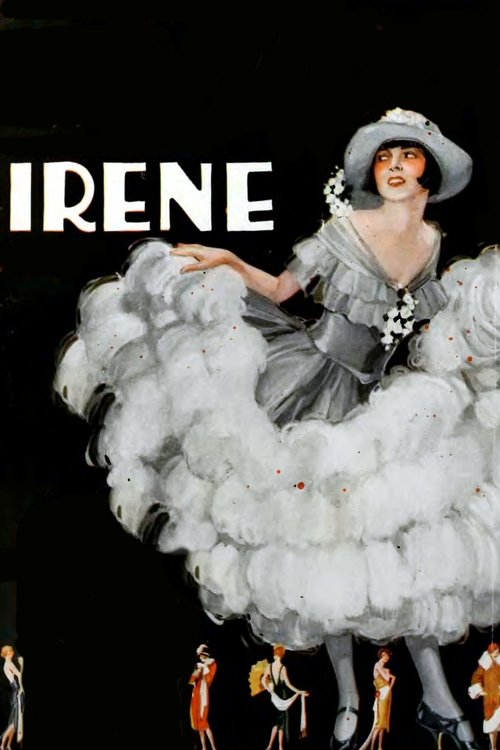
Irene (1926)
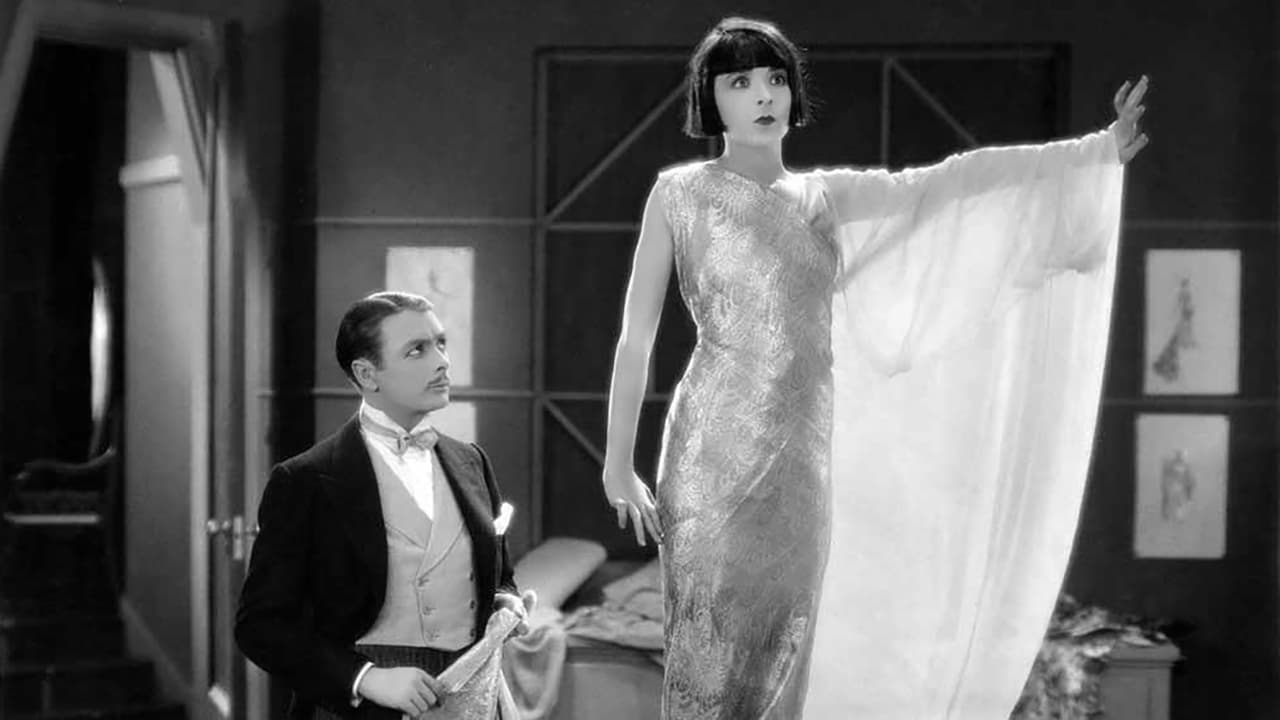
Irene (1926), directed by Alfred E. Green, starring Colleen Moore and Lloyd Hughes.
score
Out of a shanty into a mansion- out of heaven into your heart!
Synopsis
Irene, a feisty Irish girl in Philadelphia, clashes with her family and walks out, heading to New York City to seek fame and fortune. She gets a job as a dressmaker's model and becomes involved with Donald, the scion of a wealthy family. Donald's mother doesn't approve of Irene and sets out to discredit her in Donald's eyes.
- Ted D. McCordCinematography
- Alfred E. GreenDirector
- J. Edwin RobbinsEditing
- Harry TierneyOriginal music
About the film
Irene is a 1926 American silent romantic comedy film directed by Alfred E. Green, and produced by Colleen Moore's husband John McCormick. The film stars Moore, Lloyd Hughes, George K. Arthur, Ida Darling, Edward Earle, Bess Flowers and Charles Murray.
The film is based on the musical Irene written by James Montgomery with music and lyrics by Harry Tierney and Joseph McCarthy.
Read the full article (5k characters)
Irene is a 1926 American silent romantic comedy film directed by Alfred E. Green, and produced by Colleen Moore's husband John McCormick. The film stars Moore, Lloyd Hughes, George K. Arthur, Ida Darling, Edward Earle, Bess Flowers and Charles Murray.
The film is based on the musical Irene written by James Montgomery with music and lyrics by Harry Tierney and Joseph McCarthy.
Plot
As described in a film magazine review, Donald Marshall becomes a partner in a modiste shop and insists that Madame Lucy be made its operator. Young Irish woman Irene O'Dare graduates from being a demonstrator in the store window to being a successful model.
On the night of a big fashion show for society, Irene arouses Lucy's anger and is told to stay and watch the shop. Donald arrives and assures her that she will lead the show. Irene is a sensation, but her mother arrives and stops her promenade by taking her home. Donald follows and Irene is forgiven by her mother. Overhearing Irene confess to her mother of her love for him, Donald folds her into her arms.
Cast
Production
Richard Rowland, First National vice president, said they purchased the stage play for $60,000, because "the play contained the elements necessary to present one of our stars to the advantage we were seeking for her." The Film Daily reported in September 1925, that filming would being in October with John Francis Dillon directing the feature, and Dorothy Seastrom listed in the cast, but neither one of them remained with the project.
In October 1925, Variety Magazine announced that Alfred E. Green would be directing the film, and Dillon had been reassigned to direct Too Much Money. Principal photography began in October 1925, at United Studios in Hollywood, with the production being wrapped up by January 1926. Mervyn LeRoy, the assistant director, was dispatched to Los Angeles to look at department stores for inspiration for the project. In one particular store, he encountered trouble from the house detective who confronted him over his suspicious behavior, LeRoy told the detective the only thing he was "lifting" was ideas.
The fashion show scene near the end of the film required sixty "beautiful" girls who had to be "uniform in height and able to wear gorgeous gowns like a shop window model." Moore recalled that many of the girls were "winners from beauty contests staged in New York and other parts of the country." The outfits that Moore wore in the film were given to her, and since some of them were lined with fur, she removed it, and fashioned coats out of the fur.
Preservation
In 1944, Moore gifted a copy of the film to the Museum of Modern Art in New York City, along with fourteen other films she starred in. There are also numerous other copies that exist with the technicolor sequences intact.
Reception
Herbert Crooker from Midweek Pictorial opined that Colleen Moore does probably the best work of her career as the Irish Cinderella cutie and wears an array of gowns which brings forth squeals of joy and envy. My next medal is pinned on George K. Arthur, who furnishes comedy in the role of Mme. Lucy, although I fancy his heart was not in the role. Lloyd Hughes is a pleasing scion, and Charlie Murray and Kate Price supply a number of comedy moments.
Film historian Jeanine Basinger wrote "Irene seems to exist on film only because of Colleen Moore. It should have been called Colleen. It's truly a star vehicle, presenting her front and center in every scene. The camera stays pinned to Moore while she makes faces, pantomimes, does imitations, and takes a series of comedy pratfalls; she is utterly distinctive, looking like no one else — the mark of a star."
Time Magazine said that "Miss Moore is, as ever, keenly attractive, and the picture is medium good entertainment." Film historian Anthony Slide opined that "present-day gays looking for role models in silent films might feel shortchanged; obviously gay characters are strictly limited to camp and effeminate stereotypes like George Arthur as prissy Madame Lucy, the effeminate owner of a dress-making establishment. Arthur's comment to Colleen Moore, as the title character, that 'You walk almost like a man!' is met with the response, 'So do you!'"
Queer film historian Vito Russo observed that "Madame Lucy, given to severely tailored suits and lace hankies, is a whimsical creature described as a man living in a woman's world; he plays the snippy queen in a drag-like performance filled with extravagant gestures and eye popping; when he takes a first look at Irene, he exclaims 'As I live and hemstitch, she's impossible! Even I cannot make peach melba from a prune'."
See also
List of early color feature films
List of American films of 1926
List of LGBTQ-related films of the 1920s
List of feature films with gay characters
References
Further reading
Seifrit-Griffin, Stacie (January 24, 2024). "Learning That There's So Much More to Colleen Moore!". Library of Congress. Archived from the original on June 20, 2025.
External links
Irene at IMDb
Irene technicolor sequence fashion show is available for free viewing and download at the Internet Archive (from a Russian print)
Text from Irene (1926 film) on Wikipedia, licensed CC BY-SA 4.0. https://en.wikipedia.org/wiki/Irene_(1926_film)
Trivia
- It premiered on January 24, 1926, a Sunday.
- It runs 1h30 — a typical feature length.
- This film's quiz has 11 questions — enough to play more than once without repeats.
Production
- StudiosFirst National Pictures
- CountriesUnited States
- LanguagesNo Language
- StatusReleased
Cast
-
 Colleen Moore
Irene O'Dare
Colleen Moore
Irene O'Dare -
 Lloyd Hughes
Donald Marshall
Lloyd Hughes
Donald Marshall -
 George K. Arthur
Madame Lucy
George K. Arthur
Madame Lucy -
 Charles Murray
Pa O'Dare
Charles Murray
Pa O'Dare -
 Kate Price
Ma O'Dare
Kate Price
Ma O'Dare -
 Ida Darling
Mrs. Warren Marshall
Ida Darling
Mrs. Warren Marshall -
 Eva Novak
Eleanor Hadley
Eva Novak
Eleanor Hadley -
 Edward Earle
Larry Hadley
Edward Earle
Larry Hadley -
 Larry Wheat
Bob Harrison
Larry Wheat
Bob Harrison -
 Marion Aye
Helen Cheston
Marion Aye
Helen Cheston -
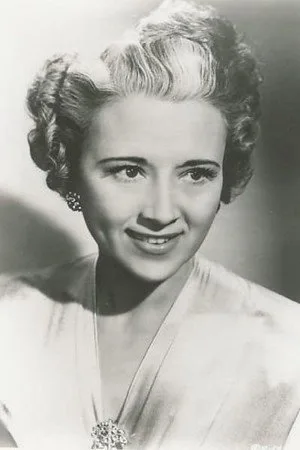 Bess Flowers
Jane Gilmour
Bess Flowers
Jane Gilmour -
 Lydia Yeamans Titus
Mrs. Cheston
Lydia Yeamans Titus
Mrs. Cheston - Cora Macey Mrs. Gilmour
-
 Betty Francisco
Cordelia Smith
Betty Francisco
Cordelia Smith - Ella McKenzie Chubby Neighborhood Child
-
 Fay McKenzie
Irene's Younger Sister
Fay McKenzie
Irene's Younger Sister - Bobby White Child
Quiz about this movie
Questions from the whole catalogue.
Play nowIf you liked this one
-
Bons Costumes
 6.5
6.5
-
Pedido Irlandês
 6.1
6.1
-
Boot Camp
 6.1
6.1
-
Minha Família Quer que Eu Case
 6.1
6.1
-
Amor, Casamentos e Outros Desastres
 6.0
6.0
-
Uma Mãe para o Meu Bebê
 6.0
6.0
-
Os Seus, os Meus e os Nossos
 6.2
6.2
-
O Segredo do Sucesso
 5.9
5.9
-
Um Príncipe em Minha Vida 4 - A Aventura do Elefante
 6.1
6.1
-
Uma Quedinha de Natal
 6.2
6.2
-
Tratamento de Realeza
 6.7
6.7
-
Whisky Galore
 5.9
5.9
Tags
Crew
- Ted D. McCord Cinematography
- Alfred E. Green Director
- J. Edwin Robbins Editing
- Harry Tierney Original music
- Rex Taylor Writer
Questions about this film
What is Irene about?
Irene: Irene, a feisty Irish girl in Philadelphia, clashes with her family and walks out, heading to New York City to seek fame and fortune. She gets a job as a dressmaker's model and becomes involved with Donald, the scion of a wealthy family. Donald's mother doesn't approve of Irene and sets out to discredit her in Donald'…
Who directed Irene?
Irene was directed by Alfred E. Green in 1926.
Who stars in Irene?
The cast of Irene includes Colleen Moore, Lloyd Hughes, George K. Arthur, Charles Murray and Kate Price.
How long is Irene?
Irene runs for 90 minutes, or 1h30.
Similar films
 8.5
8.5
 7.9
7.9
 7.9
7.9
 7.3
7.3
 7.0
7.0
 7.2
7.2
 7.3
7.3
 7.6
7.6
 7.3
7.3
 6.6
6.6
 7.6
7.6
 7.2
7.2
Page updated on 09/14/2026.
Back to the catalogue