What Does Horror Reveal About Our Fears?
Scream 7, released on February 25, 2026, taps into that unsettling transformation. Directed by Kevin Williamson, this latest installment in the long-standing franchise continues to explore the dark corners of human nature. With a budget of $45 million and earnings of $214 million, it has proven that audiences are still drawn to the familiar dread that the series embodies.
The film's premise centers on Sidney Prescott, played by Neve Campbell, who must confront a new Ghostface killer in her seemingly tranquil life. Horror reflects our societal fears. In an era where artificial intelligence and technology loom large, the return of the masked killer feels relevant. The film suggests that the presence of the unknown—be it a serial killer or an AI gone rogue—represents a deeper anxiety. It is the fear of losing control over our creations, or the realization that safety is a thin veneer.
Why Do We Keep Returning to the House of Horror?
The Scream franchise is notable for its self-referential style, a hallmark that has continued to resonate throughout its sequels. This film, like its predecessors, explores the house as a trap—a space where characters confront their worst fears. The house, in horror cinema, often acts as a threshold, a barrier between the safe and the unsafe. It is where the unseen lurks, and where wrongness can creep in unnoticed, until it is too late.
In drawing from the past horrors Sidney faced, the film emphasizes the weight of trauma and memory. The house acts as a living entity, a character in its own right, embodying the dread associated with returning to a place that should feel safe but instead feels haunted by history. The creak of the floorboards, the hush that follows a whispered conversation—these details evoke a palpable sense of tension.
What Does the Presence of Ghostface Teach Us?
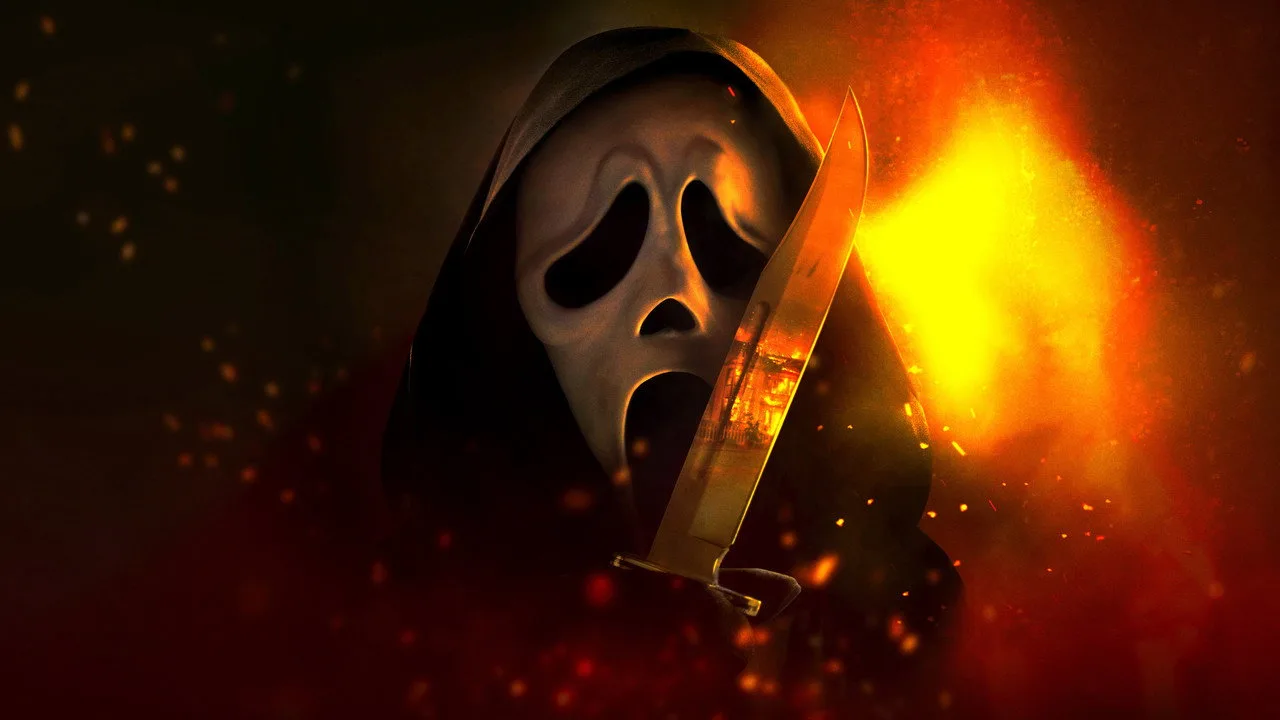
Ghostface, as a character, serves as a metaphor for the pervasive dread that seems to envelop our daily lives. The presence of this masked figure symbolizes the dangers we cannot see, the threats that lurk in the shadows. The film's self-referential commentary allows for a critique of the horror genre itself while simultaneously addressing the very real fears we face as a society.
Scream 7 does not shy away from the consequences of violence. It recognizes that fear is not merely entertainment; it is a reflection of our existence. The film's runtime of 114 minutes offers ample space for tension to build, allowing the audience to dwell in discomfort. As a horror film, it is honest in its portrayal of the world—there are no guarantees of safety, no clear paths to resolution. The very act of facing the monster can lead to further chaos.
How Does the Genre Serve Our Collective Anxiety?
The horror genre has always been a mirror, reflecting the zeitgeist and the collective fears of its time. In 2026, with the rise of technology and societal unrest, Scream 7 serves as both a continuation of a beloved series and a commentary on our current reality. The film's success—both critically and commercially—demonstrates that audiences are not merely seeking escapism; they are grappling with deeper anxieties that connect the past with the present.
As I ponder the implications of Scream 7, I find myself questioning what lurks beneath the surface of our everyday lives. We are truly afraid of the film's exploration of violence and the consequences that ripple through families and communities is a stark reminder that horror does not exist in isolation. It is intertwined with the fabric of our society, a reflection of the lurking presence we cannot entirely escape.
What will you do when the mask comes off?