What does a small town hide?
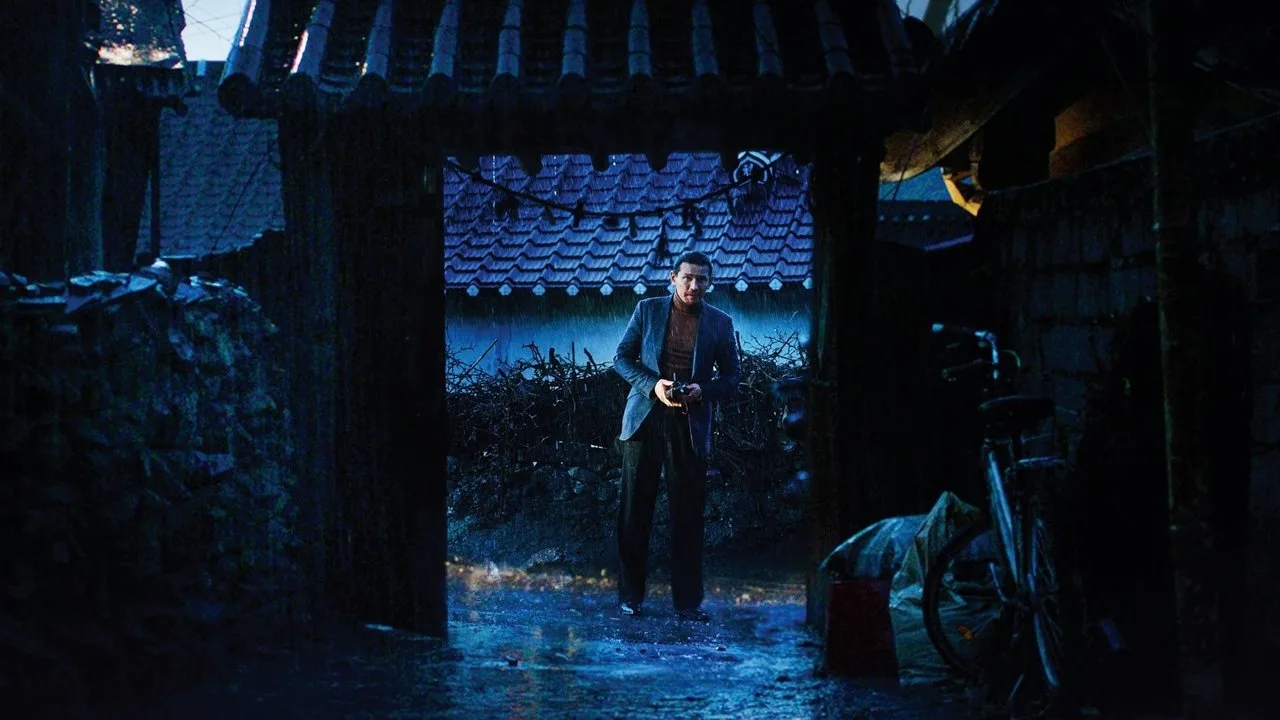
A stranger arrives in a little village, and soon after, something begins to spread. A mysterious sickness creeps through the community, infecting the minds and bodies of the townsfolk. This is the premise of The Wailing, a film that, like many great horrors, shines a light on the darkness within humanity. It is a reflection of the chaos that lurks beneath the surface of a seemingly peaceful existence.
The film, directed by Na Hong-jin, runs an ambitious 156 minutes. Released in 2016, it has grossed over $50 million against a budget of $11 million, indicating its appeal and resonance with viewers. It earned accolades, including a Best Cinematography award at the Sitges Film Festival. But what makes it truly significant is how it embodies a crucial truth about horror: it does not pretend the world is safe.
Is fear a cultural reflection?
Horror films often serve as mirrors, reflecting the fears and anxieties of their time. In The Wailing, the sickness represents a broader societal dread—a fear of the unknown, a fear of what lurks just beyond our comprehension. This is particularly poignant in a rural setting, where the familiar can quickly become the foreign. The village, with its creaking houses and hushed whispers, becomes a trap. The characters are ensnared by their own beliefs, superstitions, and the presence of a sinister force they cannot fully understand.
When a community turns against itself, driven by fear and misunderstanding, it reveals a troubling truth about human nature. The unseen threat becomes a metaphor for the wrongness that can fester in isolation, an idea that resonates deeply in any era.
How does horror reveal the truth?
I find that horror is the most honest genre because it exposes the fragility of our perceived safety. In The Wailing, the characters grapple with their own vulnerabilities. The policeman, Jong-goo, finds himself drawn into a spiraling investigation that challenges his understanding of reality. Each encounter reveals layers of dread, as the film slowly builds to an inevitable confrontation with the horror that has taken root in the village.
The film’s tension derives not from cheap jump scares, but from a pervasive sense of dread that infiltrates every moment. It asks us to listen to what lies beneath the surface, to hear the creak of the floorboards and the hush that follows each unsettling revelation. There is something waiting in the shadows, and it is not just the unknown entity that haunts the village; it is the fear of our own capacity for darkness.
What lingers after the credits roll?
When the final credits roll, what remains is a haunting image of a community fractured by fear. The Wailing leaves us with questions rather than answers. It challenges our understanding of evil and how it manifests in our lives. The sickness threatens the town, but the very nature of fear itself can distort our perceptions and lead us down dark paths.
As I reflect on this film, I am reminded that horror holds a unique power. It dares us to confront the uncomfortable truths about ourselves and our society. In a world where safety is an illusion, horror does not shy away from the darkness. Instead, it invites us to look deeper, to question, and to confront the lurking presence we often choose to ignore.
Gaze into the shadows.