What Does It Mean to Be Human in a Cyborg Society?
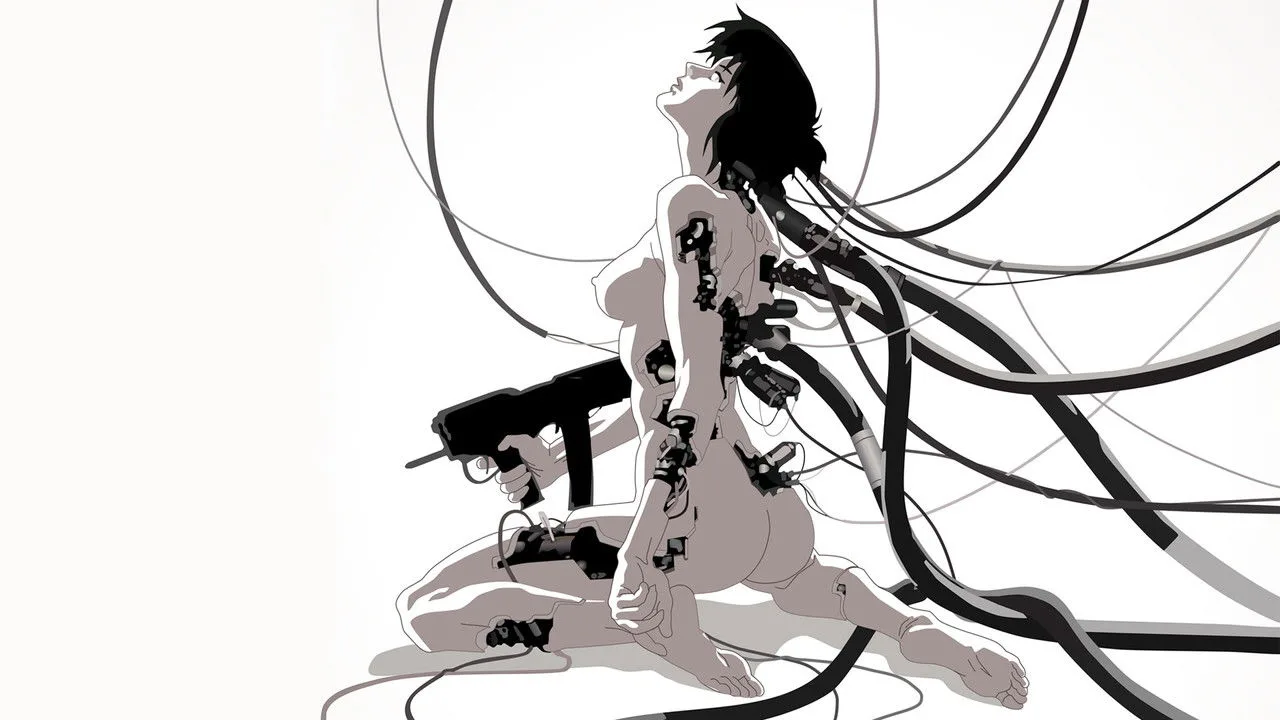
In Ghost in the Shell, directed by Mamoru Oshii, we find ourselves in a world where the boundaries between humanity and machinery blur significantly. Set in the year 2029, the film presents a dystopian future where cybernetics have transformed human existence. This raises an immediate question: how does this narrative reflect our current anxieties about technology? The film engages in a thought experiment that explores the implications of our present technological advancements, particularly regarding artificial intelligence and transhumanism.
The premise revolves around the investigation of a hacker known as ‘The Puppetmaster’ by Section 9, a group of cybernetic law enforcement officers, led by the female protagonist Motoko Kusanagi, voiced by Atsuko Tanaka. This setup, while futuristic, provides a lens through which we can examine our society's increasing reliance on technology. If we extrapolate from the film's premise, we can see the social cost of our own technological dependencies. With a budget of US$ 3 million and a box office return of US$ 10 million, it seems audiences were intrigued by these explorations, even if they were not entirely prepared for the questions raised.
How Does Cyberpunk Reflect Our Current Reality?
The film is categorized as cyberpunk, a genre that has historically critiqued capitalist societies and the unchecked growth of technology. As we watch Ghost in the Shell, we see that its depiction of a world overwhelmed by networks and cybernetic enhancements acts as a reflection of our own reality. We must consider what it means to be human when our identities can be altered at will, our memories replaced or enhanced, and our very consciousness manipulated.
In this context, the film's exploration of brain-hacking is not merely a plot device; it is a commentary on the vulnerabilities we face today. With the advent of deepfakes, data breaches, and social media manipulation, we are already living in a version of this dystopia where our autonomy is eroded by external forces. The film’s themes connect with our present concerns about privacy and identity in a hyper-connected world. Our minds are not our own, as the film suggests.
What Are the Consequences of Blurring Human and Machine?
As we delve deeper into the implications of Ghost in the Shell, the notion of what constitutes "self" becomes increasingly convoluted. The characters grapple with their identities in a world that prioritizes implants and digital existence. If we consider the ramifications of this narrative, we see we are already on a path toward a reality where our humanity is a mere software update.
The film's recognition through awards, including the Animation Kobe Theatrical Film Award (1996) and a nomination for the Annie Award for Best Animated Feature (1996), indicates its impact on audiences and critics alike. The questions it poses are urgent inquiries into the fabric of our existence as technology continues to evolve.
How Can We Ground These Questions in Today's Context?
In 2026, we stand at a crossroads where the conversations around AI and human augmentation are more relevant than ever. Our societal drift toward a future where technology increasingly mediates our interactions and perceptions begs for a rigorous examination of the consequences. The boundaries set by Ghost in the Shell challenge us to confront our realities: we lose our sense of self in the face of relentless technological advancement.
As we navigate this complex landscape, the film highlights that science fiction is a critical reflection of our present. It compels us to engage with the ethical dilemmas we face as we approach the boundaries of what it means to be human.
What will we choose as we continue to blur the lines between man and machine?