What Lies Beneath the Surface of Want?
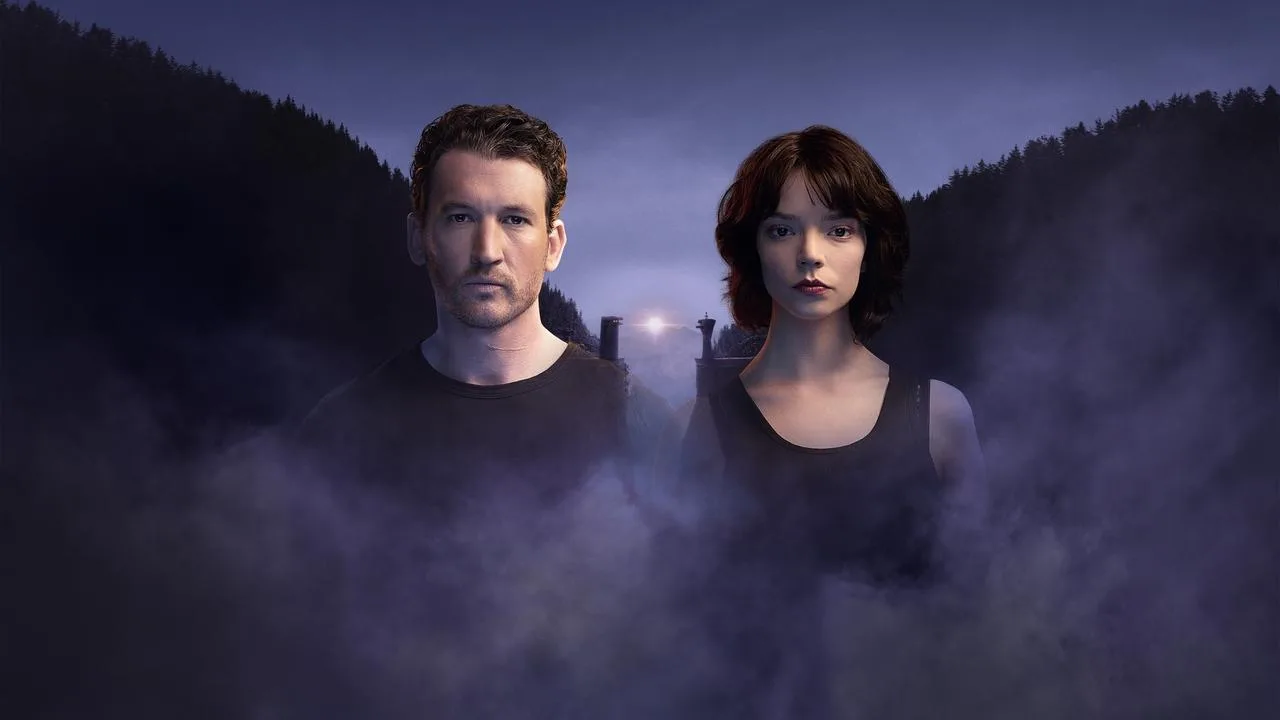
Desire is a powerful force. It can drive us to great heights or plunge us into the depths of despair. Obsession, directed by Curry Barker, takes this exploration to a chilling extreme as it delves into the consequences of unfulfilled longing. The film, set to release in 2026, unravels the story of Bear, a man who, after breaking the One Wish Willow, finds that some wishes come at a steep price. This premise alone reflects what we risk when we chase our desires.
Horror is unique in its ability to lay bare the raw truths of existence. It does not shy away from the dark corners of the human psyche, instead opting to illuminate them. In Obsession, the genre reveals the wrongness that often lurks beneath the surface of our aspirations. Desire, when unchecked, morphs into something sinister and all-consuming. The film, with a budget of $750,000, has already garnered significant anticipation, grossing $510 million upon its release. This success indicates a cultural resonance with its themes.
How Does the Film Portray the Nature of Obsession?
The characters in Obsession are not merely vessels for horror; they embody the tension between yearning and consequence. Bear’s fixation on Nikki leads him into a spiral of supernatural horror and psychological dread. The film's exploration of unrequited love reveals how desire can twist into a form of possession. The supernatural element amplifies this notion, suggesting that when we desire something too intensely, we risk inviting the unseen into our lives.
What makes this narrative compelling is its commentary on the nature of obsession itself. The film captures a profound truth: that obsession often masks a deeper fear of inadequacy. The horror genre thrives on this psychological complexity, allowing us to confront the very real fears that linger in our own lives. By casting Bear as a character who steps over the threshold of his own morality, the film challenges us to reflect on our limits and the darkness that can emerge from our desires.
What Can We Learn About Fear from the Horror Genre?
The horror genre does not pretend that the world is safe. Instead, it invites us to confront our fears head-on. Obsession lays bare the consequences of unchecked desire and the psychological horror that can follow. With a runtime of 100 minutes, the film creates a space for viewers to dwell in this atmosphere of dread, allowing them to ponder their own obsessions and the potential for darkness that lies within.
Horror can be a space for catharsis, a chance to acknowledge the lurking presence of fear. It often leaves viewers to grapple with the unknown. In this case, Obsession reveals what happens when we pursue our desires without regard for the potential consequences. It exposes what lurks in the corners of our minds when we yearn for something too intensely.
What Image Will Stay With Us After Watching?
As I reflect on the film, I can’t help but wonder what images will linger in the minds of those who watch Obsession. Perhaps it will be the moment Bear breaks the willow, a pivotal act that sets a dark chain of events into motion. Or maybe it will be the ever-present sense of dread that permeates the film, a reminder that desire can lead to our undoing. In horror, we often find the most honest reflections of ourselves. These narratives invite us to explore the shadows of our existence, to confront what we fear, and to acknowledge the price of our desires.
What lurks within you?