What does Alien reveal about fear?
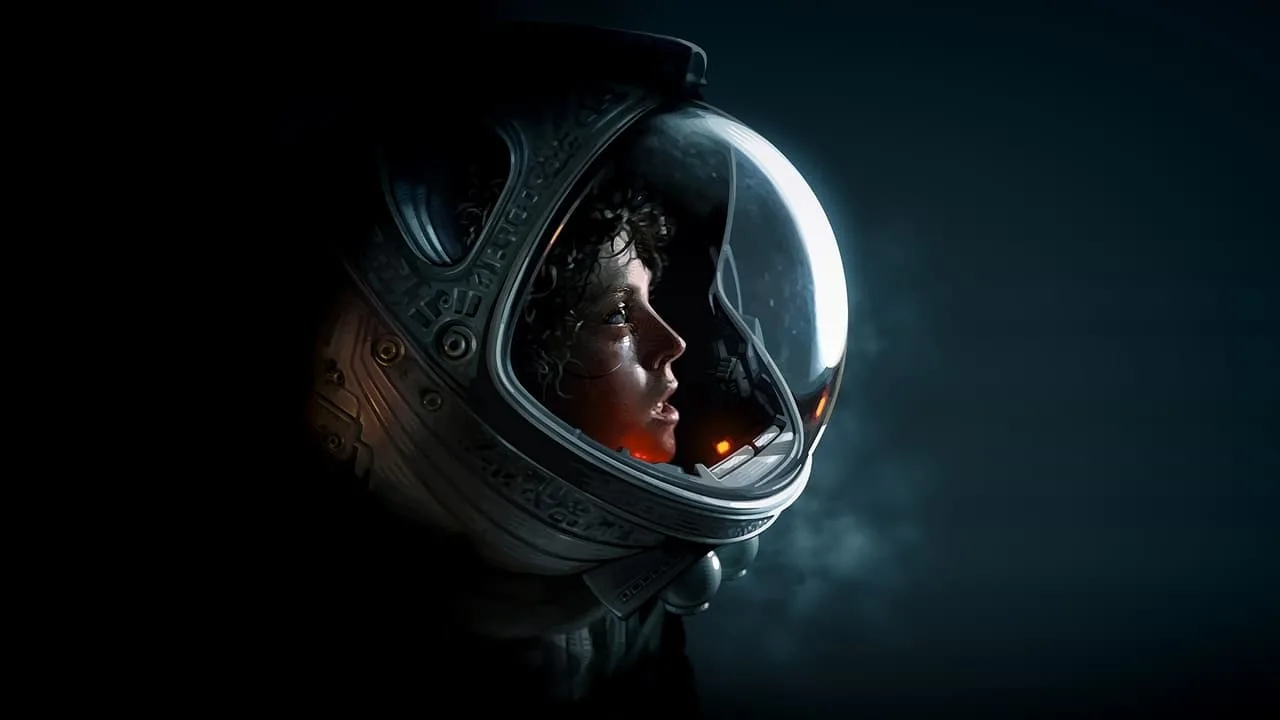
Horror is found in what is unseen. Alien, directed by Ridley Scott and released in 1979, embodies this unsettling truth. The film, which runs for 117 minutes, places its crew aboard the commercial spaceship Nostromo, where they encounter a threat so insidious it lurks in the shadows, waiting to strike.
Alien was produced on a budget of $11 million and grossed over $105 million at the box office. Its success was not merely financial; it also carved out a lasting legacy in the horror genre, winning an Academy Award for Best Visual Effects and a BAFTA Award for Best Sound. Yet, while many films explore fear, Alien does so with a stark honesty that few can match.
How does the setting amplify dread?
The setting of Alien plays a crucial role in amplifying the film's sense of dread. The house—if one can call a spaceship that—becomes a trap, a sterile environment that is both familiar and alien. The Nostromo is not just a vessel; it transforms into a claustrophobic prison, reflecting our own vulnerabilities when faced with the unknown. Each creak of the ship reverberates with the tension of what might be lurking just out of sight. In this vastness of space, the isolation amplifies the wrongness of the situation. The crew battles an extraterrestrial threat and wrestles with their own fears, magnified by their surroundings.
What does the monster symbolize?
The alien creature itself serves as a potent metaphor for the unseen horrors we face. It represents our anxieties about the future, the unknown, or even our own failings. The creature is a manifestation of something waiting to breach our defenses, to invade our safe spaces. In the era of the late 1970s, when Alien was released, societal fears about technology and the unknown were palpable. This was a time when humanity was increasingly aware of the vast, uncharted territories both in space and within ourselves. The monster embodies these fears, lurking just beyond the threshold of our understanding.
How does sound play a role in horror?
While I cannot comment on the specifics of Alien's sound design, the genre itself has always relied on sound to create atmosphere. The creaks and hisses of the ship, the silence of space, and the unexpected noises contribute to a pervasive sense of dread. Sound builds an environment where the mind fills in the gaps, creating an experience that is both visceral and psychological. The unseen horror, the creature that lies in wait, is amplified by what we cannot hear. The fear of the unknown, the anticipation of what lurks around the corner, is a fundamental aspect of horror. In Alien, this principle echoes loud and clear.
In a world where we often seek safety and comfort, Alien confronts us with the uncomfortable truth that safety is an illusion. The horror genre, in its essence, does not shy away from this reality; it embraces it. As we leave the theater, we carry with us an image that lingers—the lurking presence of fear, both within and without. Something waits in the darkness.